
 Use This Example
Customizable Resume Examples for Any Job or Industry (2026)
Explore professional resume examples for different industries, roles, and career levels. Easily customize each sample with expert tips from Certified Professional Resume Writers (CPRW).
Hired By:*

Most Popular Resume Examples
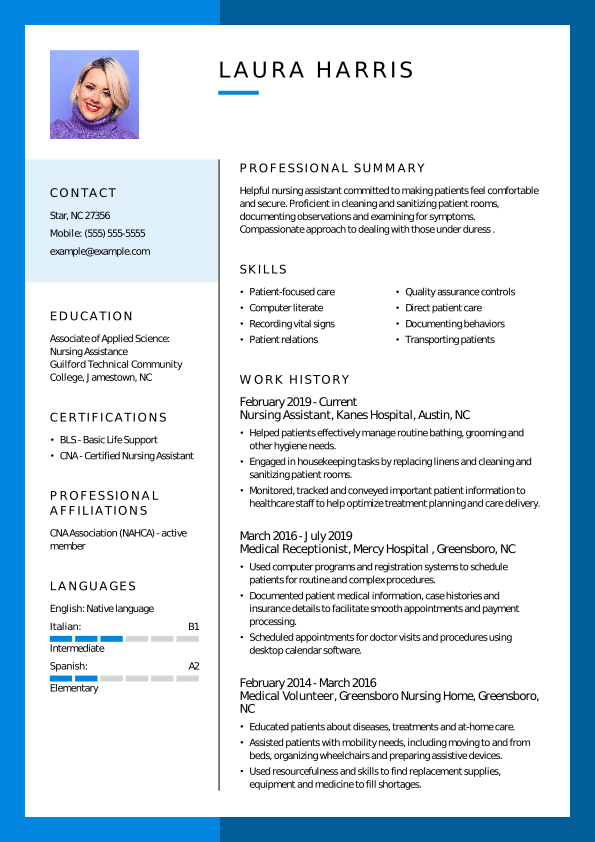
- Nurse
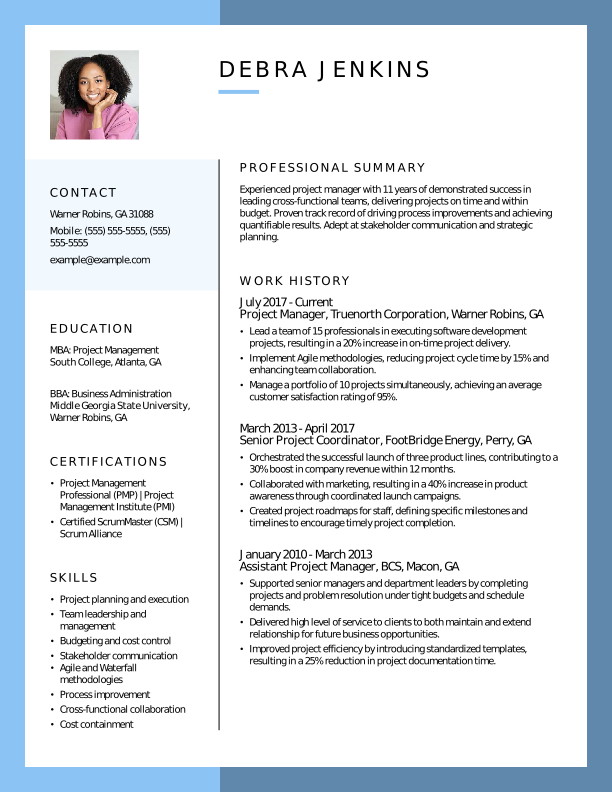
- Manager
- Standard
- Cashier
- Student
- Internship
- Information Technology
- Entry-Level
- Server
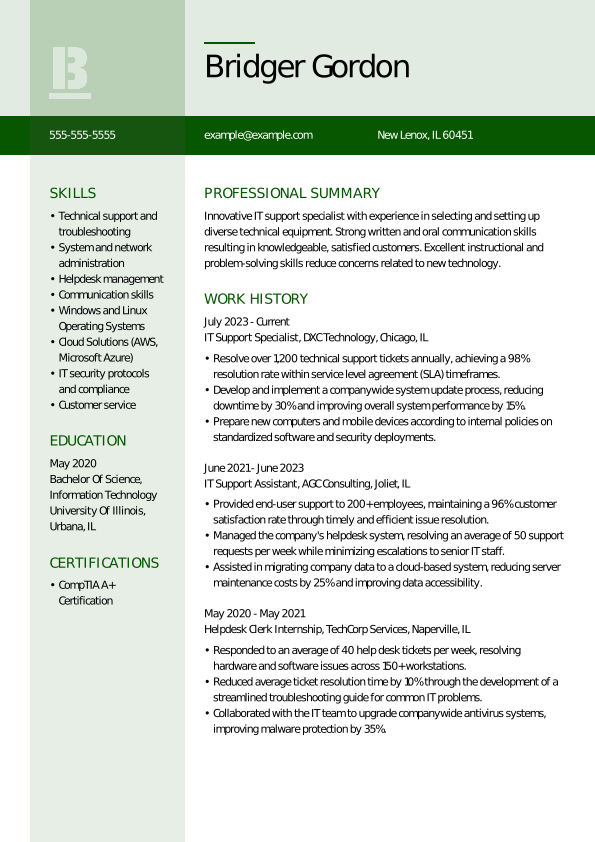
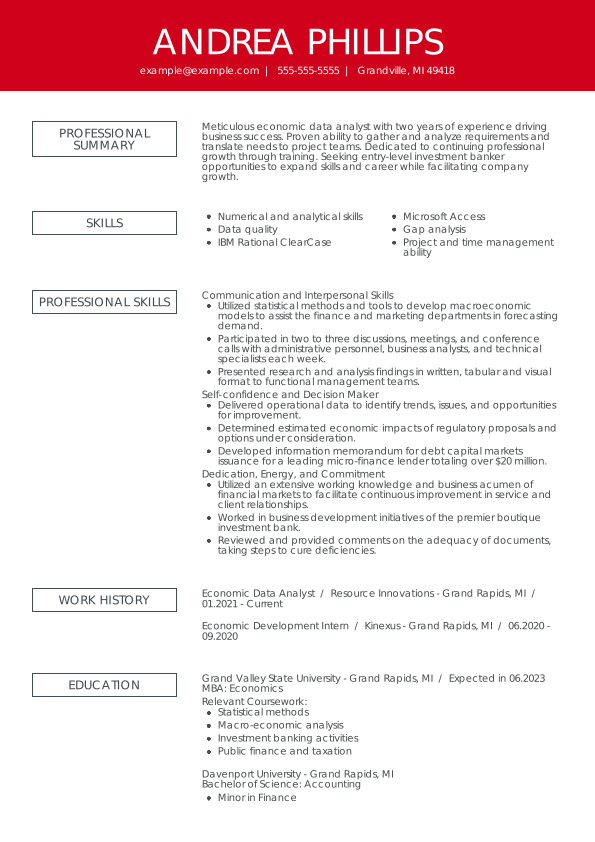
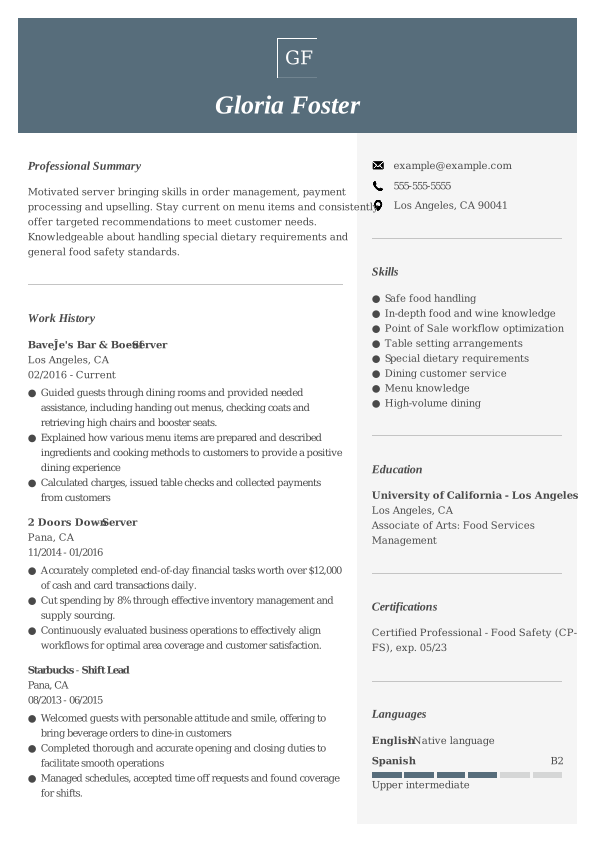
1/10
- Most Popular Resume Examples
- Resume Examples by Job & Industry
- Accounting Resume Examples
- Administrative Resume Examples
- Billing & Collections Resume Examples
- Business Operations Resume Examples
- Childcare Resume Examples
- Computer Software Resume Examples
- Construction Resume Examples
- Cosmetology Resume Examples
- Culinary Resume Examples
- Customer Service Resume Examples
- Data Systems Administration Resume Examples
- Driving Resume Examples
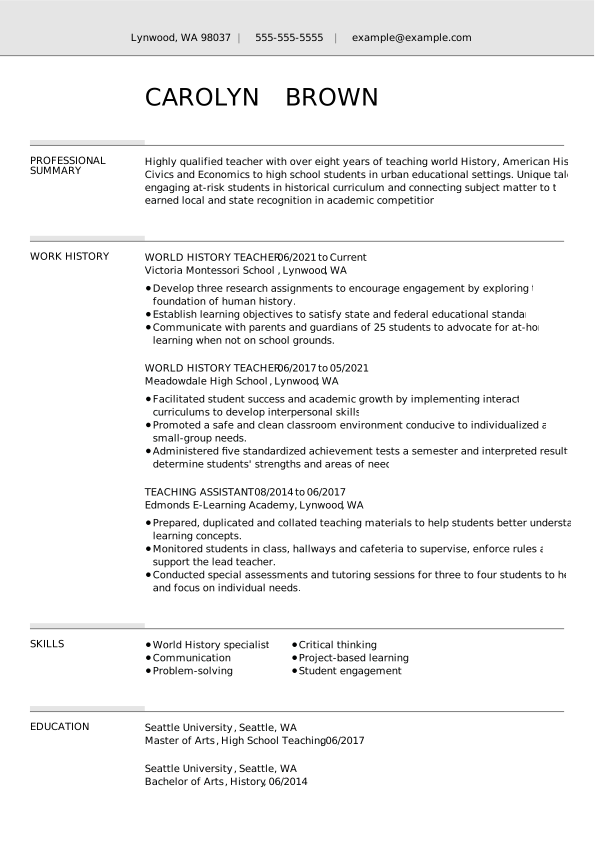
- Education & Teaching Resume Examples
- Finance Resume Examples
- Fitness & Nutrition Resume Examples
- Food Service Resume Examples
- Healthcare Support Resume Examples
- Human Resources Resume Examples
- Information Technology Resume Examples
- Janitorial Resume Examples
- Marketing Resume Examples
- Mechanical Engineering Resume Examples
- Medical Resume Examples
- Nursing Resume Examples
- Production Resume Examples
- Retail Resume Examples
- Sales Resume Examples
- Safety & Security Resume Examples
- Social Services Resume Examples
- Additional Resume Examples
- Resume Examples by Experience Level
- Choosing the Right Resume Format
- How to Tailor Your Resume to the Job
- 6 Benefits of Professional Resume Examples
- Frequently Asked Questions
- Ready to Land the Job?
- Related Articles
Resume Examples by Job & Industry

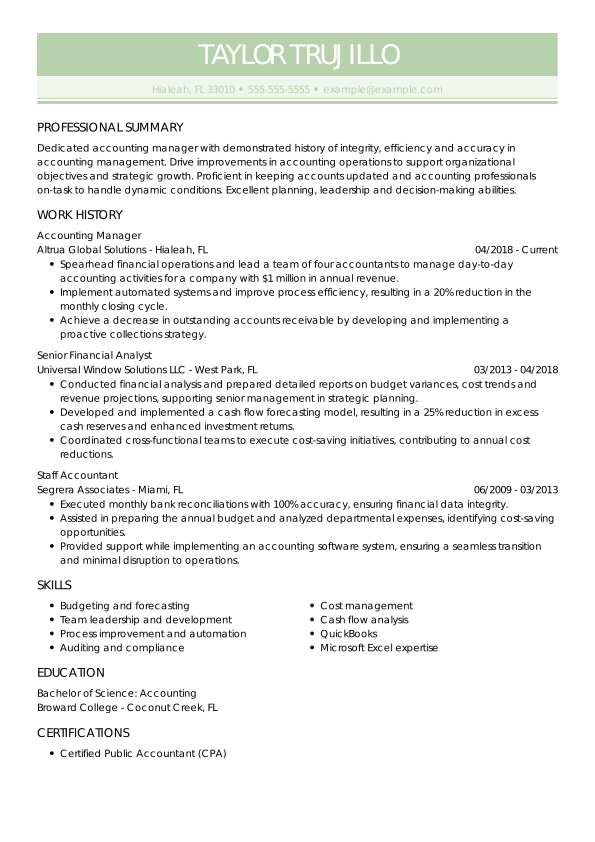
Accounting Resume Examples
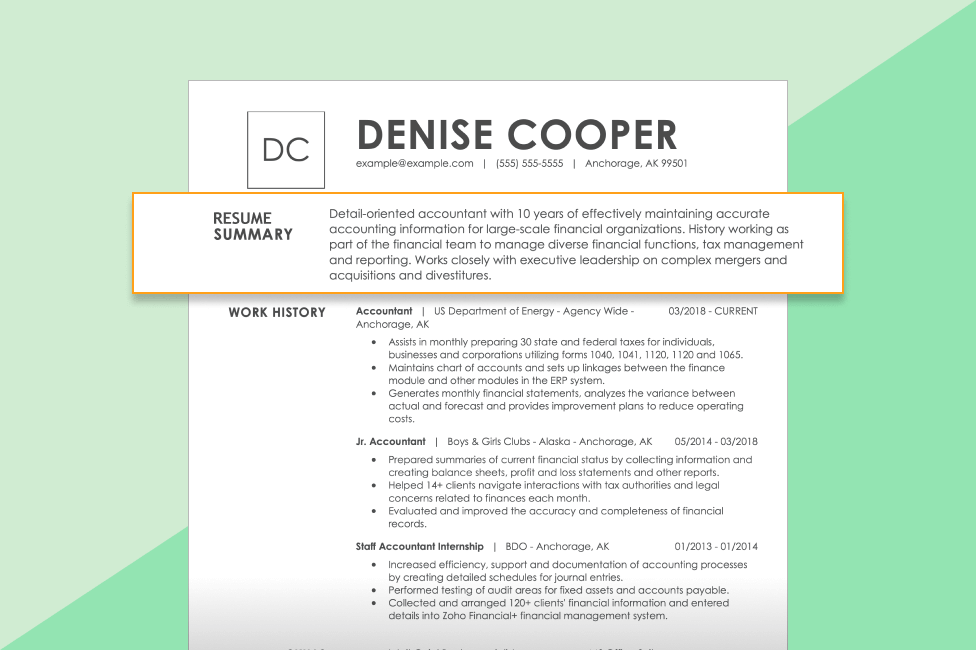
36Build a standout accounting resume by highlighting asset management and growth with clear numbers and percentages.

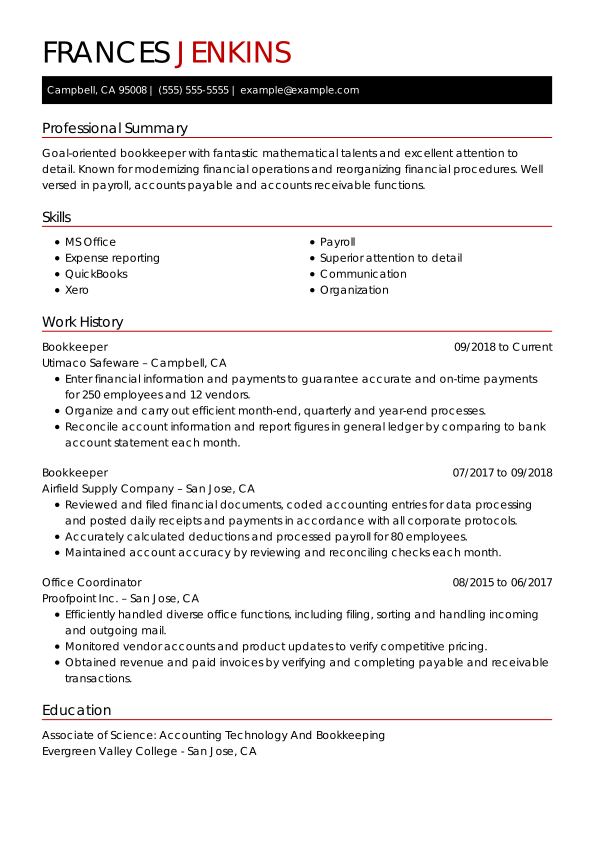
Administrative Resume Examples
99+Explore good resume examples for administrative roles and learn how to highlight your multitasking skills and ability to keep teams organized and tasks on track.

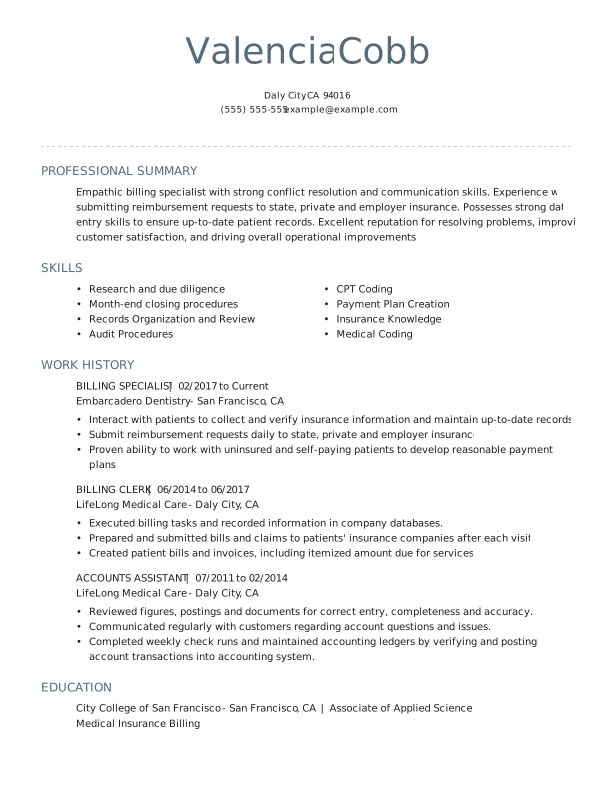
Billing & Collections Resume Examples
Explore resume examples for jobs in billing and collections to learn how to highlight skills in invoicing, payment processing, account reconciliation, and debt collection.

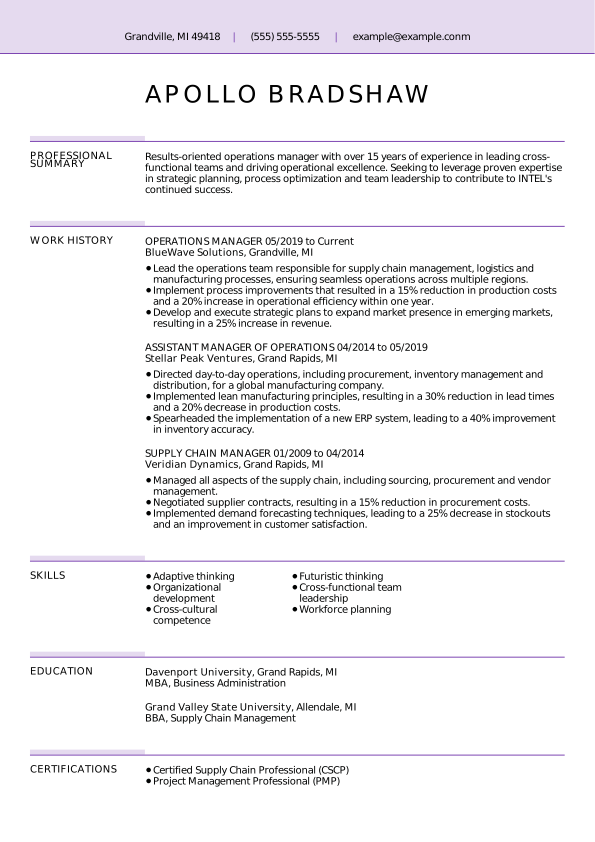
Business Operations Resume Examples
38Highlight how you cut costs, improve workflows, and add measurable results to prove you can boost business efficiency.

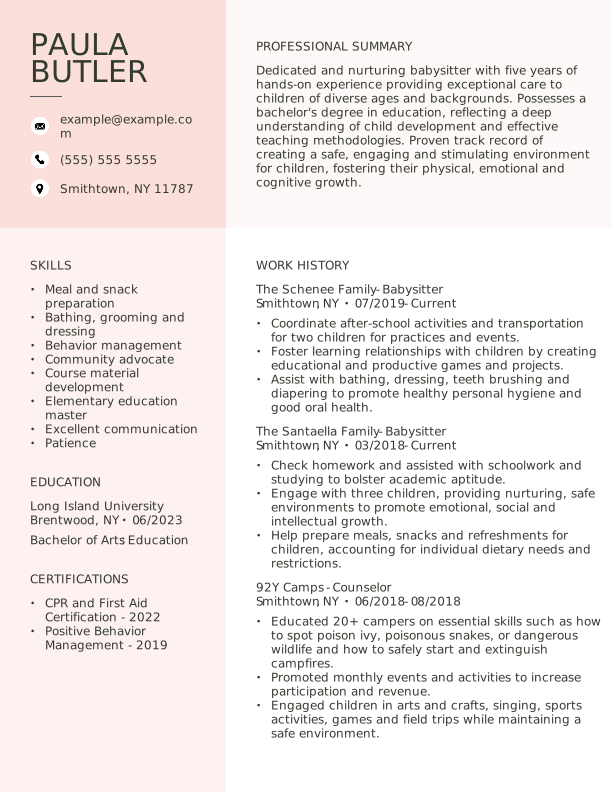
Childcare Resume Examples
Find examples of a resume for your target childcare role to see how to highlight your relevant skills, experience, and qualifications.

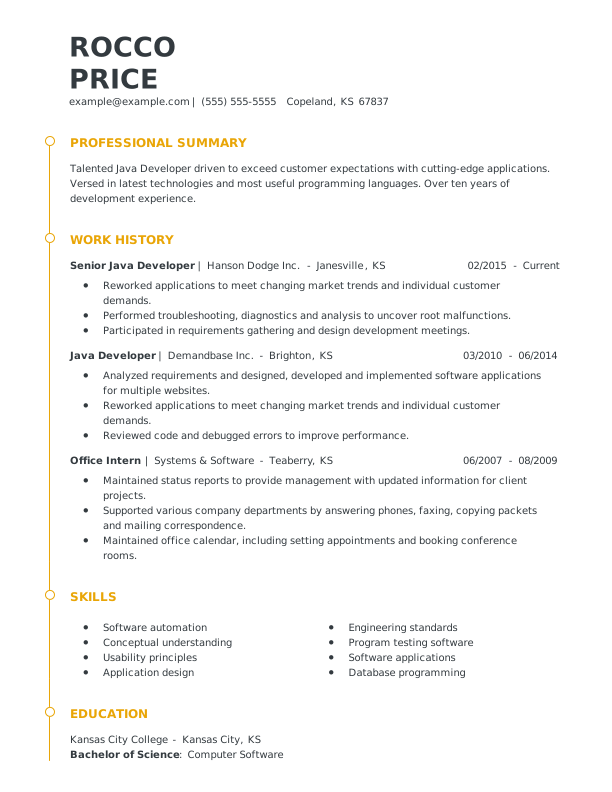
Computer Software Resume Examples
Showcase your software expertise with cutting-edge solutions and highlight in-demand skills, such as AI and cloud computing.

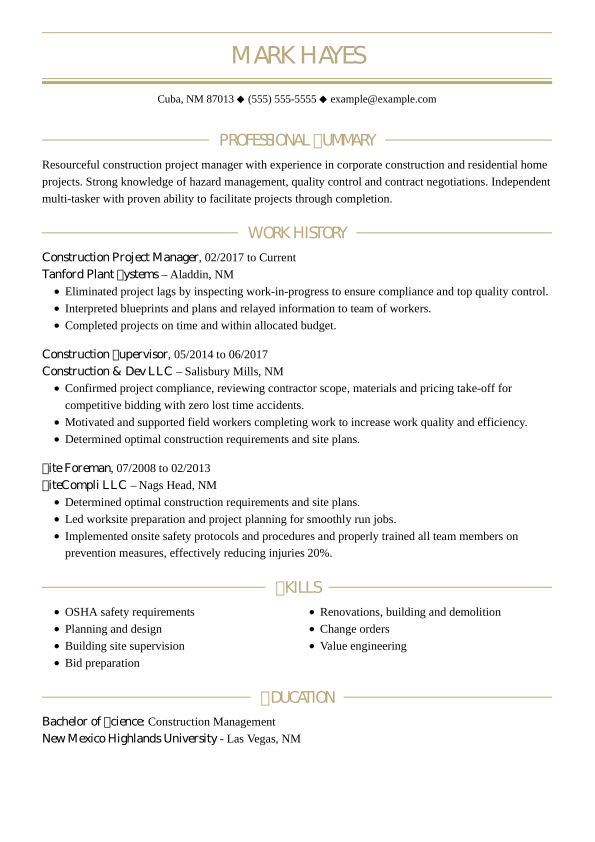
Construction Resume Examples
36List carpentry and plumbing skills, show OSHA certifications, and highlight leadership to stand out with these resume samples.

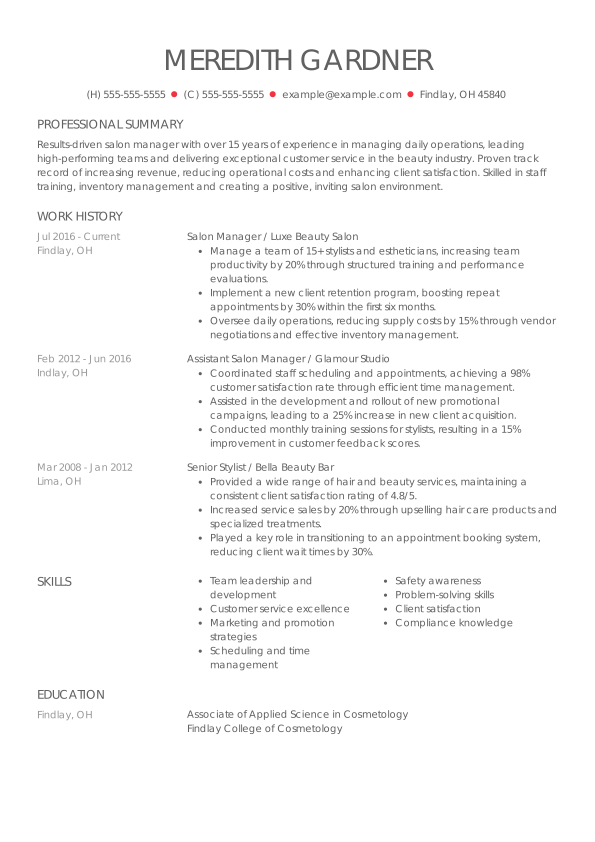
Cosmetology Resume Examples
Find a resume example for your target role, and learn how to display industry licenses and list relevant skills in hairstyling, hair coloring, and facial skin treatments.

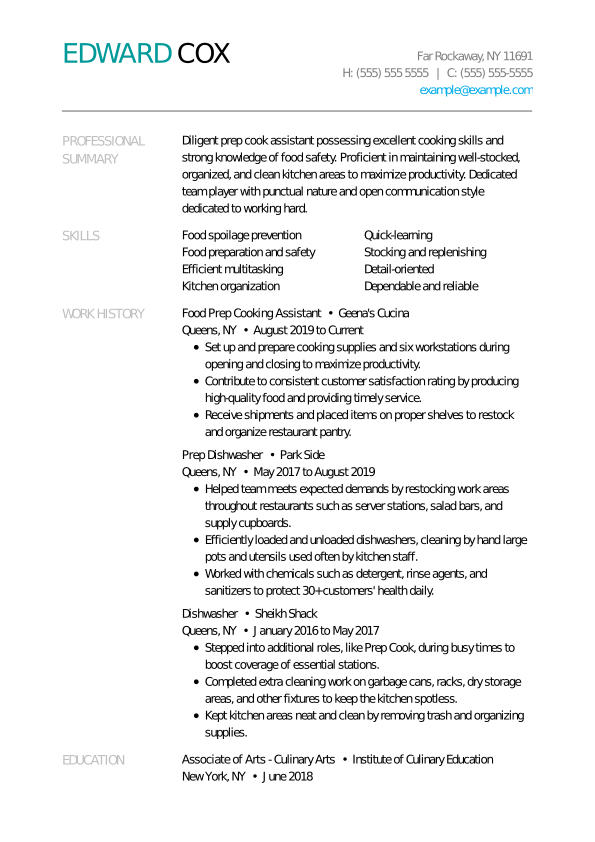
Culinary Resume Examples
23Include a strong work history with measurable achievements and a diverse skills section to stand out in culinary jobs.

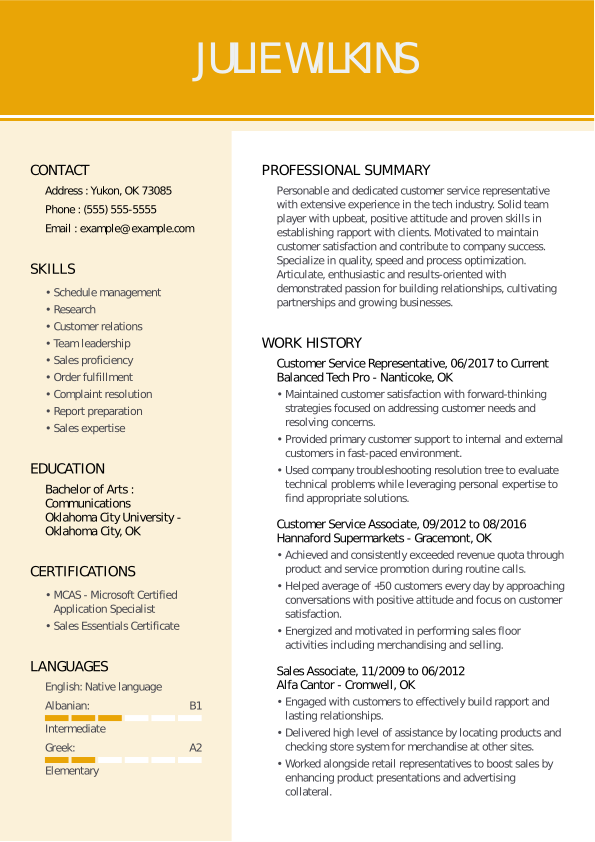
Customer Service Resume Examples
43Highlight conflict resolution and upselling skills in your summary, experience, and skills to land a customer service job.

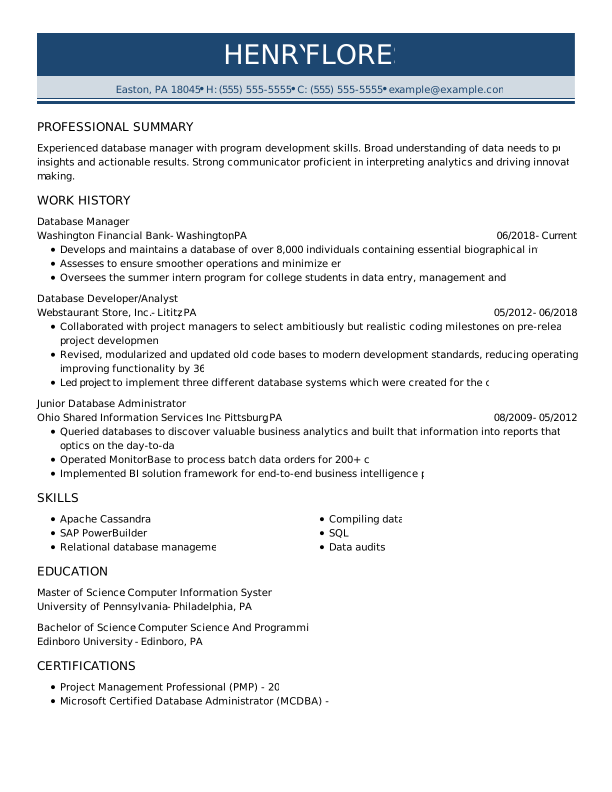
Data Systems Administration Resume Examples
Showcase your key technical skills while highlighting soft skills such as teamwork and customer service to stand out for data systems administration roles.

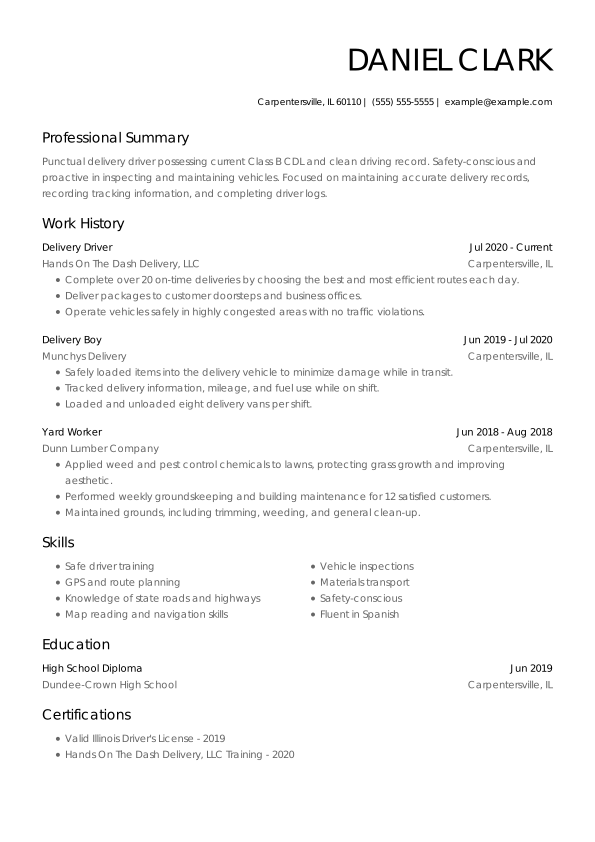
Driving Resume Examples
Grab employers’ attention with a resume summary that showcases your driver’s license, clean driving record, and strong time management skills.

Education & Teaching Resume Examples
33Explore good resume examples for teaching roles to see how to showcase classroom management skills, unique achievements, and your passion for student success.
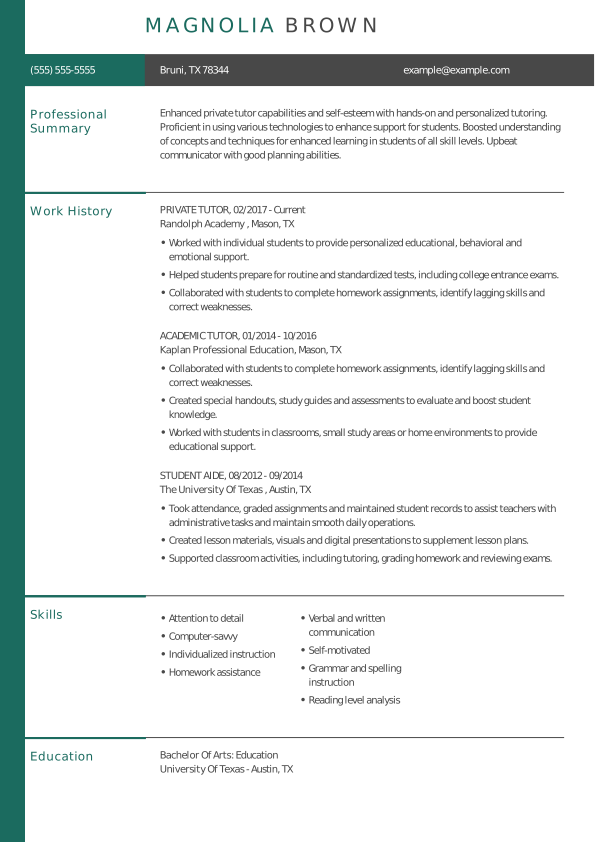

Finance Resume Examples
17Find a finance resume example for your target role and see how to showcase quantifiable wins, strong analysis skills, and strategic insights.
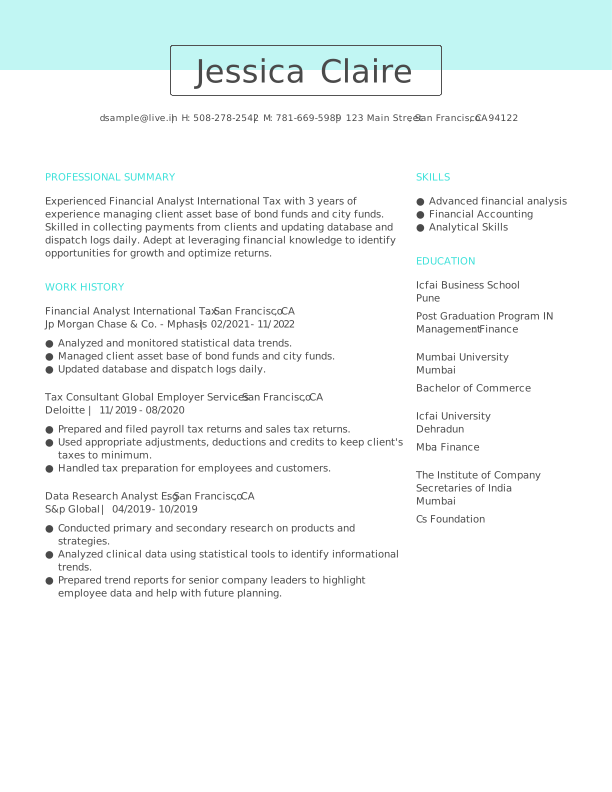

Fitness & Nutrition Resume Examples
Find fitness and nutrition resume examples to show how you helped clients achieve measurable results, and highlight in-demand skills like HYROX or Pilates.
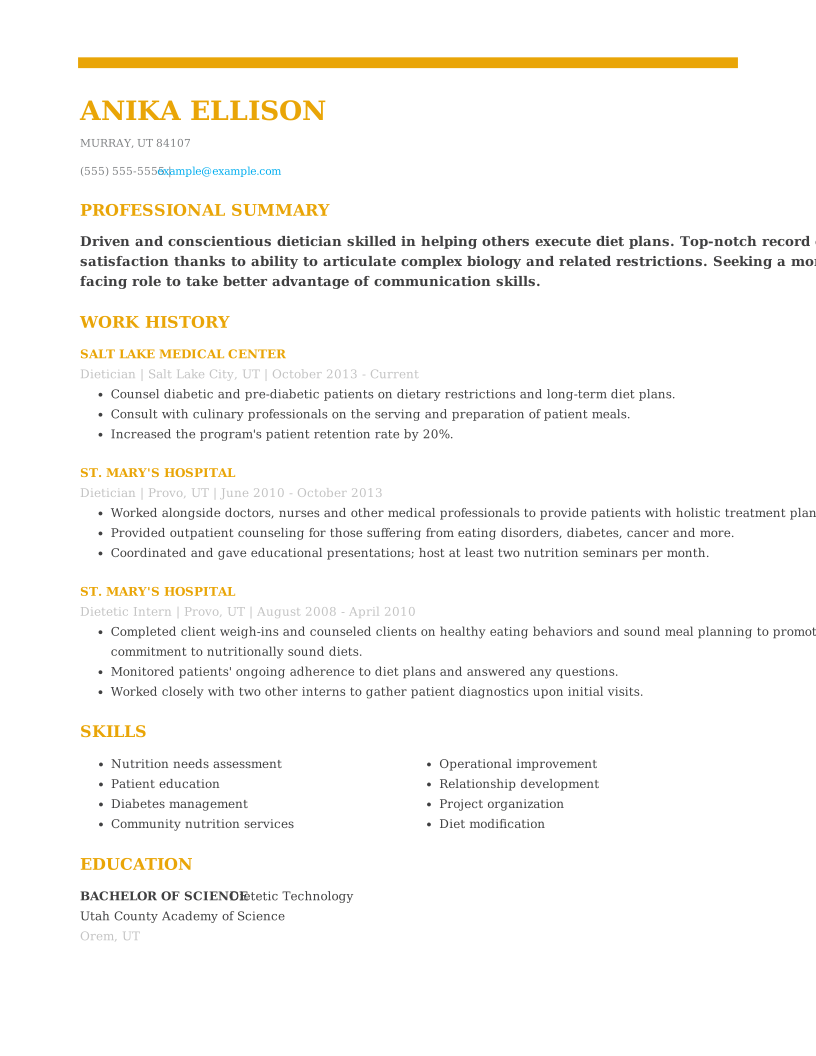

Food Service Resume Examples
66To stand out to employers in the high-turnover food service industry, craft a clear, one-page resume with action verbs and measurable accomplishments.
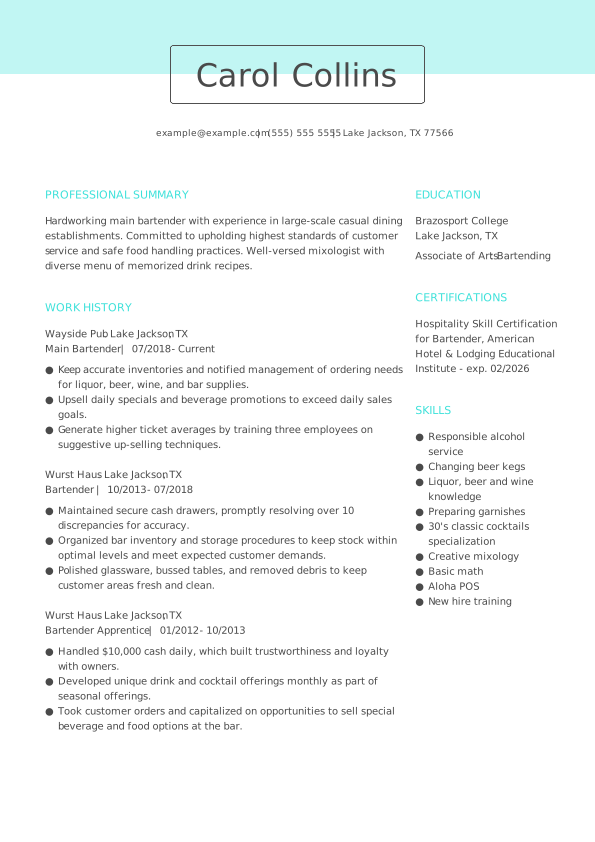

Healthcare Support Resume Examples
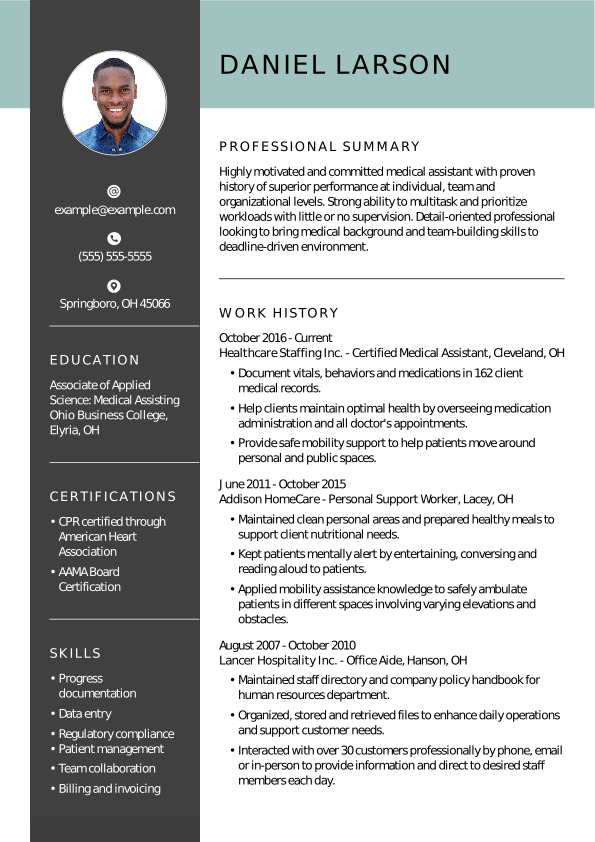
48Show licenses, patient care skills, and quantified results on your healthcare resume to prove you deliver safe, quality care.

Human Resources Resume Examples
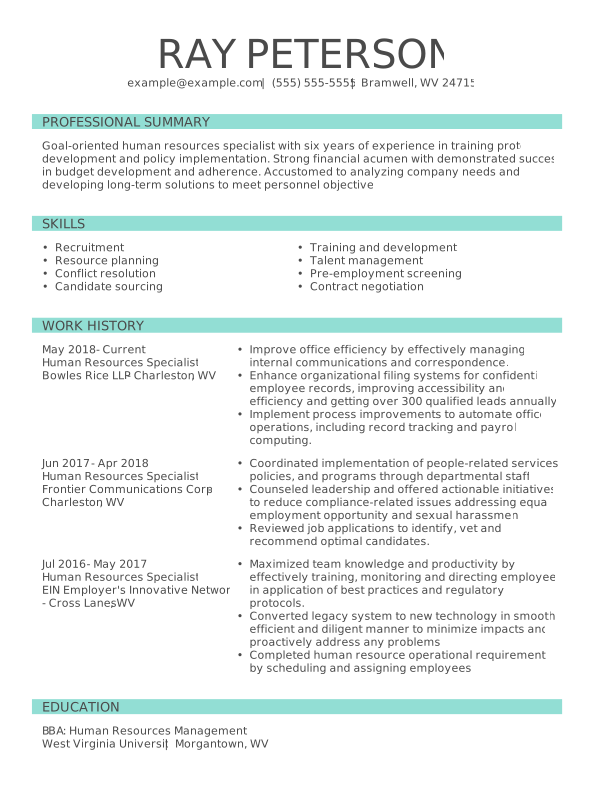
48Tailor your HR resume with job-specific keywords and use a simple template to pass applicant tracking systems (ATS).

Information Technology Resume Examples
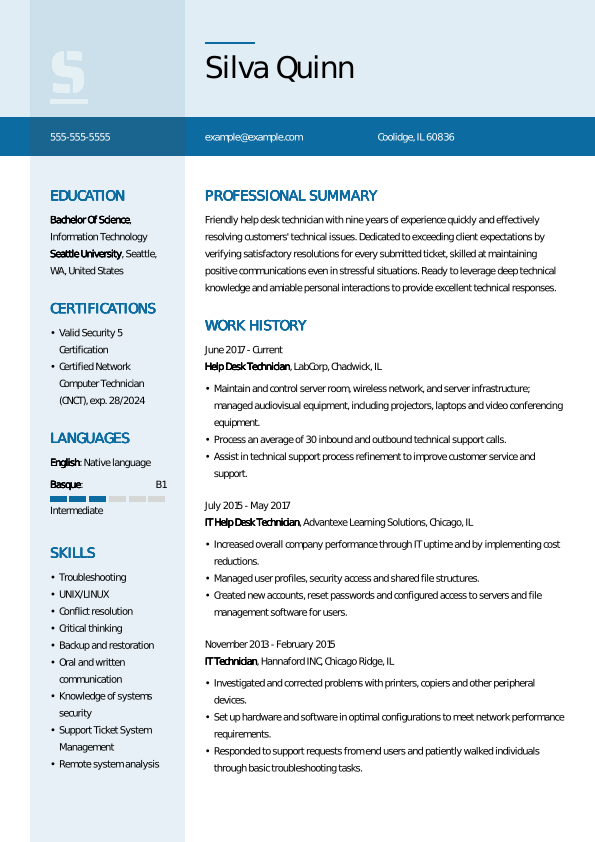
14Use our IT resume samples to showcase troubleshooting, backup, and critical thinking skills, and quantify results such as uptime and issues resolved.

Janitorial Resume Examples
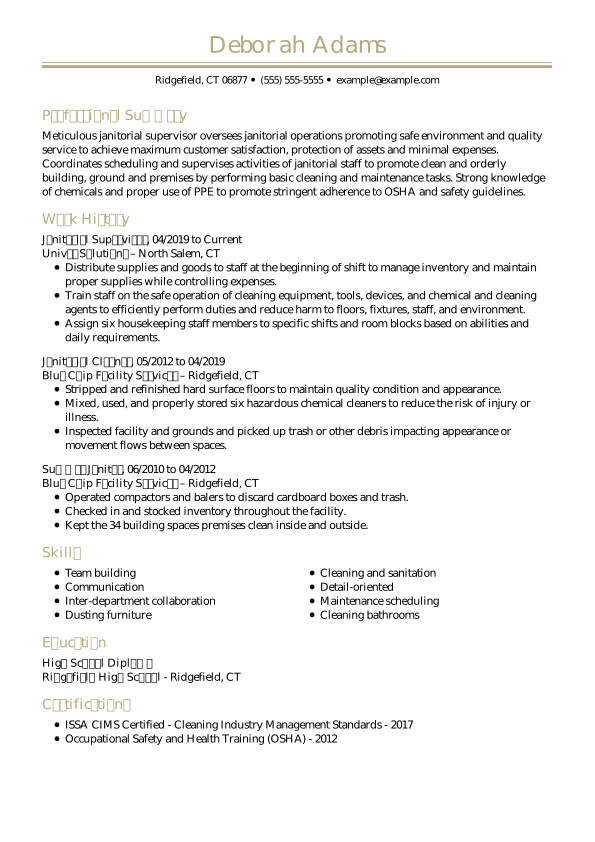
Show janitorial skills like sanitation and attention to detail, and highlight your reliability to stand out to employers.

Marketing Resume Examples
12Use marketing resume samples to showcase campaign wins, data-driven strategies, and ROI growth that impress employers.
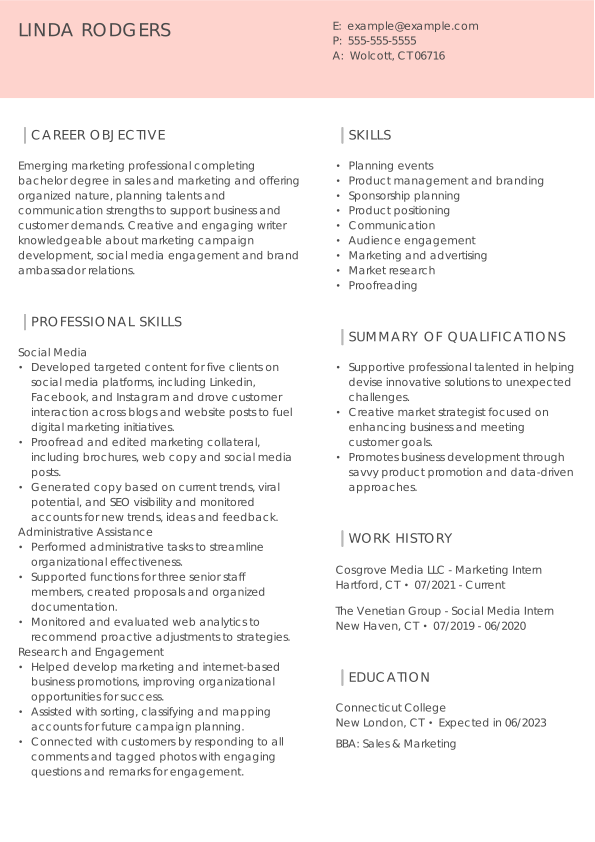

Mechanical Engineering Resume Examples
Highlight engineering software skills and quantify how your designs boosted efficiency or reduced costs on your resume.
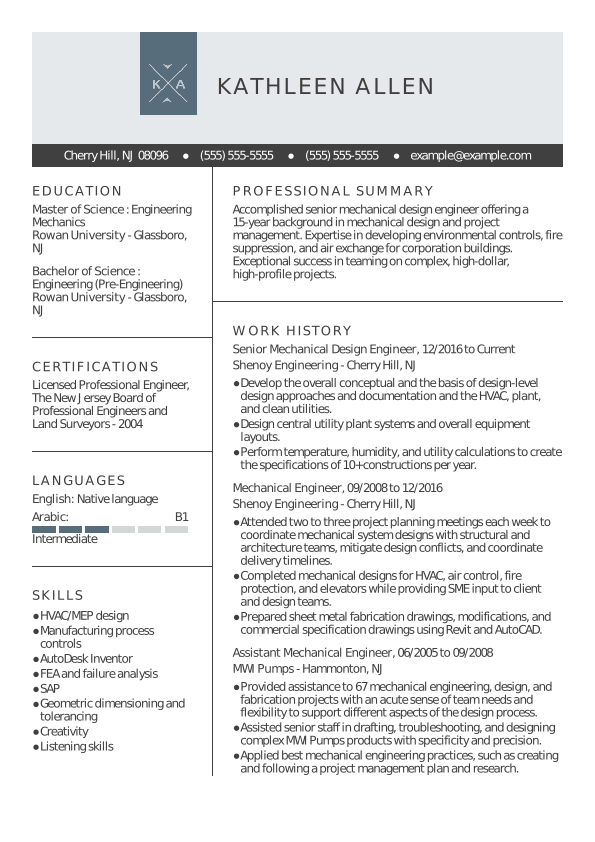

Medical Resume Examples
93Showcase patient care outcomes and highlight specialized certifications to make your resume stand out to employers.
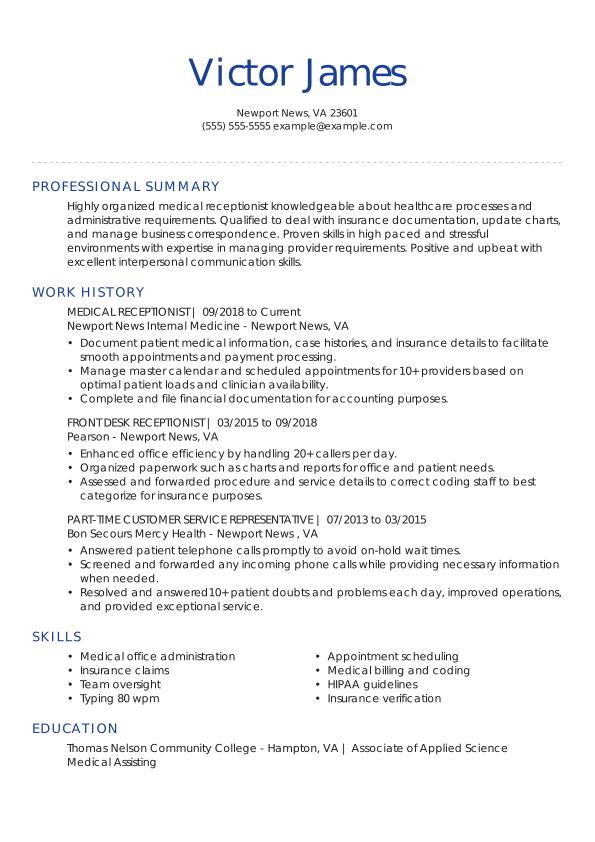

Nursing Resume Examples
99+Impress employers by detailing clinical skills, specialized training, and metrics like patient load or procedure accuracy.


Production Resume Examples
21Focus your resume on showcasing how you improved production efficiency with clear metrics to impress hiring managers.
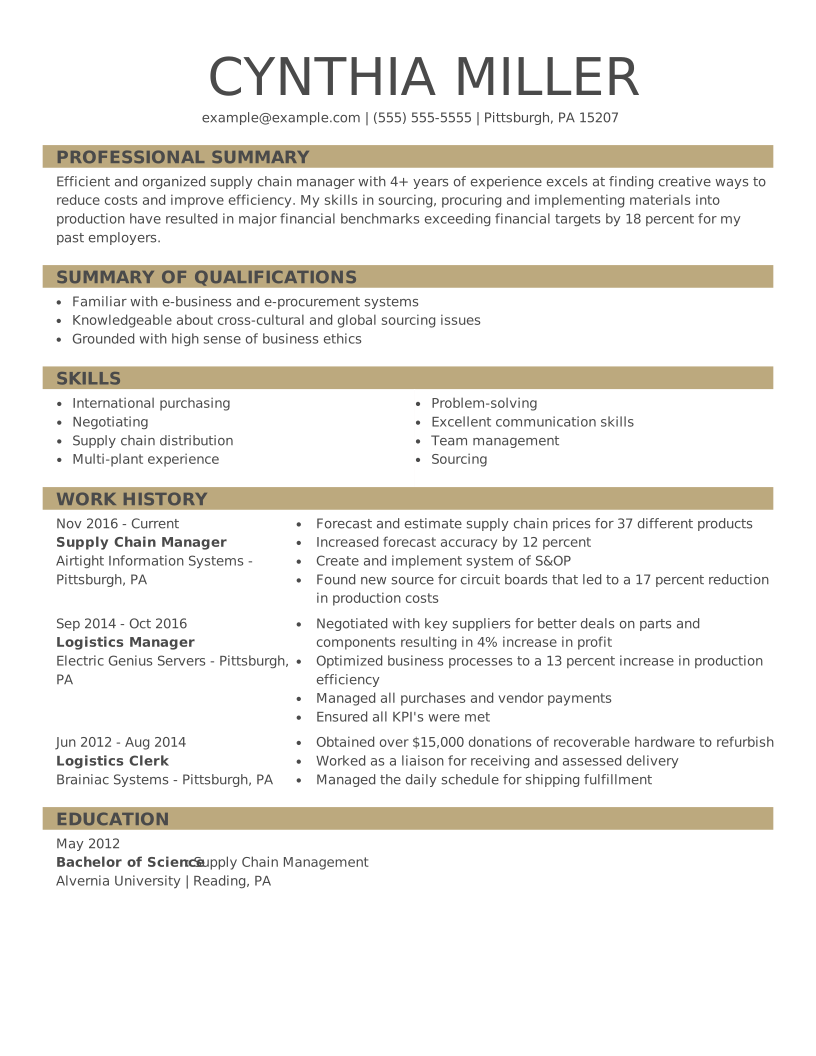

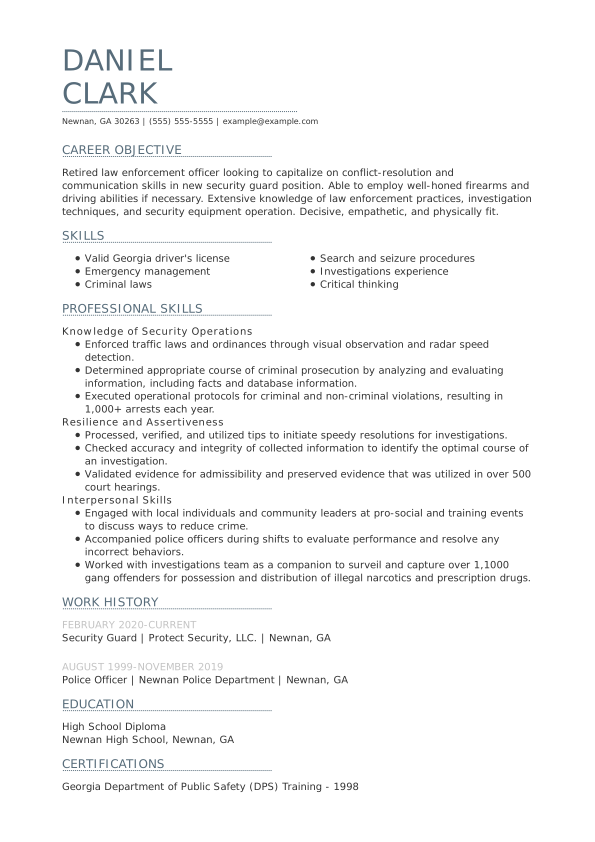
Retail Resume Examples
49Use our resume samples to showcase sales, relationship-building, management, and transaction skills that win jobs.
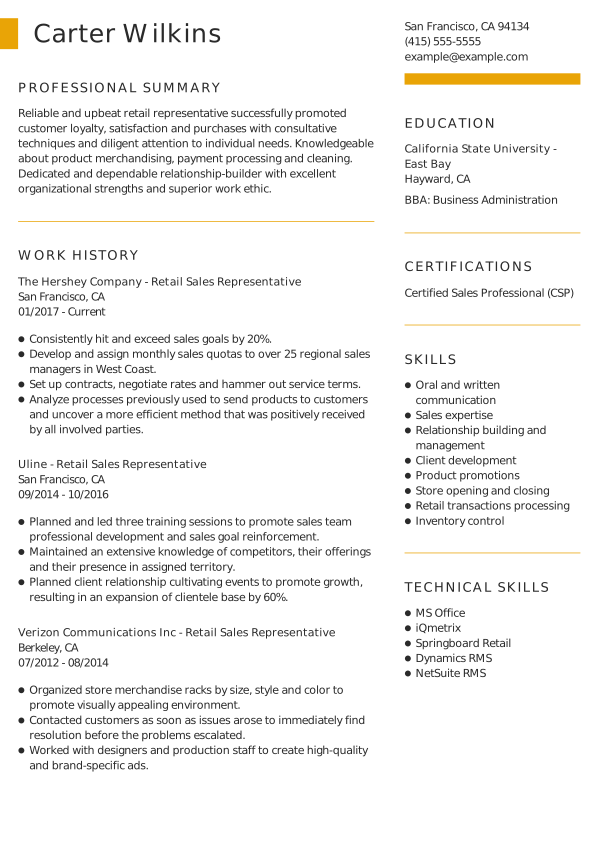

Sales Resume Examples
35Showcase data analysis, account management, and persuasive communication skills effectively to land a job interview.
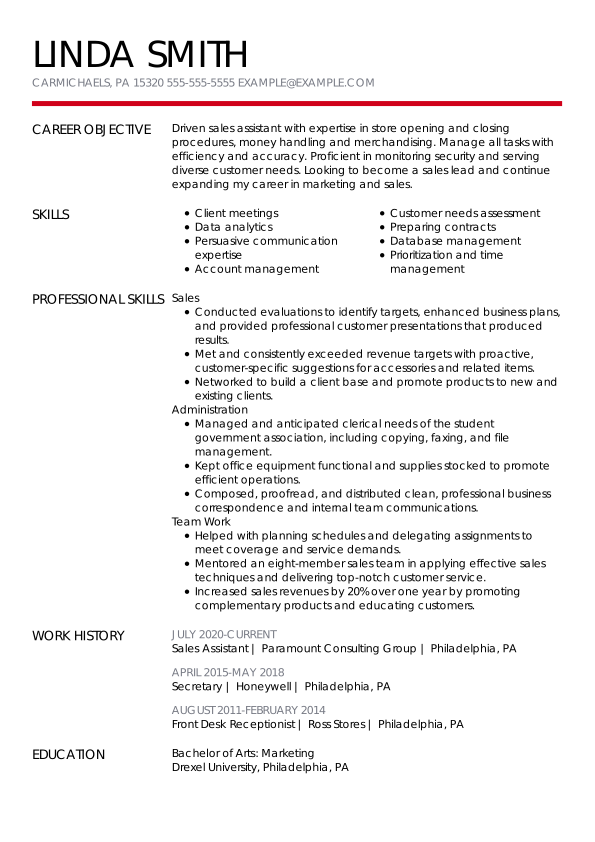

Safety & Security Resume Examples
Show how you cut risks and boosted safety culture with clear protocols and results on your resume.
Additional Resume Examples
 Agriculture and Farming
 Animal Care
 Architecture
 Arts
Arts Aviation
 Banking
 Biology
 Civil Engineering
 Computer Hardware
 Dance
Dance Dentistry
 Editor
 Electrical
 Entertainment
 Environmental
 Event Planning
 Fashion
 Film
Film Government
 History
 Hospitality
 HVAC
HVAC Insurance
 Interior Design
 Landscaping
 Law
Law Logistics
 Maintenance
 Mechanics
 Mental Health
 Military
 Mining
 Music
Music Pest Control
 Pharmaceutical
 Photography
 Plumbing
 Psychology
 Purchasing
 Quality Control
 Real Estate
 Shipping
 Special Education
 Sports
 Stock Controller
 Textile Engineer
 Training & Development
 Transportation
 Travel
 Veterinary
 Web DevelopmentShow More
Resume Examples by Experience Level
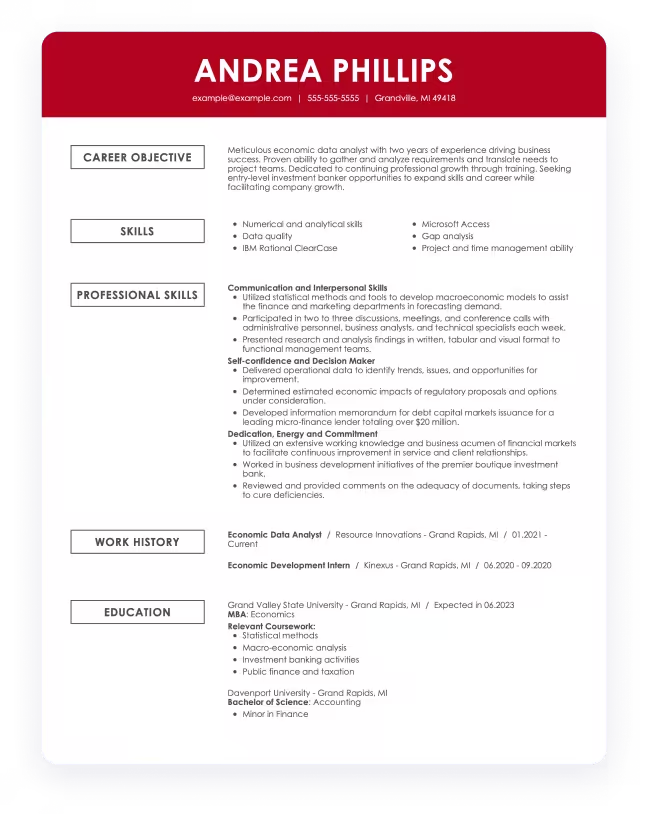
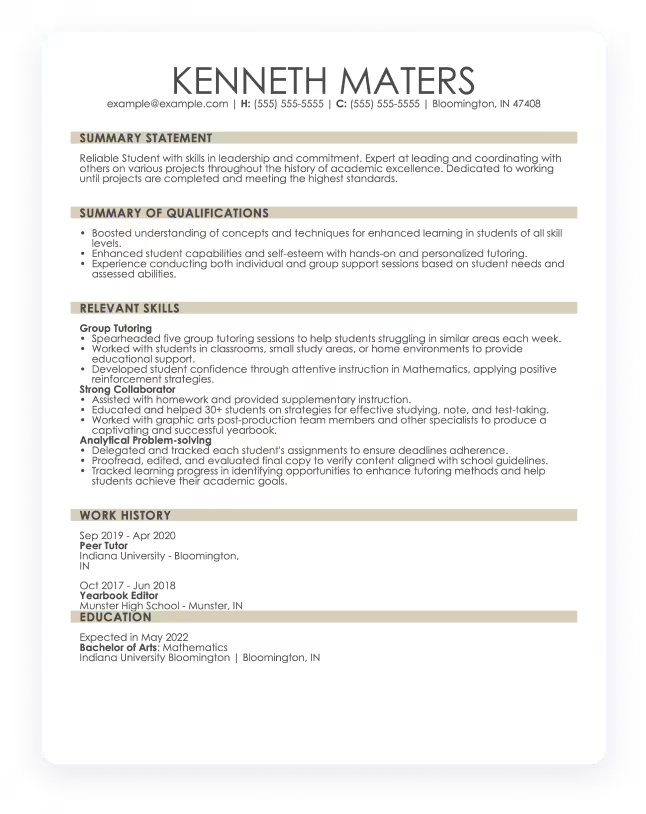
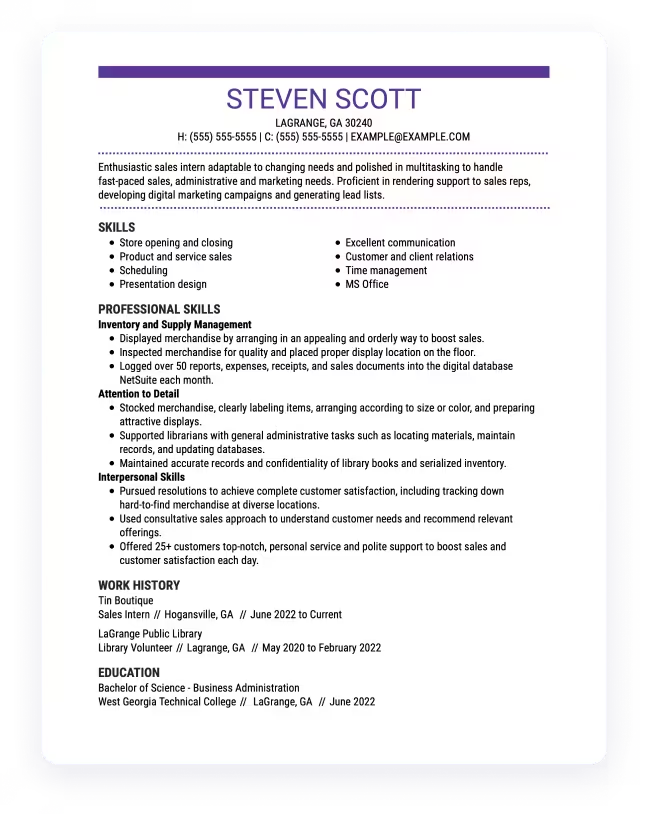
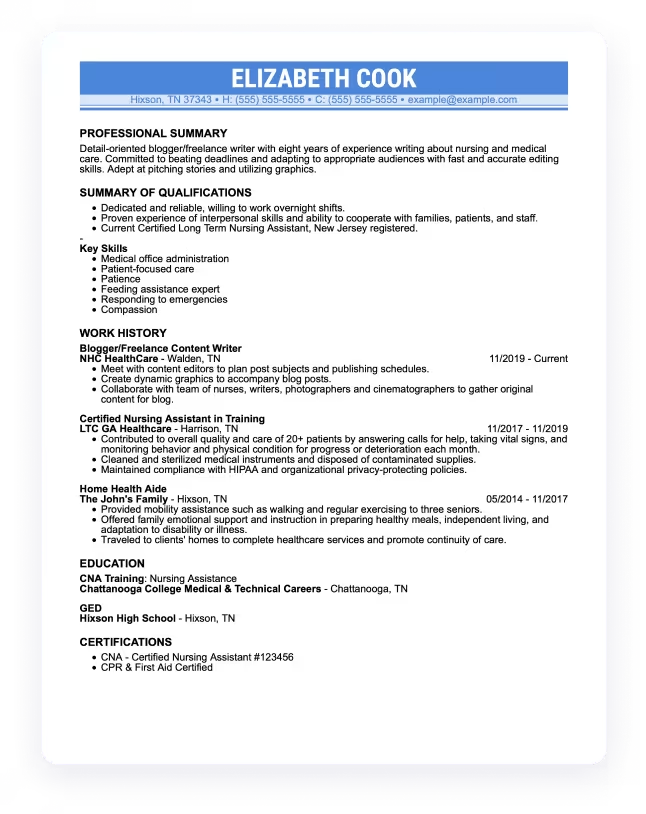
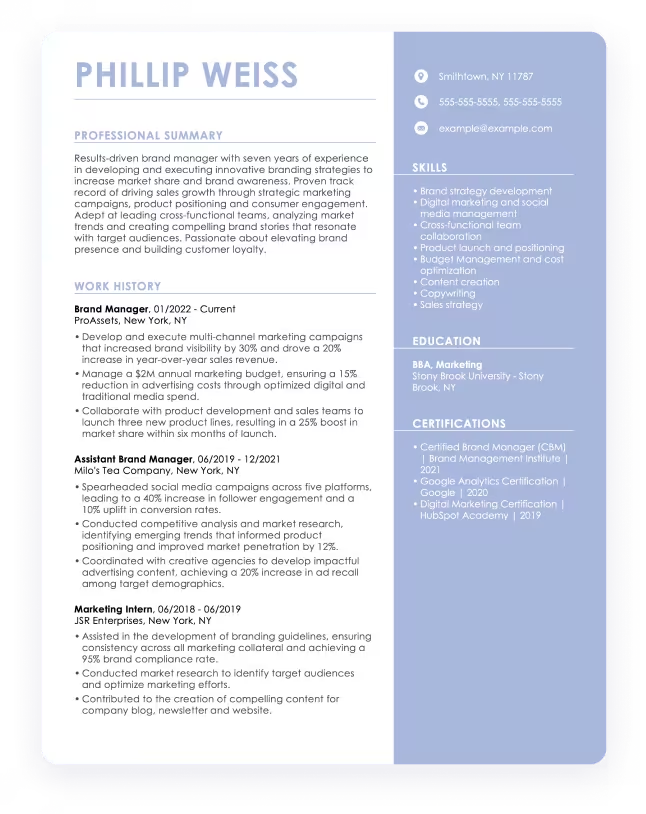
Choose a resume example that most closely matches your experience level to highlight the qualifications employers are looking for. Entry-level and student resumes should emphasize skills, education, and relevant experience, while mid-career and experienced resumes should focus more on accomplishments, career progression, and leadership.
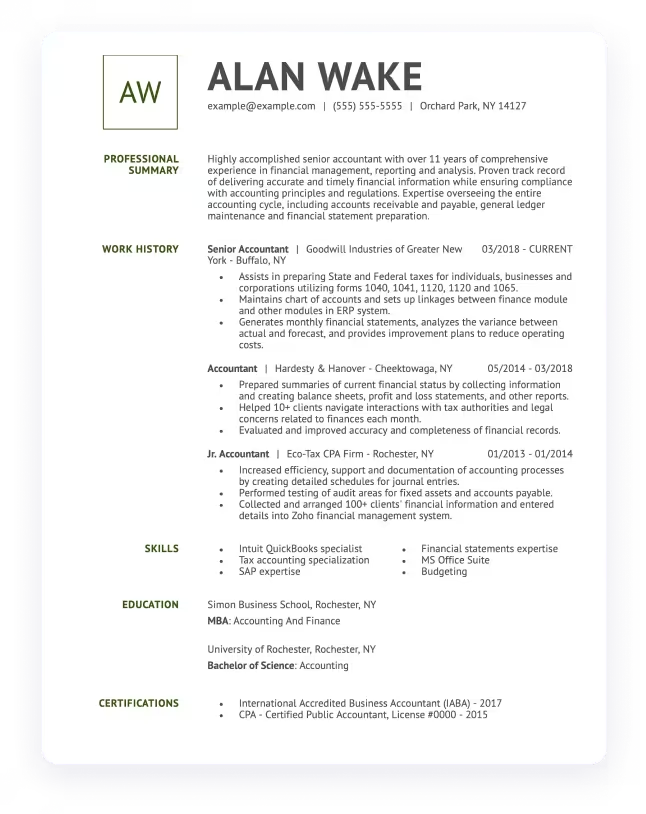
1/6
Choosing the Right Resume Format
Choose between a chronological, combination, or functional resume, depending on which format best highlights your work history, skills, and career goals.
Entry-Level 0-3 years
Functional
Focuses on job-relevant skills and abilities
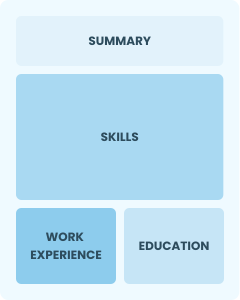
Best for
First-time job seekers with limited relevant experience or transferable skills
Mid-Career 3-10 years
Combination
Combines skills and work experience
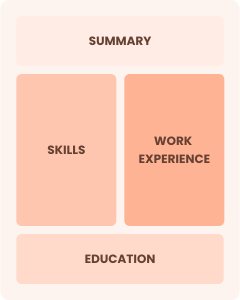
Best for
Career changers or those with gaps or nonlinear experience
Experienced 10+ years
Chronological
Emphasizes career progression and work history
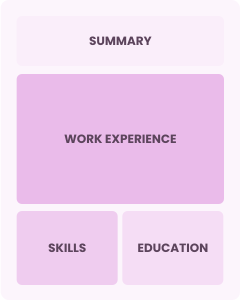
Best for
Candidates with a consistent career path and strong recent experience
How to Tailor Your Resume to the Job
Tailor your resume to each job by matching your skills, experience, and achievements to the employer’s requirements. Review the job description for keywords, prioritize your relevant qualifications, and adjust your resume to show how your background aligns with the role.
- Scan the job description for resume keywords (important skills and qualifications) and add the ones that best match your experience to your resume.
- Use numbers to prove impact. Connect your measurable achievements directly to the job's requirements, such as “boosting sales by 10%” for a sales representative role.
- Customize your resume profile to reflect company values. If they value innovation, highlight your latest ideas and projects.
- Edit your skills section for each application by highlighting six to eight of your most relevant skills for the job.
- Include a punchy resume headline featuring your most in-demand qualifications to grab the hiring manager’s attention right away.
6 Benefits of Professional Resume Examples
Professional resume examples save you time and stress by showing you exactly how to craft a winning resume for any industry or experience level. Here are key benefits:
- Discover how professionals phrase their resume content, so you don’t struggle with writer’s block.
- Use real examples to see what to write, not just where to place it, unlike with generic templates.
- Save time by replacing skills and adding a few unique achievements instead of writing a resume from scratch.
- Get industry-specific ideas that highlight the exact skills and sections recruiters want for your target job.
- Optimize your resume with ATS-friendly examples that help you pass scanners and reach real recruiters faster.
- Learn what modern resumes include, what to skip, and how to stay current with today’s resume trends.
Frequently Asked Questions
Last updated on June 03, 2026
What is a good example of a professional resume?
A good professional resume includes a clear summary, relevant skills, detailed work experience, measurable achievements, and education or certifications when applicable. It uses concise bullet points, strong action verbs, and a clean, professional layout.
The strongest examples also tailor the content to the target job, using relevant keywords and focusing on qualifications that demonstrate the candidate’s value to employers.
How do I find resume examples for my industry?
You can find resume examples for your industry by browsing examples organized by job title, industry, experience level, and career situation. On this page, use the relevant category to find examples that match your field and target role. Choose an example that closely aligns with your experience to see how to highlight industry-specific skills, qualifications, and achievements.
Are your resume examples ATS-friendly?
Yes, our resume examples are designed to be ATS-friendly, using clean layouts, standard fonts, clear section headings, and keyword-focused content that makes resumes easier for applicant tracking systems (ATS) to parse. Each example follows job-description alignment best practices to improve how resumes are matched to job requirements in automated screening systems and to help recruiters quickly identify relevant qualifications.
What does a modern resume look like?
A modern resume uses a clean, professional layout with clear section headings, readable fonts, concise bullet points, and plenty of white space. It typically includes a summary, relevant skills, work experience, and education, with measurable achievements throughout. Modern resumes should also be tailored to the target job and use relevant keywords while avoiding excessive graphics or distracting design elements.
Can I copy a resume example?
You can use a resume example as a guide, but you shouldn’t copy it word for word. Instead, use the example to understand how to structure your resume, describe your experience, and present your skills and achievements. Replace the sample content with your own qualifications, and tailor your resume to the specific job you’re applying for.
How do I start writing a resume?
To start writing a resume, identify the job you want and review the job description for its key skills and qualifications. Then choose a resume format that fits your experience, create sections for your summary, skills, work experience, and education, and add your most relevant achievements. Tailor each section to the position so employers can quickly see why you’re a strong candidate.
What should I not put on my resume?
You shouldn’t put personal information, irrelevant work history, unprofessional email addresses, salary requirements, or references on your resume unless specifically requested.
Avoid including photos, lengthy paragraphs, obvious skills, or information that doesn’t support your qualifications for the job. You should also leave out inaccurate or exaggerated claims, as they can undermine your credibility with employers.
How do I make a simple resume?
To make a simple resume, use a clean, easy-to-scan layout with clear section headings and concise bullet points. Include your contact information, a summary, relevant skills, work experience, and education.
Focus on your most relevant qualifications, use strong action verbs to describe achievements, and avoid unnecessary graphics, complex formatting, or lengthy paragraphs.
Ready to Land the Job?
Join 28M+ others who’ve built a resume that works.











Social Services Resume Examples
17Case Manager
Use This ExampleView more social services resumes