Hard skills include technical competencies such as advanced patient monitoring, administering anesthesia, and understanding surgical protocols that are essential in ensuring patient safety and effective care.
SRNA Resume Examples & Templates
Looking to stand out as a srna? Our srna resume examples showcase essential skills like patient assessment and medication administration to help you shine in your job search.

by Gabriela Hernandez, Last Updated: January 18, 2026
Hired By:*

- Popular SRNA Resume Examples
- Resume Template—Easy to Copy & Paste
- Build Your Resume in Minutes
- How to Write a SRNA Resume Summary
- Showcasing Your Work Experience
- Top Skills to Include on Your Resume
- Resume Format Examples
- Related Nursing Resume Examples
- Frequently Asked Questions
- Should I include a cover letter with my SRNA resume?
- Can I use a resume if I’m applying internationally, or do I need a CV?
- What soft skills are important for SRNAs?
- I’m transitioning from another field. How should I highlight my experience?
- Should I use a cover letter template?
- How do I write a resume with no experience?
Popular SRNA Resume Examples
Discover our top srna resume examples that demonstrate critical skills such as anesthesia administration, patient monitoring, and effective communication. These examples will help you highlight your unique qualifications in a competitive field.
Eager to build your own impressive resume? Our Resume Builder offers user-friendly templates specifically designed for nursing professionals, making the process straightforward and efficient.
Recommended
 Customize This Resume
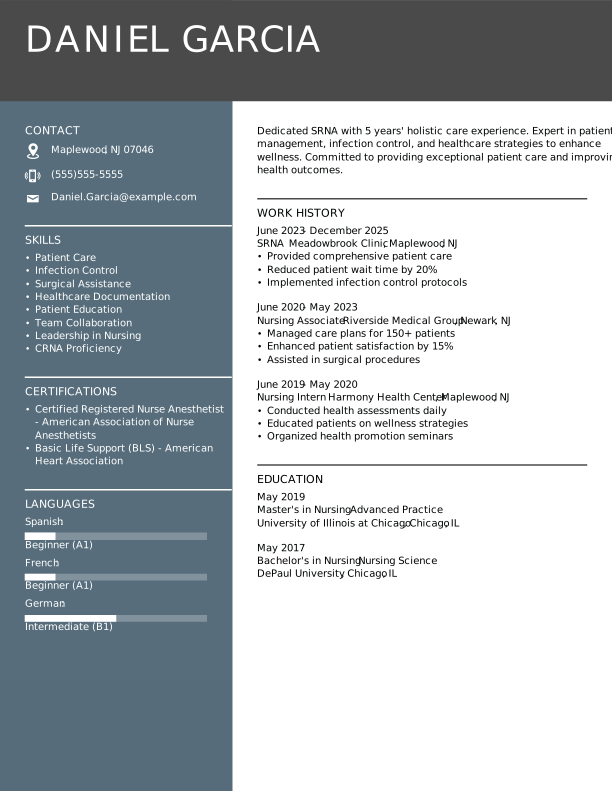
Entry-level SRNA resume
What this resume does well:
This entry-level resume effectively highlights the applicant's clinical skills and accomplishments, showcasing significant metrics in patient care and improved satisfaction rates. New professionals in this field must demonstrate their ability to apply theoretical knowledge practically, along with a commitment to continuous improvement and patient-centered care, even with limited work experience.
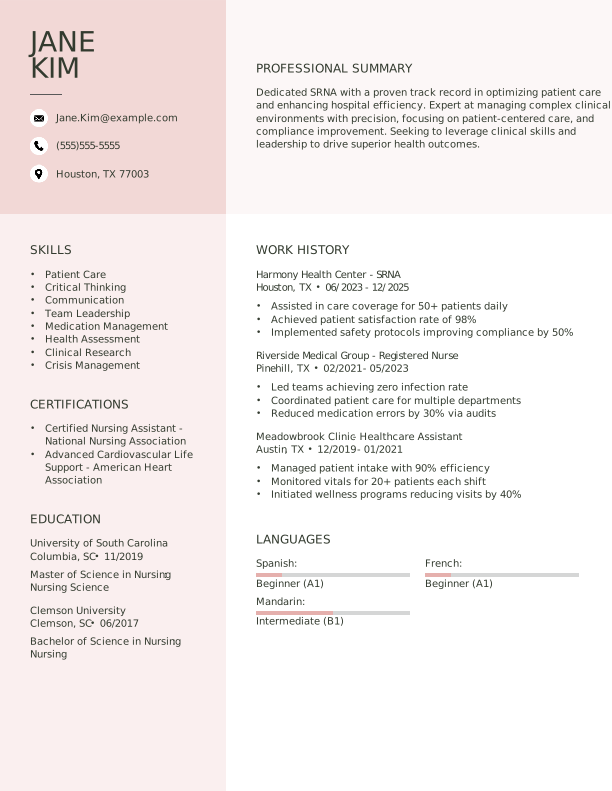
Mid-career SRNA resume
What this resume does well:
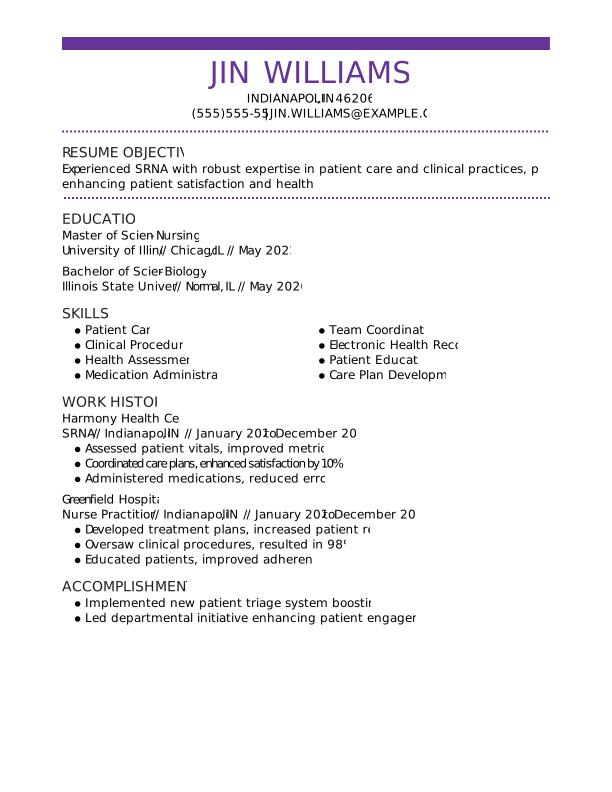
This resume effectively showcases the job seeker's qualifications, highlighting their leadership in patient care and infection control. The clear progression from nursing intern to SRNA illustrates a strong commitment to professional development and readiness for advanced responsibilities.
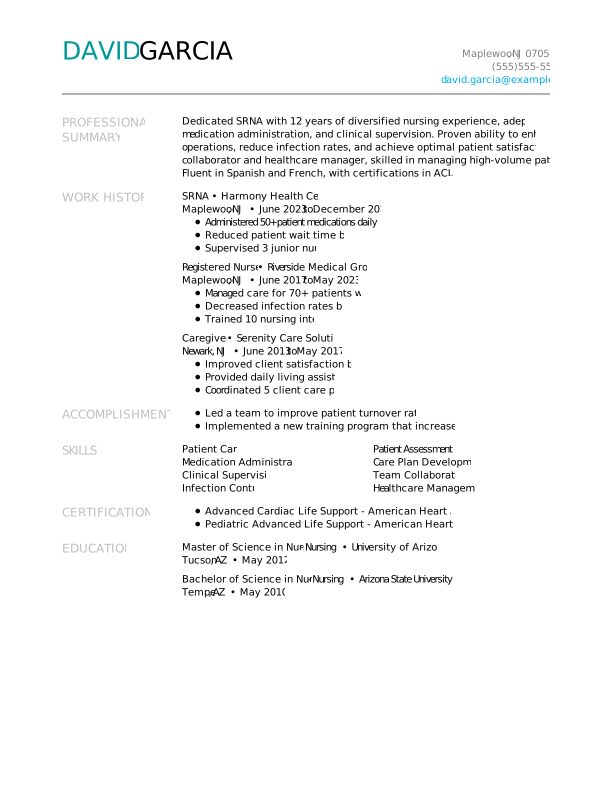
Experienced SRNA resume
What this resume does well:
This section illustrates the applicant's substantial experience as an SRNA, emphasizing their ability to administer over 50 medications daily and reduce patient wait times by 20%. The bullet-point format effectively highlights these accomplishments, making it easy for hiring managers to assess qualifications quickly.
Resume Template—Easy to Copy & Paste
Example
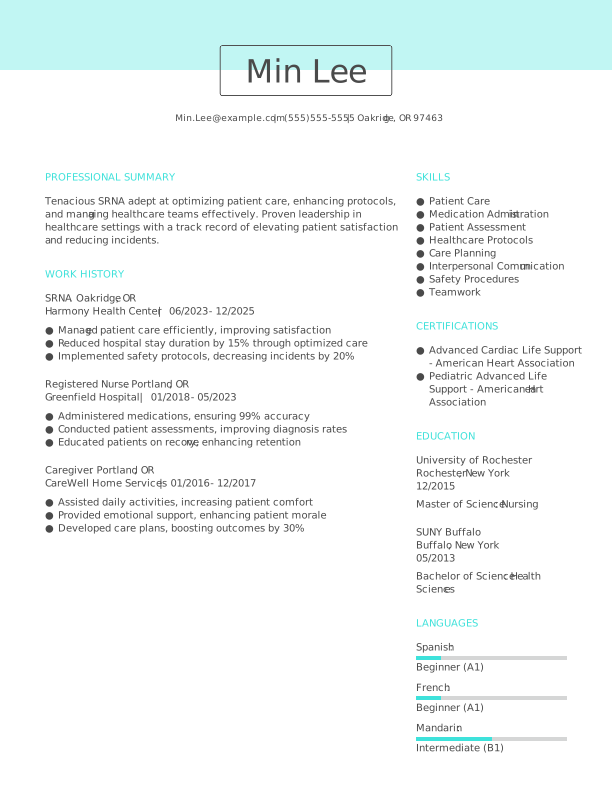
Min Lee
Oakridge, OR 97463
(555)555-5555
Min.Lee@example.com
Professional Summary
Tenacious SRNA adept at optimizing patient care, enhancing protocols, and managing healthcare teams effectively. Proven leadership in healthcare settings with a track record of elevating patient satisfaction and reducing incidents.
Work History
SRNA
Harmony Health Center - Oakridge, OR
June 2023 - December 2025
- Managed patient care efficiently, improving satisfaction
- Reduced hospital stay duration by 15% through optimized care
- Implemented safety protocols, decreasing incidents by 20%
Registered Nurse
Greenfield Hospital - Portland, OR
January 2018 - May 2023
- Administered medications, ensuring 99% accuracy
- Conducted patient assessments, improving diagnosis rates
- Educated patients on recovery, enhancing retention
Caregiver
CareWell Home Services - Portland, OR
January 2016 - December 2017
- Assisted daily activities, increasing patient comfort
- Provided emotional support, enhancing patient morale
- Developed care plans, boosting outcomes by 30%
Skills
- Patient Care
- Medication Administration
- Patient Assessment
- Healthcare Protocols
- Care Planning
- Interpersonal Communication
- Safety Procedures
- Teamwork
Certifications
- Advanced Cardiac Life Support - American Heart Association
- Pediatric Advanced Life Support - American Heart Association
Education
Master of Science Nursing
University of Rochester Rochester, New York
December 2015
SUNY Buffalo Buffalo, New York
May 2013
Languages
- Spanish - Beginner (A1)
- French - Beginner (A1)
- Mandarin - Intermediate (B1)
Build Your Resume in Minutes
Creating a custom resume is easier than ever with our Resume Builder!
How to Write a SRNA Resume Summary
Your resume summary is the first impression you make on hiring managers, so it’s important to craft it carefully. This section provides an opportunity to highlight your qualifications and show how you stand out in the field of SRNA.
As a skilled srna, you should emphasize your clinical skills, patient care experience, and teamwork abilities. These key elements will demonstrate your value and readiness for the role.
To guide you in creating an effective summary, consider the following examples. They will illustrate what resonates with employers and what to avoid:
Weak Example
I am a dedicated SRNA with several years of experience in various healthcare settings. I seek a position that allows me to use my skills and contribute to the team effectively. A supportive environment with chances for personal and professional growth is what I am after. I believe I can add value to your organization if given the chance.
Why this summary misses the mark:
- Lacks specific details about the job seeker’s unique skills and accomplishments
- Overuses personal pronouns, making it sound less professional
- Emphasizes what the job seeker hopes to gain instead of what they can provide to the employer
Strong Example
Compassionate Certified Registered Nurse Anesthetist (CRNA) with over 6 years of experience in delivering anesthesia care for a variety of surgical procedures. Achieved a 20% reduction in patient recovery times through the implementation of advanced anesthetic techniques and protocols. Proficient in regional anesthesia, pain management, and collaborating effectively with surgical teams to ensure optimal patient outcomes.
Why this summary works:
- Begins with a clear identification of the role and years of relevant experience
- Highlights a quantifiable achievement that reflects significant contributions to patient care efficiency
- Mentions specific technical skills that are important for success in the CRNA position

Pro Tip
If you're new to the job market, consider a career objective to highlight your aspirations instead of a traditional summary. There are many tailored resume objective examples available that can help you stand out in your field and showcase your potential.
Showcasing Your Work Experience
The work experience section is important for your resume as a SRNA, containing the bulk of your content. A well-structured resume template will always include this key area to highlight your professional journey.
This section should be organized in reverse-chronological order, allowing you to present past roles clearly. Use bullet points to detail your specific achievements and contributions in each position you’ve held.
To help illustrate effective entries for a srna, we’ll provide some examples that demonstrate best practices and common pitfalls:
Weak Example
SRNA
Sunnyvale Healthcare Center – Sunnyvale, CA
- Assisted patients with daily activities.
- Maintained cleanliness in patient areas.
- Communicated with nursing staff regarding patient needs.
- Documented patient information.
Why this work experience section misses the mark:
- Lacks specific employment dates for context
- Bullet points are overly generic and do not highlight any achievements
- Focuses on routine tasks rather than powerful contributions or outcomes
Strong Example
Senior Research Nurse
Cleveland Clinic – Cleveland, OH
March 2020 - Current
- Conduct clinical trials for innovative therapies in oncology, ensuring compliance with regulatory standards and protocols.
- Analyze patient data to assess treatment efficacy, contributing to a 30% increase in successful trial outcomes over the past year.
- Mentor junior research nurses on best practices in patient care and trial management, fostering a collaborative team environment.
Why this work experience section works:
- Employs powerful action verbs that clearly articulate the applicant’s contributions and achievements
- Incorporates quantifiable metrics to highlight significant results and improvements in trial outcomes
- Demonstrates relevant nursing skills while showcasing leadership and mentorship roles
While your resume summary and work experience are important components, don't overlook the importance of other sections that contribute to a well-rounded application. For more detailed guidance on crafting each part of your resume, be sure to explore our comprehensive guide on how to write a resume.
Top Skills to Include on Your Resume
A skills section is essential for any resume, as it quickly communicates your qualifications to potential employers. It showcases your capabilities and helps you stand out in a competitive job market.
As an SRNA, emphasize both technical skills and interpersonal abilities. Highlight your skill with tools like electronic health records (EHR) systems and patient monitoring equipment, along with strong communication skills that are important for patient care.
Soft skills encompass interpersonal abilities like teamwork, compassion, and active listening that foster trust and collaboration among healthcare professionals and patients alike.
Selecting the right resume skills is important because it helps align your qualifications with what employers expect. Many organizations use automated screening systems to filter out applicants lacking essential skills for the job.
To ensure your resume stands out, carefully review job postings for hints on which skills are most valued by recruiters and ATS. This approach will guide you in prioritizing the relevant abilities that can improve your chances of being noticed.
Pro Tip
Ensure your resume stands out to hiring managers by using our ATS Resume Checker. This tool highlights over 30 common mistakes, helping you tailor your resume to successfully navigate applicant tracking systems.
10 skills that appear on successful srna resumes
Highlighting high-demand skills on your resume can significantly grab the attention of recruiters looking for qualified job seekers. You can explore these skills further in our resume examples, which showcase how to present your qualifications effectively.
By the way, be sure to include any relevant skills that align with your experience and job requirements:
Patient assessment
Team collaboration
Time management
Attention to detail
Compassionate care
Medication administration
Crisis intervention
Health education
Documentation accuracy
Infection control practices
Based on analysis of 5,000+ nursing professional resumes from 2023-2024
Resume Format Examples
Choosing the right resume format is important because it effectively highlights your relevant skills, experience, and career growth in a clear and compelling manner that draws the attention of potential employers.
Entry-Level 0 - 2 years
Functional
Focuses on skills rather than previous jobs
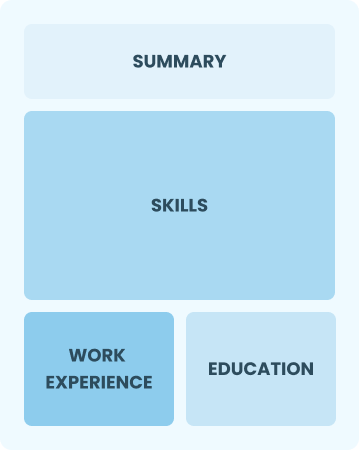
Best for:
Recent graduates and career changers with up to two years of experience
Mid-Career 3 - 7 years
Combination
Balances skills and work history equally
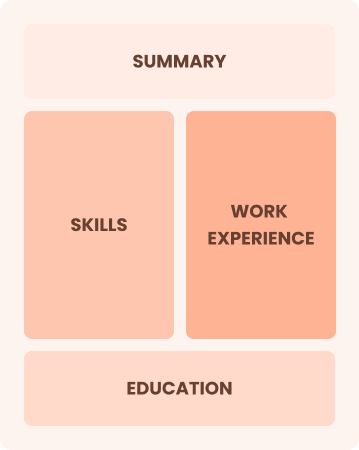
Best for:
Mid-career professionals looking to highlight their skills and growth potential
Experienced 8+ years
Chronological
Emphasizes work history in reverse order
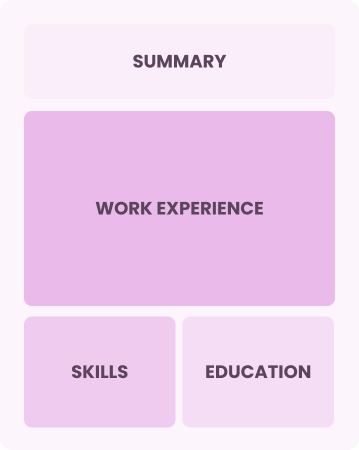
Best for:
Seasoned nurses excelling in advanced practice and leadership roles
Frequently Asked Questions
Should I include a cover letter with my SRNA resume?
Absolutely, including a cover letter can significantly improve your application. It allows you to showcase your personality and clarify how your skills align with the job. For tips on crafting an effective cover letter, consider checking out our comprehensive guide on how to write a cover letter. Alternatively, you can use our Cover Letter Generator for quick assistance.
Can I use a resume if I’m applying internationally, or do I need a CV?
A CV is often required for international job applications, especially in academia or research fields. It’s important to understand the differences between a CV and a resume. Explore our resources for CV examples and formatting tips to ensure yours meets the expectations of your target market. Additionally, learning how to write a CV can help tailor your application effectively.
What soft skills are important for SRNAs?
Soft skills such as communication, empathy, and collaboration are essential for SRNAs. These interpersonal skills foster trust with patients and facilitate teamwork among healthcare professionals, ultimately improving the quality of care provided.
I’m transitioning from another field. How should I highlight my experience?
When applying for SRNA roles, highlight your transferable skills like communication, teamwork, and critical thinking. These abilities illustrate your potential to thrive in a new environment, even if you lack direct experience. Use concrete examples from your past positions to show how these strengths align with the demands of nursing and improve patient care.
Should I use a cover letter template?
Yes, using a cover letter template tailored for a senior registered nurse anesthetist (SRNA) can improve your ability to organize critical information. This approach showcases specific skills like patient assessment and anesthesia management, highlighting your qualifications and achievements effectively. It makes it easier for hiring managers to identify your strengths.
How do I write a resume with no experience?
Applying for SRNA positions with limited work experience is entirely feasible. Highlight your clinical training, relevant coursework, and any volunteer roles by focusing on a resume with no experience. Emphasize skills such as critical thinking and teamwork, which are essential in healthcare. Remember, your passion for nursing and dedication to patient care can truly resonate with employers.




Ready to land the job?
Join 28M+ others who've built a resume that works.