

Hard skills encompass important competencies like health screenings, chronic disease management, and patient education, which are essential for primary care nurses to deliver quality healthcare.
Primary Care Nurse Resume Examples & Templates
Want to make your mark as a primary care nurse? Check out our primary care nurse resume examples to showcase your patient assessment, communication skills, and dedication to quality care that employers love.

by Gabriela Hernandez, Last Updated: January 23, 2026
Hired By:*

- Popular Primary Care Nurse Resume Examples
- Resume Template—Easy to Copy & Paste
- Build Your Resume in Minutes
- How to Write a Primary Care Nurse Resume Summary
- Showcasing Your Work Experience
- Top Skills to Include on Your Resume
- Resume Format Examples
- Related Nursing Resume Examples
- Frequently Asked Questions
- Should I include a cover letter with my primary care nurse resume?
- Can I use a resume if I’m applying internationally, or do I need a CV?
- What soft skills are important for primary care nurses?
- I’m transitioning from another field. How should I highlight my experience?
- Where can I find inspiration for writing my cover letter as a primary care nurse?
- How should I format a cover letter for a primary care nurse job?
Popular Primary Care Nurse Resume Examples
Discover our top primary care nurse resume examples that emphasize critical skills such as patient advocacy, health assessments, and chronic disease management. These samples are designed to help you effectively showcase your qualifications.
Are you ready to build a standout resume? Our Resume Builder offers user-friendly templates specifically created for healthcare professionals, making your job application process smoother.
Recommended
 Customize This Resume
Entry-level primary care nurse resume
What this resume does well:
This entry-level resume for a nursing role effectively highlights the applicant's clinical skills and achievements through their education, work experience, and certifications. New professionals in nursing must demonstrate their competencies in patient care and teamwork, as well as their commitment to ongoing learning and adaptability despite limited direct work experience.
Mid-career primary care nurse resume
What this resume does well:
This resume effectively showcases the applicant's extensive experience and proven leadership in primary care, highlighting significant achievements like reducing readmissions. The clear presentation of responsibilities and accomplishments demonstrates their readiness for increased challenges and roles within healthcare settings.
Experienced primary care nurse resume
What this resume does well:
This resume highlights the applicant's substantial impact as a Primary Care Nurse, demonstrating a 15% improvement in patient care and a 20% reduction in wait times. The clear bullet points improve readability, making it easy for potential employers to identify key achievements quickly.
Resume Template—Easy to Copy & Paste
Example
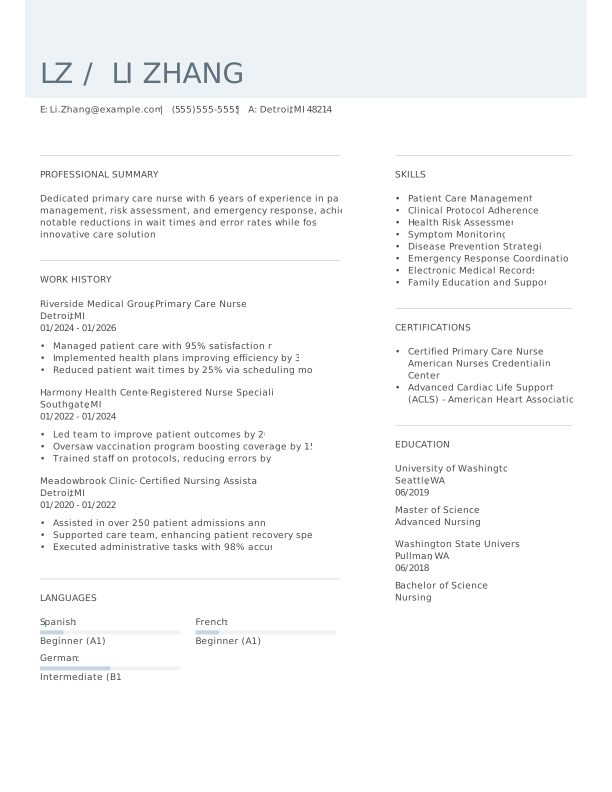
Li Zhang
Detroit, MI 48214
(555)555-5555
Li.Zhang@example.com
Professional Summary
Dedicated primary care nurse with 6 years of experience in patient management, risk assessment, and emergency response, achieving notable reductions in wait times and error rates while fostering innovative care solutions.
Work History
Primary Care Nurse
Riverside Medical Group - Detroit, MI
January 2024 - January 2026
- Managed patient care with 95% satisfaction rate
- Implemented health plans improving efficiency by 30%
- Reduced patient wait times by 25% via scheduling models
Registered Nurse Specialist
Harmony Health Center - Southgate, MI
January 2022 - January 2024
- Led team to improve patient outcomes by 20%
- Oversaw vaccination program boosting coverage by 15%
- Trained staff on protocols, reducing errors by 40%
Certified Nursing Assistant
Meadowbrook Clinic - Detroit, MI
January 2020 - January 2022
- Assisted in over 250 patient admissions annually
- Supported care team, enhancing patient recovery speed
- Executed administrative tasks with 98% accuracy
Languages
- Spanish - Beginner (A1)
- French - Beginner (A1)
- German - Intermediate (B1)
Skills
- Patient Care Management
- Clinical Protocol Adherence
- Health Risk Assessment
- Symptom Monitoring
- Disease Prevention Strategies
- Emergency Response Coordination
- Electronic Medical Records
- Family Education and Support
Certifications
- Certified Primary Care Nurse - American Nurses Credentialing Center
- Advanced Cardiac Life Support (ACLS) - American Heart Association
Education
Master of Science Advanced Nursing
University of Washington Seattle, WA
June 2019
Bachelor of Science Nursing
Washington State University Pullman, WA
June 2018
Build Your Resume in Minutes
Creating a custom resume is easier than ever with our Resume Builder!
How to Write a Primary Care Nurse Resume Summary
Your resume summary is the first impression you make on hiring managers, so it’s important to craft it thoughtfully. This section should clearly demonstrate your professional qualifications and the unique skills you bring as a primary care nurse.
In this role, you'll want to highlight your clinical expertise, patient care experience, and ability to work collaboratively within a healthcare team. These elements are essential in showcasing your suitability for the position.
The following examples will provide insight into effective resume summaries for primary care nurses. They will help clarify what works well and what might detract from your overall message:
Weak Example
I am a dedicated primary care nurse with several years of experience looking for a new position. I believe my skills would be a great fit for any healthcare team, and I hope to find an employer that values work-life balance and growth opportunities. I am eager to contribute positively if given the chance.
Why this summary misses the mark:
- Lacks specific achievements or skills relevant to primary care nursing, making it feel generic
- Overuses personal pronouns and vague language that doesn’t convey strong qualifications
- Concentrates on personal wants instead of detailing how the applicant can benefit the healthcare organization
Strong Example
Compassionate primary care nurse with over 6 years of experience in delivering comprehensive patient-centered care in outpatient settings. Improved patient satisfaction scores by 20% through effective communication and personalized care plans. Proficient in chronic disease management, health assessments, and using EMR systems to track patient progress and outcomes.
Why this summary works:
- Starts with a clear indication of experience level and specific focus area within nursing
- Includes a quantifiable achievement that highlights the applicant's positive impact on patient satisfaction
- Showcases relevant skills necessary for primary care roles, demonstrating both clinical expertise and administrative capabilities

Pro Tip
Feeling light on formal experience? No worries, a career objective is your friend! Discover resume objective examples tailored for primary care nursing to boost your application.
Showcasing Your Work Experience
The work experience section is important for your resume as a primary care nurse, serving as the main focus of your content. Strong resume templates will always feature this section prominently to highlight your professional background.
This area should be structured in reverse-chronological order, listing your previous positions clearly. Use bullet points to detail your accomplishments and the impact you made in each role.
To illustrate effective entries for primary care nurses, we have prepared a couple of examples that showcase what works well and what may not resonate as strongly:
Weak Example
Primary Care Nurse
Community Health Center – Austin, TX
- Provided patient care and support.
- Assisted in routine exams and procedures.
- Maintained patient records and documentation.
- Collaborated with healthcare team members.
Why this work experience section misses the mark:
- Lacks specific employment dates to provide context
- Bullet points are vague and do not highlight individual contributions or successes
- Emphasis on general tasks rather than measurable outcomes or achievements
Strong Example
Primary Care Nurse
HealthFirst Clinic – Orlando, FL
March 2020 - Current
- Deliver comprehensive care to diverse patient populations, conducting over 20 health assessments weekly.
- Develop and implement patient education programs that improved medication adherence rates by 30%.
- Coordinate care with specialists to ensure continuity for patients with chronic illnesses, improving overall patient satisfaction scores.
Why this work experience section works:
- Starts each bullet with powerful action verbs that highlight the job seeker’s contributions
- Incorporates specific metrics to demonstrate tangible achievements and improvements
- Showcases essential nursing skills relevant to primary care practice
While your resume summary and work experience are important components, don't overlook the importance of other sections. Each element plays a role in showcasing your qualifications. For further insights, be sure to explore our detailed guide on how to write a resume.
Top Skills to Include on Your Resume
A well-crafted skills section is important for any resume as it provides a clear snapshot of your qualifications. This concise overview helps both job seekers and employers identify key competencies quickly.
For hiring managers, this section serves as an efficient tool to gauge whether a job seeker meets essential criteria without sifting through extensive details. Primary care nurse professionals should emphasize both technical skills and interpersonal abilities, which will be discussed further below.
Soft skills are essential for primary care nurses, as they include empathy, active listening, and teamwork, fostering trust and improving patient care experiences.
When selecting skills for your resume, it’s important to align them with what potential employers expect. Many organizations use automated systems to filter out applicants who lack essential resume skills, making this alignment key to getting noticed.
To effectively target your resume, examine job postings closely. They often highlight specific resume skills that recruiters seek, helping you prioritize those that will resonate with both human and automated reviewers.
Pro Tip
Ensure your resume stands out in the digital landscape. Use our ATS Resume Checker to spot over 30 common errors, helping you navigate applicant tracking software with ease and confidence.
10 skills that appear on successful primary care nurse resumes
Improve your resume to grab recruiters' attention by highlighting essential skills that primary care nurses bring to their roles. Explore resume examples that demonstrate these abilities effectively, giving you the confidence to apply with a polished presentation.
Here are 10 essential skills you should think about including in your resume if they align with your experience and job criteria:
Patient assessment
Collaboration
Crisis management
Empathy
Time management
Skill in Electronic Health Records (EHR)
Basic Life Support (BLS)
Medication administration
Health education
Preventive care techniques
Based on analysis of 5,000+ nursing professional resumes from 2023-2024
Resume Format Examples
Choosing the right resume format is important for a primary care nurse, as it effectively showcases essential skills and relevant experience, helping to illustrate career growth and professional strengths.
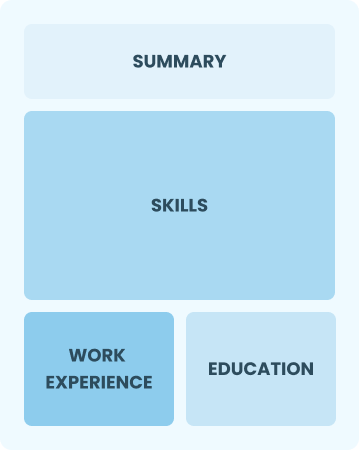
Entry-Level 0 - 2 years
Functional
Focuses on skills rather than previous jobs
Best for:
Recent graduates and career changers with limited experience in nursing
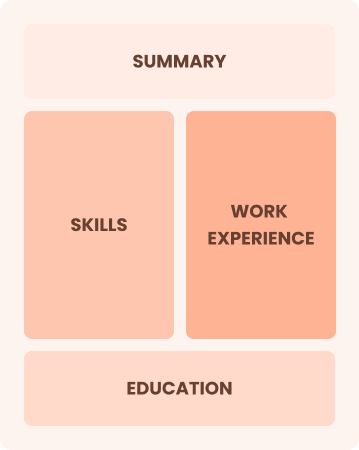
Mid-Career 3 - 7 years
Combination
Balances skills and work history equally
Best for:
Mid-career professionals focused on demonstrating their skills and seeking growth opportunities
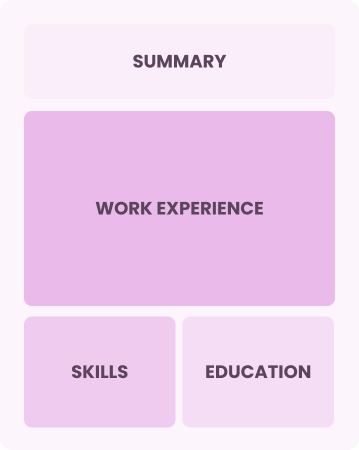
Experienced 8+ years
Chronological
Emphasizes work history in reverse order
Best for:
Experts in patient care and health management leadership
Frequently Asked Questions
Should I include a cover letter with my primary care nurse resume?
Absolutely, adding a cover letter can significantly improve your application by showcasing your unique qualifications and enthusiasm for the role. It allows you to connect your experiences directly to the job. For tips on crafting an effective cover letter, consider reviewing our comprehensive guide on how to write a cover letter or using our Cover Letter Generator for quick assistance.
Can I use a resume if I’m applying internationally, or do I need a CV?
When applying for jobs internationally, use a CV instead of a resume if the employer specifies it or if you're targeting countries where CVs are standard. Explore our resources on how to write a CV and CV examples to help you create an effective document tailored for your job search.
What soft skills are important for primary care nurses?
Soft skills like compassion, active listening, and adaptability are essential for primary care nurses. These interpersonal skills help build trust with patients and improve collaboration with healthcare teams, which ultimately leads to better patient outcomes and a supportive work environment.
I’m transitioning from another field. How should I highlight my experience?
Highlight your transferable skills such as communication, teamwork, and empathy from previous roles. These attributes are essential in primary care nursing and illustrate your potential to provide excellent patient care. Use specific examples from your past to demonstrate how these skills apply directly to nursing responsibilities, showing hiring managers your readiness for the role.
Where can I find inspiration for writing my cover letter as a primary care nurse?
For those pursuing primary care nurse positions, exploring professional cover letter examples can be invaluable. These samples provide fresh content ideas, formatting tips, and effective ways to showcase your qualifications. Use them as inspiration to craft a compelling narrative that highlights your unique skills and experiences.
How should I format a cover letter for a primary care nurse job?
To effectively format a cover letter, start with your contact details and a professional greeting. Follow this initial section with an engaging opening that captures interest, then summarize your relevant experience and skills. Make sure to tailor each letter to the specific primary care nurse position you are applying for, highlighting how your qualifications align with the job requirements. Finish with a strong call to action.




Ready to land the job?
Join 28M+ others who've built a resume that works.