If you want a job, you must submit the perfect resume; otherwise, you may lose out to someone else. This page will show you how to make a perfect resume. Plus, we provide examples of great designs for 10 jobs and explain how to choose the right format for you.
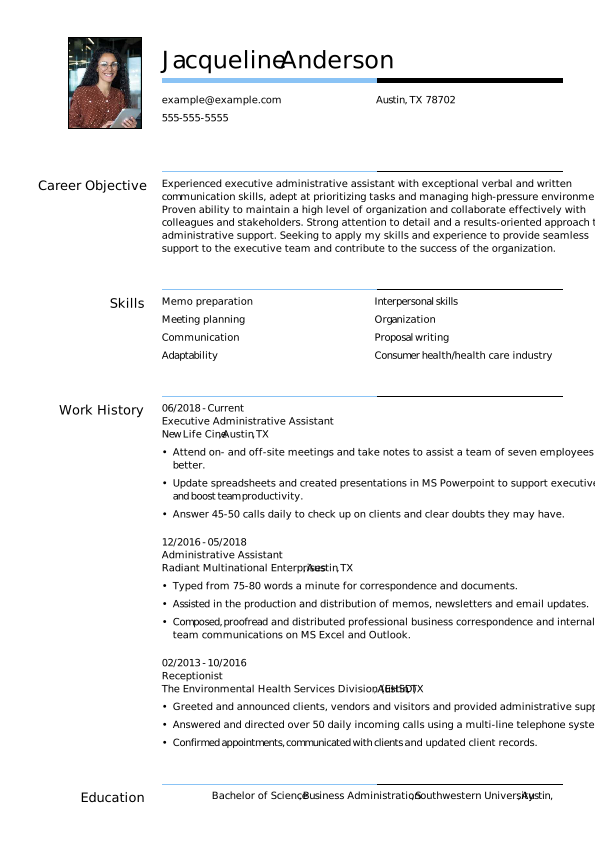
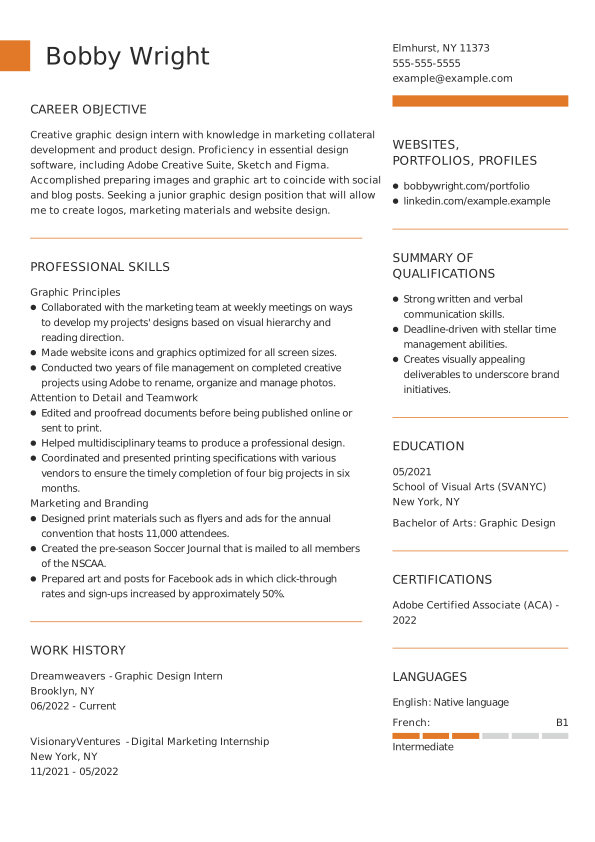
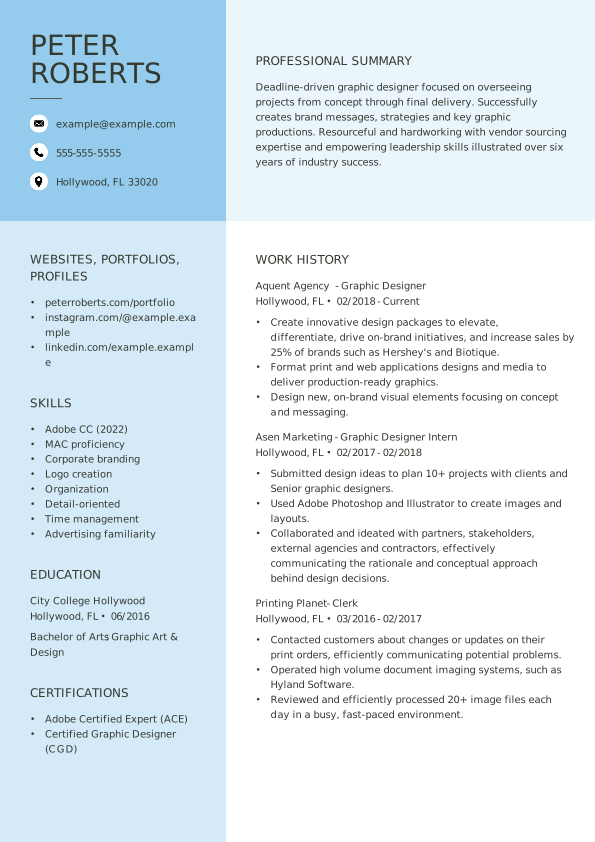
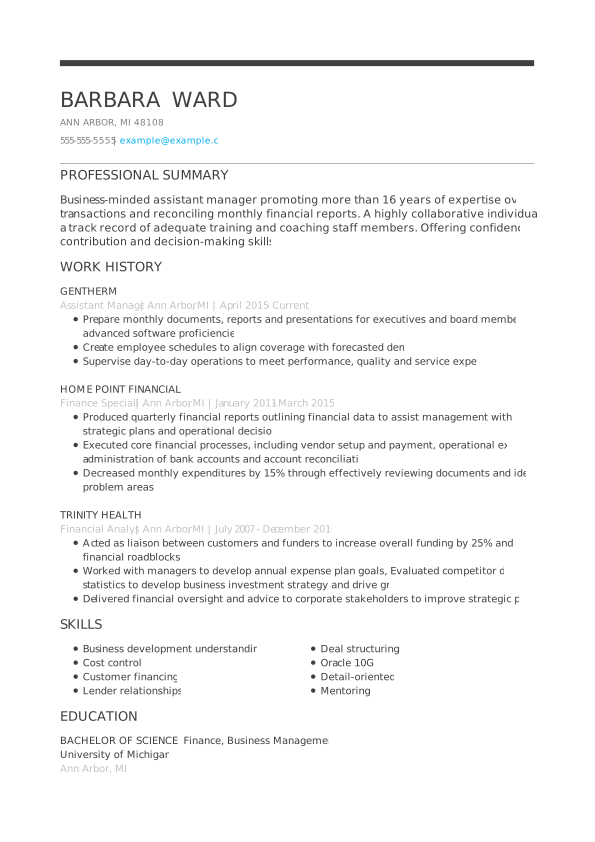
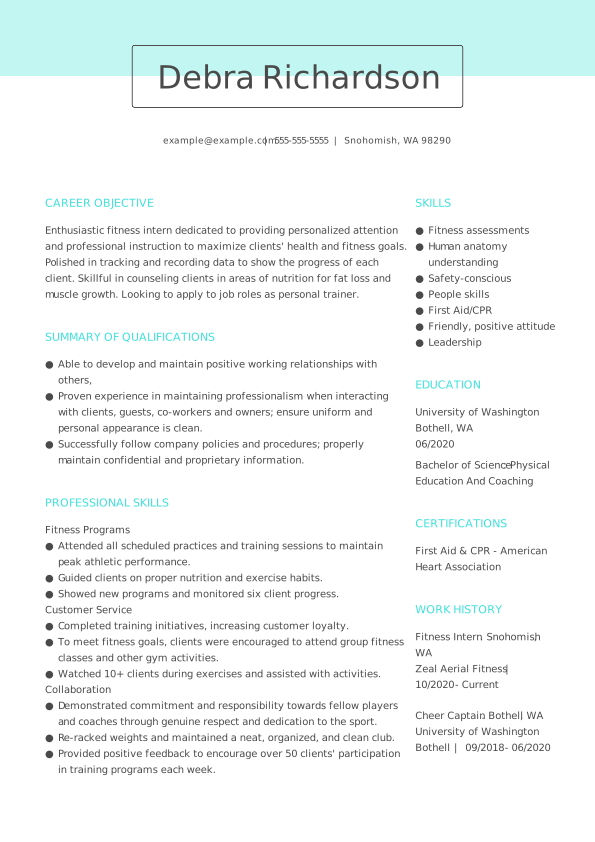
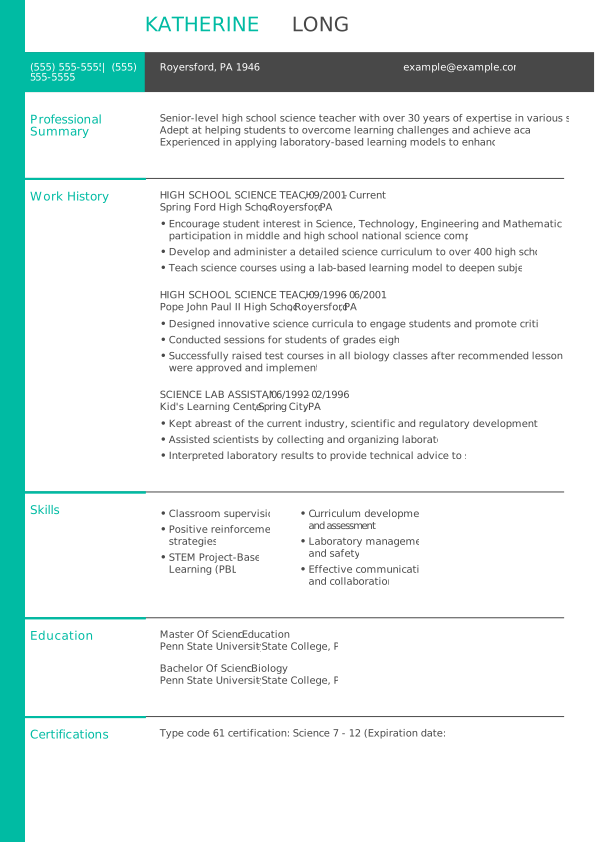
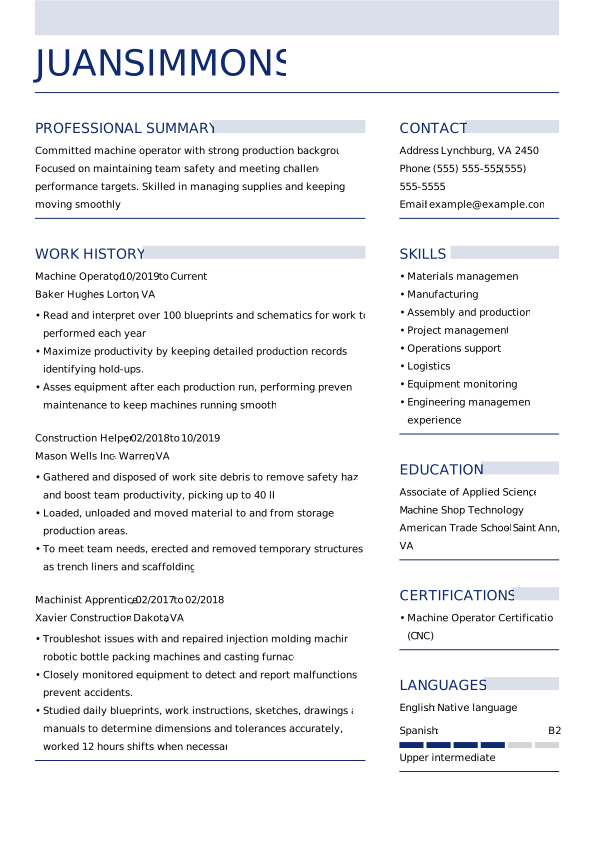
Functional formats are also known as skills-based formats because they put your skills section toward the top of your resume, above your work experience. They’re best for job candidates with little work experience, fewer than two years.
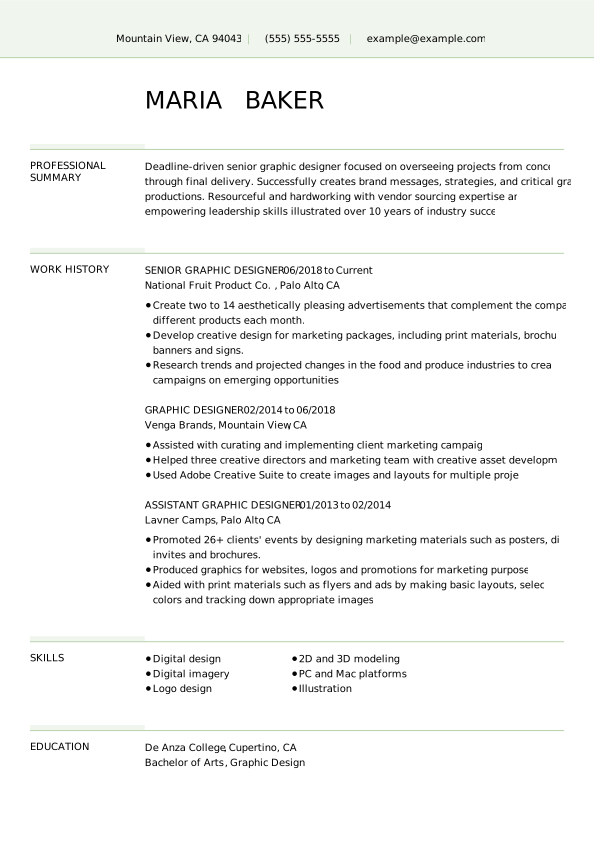
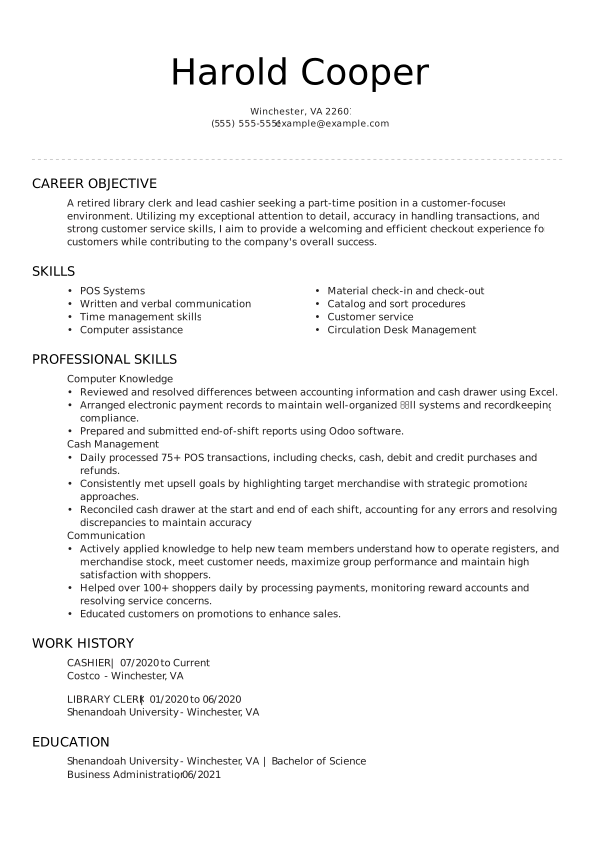
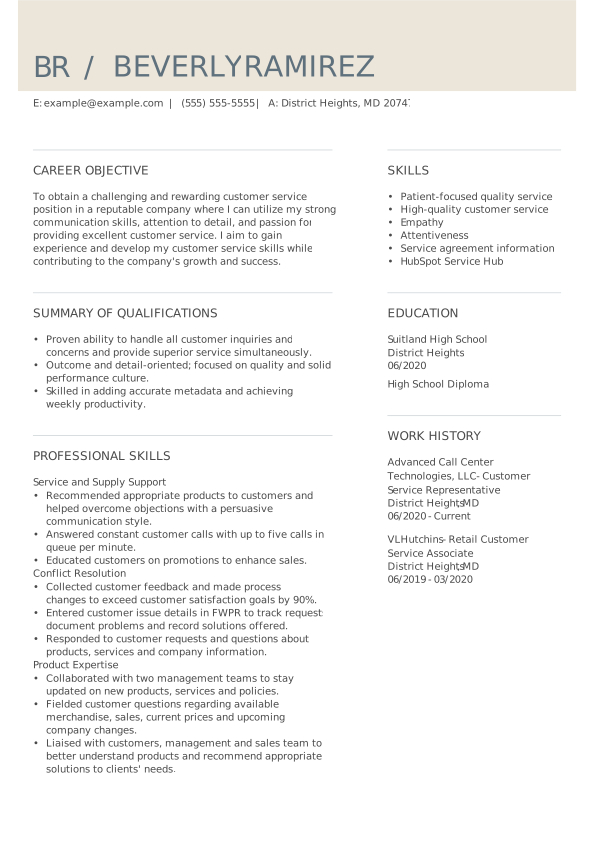
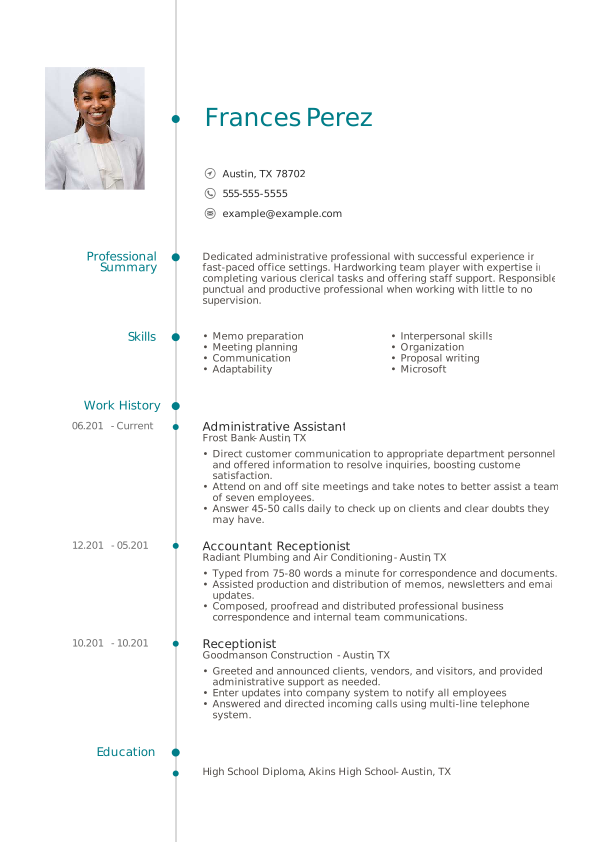
Combination formats give equal balance to your work experience and skills. They’re well-suited for people with three to 10 years of work history.
1/3
You can find preformatted resumes in all three format types on our resume templates page.
Or, if you’re ready to skip to the finished product, use our fastest tool, our Resume Builder.
Career experts and professional designers built this innovative tool to save you time and hassle in creating a resume. That’s because it automates the entire process of writing your resume into easy-to-follow prompts.
It’s like having an expert looking over your shoulder to guide you. Best of all, you can have your resume ready in just a few quick minutes!
Use numbers or statistics to prove or show the significance of your achievements in both places!
For example, instead of saying something like you were a consistent sales associate, say: “Surpassed monthly sales quota by an average of 23%.”
2. Add skills for a perfect resume
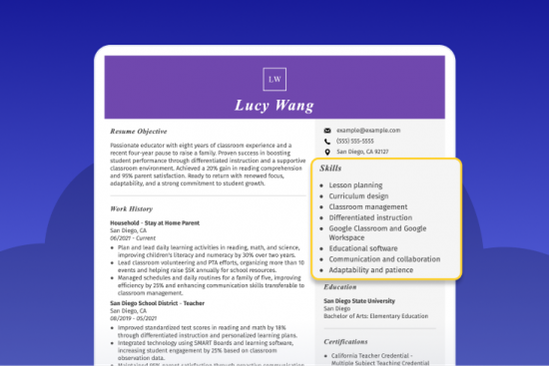
An on-point skills section is vital for showing employers you’ve got what it takes to fulfill a particular role.
In this section, you should list six-to-eight skills from the job ad.
That way, at a glance, a hiring manager can see that you have the abilities they seek. A bulleted skills list adds a lot of white space to your resume, which makes it easier to read.
Here’s a perfect example of resume skills:
Skills
Data analysis
Conflict resolution
Active listening
Self-motivation
Flexibility
Customer service
3. Include a resume profile for a perfect resume
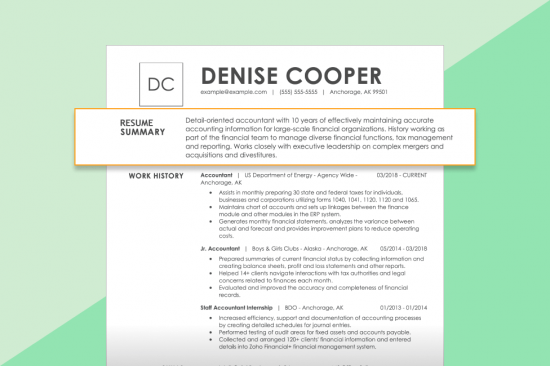
A resume profile is also called a professional summary. It refers to the two-to-three sentences that live right below your contact information.
It’s the main sales pitch you give hiring managers about why you’d be good in the role. Highlight your most relevant skills and experience to show them what you’ll bring if hired.
An objective statement is better if you have fewer than two years of experience. This alternative to a summary focuses more on what you hope to achieve than what you’ve done.
4. Make sure your resume will pass an ATS
Applicant tracking systems are software companies use to scan online applications. They search your document for desired keywords the employer has programmed it to find.
Human eyes may only land on your resume if it passes an ATS scan first!
To pass an ATS, it helps to use standard document formatting protocol:
Run your resume through a grammar and spell-checker.
It also helps to read it out loud to catch any awkward phrasing or typos, especially if using ChatGPT to write a resume, which can sometimes read unnatural or formulaic.
Have a friend read your resume. A set of fresh eyes may notice something you didn’t see!
6. Add a perfect cover letter
You’ve got your resume in order. Pair it with a well-written cover letter to increase your chances of getting that interview.
A cover letter is a document that goes hand-in-hand with your resume to sell you as the best candidate.
It should do more than re-list the details of your resume; it should spin those threads into your career story. It should also explain your passion for the role and your qualifications.
A resume is “perfect” if it is aimed straight at the heart of what an employer wants in a candidate as listed in their job post or ad.
It also needs to reflect your top achievements and abilities flatteringly but accurately.
That said, there is no one-size-fits-all resume for applying to multiple jobs. A resume must be custom-tailored for each job you seek.
So, if you want to make sure you nail your job hunt, take it seriously and use a serious tool, our Resume Builder.
It can help you create and customize unlimited resumes!
It walks you through step by step, offering job-specific skills and professional pre-written content suggestions that you can edit or use as is. Best of all, it can shorten the time it takes to create a resume to under 15 minutes!
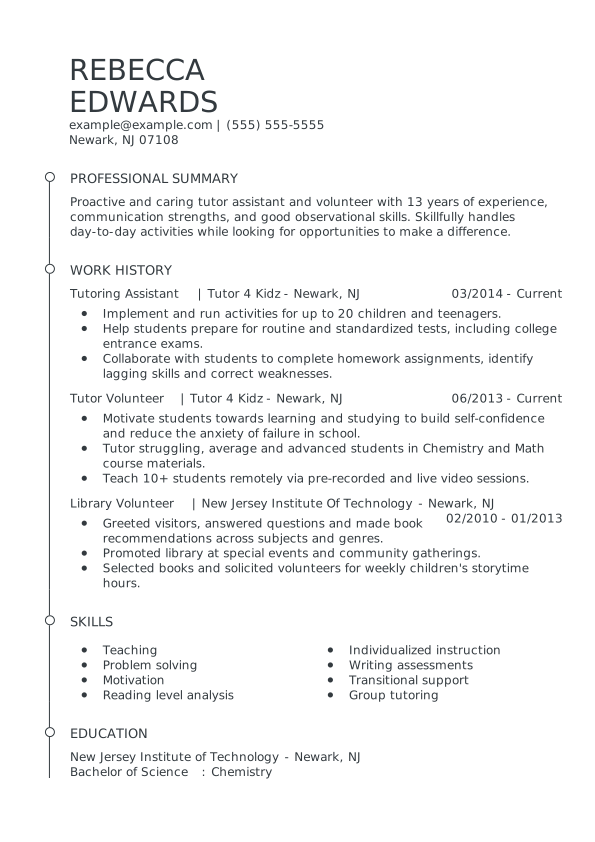
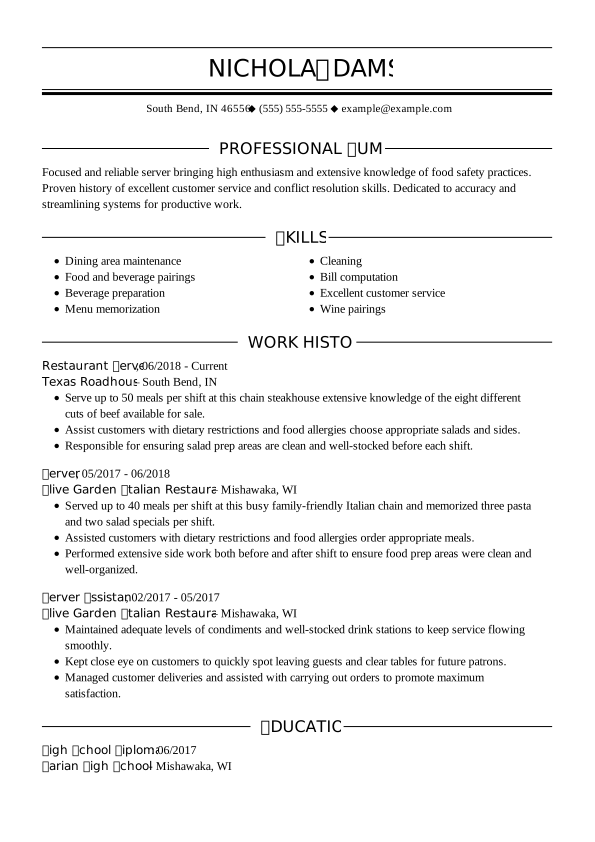
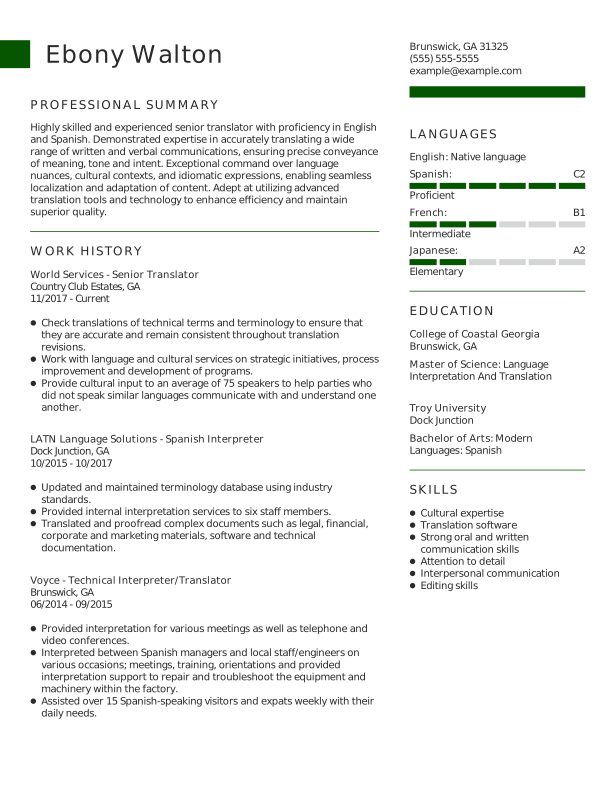
Each type of format gives a different focus to your qualifications. Functional and combination formats emphasize your skills, whereas chronological formats give more weight to your work experience.
The best resume format for you depends mostly on how much experience you have!
How far back should a resume go?
The general rule is that a resume should go back three to four jobs or cover the last 10 years of your work experience.
So, while the goal is to keep your resume brief, always include work experience if it’s connected to the job you seek.
How do I get my resume noticed?
The best way to get your resume noticed is to include skills mentioned in the job description, numbers and statistics about your career successes.
Your resume will not get looked at unless you possess the right skills. Use numbers and statistics to describe how you used your skills, like “Processed daily average of 70+ orders.”
Numbers speak louder than words on your resume because they paint a clearer picture of what you’ve accomplished in past roles.
For instance, it’s one thing to say that you’re a “fast typer”; however, it’s much clearer and more convincing to say that you type “78 words per minute.”
Over the past 15 years, we’ve helped more than 10 million job seekers build stronger cover letters, discover their career paths, interview confidently, and boost their chances of finding the right job faster. Review our Editorial Policy to learn more about our process.
Eric is a Certified Professional Resume Writer (CPRW) and member of the Professional Association of Resume Writers & Career Coaches. He focused on helping job seekers improve their professional resumes to highlight their unique skills and experience. Eric holds a BA double major in creative writing and philosophy from Tulane University and brought more than five years of specialized experience to helping candidates navigate the complexities of the online job market, with a strong focus on resume optimization and effective self-presentation. His work has been featured on LiveCareer's Resume Builder, and his career background includes fields as diverse as education, hospitality, journalism, copywriting, and tech.



 Add LiveCareer as a preferred source on Google