Chronological Resume Format: Templates & Writing Guide for 2026
Use our chronological resume templates and guide to create a resume that highlights your steady work history and career growth, helping you stand out and land more interviews.

Hired By:*

What Is the Chronological Resume Format?
The chronological resume format presents your work experience in reverse order, starting with your current or most recent position and working backward through your employment history.
Also known as the reverse-chronological resume format, this layout is considered the gold standard by recruiters because it clearly shows career progression and job-related experience.
Here’s a breakdown of how chronological resumes are structured:
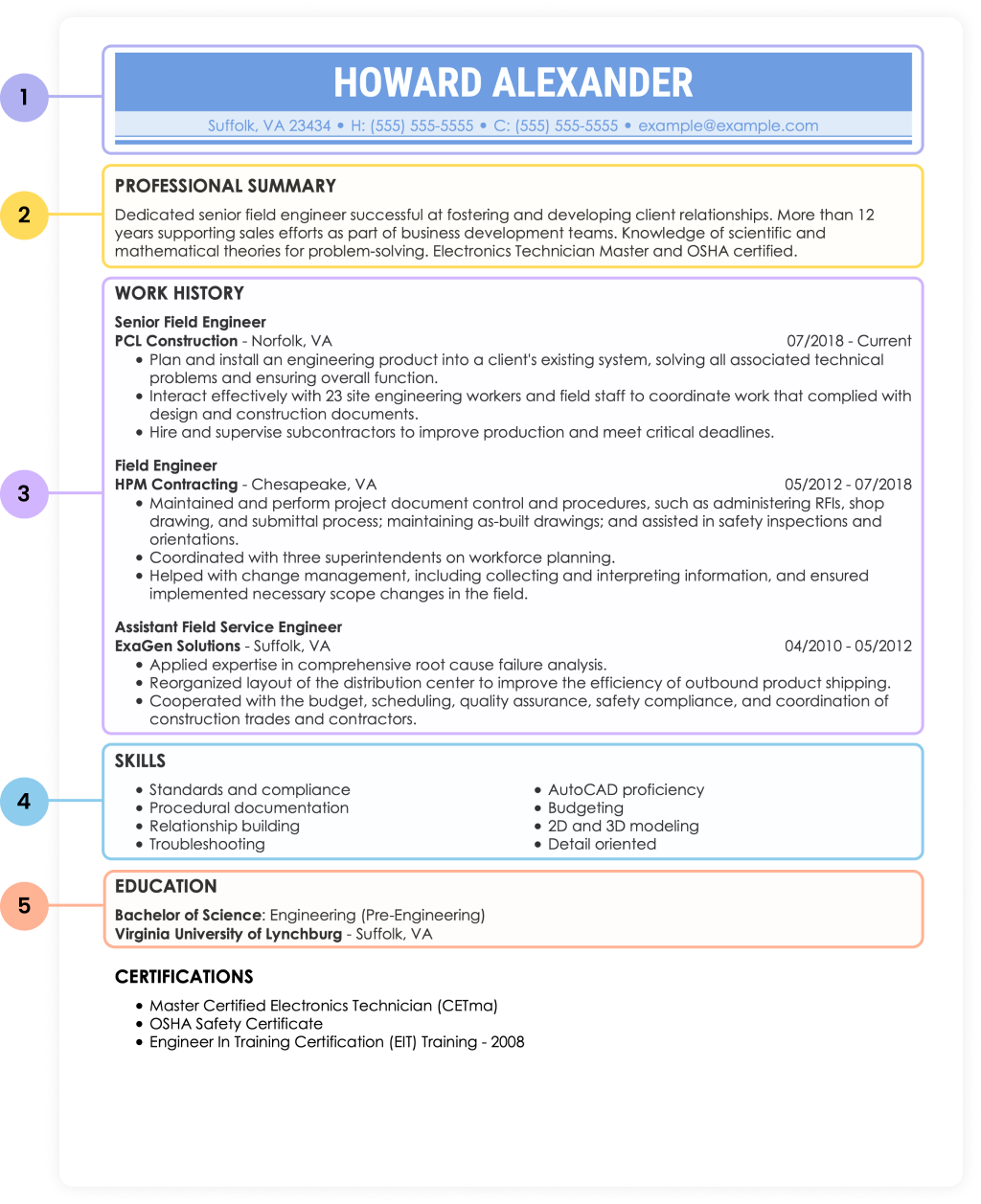
Contact information
Resume Summary
Work Experience
Skills
Education
Who Should Use a Chronological Resume Format?
Chronological resumes are best for job seekers with a consistent work history, clear career advancement, and experience that directly supports their target role.
This resume format is a strong choice for:
- Professionals with several years of experience in the same field
- Candidates who’ve been promoted or taken on increasing responsibilities
- Job seekers applying for roles that closely match their previous positions
- Individuals with a stable employment history and minimal gaps between jobs
- Mid-career and senior-level professionals who want to showcase advancement
Top-Rated Chronological Resume Templates
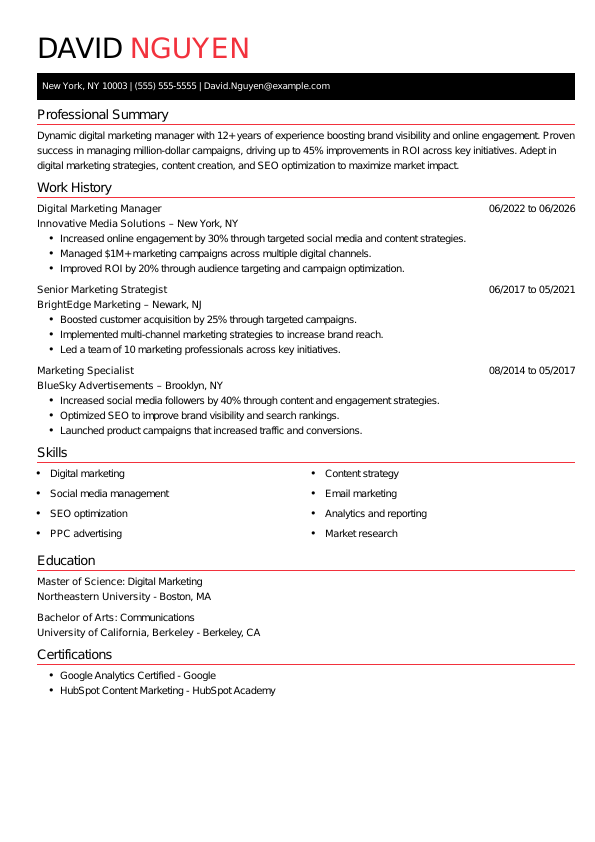
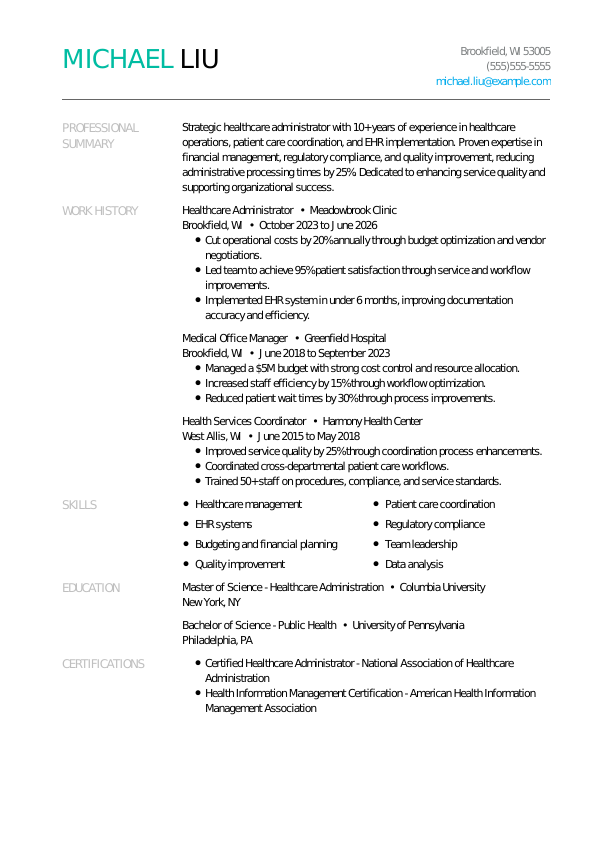
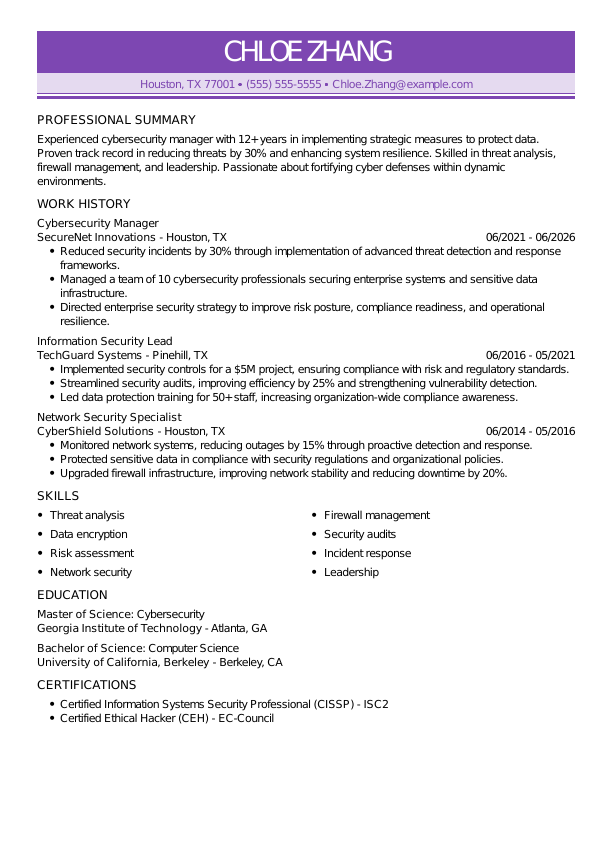
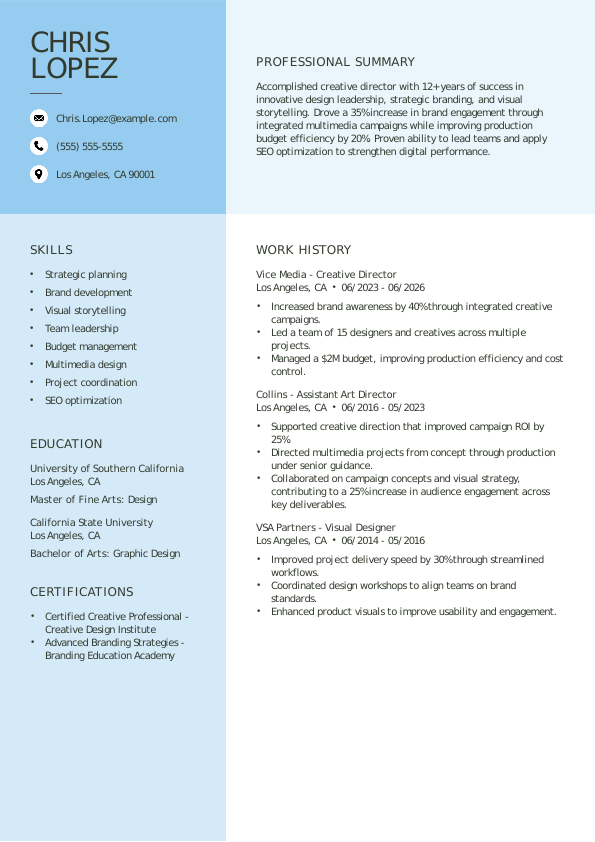
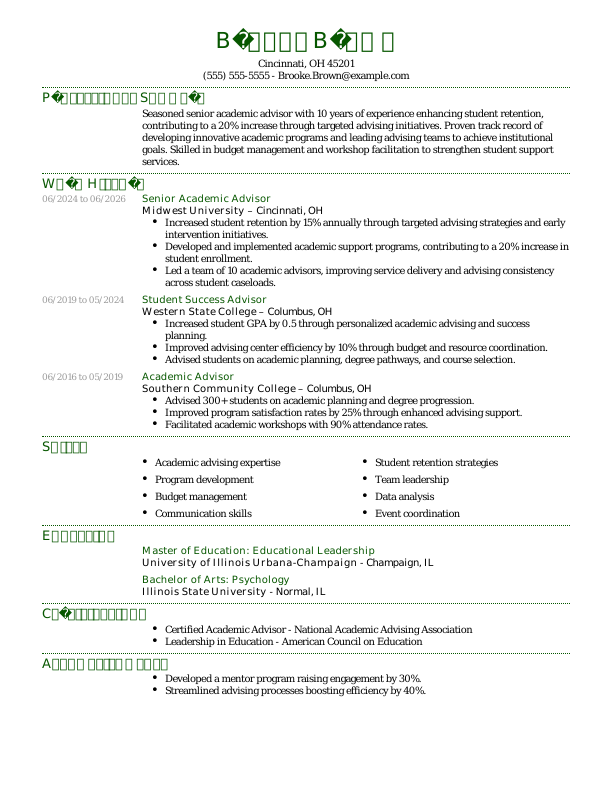
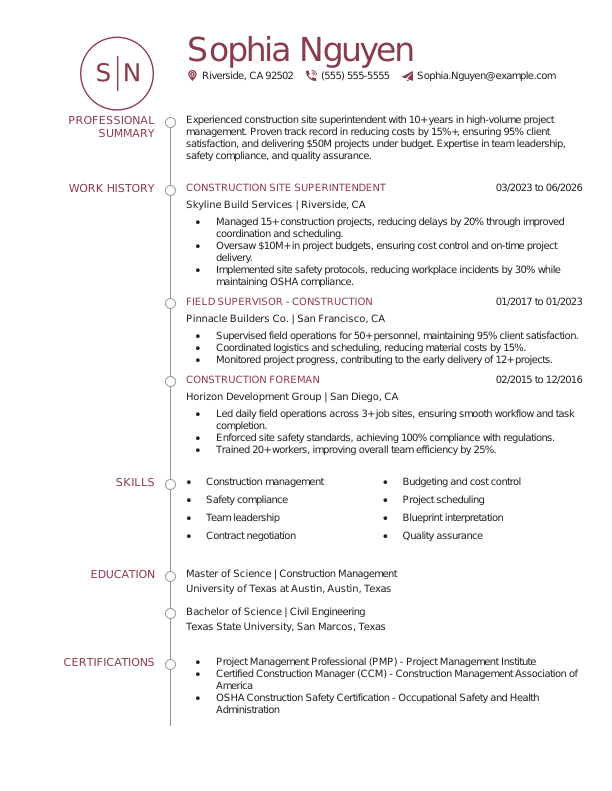
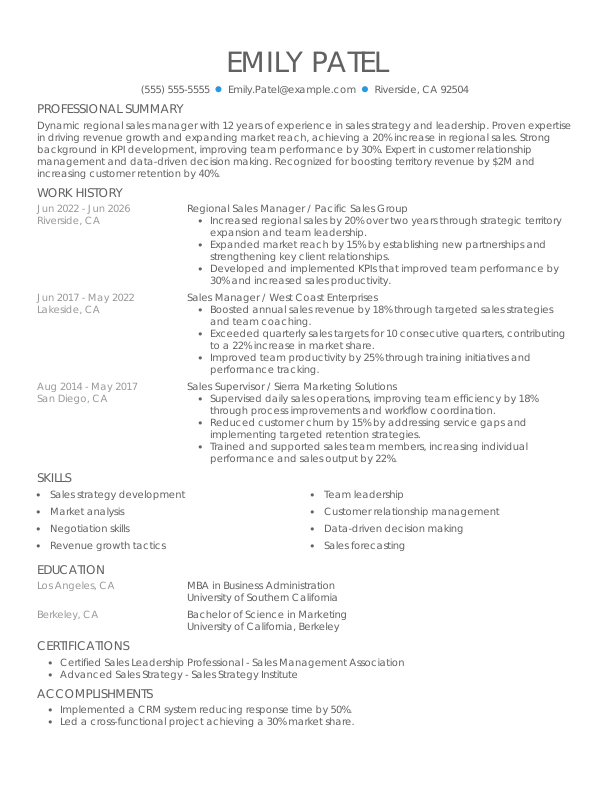
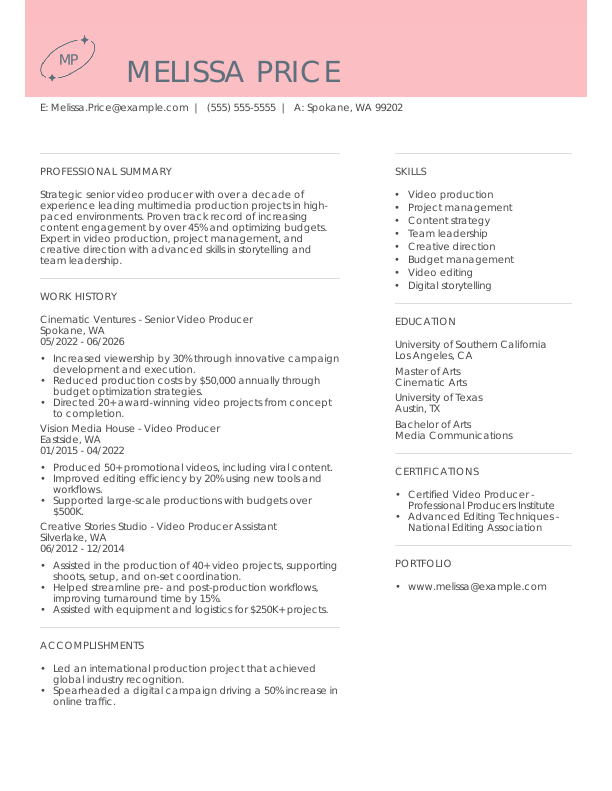
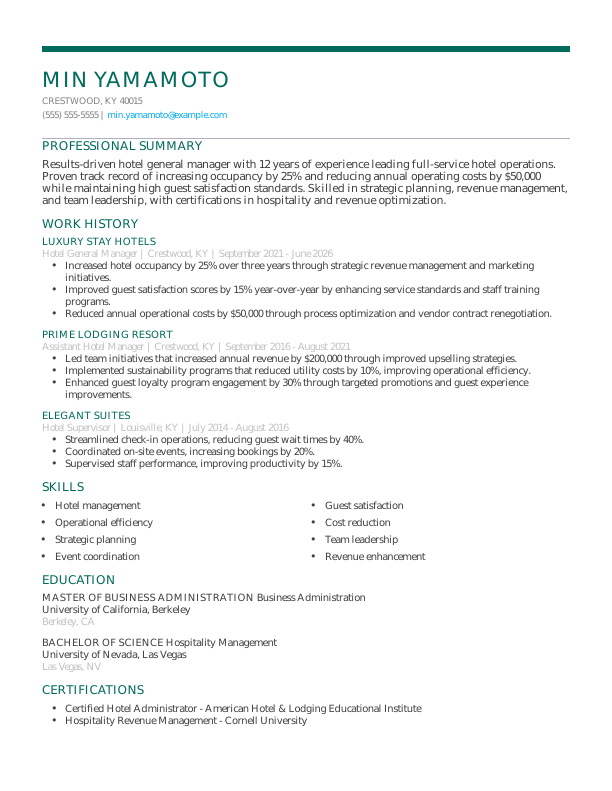
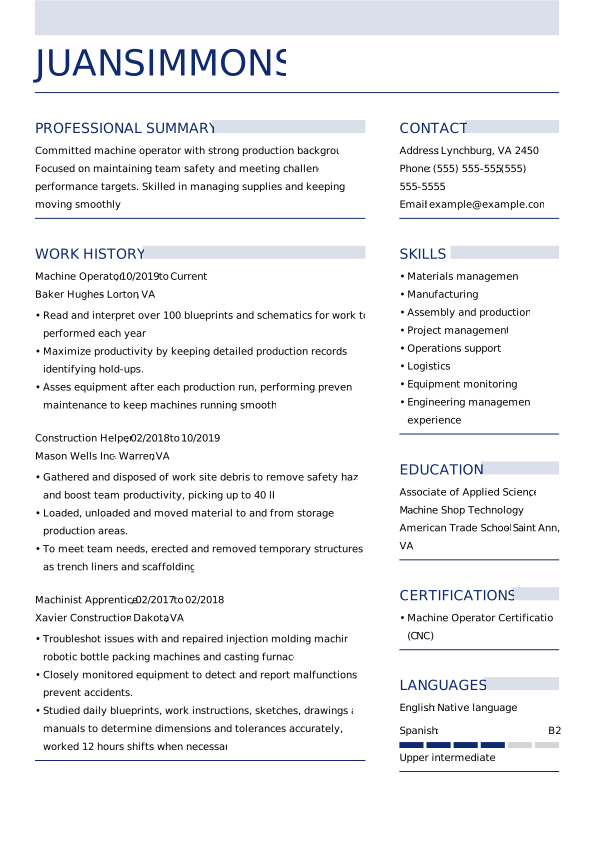
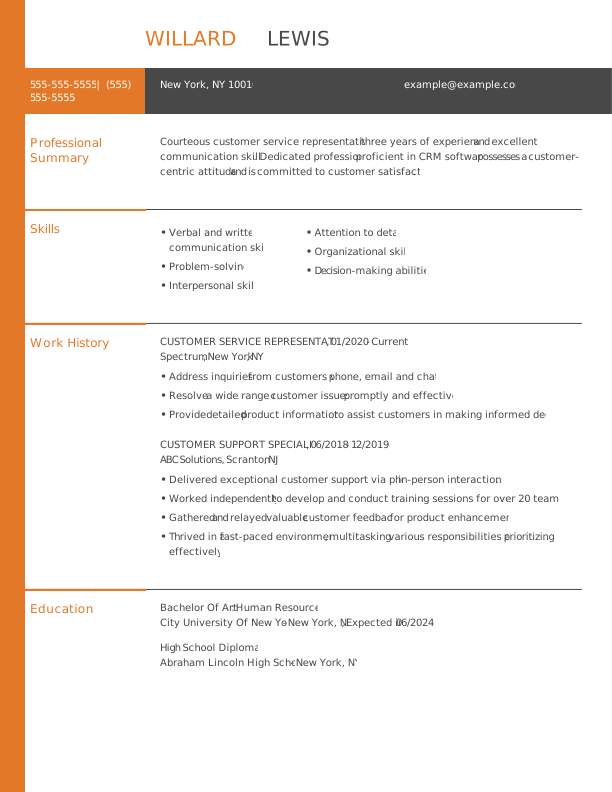
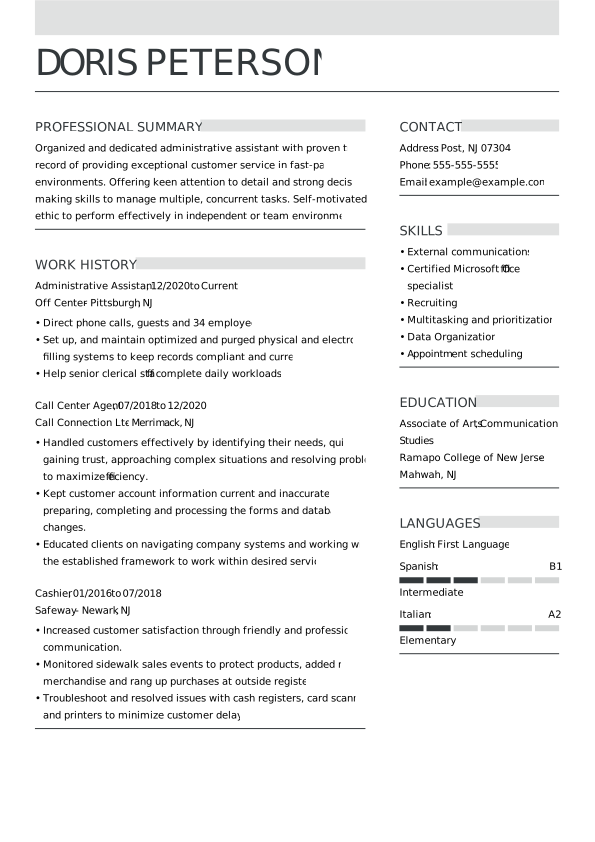
Choose from professionally designed chronological resume templates built to highlight your work history and key achievements in a clean, ATS-friendly format. You can use our Resume Builder to customize the content and design to reflect your experience and style.
How to Write a Standout Chronological Resume
To write a strong chronological resume, clearly organize your work history, highlight advancement in your field, and tailor each section to the job you want. Follow the steps below to ensure your achievements and responsibilities are easy for recruiters to scan and evaluate.
Step 1
Start With a Clear Professional Summary
Write a two- to four-sentence resume summary that highlights your years of experience, key skills, and primary career focus. This section should quickly tell employers who you are, what you do, and the value you bring. Tailor it to the specific role to grab the hiring manager’s attention by showing them you can meet and even exceed their expectations.
Step 2
List Work Experience in Reverse-Chronological Order
The work experience section is the centerpiece of a chronological resume. Place your most recent job first and work backward. For each role, include your job title, company name, location, and dates of employment. Under each position, use bullet points to describe accomplishments and responsibilities, focusing on measurable results and impact.

Pro Tip
Step 3
Highlight Your Job-Relevant Skills
Place your skills section after work experience to reinforce your qualifications with relevant tools, technologies, and competencies. Focus on abilities that directly match the job description, balancing hard and soft skills with role-specific expertise. This helps improve visibility in applicant tracking systems (ATS) while giving recruiters a quick snapshot of your core capabilities and strengths.
Step 4
Keep Education & Additional Sections Concise
Add an education section toward the bottom of your resume to list your degrees, including the institution names, and, if relevant, additional details such as academic honors and relevant coursework. You can include sections for certifications, licenses, awards, or professional affiliations, but keep them brief and focused on qualifications that support your target role.
When to Consider a Different Format
While chronological resumes work well for most job seekers, they may not be the best choice for those with limited experience or large gaps in employment.
In these situations, a functional resume or combination resume can help shift the focus toward skills, accomplishments, and transferable experience. Consider one of these formats if you:
- Have substantial employment gaps that could distract from your qualifications
- Are changing careers and need to emphasize transferable skills over work history
- Have limited work experience as a student or recent graduate
- Have held many short-term positions that create a fragmented employment timeline
- Want to showcase specialized skills, projects, or freelance work more prominently
Comparing the Top 3 Resume Formats
See the comparison chart below to determine which resume format best matches your experience level, career goals, and employment history. Our full selection of resume templates includes all three formats, so you can use the layout that best presents your skills and qualifications.
Functional
Skills-focused format that emphasizes abilities over work history
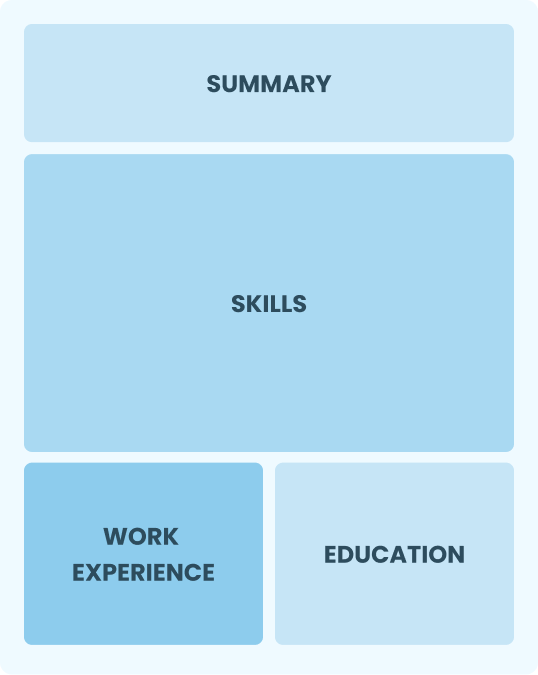
- You’re a student or recent graduate with limited experience.
- You want to emphasize skills over a traditional job timeline.
- You’re applying for entry-level roles that value skills most.
Combination
A middle-ground format that combines skills and work experience
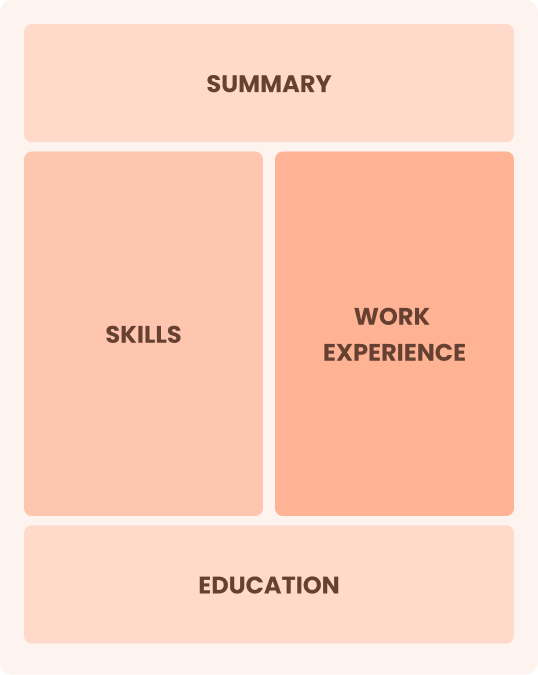
- You have strong, transferable skills and a solid work history.
- You have gaps in employment or a nonlinear career path
- You want to balance career progression with your abilities.
Chronological
Experience-focused format that highlights steady career progression
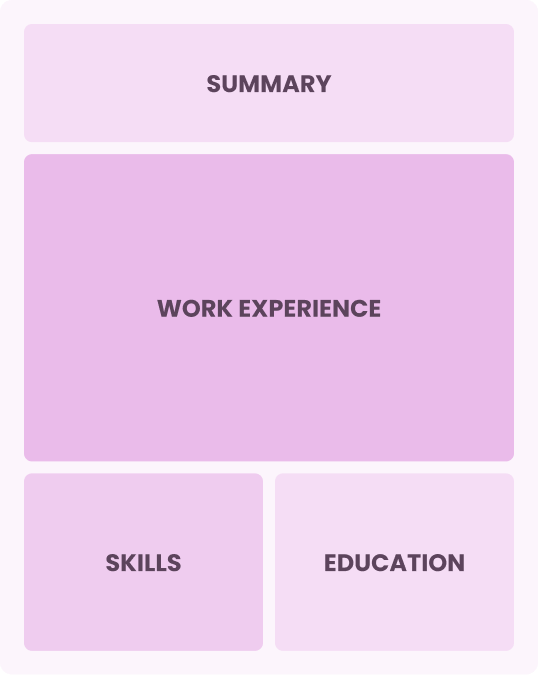
- You have a steady career path with clear progression in your field.
- You’ve built experience over time with no major employment gaps.
- You’re applying in traditional fields where work history is key.
Job Seekers Trust LiveCareer’s Templates
Frequently Asked Questions
Do employers prefer chronological resumes?
Employers generally prefer chronological resumes because they provide a clear overview of a candidate’s work history, career progression, and recent experience. This format is easy for recruiters to scan and is widely compatible with applicant tracking systems (ATS).
For job seekers with a stable employment history, a chronological resume is often the most effective and widely accepted resume format.
Are your chronological resume templates free?
To use our chronological resume templates for free, choose a template that catches your eye, personalize it in our builder to add your experience, skills, and education, and download it in plain text (TXT) format. If you want additional polished formats like PDF or Word, premium download options are available for a more refined, presentation-ready finish.
How do I write in chronological order?
To write in chronological order, list your work experience starting with your most recent position and work backward to earlier roles. For each job, include your title, company, location, and dates of employment, followed by bullet points that describe your responsibilities and achievements.
This reverse-chronological structure helps employers quickly see your most recent experience and understand your career progression over time.
Is a chronological resume outdated?
No, a chronological resume isn’t outdated and remains the most widely used and preferred resume format. Employers and ATS tools still favor it because it clearly shows work history, recent experience, and career progression. While other formats can be useful in specific situations, the chronological resume continues to be the standard choice for most job seekers.
What is the correct order for a resume?
For a chronological resume, start with contact information, followed by a professional summary, then work experience listed in reverse-chronological order. After that, include skills, education, and any additional sections such as certifications or awards.
The chronological resume format examples on this page demonstrate how to structure your resume in this order to help employers quickly scan your most relevant experience and understand your qualifications.
How far back should a chronological resume go?
A chronological resume should typically go back 10 to 15 years for most professionals, focusing on recent and relevant experience. Older roles can be included if they’re directly related to the job you’re applying for, but they don’t need detailed bullet points. This keeps your resume concise while highlighting the most important and up-to-date parts of your career history.
Related Content
Learn more about how to create a resume that stands out to recruiters and wins interviews.







Ready to Land the Job?
Join 28M+ others who’ve built a resume that works.