

Hard skills include technical competencies like circuit design, signal processing, and software programming that electrical engineers need to master to excel in their roles.
Electrical Engineer Resume Examples & Templates
Looking to shine as an electrical engineer? Our electrical engineer resume examples highlight essential skills like circuit design and problem-solving, helping you stand out to potential employers.

by Gabriela Hernandez, Last Updated: April 16, 2026
Hired By:*

Popular Electrical Engineer Resume Examples
Discover our top electrical engineer resume examples that emphasize critical skills such as circuit design, project management, and problem-solving. These examples illustrate how to highlight your technical expertise and achievements to attract prospective employers.
Ready to build your ideal resume? The Resume Builder features user-friendly templates tailored for engineering professionals, ensuring you stand out in a competitive job market.
Recommended
 Customize This Resume
Entry-level electrical engineer resume
What this resume does well:
This entry-level resume for electrical engineering highlights the job seeker's technical expertise in power efficiency and renewable energy. It showcases achievements such as significant cost savings and performance enhancements. New professionals must convey their problem-solving abilities and relevant project experiences to demonstrate value to potential employers, even with limited direct work history.
Mid-career electrical engineer resume
What this resume does well:
This resume effectively showcases the job seeker's extensive experience and technical skills, highlighting achievements in efficiency and safety. Their progression from circuit design to leadership roles demonstrates readiness for complex engineering challenges and a commitment to innovation in the field.
Experienced electrical engineer resume
What this resume does well:
This resume highlights the applicant's extensive experience and significant contributions in electrical engineering. Notable achievements include a 25% enhancement in system reliability and a 15% boost in circuit efficiency, presented in a clear format that aids quick comprehension.
Resume Template—Easy to Copy & Paste
Example
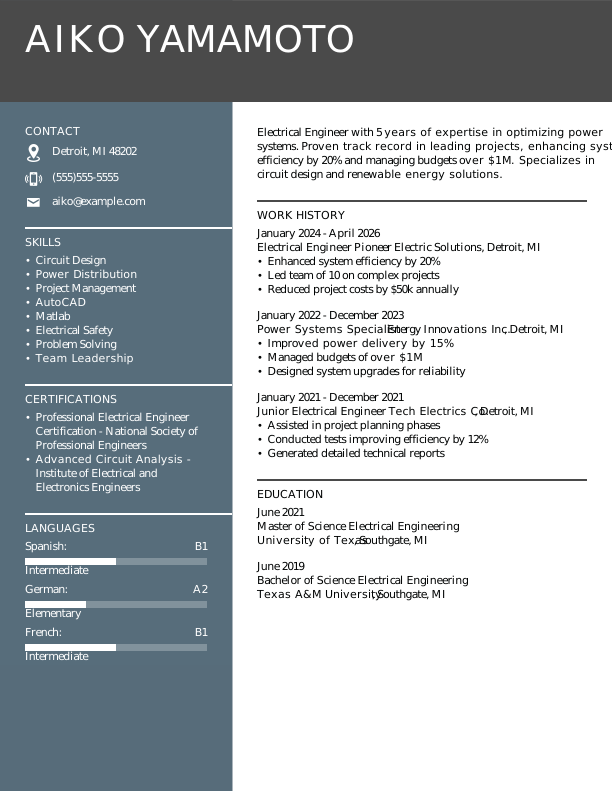
Aiko Yamamoto
Detroit, MI 48202
(555)555-5555
aiko@example.com
Skills
- Circuit Design
- Power Distribution
- Project Management
- AutoCAD
- Matlab
- Electrical Safety
- Problem Solving
- Team Leadership
Certifications
- Professional Electrical Engineer Certification - National Society of Professional Engineers
- Advanced Circuit Analysis - Institute of Electrical and Electronics Engineers
Languages
- Spanish - B1
- Intermediate - German
- A2 - Elementary
- French - B1
- Intermediate -
Professional Summary
Electrical Engineer with 5 years of expertise in optimizing power systems. Proven track record in leading projects, enhancing system efficiency by 20% and managing budgets over 1M. Specializes in circuit design and renewable energy solutions.
Work History
Electrical Engineer
Pioneer Electric Solutions - Detroit, MI
January 2024 - April 2026
- Enhanced system efficiency by 20%
- Led team of 10 on complex projects
- Reduced project costs by k annually
Power Systems Specialist
Energy Innovations Inc. - Detroit, MI
January 2022 - December 2023
- Improved power delivery by 15%
- Managed budgets of over 1M
- Designed system upgrades for reliability
Junior Electrical Engineer
Tech Electrics Co. - Detroit, MI
January 2021 - December 2021
- Assisted in project planning phases
- Conducted tests improving efficiency by 12%
- Generated detailed technical reports
Education
Master of Science Electrical Engineering
University of Texas Southgate, MI
June 2021
Bachelor of Science Electrical Engineering
Texas A&M University Southgate, MI
June 2019
Build Your Resume in Minutes
Creating a custom resume is easier than ever with our Resume Builder!
How to Write a Electrical Engineer Resume Summary
Your resume summary is the first impression hiring managers have of you, making it important to grab their attention right away. As an electrical engineer, you should highlight your technical skills, project experience, and problem-solving abilities in this section. To help clarify what works well in a resume summary, we’ll look at a few examples that illustrate effective techniques and common pitfalls:
Weak Example
I am an electrical engineer with years of experience and a strong background. I hope to find a job where I can use my skills effectively and help the company succeed. A position that offers good benefits and chances for advancement sounds perfect for me. I believe I would be a valuable addition to any team if given the chance.
Why this summary misses the mark:
- Lacks specific details about relevant skills or projects, making it too vague
- Uses personal language which detracts from professionalism and clarity
- Emphasizes personal desires rather than highlighting how the job seeker can contribute to the employer's goals
Strong Example
Detail-oriented electrical engineer with over 8 years of experience in designing and implementing electrical systems for commercial and residential projects. Achieved a 20% reduction in project costs through innovative design solutions and efficient resource management. Proficient in AutoCAD, MATLAB, and renewable energy technologies, while collaborating effectively with cross-functional teams to ensure project success.
Why this summary works:
- Begins with specific years of experience and areas of expertise
- Highlights quantifiable achievements that illustrate cost-saving impacts on projects
- Showcases relevant technical skills that are vital for electrical engineering roles

Pro Tip
Feeling short on formal work experience? No worries! A career objective might be your best bet. Discover numerous resume objective examples designed for electrical engineering roles to help you shine. Stay positive and tailor it to highlight your unique strengths.
Showcasing Your Work Experience
The work experience section is the key component of your resume as an electrical engineer, where you will present the bulk of your professional content. Good resume templates always emphasize this critical section.
This area should be organized in reverse-chronological order, detailing your previous positions in engineering. Use bullet points to highlight significant achievements and projects that showcase your skills and contributions.
To further illustrate how to craft this section well, we will provide a couple of examples that demonstrate what works well and what doesn't:
Weak work experience
Electrical Engineer
Tech Innovations Inc. – Austin, TX
- Assisted with electrical system designs.
- Conducted tests and analyzed data.
- Collaborated with team members on projects.
- Resolved technical issues as they arose.
Why this work experience section misses the mark:
- Lacks specific details about the engineer's role and contributions
- Bullet points are overly general and fail to highlight achievements or impacts
- Does not mention any measurable outcomes or successful projects that demonstrate expertise
Strong work experience
Electrical Engineer
Tech Innovations Inc. – San Jose, CA
March 2020 - Current
- Design and implement electrical systems for new product lines, leading to a 30% reduction in production costs.
- Conduct rigorous testing and troubleshooting of circuits, improving reliability by 40% over previous designs.
- Collaborate with cross-functional teams to optimize project timelines, achieving a 15% acceleration in project delivery.
Why this work experience section works:
- Starts each bullet point with powerful action verbs that clearly outline the job seeker's contributions
- Incorporates quantifiable results to demonstrate effectiveness and impact on company operations
- Highlights collaboration and problem-solving skills relevant to the role of an electrical engineer
While your resume summary and work experience are important, don’t overlook other essential sections that contribute to a well-rounded presentation. Each part plays a significant role in showcasing your qualifications. For detailed guidance, be sure to check our comprehensive how to write a resume guide.
Top Skills to Include on Your Resume
A well-structured skills section is vital for any effective resume. It not only highlights your key competencies to potential employers but also streamlines the recruitment process.
This section allows hiring managers to swiftly evaluate whether applicants align with job requirements. Furthermore, electrical engineer professionals should emphasize both their technical and interpersonal skills, which we will discuss in detail below.
Incorporating soft skills is important for electrical engineers, as they improve teamwork, improve communication, and foster problem-solving abilities essential for successful project outcomes.
Choosing the resume skills that best match your qualifications with employer expectations is important. Many organizations use automated screening systems to filter out applicants who don't have the essential skills for the position.
Reviewing job postings closely can reveal which skills to highlight, increasing your chances of being noticed. This strategy appeals to recruiters and ensures your resume aligns with ATS criteria.
Pro Tip
Ensure your resume stands out to employers by using our ATS Resume Checker. This tool identifies over 30 common errors, helping you refine your document and improve your chances of getting noticed.
10 skills that appear on successful electrical engineer resumes
To attract recruiters' attention, it's essential to highlight in-demand skills relevant to electrical engineering positions. You'll find these and other key competencies showcased in our resume examples, helping your application stand out with confidence.
By the way, consider incorporating these skills into your resume if they align with your experience and job requirements:
Circuit design
Problem-solving
Project management
Attention to detail
Team collaboration
Skill in CAD software
Knowledge of power systems
Signal processing expertise
Analytical thinking
Adaptability
Based on analysis of 5,000+ engineering professional resumes from 2023-2024
Resume Format Examples
Choosing the appropriate resume format is important for electrical engineers, as it highlights essential technical skills, relevant project experience, and career advancement in a clear and organized manner.
Entry-Level 0 - 2 years
Functional
Focuses on skills rather than previous jobs
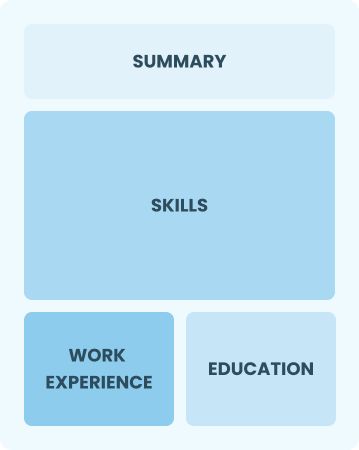
Best for:
Recent graduates and career changers with up to two years of experience
Mid-Career 3 - 7 years
Combination
Balances skills and work history equally
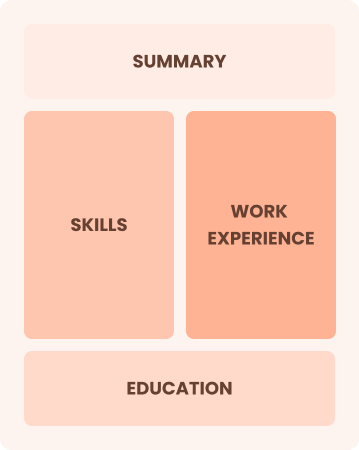
Best for:
Mid-career professionals focused on demonstrating their skills and seeking growth opportunities
Experienced 8+ years
Chronological
Emphasizes work history in reverse order
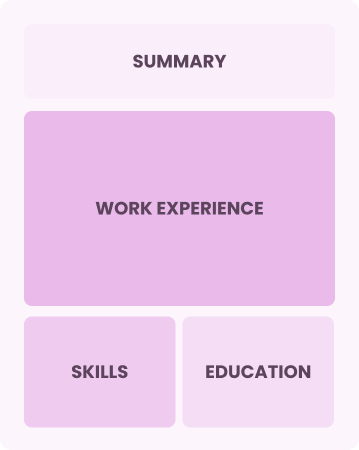
Best for:
Experts leading innovative electrical design projects and teams
Electrical Engineer Salaries in the Highest-Paid States
Our electrical engineer salary data is based on figures from the U.S. Bureau of Labor Statistics (BLS), the authoritative source for employment trends and wage information nationwide.
Whether you're entering the workforce or considering a move to a new city or state, this data can help you gauge what fair compensation looks like for electrical engineers in your desired area.
$0$75K$150K
Frequently Asked Questions
Should I include a cover letter with my electrical engineer resume?
Absolutely. Including a cover letter can greatly improve your application by showcasing your personality and detailing how your skills align with the job. It allows you to highlight key experiences that may not be evident in your resume. For assistance, explore our comprehensive guide on how to write a cover letter or use our user-friendly Cover Letter Generator to craft one effortlessly.
Can I use a resume if I’m applying internationally, or do I need a CV?
When applying for jobs abroad, a CV is often preferred over a resume. This is particularly true in Europe and Asia. For guidance on how to write a CV, explore our comprehensive resources that detail formatting. Additionally, you can review CV examples tailored for international standards.
What soft skills are important for electrical engineers?
Soft skills like problem-solving, collaboration, and interpersonal skills are essential for electrical engineers. These abilities foster teamwork and ensure projects run smoothly, allowing engineers to build strong relationships with colleagues and clients while navigating complex technical challenges together.
I’m transitioning from another field. How should I highlight my experience?
Highlight your transferable skills, such as analytical thinking, teamwork, and project management, gained from previous roles. These attributes illustrate your adaptability and potential to excel in electrical engineering. Provide concrete examples that connect past accomplishments to relevant responsibilities in engineering projects to showcase your value and readiness for this new career path.
Should I use a cover letter template?
Yes, using a cover letter template for electrical engineers can streamline your application by organizing content logically and emphasizing critical skills such as circuit design, project management, and problem-solving abilities. This makes it easier for hiring managers to identify your qualifications.
How do I add my resume to LinkedIn?
To boost your professional visibility as an electrical engineer, uploading your resume directly or highlighting key details in the "About" and "Experience" sections can add your resume to LinkedIn. This method makes it easier for recruiters and hiring managers to find qualified job seekers in your field, improving your likelihood of connecting with potential opportunities.




Ready to land the job?
Join 28M+ others who've built a resume that works.