Hard skills include skill in legal research, understanding of intellectual property laws, and experience with patent applications and trademark registrations.
Intellectual Property Paralegal Resume Examples & Templates
Looking to stand out as an intellectual property paralegal? Our intellectual property paralegal resume examples showcase essential skills like legal research and client communication to help you catch the eye of employers.

by Gabriela Hernandez, Last Updated: January 18, 2026
Hired By:*

- Popular Intellectual Property Paralegal Resume Examples
- Resume Template—Easy to Copy & Paste
- Build Your Resume in Minutes
- How to Write an Intellectual Property Paralegal Resume Summary
- Showcasing Your Work Experience
- Top Skills to Include on Your Resume
- Resume Format Examples
- Related Law Resume Examples
- Frequently Asked Questions
- Should I include a cover letter with my intellectual property paralegal resume?
- Can I use a resume if I’m applying internationally, or do I need a CV?
- What soft skills are important for intellectual property paralegals?
- I’m transitioning from another field. How should I highlight my experience?
- Should I use a cover letter template?
- How do I add my resume to LinkedIn?
Popular Intellectual Property Paralegal Resume Examples
Discover our top intellectual property paralegal resume examples that emphasize key skills such as legal research, document preparation, and client communication. These examples will help you effectively showcase your qualifications to potential employers.
Ready to build your ideal resume? Our Resume Builder offers user-friendly templates designed specifically for legal professionals, making your application process smoother and more effective.
Recommended
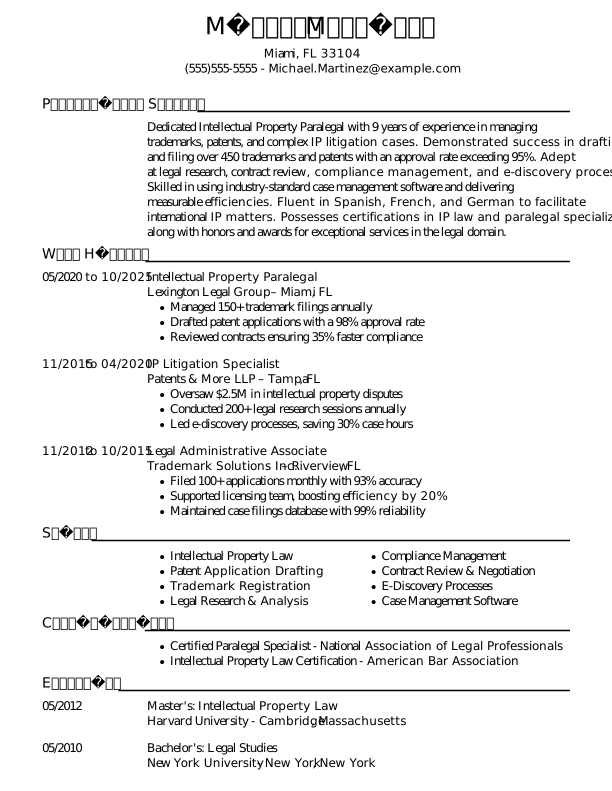 Customize This Resume
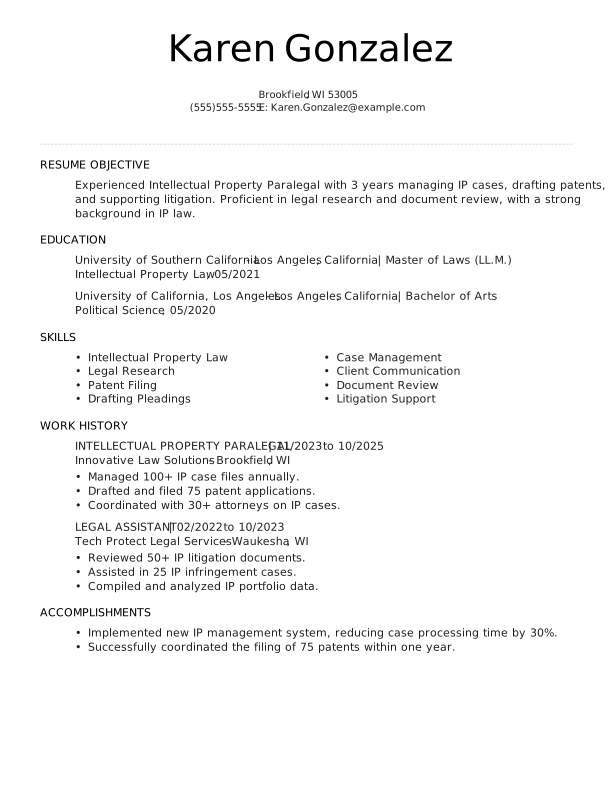
Entry-level intellectual property paralegal resume
What this resume does well:
This entry-level resume for an intellectual property paralegal effectively highlights the job seeker's hands-on experience managing IP case files and drafting patent applications, showcasing a strong foundation in intellectual property law. New professionals should demonstrate their legal competencies and relevant academic achievements to capture the attention of employers, even with limited work history.
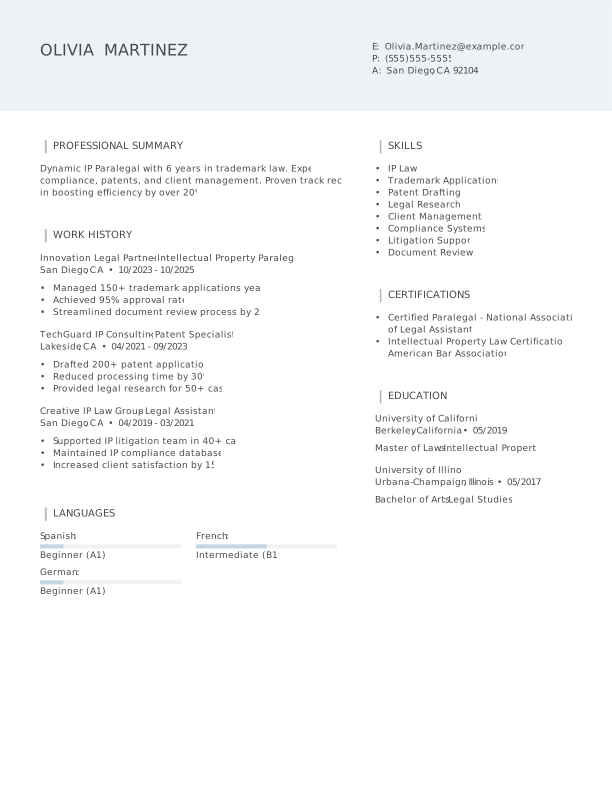
Mid-career intellectual property paralegal resume
What this resume does well:
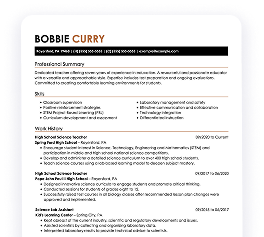
This resume effectively showcases key qualifications by detailing the applicant's extensive experience in intellectual property law. The structured presentation of accomplishments and skills highlights readiness for increased responsibilities, demonstrating a strong career trajectory and capability in complex legal challenges.
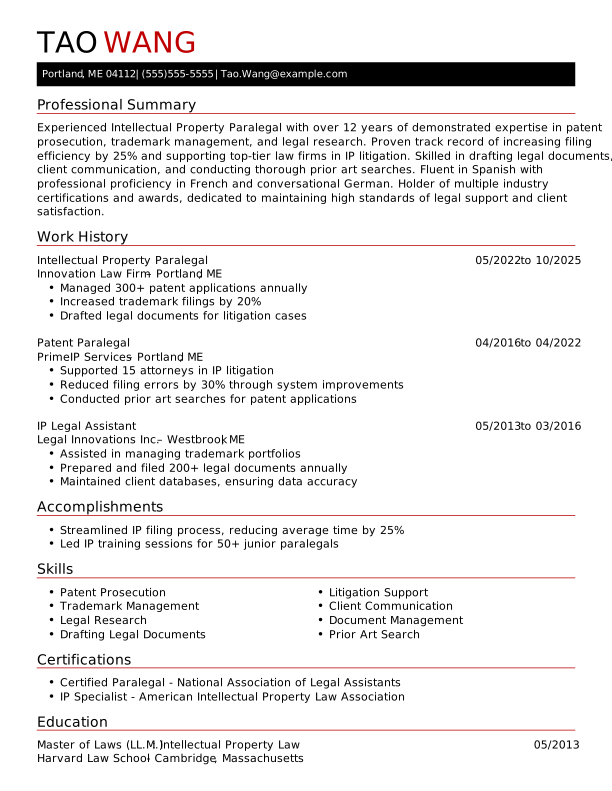
Experienced intellectual property paralegal resume
What this resume does well:
This work experience section showcases the applicant's extensive experience as an intellectual property paralegal, highlighting their management of over 300 patent applications annually and a 20% increase in trademark filings. The clear formatting allows hiring managers to quickly identify key achievements and skills relevant to the role.
Resume Template—Easy to Copy & Paste
Example
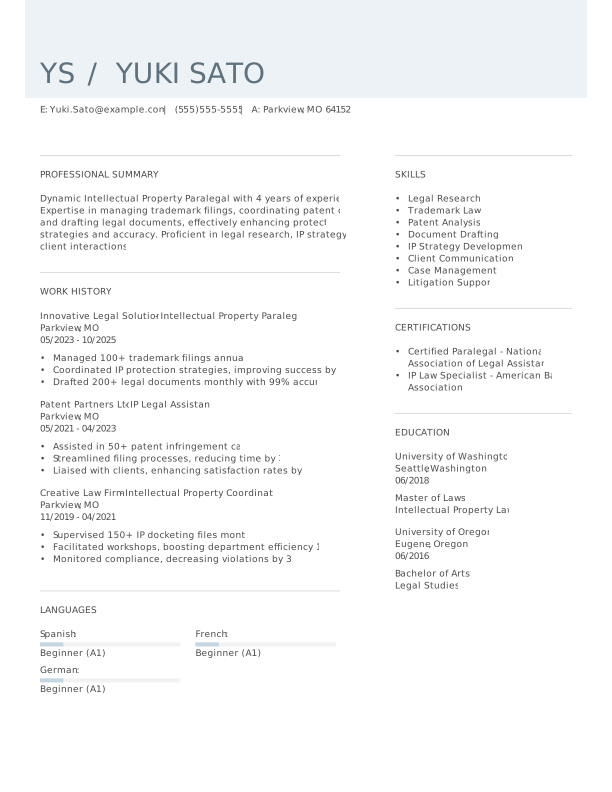
Yuki Sato
Parkview, MO 64152
(555)555-5555
Yuki.Sato@example.com
Professional Summary
Dynamic Intellectual Property Paralegal with 4 years of experience. Expertise in managing trademark filings, coordinating patent cases, and drafting legal documents, effectively enhancing protection strategies and accuracy. Proficient in legal research, IP strategy, and client interactions.
Work History
Intellectual Property Paralegal
Innovative Legal Solutions - Parkview, MO
May 2023 - October 2025
- Managed 100+ trademark filings annually.
- Coordinated IP protection strategies, improving success by 30%.
- Drafted 200+ legal documents monthly with 99% accuracy.
IP Legal Assistant
Patent Partners Ltd. - Parkview, MO
May 2021 - April 2023
- Assisted in 50+ patent infringement cases.
- Streamlined filing processes, reducing time by 20%.
- Liaised with clients, enhancing satisfaction rates by 25%.
Intellectual Property Coordinator
Creative Law Firm - Parkview, MO
November 2019 - April 2021
- Supervised 150+ IP docketing files monthly.
- Facilitated workshops, boosting department efficiency 15%.
- Monitored compliance, decreasing violations by 35%.
Languages
- Spanish - Beginner (A1)
- French - Beginner (A1)
- German - Beginner (A1)
Skills
- Legal Research
- Trademark Law
- Patent Analysis
- Document Drafting
- IP Strategy Development
- Client Communication
- Case Management
- Litigation Support
Certifications
- Certified Paralegal - National Association of Legal Assistants
- IP Law Specialist - American Bar Association
Education
Master of Laws Intellectual Property Law
University of Washington Seattle, Washington
June 2018
Bachelor of Arts Legal Studies
University of Oregon Eugene, Oregon
June 2016
Build Your Resume in Minutes
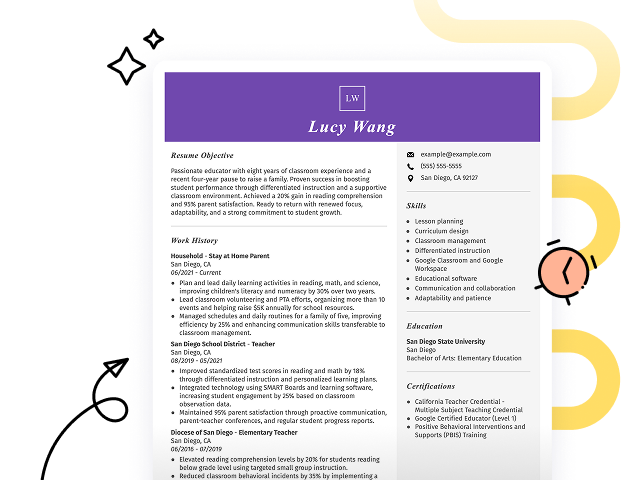
Creating a custom resume is easier than ever with our Resume Builder!
How to Write an Intellectual Property Paralegal Resume Summary
Your resume summary is the first impression employers get, making it important to showcase your qualifications effectively. As an intellectual property paralegal, you should highlight your expertise in legal research, document preparation, and understanding of IP law. The following examples will illustrate what works well in this section and what pitfalls to avoid:
Weak Example
I am an intellectual property paralegal with extensive experience and skills. I hope to find a job where I can use my abilities and contribute to the team. A position that allows for professional growth and a supportive work environment would be great. I believe I can help the firm succeed if given the chance.
Why this summary misses the mark:
- It contains vague descriptions of experience without specific examples or achievements
- Relies heavily on personal language, making it feel less professional and more generic
- Emphasizes what the applicant seeks rather than highlighting their unique contributions to potential employers
Strong Example
Detail-oriented intellectual property paralegal with 6+ years of experience in managing patent and trademark applications, ensuring compliance with legal standards. Successfully streamlined the filing process, reducing turnaround time by 30% and improving client satisfaction ratings by 20%. Proficient in legal research, document preparation, and using IP management software to support efficient case handling.
Why this summary works:
- Begins with specific experience level and highlights relevant expertise in intellectual property law
- Incorporates quantifiable achievements that demonstrate efficiency improvements and positive client impact
- Showcases essential skills applicable to the paralegal role in the IP sector

Pro Tip
If you don’t have much formal experience, focus on creating a strong career objective to highlight your passion and goals effectively. Check out specific resume objective examples that can help you stand out in the intellectual property field.
Showcasing Your Work Experience
The work experience section is the cornerstone of your resume as an intellectual property paralegal. This area will contain the bulk of your content, and effective resume templates are designed to prioritize this important section.
It should be organized chronologically, listing your previous positions in reverse order. Use bullet points to detail specific achievements and responsibilities that showcase your expertise in managing intellectual property cases.
To give you a clearer picture, we’ll present some examples that highlight what works well in this section and help you avoid common pitfalls:
Weak Example
Intellectual Property Paralegal
Smith & Associates Law Firm – San Francisco, CA
- Assisted with legal documents.
- Reviewed patent applications.
- Maintained case files and databases.
- Communicated with clients and authorities.
Why this work experience section misses the mark:
- Lacks specific employment dates for context
- Bullet points are overly general and do not highlight key skills
- Focuses on routine tasks rather than showcasing impact or achievements
Strong Example
Intellectual Property Paralegal
Smith & Johnson Law Firm – New York, NY
March 2020 - Current
- Assist attorneys in preparing and filing patent applications, resulting in a 30% increase in successful filings within the first year.
- Conduct thorough research on trademark registries and intellectual property laws, contributing to a 20% reduction in client disputes.
- Draft and review legal documents related to IP transactions, ensuring compliance with federal regulations and improving case outcomes.
Why this work experience section works:
- Starts each bullet with strong action verbs that highlight the applicant’s contributions
- Incorporates specific metrics to demonstrate tangible results from the applicant’s efforts
- Showcases relevant skills such as legal research and document drafting that are critical for an IP paralegal
While your resume summary and work experience are important components, don’t overlook the importance of other sections. Each part contributes to a well-rounded presentation of your skills. For more detailed guidance on crafting your resume, explore our comprehensive guide on how to write a resume.
Top Skills to Include on Your Resume
A well-defined skills section is important for any resume, as it allows you to showcase your qualifications at a glance. This part of your resume grabs the attention of employers and emphasizes how you meet their needs right away.
Create a more powerful application by balancing your resume with both hard and soft skills.
Soft skills encompass strong analytical thinking, attention to detail, and effective communication, which are essential for collaborating with clients and ensuring the protection of their intellectual assets.
When selecting skills for your resume, it’s important to align with what employers expect from the ideal applicant. Many organizations use automated systems to filter out applicants who lack essential resume skills.
To optimize your chances of standing out, take time to review job postings closely. These listings often highlight specific skills that recruiters prioritize, helping you tailor your resume to meet both human and automated evaluations effectively.
Pro Tip
Optimize your resume for success! Use our ATS Resume Checker to uncover more than 30 common pitfalls, ensuring your application sails through applicant tracking systems with ease.
10 skills that appear on successful intellectual property paralegal resumes
Highlighting essential skills on your resume can significantly attract the attention of recruiters looking for intellectual property paralegals. Our resume examples showcase these in-demand qualifications, giving you an edge in your job applications.
Here are 10 skills you should consider including in your resume if they align with your experience and the position requirements:
Attention to detail
Research skills
Analytical thinking
Time management
Communication skill
Familiarity with patent law
Document drafting expertise
Legal research capabilities
Client relations skills
Knowledge of trademark processes
Based on analysis of 5,000+ law professional resumes from 2023-2024
Resume Format Examples
Selecting the appropriate resume format is important for an intellectual property paralegal, as it effectively showcases relevant legal expertise, project involvement, and professional growth to potential employers.
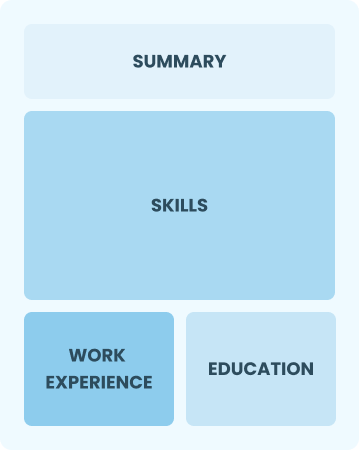
Entry-Level 0 - 2 years
Functional
Focuses on skills rather than previous jobs
Best for:
Recent graduates and career changers with up to two years of experience
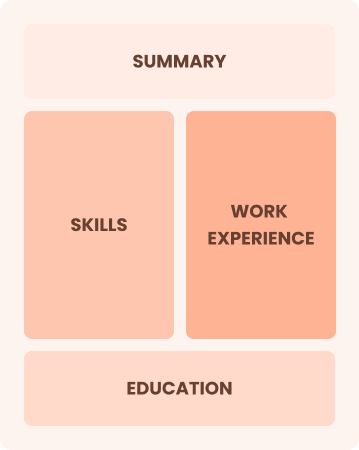
Mid-Career 3 - 7 years
Combination
Balances skills and work history equally
Best for:
Mid-career professionals eager to highlight their skills and growth potential
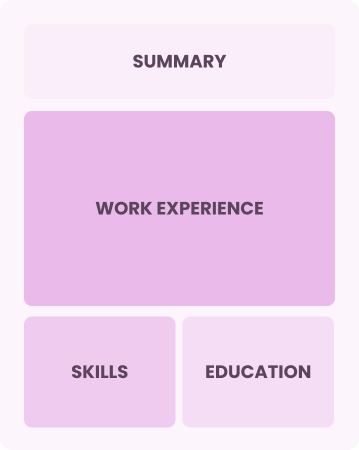
Experienced 8+ years
Chronological
Emphasizes work history in reverse order
Best for:
Seasoned experts leading complex intellectual property cases
Frequently Asked Questions
Should I include a cover letter with my intellectual property paralegal resume?
Absolutely! Including a cover letter can significantly improve your application by showcasing your unique skills and enthusiasm for the position. It allows you to explain how your background aligns with the job requirements. If you're looking for tips, our guide on how to write a cover letter is a great start. Additionally, you can use our Cover Letter Generator to craft one quickly and easily.
Can I use a resume if I’m applying internationally, or do I need a CV?
When applying for international positions, use a CV instead of a resume, as it is often the preferred format. A CV provides a detailed overview of your academic and professional history. For guidance on how to write a CV, explore our resources, including CV examples that are tailored to global standards.
What soft skills are important for intellectual property paralegals?
Soft skills, including interpersonal skills, communication, attention to detail, and critical thinking, are essential for intellectual property paralegals. These abilities help foster effective collaboration with attorneys and clients, ensuring accurate documentation and a thorough understanding of complex legal concepts, which ultimately leads to successful case outcomes.
I’m transitioning from another field. How should I highlight my experience?
Highlight your transferable skills, such as research, organization, and communication, when applying for intellectual property paralegal roles. These abilities demonstrate your readiness to excel, even if your prior experience isn’t directly in the legal field. Use concrete examples from past jobs to illustrate how you’ve effectively managed projects or resolved disputes, showcasing your potential value.
Should I use a cover letter template?
Yes, using a cover letter template tailored for intellectual property paralegals can improve your letter's structure and organization. It allows you to effectively showcase relevant skills such as legal research, document preparation, and attention to detail that hiring managers seek.
How do I add my resume to LinkedIn?
To boost your resume's visibility on LinkedIn, you can add your resume to LinkedIn directly on your profile or emphasize key skills and experiences in the "About" and "Experience" sections. This method aids recruiters in intellectual property in finding applicants who align with their needs.




Ready to land the job?
Join 28M+ others who've built a resume that works.