Does your resume seem to draw attention to employment gaps or fail to capture the full range of skills you bring to the table? If so, changing your resume format could be the key to presenting your experience more effectively and strengthening your job search.
There are three recruiter-approved resume formats—chronological, functional, and combination—each offering a different way to organize your experience and highlight your strengths.
In this guide, we’ll cover the best resume format for different career stages and situations. Let’s begin by comparing the key differences between the three formats.
Professional Resume Formats for Top Jobs
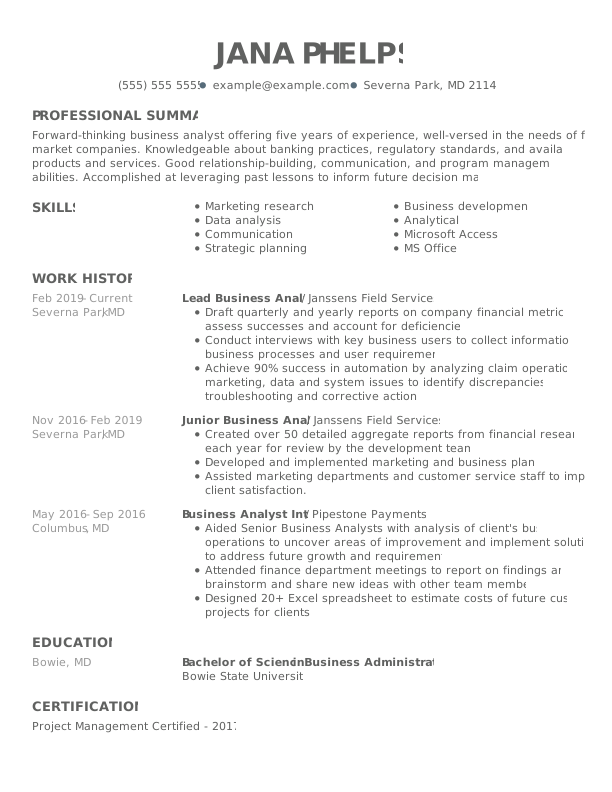
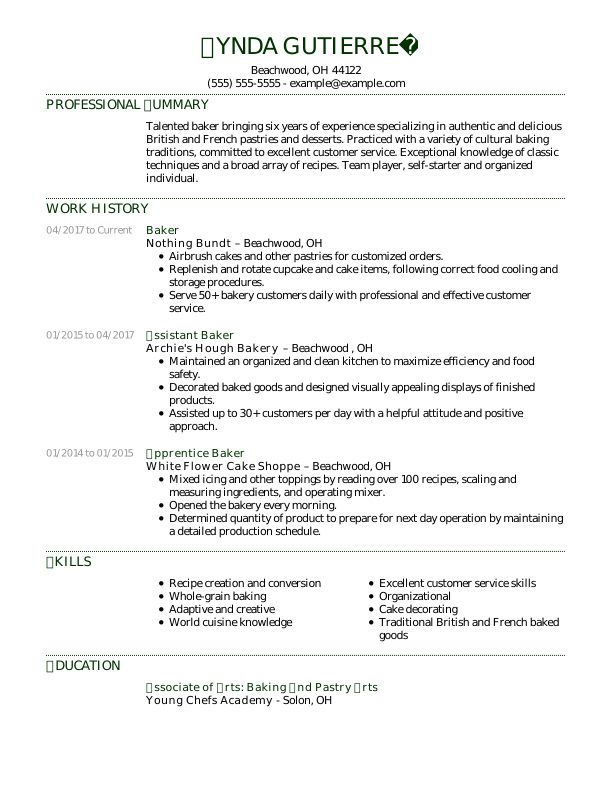
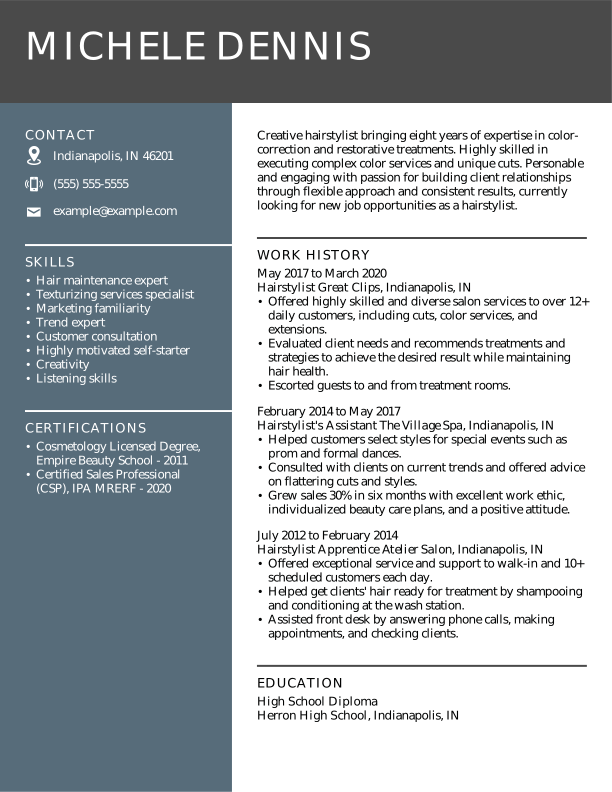
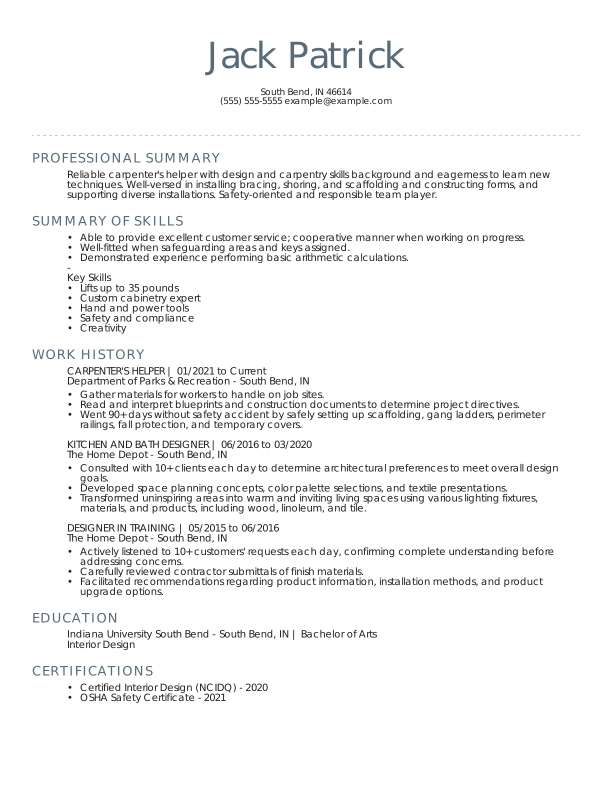
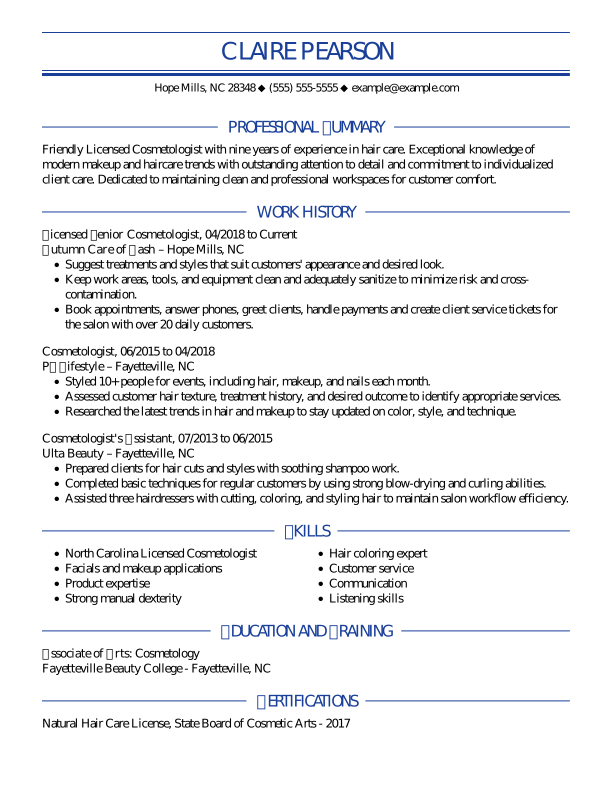
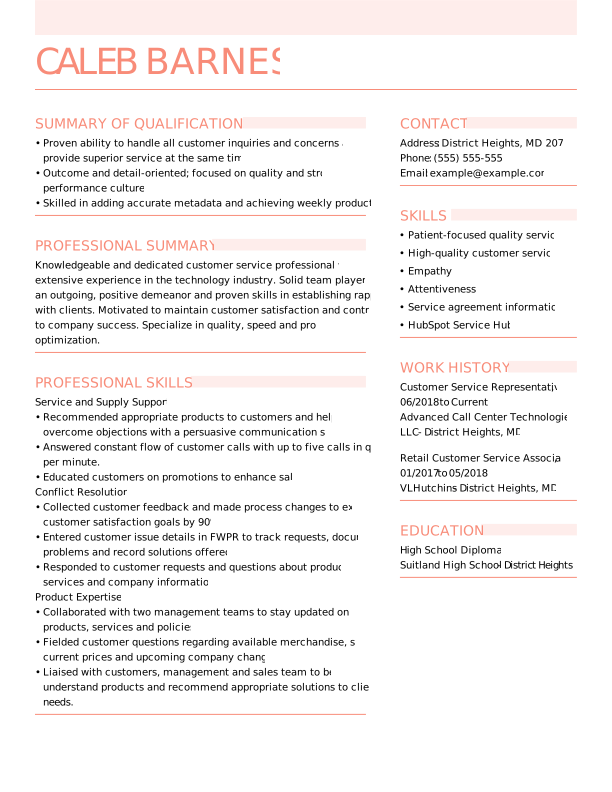
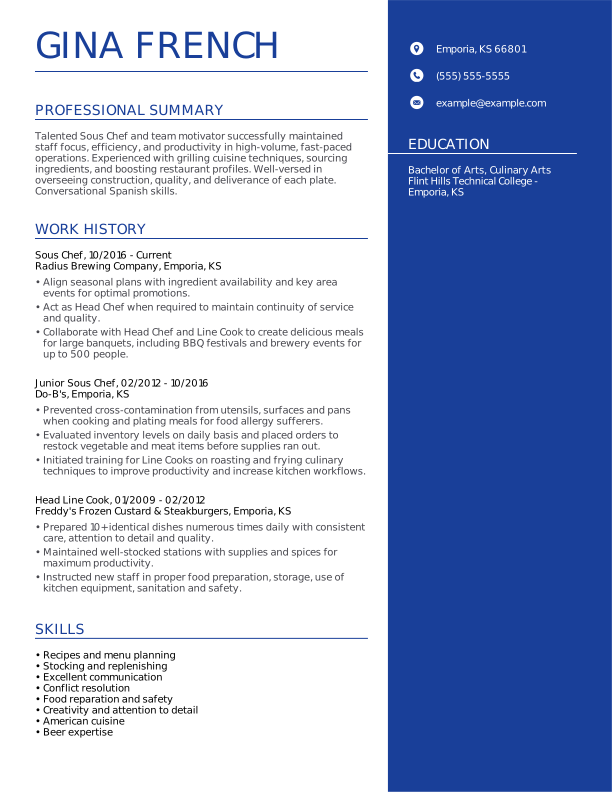
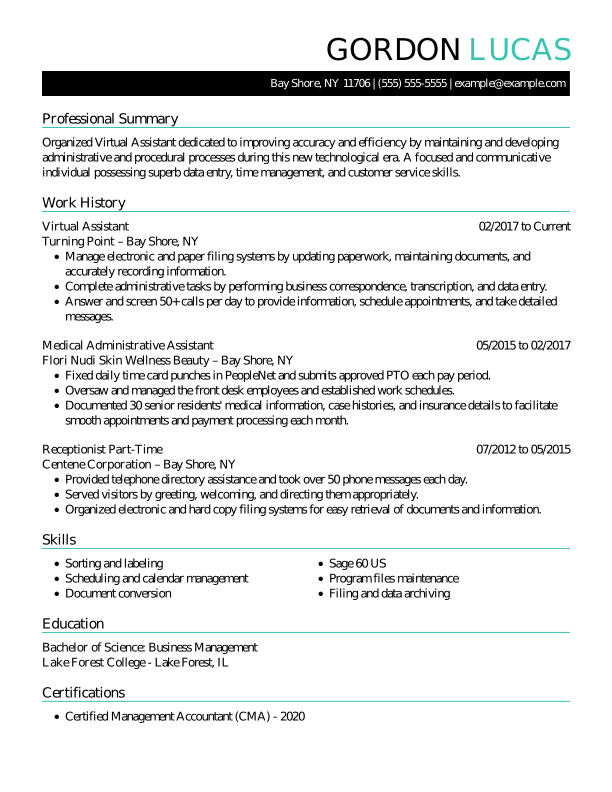
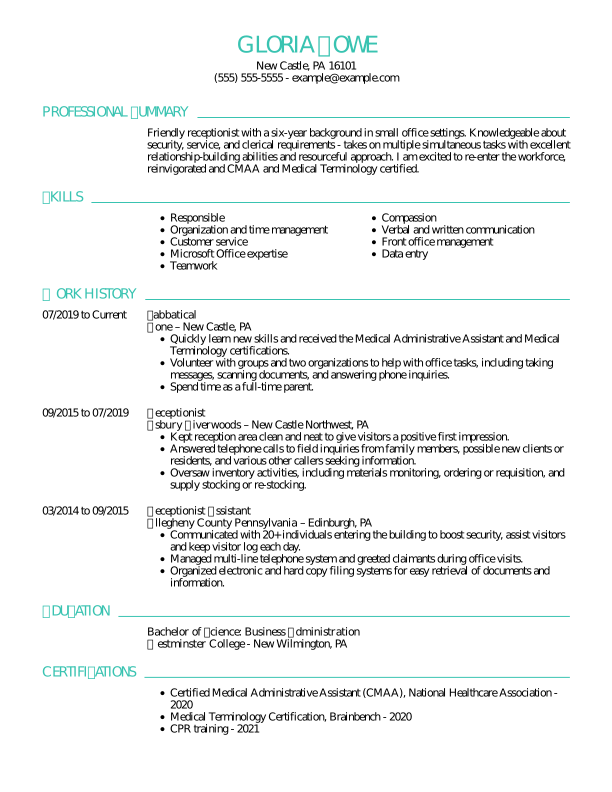
The professional resume templates below show how different types of resume formats work for various job titles. Each format highlights strengths differently:
- The chronological format is best for consistent career growth.
- The functional format emphasizes skills for entry-level roles.
- The combination format blends both for competitive positions.
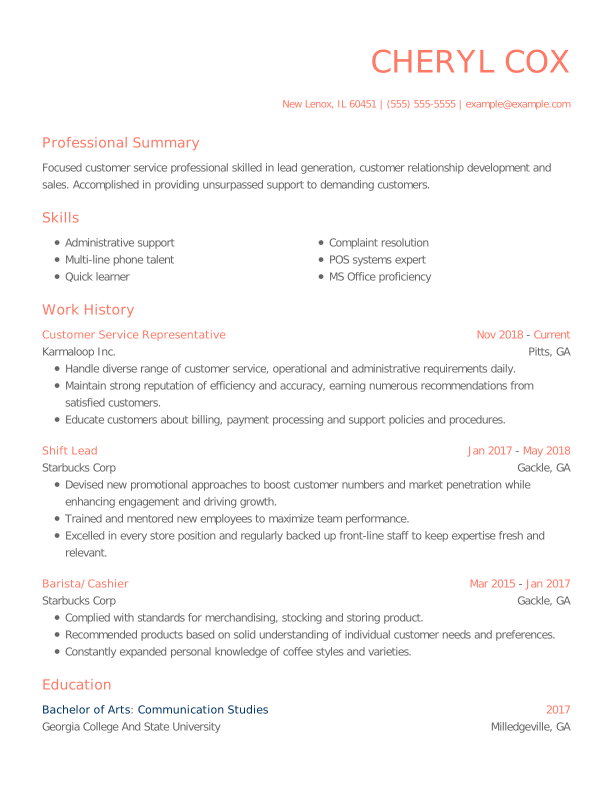
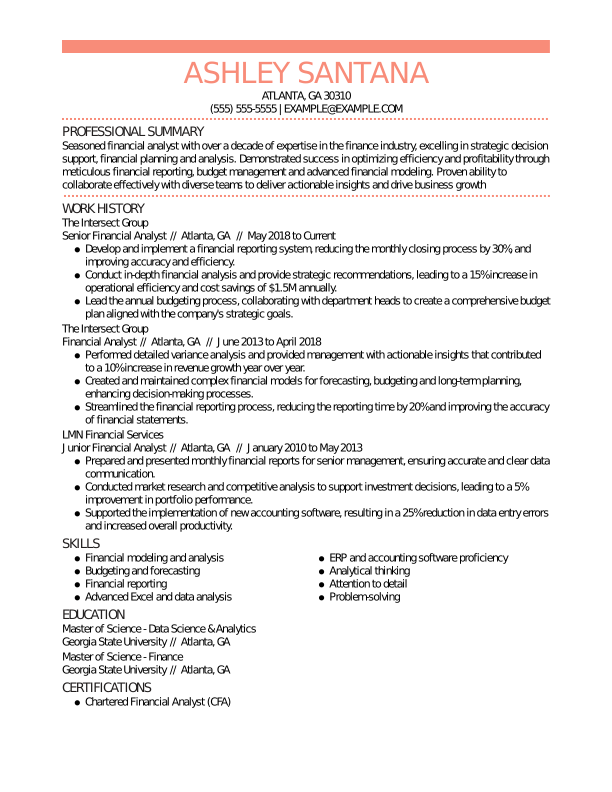
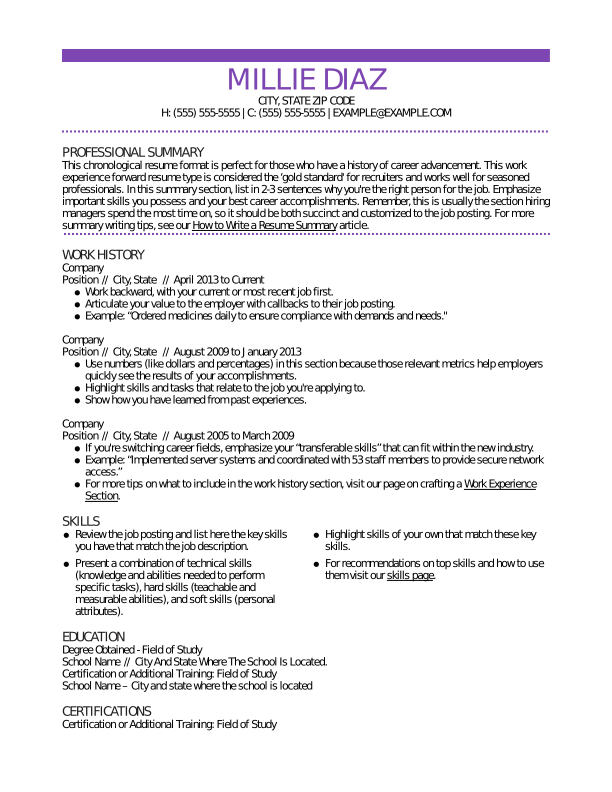
Customer Service Representative: Chronological Format
This experienced customer service representative uses a chronological resume format to highlight their customer service skills and decade of experience.
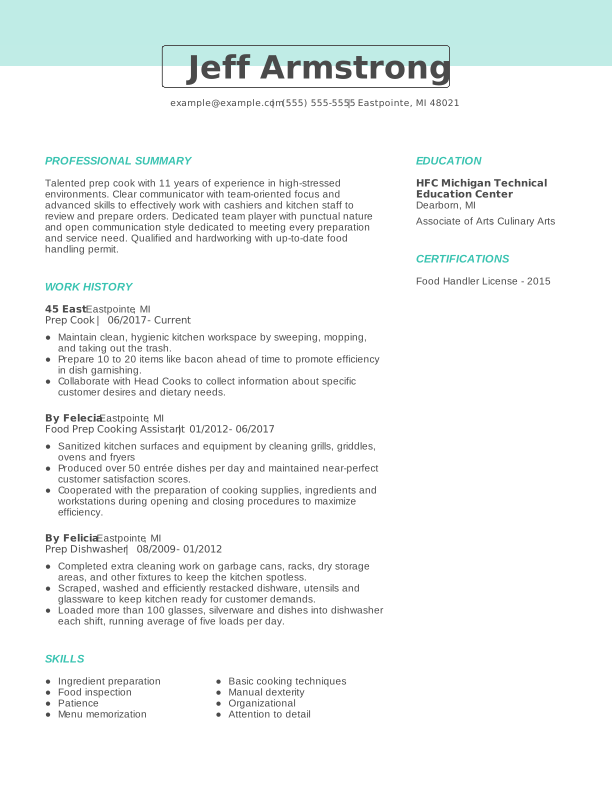
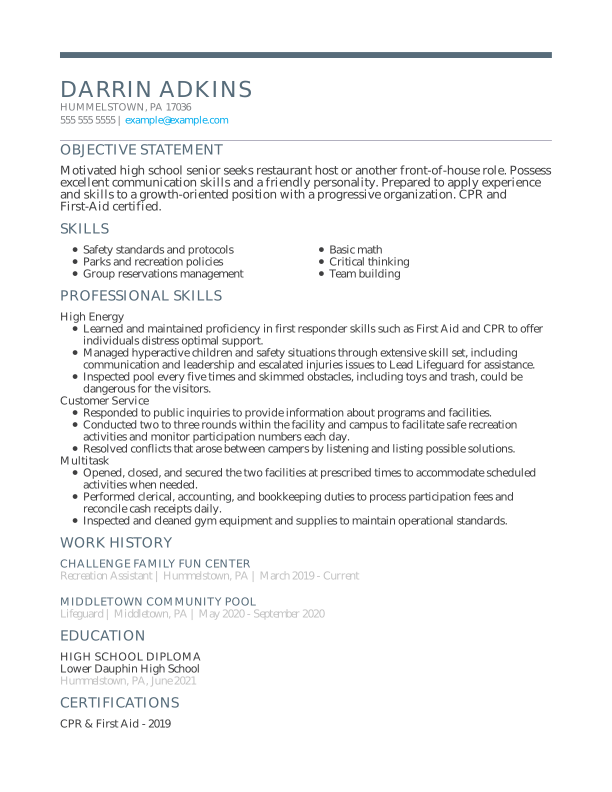
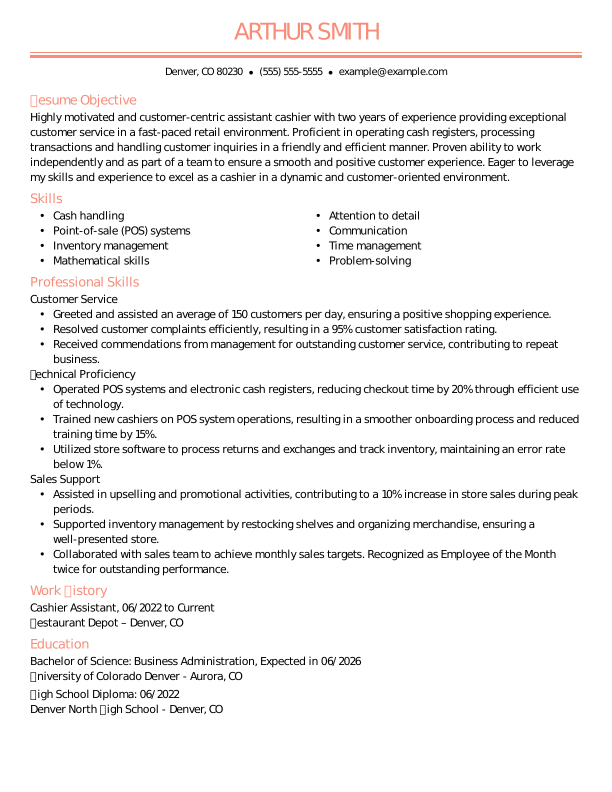
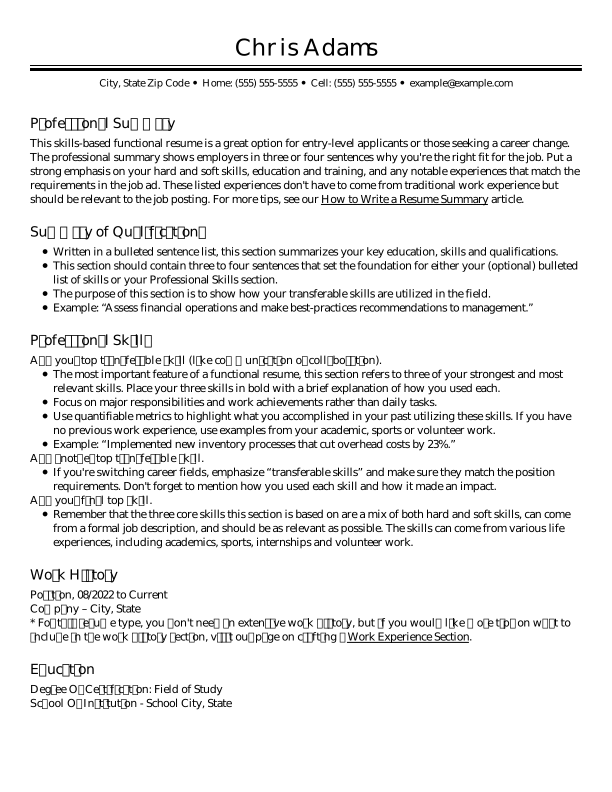
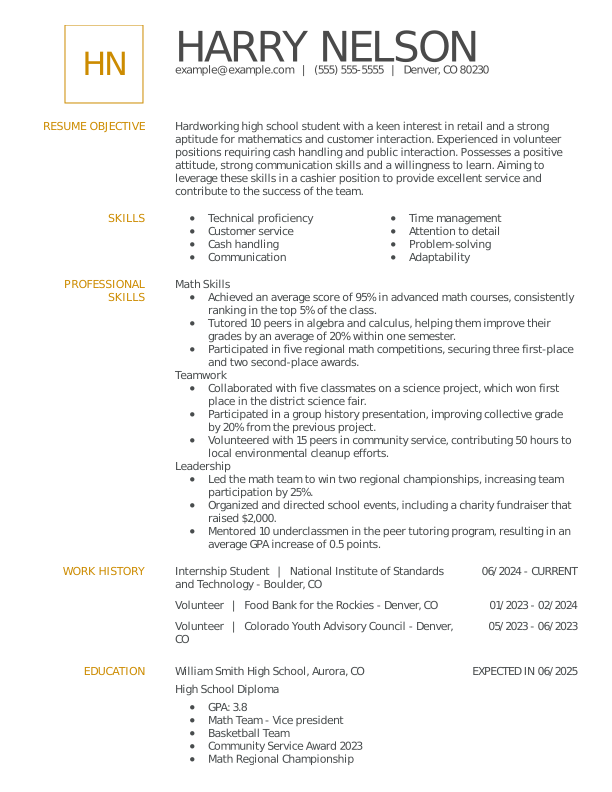
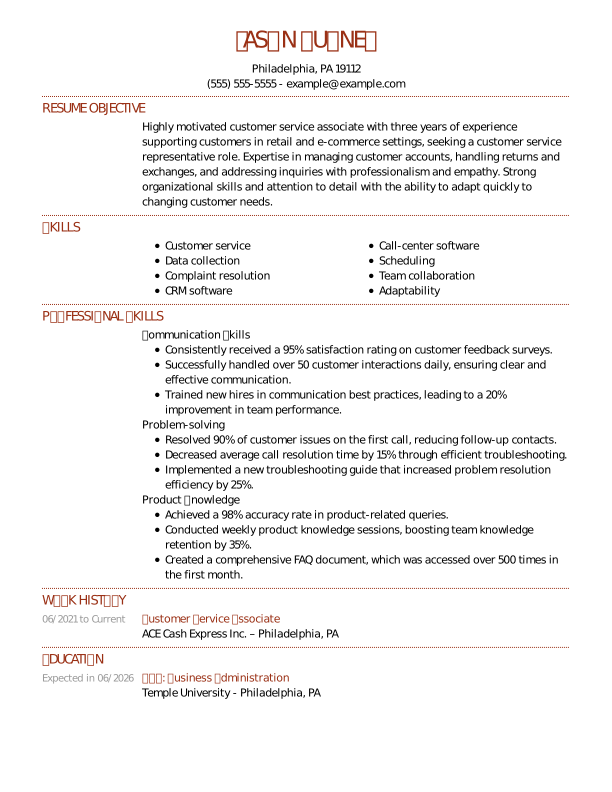
Cashier: Functional Format
This inexperienced job seeker uses a functional resume to highlight relevant technical skills for an entry-level cashier position.
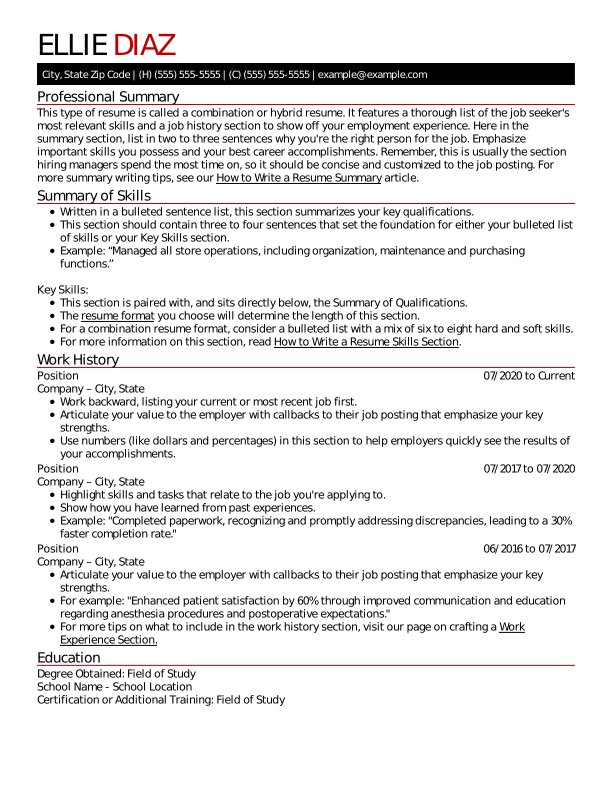
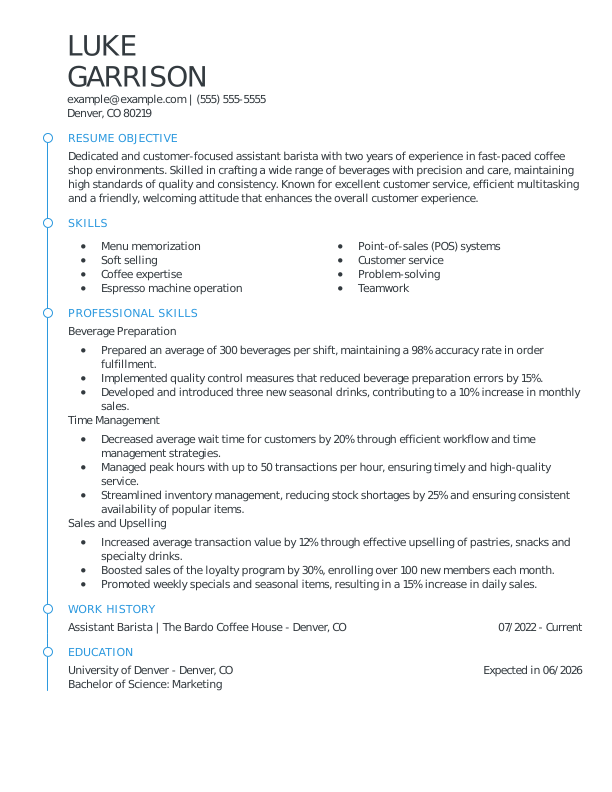
Assistant Manager: Combination Format
This job seeker uses the combination resume format to apply for an assistant manager promotion, highlighting their communication skills and growth.
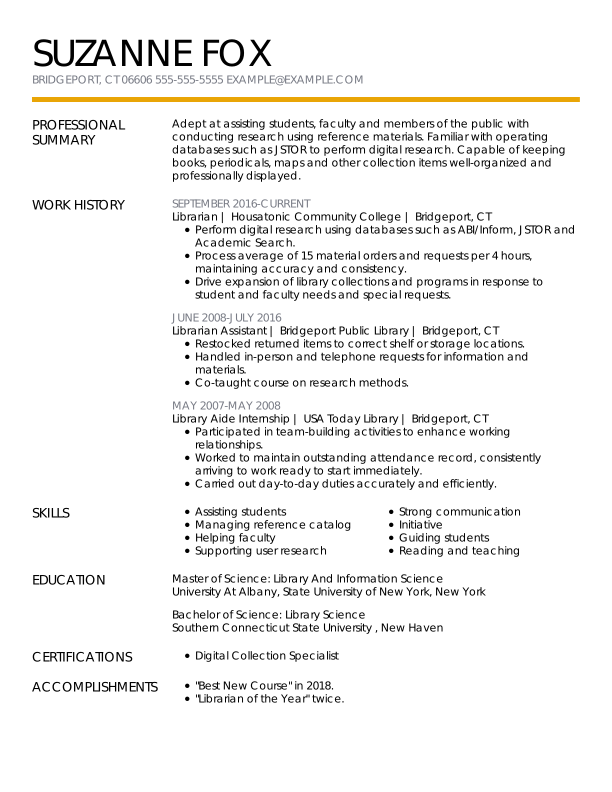
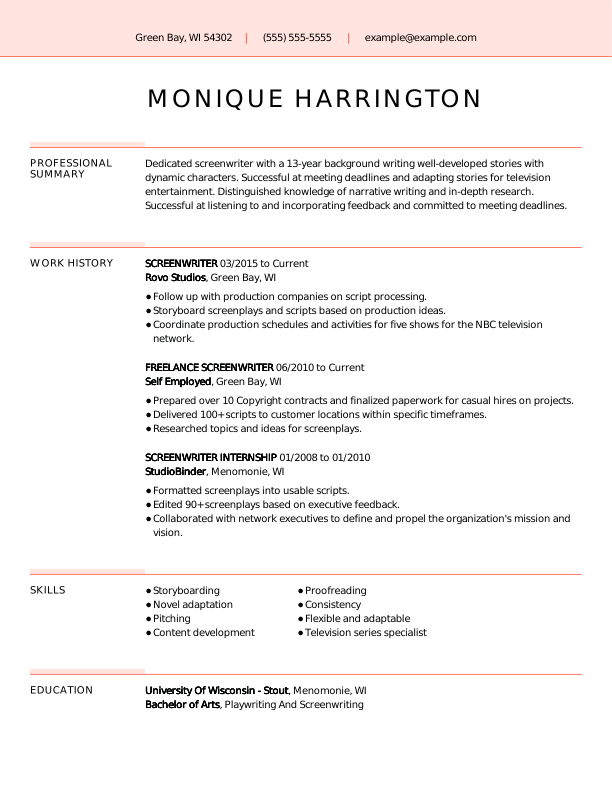
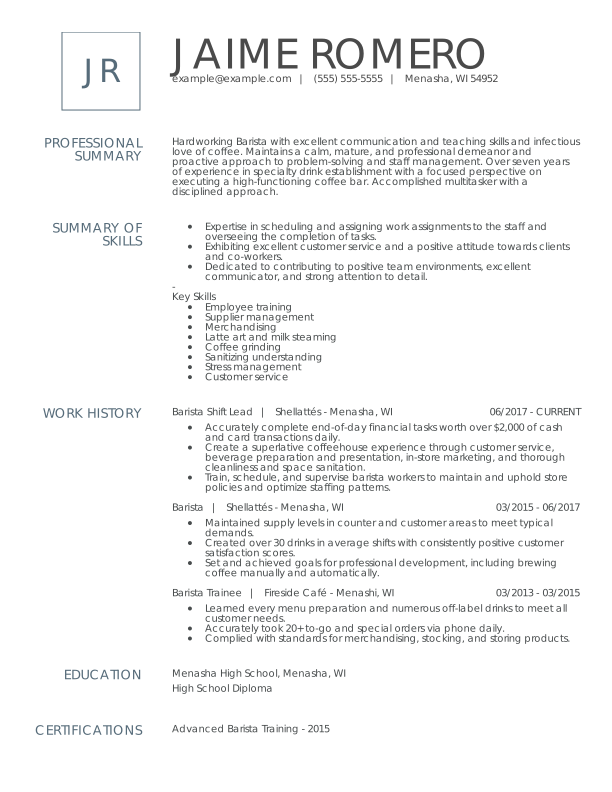
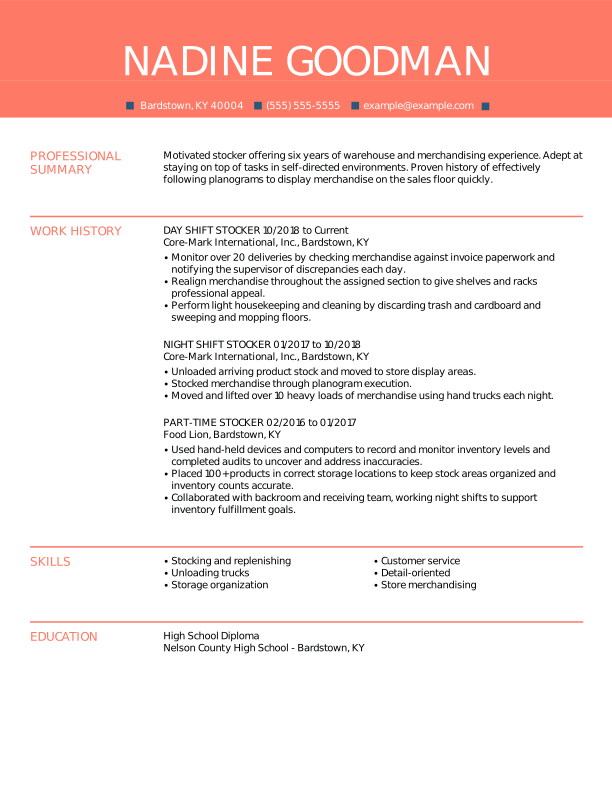
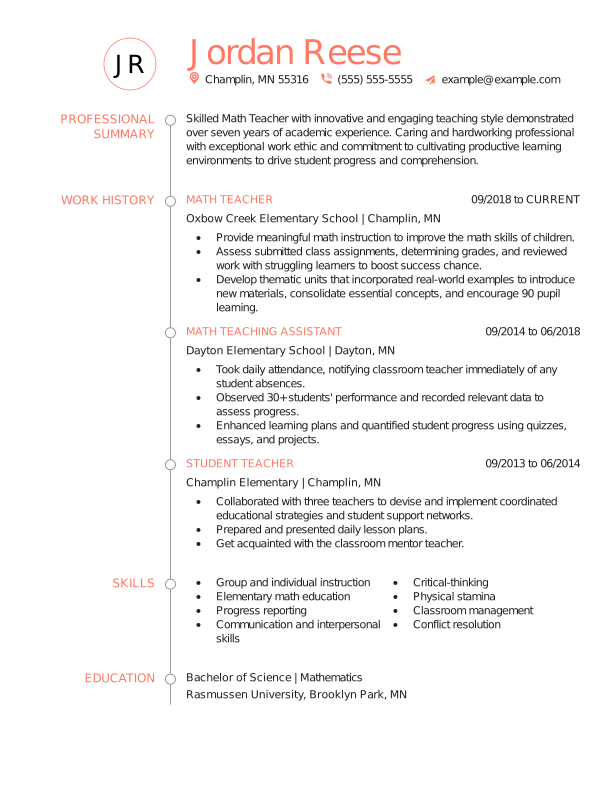
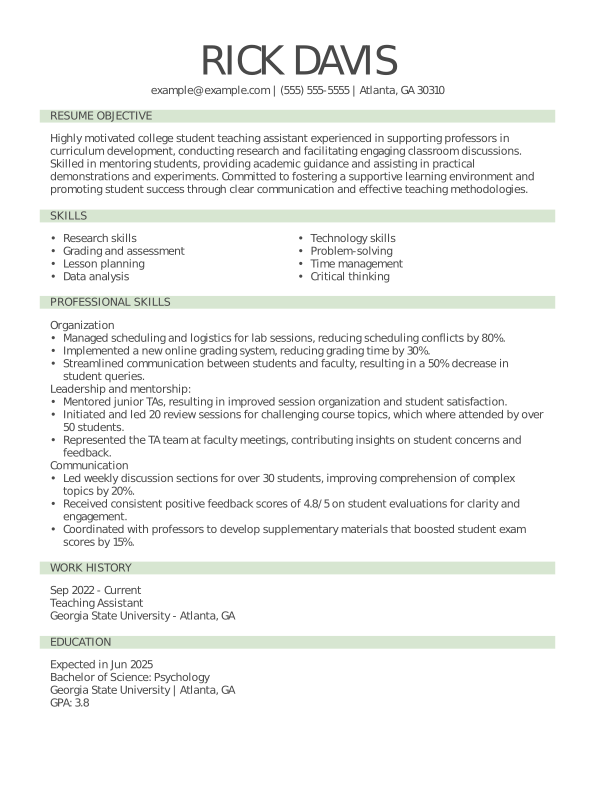
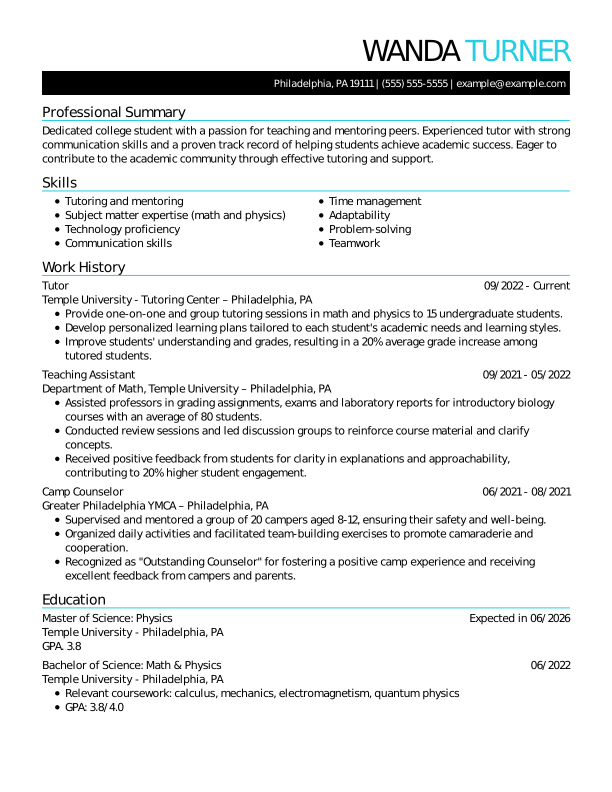
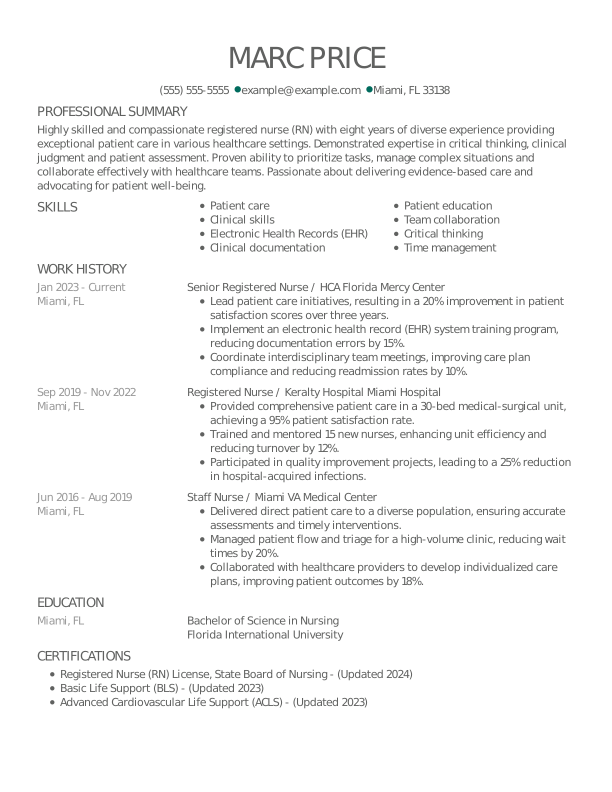
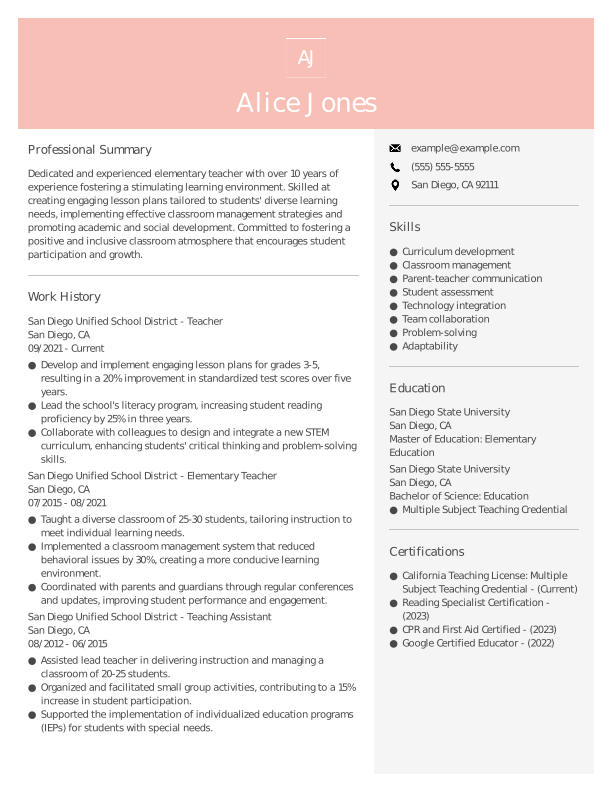
Teacher: Chronological Format
This chronological resume showcases the experienced teacher’s interpersonal skills and extensive, consistent career in education.
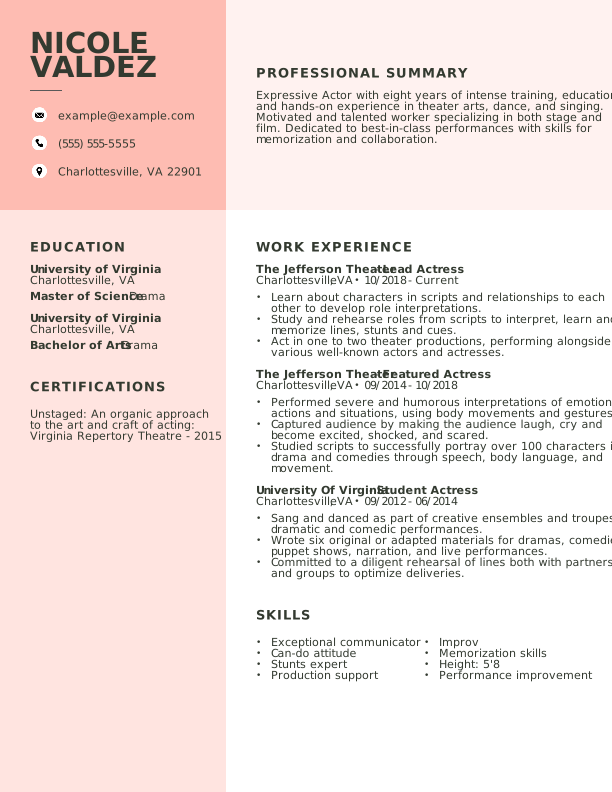
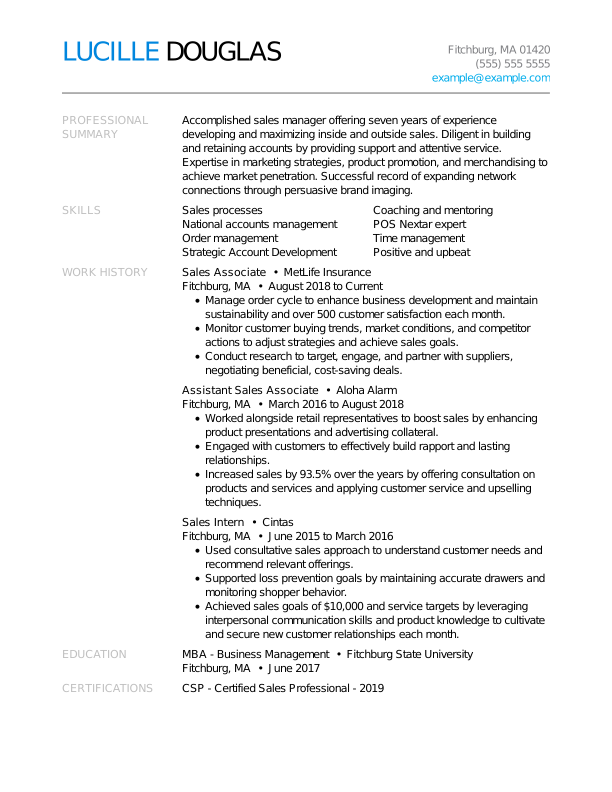
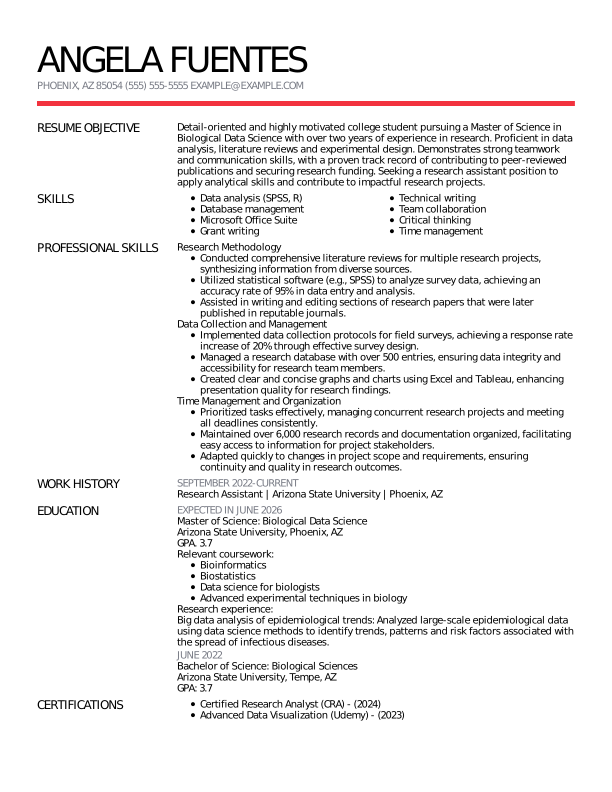
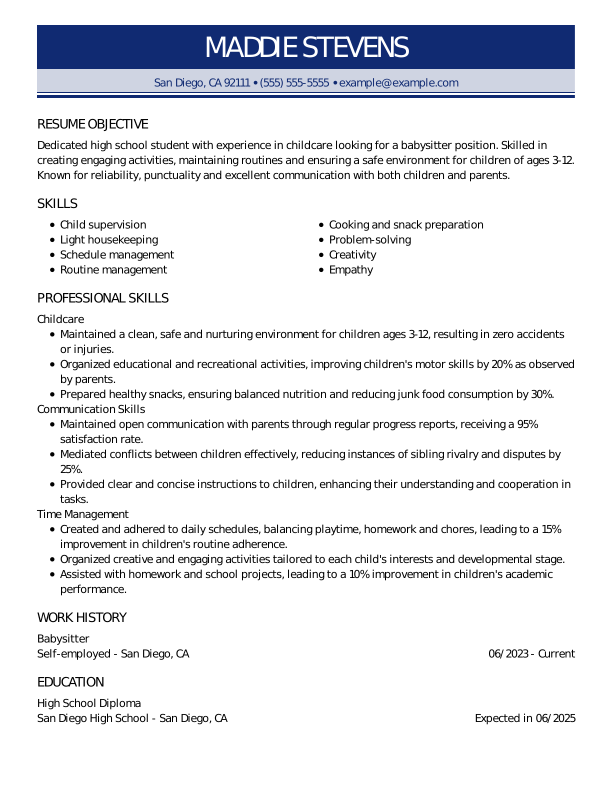
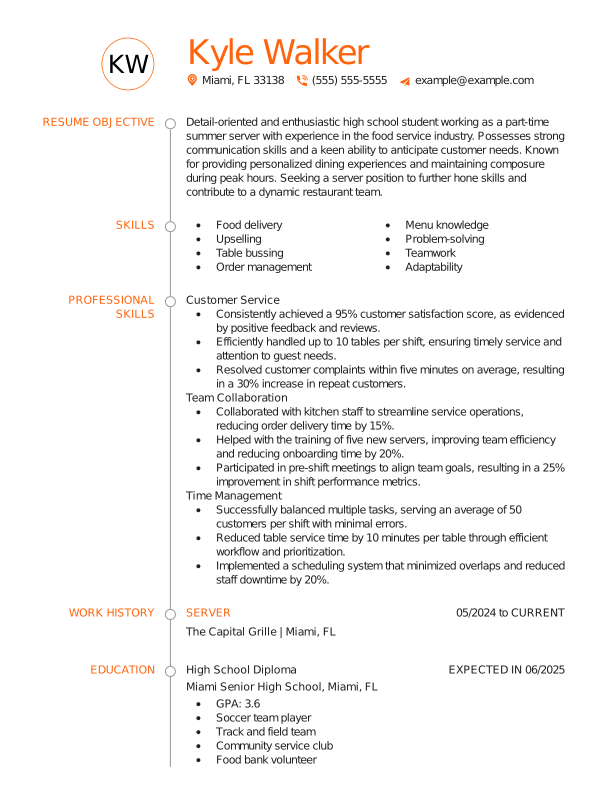
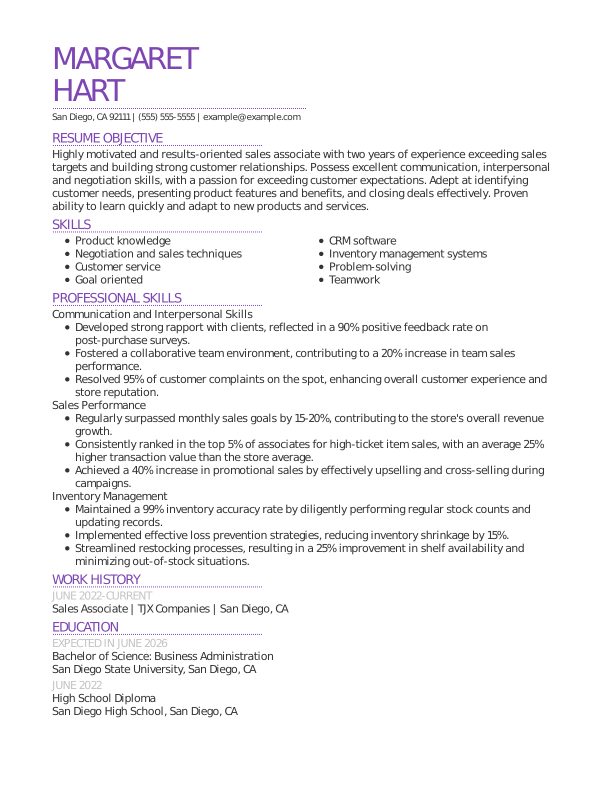
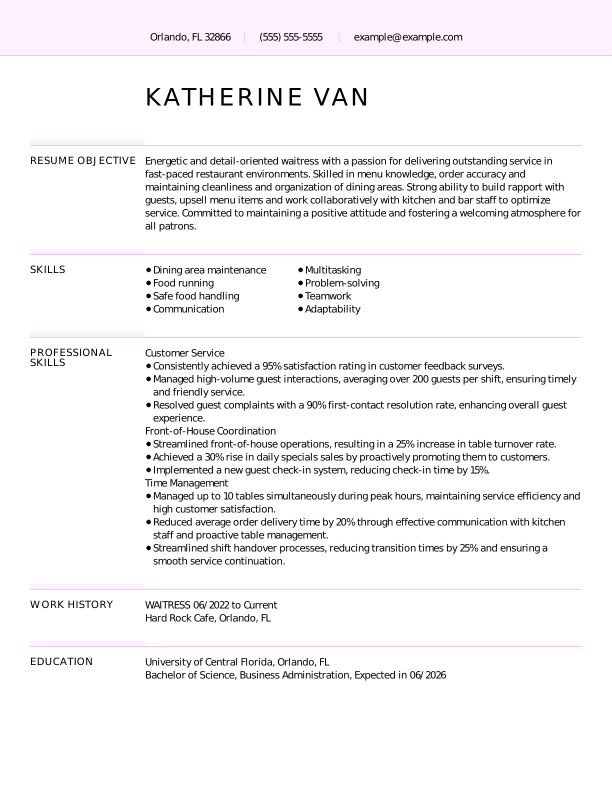
Sales Associate: Functional Format
Despite limited formal experience, this candidate showcases relevant transferable skills using the functional resume format.
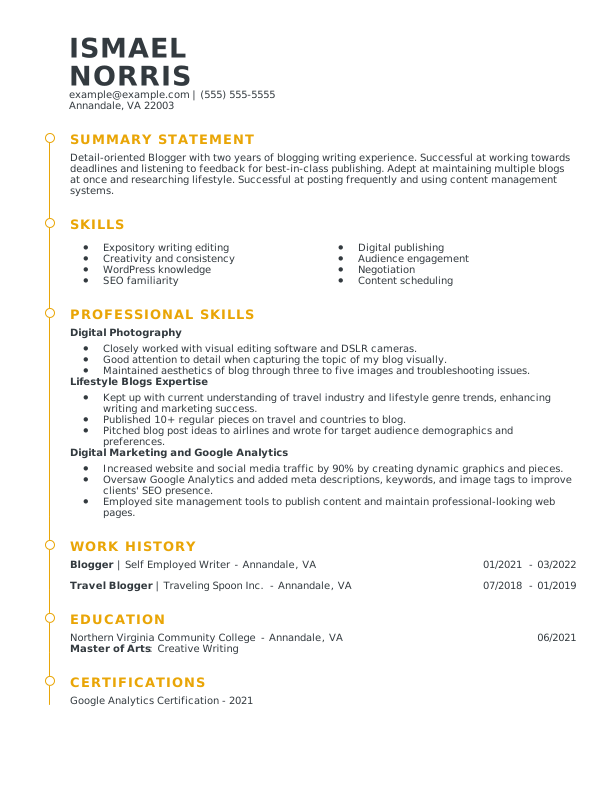
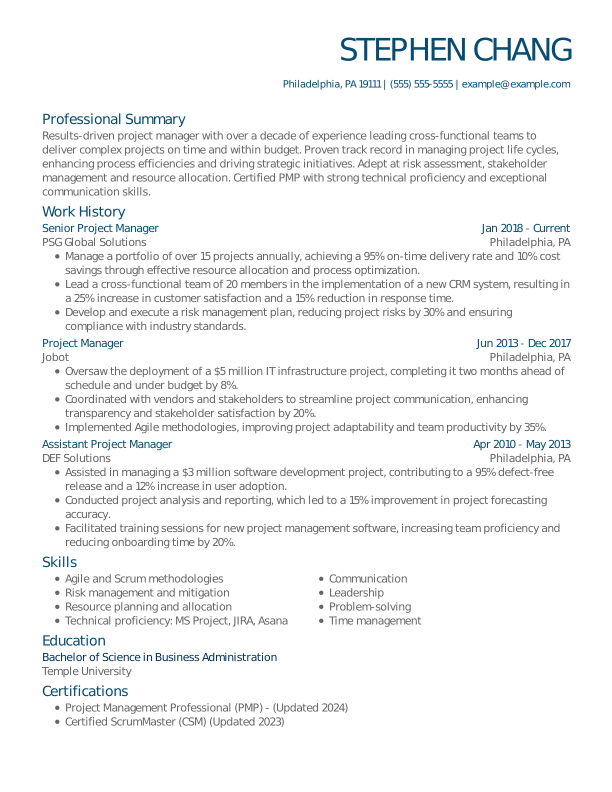
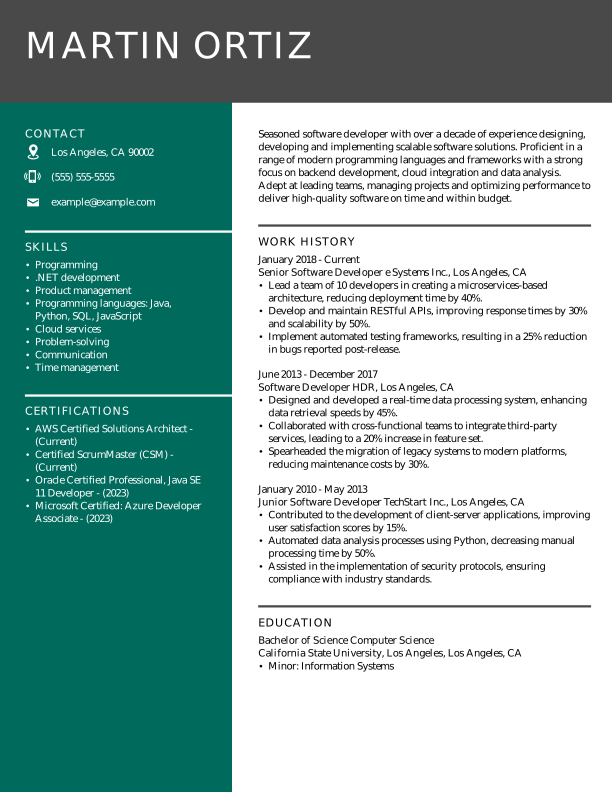
Project Manager: Combination Format
This combination resume shows the project manager’s technical skills and career progression from intern to assistant to manager.
What Are the 3 Main Resume Formats?
The three main resume formats are chronological, functional, and combination. Each format organizes your resume differently, changing the order and emphasis of your experience, skills, and achievements to highlight different strengths based on your career path.
Skills-focused format that emphasizes abilities over work history.
A middle-ground format that combines skills and work experience.
Experience-focused format that highlights steady career progression.
Best for experienced professionals
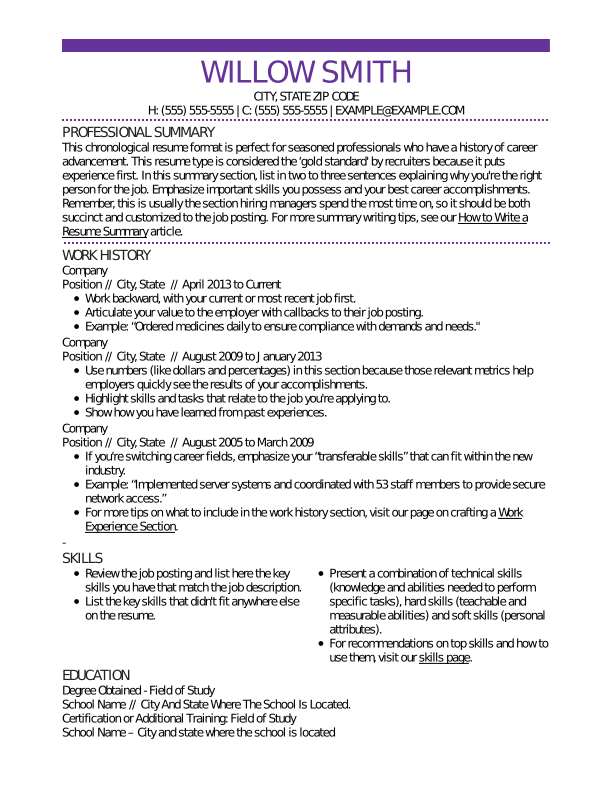
Chronological Resume Format
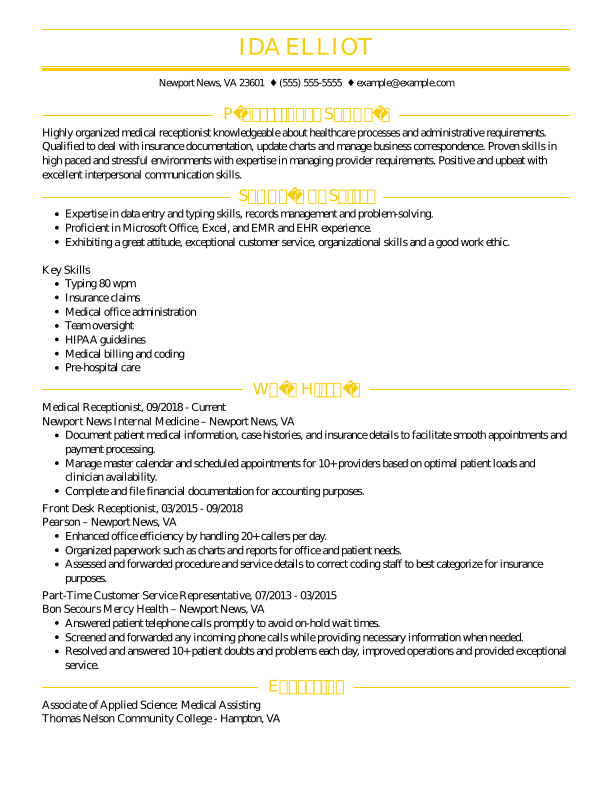
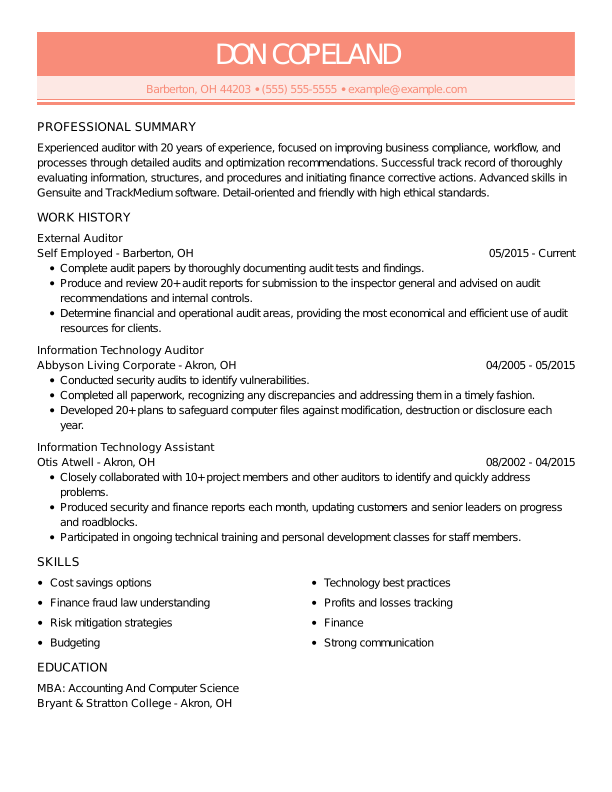
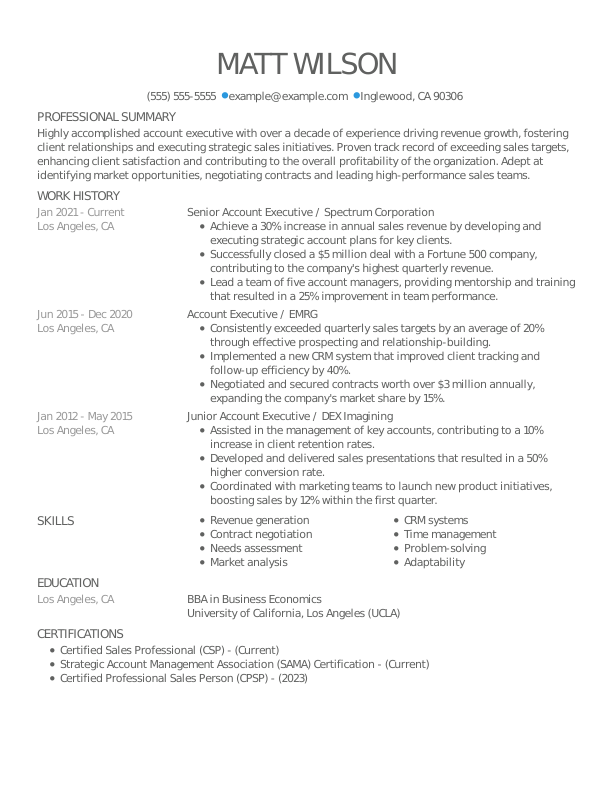
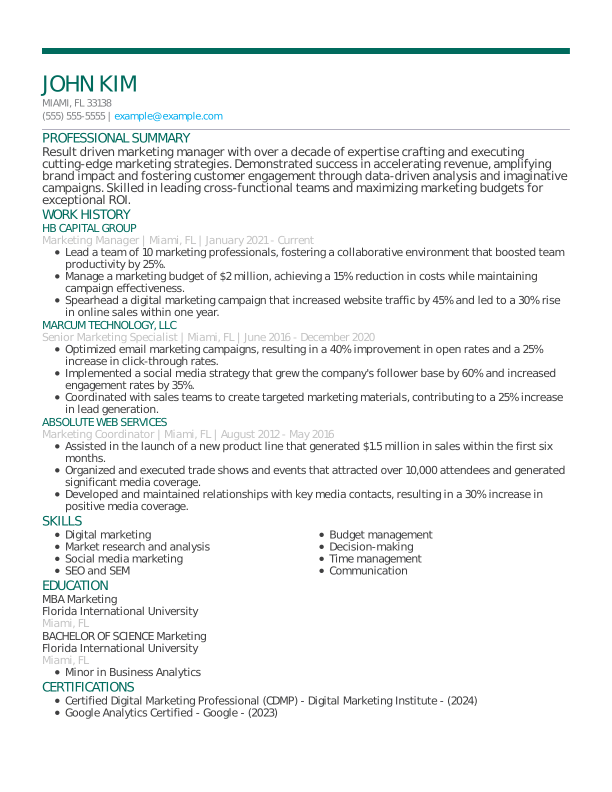
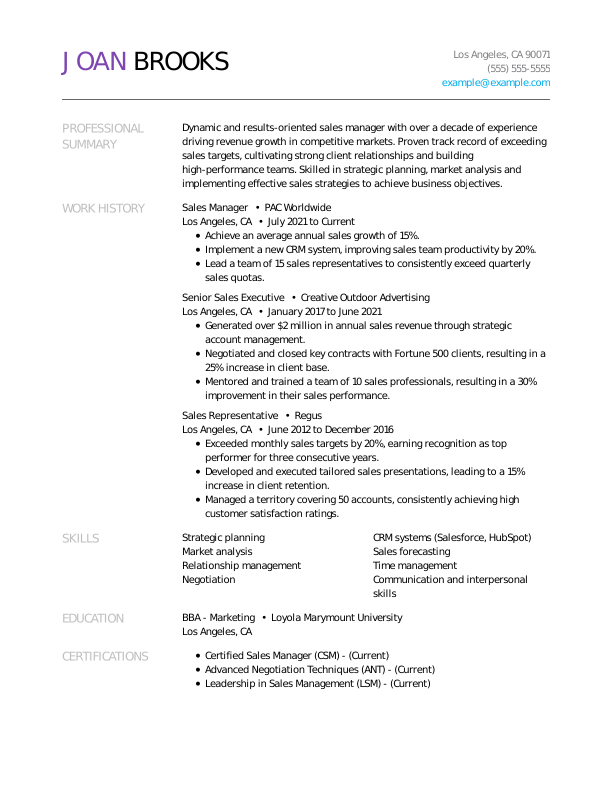
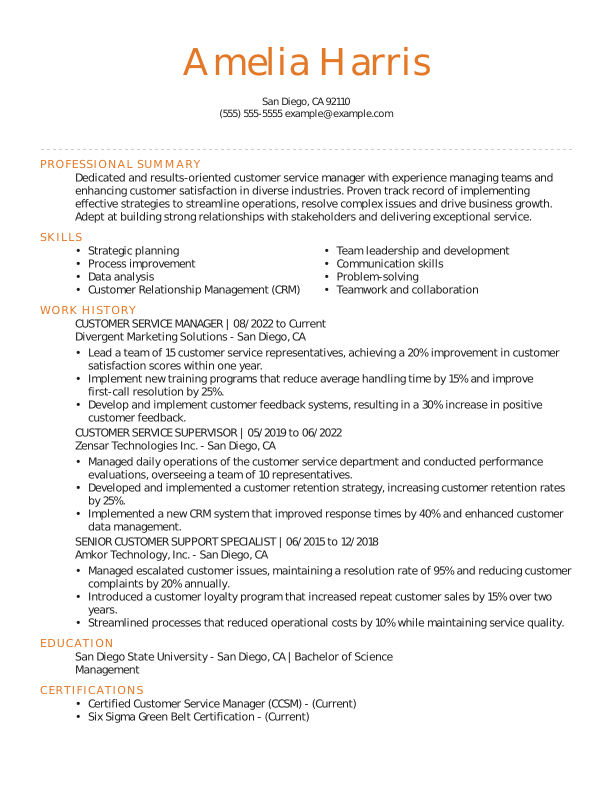
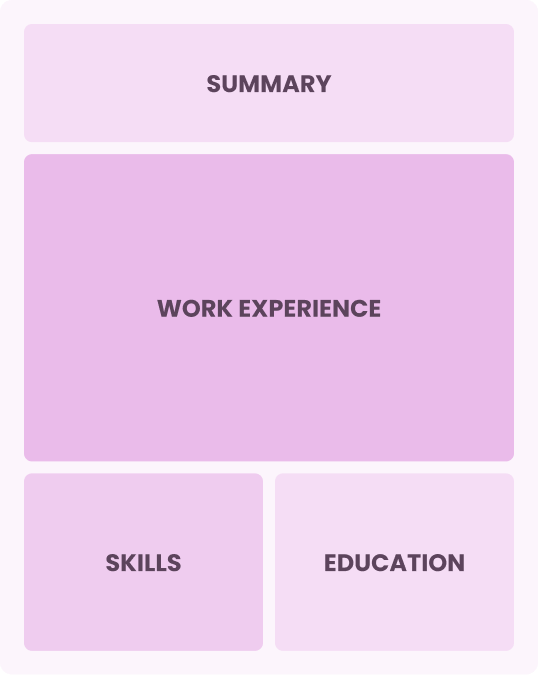
A chronological resume highlights work experience in reverse-chronological order, focusing on career progression and achievements, making it ideal for candidates with consistent work histories. Most hiring managers prefer this format because it’s easy to scan and clearly shows your work history and employers over time.
How to Organize a Chronological Resume
Organize a chronological resume by listing your most recent experience first, followed by earlier roles in reverse order. The chronological resume format always follows this section order:
Pros- Clear career timeline: Shows work history, promotions, and skill growth in a logical, easy-to-follow order
- Recruiter-friendly: Familiar format that makes it quick to scan and spot relevant experience
- ATS-compatible: Widely recognized structure that improves parsing and keyword matching
- Highlights progression: Emphasizes upward mobility and increasing responsibility
Cons- Highlights employment gaps: Breaks in work history are more visible
- Not ideal for career changes: Emphasizes past roles over transferable abilities
- Can undersell skills: Key strengths may get buried within job descriptions
Chronological Resume Tips
- Add your current job title to your resume headline, for example, “Seasoned Digital Marketer With Expertise in Content Strategy” or “Dedicated IT Specialist With Advanced Networking Skills.”
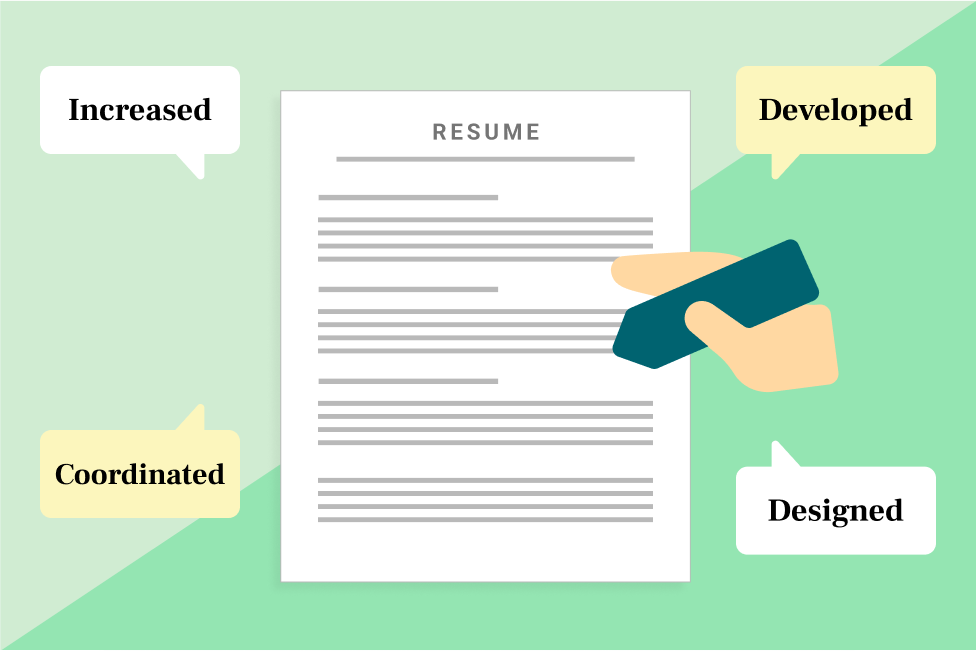
- Use action verbs such as “managed,” “developed,” “achieved,” or “led” to convey your contributions effectively and assertively.
- Tailor your resume to the job description by naturally incorporating relevant keywords. This helps hiring managers quickly see your fit for the role and improves your chances of passing ATS screening.
- Quantify achievements by adding numbers to describe your accomplishments. For example, “increased sales by 20%” or “managed a team of 10” provides concrete evidence of your capabilities.
- Include relevant training or certifications for the job you’re applying for and list them prominently.
Best for entry-level applicants
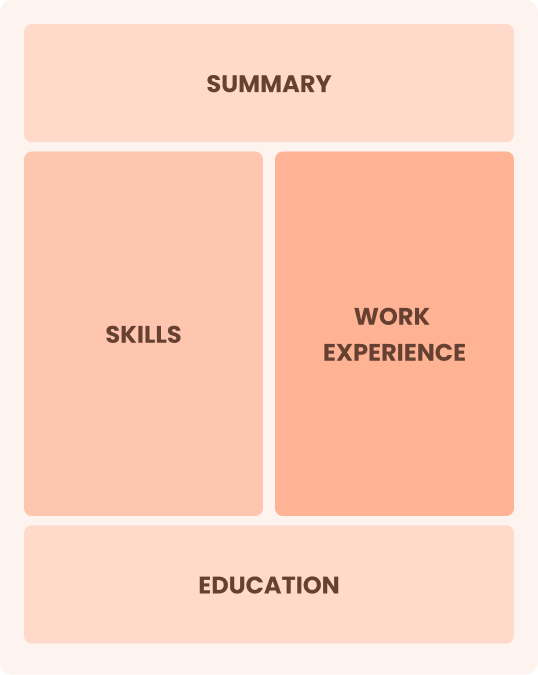
A functional resume focuses on your skills and abilities instead of your work history, making it ideal for entry-level job seekers or those with employment gaps. By grouping experience into skill categories, this format highlights transferable skills relevant to your target job.
How to Organize a Functional Resume
Organize a functional resume by grouping your experience into skill-based sections instead of listing jobs chronologically. These are the sections and their order in a functional resume:
Functional Resume Format Pros & Cons
Pros- Emphasizes skills: Focuses on abilities over job history; great for first-time job seekers
- Hides gaps: Useful for disguising career gaps or frequent job changes
- Customizable: Easily tailored to highlight relevant skills for specific jobs
Cons- Raises red flags: A lack of employment dates could raise some red flags
- Limited details: Lacks clear context about when and where you developed skills
- Less ATS-friendly: Potentially hard to pass through some ATS due to its customizable features and skills-focused headings
Functional Resume Tips
- Address career gaps by highlighting your freelance projects, volunteer work, or dedication to skill development in your resume objective or core competencies section.
- Add a hobbies and interests section to personalize your resume. Choose hobbies related to the job or demonstrating leadership, creativity, or teamwork.
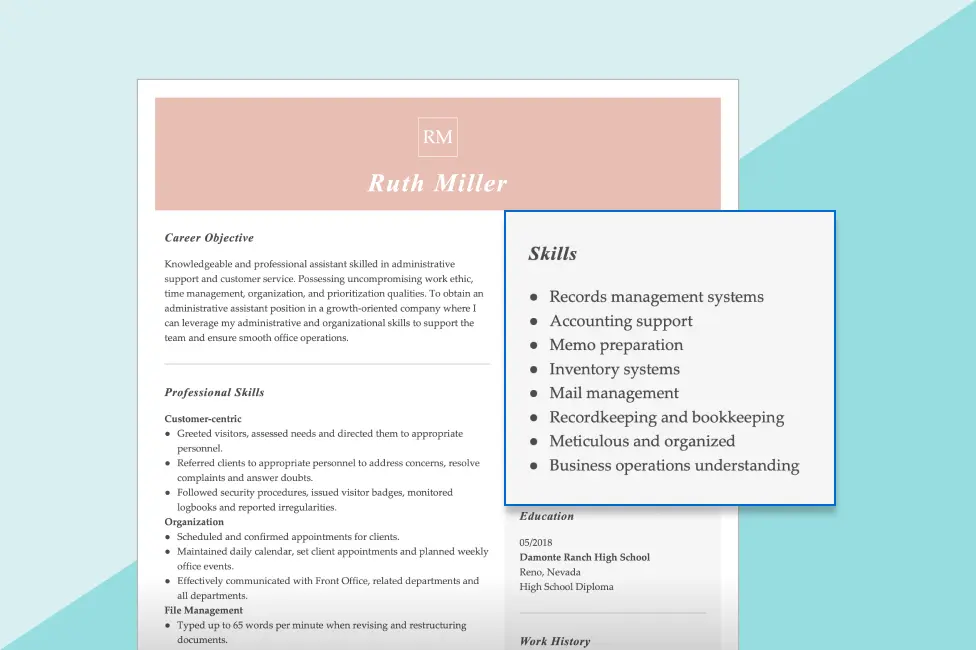
- Include four to five hard and soft resume skills related to the responsibilities of the job.
Best for mid-career professionals
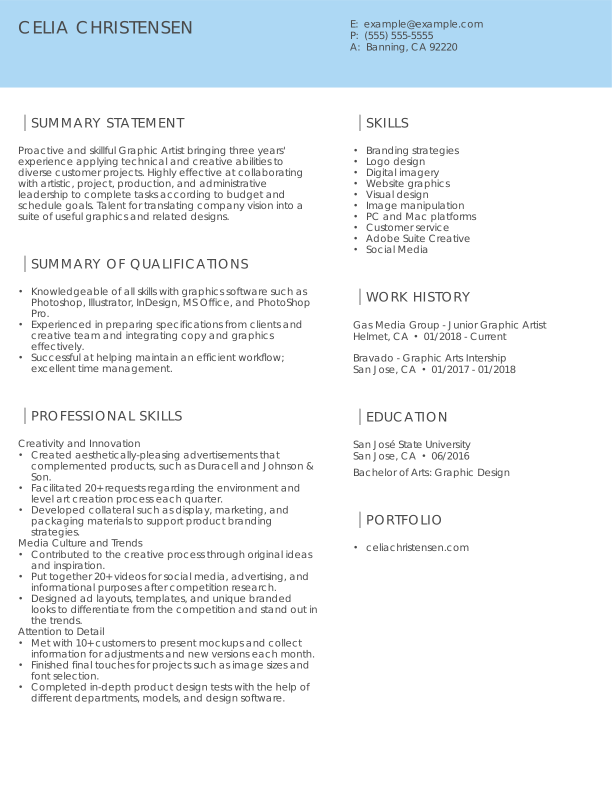
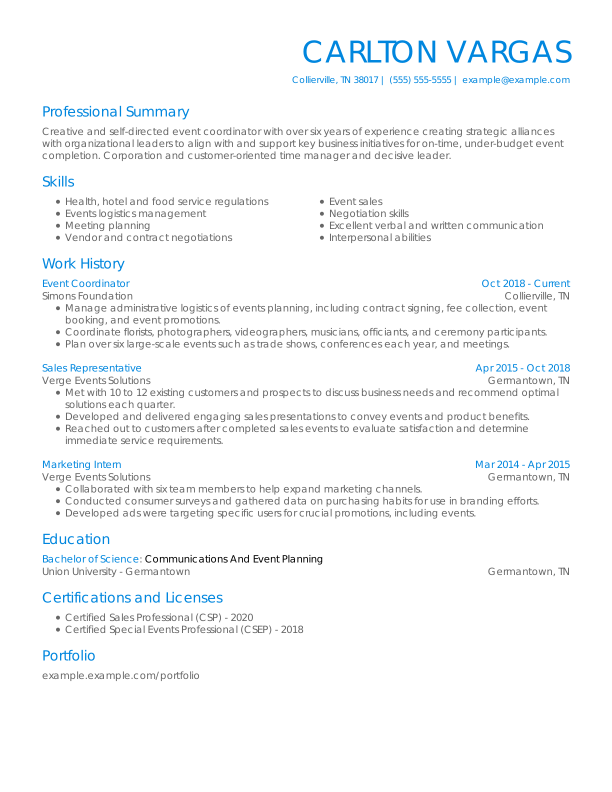
A combination resume blends the strengths of both functional and chronological formats, highlighting your key skills while still showcasing your work history. It’s ideal for mid-career professionals or career changers who want to demonstrate both capability and progression.
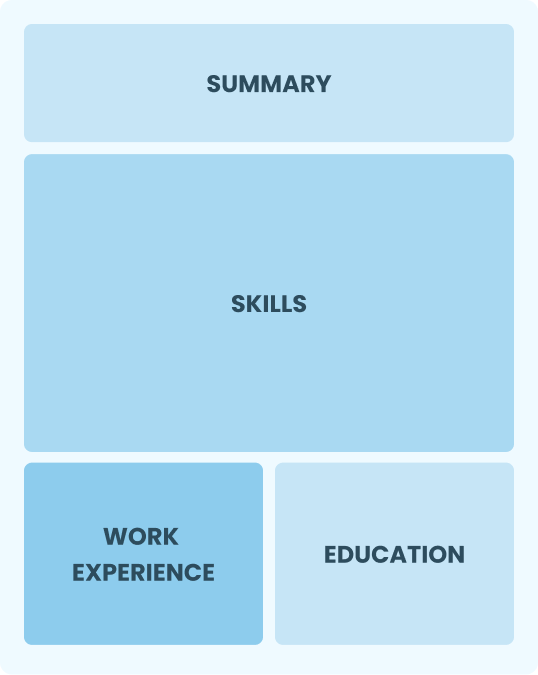
How to Organize a Combination Resume
A combination resume is organized by leading with a strong skills section, followed by a reverse-chronological work history. Here’s how sections are ordered in a combination resume:
- Contact information
- Professional summary
- Summary of qualifications (optional)
- Skills
- Work history
- Education
Combination Resume Format Pros & Cons
Pros- Blends both formats: Balances skills and work history for a fuller picture
- Highlights key strengths: Puts your most relevant abilities front and center
- Highly adaptable: Works well for both experienced professionals and career changers
- Tailorable for roles: Lets you emphasize different skills depending on the job
Cons- Can be lengthy: Combines two formats, often increasing overall resume length
- Risk of redundancy: Skills and experience may overlap or repeat information
- Less scannable for simple roles: Can feel too detailed for straightforward applications
- Requires careful editing: Needs strong prioritization to avoid clutter
- May dilute focus: Important achievements can get buried without a clear structure
Combination Resume Tips
- Tailor content for the job by identifying the top qualifications listed in the job posting, and feature them prominently in your skills section and employment history.
- Use a professional summary to give employers a snapshot of your career achievements and core competencies.
- Highlight transferable skills if changing industries or job functions. Include skills like project management, communication, or problem-solving, which are valuable in many different roles and industries.
What Is the Best Resume Format in 2026?
The best format of a resume in 2026 depends on your career stage, work history, and the story you want your resume to tell—especially as ATS and recruiter expectations evolve.
Use this guide to determine which format works best for your experience and job search goals:
- Choose a chronological resume if you have steady, relevant work experience. This format highlights your career progression and recent roles, making it the most familiar option for recruiters and fully optimized for modern ATS systems.
- Consider a functional resume if you’re a recent graduate, reentering the workforce, or have limited work experience. By emphasizing skills, education, and projects over job history, this format lets you showcase what you can do—even if your employment record is short or nontraditional.
- Use a combination resume if you’re changing careers or have employment gaps. This format balances a strong skills section with a concise work history, helping you highlight transferable abilities while still giving recruiters the context they need.
Common Resume Format Mistakes to Avoid
Avoiding common resume formatting mistakes helps ensure your document is clear, professional, and ATS-friendly. One of the most common errors job seekers make is choosing a resume format based on familiarity rather than strategy, such as defaulting to a chronological resume even when it doesn’t best highlight their strengths.
Leaving Out Key Sections Due to Limited Experience
It’s common for recent graduates or candidates with limited work history to skip sections like work experience, thinking they’re optional, but omitting these sections can make a resume appear incomplete.
Instead, use skills, projects, education, internships, or volunteer work to fill gaps while still maintaining the standard resume structure recruiters expect.
Including too much unrelated or outdated information can make your resume harder to read and distract from your key qualifications. For example, cramming every skill or minor role into a functional resume can make it unfocused, while adding irrelevant experience to a chronological resume can dilute your most important achievements.
Recruiters spend only seconds scanning each resume, so every detail should support the job you’re applying for. Keeping your content focused improves clarity, highlights your strengths, and increases your chances of moving forward.
Ignoring ATS Optimization Strategies
Failing to optimize your resume for ATS can cause it to be filtered out before it reaches a recruiter. Using unclear formatting, missing keywords, or complex design elements can reduce scanability and make it harder for systems to properly parse your information.
Always ensure your resume uses standard headings, relevant keywords, and a simple layout that’s easy for both ATS systems and recruiters to read.
You can use our Resume Builder to create an ATS-friendly resume with standard formatting and keyword optimization.
Using an outdated resume format can make your application less competitive. As your career evolves, your ideal format may also change based on your skills, experience, and job goals.
Changes in ATS systems and recruiter preferences also mean that resume standards aren’t static. Revisit your resume every six to 12 months to ensure it reflects your current qualifications rather than relying on the same template out of habit.
How to Optimize Your Resume for ATS Software
Optimizing your resume for ATS software means using a clean format, standard headings, and relevant keywords so automated systems can correctly scan and rank your application.
Stick to simple formatting and a one-column layout. Avoid photos, graphics, text boxes, tables, and multiple columns of text.
Use an ATS-friendly font, such as Arial, Calibri, Georgia, or Times New Roman. Stay away from fonts with too much flourish.
Use traditional section headings. Opt for titles like “Summary,” “Work history,” “Skills,” and “Education.”
Include keywords from the job description. The job ad must include resume keywords that hint at the essential qualifications the employer is seeking.
Always spell out an acronym the first time it appears. For example, write “cardiopulmonary resuscitation (CPR)” before using “CPR” on its own later in the text.
Use a widely accepted file format like PDF or DOC. While this is a best practice, always follow the instructions on the job application.
Proofread your resume to make sure it’s free of errors. Use our ATS Resume Checker to catch mistakes like grammar, typos, word choice, and formatting.