CV meaning refers to curriculum vitae, a Latin phrase meaning “course of life.”
In the U.S., a CV is generally a detailed record of academic and professional accomplishments, often used for academic, research, medical, and other specialized positions.
In many countries, including the UK, “CV” refers to the standard document used to apply for jobs.
Unlike a U.S. resume, a U.S.-style CV doesn't have a standard one- or two-page limit. Its length depends on your experience, field, and accomplishments.
Always check the application instructions to determine whether you need a CV, resume, or another document.
If a job posting asks for a CV, you may wonder whether it means the same thing as a resume or a more detailed document. That distinction matters because CV expectations vary by country, field, and application type.
This guide explains how CVs differ from resumes, when to use a CV, how long it should be, what to include and leave out, and how CV structure can vary by career stage and opportunity. You'll also find examples of CVs for different fields and answers to common questions about CVs.
What Does "CV" Stand For? Definition, Regional Usage, & Resume Differences
CV stands for curriculum vitae, or “course of life” in Latin. The term generally refers to a comprehensive record of your academic and professional qualifications, but what organizations expect from a CV varies by country, field, and application.
In the U.S., CVs are typically used for academic, research, medical, and other specialized applications, while in many other countries, “CV” is the standard term for a job application.
CV vs Resume: What's the Difference?
In the U.S., the main difference between a CV and a resume is scope. A resume is usually a concise, targeted summary of qualifications for a specific job, while a CV provides a more comprehensive record of academic and professional accomplishments. Outside the U.S., the terms may be used differently.
CV
Resume
Length
No fixed length; generally grows with relevant experience and accomplishments
Usually one or two pages in the U.S., depending on experience and the application
Scope
Comprehensive record of academic and professional qualifications and accomplishments
Concise summary of qualifications relevant to a specific opportunity
Customization
Sections and emphasis may change based on the opportunity, while the underlying record can remain comprehensive
Typically tailored closely to each job
Typical Audience
Academic institutions, research organizations, medical institutions, and other specialized organizations
Employers across most U.S. industries
Primary Use
Academic, research, medical, fellowship, grant, and other specialized applications
Most U.S. job applications
Geographic Use
In the U.S., usually a specialized document; in many other countries, “CV” is the standard term for a job-application document
Primarily the standard term for U.S. job applications
Pro Tip
If your application calls for a resume instead, LiveCareer's Resume Builder can help you create a customized version tailored to the job.
When Should You Use a CV?
Use a CV when an employer, university, research institution, grant committee, or other organization specifically requests one. In the U.S., CVs are most common for academic, research, medical, fellowship, grant, and other specialized opportunities that require a detailed record of your qualifications and accomplishments.
You may need a CV when applying for:
Academic or faculty positions
Research positions and postdoctoral roles
Fellowships or grants
Medical positions, residencies, or related opportunities
Certain international positions
Don't assume you need a CV based on the job title alone. Follow the posting or application instructions, since document expectations vary by organization and country.
Medical CV
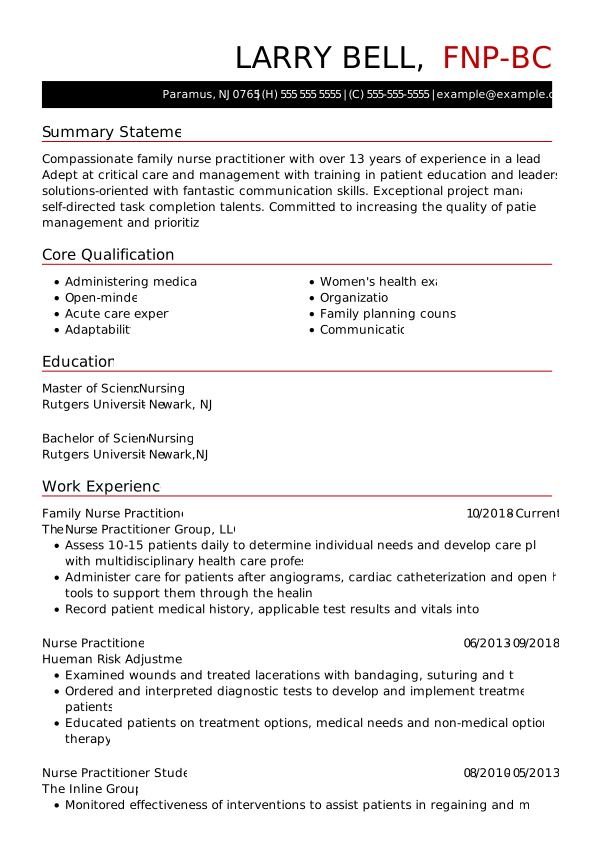
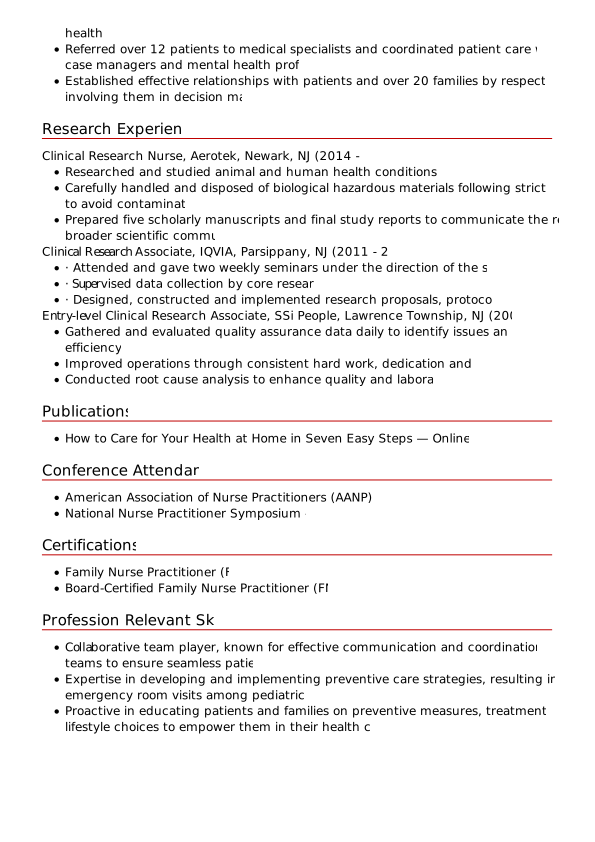
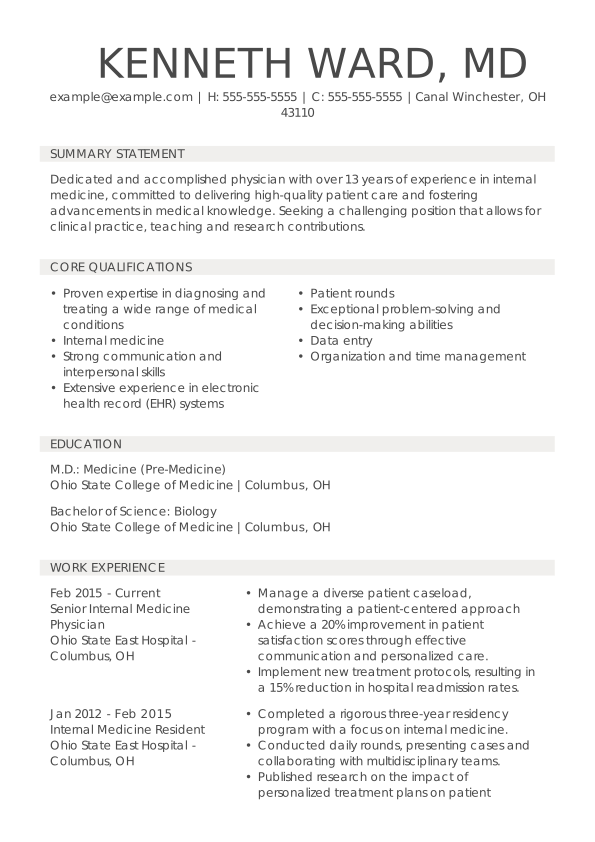
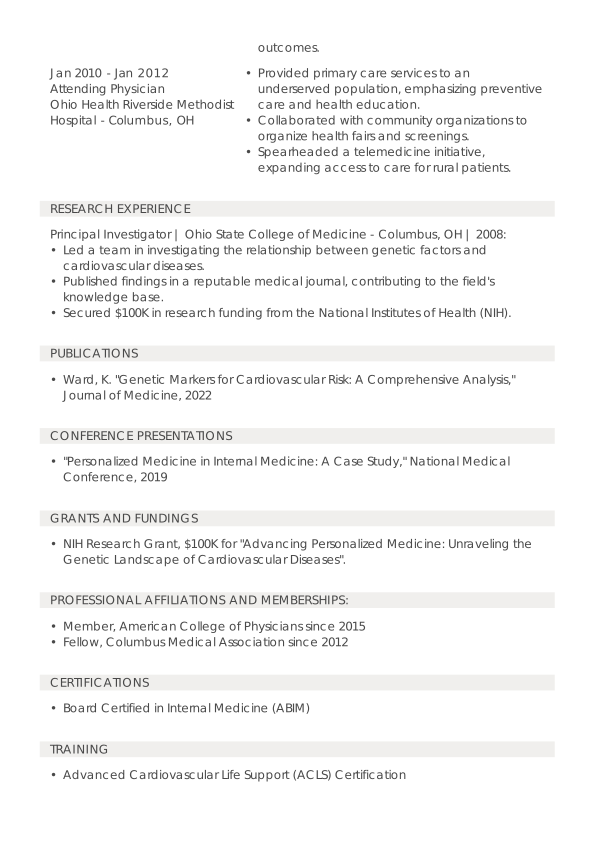
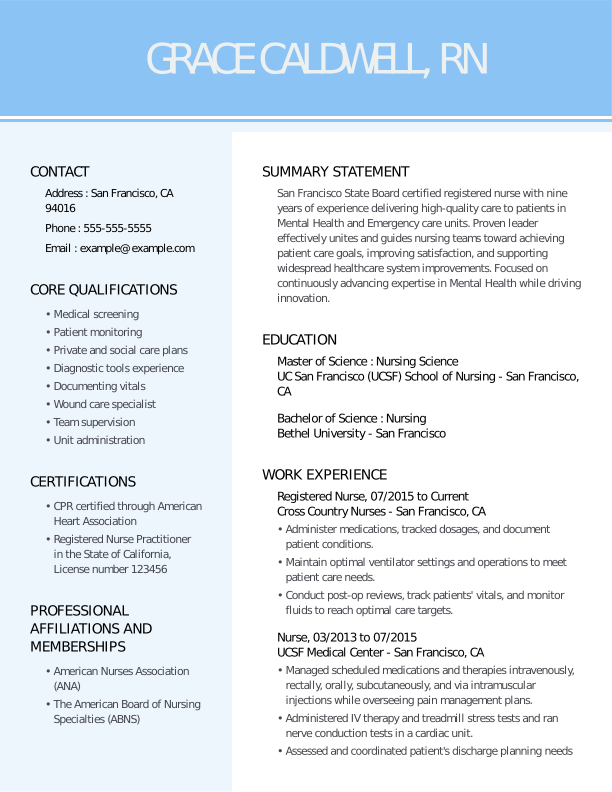
A medical CV can highlight clinical experience, research, publications, presentations, education, and other qualifications relevant to medical roles or training opportunities.
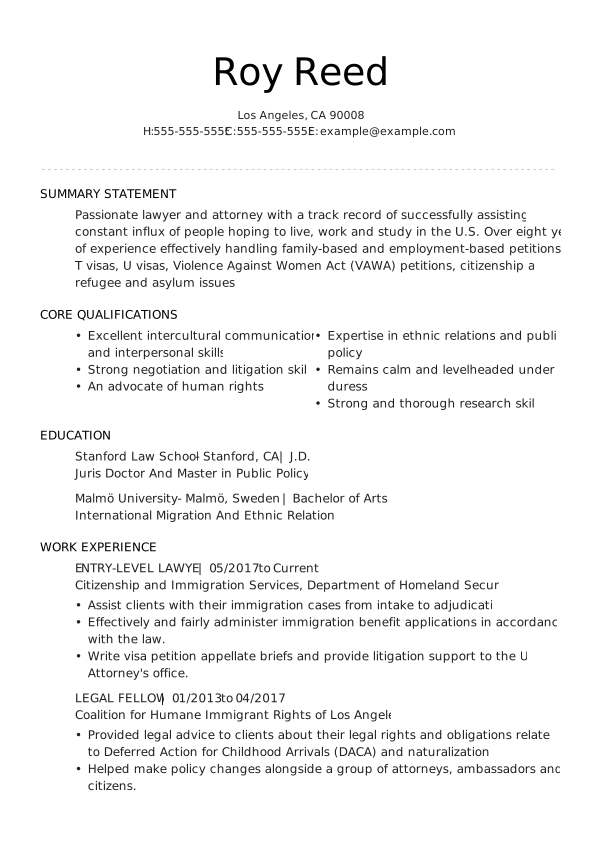
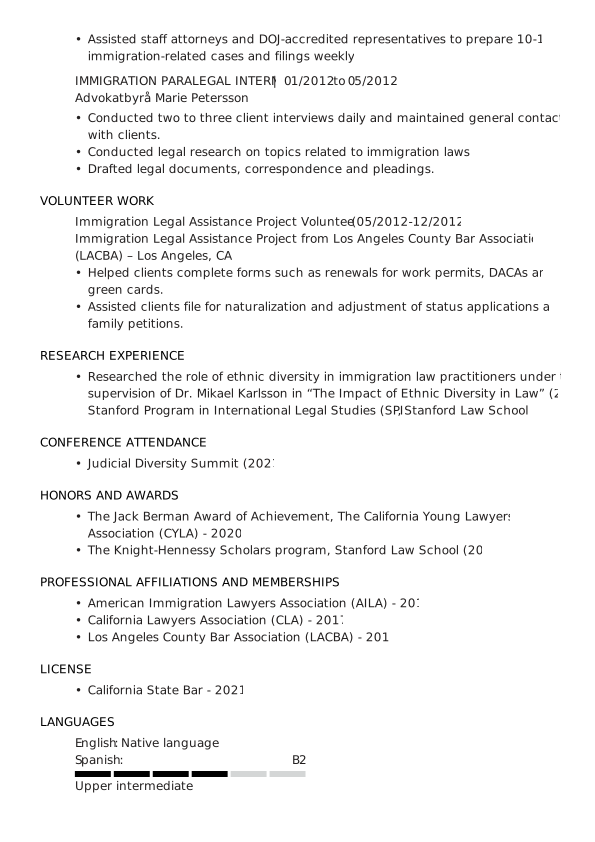
Legal CV
Legal professionals and students may use a CV for academic, research, teaching, or other specialized opportunities that call for a detailed record of their qualifications, experience, and accomplishments.
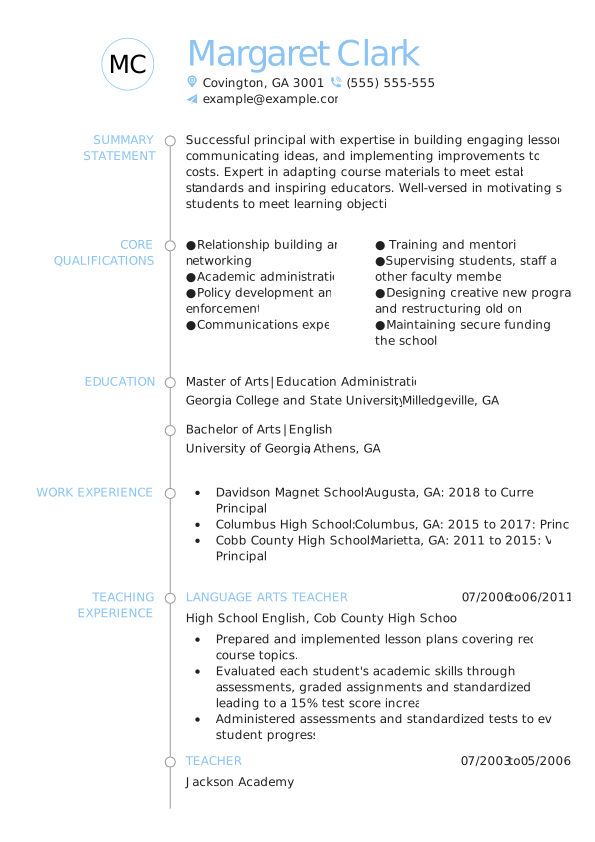
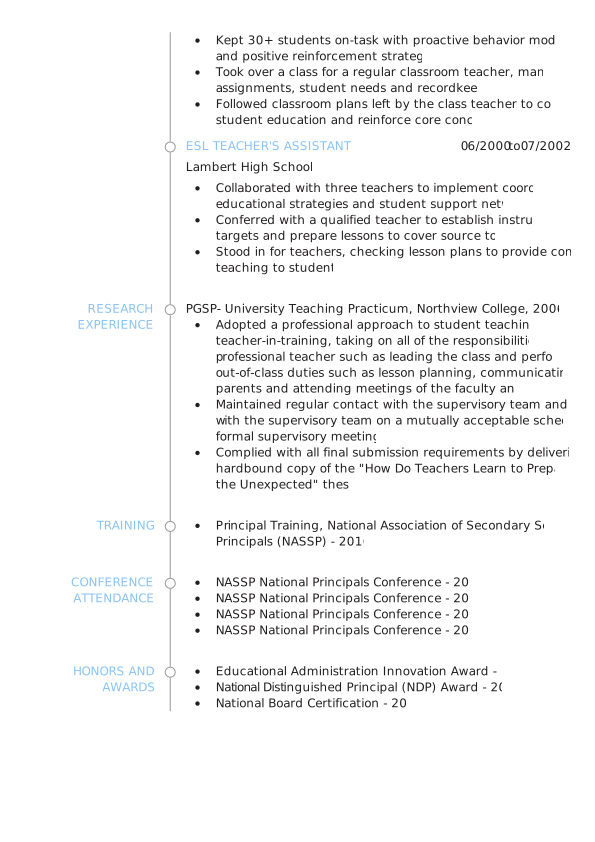
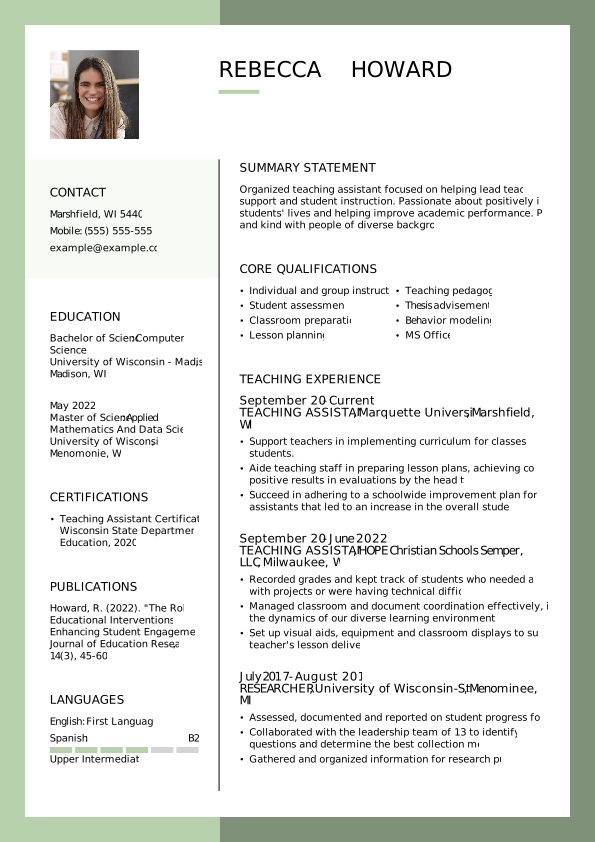
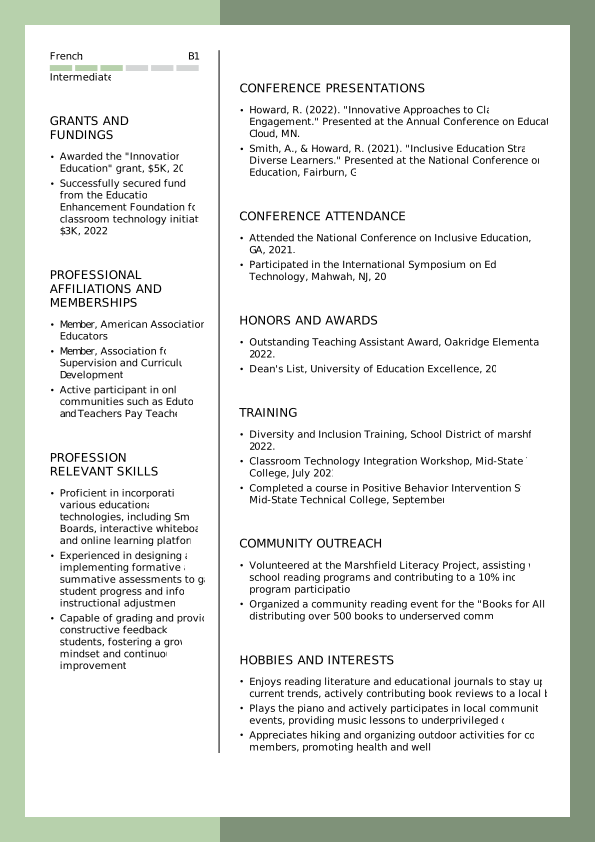
Education CV
An education-focused CV can emphasize degrees, teaching experience, academic achievements, research, leadership, and other qualifications relevant to education roles.
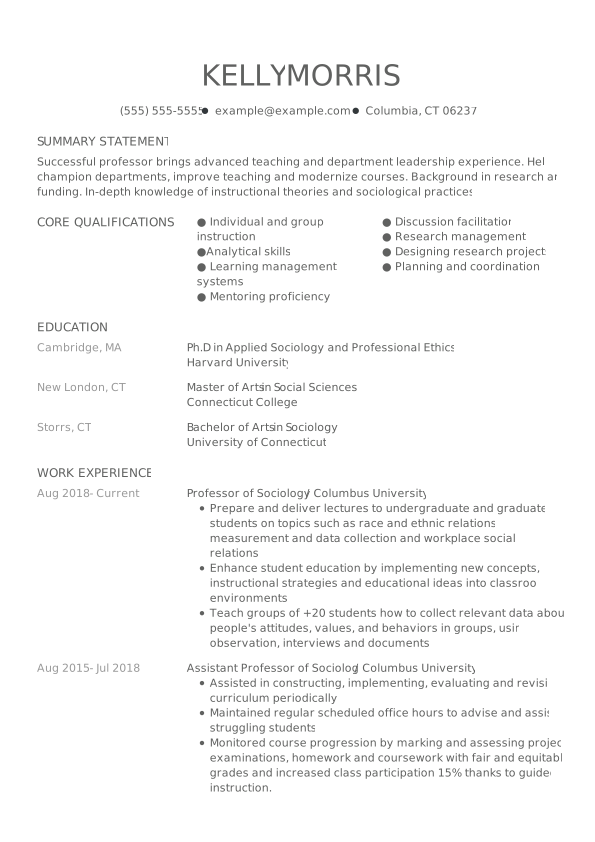
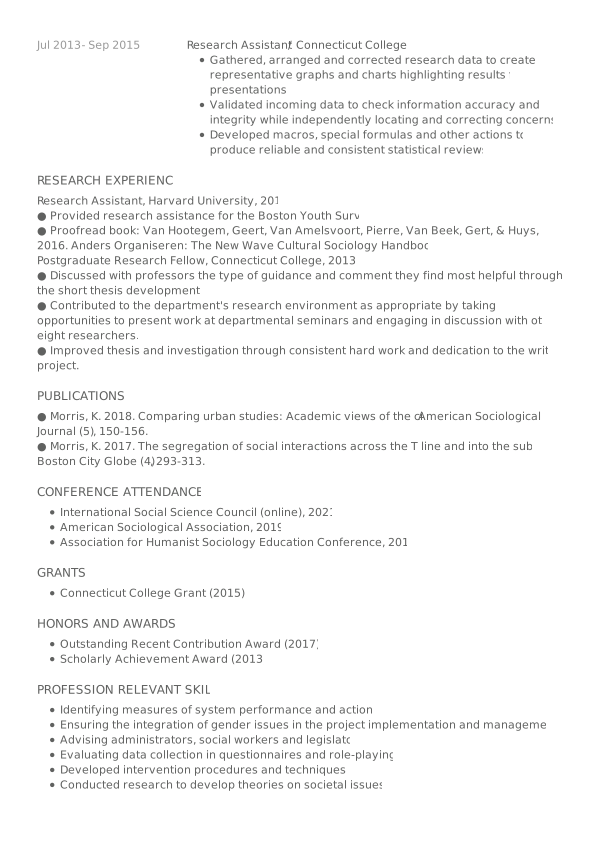
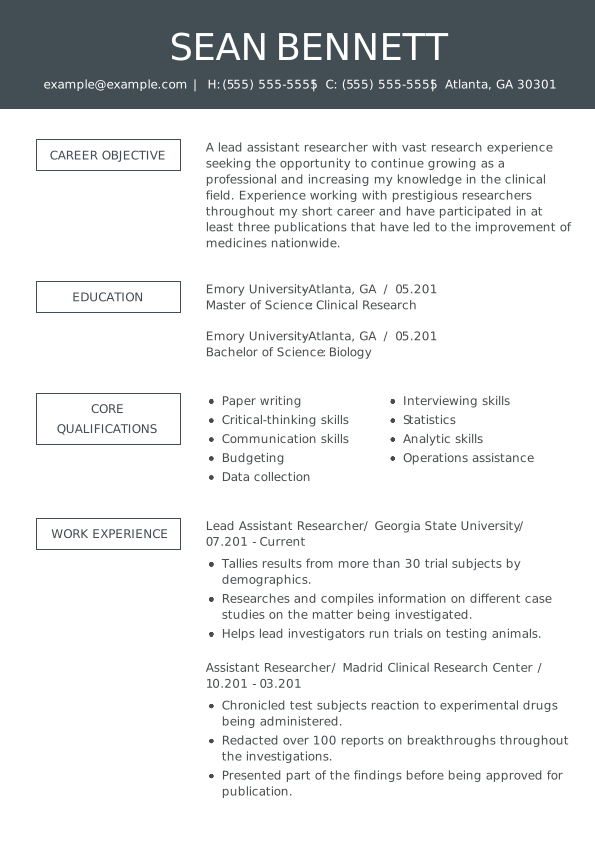
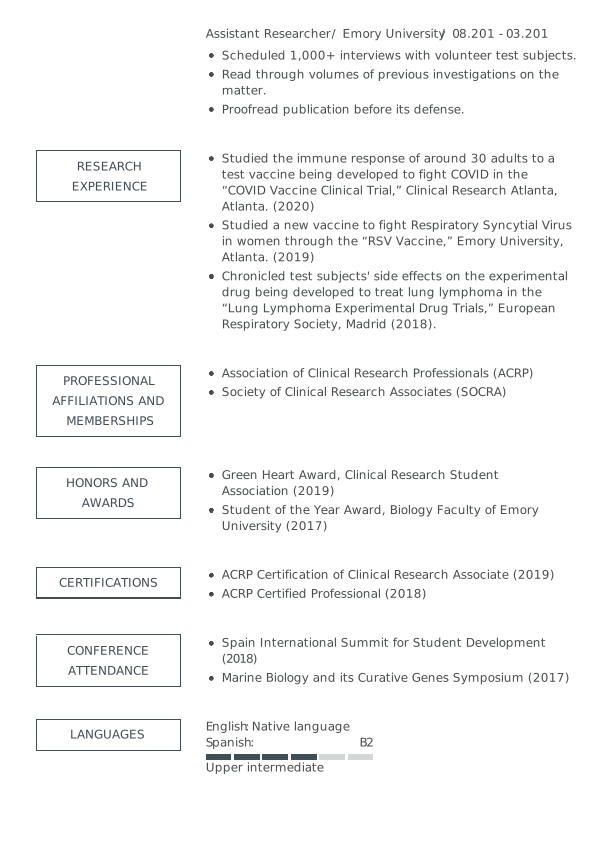
Research CV
A research CV can showcase research experience, publications, presentations, grants, fellowships, methodologies, and other accomplishments relevant to research-focused opportunities.
If you’re applying for one of these types of opportunities and need to write a curriculum vitae, explore our customizable CV examples for your desired job.
What Does CV Mean in Different Countries?
The meaning of “CV” varies by country. In the U.S., a CV usually refers to a detailed document used for academic, research, medical, and other specialized applications. In many other countries, a CV is the standard document used for job applications and may be similar to what Americans call a resume.
United States: “Resume” is the standard term for most private-sector job applications, while “CV” usually refers to a detailed academic or professional record.
United Kingdom: “CV” is the standard term for the document most applicants submit when applying for jobs. It generally serves the same role as a resume in the U.S.
Canada: Both “resume” and “CV” are used, with terminology and expectations varying by industry, region, and application type.
Australia and other international markets: Terminology and expectations vary. In some countries, “CV” and “resume” are effectively interchangeable, while others have distinct conventions.
Always follow the application instructions and research local standards rather than assuming “CV” means the same thing everywhere.
A CV has no universal page limit. Early-career CVs are often two to four pages, while senior academic or research CVs may run 10 pages or longer. The right length depends on your field, experience, and accomplishments, so prioritize relevant information over page count.
As your career develops, your CV may grow to include additional publications, presentations, grants, awards, teaching experience, professional service, and other accomplishments. Mid-career CV length can vary considerably by field and by the candidate's publication, research, or teaching record.
Instead of aiming for a specific page count, focus on relevance and completeness. Include substantive information that helps the reader evaluate your qualifications for the opportunity. Don't add unrelated details just to make your CV longer, or use oversized spacing or other formatting tricks to increase the page count.
How to Structure & Organize Your CV: What to Include & What to Omit
There's no single required order for CV sections. Organize your CV so the qualifications most relevant to the opportunity appear early. Research-focused roles may prioritize research, publications, and grants, while teaching-focused positions may place teaching experience and education higher. Include, combine, or omit sections based on the opportunity.
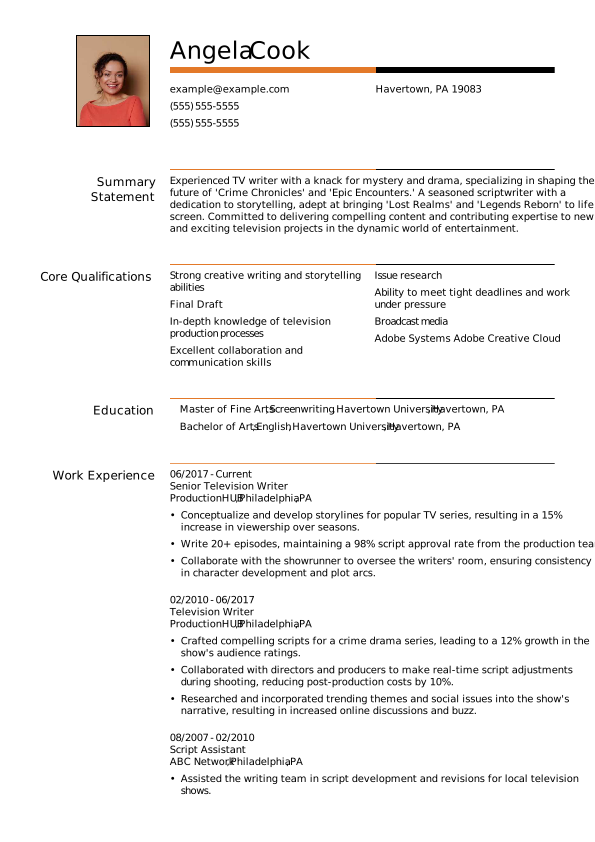
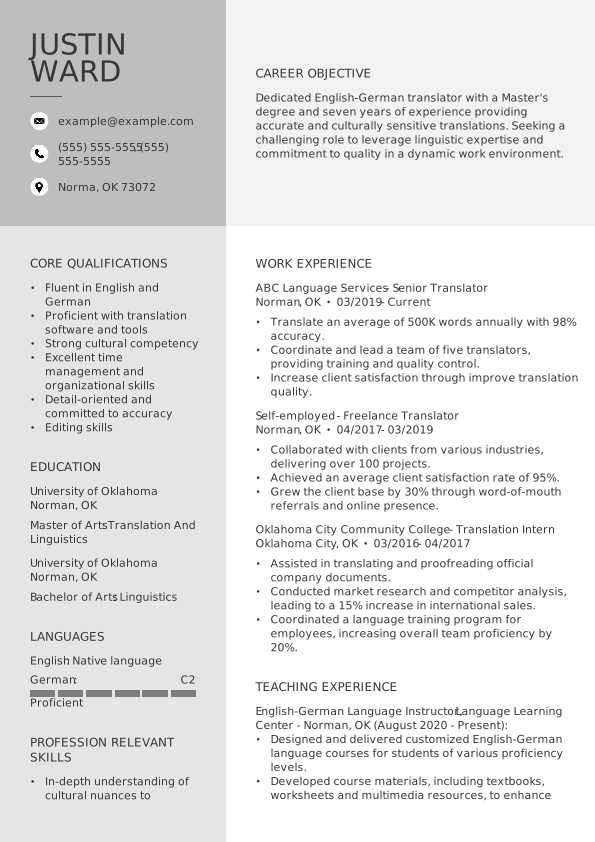
When you write a CV, consider these common sections and prioritize them based on the position:
Contact information: Include your full name, phone number, professional email address, and location. You may also add a relevant professional website, portfolio, or LinkedIn profile.
Profile or summary: A short CV summary is optional. If you include one, focus on the experience, expertise, and accomplishments most relevant to the opportunity rather than repeating information found elsewhere on your CV.
Education: List your degrees, institutions, and other relevant academic information in your education section. Depending on your field and career stage, this section may also include a dissertation or thesis, advisors, academic honors, or relevant areas of study.
Professional experience: Your work history section can include relevant positions, organizations, locations, dates, and descriptions of your work. Focus on accomplishments rather than responsibilities, and use quantifiable results to show measurable impact.
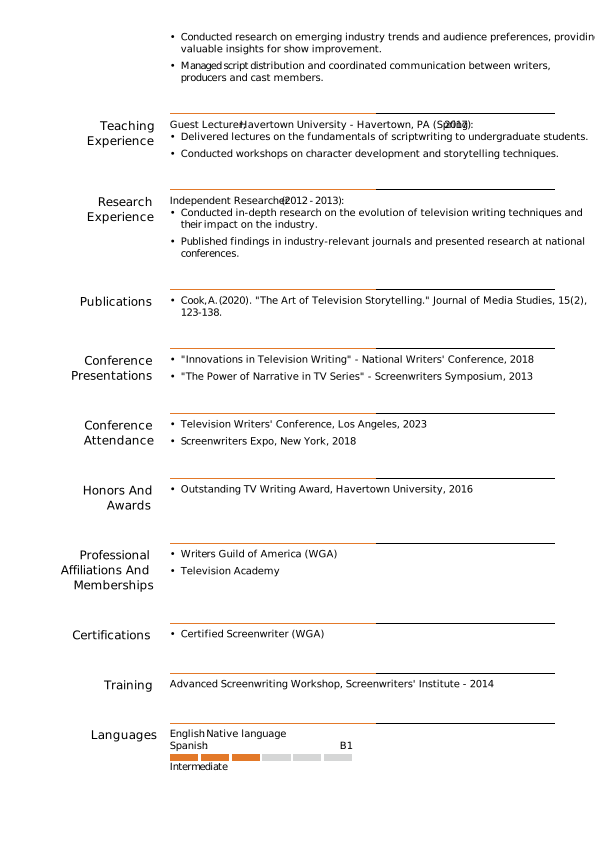
Research experience: Detail significant research positions, projects, methodologies, and contributions, particularly when research is central to the opportunity.
Teaching experience: Include relevant courses, institutions, teaching roles, curriculum development, mentoring, or other instructional experience. Teaching-focused candidates may place this section higher on the CV.
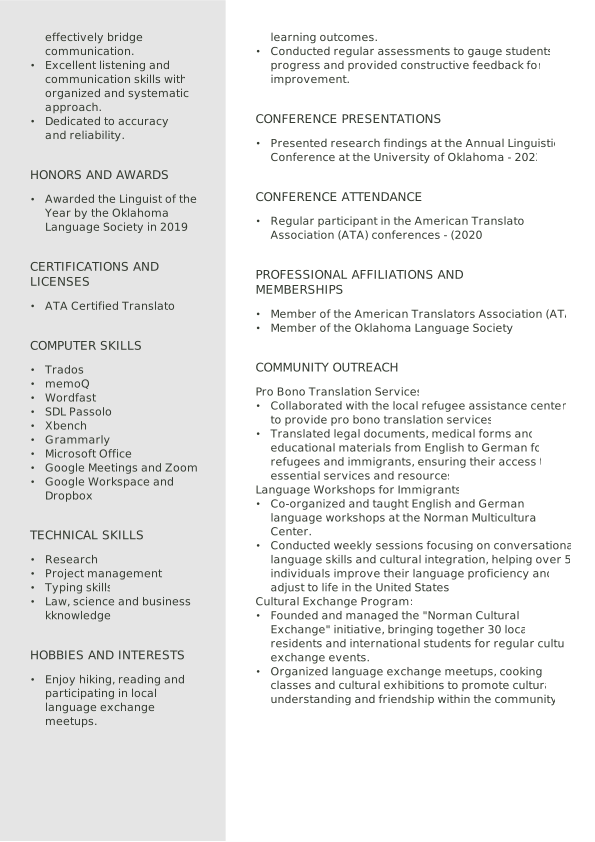
Publications and presentations: List relevant articles, books, papers, and other publications, along with significant presentations, lectures, conferences, or exhibitions. Use a consistent citation style throughout.
Grants, fellowships, awards, and honors: Include competitive grants and fellowships as well as relevant awards and honors. Depending on how extensive these accomplishments are, you can combine them or give them separate sections.
Professional affiliations and service: Include memberships, committee work, leadership positions, peer-review activity, or other service that's relevant to your field.
Skills and additional qualifications:Include professional skills and core competencies when they're relevant to the position. You should also incorporate keywords from the posting naturally when they accurately reflect your qualifications.
You may also include language skills, conference participation, certifications and licenses, professional memberships, or other specialized credentials when they're relevant to the opportunity.
How you organize these CV sections will depend on your field and purpose. Review different CV formats to see how section order and emphasis can change based on the candidate and opportunity.
For U.S. applications, generally leave out personal details that aren't relevant to your qualifications, including a photo, age or date of birth, marital status, race or ethnicity, and religion. Application conventions can differ internationally, so research the expectations in the country where you're applying.
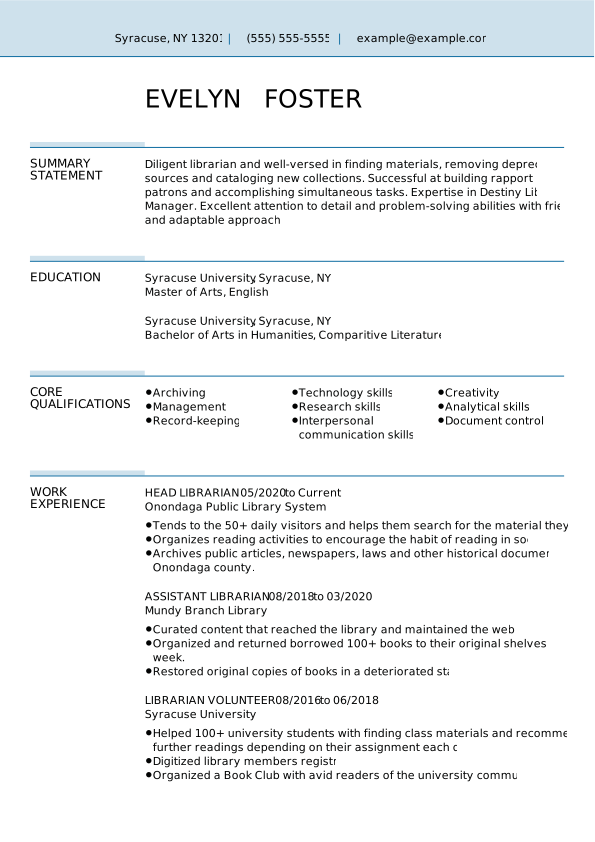
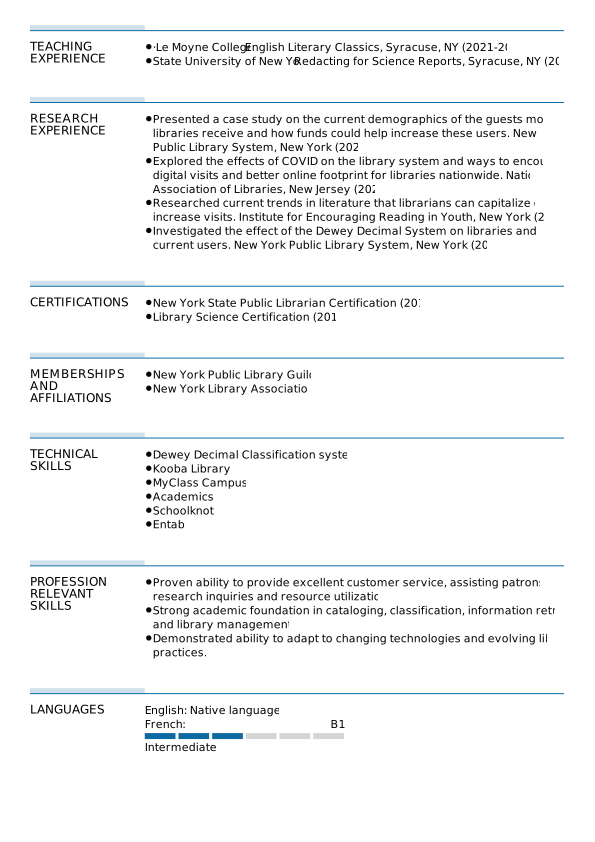
CV Examples
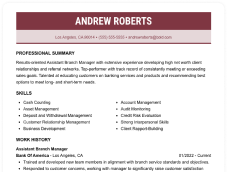
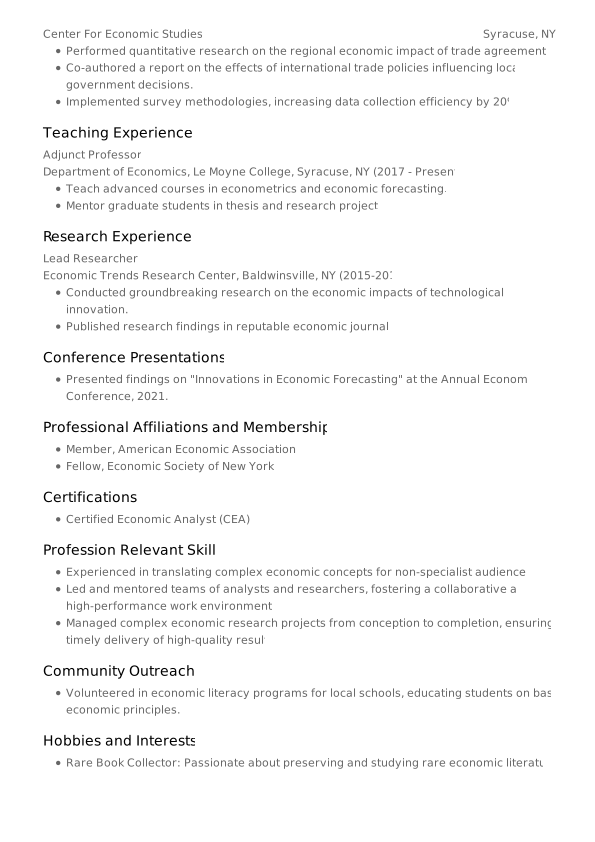
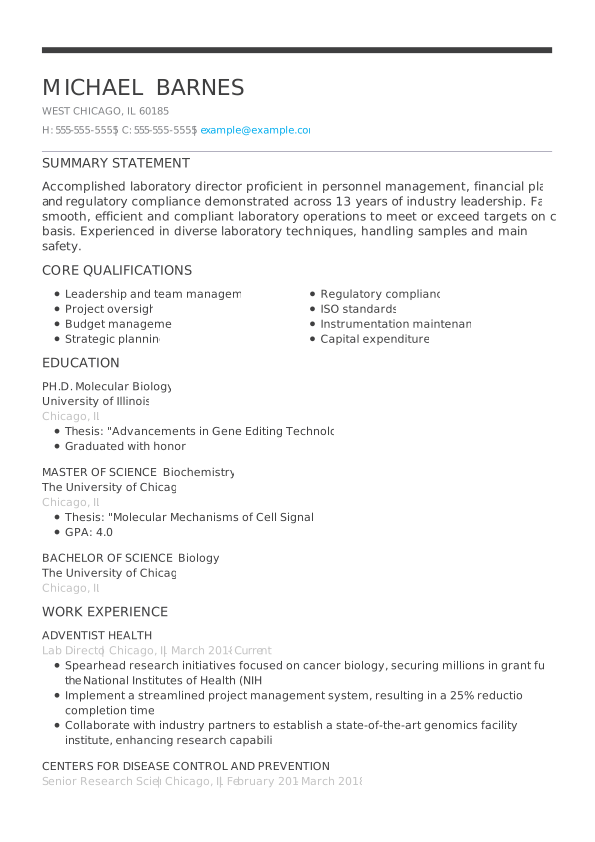
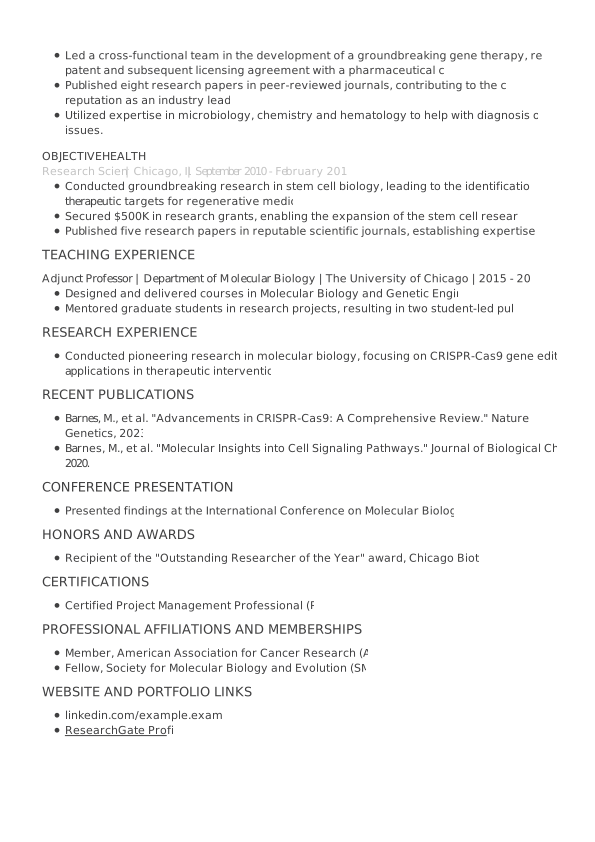
CV examples show how candidates can organize their academic and professional accomplishments by field, career stage, and application. Explore the examples below to see how CV sections and emphasis can vary.
Common CV mistakes include submitting the wrong document type, including information that isn't relevant to the application, and making important accomplishments hard to find.A strong CV should be comprehensive without becoming unfocused, and its organization should help the reader quickly identify the qualifications that matter for the opportunity.
Watch for these common mistakes:
Submitting a CV when a resume was requested, or vice versa: Follow the application instructions rather than assuming the two documents are interchangeable.
Including irrelevant information: A comprehensive CV can be long, but every section should still serve a purpose.
Relying on vague descriptions: When measurable results make sense, use specific achievements rather than generic descriptions of your responsibilities.
Using inconsistent formatting: Keep dates, headings, spacing, and publication or citation styles consistent throughout the document.
Burying your strongest qualifications: Reorder sections so relevant research, publications, teaching experience, and other accomplishments are easy to find.
Including inappropriate personal information: For U.S. applications, avoid details such as your photo, age, marital status, race or ethnicity, and religion.
Letting your CV become outdated: Add publications, presentations, grants, awards, certifications, and other accomplishments as you earn them.
Skipping the final proofread: Typos, incorrect dates, and formatting errors can make an otherwise strong CV look careless.
Key Takeaways
Check the application instructions before deciding whether to submit a CV or resume.
Keep a comprehensive master CV, then prioritize and reorder sections based on each opportunity.
Put your most relevant experience and accomplishments where the people reviewing your application can find them quickly.
Don't force your CV into an arbitrary page limit. Focus on relevant, substantive information.
Keep headings, dates, formatting, and citation styles consistent throughout your CV.
Update your master CV regularly so you don't have to reconstruct your academic and professional history each time you apply.
In America, the standard term for most job applications is a resume, while a CV typically refers to a more comprehensive record used for academic, research, medical, and other specialized applications. Terminology can vary by field and institution, however, so always follow the specific document requirements listed in the application.
What does CV mean in Europe?
In Europe, “CV” commonly refers to the document used to apply for jobs, but CV conventions vary by country. No single European CV format or set of requirements exists. Before applying, research the conventions for the specific country and follow the employer’s instructions regarding format, length, language, and other requirements.
Can ChatGPT make a CV?
Yes, ChatGPT can help you create a CV by organizing your experience, drafting descriptions, and tailoring content to an opportunity. But you should always review the finished CV for accuracy and make sure it reflects your actual qualifications. If you use AI-generated content, check that all claims, dates, accomplishments, and skills are accurate before submitting your CV.
How should a CV look in 2026?
A CV should have a clear, easy-to-scan structure that makes your most relevant qualifications easy to find. Use consistent headings, dates, spacing, and formatting, and prioritize substance over decoration. The appropriate structure varies by field and application, so follow specific requirements and choose a format that presents your qualifications clearly.
How We Reviewed This Article
Over the past 15 years, we’ve helped more than 10 million job seekers build stronger cover letters, discover their career paths, interview confidently, and boost their chances of finding the right job faster. Review our Editorial Policy to learn more about our process.
Marla is a career advice writer. She focuses on helping job seekers improve their professional resumes to highlight their unique skills and experience. Marla holds a master's degree in media writing and brings five years of specialized experience to helping candidates navigate the complexities of the online job market, with a strong focus on resume optimization and effective self-presentation.



 Add LiveCareer as a preferred source on Google