 Use This Example
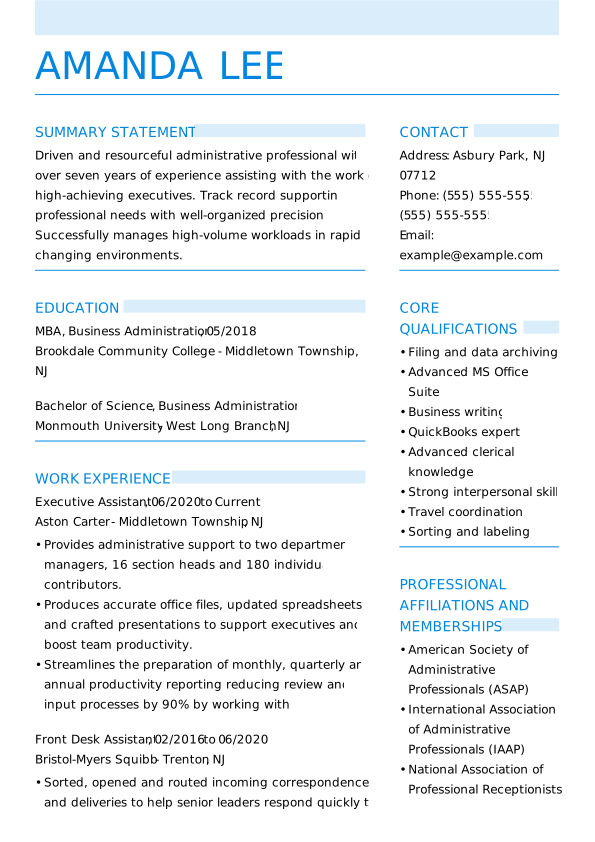
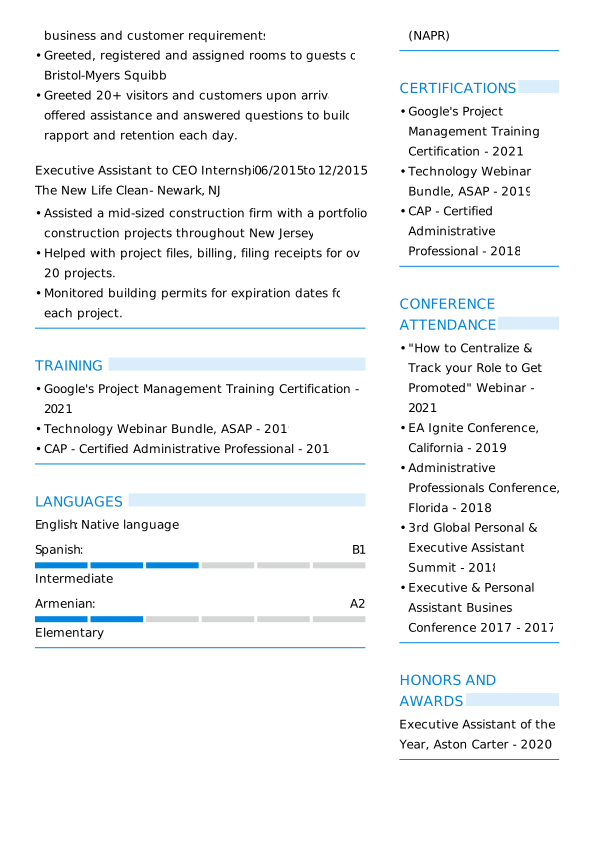
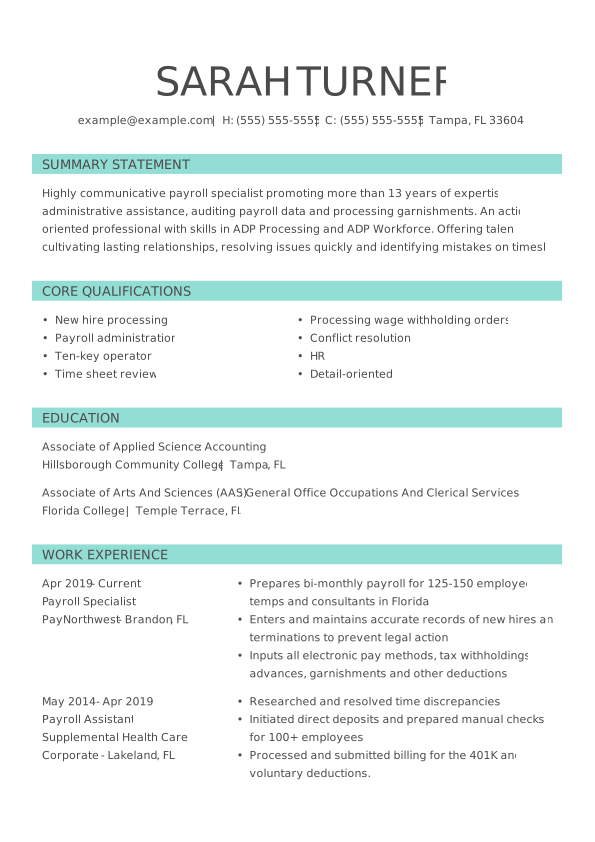
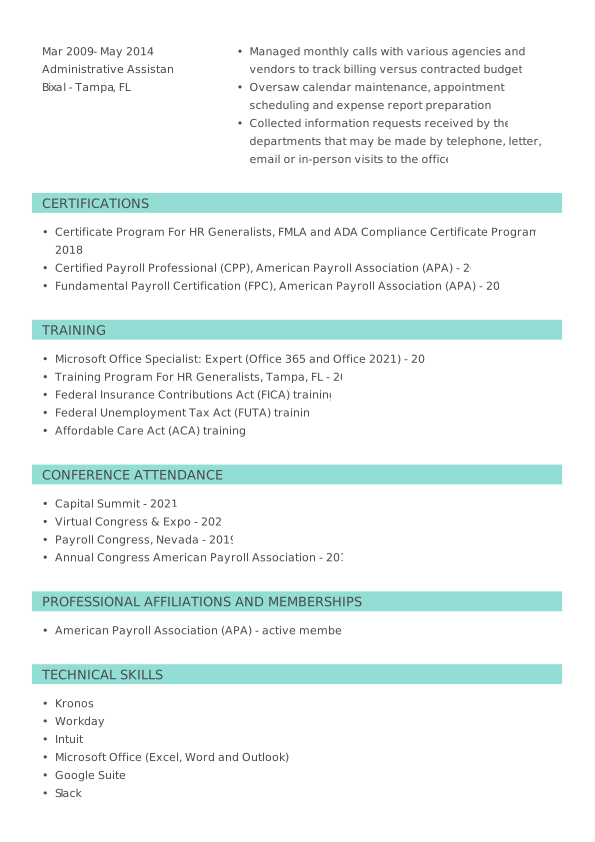
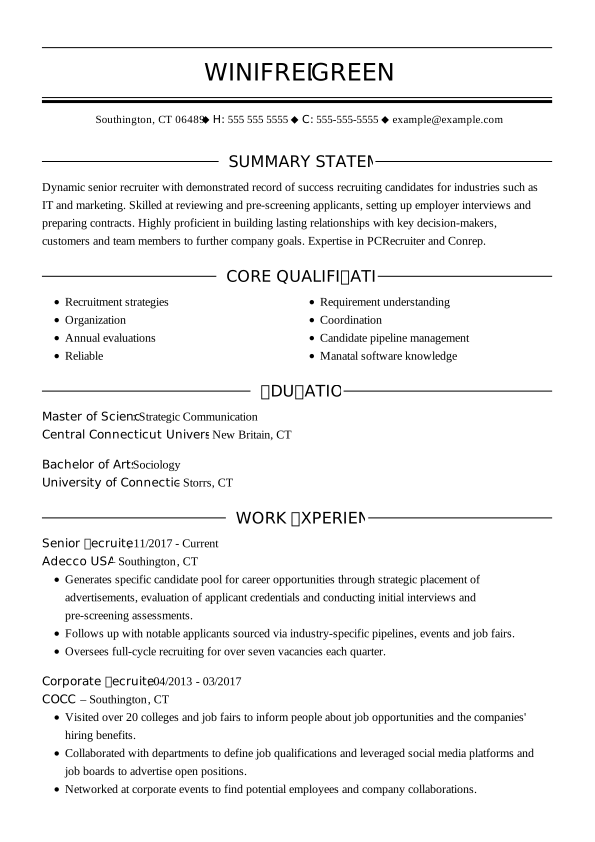
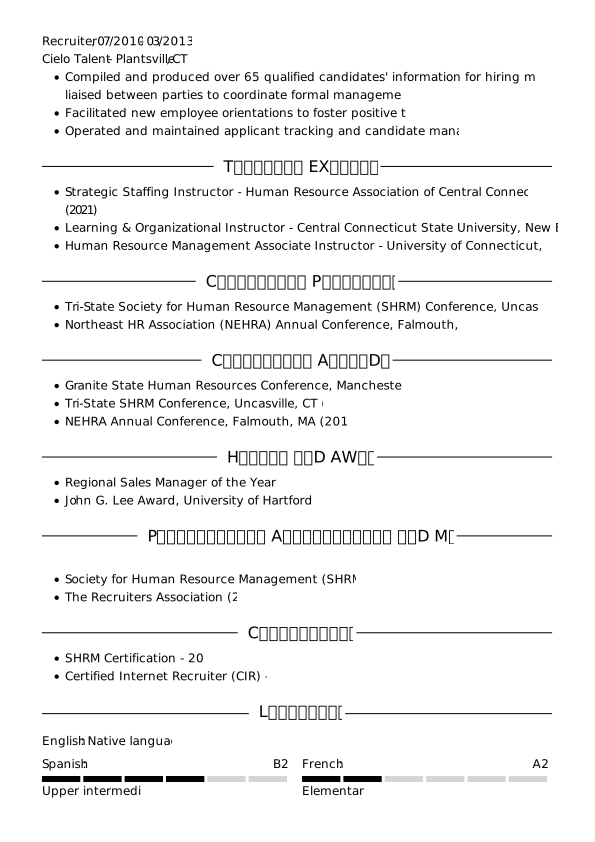
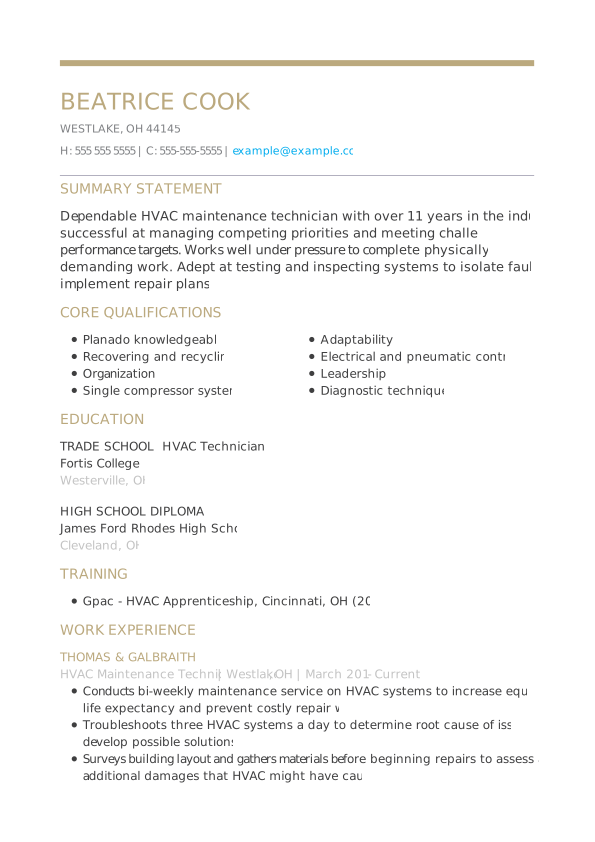
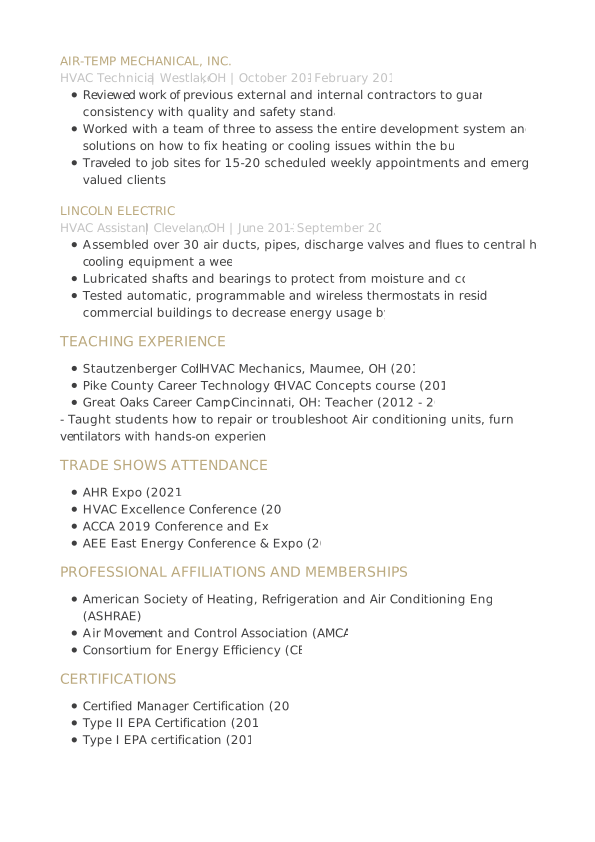
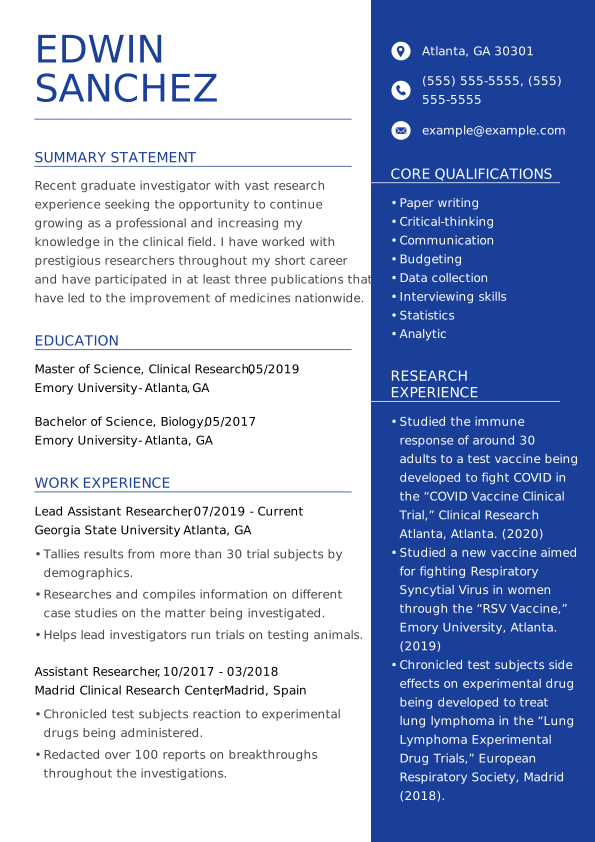
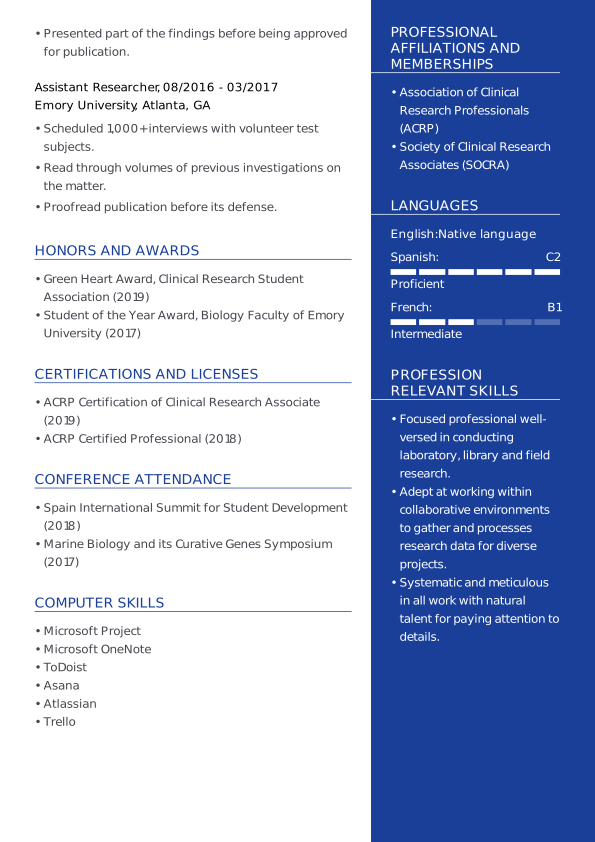
Browse professional CV examples that show how to structure experience, skills, and education across industries and career levels.
Hired By:*

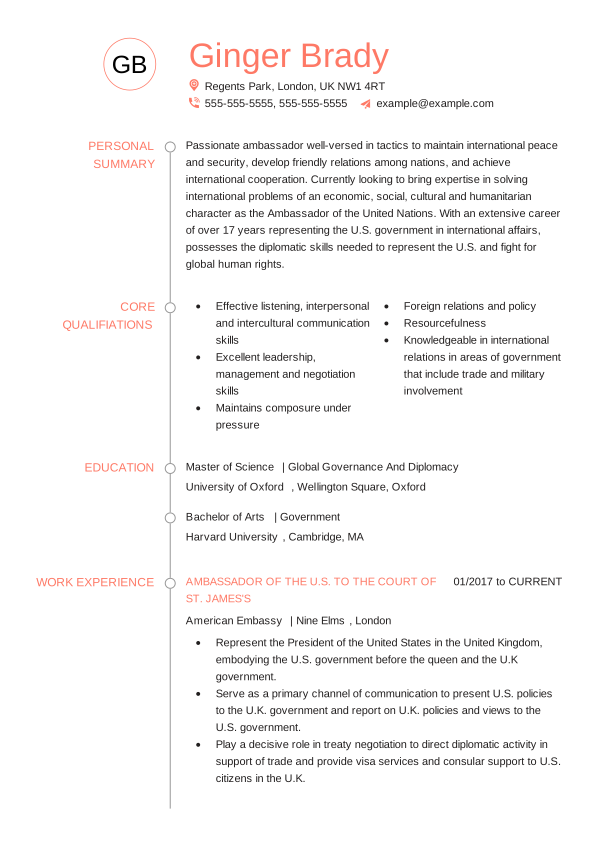
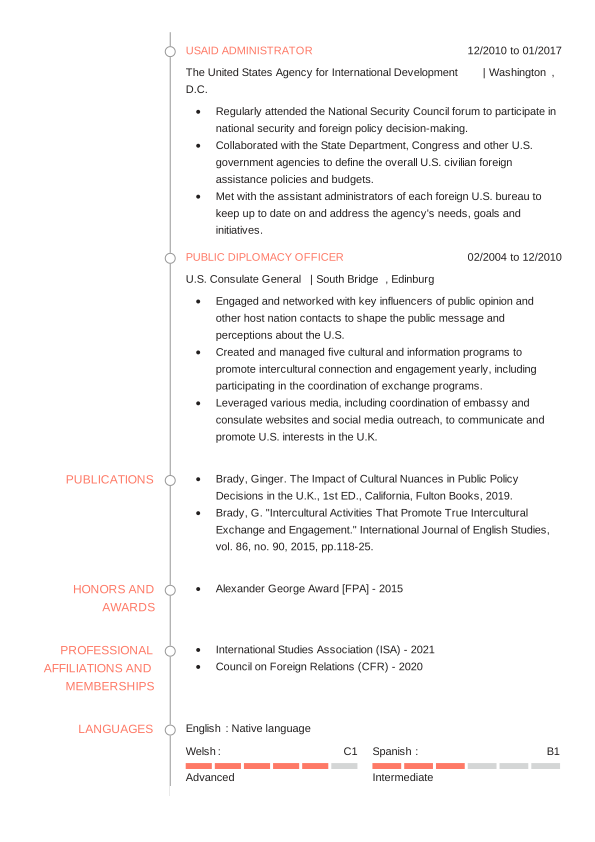
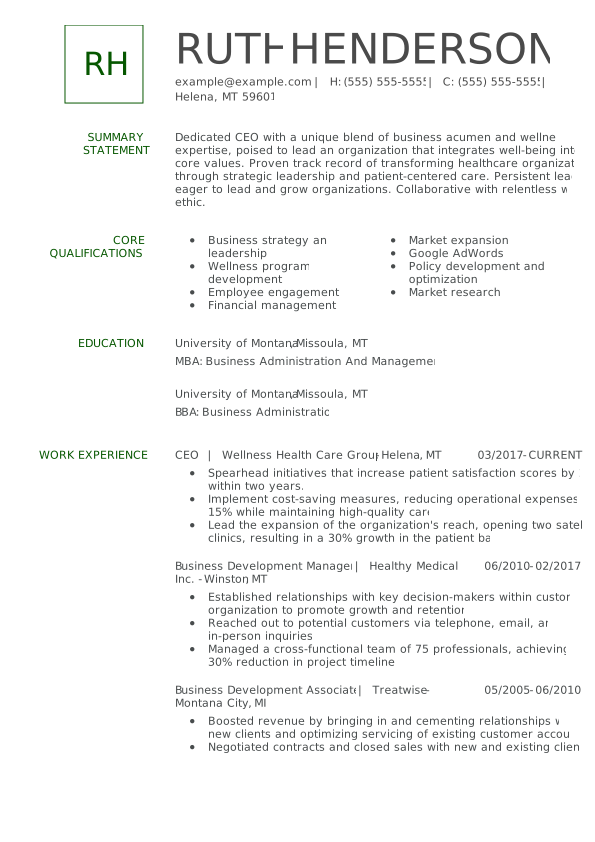
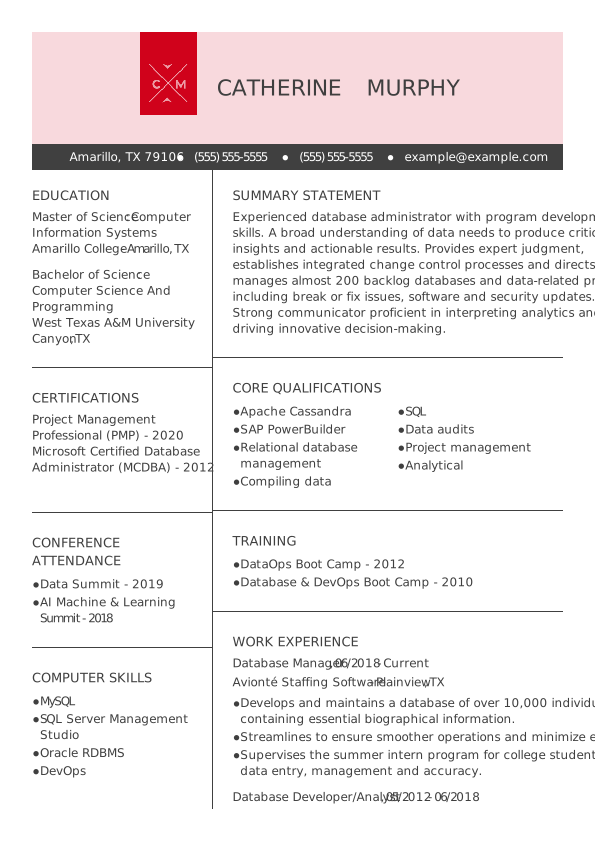
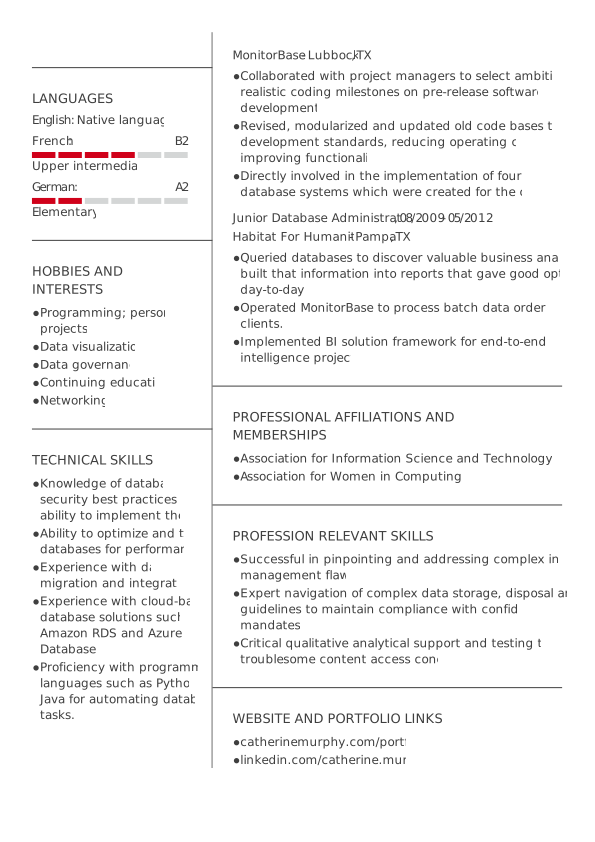
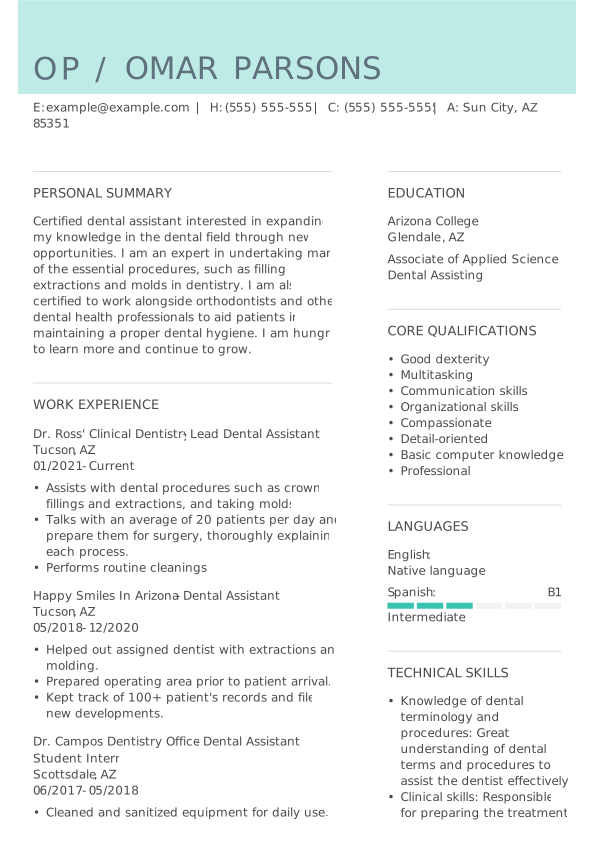
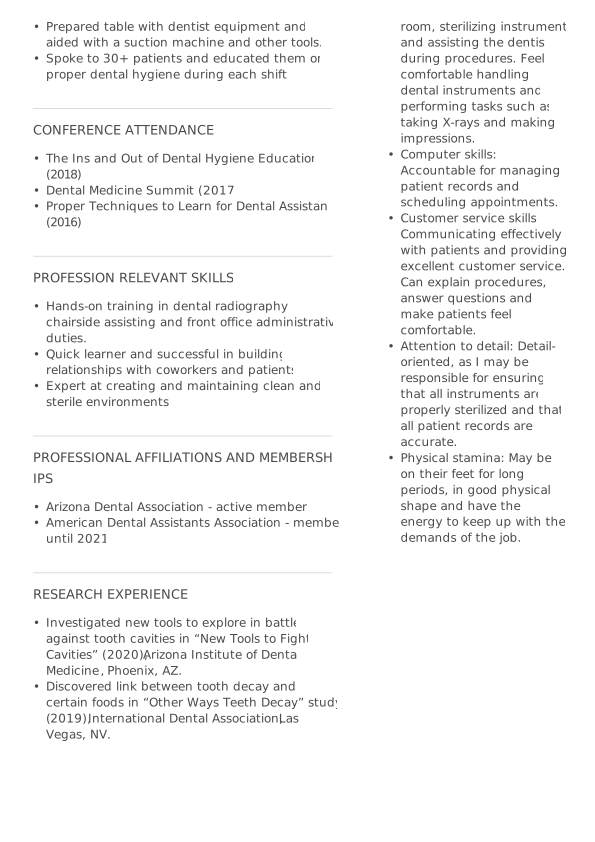
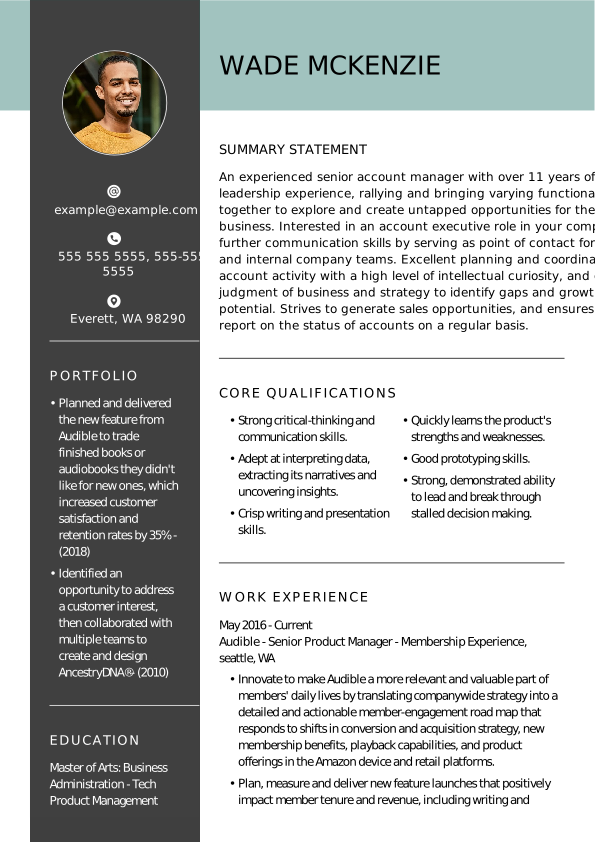
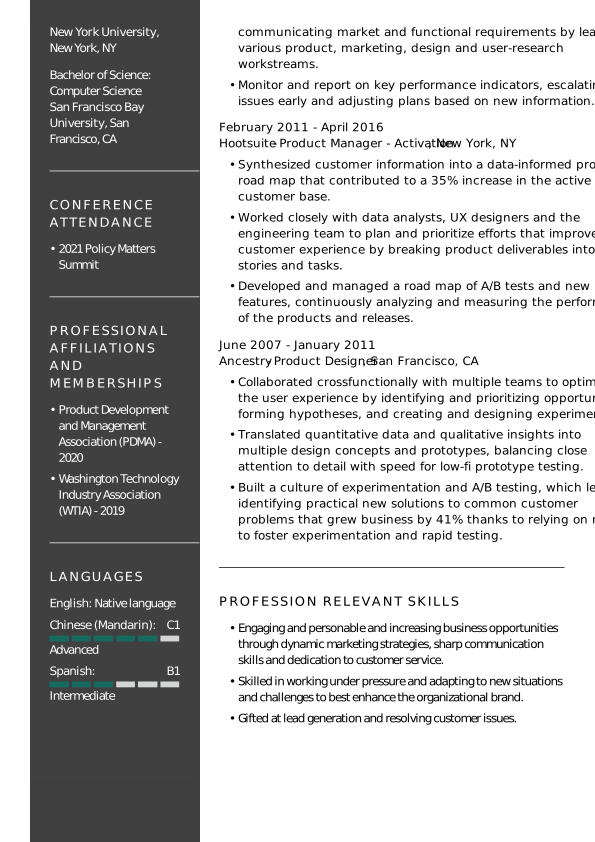
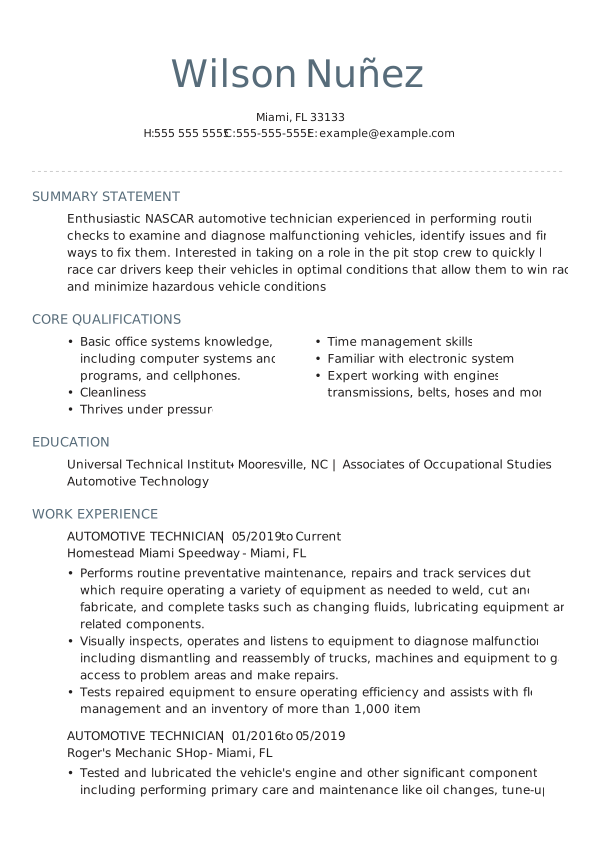
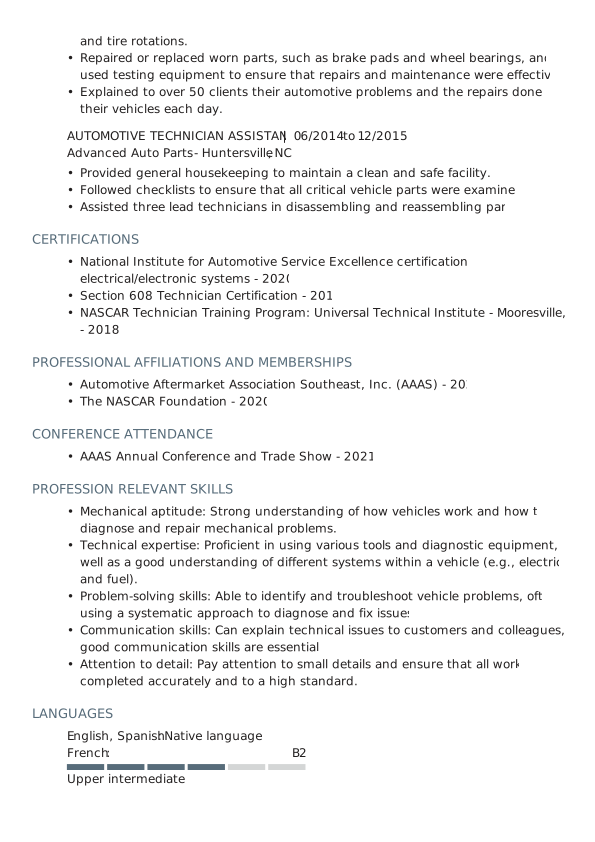
The following CV examples show you how to make a CV for different jobs, industries, and career stages. Select a CV sample to customize it with our CV Maker.
Over 20 years helping job seekers achieve career success!


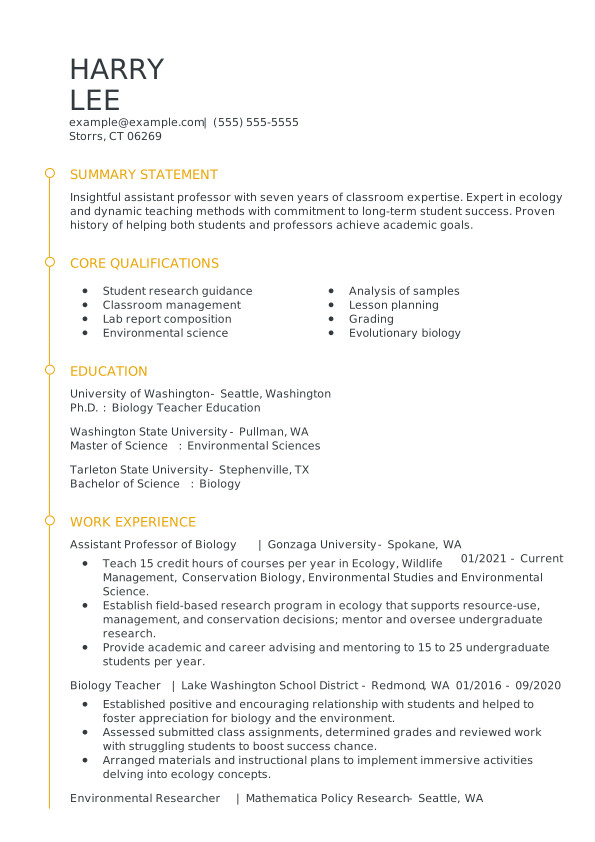
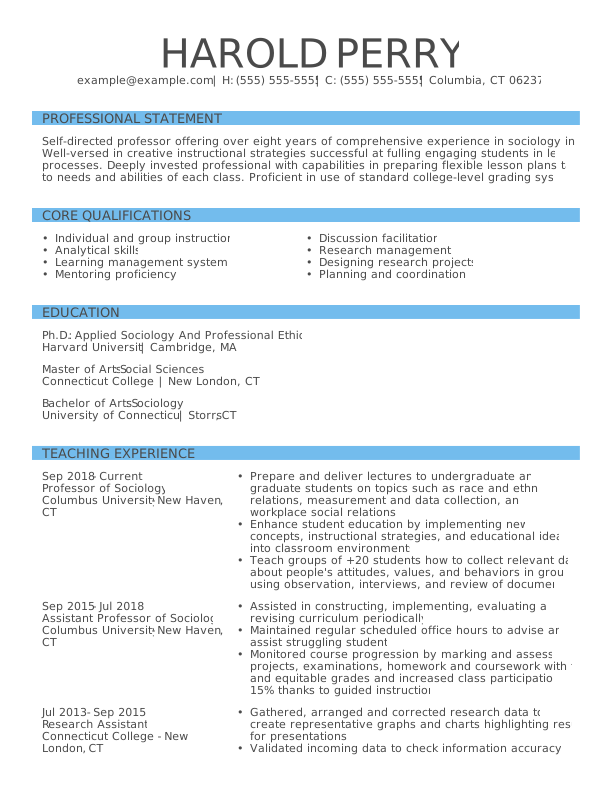
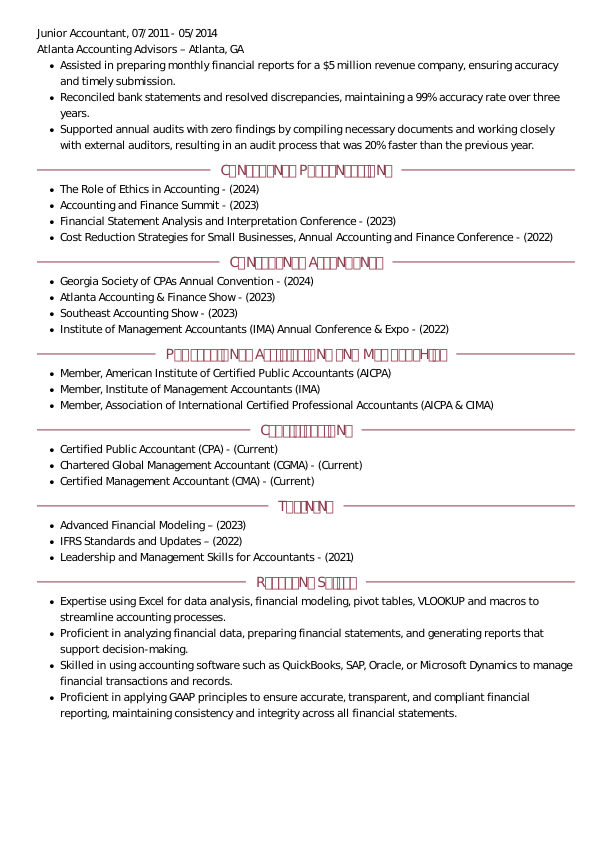
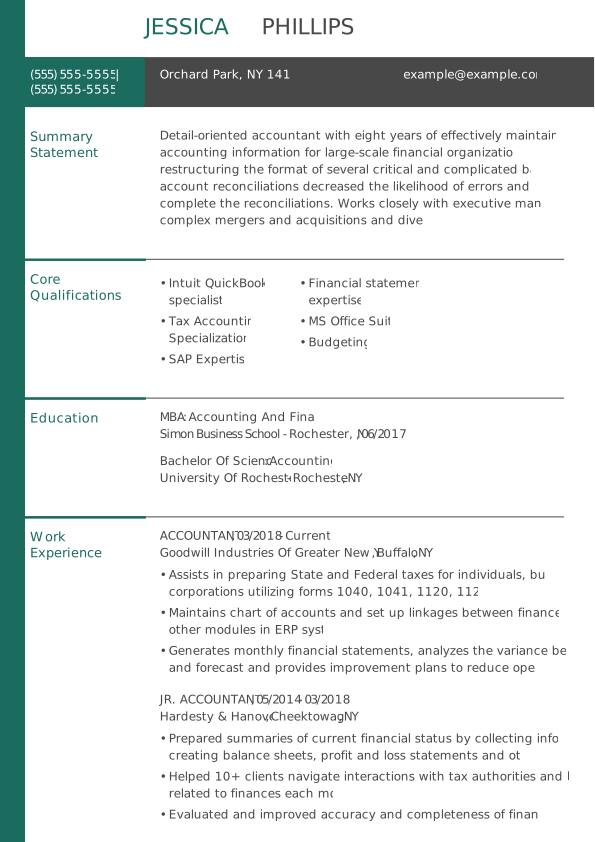
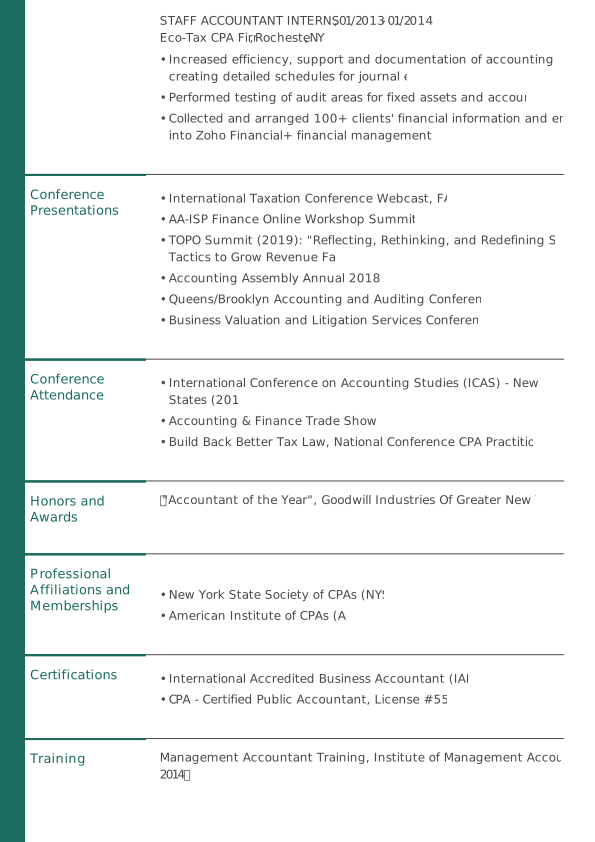
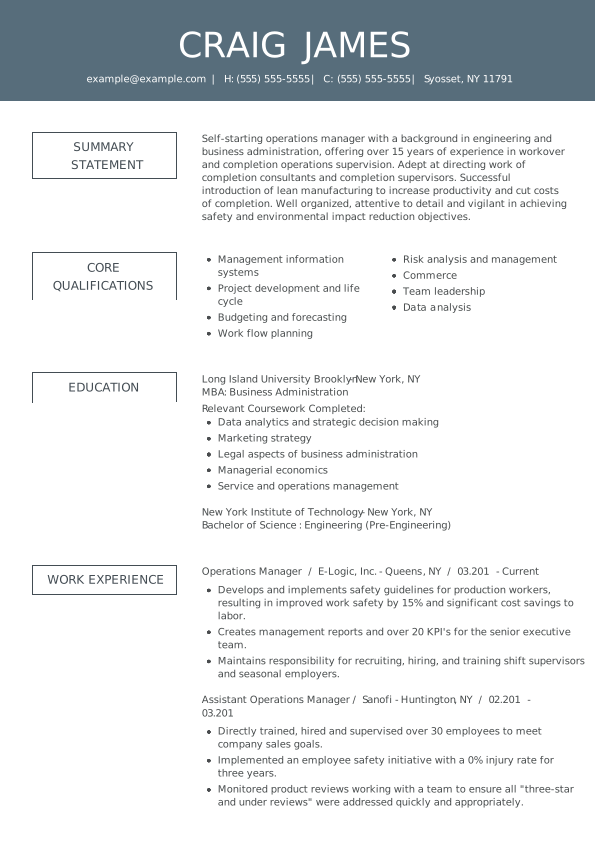
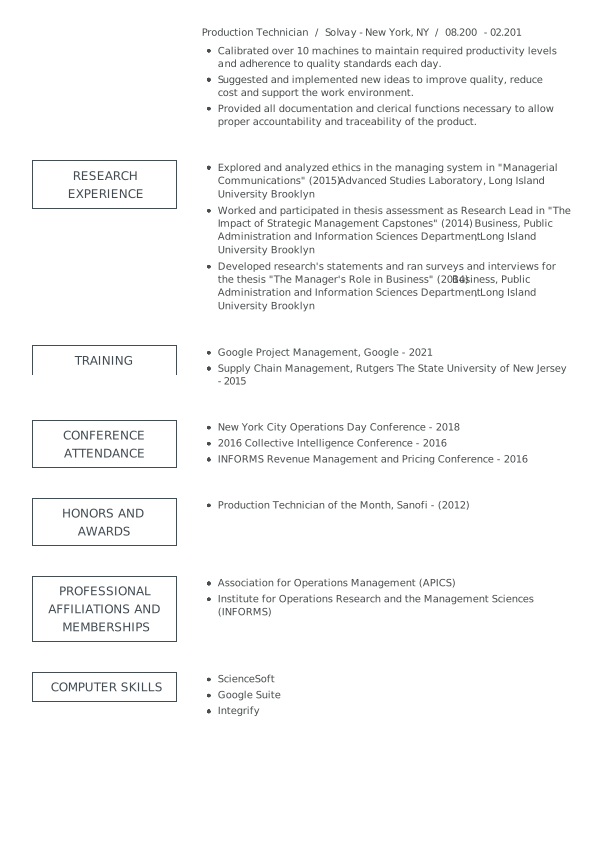
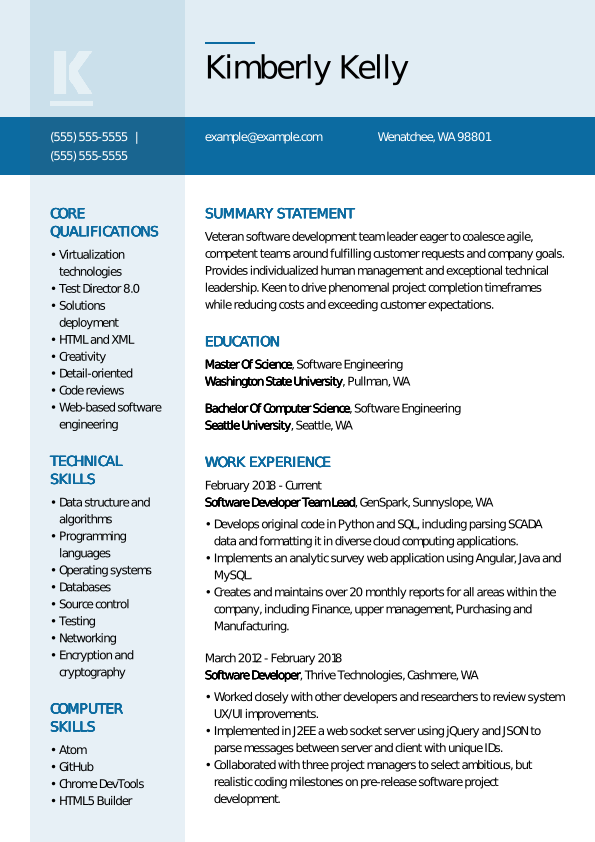
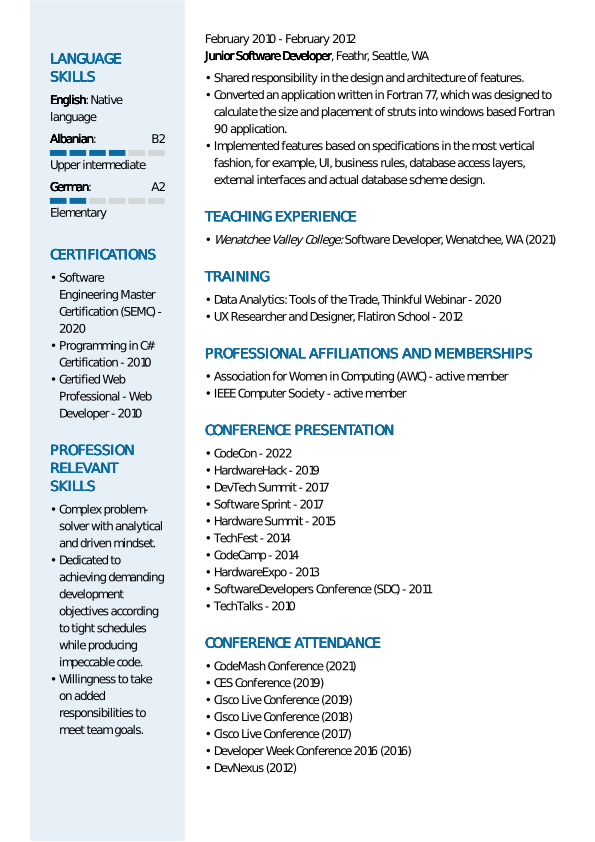
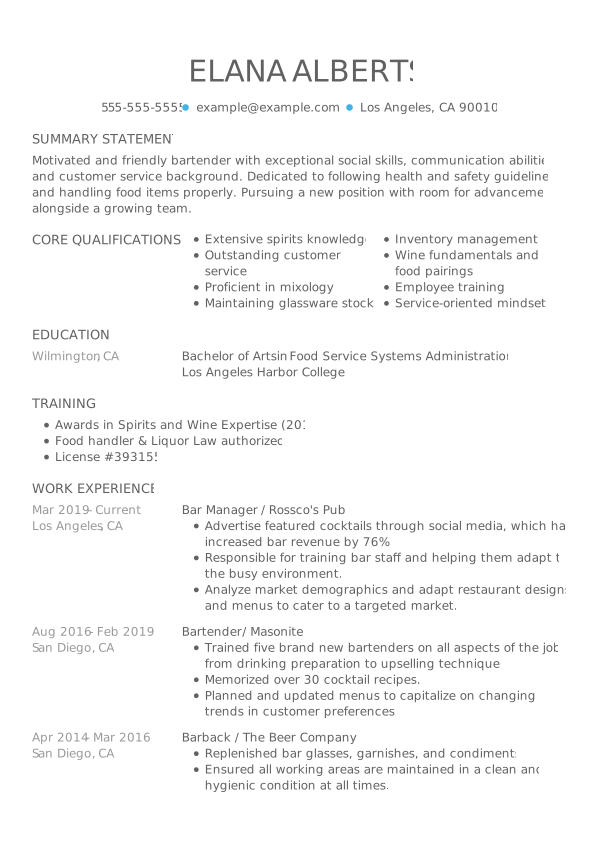
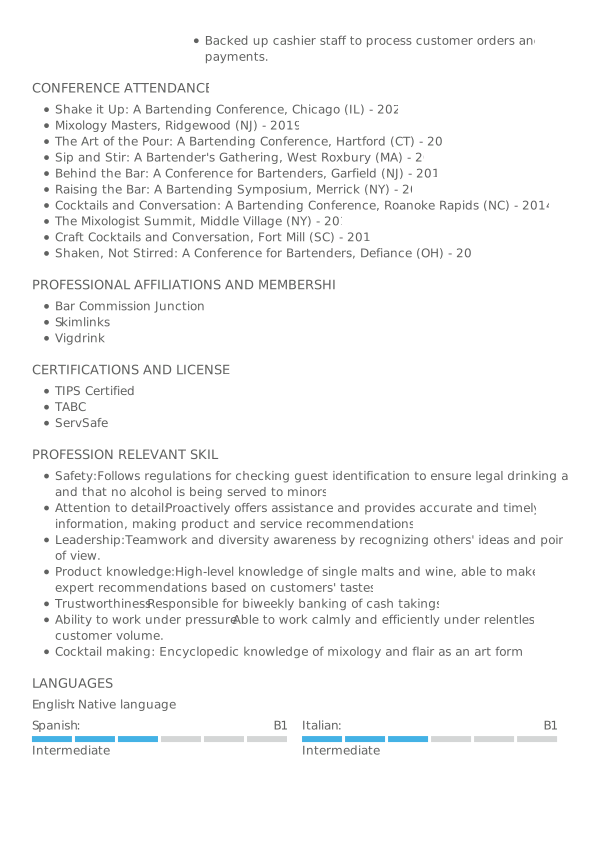
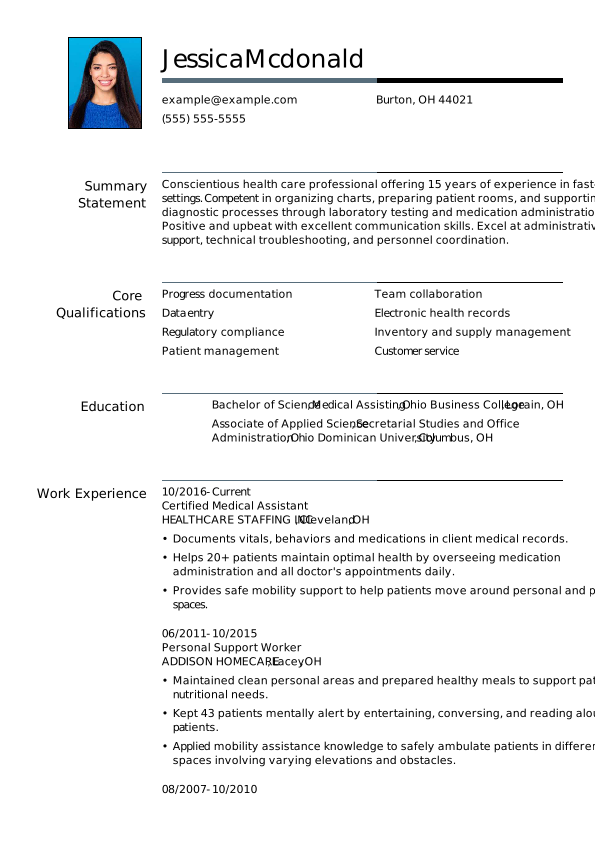
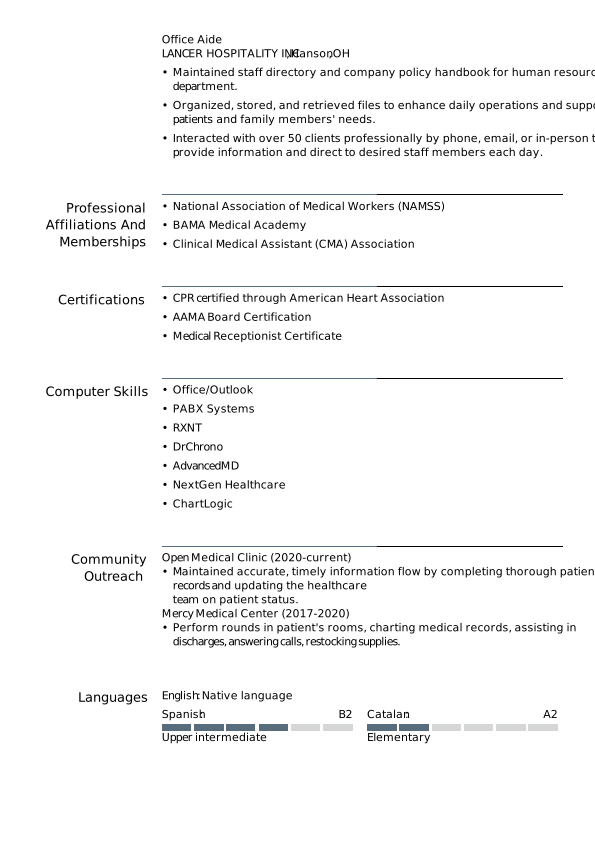
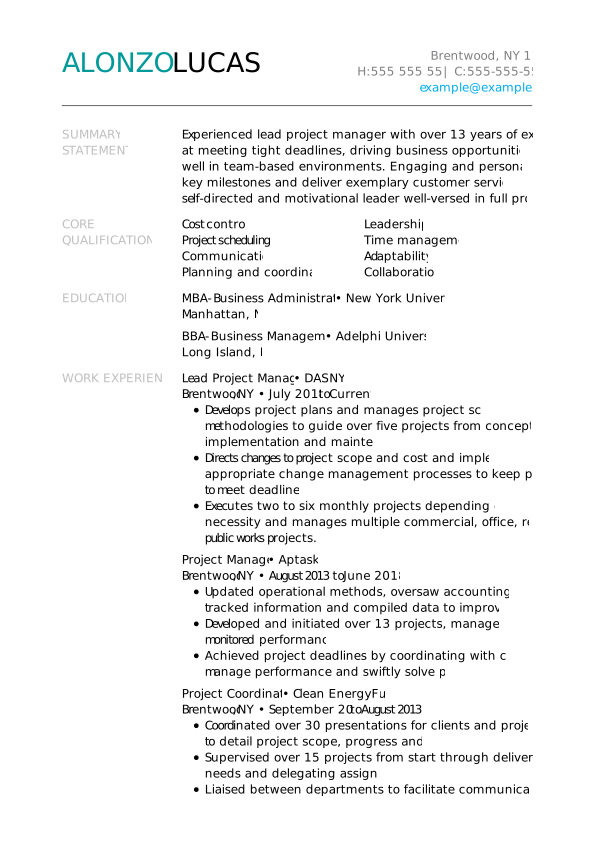
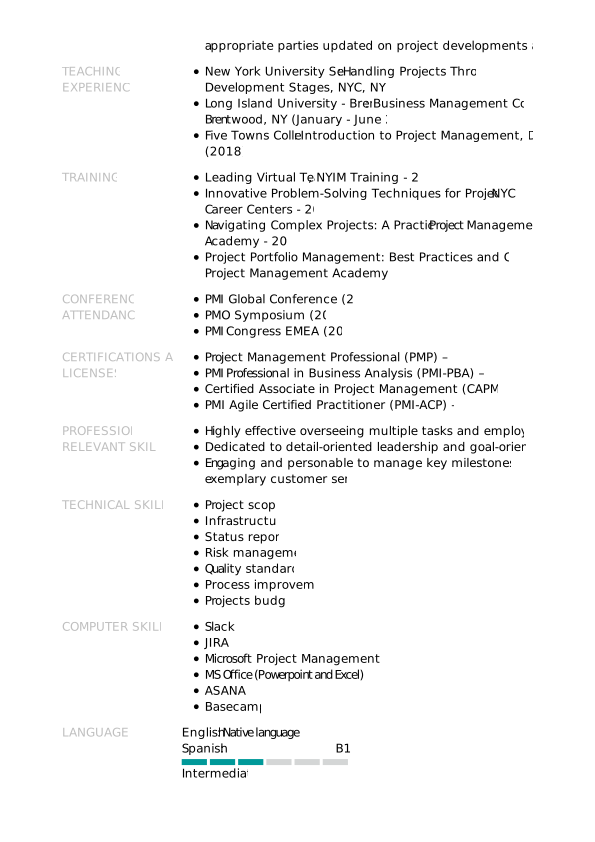
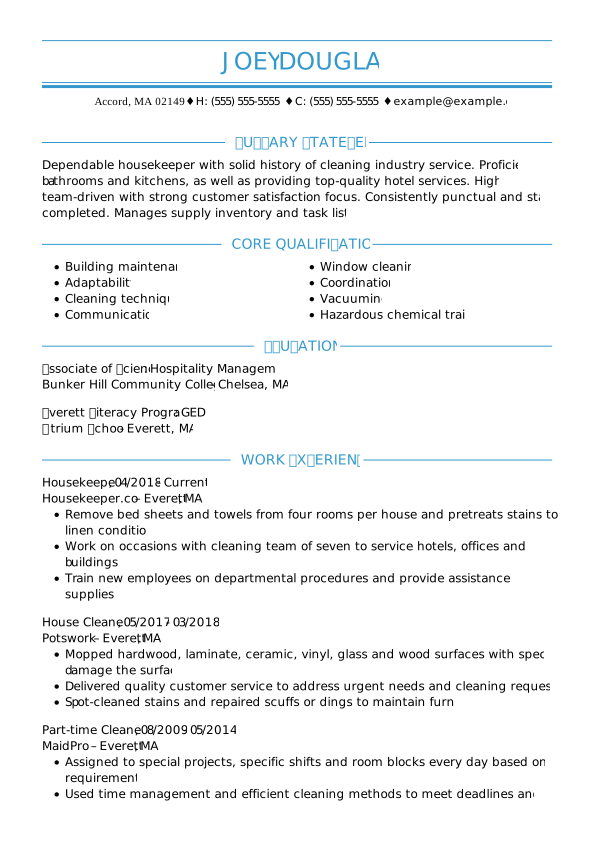
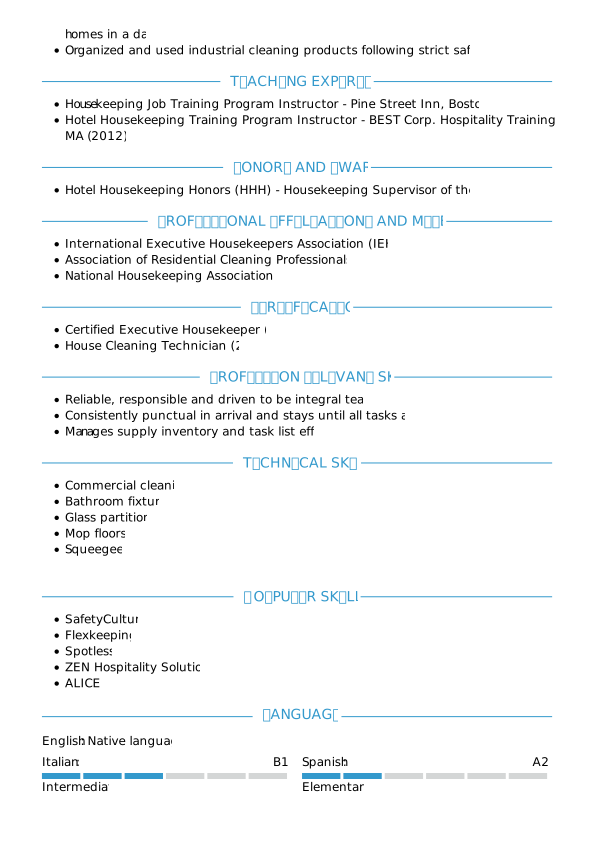
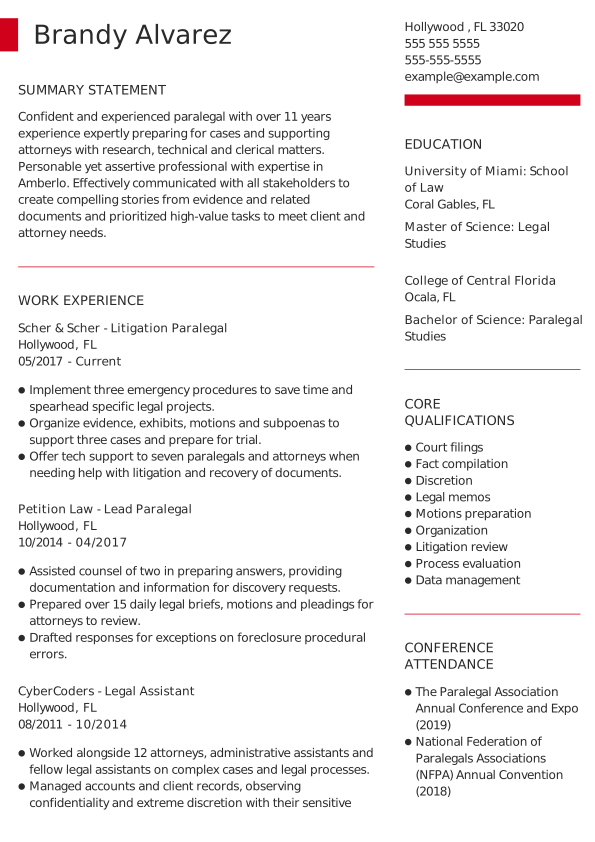
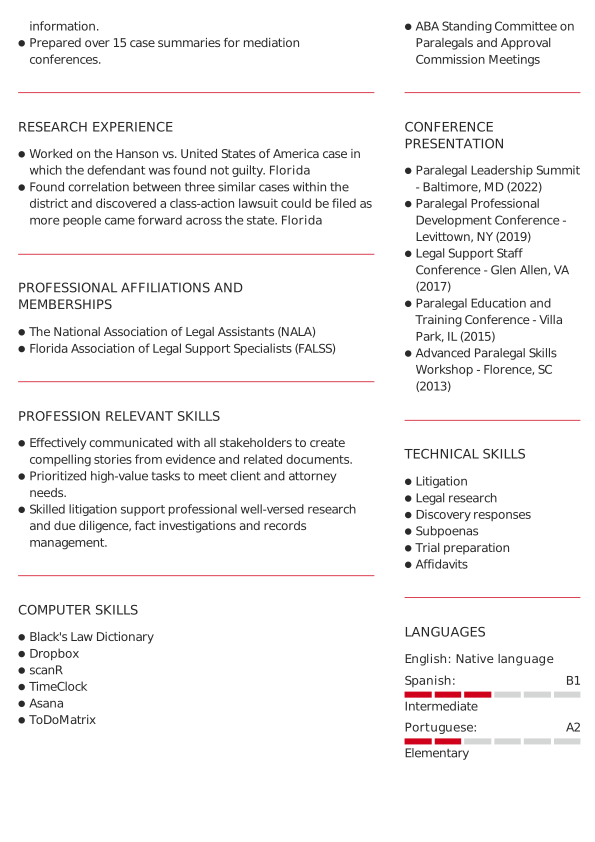
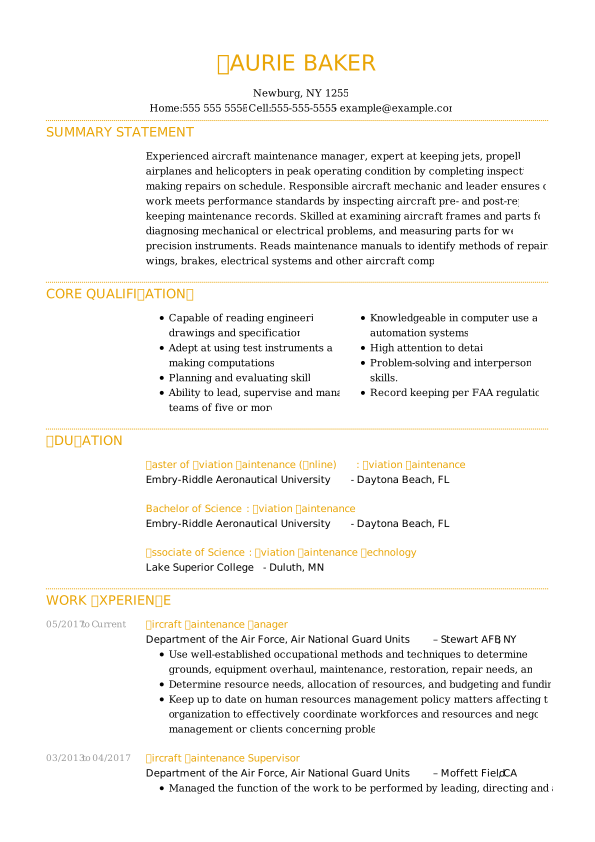
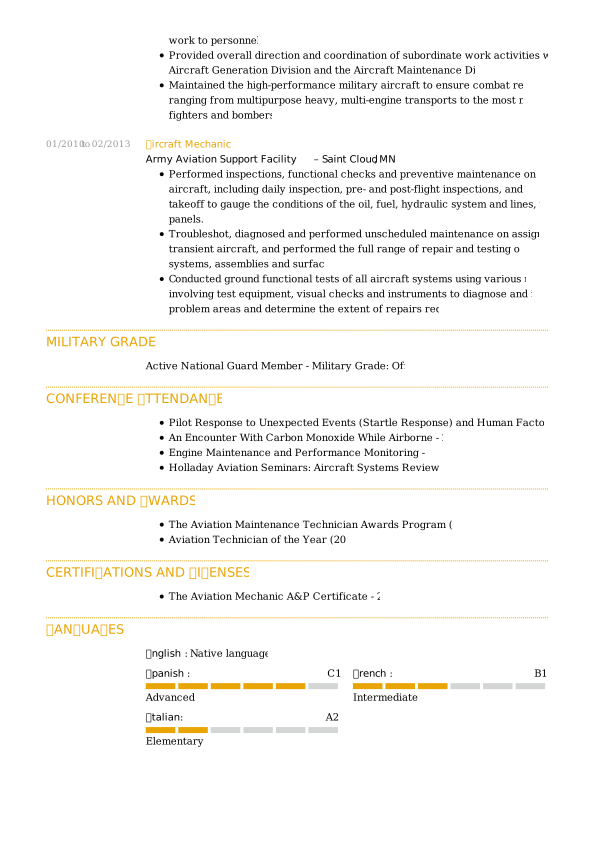
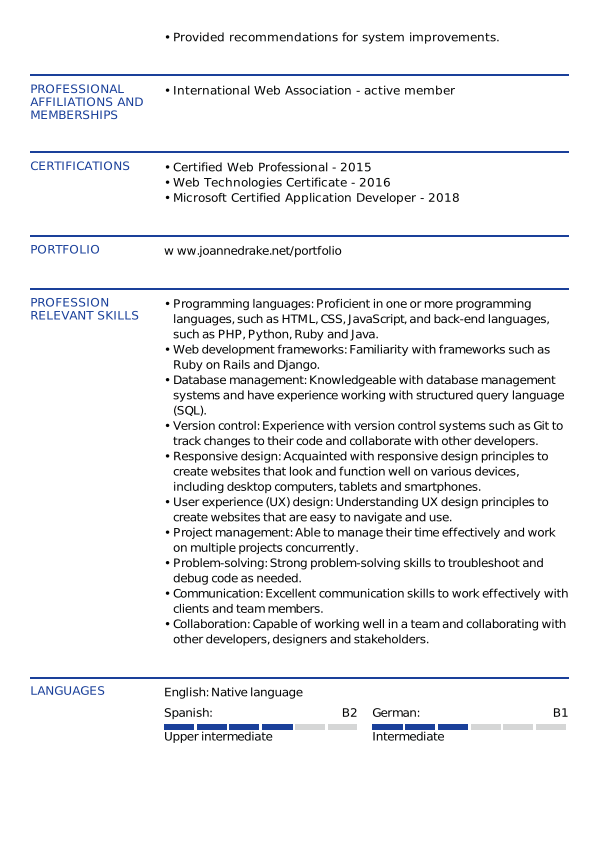
A strong CV includes sections that highlight your qualifications, experience, education, and achievements. Depending on your industry, you may also include certifications, projects, publications, awards, and professional affiliations.
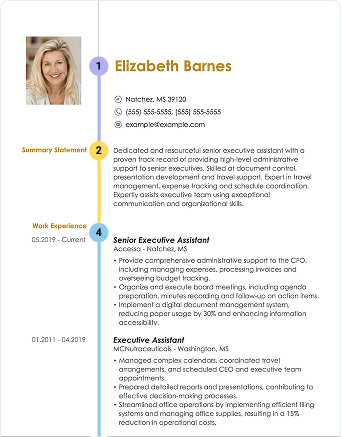
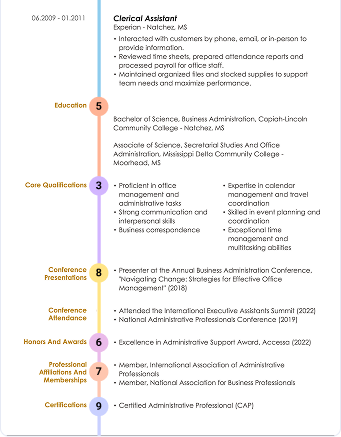
Here’s a breakdown of standard CV sections:
Contact Information
Include your name, phone number, email address, and location.
Briefly summarize your experience, qualifications, and career goals.
List technical skills, soft skills, and industry-specific abilities.
Highlight relevant achievements and responsibilities using action verbs and measurable results.
List your academic background, including any relevant coursework or details.
If you have academic or professional achievements, list them in a dedicated section.
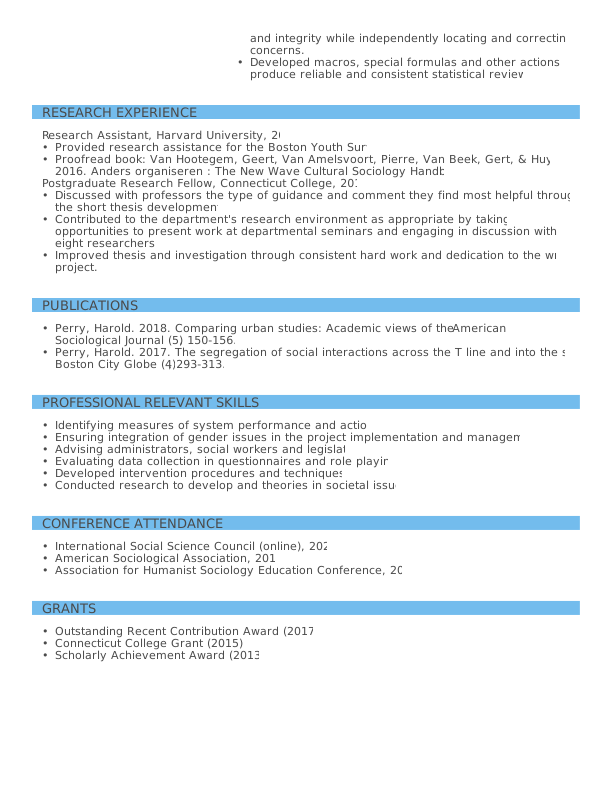
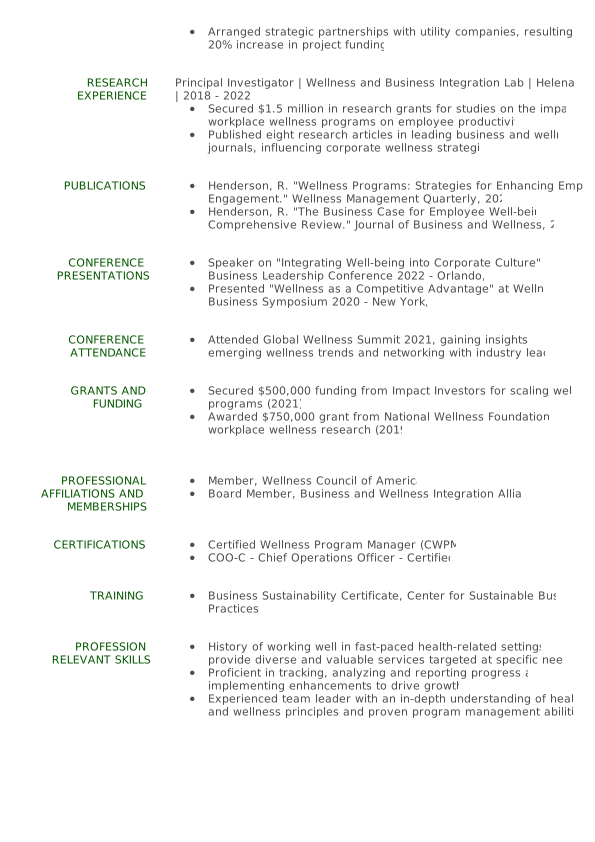
Include books, articles, or research published in academic journals or other professional publications.
Presentations, Lectures, & Exhibitions
Note any events you’ve facilitated, presented, or helped to organize.
Certifications, Professional Licenses, & Affiliations
Cite accreditations and group memberships that show your industry expertise.
Tailor your CV to the job by aligning your experience, skills, and keywords with the specific role you’re applying for. A tailored CV helps employers quickly see how your background aligns with the position and can improve your chances of landing an interview.
Use this checklist to customize your CV and improve your chances of getting noticed:
Last updated on August 24, 2026
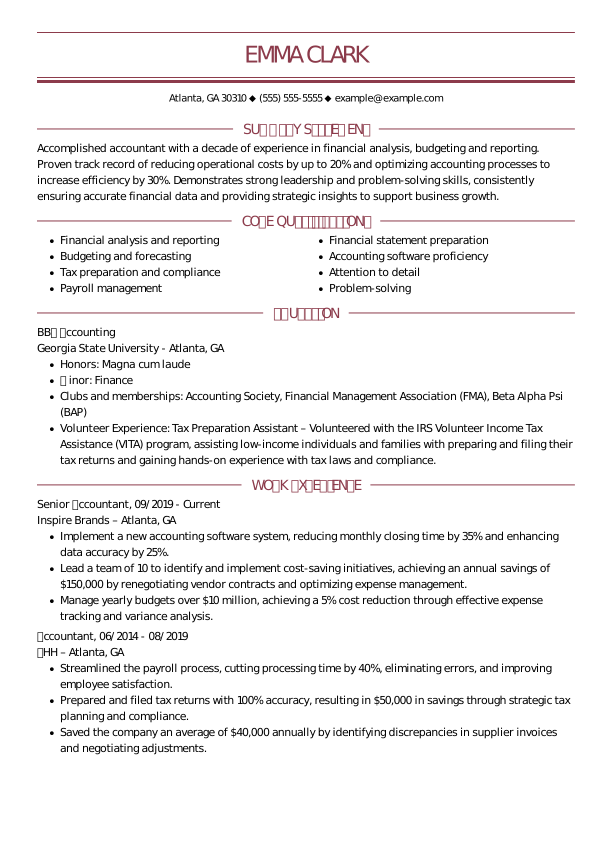
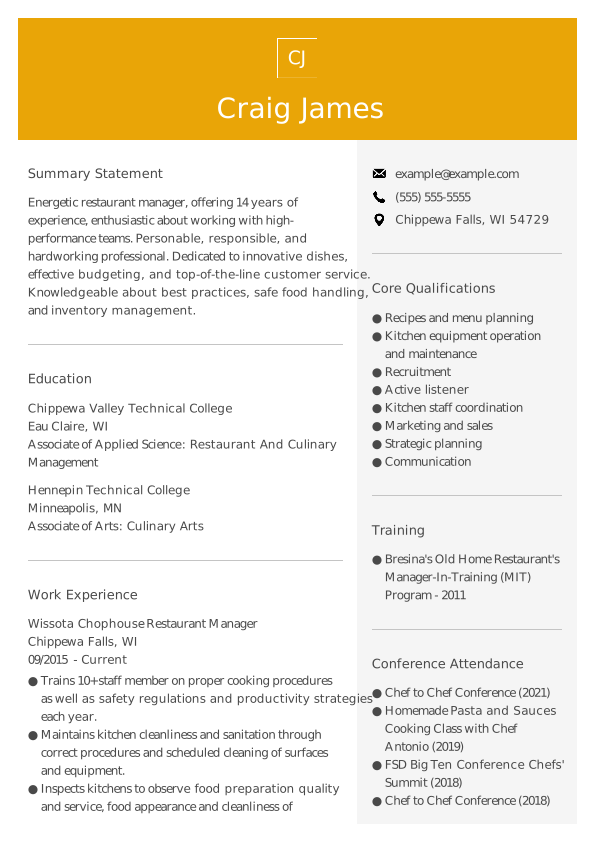
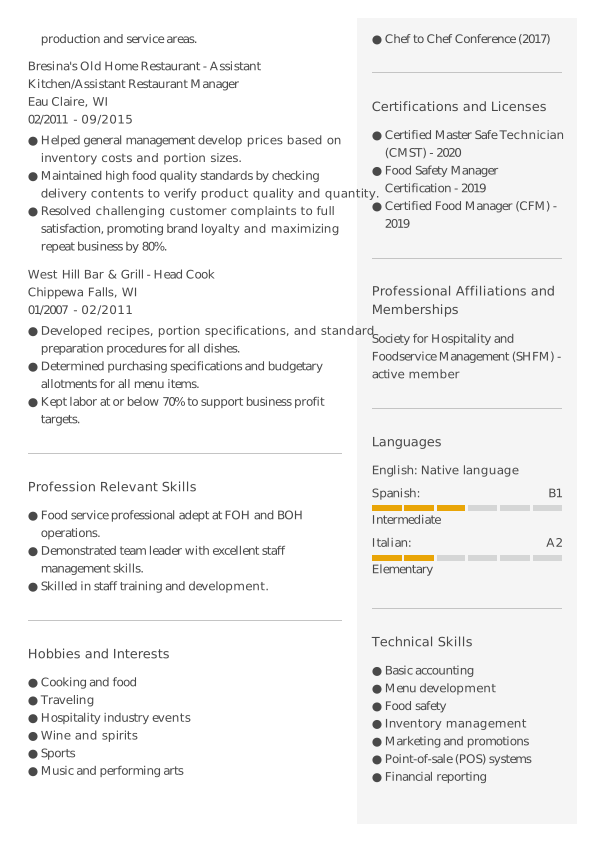
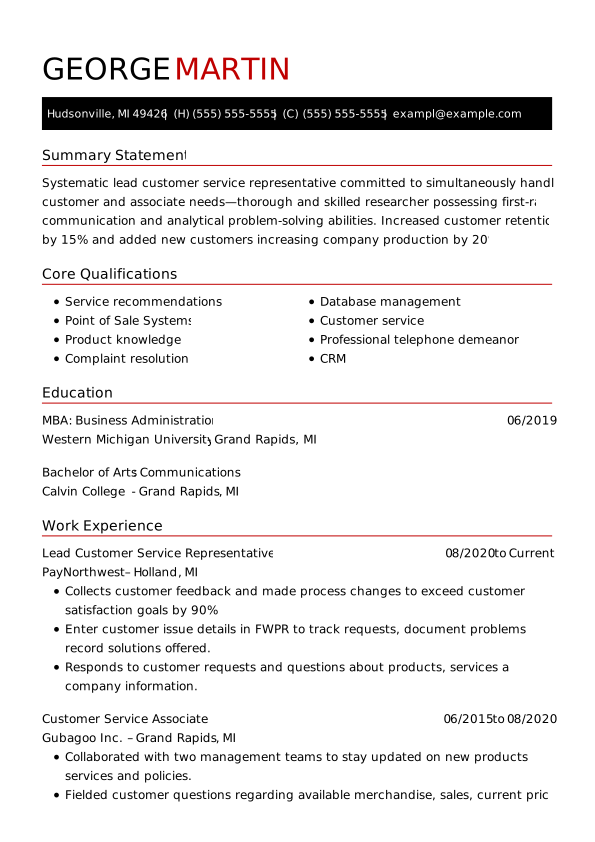
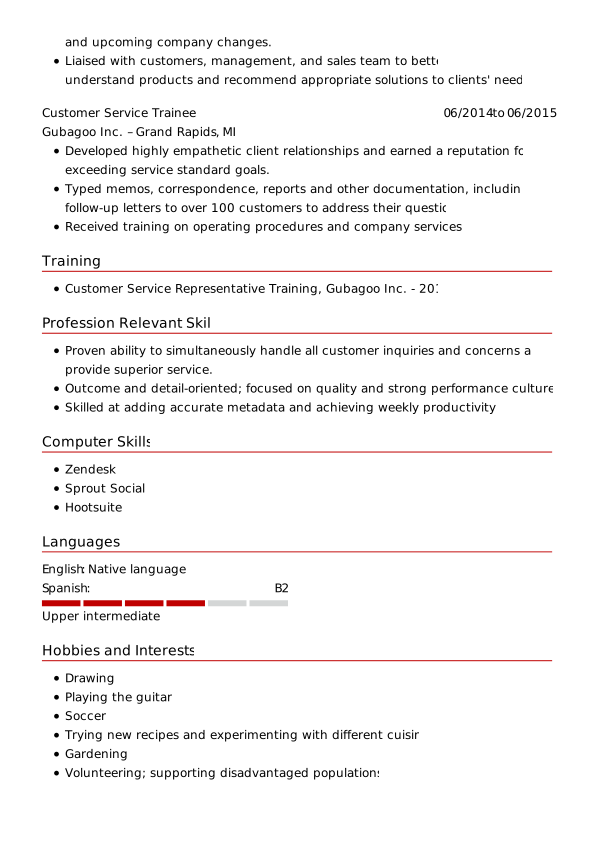
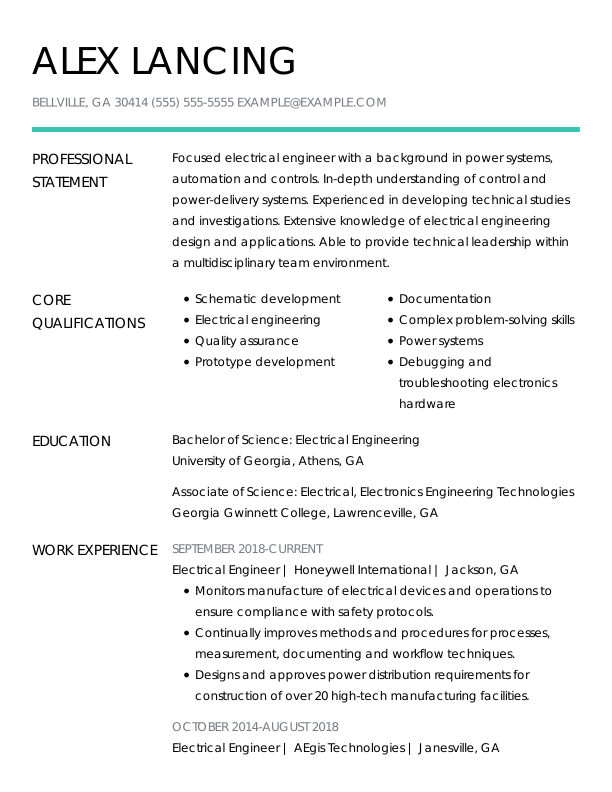
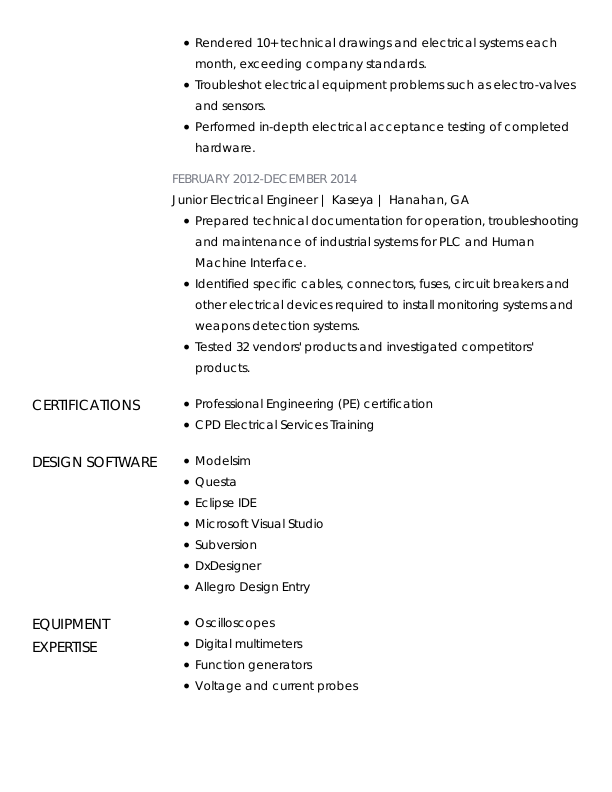
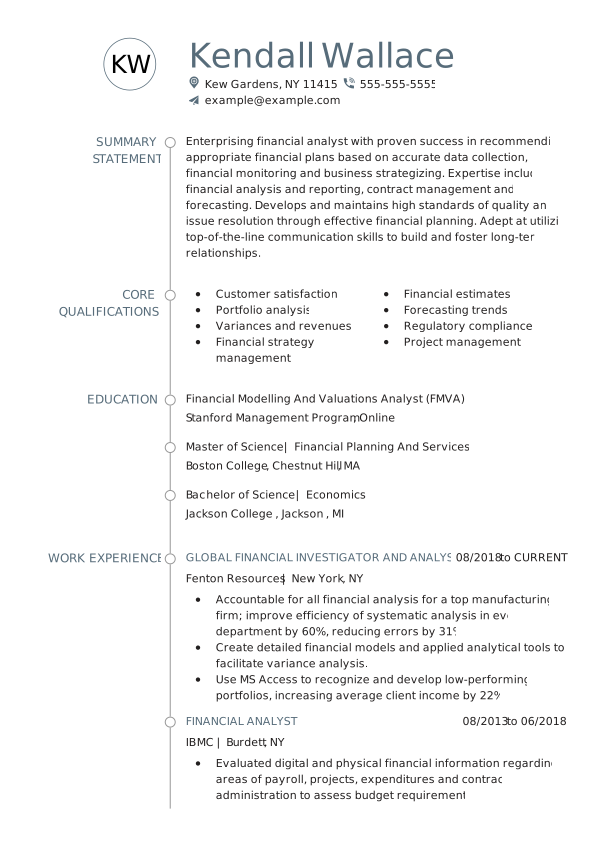
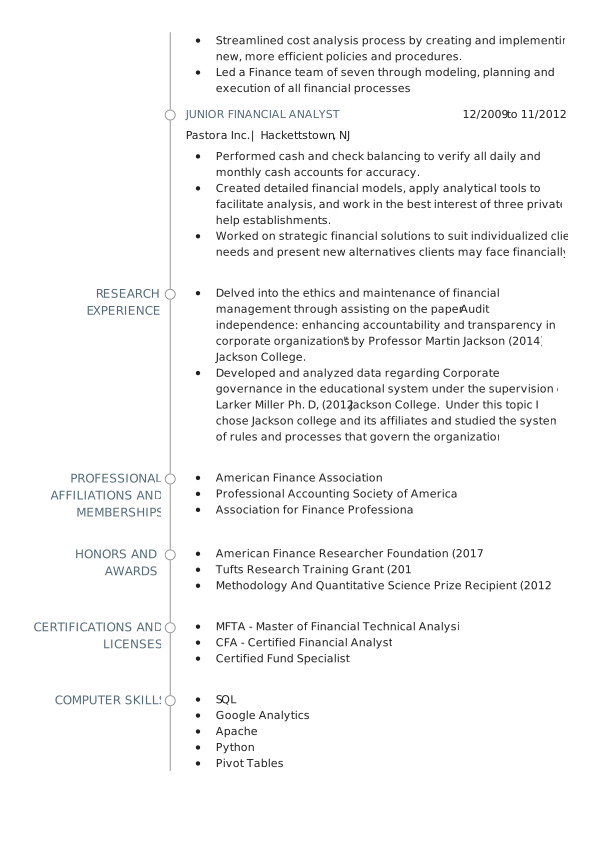
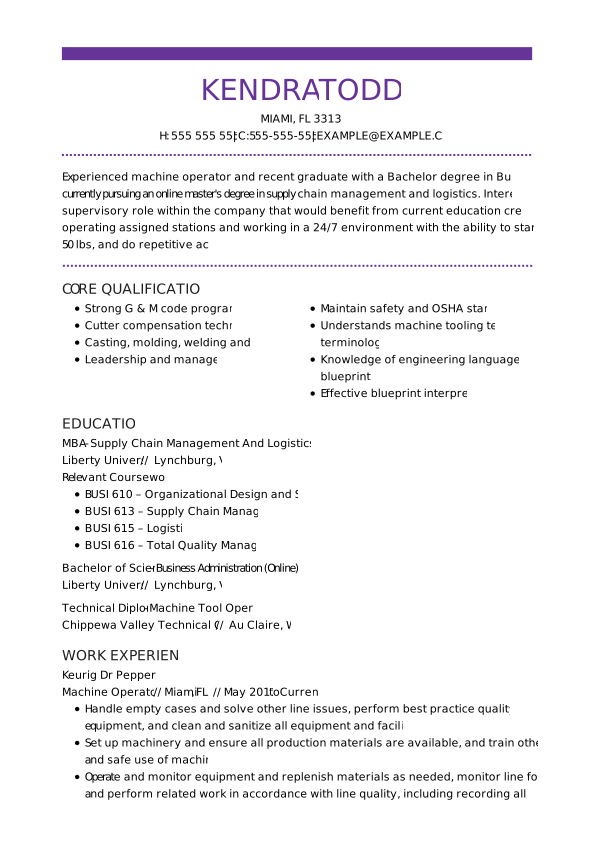
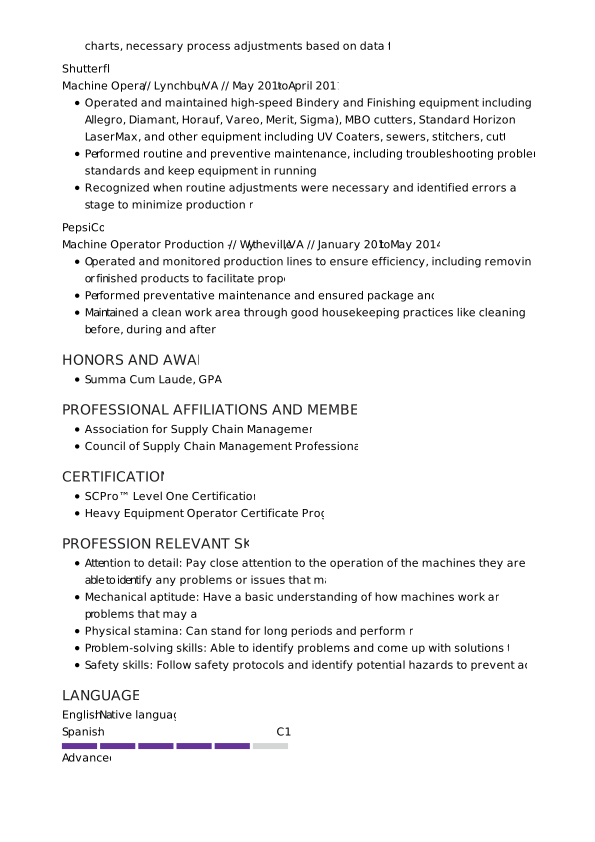
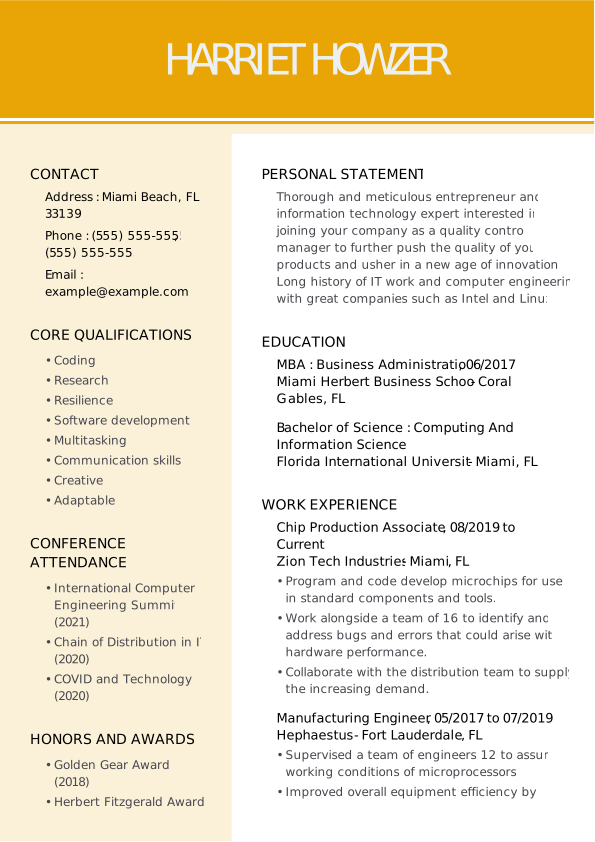
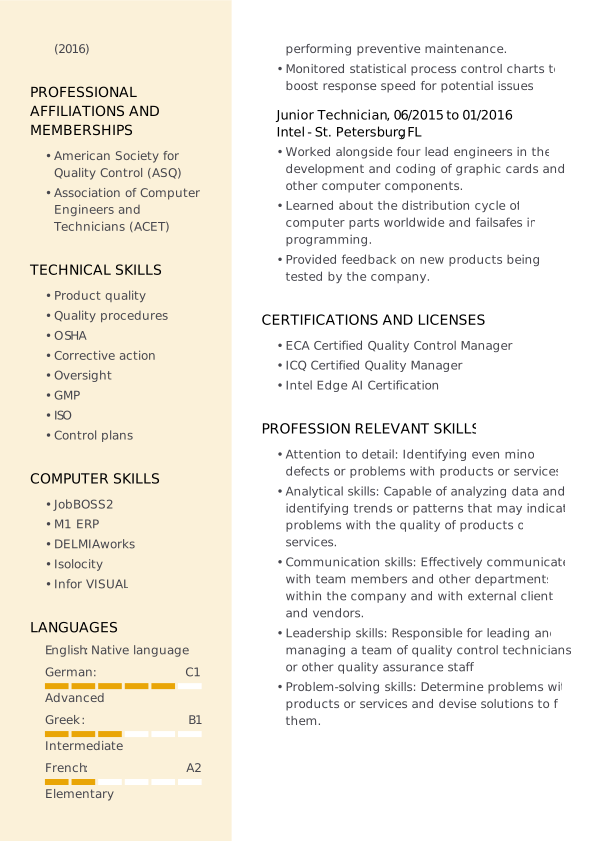
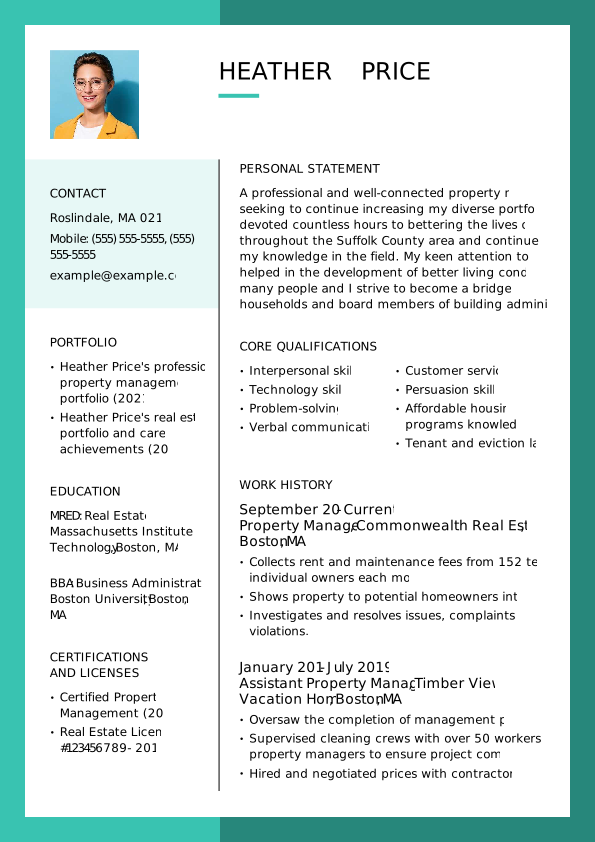
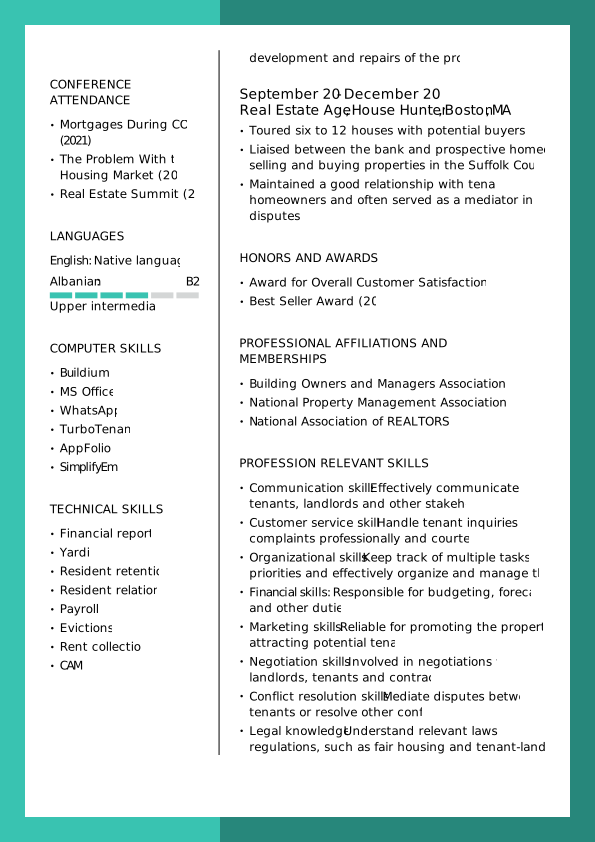
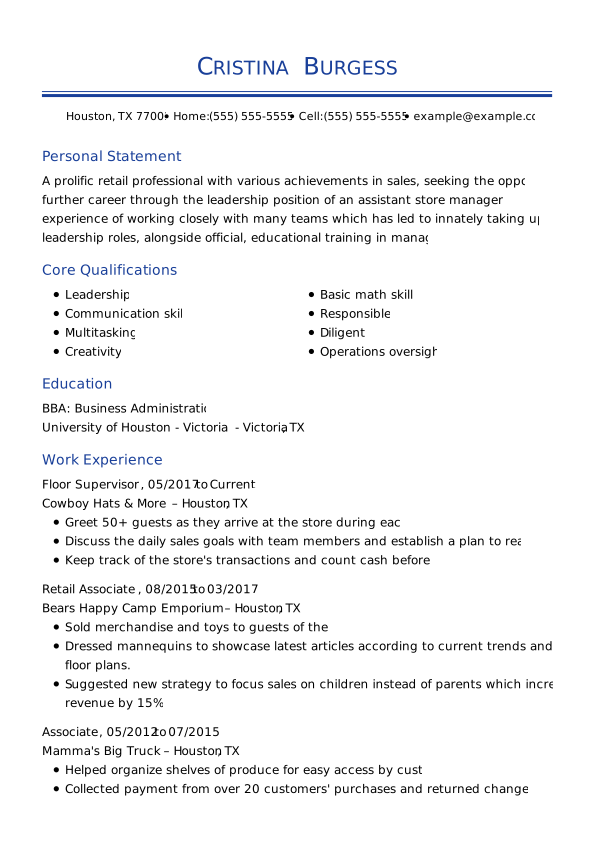
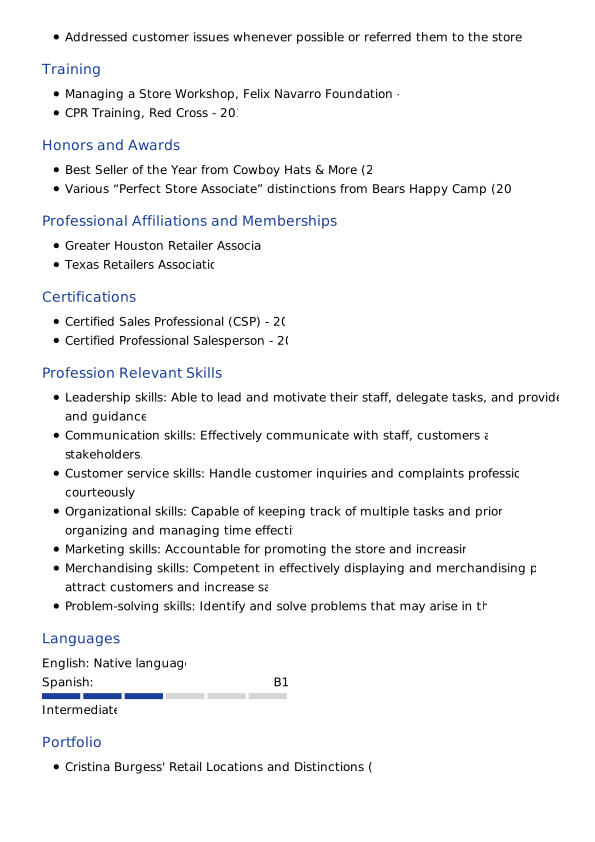
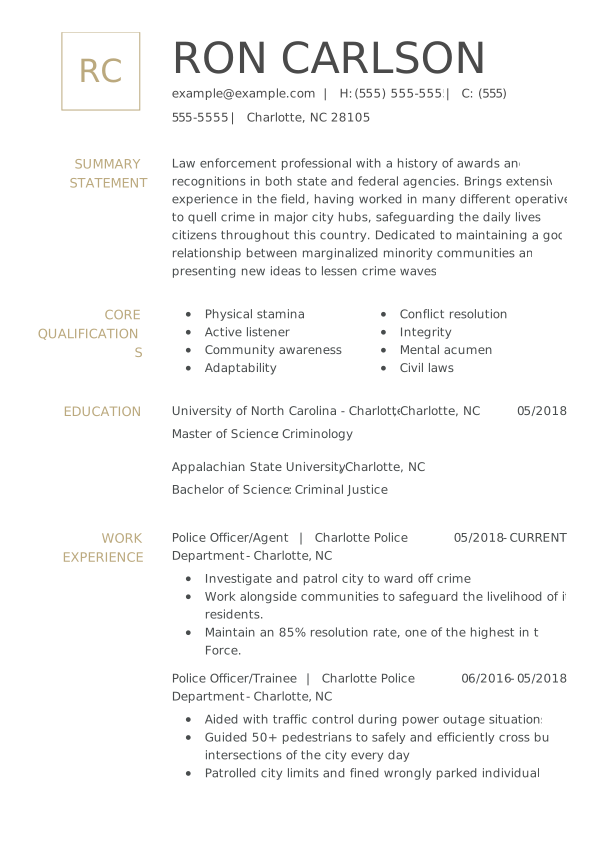
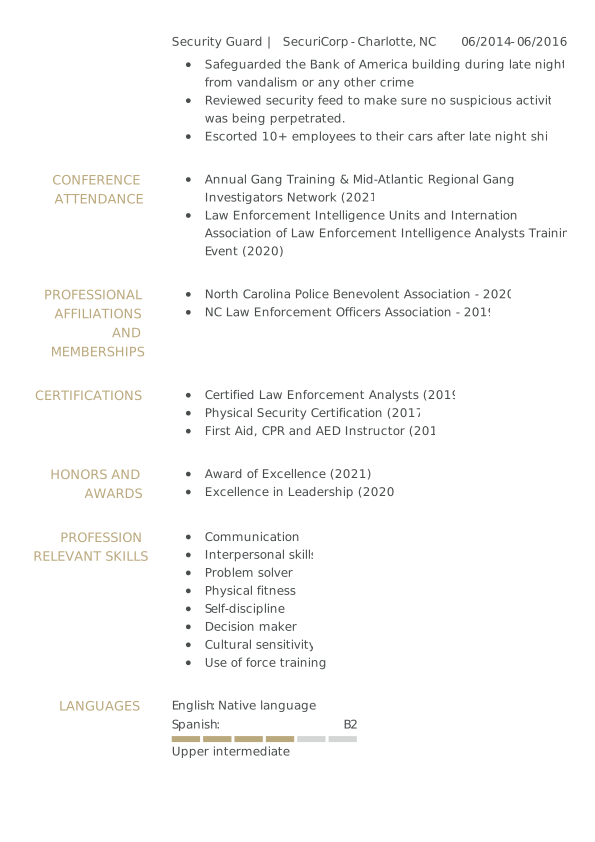
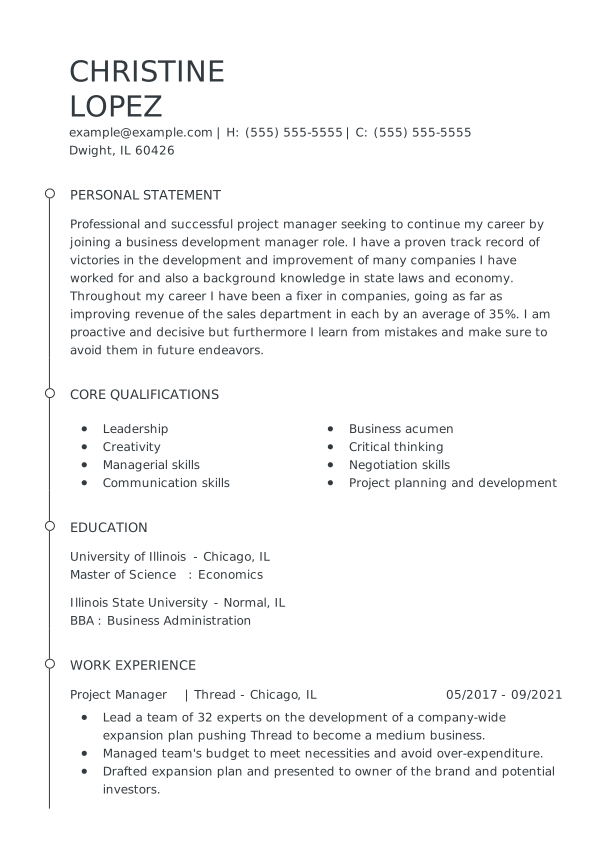
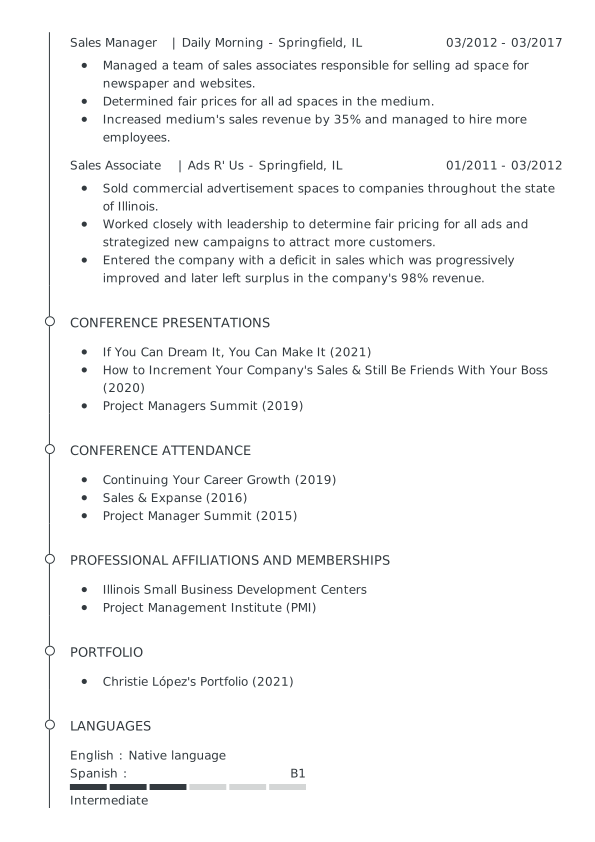
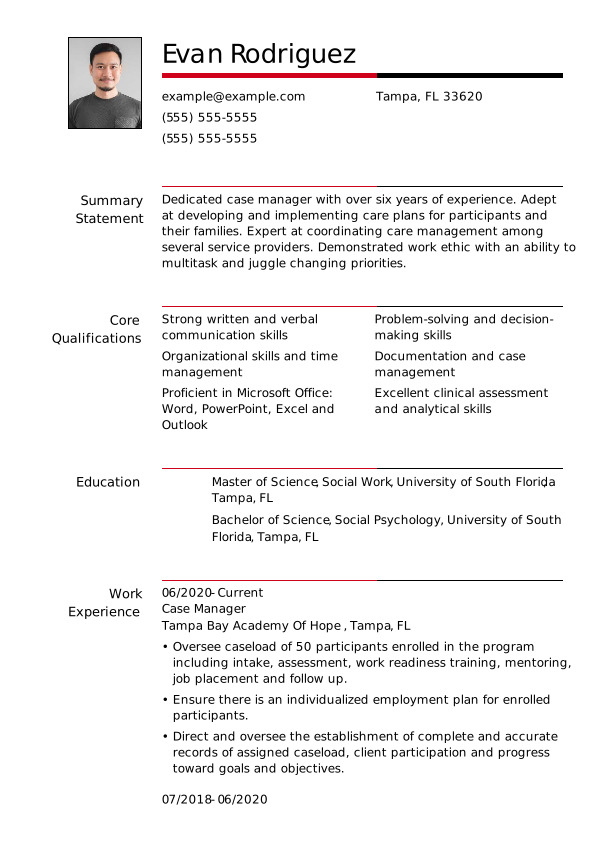
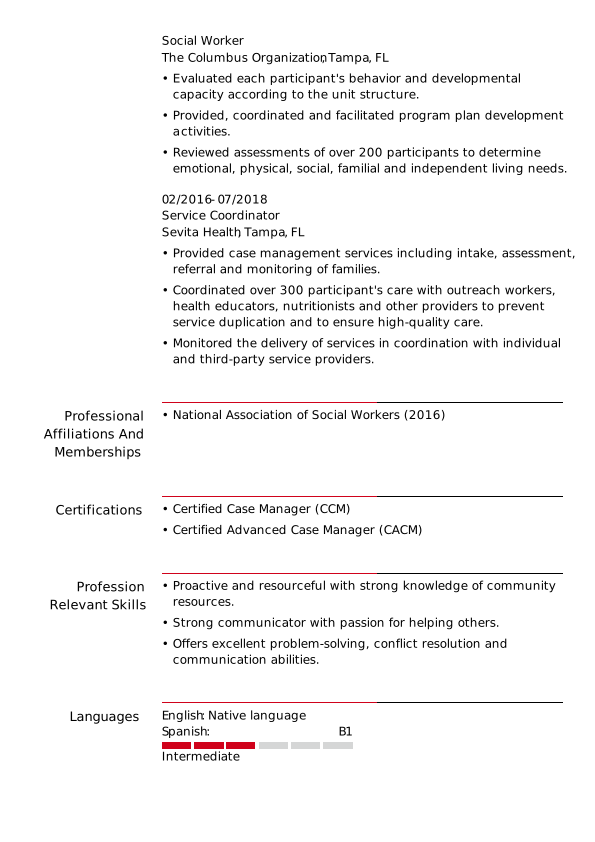
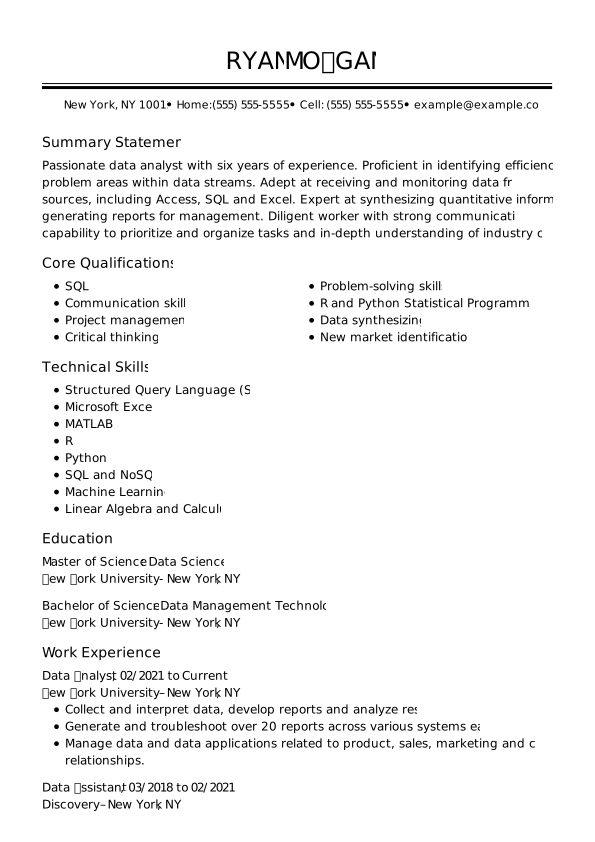
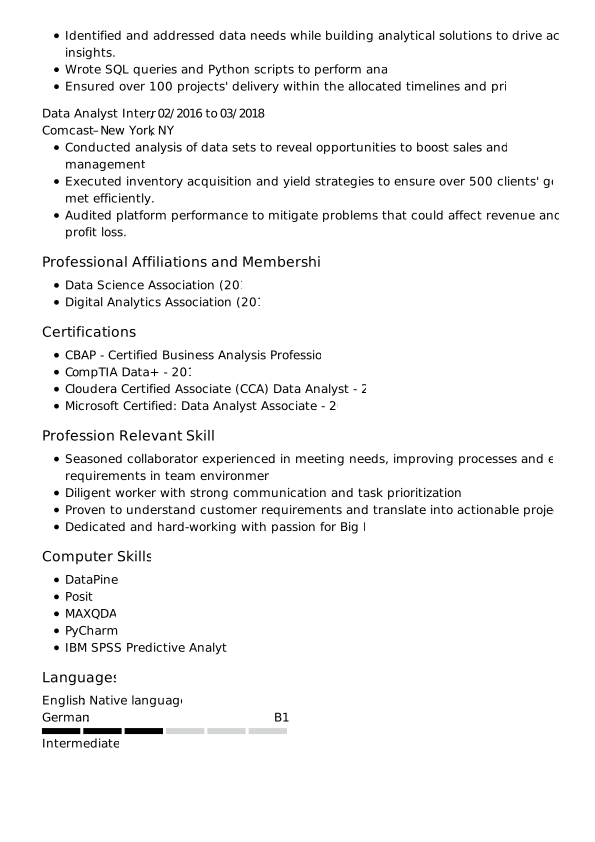
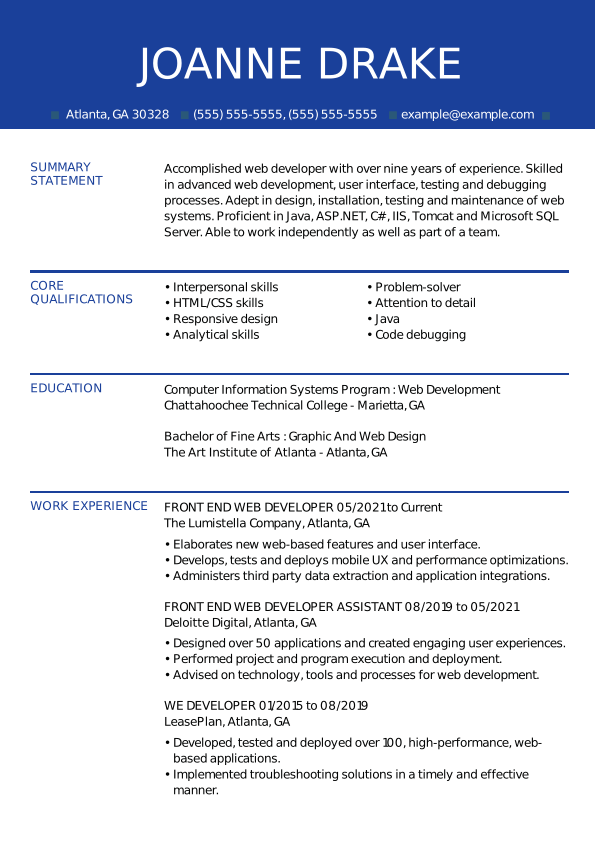
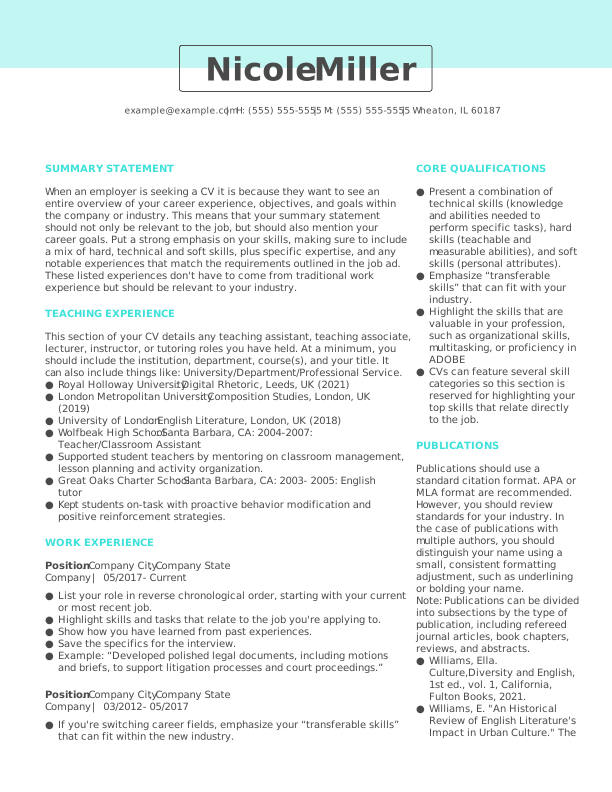
A professional CV looks clean, with an organized layout that’s easy to scan. Well-formatted CVs use consistent design elements, clear section headings, readable fonts, and enough white space to prevent the page from looking crowded. Keep the design simple and structured, and present your most relevant qualifications in a logical, easy-to-follow order.
A good CV example has a clean, professional format that clearly presents your qualifications and emphasizes experience relevant to the position. Look for consistent formatting, readable section headings, balanced white space, and a logical layout that makes key information easy to find. A good example will also match the conventions and expectations of your industry or career level.
A CV should typically include contact information, a professional summary, work experience, education, and relevant skills. Depending on your industry, career level, and the type of CV you’re creating, you may also include sections for certifications, publications, projects, awards, or professional affiliations. Include the sections that best demonstrate your qualifications for the position.
You shouldn’t put irrelevant personal information, unprofessional email addresses, salary requirements, false or exaggerated claims, or outdated information on a CV. Avoid including details that don’t support your qualifications for the role, such as unrelated hobbies or excessive personal information. You should also omit unnecessary references and information that could introduce bias or discrimination.
The ideal CV length depends on your experience, industry, and career level. For most job seekers, a two-page CV is sufficient to highlight relevant qualifications without unnecessary detail. Academic and research CVs can be longer because they may include publications, research, teaching experience, presentations, and other extensive accomplishments. Focus on relevance rather than length, and include only information that strengthens your application.
Whether employers prefer a CV or resume depends on the country, industry, and type of position. In the U.S., resumes are generally used for most nonacademic jobs, while CVs are more common for academic, research, medical, and other specialized positions. In some countries, “CV” and “resume” are used interchangeably. Check the job posting and local conventions to decide whether to use a CV or a resume.
To write a CV for your first job, focus on your education, relevant skills, projects, coursework, volunteer work, internships, and other experiences that demonstrate your potential. Tailor your CV to the job description, highlight transferable skills, and use clear, concise language to show employers what you can contribute, even if you have limited professional experience.
Red flags on a CV include poor formatting, spelling or grammar errors, unexplained employment gaps, irrelevant information, and exaggerated or inconsistent claims. A cluttered layout, excessive length, missing contact information, or a generic CV that does not match the job can also hurt your chances. Review your CV carefully to ensure it’s accurate, professional, easy to scan, and tailored to the position.
Pick a template and create a polished CV fast!


![How to Address a Cover Letter for 2025 [With Examples]](/lcapp/uploads/2026/07/woman-working-on-laptop-cover-letter.jpg)




Featured in:*