

Technical competencies like psychological assessment, treatment planning, and familiarity with therapeutic techniques and interventions are examples of hard skills.
Psychology Resume Examples & Templates
Looking to make an impact in the field of psychology? Our psychology resume examples showcase essential skills like communication and empathy, ensuring you stand out to potential employers.

by Gabriela Hernandez, Last Updated: January 18, 2026
Hired By:*

- Popular Psychology Resume Examples
- Resume Template—Easy to Copy & Paste
- Build Your Resume in Minutes
- How to Write a Psychology Resume Summary
- Showcasing Your Work Experience
- Top Skills to Include on Your Resume
- Resume Format Examples
- Psychology Salaries in the Highest-Paid States
- Related Psychology Resume Examples
- Frequently Asked Questions
- Should I include a cover letter with my psychology resume?
- Can I use a resume if I’m applying internationally, or do I need a CV?
- What soft skills are important for psychologys?
- I’m transitioning from another field. How should I highlight my experience?
- How should I format a cover letter for a psychology job?
- Should I use a cover letter template?
Popular Psychology Resume Examples
Check out our top psychology resume examples that showcase important skills such as critical thinking, empathy, and research capabilities. These examples will help you highlight your unique qualifications in a way that resonates with potential employers.
Ready to build an impressive resume? Our Resume Builder offers user-friendly templates designed specifically for psychology professionals, making your application process smoother and more effective.
Recommended
 Customize This Resume
Clinical psychologist resume
What this resume does well:
The resume showcases a structured layout and professional font choices that improve readability, making key information easily accessible. These design elements not only reflect the job seeker's attention to detail but also effectively highlight their qualifications. By using resume fonts, job seekers can make a positive impression on potential employers.
Counseling psychologist resume
What this resume does well:
This resume effectively integrates key skills such as clinical assessments and treatment plan development with extensive work experience. By illustrating these abilities alongside practical applications in various roles, employers can better understand the job seeker's expertise and effectiveness in addressing client needs.
Behavioral psychologist resume
What this resume does well:
This resume effectively uses bullet points to neatly present the job seeker's extensive experience, making it easy for hiring managers to quickly identify key achievements. The clear layout and strategic spacing improve readability, allowing effective results and skills to shine without cluttering the page.
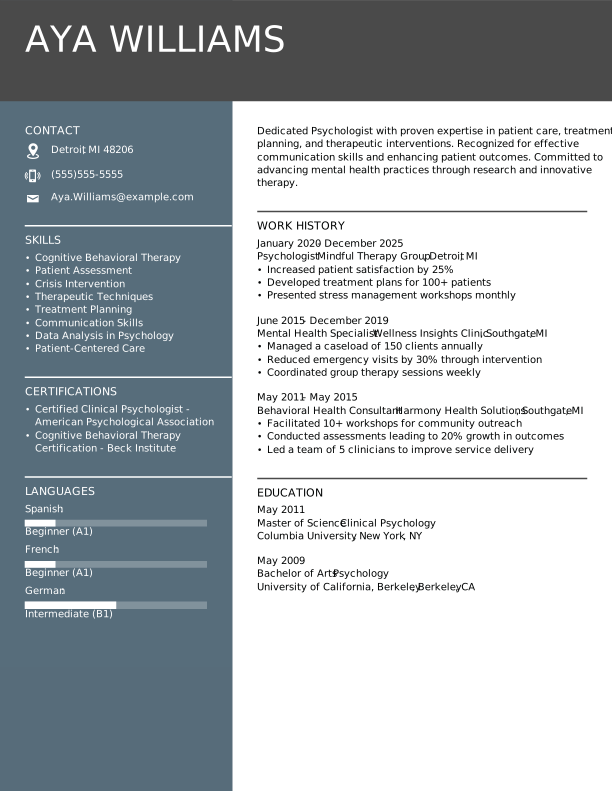
Resume Template—Easy to Copy & Paste
Example
Aya Williams
Detroit, MI 48206
(555)555-5555
Aya.Williams@example.com
Skills
- Cognitive Behavioral Therapy
- Patient Assessment
- Crisis Intervention
- Therapeutic Techniques
- Treatment Planning
- Communication Skills
- Data Analysis in Psychology
- Patient-Centered Care
Certifications
- Certified Clinical Psychologist - American Psychological Association
- Cognitive Behavioral Therapy Certification - Beck Institute
Languages
- Spanish - Beginner (A1)
- French - Beginner (A1)
- German - Intermediate (B1)
Professional Summary
Dedicated Psychologist with proven expertise in patient care, treatment planning, and therapeutic interventions. Recognized for effective communication skills and enhancing patient outcomes. Committed to advancing mental health practices through research and innovative therapy.
Work History
Psychologist
Mindful Therapy Group - Detroit, MI
January 2020 - December 2025
- Increased patient satisfaction by 25%
- Developed treatment plans for 100+ patients
- Presented stress management workshops monthly
Mental Health Specialist
Wellness Insights Clinic - Southgate, MI
June 2015 - December 2019
- Managed a caseload of 150 clients annually
- Reduced emergency visits by 30% through intervention
- Coordinated group therapy sessions weekly
Behavioral Health Consultant
Harmony Health Solutions - Southgate, MI
May 2011 - May 2015
- Facilitated 10+ workshops for community outreach
- Conducted assessments leading to 20% growth in outcomes
- Led a team of 5 clinicians to improve service delivery
Education
Master of Science Clinical Psychology
Columbia University New York, NY
May 2011
Bachelor of Arts Psychology
University of California, Berkeley Berkeley, CA
May 2009
Build Your Resume in Minutes
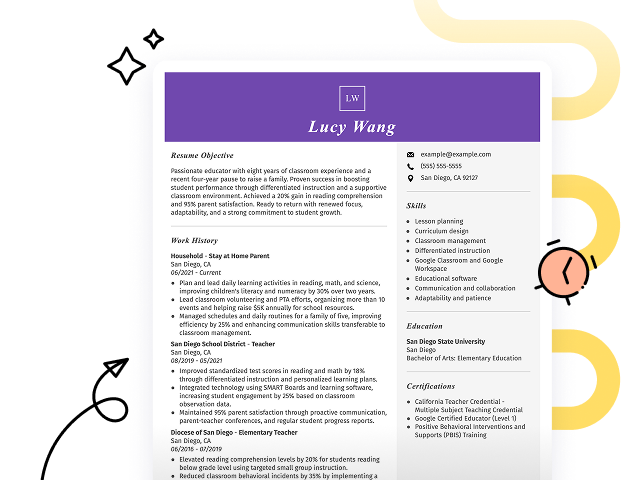
Creating a custom resume is easier than ever with our Resume Builder!
How to Write a Psychology Resume Summary
Your resume summary is the first thing employers will see, making it important to create an powerful impression that highlights your qualifications. As a psychology professional, you should emphasize your understanding of human behavior, analytical skills, and experience in various psychological practices.
This section should showcase your relevant expertise and achievements to capture the attention of hiring managers effectively. Highlighting your ability to apply psychological principles in real-world settings can set you apart from other job seekers.
To illustrate what works well in this key section, consider these psychology resume summary examples:
Weak Example
I am a dedicated psychologist with many years of experience helping clients. I want to find a position where I can apply my skills and make a positive impact. A supportive environment that allows for professional development is what I seek. I believe my background will be beneficial if you give me a chance.
Why this summary misses the mark:
- Lacks specific details about the job seeker’s expertise and achievements, making it feel generic
- Overuses personal pronouns and vague language, which detracts from professionalism
- Emphasizes the job seeker's desires without highlighting how they can contribute to the organization
Strong Example
Compassionate psychologist with 7+ years of experience in clinical settings, focusing on cognitive behavioral therapy and trauma-informed care. Increased patient engagement by 30% through the implementation of personalized treatment plans and regular progress assessments. Proficient in psychological assessment tools, crisis intervention strategies, and collaborating with multidisciplinary teams to improve mental health outcomes.
Why this summary works:
- Begins with a clear statement of experience level and specific areas of expertise
- Highlights quantifiable achievements that illustrate a positive impact on patient care
- Mentions relevant technical skills and competencies that are essential for psychology roles

Pro Tip
If you're new to the job market and lack formal experience, consider using a career objective on your resume. This can effectively showcase your enthusiasm and goals. Look for tailored resume objective examples specific to psychology to guide you in crafting yours.
Showcasing Your Work Experience
The work experience section is a keystone of your psychology resume, where most of your content will concentrate. Good resume templates ensure this section is prominently featured.
Organize this section in reverse-chronological order, detailing past roles with bullet points that highlight your achievements and contributions as a psychologist.
To guide you further, we’ll present examples demonstrating effective and ineffective work history entries. These will show what captures attention and what falls flat.
Weak Example
Psychologist
Sunnydale Mental Health Clinic – Sunnydale, CA
- Provided support to clients.
- Conducted assessments and wrote reports.
- Collaborated with other mental health professionals.
- Facilitated group therapy sessions.
Why this work experience section misses the mark:
- Lacks specific details about client outcomes or improvements
- Bullet points are vague and do not highlight unique skills or contributions
- Emphasizes routine tasks instead of powerful achievements
Strong Example
Clinical Psychologist
Caring Minds Therapy Center – Los Angeles, CA
March 2020 - Current
- Conduct comprehensive psychological assessments for diverse client populations, leading to tailored treatment plans that improve mental health outcomes by 30%.
- Facilitate individual and group therapy sessions, fostering a supportive environment that improves clients" coping strategies and emotional resilience.
- Supervise and mentor interns in clinical practice, ensuring adherence to ethical standards and effective therapeutic techniques.
Why this work experience section works:
- Starts each bullet with dynamic action verbs that clearly convey the psychologist’s contributions
- Incorporates specific metrics indicating improvements in client outcomes
- Demonstrates relevant skills such as assessment, therapy facilitation, and mentorship in the mental health field
While your resume summary and work experience are important components, don't overlook the importance of other sections that also deserve your attention. For a thorough understanding, be sure to check out our complete guide on how to write a resume.
Top Skills to Include on Your Resume
A well-defined skills section is important for any resume, as it allows potential employers to quickly assess your qualifications. This section showcases your strengths and highlights your technical skills, emphasizing your readiness to excel in the role.
For psychology professionals, it's important to highlight both soft and technical skills. Key competencies may include familiarity with statistical software like SPSS, knowledge of therapeutic techniques, and strong communication abilities that foster effective client relationships.
Essential interpersonal abilities such as active listening, empathy, and conflict resolution are considered soft skills, fostering trust and collaboration between psychologists and their clients to improve overall patient care.
Choosing the resume skills that best match your qualifications is important, as employers have specific expectations for job seekers. Many organizations rely on automated systems to screen resumes, filtering out job seekers who don't possess the essential skills required for the position.
To showcase your strengths effectively, it's beneficial to frequently review job postings in your field. This approach helps you pinpoint which skills are most sought after by recruiters and ensures that your resume successfully navigates ATS filters.
Pro Tip
Ensure your resume shines and passes through applicant tracking systems by using our ATS Resume Checker to spot over 30 common errors that could hold you back. Taking this step is essential for landing your dream job!
10 skills that appear on successful psychology resumes
Make your resume stand out to recruiters by showcasing key skills that are highly valued in psychology positions. Our resume examples highlight these and other essential qualifications, helping you apply with the confidence a polished resume brings.
Consider including these 10 skills in your resume if they align with your experience and job requirements:
Empathy
Active listening
Critical thinking
Communication
Research competence
Ethical integrity
Patience
Problem-solving
Cultural sensitivity
Data analysis skill
Based on analysis of 5,000+ psychology professional resumes from 2023-2024
Resume Format Examples
Choosing the appropriate resume format is important as it effectively highlights your relevant skills, experience, and career growth, helping you stand out in the competitive field of psychology.
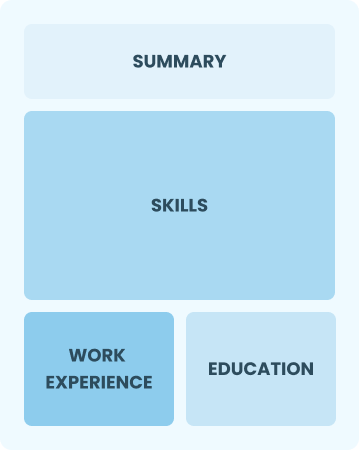
Entry-Level 0 - 2 years
Functional
Focuses on skills rather than previous jobs
Best for:
Recent graduates and career changers with up to two years of experience
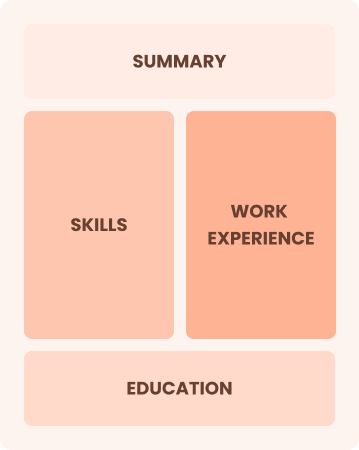
Mid-Career 3 - 7 years
Combination
Balances skills and work history equally
Best for:
Mid-career professionals eager to demonstrate their skills and pursue new opportunities
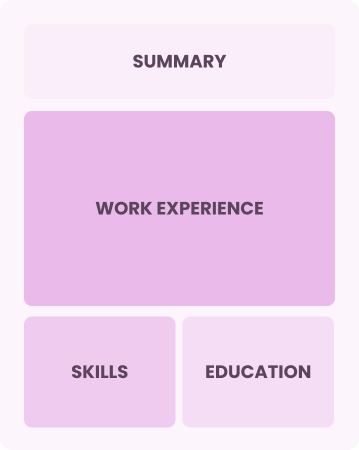
Experienced 8+ years
Chronological
Emphasizes work history in reverse order
Best for:
Experienced leaders specializing in clinical psychology and research
Psychology Salaries in the Highest-Paid States
Our psychology salary data is based on figures from the U.S. Bureau of Labor Statistics (BLS), the authoritative source for employment trends and wage information nationwide.
Whether you're entering the workforce or considering a move to a new city or state, this data can help you gauge what fair compensation looks like for psychologys in your desired area.
$0$65K$130K
Frequently Asked Questions
Should I include a cover letter with my psychology resume?
Absolutely, including a cover letter can significantly improve your application. It allows you to showcase your personality and enthusiasm for the position while detailing how your skills align with the job. If you need assistance crafting one, consider exploring our comprehensive guide on how to write a cover letter or try using our Cover Letter Generator to create a tailored letter quickly.
Can I use a resume if I’m applying internationally, or do I need a CV?
When applying for jobs outside the U.S., use a CV instead of a resume, as many countries require it for academic or detailed professional roles. To assist with formatting and writing your CV, explore our comprehensive resources on how to write a CV and review various CV examples tailored for international standards.
What soft skills are important for psychologys?
Soft skills such as active listening, empathy, and effective communication are essential in psychology. These interpersonal skills allow psychologists to build trust with clients, fostering a safe environment for open dialogue and facilitating better therapeutic outcomes.
I’m transitioning from another field. How should I highlight my experience?
Highlight transferable skills like communication, analytical thinking, and empathy gained from your previous roles. These competencies demonstrate your ability to adapt and succeed in psychology positions, even if your experience in the field is limited. Provide concrete examples of how you've applied these skills in various situations to showcase your potential for success in mental health settings.
How should I format a cover letter for a psychology job?
To format a cover letter, start by including your details followed by a professional greeting. Ensure your opening is engaging and relevant to psychology. Clearly include your qualifications, making sure each section aligns with the specific job requirements. Conclude with a strong call to action, encouraging the hiring manager to reach out for further discussion.
Should I use a cover letter template?
Using a cover letter template designed for psychology professionals can improve the structure and organization of your letter. This approach allows you to effectively highlight critical skills such as client assessment, therapeutic techniques, and research experience that attract hiring managers.




Ready to land the job?
Join 28M+ others who've built a resume that works.