Hard skills are technical abilities such as psychological assessment, criminal profiling, and knowledge of legal standards that a forensic psychologist must master.
Forensic Psychologist Resume Examples & Templates
Looking to stand out in your job search? Our forensic psychologist resume examples will help you showcase your analytical skills and understanding of human behavior to catch employers' attention.

by Gabriela Hernandez, Last Updated: January 18, 2026
Hired By:*

- Popular Forensic Psychologist Resume Examples
- Resume Template—Easy to Copy & Paste
- Build Your Resume in Minutes
- How to Write a Forensic Psychologist Resume Summary
- Showcasing Your Work Experience
- Top Skills to Include on Your Resume
- Resume Format Examples
- Related Psychology Resume Examples
- Frequently Asked Questions
- Should I include a cover letter with my forensic psychologist resume?
- Can I use a resume if I’m applying internationally, or do I need a CV?
- What soft skills are important for forensic psychologists?
- I’m transitioning from another field. How should I highlight my experience?
- Should I use a cover letter template?
- Should I include a personal mission statement on my forensic psychologist resume?
Popular Forensic Psychologist Resume Examples
Discover our top forensic psychologist resume examples that showcase critical skills like psychological assessment, expert testimony, and report writing. These examples will help you effectively present your qualifications to potential employers.
Ready to build your unique resume? Our Resume Builder offers user-friendly templates specifically designed for mental health professionals, making it simple to create a standout application.
Recommended
 Customize This Resume
Entry-level forensic psychologist resume
What this resume does well:
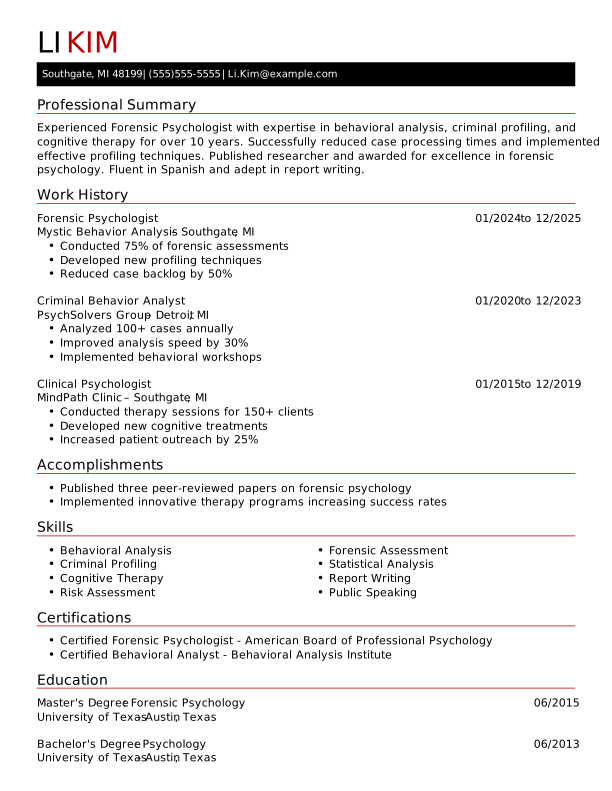
This entry-level resume for a forensic psychologist effectively highlights the applicant's analytical skills and relevant experience gained through roles in behavioral analysis and psychological assessment. New professionals in this field must showcase their competencies in criminal profiling, investigative techniques, and relevant certifications to attract employers despite limited direct work history.
Mid-career forensic psychologist resume
What this resume does well:
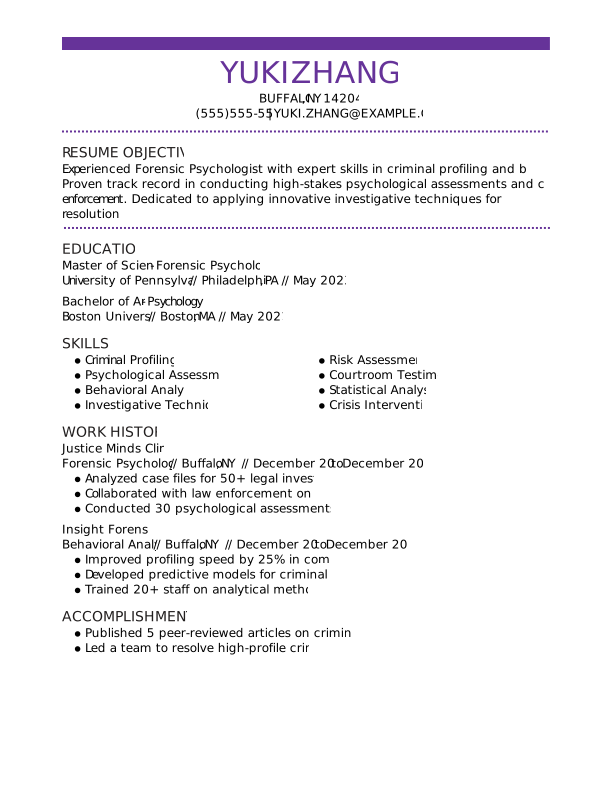
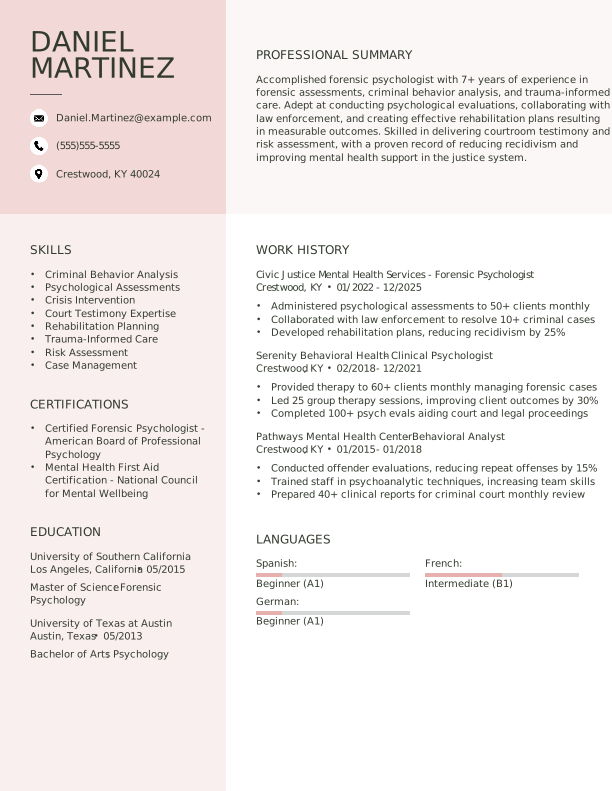
This resume effectively showcases the job seeker's extensive qualifications through quantifiable achievements and diverse experiences. By presenting a clear progression from roles in analysis to expert testimony, it positions them as ready for leadership and complex forensic challenges.
Experienced forensic psychologist resume
What this resume does well:
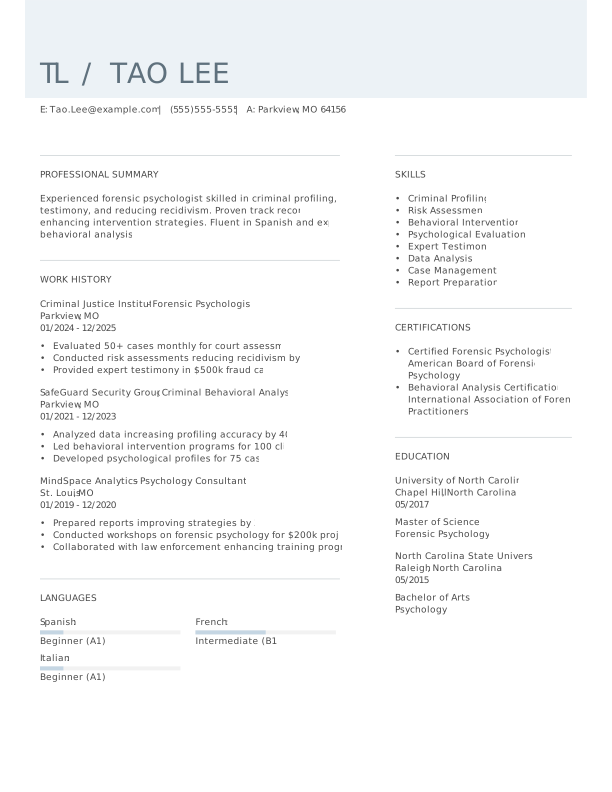
This work experience section demonstrates the applicant's extensive experience in forensic psychology, highlighting their significant impact on case management by reducing backlog by 50% and conducting 75% of assessments. The clear bullet-point format improves readability, making it ideal for hiring managers seeking specific accomplishments at a glance.
Resume Template—Easy to Copy & Paste
Example
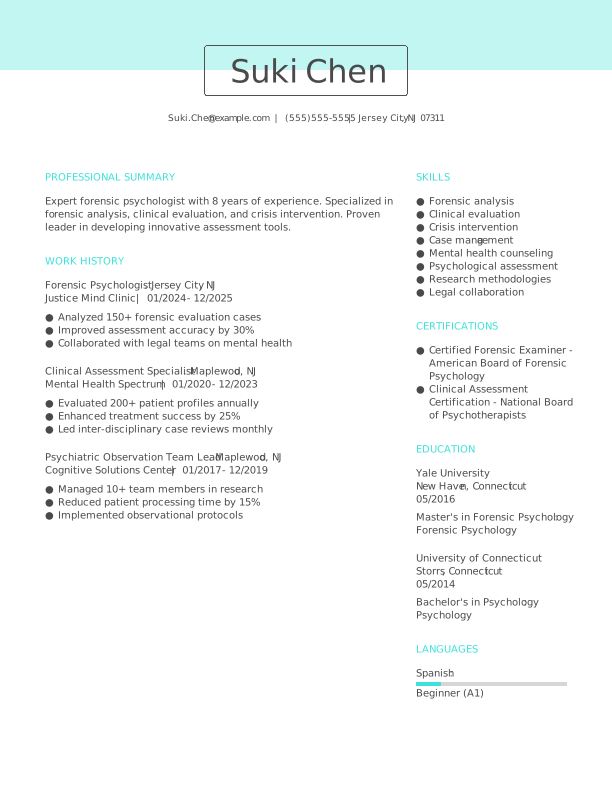
Suki Chen
Jersey City, NJ 07311
(555)555-5555
Suki.Chen@example.com
Professional Summary
Expert forensic psychologist with 8 years of experience. Specialized in forensic analysis, clinical evaluation, and crisis intervention. Proven leader in developing innovative assessment tools.
Work History
Forensic Psychologist
Justice Mind Clinic - Jersey City, NJ
January 2024 - December 2025
- Analyzed 150+ forensic evaluation cases
- Improved assessment accuracy by 30%
- Collaborated with legal teams on mental health
Clinical Assessment Specialist
Mental Health Spectrum - Maplewood, NJ
January 2020 - December 2023
- Evaluated 200+ patient profiles annually
- Enhanced treatment success by 25%
- Led inter-disciplinary case reviews monthly
Psychiatric Observation Team Lead
Cognitive Solutions Center - Maplewood, NJ
January 2017 - December 2019
- Managed 10+ team members in research
- Reduced patient processing time by 15%
- Implemented observational protocols
Skills
- Forensic analysis
- Clinical evaluation
- Crisis intervention
- Case management
- Mental health counseling
- Psychological assessment
- Research methodologies
- Legal collaboration
Certifications
- Certified Forensic Examiner - American Board of Forensic Psychology
- Clinical Assessment Certification - National Board of Psychotherapists
Education
Master's in Forensic Psychology Forensic Psychology
Yale University New Haven, Connecticut
May 2016
Bachelor's in Psychology Psychology
University of Connecticut Storrs, Connecticut
May 2014
Languages
- Spanish - Beginner (A1)
- French - Intermediate (B1)
- German - Intermediate (B1)
Build Your Resume in Minutes
Creating a custom resume is easier than ever with our Resume Builder!
How to Write a Forensic Psychologist Resume Summary
Your resume summary is important because it's the first thing employers see. It sets the stage for your qualifications, making a strong initial impression.
As a forensic psychologist, highlight your analytical skills, experience with legal systems, and ability to assess complex psychological profiles. These are key aspects that potential employers find invaluable.
To better understand what makes an effective resume summary, let's look at examples that illustrate successful elements and common pitfalls:
Weak Example
I am a dedicated forensic psychologist with extensive experience and a strong background in criminal behavior analysis. I seek a position where I can apply my skills and contribute to the success of your team. A role that offers opportunities for career advancement and a supportive work environment is what I’m looking for.
Why this summary misses the mark:
- Lacks specific details about the applicant’s qualifications and achievements, making it sound generic
- Overuses personal language and fails to emphasize how they can benefit the employer
- Centers on personal aspirations rather than showcasing unique contributions or value to potential employers
Strong Example
Experienced forensic psychologist with over 7 years in criminal justice and mental health evaluation, specializing in risk assessment and offender profiling. Successfully contributed to a 30% reduction in repeat offenses through targeted rehabilitation programs. Proficient in psychological testing, report writing, and courtroom testimony, ensuring accurate assessments for legal proceedings.
Why this summary works:
- Begins with specific years of experience and clear areas of specialization
- Highlights measurable achievement that illustrates positive impact on criminal behavior
- Mentions relevant technical skills that are important for forensic psychology roles

Pro Tip
If formal experience isn’t on your side, consider using a career objective to highlight your goals and skills. There are numerous resume objective examples available specifically for forensic psychologists that can guide you in crafting your own compelling statement.
Showcasing Your Work Experience
The work experience section is an important part of your resume as a forensic psychologist, where the bulk of your content will reside. Good resume templates always emphasize this section to showcase your relevant professional history.
This area should be organized in reverse-chronological order, helping you highlight your previous roles effectively. Use bullet points to call attention to key achievements and contributions in each position you've held.
To assist you further, we’ve included examples that demonstrate what works well and what doesn’t within this section. These examples will make it easier to present your experiences in a clear and effective way.
Weak Example
Forensic Psychologist
State Mental Health Facility – Anytown, USA
- Assessed clients' mental health.
- Wrote evaluations and reports.
- Worked with law enforcement agencies.
- Provided therapy and counseling to patients.
Why this work experience section misses the mark:
- Lacks specific details about the roles and responsibilities
- Bullet points do not highlight unique skills or accomplishments
- Focuses on routine tasks rather than effective contributions or results
Strong Example
Forensic Psychologist
State Correctional Facility – Springfield, IL
March 2020 - Current
- Conduct comprehensive psychological evaluations for inmates, identifying mental health issues and risk factors to inform treatment plans.
- Collaborate with legal teams to provide expert testimony in court cases, improving case outcomes through clear and concise communication of psychological findings.
- Develop rehabilitation programs that have improved inmate mental health scores by 30% over two years.
Why this work experience section works:
- Starts each bullet with dynamic action verbs that highlight the psychologist's contributions
- Incorporates specific metrics to illustrate the impact of the psychologist's work on inmate rehabilitation
- Showcases essential skills such as assessment, collaboration, and program development relevant to forensic psychology
While your resume summary and work experience are critical components, don’t overlook the importance of other sections that also deserve attention. For more detailed guidance on crafting a standout resume, be sure to check out our comprehensive guide on how to write a resume.
Top Skills to Include on Your Resume
A skills section is important for showcasing your qualifications at a glance. It allows potential employers to quickly identify if you have the expertise they are looking for in a forensic psychologist.
Strengthen your resume with a balanced mix of hard and soft skills.
Soft skills like critical thinking, empathy, and strong communication are essential for understanding complex behaviors and collaborating effectively with legal professionals and clients.
When selecting skills for your resume, it's important to align them with what employers expect. Many organizations employ automated systems that filter out job seekers lacking essential resume skills, making this alignment critical for getting noticed.
To effectively prioritize your skills, carefully review job postings related to your target role. These listings often highlight specific abilities that recruiters and ATS systems are looking for, ensuring you present yourself as a strong applicant.
Pro Tip
Optimize your resume to get noticed by employers. Use our ATS Resume Checker, which highlights over 30 common mistakes, ensuring your document successfully navigates applicant tracking systems.
10 skills that appear on successful forensic psychologist resumes
Improve your resume by highlighting essential skills that are in high demand for forensic psychologists. Our resume examples illustrate how these skills can be effectively showcased, empowering you to approach job applications with confidence.
By the way, consider incorporating these relevant skills into your resume if they align with your expertise and job specifications:
Analytical thinking
Interpersonal communication
Research skill
Attention to detail
Report writing
Understanding of legal standards
Crisis intervention techniques
Empathy and compassion
Data analysis
Psychological assessment
Based on analysis of 5,000+ psychology professional resumes from 2023-2024
Resume Format Examples
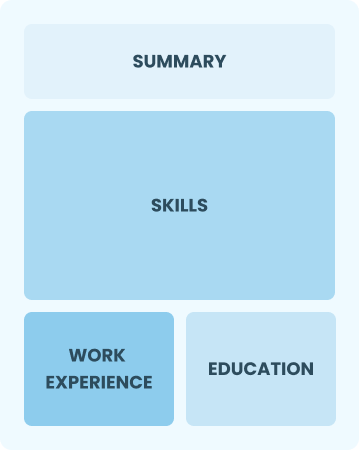
Selecting the appropriate resume format is important for a forensic psychologist, as it showcases key skills and experiences that reflect your unique qualifications and professional journey.
Entry-Level 0 - 2 years
Functional
Focuses on skills rather than previous jobs
Best for:
Recent graduates and career changers with up to two years of experience
Mid-Career 3 - 7 years
Combination
Balances skills and work history equally
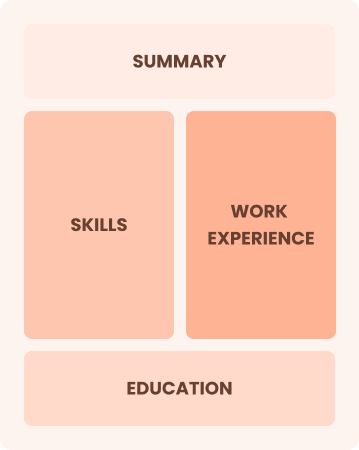
Best for:
Mid-career professionals eager to demonstrate their skills and pursue new opportunities
Experienced 8+ years
Chronological
Emphasizes work history in reverse order
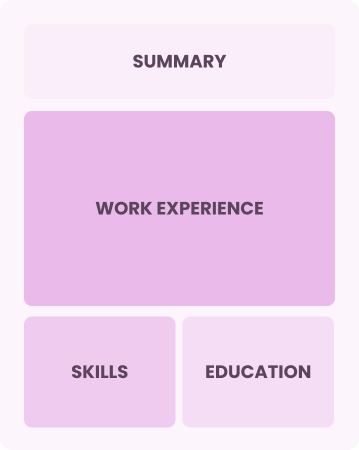
Best for:
Senior nurses excelling in leadership or specialized care roles
Frequently Asked Questions
Should I include a cover letter with my forensic psychologist resume?
Absolutely. Including a cover letter can significantly improve your application by showcasing your unique qualifications and enthusiasm for the position. It allows you to make a personal connection with potential employers. If you're looking for tips on how to write a cover letter, explore our resources or use our Cover Letter Generator for quick assistance.
Can I use a resume if I’m applying internationally, or do I need a CV?
When applying for jobs outside the U.S., use a CV instead of a resume. A CV provides a comprehensive overview of your academic and professional history, which is often required in many countries. Explore our resources on how to write a CV for detailed guidance on formatting and creation to improve your application. Additionally, you can review various CV examples to gain further insights into crafting an effective document.
What soft skills are important for forensic psychologists?
Soft skills like empathy, active listening, and effective communication are essential for forensic psychologists. These interpersonal skills build trust with clients and facilitate collaboration with legal professionals, ultimately improving the accuracy of assessments and interventions within the justice system.
I’m transitioning from another field. How should I highlight my experience?
Highlight skills such as communication, analytical thinking, and empathy from your previous roles. These transferable skills demonstrate your potential value in forensic psychology, even if you lack direct experience. Be sure to provide concrete examples that connect your past successes to the responsibilities of a forensic psychologist, showing how you can contribute effectively to the field.
Should I use a cover letter template?
Yes, using a cover letter template tailored for forensic psychologists can improve your application by providing a structured format that organizes your qualifications. It effectively showcases your relevant skills, such as expertise in psychological assessment and experience with criminal cases, to hiring managers.
Should I include a personal mission statement on my forensic psychologist resume?
Yes, including a personal mission statement in your resume can effectively highlight your commitment to justice and psychological well-being. It's especially powerful when applying to roles within agencies that prioritize ethical standards and community-focused missions.




Ready to land the job?
Join 28M+ others who've built a resume that works.