Skills important for running a successful restaurant include hard skills such as financial management, inventory control, and food safety regulations.
Restaurant Owner Resume Examples & Templates
Looking to showcase your culinary passion? Our restaurant owner resume examples will help you highlight management experience and customer service skills that catch employers' attention.

by Gabriela Hernandez, Last Updated: January 18, 2026
Hired By:*

- Popular Restaurant Owner Resume Examples
- Resume Template—Easy to Copy & Paste
- Build Your Resume in Minutes
- How to Write a Restaurant Owner Resume Summary
- Showcasing Your Work Experience
- Top Skills to Include on Your Resume
- Resume Format Examples
- Related Food Service Resume Examples
- Frequently Asked Questions
- Should I include a cover letter with my restaurant owner resume?
- Can I use a resume if I’m applying internationally, or do I need a CV?
- What soft skills are important for restaurant owners?
- I’m transitioning from another field. How should I highlight my experience?
- How do I write a resume with no experience?
- Should I include a personal mission statement on my restaurant owner resume?
Popular Restaurant Owner Resume Examples
Check out our top restaurant owner resume examples that emphasize key skills such as leadership, financial management, and customer service excellence. These examples will guide you in effectively showcasing your accomplishments to potential investors or customers.
Ready to build your standout resume? Our Resume Builder offers user-friendly templates designed specifically for restaurant professionals, helping you make a great impression.
Recommended
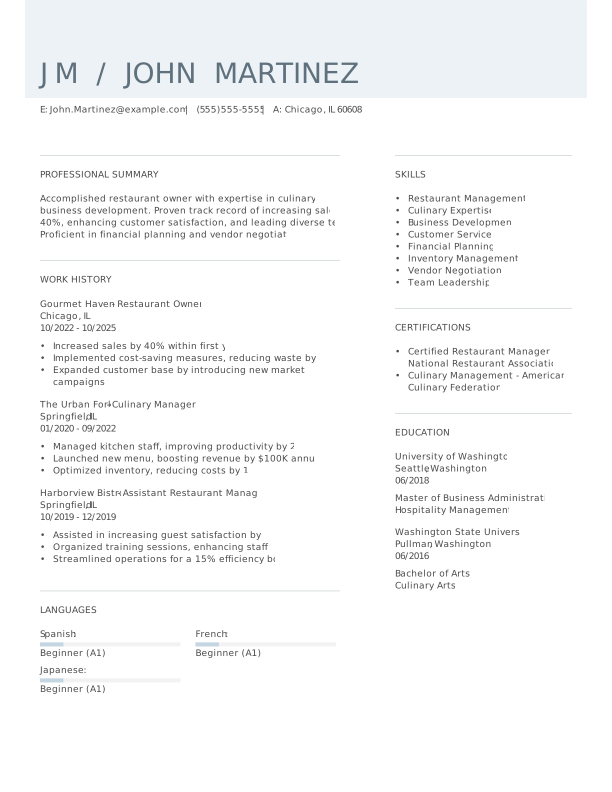
 Customize This Resume
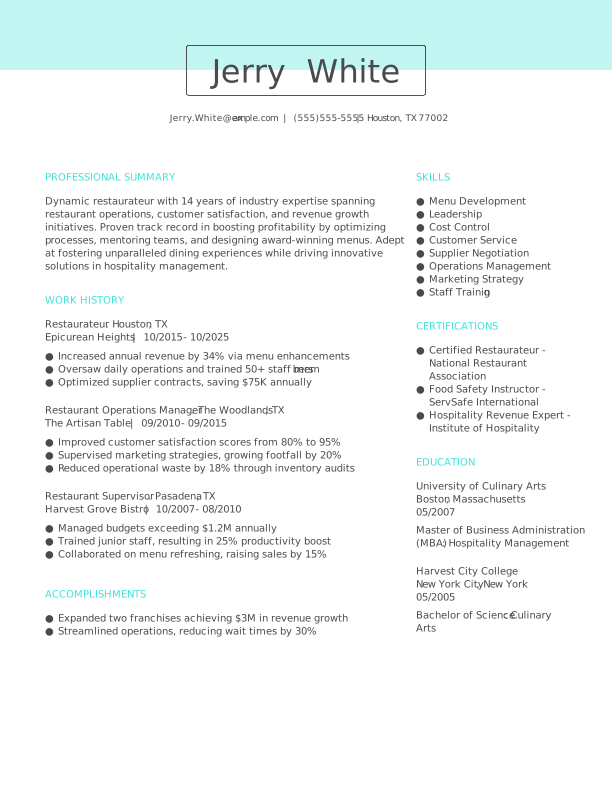
Restaurant owner resume
What this resume does well:
The resume employs a modern layout and professional resume fonts that improve readability and engagement. These design choices allow the early-career restaurant owner to effectively showcase their achievements and skills, making a compelling case to potential employers.
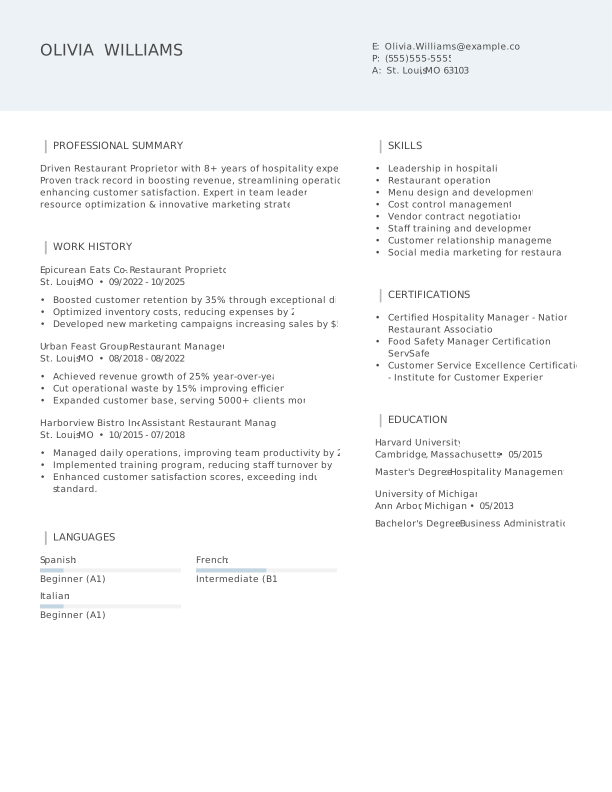
Restaurant proprietor resume
What this resume does well:
This resume effectively balances key skills such as leadership in hospitality and cost control management with extensive work experience. By showcasing these abilities alongside detailed job history, employers can clearly see how the applicant has successfully implemented their expertise to drive business growth and improve customer experiences.
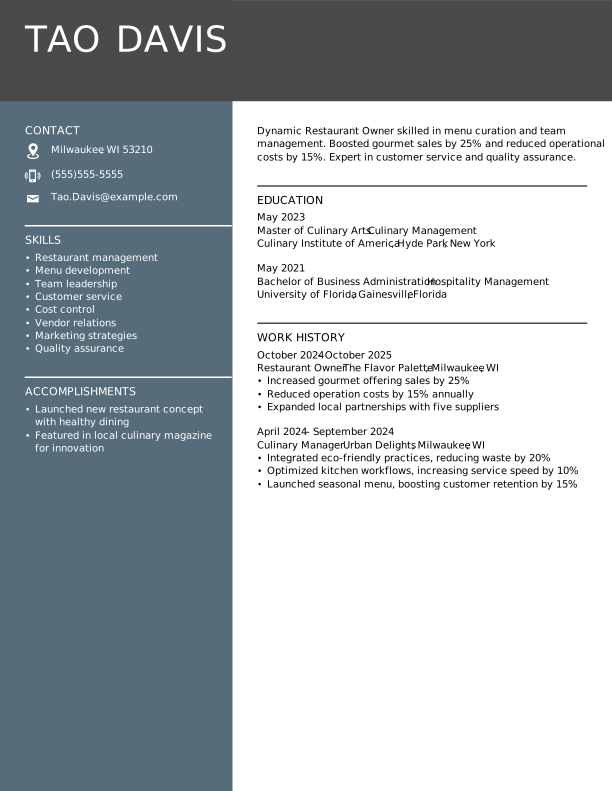
Restaurateur resume
What this resume does well:
This resume skillfully uses bullet points to clearly outline achievements and responsibilities, making it simple for hiring managers to grasp the applicant's extensive experience. The effective use of spacing between sections further improves readability, ensuring that key qualifications stand out without cluttering the page.
Resume Template—Easy to Copy & Paste
Example
John Martinez
Chicago, IL 60608
(555)555-5555
John.Martinez@example.com
Professional Summary
Accomplished restaurant owner with expertise in culinary and business development. Proven track record of increasing sales by 40%, enhancing customer satisfaction, and leading diverse teams. Proficient in financial planning and vendor negotiation.
Work History
Restaurant Owner
Gourmet Haven - Chicago, IL
October 2022 - October 2025
- Increased sales by 40% within first year
- Implemented cost-saving measures, reducing waste by 15%
- Expanded customer base by introducing new marketing campaigns
Culinary Manager
The Urban Fork - Springfield, IL
January 2020 - September 2022
- Managed kitchen staff, improving productivity by 25%
- Launched new menu, boosting revenue by 100K annually
- Optimized inventory, reducing costs by 10%
Assistant Restaurant Manager
Harborview Bistro - Springfield, IL
October 2019 - December 2019
- Assisted in increasing guest satisfaction by 20%
- Organized training sessions, enhancing staff skills
- Streamlined operations for a 15% efficiency boost
Languages
- Spanish - Beginner (A1)
- French - Beginner (A1)
- Japanese - Beginner (A1)
Skills
- Restaurant Management
- Culinary Expertise
- Business Development
- Customer Service
- Financial Planning
- Inventory Management
- Vendor Negotiation
- Team Leadership
Certifications
- Certified Restaurant Manager - National Restaurant Association
- Culinary Management - American Culinary Federation
Education
Master of Business Administration Hospitality Management
University of Washington Seattle, Washington
June 2018
Bachelor of Arts Culinary Arts
Washington State University Pullman, Washington
June 2016
Build Your Resume in Minutes
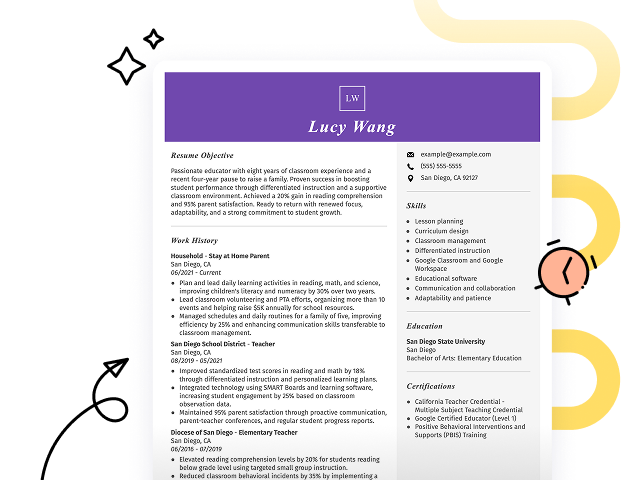
Creating a custom resume is easier than ever with our Resume Builder!
How to Write a Restaurant Owner Resume Summary
Your resume summary is the first impression hiring managers will have of you, making it important to capture their attention right away. As a restaurant owner, you'll want to highlight your leadership skills and operational expertise to showcase your ability to run a successful establishment.
This profession should emphasize your experience in managing staff, improving customer satisfaction, and driving profitability. It's essential to reflect on how you’ve created a vibrant dining atmosphere while maintaining high standards.
To illustrate what makes an effective summary, consider the following examples that will guide you through crafting your own compelling statement:
Weak Example
I am an experienced restaurant owner who has run several establishments over the years. I aim to find a new opportunity where I can use my skills and passion for dining. A place with good team dynamics and room for advancement would be perfect for me. I'm sure I can contribute positively if given the chance.
Why this summary misses the mark:
- Lacks specific achievements or unique skills relevant to restaurant ownership, making it feel generic
- Emphasizes personal desires rather than demonstrating value or impact on potential employers
- Uses weak phrases like 'I am sure' which undermine confidence in the applicant's abilities
Strong Example
Dynamic restaurant owner with 10+ years of experience in the food service industry, renowned for elevating customer satisfaction ratings by 20% through innovative menu development and exceptional service training. Achieved a 30% increase in annual revenue by implementing effective marketing strategies and optimizing operational efficiency. Proficient in inventory management, staff leadership, and financial analysis to drive profitability.
Why this summary works:
- Starts with specific years of experience and highlights expertise in the food service sector
- Includes quantifiable achievements that demonstrate clear business impact in customer satisfaction and revenue growth
- Showcases relevant technical skills necessary for successful restaurant management

Pro Tip
If formal experience isn't on your side, consider a career objective to highlight your passion and goals. There are plenty of tailored resume objective examples available for restaurant owners to help you stand out. Embrace this opportunity to showcase your unique skills!
Showcasing Your Work Experience
The work experience section is important on your resume as a restaurant owner, highlighting the bulk of your accomplishments and skills. Using resume templates can help emphasize this important area effectively.
Organize this section in reverse-chronological order, detailing your previous restaurant roles. Showcase key achievements using bullet points, such as revenue growth or successful menu innovations in each position.
Below are examples that demonstrate how to craft an effective work history for restaurant owners. These will clarify what stands out and help you avoid common pitfalls.
Weak Example
Restaurant Owner
Taste of Italy – New York, NY
- Managed daily operations.
- Oversaw staff and customer service.
- Handled inventory and supplies.
- Monitored sales and expenses.
Why this work experience section misses the mark:
- Lacks specific achievements or notable successes
- Bullet points are generic and do not highlight unique skills
- Does not provide measurable results or contributions to business growth
Strong Example
Restaurant Owner
Gourmet Eats – Austin, TX
March 2018 - Current
- Develop and execute a seasonal menu that increased customer satisfaction scores by 30% in one year.
- Implement cost-control measures resulting in a 15% reduction in food waste, significantly boosting overall profitability.
- Lead a team of 20 staff members, fostering a positive work environment that decreased employee turnover by 40%.
Why this work experience section works:
- Starts each bullet with dynamic action verbs to highlight achievements
- Incorporates specific percentages that illustrate the impact of initiatives taken
- Shows leadership and operational skills essential for a successful restaurant owner
While your resume summary and work experience are critical components, it’s essential not to overlook the other sections that contribute to a well-rounded presentation. For more insights on crafting an effective resume, feel free to explore our detailed guide on how to write a resume.
Top Skills to Include on Your Resume
A well-defined skills section is important for any effective resume. It allows potential employers to quickly assess your qualifications and determine if you meet the essential criteria for the restaurant owner role.
For this position, highlight technical skills such as inventory management systems, point-of-sale software, and kitchen equipment operation. Showcasing these competencies demonstrates your ability to efficiently run a restaurant and manage daily operations successfully.
Equally important are soft skills, which involve leadership, customer service, and teamwork abilities that foster a positive dining experience and motivate staff to work collaboratively towards common goals.
When selecting your resume skills, it's important to align them with what employers expect. Many organizations use automated systems to filter out applicants who lack the essential skills for the role.
To effectively showcase your qualifications, review job postings closely for insights into which skills are most valued. This will help you tailor your resume, ensuring it stands out to both recruiters and ATS systems alike.
Pro Tip
To ensure your resume catches the eye of hiring managers, try using our ATS Resume Checker. This tool identifies over 30 common mistakes, assisting you in navigating applicant tracking software smoothly.
10 skills that appear on successful restaurant owner resumes
Highlighting key skills on your resume can significantly increase your chances of catching a recruiter's eye. You can find examples of these sought-after skills in our resume examples, which will empower you to apply with confidence and professionalism.
Here are 10 essential skills that you should consider incorporating into your resume if they align with your experience and the job requirements:
Leadership
Customer service
Financial management
Menu development
Team building
Inventory control
Problem-solving
Marketing strategies
Food safety knowledge
Time management
Based on analysis of 5,000+ food service professional resumes from 2023-2024
Resume Format Examples
Selecting the appropriate resume format is important for a restaurant owner, as it effectively showcases essential management skills, culinary expertise, and growth within the industry.
Entry-Level 0 - 2 years
Functional
Focuses on skills rather than previous jobs

Best for:
Recent graduates and career changers with limited experience in the restaurant industry
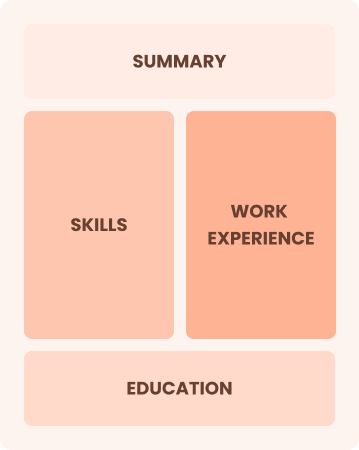
Mid-Career 3 - 7 years
Combination
Balances skills and work history equally
Best for:
Mid-career professionals eager to demonstrate their skills and growth potential
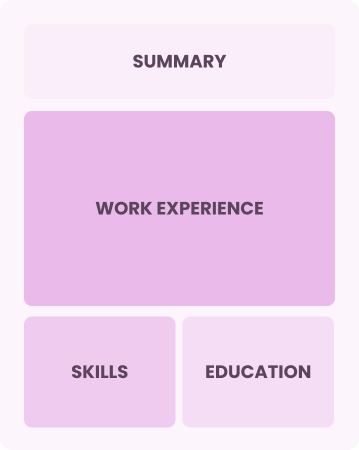
Experienced 8+ years
Chronological
Emphasizes work history in reverse order
Best for:
Seasoned entrepreneurs excelling in innovative culinary experiences
Frequently Asked Questions
Should I include a cover letter with my restaurant owner resume?
Absolutely! Including a cover letter can significantly improve your application by showcasing your passion and providing context to your qualifications. It allows you to connect with potential employers on a personal level. If you need assistance, explore our comprehensive guide on how to write a cover letter or use our Cover Letter Generator for quick results.
Can I use a resume if I’m applying internationally, or do I need a CV?
As a restaurant owner, understanding how to write a CV instead of a resume is important for international hiring. A CV offers comprehensive details about your career and is often preferred in European markets. Explore our resources, including CV examples, to create an effective application that stands out.
What soft skills are important for restaurant owners?
Soft skills such as leadership, communication, and interpersonal skills like conflict resolution are essential for restaurant owners. These abilities foster positive relationships with both staff and customers, ensuring a harmonious work environment and improving the overall dining experience.
I’m transitioning from another field. How should I highlight my experience?
When applying for restaurant owner positions, highlight your transferable skills like customer service, team leadership, and financial management. These abilities demonstrate your adaptability and readiness to lead a successful establishment, even without direct experience in the food industry. Use concrete examples from your past roles to illustrate how these strengths can improve restaurant operations.
How do I write a resume with no experience?
If you're pursuing a restaurant owner position with limited experience, highlight your passion for food, customer service skills, and any relevant projects or events you’ve organized. Emphasize your leadership qualities and ability to create a welcoming atmosphere. Employers value enthusiasm and creativity, so focus on your unique perspective by crafting a resume with no experience to make a lasting impression.
Should I include a personal mission statement on my restaurant owner resume?
Including a personal mission statement on your resume is recommended, as it effectively conveys your values and aspirations as a restaurant owner. This approach shines when applying to establishments that prioritize strong community engagement or sustainability in their operations.




Ready to land the job?
Join 28M+ others who've built a resume that works.