

Hard skills are technical abilities such as drug formulation, pharmacokinetics, and regulatory compliance that help ensure safe medication practices.
Pharmaceutical Resume Examples & Templates
Looking for a competitive edge in your job search? Our pharmaceutical resume examples will help you showcase your research expertise and patient interaction skills to get noticed by employers.

by Gabriela Hernandez, Last Updated: February 10, 2026
Hired By:*

- Popular Pharmaceutical Resume Examples
- Resume Template—Easy to Copy & Paste
- Build Your Resume in Minutes
- How to Write a Pharmaceutical Resume Summary
- Showcasing Your Work Experience
- Top Skills to Include on Your Resume
- Resume Format Examples
- Related Pharmaceutical Resume Examples
- Frequently Asked Questions
- Should I include a cover letter with my pharmaceutical resume?
- Can I use a resume if I’m applying internationally, or do I need a CV?
- What soft skills are important for pharmaceutical professionals?
- I’m transitioning from another field. How should I highlight my experience?
- How do I write a resume with no experience?
- How do I add my resume to LinkedIn?
Popular Pharmaceutical Resume Examples
Discover our top pharmaceutical resume examples that emphasize important skills like drug development, regulatory compliance, and market analysis. These examples will help you showcase your accomplishments effectively to potential employers.
Looking to build your standout resume? Our Resume Builder offers user-friendly templates specifically designed for professionals in the pharmaceutical industry, making your job application process smoother.
Recommended
 Customize This Resume
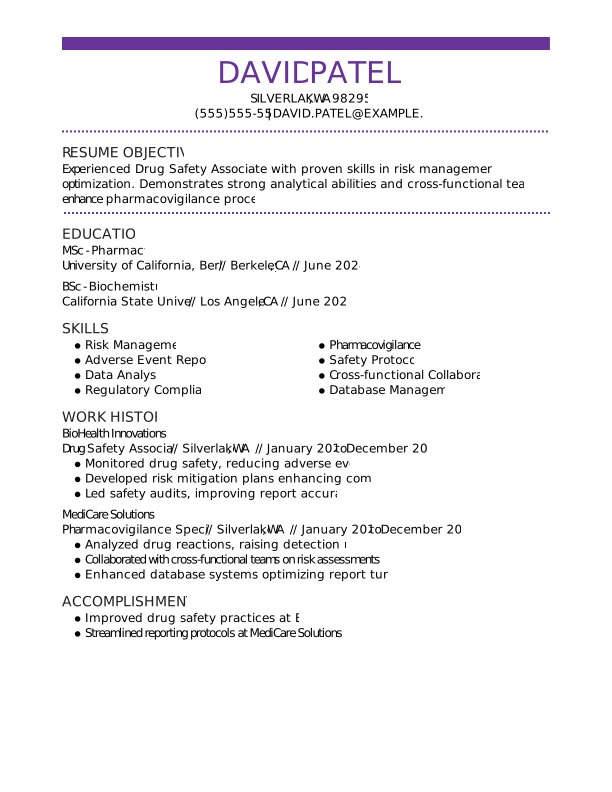
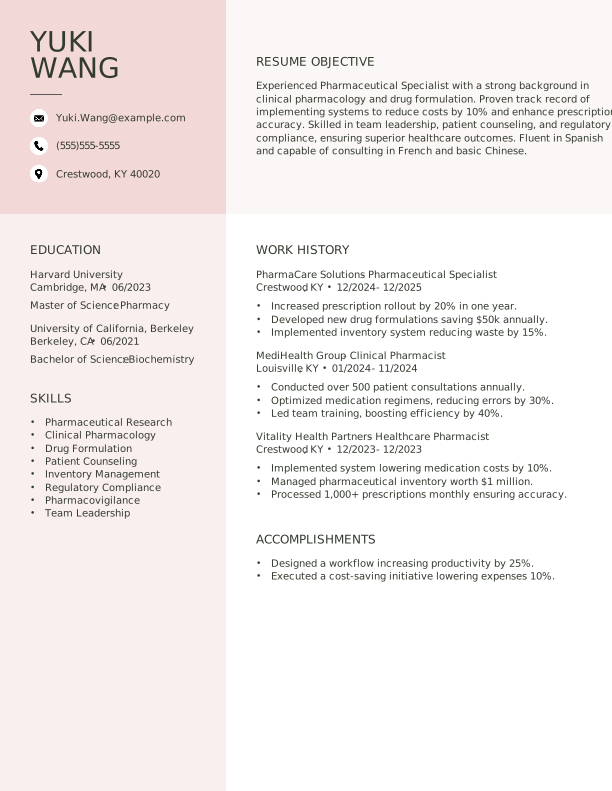
Drug safety associate resume
What this resume does well:
The resume features a clean layout and professional resume fonts that improve readability and visual appeal. These design elements enable the applicant to effectively highlight their skills and experiences, making a strong impression on hiring managers in the pharmaceutical field.
Pharmacy technician resume
What this resume does well:
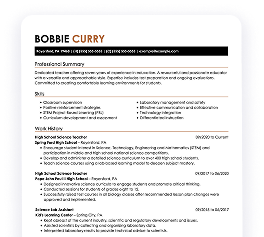
This resume skillfully integrates prescription management and inventory control with relevant work experience. This combination allows employers to appreciate the applicant's technical expertise in managing inventories and prescriptions while demonstrating their capability through past achievements in various pharmaceutical settings.
Pharmacist resume
What this resume does well:
This resume uses clear bullet points to succinctly present the job seeker's diverse experiences, allowing hiring managers to quickly pinpoint key achievements. The careful spacing between sections and consistent formatting improve readability, making it easy to navigate through qualifications and skills relevant to the pharmaceutical field.
Resume Template—Easy to Copy & Paste
Example
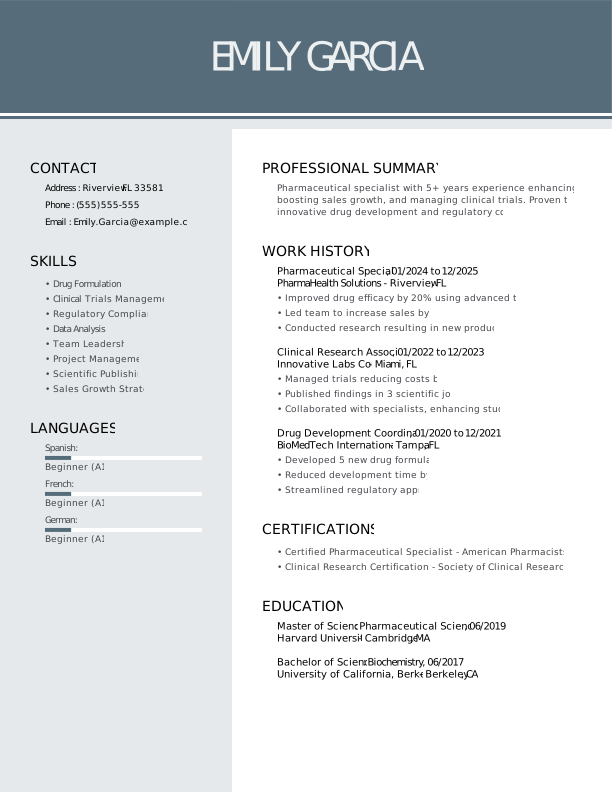
Emily Garcia
Riverview, FL 33581
(555)555-5555
Emily.Garcia@example.com
Skills
- Drug Formulation
- Clinical Trials Management
- Regulatory Compliance
- Data Analysis
- Team Leadership
- Project Management
- Scientific Publishing
- Sales Growth Strategy
Languages
- Spanish - Beginner (A1)
- French - Beginner (A1)
- German - Beginner (A1)
Professional Summary
Pharmaceutical specialist with 5+ years experience enhancing drug efficacy, boosting sales growth, and managing clinical trials. Proven track record in innovative drug development and regulatory compliance.
Work History
Pharmaceutical Specialist
PharmaHealth Solutions - Riverview, FL
January 2024 - December 2025
- Improved drug efficacy by 20% using advanced techniques
- Led team to increase sales by 0K
- Conducted research resulting in new product release
Clinical Research Associate
Innovative Labs Corp - Miami, FL
January 2022 - December 2023
- Managed trials reducing costs by 15%
- Published findings in 3 scientific journals
- Collaborated with specialists, enhancing study validity
Drug Development Coordinator
BioMedTech International - Tampa, FL
January 2020 - December 2021
- Developed 5 new drug formulations
- Reduced development time by 30%
- Streamlined regulatory approvals
Certifications
- Certified Pharmaceutical Specialist - American Pharmacists Association
- Clinical Research Certification - Society of Clinical Research Associates
Education
Master of Science Pharmaceutical Sciences
Harvard University Cambridge, MA
June 2019
Bachelor of Science Biochemistry
University of California, Berkeley Berkeley, CA
June 2017
Build Your Resume in Minutes
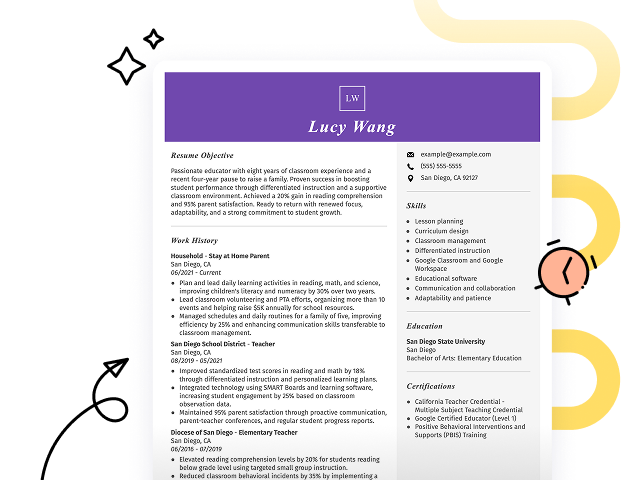
Creating a custom resume is easier than ever with our Resume Builder!
How to Write a Pharmaceutical Resume Summary
Your resume summary is the first thing employers will notice, making it important for creating a positive first impression. In this section, you can effectively showcase your qualifications and unique skills that align with the pharmaceutical industry.
As a pharmaceutical professional, you should highlight your knowledge of drug development, regulatory compliance, and patient safety. This demonstrates not only your expertise but also your commitment to advancing healthcare.
To illustrate what makes an effective resume summary, we’ll review some examples that will clarify effective strategies and common pitfalls:
Weak Example
I am an experienced pharmaceutical professional with extensive knowledge in the industry. I am seeking a position where I can use my skills and contribute to the company's success. A role that offers growth and a supportive team environment is what I'm looking for. I believe my background will be beneficial if given a chance.
Why this summary misses the mark:
- Lacks specific details about the job seeker's skills or achievements in pharmaceuticals, making it too generic
- Overuses personal pronouns and vague phrases, which detracts from professionalism
- Emphasizes what the job seeker wants instead of clearly stating how they can add value to the employer
Strong Example
Results-driven pharmaceutical sales representative with over 6 years of experience in promoting and selling innovative medical therapies. Achieved a 25% increase in market share for key product lines through strategic targeting of healthcare providers and building strong client relationships. Proficient in CRM software, market analysis, and conducting compelling presentations to diverse audiences.
Why this summary works:
- Starts with a clear indication of experience level and industry expertise
- Highlights a significant quantifiable achievement that illustrates success in driving business results
- Demonstrates relevant skills that are important for success in pharmaceutical sales roles

Pro Tip
If you’re new to the pharmaceutical field and lack formal experience, focus on a strong career objective instead of a summary. This approach highlights your goals and enthusiasm. For inspiration, check out tailored resume objective examples specific to pharmaceutical roles.
Showcasing Your Work Experience
The work experience section is important for your resume in the pharmaceutical field, as it will contain the bulk of your content. Quality resume templates always emphasize this area to highlight your relevant experience.
This section should be structured in reverse-chronological order, listing your previous positions clearly. Use bullet points to outline specific achievements and contributions you made in each role related to pharmaceuticals.
To assist you further, we’ve prepared some examples that illustrate effective work history entries. These examples will clarify what strategies are successful and which ones fall short.
Weak Example
Pharmaceutical Sales Representative
HealthCorp Pharmaceuticals – Los Angeles, CA
- Met with doctors to discuss products.
- Prepared presentations and handed out samples.
- Attended training sessions on new drugs.
- Tracked sales calls and reports.
Why this work experience section misses the mark:
- Lacks specific employment dates to show timeline of experience
- Bullet points do not highlight any measurable achievements or impact
- Focuses on routine tasks without demonstrating unique skills or contributions
Strong Example
Pharmaceutical Sales Representative
Global Pharma Solutions – San Diego, CA
March 2020 - Current
- Achieved 150% of sales target in the first year by building strong relationships with healthcare providers and effectively communicating product benefits.
- Conducted over 100 educational presentations to medical staff, improving product knowledge and resulting in a 30% increase in prescriptions.
- Collaborated with marketing teams to develop strategies that boosted brand awareness, leading to a 25% rise in market share.
Why this work experience section works:
- Uses strong action verbs that clearly outline the applicant's achievements
- Incorporates specific metrics to quantify success and provide context for accomplishments
- Demonstrates essential skills such as relationship building and strategic collaboration relevant to pharmaceutical sales
While your resume summary and work experience are important components, don't overlook the importance of other sections that can improve your application. For further guidance on crafting a standout resume, be sure to explore our comprehensive how to write a resume guide.
Top Skills to Include on Your Resume
A well-defined skills section can set your resume apart in the competitive pharmaceutical industry. It allows you to succinctly demonstrate your qualifications and expertise to potential employers.
For this field, focus on highlighting both technical skills and soft skills. Mention specific tools like LabVIEW or analytical software, as well as competencies such as data analysis and regulatory compliance to showcase your readiness for the role. Crucial soft skills are unwavering ethical integrity to maintain product safety and compliance, meticulous attention to detail to ensure data accuracy and flawless documentation, and tenacious problem-solving to overcome complex scientific and manufacturing hurdles.
Soft skills, including effective communication, teamwork, and problem-solving, are important for building trust with patients and collaborating successfully within healthcare teams.
When selecting resume skills for your resume, it's important to align them with what employers expect from applicants. Many organizations use automated systems to filter out applicants who lack the necessary qualifications.
To effectively highlight your abilities, carefully review job postings related to your field. These listings often provide insights into which skills are most valued by recruiters and will help ensure your resume meets both human and ATS requirements.
Pro Tip
Make your resume shine and get noticed by recruiters by using our ATS Resume Checker. It uncovers over 30 common mistakes that might prevent you from landing your dream job in pharmaceuticals.
10 skills that appear on successful pharmaceutical resumes
Highlighting key skills in your resume can significantly increase your chances of catching the eye of recruiters in the pharmaceutical industry. By showcasing these in-demand abilities, you can present yourself as a strong job seeker, and you'll find examples of these skills in our resume examples to inspire your application.
Here are 10 essential skills you should consider adding to your resume if they align with your experience and the job requirements:
Analytical thinking
Attention to detail
Regulatory knowledge
Project management
Team collaboration
Data analysis
Problem-solving
Communication skills
Technical skill
Adaptability
Based on analysis of 5,000+ pharmaceutical professional resumes from 2023-2024
Resume Format Examples
Choosing the right resume format is important in the pharmaceutical field to effectively showcase your expertise, achievements, and career growth.
Entry-Level 0 - 2 years
Functional
Focuses on skills rather than previous jobs
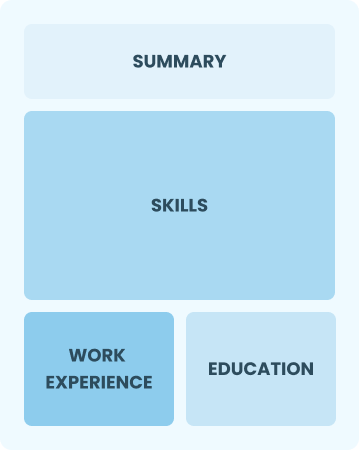
Best for:
Recent graduates and career changers with limited experience in pharmaceuticals
Mid-Career 3 - 7 years
Combination
Balances skills and work history equally
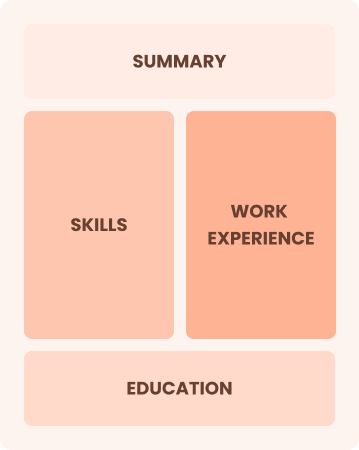
Best for:
Mid-career professionals focused on showing their skills and pursuing advancement
Experienced 8+ years
Chronological
Emphasizes work history in reverse order
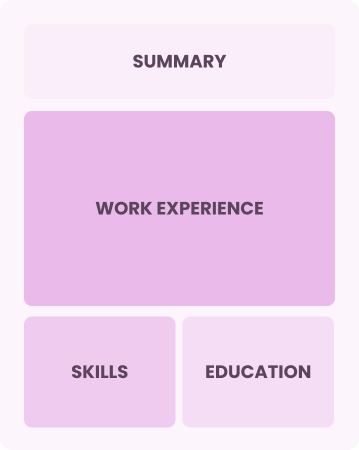
Best for:
Leaders in pharmaceutical innovation and strategic development
Frequently Asked Questions
Should I include a cover letter with my pharmaceutical resume?
Absolutely, including a cover letter can significantly improve your application. It allows you to showcase your unique qualifications and express genuine enthusiasm for the position. If you're looking for assistance, check out our resources on how to write a cover letter or use our Cover Letter Generator to simplify the process and make a memorable impression.
Can I use a resume if I’m applying internationally, or do I need a CV?
When applying for jobs abroad, a CV is often preferred over a resume. This longer document provides a comprehensive overview of your academic and professional history. To assist you, we offer resources that guide you through how to write a CV effectively and create one tailored for various countries. Additionally, explore CV examples to gain inspiration and insight into successful formats.
What soft skills are important for pharmaceutical professionals?
Soft skills such as communication, problem-solving, and teamwork are essential in the pharmaceutical field. These interpersonal skills foster collaboration with colleagues and help build trust with clients, ensuring effective delivery of services and improving overall patient care.
I’m transitioning from another field. How should I highlight my experience?
Highlight your transferable skills such as communication, analytical thinking, and teamwork when applying for pharmaceutical positions. These abilities illustrate your potential to excel despite limited direct experience. Share specific instances from past roles that showcase how you successfully navigated challenges or improved processes, linking them to key responsibilities in the pharmaceutical field.
How do I write a resume with no experience?
If you're seeking a pharmaceutical position with limited experience, highlight relevant coursework, internships, and any research projects. Check out this resume with no experience guide to see how you can showcase these aspects effectively. Emphasize skills like attention to detail, teamwork, and communication. Your passion for the field and eagerness to learn can make a strong impression on employers, showing them you’re ready to contribute effectively.
How do I add my resume to LinkedIn?
To increase your resume's visibility on LinkedIn, add your resume to LinkedIn or highlight key qualifications in the "About" and "Experience" sections. This approach helps pharmaceutical recruiters easily find qualified job seekers, making it more likely for you to connect with potential employers.




Ready to land the job?
Join 28M+ others who've built a resume that works.