As a clinic manager, possessing hard skills like expertise in healthcare regulations, budgeting, and staff management is important for ensuring efficient clinic operations.
Clinic Manager Resume Examples & Templates
Looking to elevate your career? Our clinic manager resume examples showcase leadership, organizational skills, and patient management expertise that will help you stand out to employers.

by Gabriela Hernandez, Last Updated: January 29, 2026
Hired By:*

- Popular Clinic Manager Resume Examples
- Resume Template—Easy to Copy & Paste
- Build Your Resume in Minutes
- How to Write a Clinic Manager Resume Summary
- Showcasing Your Work Experience
- Top Skills to Include on Your Resume
- Resume Format Examples
- Related Management Resume Examples
- Frequently Asked Questions
- Should I include a cover letter with my clinic manager resume?
- Can I use a resume if I’m applying internationally, or do I need a CV?
- What soft skills are important for clinic managers?
- I’m transitioning from another field. How should I highlight my experience?
- How should I format a cover letter for a clinic manager job?
- Should I use a cover letter template?
Popular Clinic Manager Resume Examples
Check out our top clinic manager resume examples that emphasize key skills such as leadership, operational efficiency, and patient satisfaction. These examples will guide you in showcasing your accomplishments effectively.
If you're ready to build your own impressive resume, the Resume Builder offers user-friendly templates specifically designed for healthcare management professionals, making the process simple and efficient.
Recommended
 Customize This Resume
Clinic manager resume
What this resume does well:
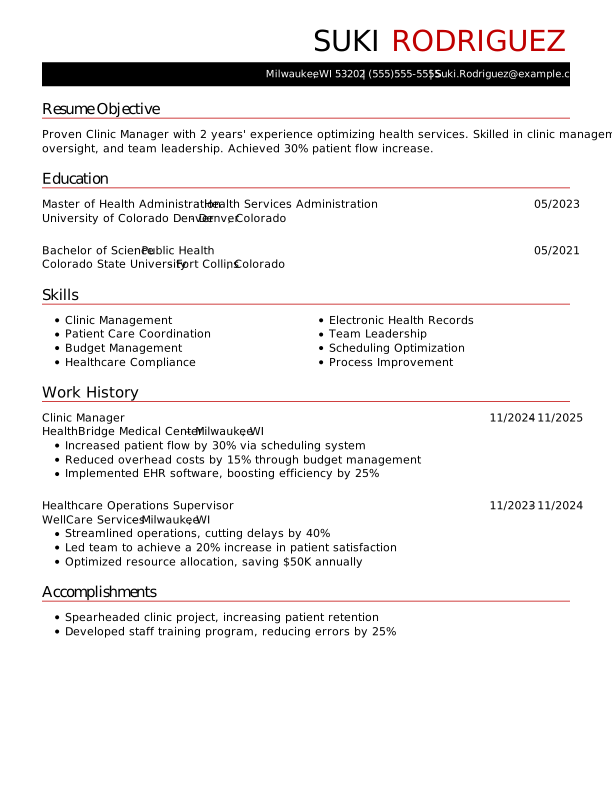
The resume features a structured layout and professional font choices that improve readability. These resume fonts not only draw attention to the applicant's accomplishments but also convey a sense of professionalism, helping this early-career clinic manager make a positive impression on potential employers.
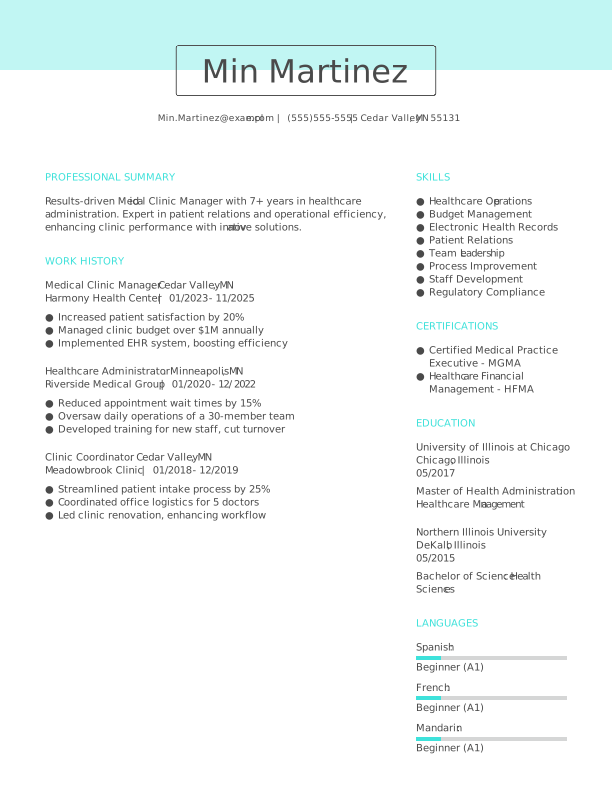
Medical clinic manager resume
What this resume does well:
This resume effectively highlights critical skills such as healthcare operations and budget management alongside extensive work experience. By showcasing these competencies in relation to their professional history, employers can easily gauge the applicant's ability to improve clinic performance and lead teams effectively.
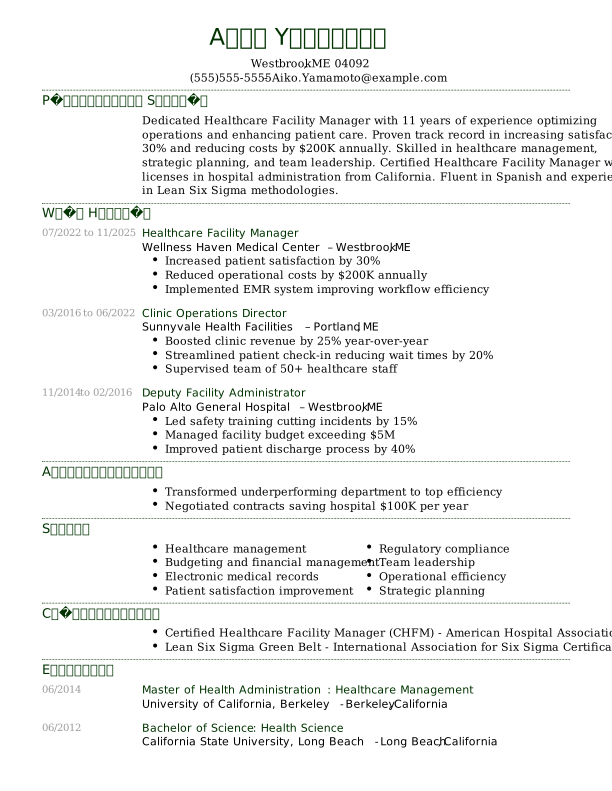
Healthcare facility manager resume
What this resume does well:
This resume effectively uses bullet points to showcase the applicant's impressive achievements, making it simple for hiring managers to quickly grasp their qualifications. The clear headings and organized layout improve readability, ensuring key accomplishments stand out without cluttering the page.
Resume Template—Easy to Copy & Paste
Example
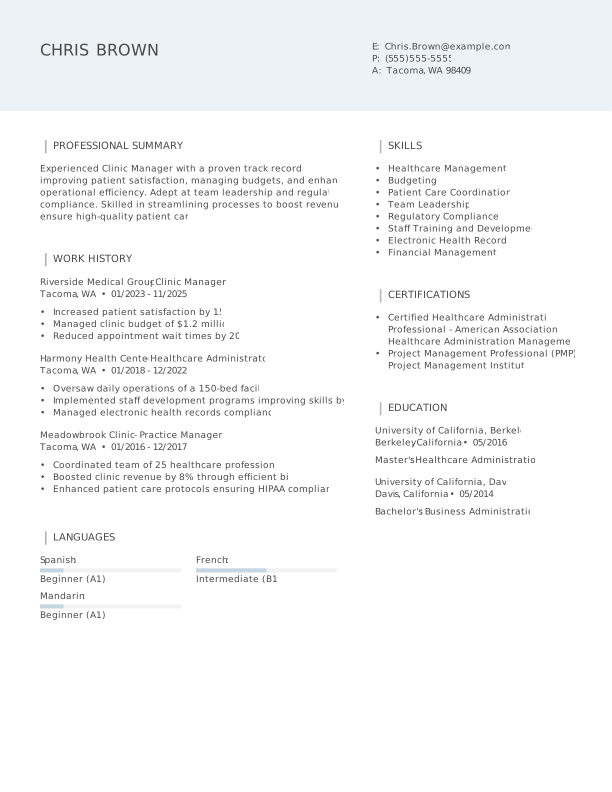
Chris Brown
Tacoma, WA 98409
(555)555-5555
Chris.Brown@example.com
Professional Summary
Experienced Clinic Manager with a proven track record of improving patient satisfaction, managing budgets, and enhancing operational efficiency. Adept at team leadership and regulatory compliance. Skilled in streamlining processes to boost revenue and ensure high-quality patient care.
Work History
Clinic Manager
Riverside Medical Group - Tacoma, WA
January 2023 - November 2025
- Increased patient satisfaction by 15%
- Managed clinic budget of 1.2 million
- Reduced appointment wait times by 20%
Healthcare Administrator
Harmony Health Center - Tacoma, WA
January 2018 - December 2022
- Oversaw daily operations of a 150-bed facility
- Implemented staff development programs improving skills by 10%
- Managed electronic health records compliance
Practice Manager
Meadowbrook Clinic - Tacoma, WA
January 2016 - December 2017
- Coordinated team of 25 healthcare professionals
- Boosted clinic revenue by 8% through efficient billing
- Enhanced patient care protocols ensuring HIPAA compliance
Languages
- Spanish - Beginner (A1)
- French - Intermediate (B1)
- Mandarin - Beginner (A1)
Skills
- Healthcare Management
- Budgeting
- Patient Care Coordination
- Team Leadership
- Regulatory Compliance
- Staff Training and Development
- Electronic Health Records
- Financial Management
Certifications
- Certified Healthcare Administrative Professional - American Association of Healthcare Administration Management
- Project Management Professional (PMP) - Project Management Institute
Education
Master's Healthcare Administration
University of California, Berkeley Berkeley, California
May 2016
Bachelor's Business Administration
University of California, Davis Davis, California
May 2014
Build Your Resume in Minutes
Creating a custom resume is easier than ever with our Resume Builder!
How to Write a Clinic Manager Resume Summary
Your resume summary is the first impression you make on hiring managers, so it’s vital to craft a compelling introduction. This section should clearly demonstrate how your skills and experiences align with the clinic manager role.
As a clinic manager, you should highlight your leadership abilities, operational oversight, and commitment to patient care. Showcasing achievements in managing staff and improving clinic efficiency will strengthen your appeal.
To illustrate what makes an effective resume summary, take a look at these examples. They will help you identify what works well and what doesn't:
Weak Example
I am an experienced clinic manager looking for a position where I can use my skills to help the clinic succeed. I have worked in healthcare for many years and hope to find a team that values work-life balance and growth opportunities. I believe I would make a great addition if given the chance.
Why this summary misses the mark:
- Lacks specific details about achievements or key skills relevant to clinic management
- Overuses personal pronouns and vague language, making it sound generic
- Emphasizes what the job seeker seeks from the role instead of highlighting their contributions to the employer
Strong Example
Results-driven clinic manager with over 7 years of experience in leading healthcare teams and optimizing clinic operations. Increased patient satisfaction scores by 20% through the implementation of streamlined appointment scheduling and improved patient engagement strategies. Proficient in budget management, staff training, and data analysis to inform clinical decisions.
Why this summary works:
- Starts with specific years of experience and role focus, establishing credibility
- Highlights a quantifiable achievement that shows direct impact on patient care quality
- Mentions relevant skills such as budget management and data analysis important for clinic management

Pro Tip
If you're new to the job market and lack formal experience, consider crafting a career objective. This approach allows you to showcase your aspirations and skills. To help you stand out, explore various resume objective examples tailored for clinic managers.
Showcasing Your Work Experience
The work experience section is the cornerstone of your resume as a clinic manager, where you will present the bulk of your content. Good resume templates consistently emphasize this key area.
This section should be organized in reverse-chronological order to clearly display your career progression. Use bullet points to highlight specific achievements and responsibilities from each role you’ve held.
To further illustrate effective work history entries for clinic managers, we’ve prepared some examples that showcase what resonates well with hiring managers and what pitfalls to avoid:
Weak Example
Clinic Manager
Healthy Living Clinic – Atlanta, GA
- Managed daily operations
- Oversaw staff schedules and duties
- Handled patient inquiries and complaints
- Maintained inventory and supplies
Why this work experience section misses the mark:
- Lacks specific employment dates to provide context
- Bullet points are too general and do not highlight achievements
- Emphasizes routine tasks rather than compelling contributions
Strong Example
Clinic Manager
HealthFirst Clinic – Austin, TX
March 2020 - Current
- Oversee daily operations of a busy clinic serving over 1,000 patients monthly, ensuring efficient workflow and high patient satisfaction
- Implement new scheduling system that reduced patient wait times by 30%, improving overall service delivery
- Lead a team of healthcare professionals, providing training and support that improved employee retention by 15%
Why this work experience section works:
- Uses powerful action verbs to clearly communicate the job seeker's contributions
- Incorporates specific metrics to showcase impact on efficiency and patient care
- Highlights leadership and management skills relevant to the role
While your resume summary and work experience are important, don’t overlook the importance of other sections that contribute to a well-rounded presentation. For additional guidance on crafting each part of your resume effectively, refer to our detailed guide on how to write a resume.
Top Skills to Include on Your Resume
A well-defined skills section is important for a clinic manager's resume as it quickly showcases your qualifications to potential employers. This section can set you apart by highlighting your capabilities in managing teams, optimizing operations, and ensuring patient satisfaction.
Hiring managers seek candidates who combine professional expertise with strong interpersonal and teamwork skills. Showcasing both hard and soft skills on your resume demonstrates your ability to perform and collaborate effectively.
Equally important are soft skills, which include leadership, communication, and problem-solving abilities that help create a positive environment for both staff and patients, ultimately improving patient care.
When selecting skills for your resume, it's important to align them with what employers expect in a job seeker. Many organizations use automated systems to filter out applicants who lack the necessary resume skills, making it important to highlight the right qualifications.
To effectively identify which skills to showcase, take a close look at the job postings that interest you. These listings often provide valuable insights into the specific skills recruiters seek, ensuring your resume stands out both to hiring managers and ATS systems.
Pro Tip
Ready to improve your resume's chances of passing through applicant tracking systems? Try our ATS Resume Checker, which highlights over 30 mistakes and helps ensure your application stands out positively.
10 skills that appear on successful clinic manager resumes
Elevate your resume to capture recruiters' interest by highlighting essential skills that are sought after in clinic manager roles. Our resume examples showcase these competencies, giving you the assurance that a polished resume provides when applying for positions.
Here are 10 key skills you should think about including in your resume if they align with your qualifications and job requirements:
Leadership
Team management
Budgeting and financial oversight
Regulatory compliance
Patient care coordination
Conflict resolution
Quality assurance
Communication skills
Project management
Strategic planning
Based on analysis of 5,000+ management professional resumes from 2023-2024
Resume Format Examples
Choosing the right resume format is important for a clinic manager because it highlights your leadership skills, operational achievements, and professional growth in a clear and strong manner.
Entry-Level 0 - 2 years
Functional
Focuses on skills rather than previous jobs
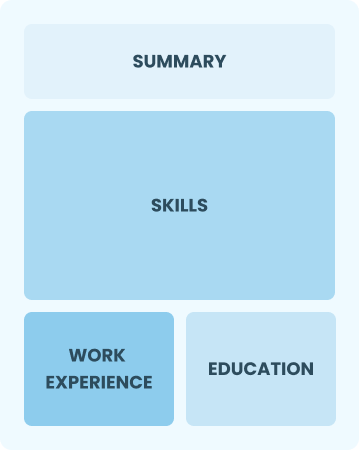
Best for:
Recent graduates and career changers with little to no experience
Mid-Career 3 - 7 years
Combination
Balances skills and work history equally
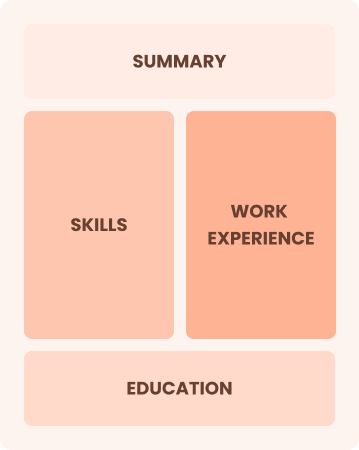
Best for:
Mid-career professionals focused on demonstrating their skills and leadership potential
Experienced 8+ years
Chronological
Emphasizes work history in reverse order
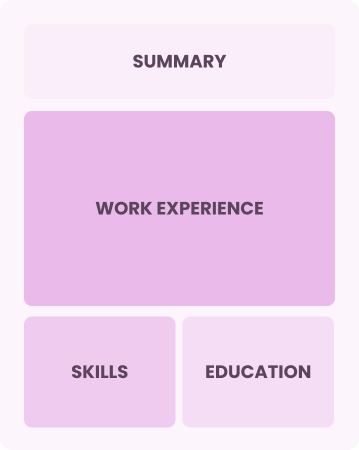
Best for:
Experienced leaders adept at optimizing clinic operations and patient care
Frequently Asked Questions
Should I include a cover letter with my clinic manager resume?
Absolutely, including a cover letter is a great way to improve your application. It allows you to showcase your personality and clarify how your skills align with the role. If you're looking for help in crafting one, visit our guide on how to write a cover letter or use our Cover Letter Generator for quick assistance.
Can I use a resume if I’m applying internationally, or do I need a CV?
When applying for jobs abroad, a CV is often preferred over a resume. This is particularly true in regions like Europe and Asia where detailed academic and professional histories are valued. Explore our comprehensive resources to learn how to write a CV that aligns with international expectations and check out various CV examples for effective formatting and creation.
What soft skills are important for clinic managers?
Soft skills such as leadership, communication, and conflict resolution are essential for a clinic manager. These interpersonal skills foster strong relationships with staff and patients, ensuring smooth operations and a positive atmosphere that improves patient care and teamwork.
I’m transitioning from another field. How should I highlight my experience?
Emphasize your leadership, organizational, and communication transferable skills acquired from previous roles. These skills are important in efficiently managing clinic operations. Provide specific examples of how you've applied these abilities to improve processes or resolve issues, demonstrating your capacity to excel in clinic management even with limited direct experience.
How should I format a cover letter for a clinic manager job?
To format a cover letter, begin with your name and contact details. Use a friendly greeting and an engaging opening that highlights your interest in the clinic manager role. Summarize your relevant experience and skills tailored to the job description. Conclude with a strong closing statement inviting further discussion about your application.
Should I use a cover letter template?
Yes, using a cover letter template tailored for a clinic manager can significantly improve your application by providing a clear structure, efficiently organizing content, and highlighting critical skills such as leadership in healthcare settings and successful management of clinic operations.




Ready to land the job?
Join 28M+ others who've built a resume that works.