

Expertise in hard skills such as therapeutic techniques, psychological assessment, and crisis intervention strategies is essential for effective treatment planning.
Psychotherapist Resume Examples & Templates
Looking to advance your career as a psychotherapist? Explore our psychotherapist resume examples to showcase your counseling skills and therapeutic techniques that help you stand out to employers.

by Gabriela Hernandez, Last Updated: January 18, 2026
Hired By:*

Popular Psychotherapist Resume Examples
Check out our top psychotherapist resume examples that emphasize key skills such as empathy, communication, and treatment planning. These examples will help you showcase your qualifications in a way that resonates with potential employers.
Looking to build your own impressive resume? Our Resume Builder offers user-friendly templates specifically designed for mental health professionals, making the process straightforward and effective.
Recommended
 Customize This Resume
Entry-level psychotherapist resume
What this resume does well:
This entry-level resume for a psychotherapist effectively highlights the job seeker’s clinical skills, patient management capabilities, and significant achievements such as improving client outcomes by 20% and conducting over 200 group sessions. New professionals in this field must demonstrate their ability to apply therapeutic techniques and achieve measurable improvements in client well-being despite limited professional experience.
Mid-career psychotherapist resume
What this resume does well:
This resume effectively showcases key qualifications that highlight the applicant's extensive experience and successful outcomes. By presenting measurable achievements and specialized skills, it positions them as a capable psychotherapist ready for advanced roles and complex challenges.
Experienced psychotherapist resume
What this resume does well:
This work experience section demonstrates the applicant's extensive experience as a psychotherapist, highlighting their ability to conduct over 1,500 therapy sessions annually and improve patient satisfaction by 25%. The clear bullet-point formatting improves readability, allowing hiring managers to quickly grasp key achievements.
Resume Template—Easy to Copy & Paste
Example
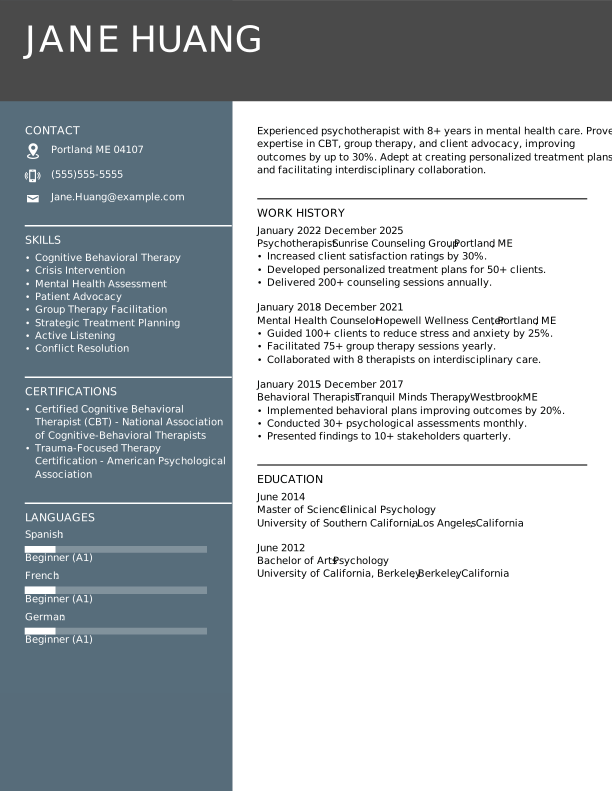
Jane Huang
Portland, ME 04107
(555)555-5555
Jane.Huang@example.com
Skills
- Cognitive Behavioral Therapy
- Crisis Intervention
- Mental Health Assessment
- Patient Advocacy
- Group Therapy Facilitation
- Strategic Treatment Planning
- Active Listening
- Conflict Resolution
Certifications
- Certified Cognitive Behavioral Therapist (CBT) - National Association of Cognitive-Behavioral Therapists
- Trauma-Focused Therapy Certification - American Psychological Association
Languages
- Spanish - Beginner (A1)
- French - Beginner (A1)
- German - Beginner (A1)
Professional Summary
Experienced psychotherapist with 8+ years in mental health care. Proven expertise in CBT, group therapy, and client advocacy, improving outcomes by up to 30%. Adept at creating personalized treatment plans and facilitating interdisciplinary collaboration.
Work History
Psychotherapist
Sunrise Counseling Group - Portland, ME
January 2022 - December 2025
- Increased client satisfaction ratings by 30%.
- Developed personalized treatment plans for 50+ clients.
- Delivered 200+ counseling sessions annually.
Mental Health Counselor
Hopewell Wellness Center - Portland, ME
January 2018 - December 2021
- Guided 100+ clients to reduce stress and anxiety by 25%.
- Facilitated 75+ group therapy sessions yearly.
- Collaborated with 8 therapists on interdisciplinary care.
Behavioral Therapist
Tranquil Minds Therapy - Westbrook, ME
January 2015 - December 2017
- Implemented behavioral plans improving outcomes by 20%.
- Conducted 30+ psychological assessments monthly.
- Presented findings to 10+ stakeholders quarterly.
Education
Master of Science Clinical Psychology
University of Southern California Los Angeles, California
June 2014
Bachelor of Arts Psychology
University of California, Berkeley Berkeley, California
June 2012
Build Your Resume in Minutes
Creating a custom resume is easier than ever with our Resume Builder!
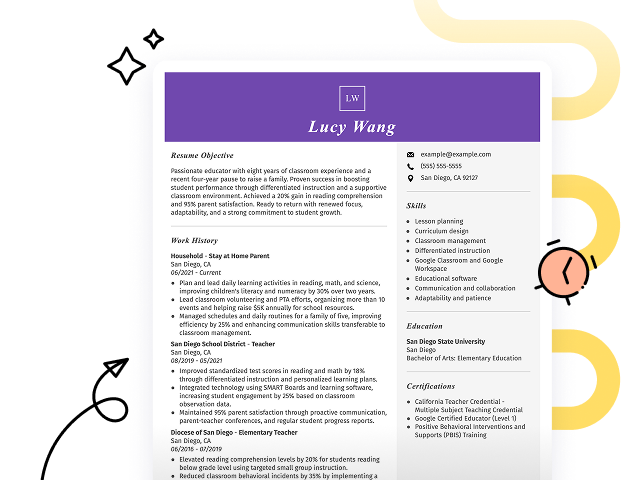
How to Write a Psychotherapist Resume Summary
Your resume summary is the first impression you make on hiring managers, so it’s essential to grab their attention right away. This section should effectively showcase your qualifications and set the tone for the rest of your application.
As a psychotherapist, you need to highlight your clinical skills, therapeutic techniques, and relevant experience in mental health settings. This will demonstrate your ability to support clients through their challenges while reinforcing your professional identity.
To illustrate what makes an compelling resume summary, review the following examples. They will provide insight into effective strategies and common pitfalls to avoid:
Weak Example
I am a dedicated psychotherapist with many years of experience helping clients. I want to find a position where I can use my skills effectively and contribute to patient well-being. A supportive environment that values mental health is what I seek, as I believe it’s important for both the therapist and the client.
Why this summary misses the mark:
- Lacks specific details about therapeutic approaches or areas of expertise, making it vague
- Emphasizes personal desires rather than detailing how the job seeker can benefit potential employers or clients
- Uses generic language that does not highlight unique qualifications or accomplishments
Strong Example
Compassionate psychotherapist with over 7 years of experience in individual and group therapy, focusing on anxiety and depression management. Successfully improved client satisfaction scores by 30% through tailored therapeutic approaches and ongoing support initiatives. Proficient in cognitive-behavioral therapy (CBT), mindfulness techniques, and electronic health record systems.
Why this summary works:
- Begins with specific experience and areas of specialty that highlight expertise
- Highlights a quantifiable achievement that reflects positive client outcomes
- Mentions relevant skills that are critical for psychotherapy roles

Pro Tip
If you're entering the field of psychotherapy without extensive experience, consider using a career objective on your resume. This approach highlights your goals and aspirations. There are many resume objective examples available tailored for aspiring psychotherapists to guide you.
Showcasing Your Work Experience
The work experience section is important for your resume as a psychotherapist, serving as the primary area for your detailed content. Good resume templates always emphasize this section to effectively showcase your professional background.
This part of your resume should be organized in reverse-chronological order, listing your previous positions clearly. Use bullet points to highlight key achievements and therapeutic techniques employed in each role.
Now, let's look at some examples that illustrate effective ways to present work history for psychotherapists. These examples will reveal what works well and what pitfalls to avoid:
Weak Example
Psychotherapist
Healing Minds Therapy Center – Atlanta, GA
- Provided therapy to clients.
- Conducted sessions and managed paperwork.
- Collaborated with other mental health professionals.
- Assisted clients in achieving personal goals.
Why this work experience section misses the mark:
- Lacks specific dates of employment
- Bullet points are overly broad and fail to highlight unique skills or achievements
- Emphasizes routine tasks rather than effective outcomes or measurable results
Strong Example
Psychotherapist
Wellness Center of Miami – Miami, FL
March 2020 - Current
- Conduct individual therapy sessions for clients facing anxiety and depression, achieving a 30% reduction in reported symptoms within three months.
- Facilitate group therapy for up to 10 participants, fostering an open environment that improves peer support and engagement.
- Develop personalized treatment plans based on comprehensive assessments, ensuring alignment with clients' goals and therapeutic needs.
Why this work experience section works:
- Starts each bullet with compelling action verbs that highlight the job seeker's contributions
- Incorporates quantifiable outcomes to illustrate effectiveness in reducing client symptoms
- Demonstrates relevant skills in both individual and group settings, showcasing versatility
While your resume summary and work experience are important, don't overlook the significance of other sections. Each part contributes to showcasing your qualifications effectively. For more insights into crafting a standout resume, explore our comprehensive guide on how to write a resume.
Top Skills to Include on Your Resume
A skills section is important for any effective resume as it quickly highlights your qualifications to potential employers. It allows hiring managers to see at a glance if you possess the specific competencies they seek.
Add both hard and soft skills to create a well-rounded resume.
Meanwhile, soft skills like empathy, active listening, and strong communication abilities foster trust and collaboration with patients, ultimately improving their care experience.
When selecting skills for your resume, it’s essential to align them with what employers expect from applicants. Many organizations use automated systems to filter out applicants who lack the necessary resume skills for the position.
To effectively tailor your skills, carefully review job postings related to your desired role. This will help you identify which specific abilities are emphasized and ensure that your resume stands out to both recruiters and ATS systems.
Pro Tip
Ensure your resume stands out to hiring managers! Use our ATS Resume Checker to spot more than 30 common pitfalls and help your application glide past applicant tracking systems with ease.
10 skills that appear on successful psychotherapist resumes
Improve your resume to attract recruiters by emphasizing essential skills sought after in psychotherapist roles. You can find examples of these skills in our resume examples, giving you the confidence to apply effectively.
Here are 10 valuable skills you should consider adding to your resume if they align with your background and job specifications:
Active listening
Empathy
Crisis intervention
Cultural competence
Analytical thinking
Communication skills
Emotional intelligence
Problem-solving abilities
Time management
Client assessment techniques
Based on analysis of 5,000+ psychology professional resumes from 2023-2024
Resume Format Examples
Choosing the right resume format is essential for psychotherapists to highlight their therapeutic skills, client work, and career development successfully.
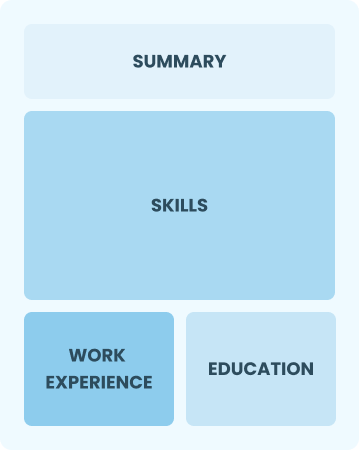
Entry-Level 0 - 2 years
Functional
Focuses on skills rather than previous jobs
Best for:
Recent graduates and career changers with up to two years of experience
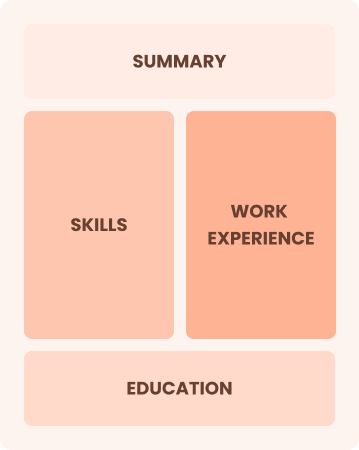
Mid-Career 3 - 7 years
Combination
Balances skills and work history equally
Best for:
Mid-career professionals focused on demonstrating their skills and growth potential
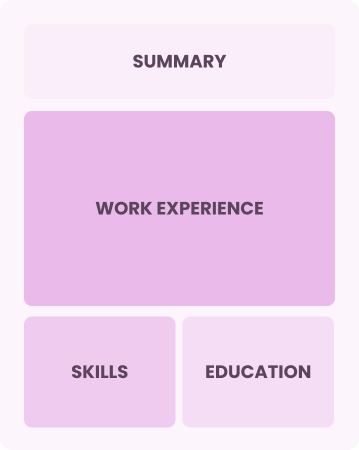
Experienced 8+ years
Chronological
Emphasizes work history in reverse order
Best for:
Senior psychotherapists specializing in leadership or advanced therapeutic methods
Frequently Asked Questions
Should I include a cover letter with my psychotherapist resume?
Absolutely, including a cover letter is important as it gives you the chance to highlight your unique skills and passion for the position. It personalizes your application and can differentiate you from other job seekers. If you're unsure how to write a cover letter, explore our tips on crafting a strong one or use our easy-to-use Cover Letter Generator for quick assistance.
Can I use a resume if I’m applying internationally, or do I need a CV?
When applying for jobs outside the U.S., use a CV instead of a resume. A CV provides a comprehensive overview of your academic and professional achievements. To assist you, we offer resources that guide you in crafting an effective how to write a CV with proper formatting tailored for international standards. Additionally, explore various CV examples to better understand different styles and formats.
What soft skills are important for psychotherapists?
Soft skills like empathy, active listening, and patience are essential for psychotherapists. These interpersonal skills foster trust and understanding between the therapist and client, creating a safe space for healing and personal growth.
I’m transitioning from another field. How should I highlight my experience?
Highlight your transferable skills such as empathy, communication, and critical thinking gained from past roles. These abilities are key in psychotherapy and can bridge the gap if you're transitioning from a different field. Provide concrete examples that illustrate how your previous achievements relate to client interactions and therapeutic practices, showcasing your readiness to make an impact.
Where can I find inspiration for writing my cover letter as a psychotherapist?
If you're preparing to apply for psychotherapist positions, consider exploring our professionally crafted cover letter examples. These samples offer valuable insights into effective content ideas, formatting options, and ways to highlight your qualifications. They can help you create a standout application that reflects your unique journey.
How should I format a cover letter for a psychotherapist job?
To effectively format a cover letter, start with your contact details and include a respectful greeting. Craft an engaging introduction that captures attention, then outline your relevant skills and experiences. Always tailor the content to align with the job requirements, and conclude with a strong closing statement inviting further discussion or an interview opportunity.


Ready to land the job?
Join 28M+ others who've built a resume that works.