

Hard skills such as clinical assessment, psychological testing, and the ability to develop treatment plans based on evidence-based practices are important.
Clinical Psychologist Resume Examples & Templates
Looking to advance your career as a clinical psychologist? Our clinical psychologist resume examples showcase how to emphasize critical thinking, empathy, and assessment skills that will catch employers' attention.

by Gabriela Hernandez, Last Updated: January 18, 2026
Hired By:*

- Popular Clinical Psychologist Resume Examples
- Resume Template—Easy to Copy & Paste
- Build Your Resume in Minutes
- How to Write a Clinical Psychologist Resume Summary
- Showcasing Your Work Experience
- Top Skills to Include on Your Resume
- Resume Format Examples
- Related Psychology Resume Examples
- Frequently Asked Questions
- Should I include a cover letter with my clinical psychologist resume?
- Can I use a resume if I’m applying internationally, or do I need a CV?
- What soft skills are important for clinical psychologists?
- I’m transitioning from another field. How should I highlight my experience?
- How do I write a resume with no experience?
- How do I add my resume to LinkedIn?
Popular Clinical Psychologist Resume Examples
Check out our top clinical psychologist resume examples that showcase skills such as therapeutic techniques, assessment, and empathy. These examples highlight how to effectively present your qualifications to potential employers.
Ready to build a unique resume? Our Resume Builder offers user-friendly templates specifically designed for psychology professionals, helping you make a strong impression in your job applications.
Recommended
 Customize This Resume
Entry-level clinical psychologist resume
What this resume does well:
This entry-level resume effectively showcases the applicant's clinical competencies, including successful therapy sessions and innovative program development that led to measurable outcomes. New professionals in clinical psychology must demonstrate their ability to engage and improve client experiences through quantifiable achievements, even if their direct work history is limited.
Mid-career clinical psychologist resume
What this resume does well:
This resume effectively showcases a strong trajectory in clinical psychology, highlighting leadership and strong patient outcomes. The clear presentation of qualifications illustrates the applicant's readiness for advanced roles, demonstrating expertise in therapy and a commitment to mental health advocacy.
Experienced clinical psychologist resume
What this resume does well:
This work experience section highlights the applicant's extensive experience as a clinical psychologist, demonstrating their ability to conduct over 100 therapy sessions monthly and achieve a 25% increase in patient progress. The bullet-point format improves readability, making it easy for hiring managers to quickly identify key accomplishments.
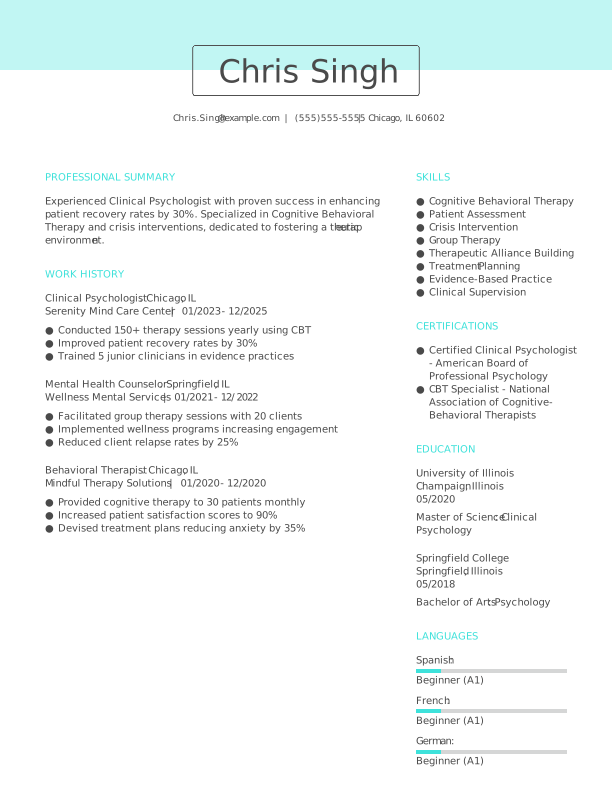
Resume Template—Easy to Copy & Paste
Example
Chris Singh
Chicago, IL 60602
(555)555-5555
Chris.Singh@example.com
Professional Summary
Experienced Clinical Psychologist with proven success in enhancing patient recovery rates by 30%. Specialized in Cognitive Behavioral Therapy and crisis interventions, dedicated to fostering a therapeutic environment.
Work History
Clinical Psychologist
Serenity Mind Care Center - Chicago, IL
January 2023 - December 2025
- Conducted 150+ therapy sessions yearly using CBT
- Improved patient recovery rates by 30%
- Trained 5 junior clinicians in evidence practices
Mental Health Counselor
Wellness Mental Services - Springfield, IL
January 2021 - December 2022
- Facilitated group therapy sessions with 20 clients
- Implemented wellness programs increasing engagement
- Reduced client relapse rates by 25%
Behavioral Therapist
Mindful Therapy Solutions - Chicago, IL
January 2020 - December 2020
- Provided cognitive therapy to 30 patients monthly
- Increased patient satisfaction scores to 90%
- Devised treatment plans reducing anxiety by 35%
Skills
- Cognitive Behavioral Therapy
- Patient Assessment
- Crisis Intervention
- Group Therapy
- Therapeutic Alliance Building
- Treatment Planning
- Evidence-Based Practice
- Clinical Supervision
Certifications
- Certified Clinical Psychologist - American Board of Professional Psychology
- CBT Specialist - National Association of Cognitive-Behavioral Therapists
Education
Master of Science Clinical Psychology
University of Illinois Champaign, Illinois
May 2020
Bachelor of Arts Psychology
Springfield College Springfield, Illinois
May 2018
Languages
- Spanish - Beginner (A1)
- French - Beginner (A1)
- German - Beginner (A1)
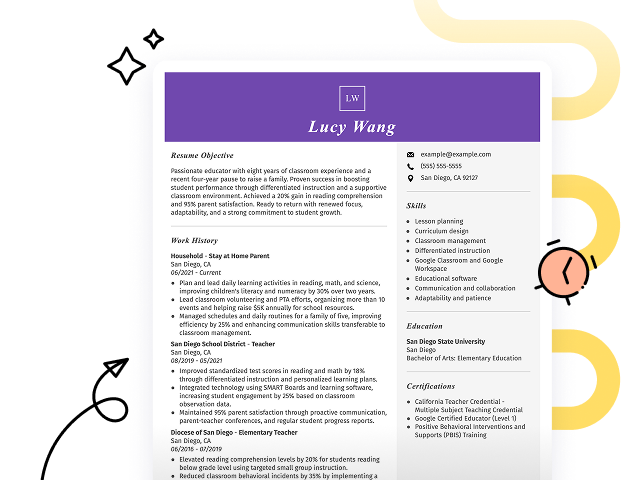
Build Your Resume in Minutes
Creating a custom resume is easier than ever with our Resume Builder!
How to Write a Clinical Psychologist Resume Summary
Your resume summary is important as it’s the first impression you make on potential employers. A strong summary can effectively showcase your qualifications and set the tone for the rest of your application.
As a clinical psychologist, highlight your therapeutic skills, patient care experience, and any specialized training. This section should reflect your ability to assess and support clients in their mental health journeys.
To illustrate what makes an effective resume summary, consider these examples that will clarify what works well and what pitfalls to avoid:
Weak Example
I am an experienced clinical psychologist looking for a new position where I can use my skills to help patients. I want to work in a supportive environment that values mental health and allows me to grow professionally. I believe my background will be beneficial for the team.
Why this summary misses the mark:
- Relies on broad terms like "experienced" without detailing specific skills or achievements
- Emphasizes personal desires over what unique contributions the applicant can make to the employer
- Lacks concrete examples of past successes or methodologies, making it sound generic and unremarkable
Strong Example
Compassionate clinical psychologist with over 7 years of experience in providing therapeutic services to diverse populations. Successfully improved patient outcomes by 30% through the implementation of evidence-based cognitive behavioral therapy techniques and personalized treatment plans. Proficient in psychological assessment, crisis intervention, and collaborating with multidisciplinary teams to improve mental health care delivery.
Why this summary works:
- Starts with specific years of experience and highlights a distinct area of expertise
- Includes quantifiable achievements that showcase a significant impact on patient outcomes
- Mentions relevant skills critical for the role, demonstrating readiness to meet clinical demands

Pro Tip
If you're new to the field of clinical psychology, consider using a career objective instead of a summary. This approach helps highlight your aspirations and relevant skills. To inspire your own, explore resume objective examples tailored specifically for clinical psychology.
Showcasing Your Work Experience
The work experience section is important for your resume as a clinical psychologist, showcasing the bulk of your professional history. Good resume templates always emphasize this section to highlight relevant roles.
This area should be organized in reverse-chronological order, detailing your past positions. Use bullet points to succinctly outline your key achievements and contributions in each role you've held.
Now, let's look at a couple of examples that illustrate effective work history entries for clinical psychologists. These examples will clarify what works well and what pitfalls to avoid:
Weak Example
Clinical Psychologist
Caring Minds Therapy Center – Los Angeles, CA
- Provided therapy to clients.
- Conducted assessments and wrote reports.
- Collaborated with other mental health professionals.
- Managed case files and documentation.
Why this work experience section misses the mark:
- Lacks specific details about client populations or therapy techniques used
- Bullet points are too vague and do not showcase powerful outcomes
- Focuses on basic responsibilities rather than highlighting unique contributions or successes
Strong Example
Clinical Psychologist
Wellness Center – San Francisco, CA
March 2020 - Current
- Conduct individual therapy sessions for a diverse client base, addressing issues such as anxiety and depression, leading to a 30% reduction in reported symptoms.
- Develop and implement group therapy programs that foster community support, increasing participant engagement by 40%.
- Train and mentor interns on evidence-based therapeutic techniques, ensuring quality patient care and contributing to the professional development of future psychologists.
Why this work experience section works:
- Each bullet point starts with dynamic action verbs that highlight the applicant's achievements
- Specific metrics provide quantifiable evidence of the psychologist's effectiveness
- Mentions relevant skills like mentorship and program development that align with the role
While your resume summary and work experience are important elements, don't overlook the importance of other sections. Each part plays a role in showcasing your qualifications. For more detailed guidance, check out our complete guide on how to write a resume.
Top Skills to Include on Your Resume
Including a skills section on your resume is important, as it allows you to showcase your qualifications at a glance. This helps potential employers quickly identify if you have the abilities needed for clinical psychology roles.
Add both hard and soft skills to create a well-rounded resume.
Meanwhile, soft skills like empathy, active listening, and effective communication play a key role in building trust with patients and fostering a collaborative therapeutic environment.
When selecting resume skills for your resume, it’s important to align them with what employers expect from applicants. Many organizations use screening software that filters out resumes lacking essential skills for the position.
To ensure your resume stands out, review job postings closely to identify which skills are emphasized. Highlighting these desirable attributes will not only catch a recruiter's eye but also help you pass through automated tracking systems effectively.
Pro Tip
Maximize your chances of landing interviews by using our ATS Resume Checker, which identifies over 30 common mistakes to help your resume stand out and bypass applicant tracking software effortlessly.
10 skills that appear on successful clinical psychologist resumes
Highlighting essential skills on your resume can significantly attract the attention of recruiters looking for clinical psychologists. You’ll discover these skills represented in our resume examples, ensuring you present yourself with the assurance that a well-crafted resume provides.
Here are 10 skills you should consider including in your resume if they align with your qualifications and job expectations:
Empathy
Active listening
Analytical thinking
Crisis intervention
Report writing
Therapeutic techniques
Cultural competence
Time management
Collaboration with healthcare teams
Patient assessment
Based on analysis of 5,000+ psychology professional resumes from 2023-2024
Resume Format Examples
Choosing the right resume format is important for a clinical psychologist, as it highlights your relevant qualifications and professional journey effectively.
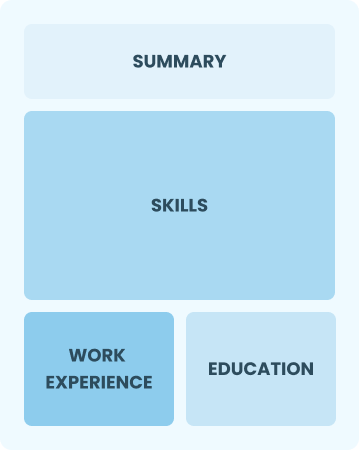
Entry-Level 0 - 2 years
Functional
Focuses on skills rather than previous jobs
Best for:
Recent graduates and career changers with up to two years of experience
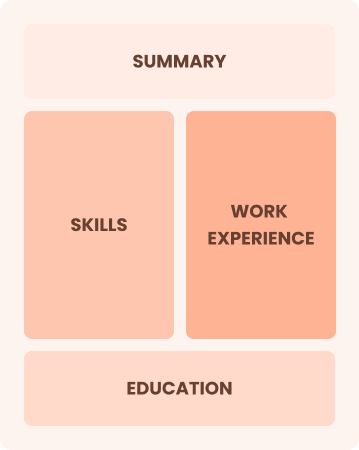
Mid-Career 3 - 7 years
Combination
Balances skills and work history equally
Best for:
Mid-career professionals highlighting their skills while pursuing new growth opportunities
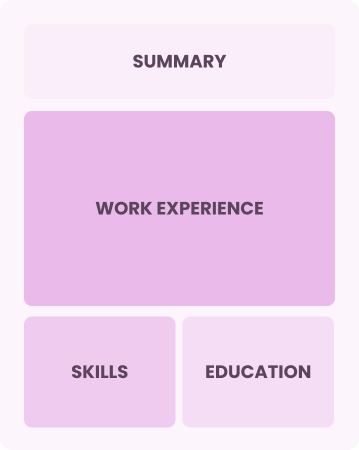
Experienced 8+ years
Chronological
Emphasizes work history in reverse order
Best for:
Seasoned experts leading innovative mental health initiatives
Frequently Asked Questions
Should I include a cover letter with my clinical psychologist resume?
Absolutely, including a cover letter can significantly improve your application by highlighting your passion and relevant experiences. It gives you the chance to connect personally with potential employers. If you're looking for assistance, check out our comprehensive guide on how to write a cover letter or use our Cover Letter Generator to get started quickly.
Can I use a resume if I’m applying internationally, or do I need a CV?
When applying for jobs abroad, use a CV instead of a resume if the employer specifies it or if you’re targeting countries where CVs are standard. Explore our resources on how to write a CV and review CV examples to ensure your application stands out internationally.
What soft skills are important for clinical psychologists?
Soft skills such as empathy, active listening, and effective communication are essential for clinical psychologists. These interpersonal skills help facilitate trust and rapport with clients, enabling a deeper understanding and more effective therapeutic relationships that support mental health improvement.
I’m transitioning from another field. How should I highlight my experience?
Highlight your transferable skills, such as empathy, communication, and critical thinking, from previous roles. These abilities prove your potential to excel in clinical psychology, even if your experience is limited. Use specific examples from your past work to illustrate how you've effectively engaged with others and solved problems, aligning your strengths with the demands of this rewarding field.
How do I write a resume with no experience?
If you're a job seeker aiming for a clinical psychologist role but lack extensive work experience, focus on showcasing relevant internships, practicum placements, and any volunteer work in mental health settings. For tips on how to craft your resume with no experience, highlight your skills in active listening, empathy, and critical thinking. Remember, your passion for helping others can truly resonate with employers and set you apart.
How do I add my resume to LinkedIn?
Improve your LinkedIn profile by add your resume to LinkedIn or detailing key achievements in the "About" and "Experience" sections. This strategy helps recruiters find skilled clinical psychologists, boosting your visibility for opportunities in mental health settings.




Ready to land the job?
Join 28M+ others who've built a resume that works.