
Hard skills include skill in medical coding systems, knowledge of anatomy and surgical procedures, and attention to detail for accurate coding.
Surgical Coder Resume Examples & Templates
Ready to boost your career? Our surgical coder resume examples showcase how to emphasize coding accuracy, attention to detail, and knowledge of medical terminology that employers love.

by Gabriela Hernandez, Last Updated: February 04, 2026
Hired By:*

- Popular Surgical Coder Resume Examples
- Resume Template—Easy to Copy & Paste
- Build Your Resume in Minutes
- How to Write a Surgical Coder Resume Summary
- Showcasing Your Work Experience
- Top Skills to Include on Your Resume
- Resume Format Examples
- Related Medical Resume Examples
- Frequently Asked Questions
- Should I include a cover letter with my surgical coder resume?
- Can I use a resume if I’m applying internationally, or do I need a CV?
- What soft skills are important for surgical coders?
- I’m transitioning from another field. How should I highlight my experience?
- How do I write a resume with no experience?
- How do I add my resume to LinkedIn?
Popular Surgical Coder Resume Examples
Check out our top surgical coder resume examples that emphasize key skills such as coding accuracy, attention to detail, and knowledge of medical terminology. These examples will help you showcase your expertise effectively to potential employers.
Ready to build an impressive resume? Our Resume Builder offers user-friendly templates specifically designed for coding professionals, making the process straightforward and efficient.
Recommended
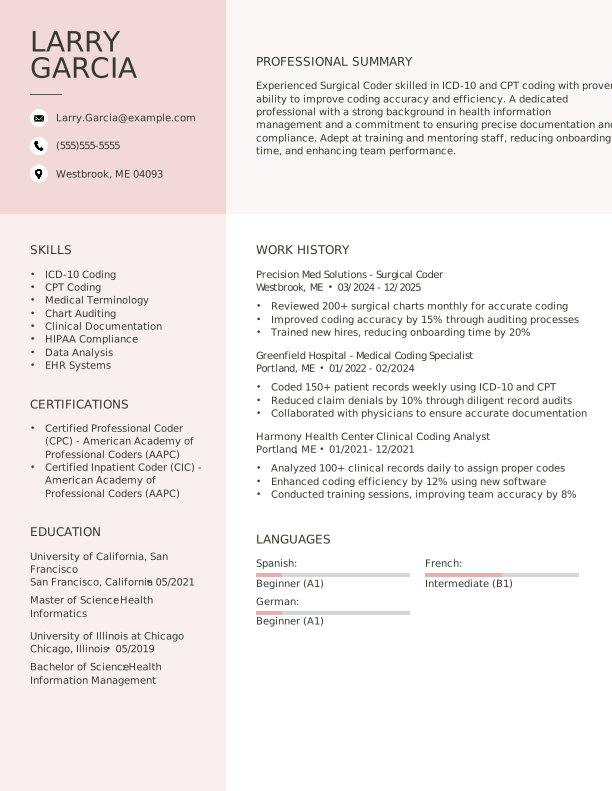 Customize This Resume
Entry-level surgical coder resume
What this resume does well:
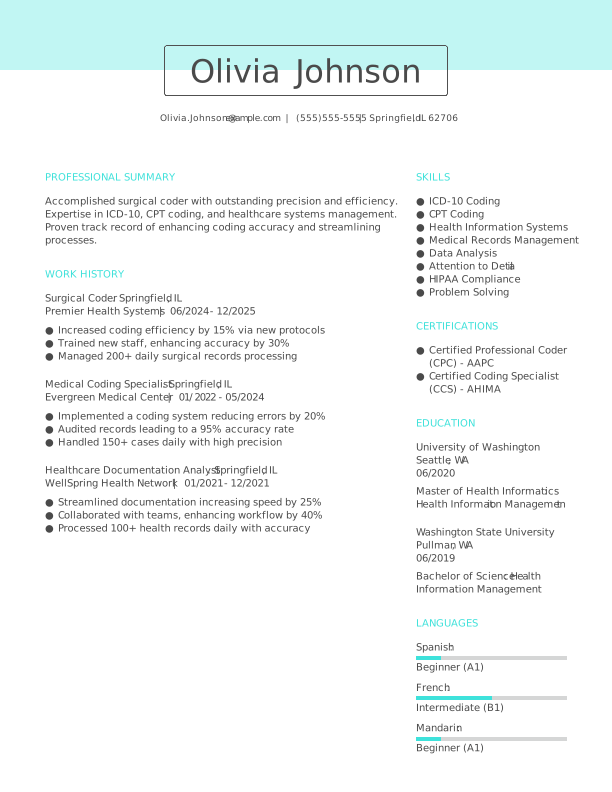
This entry-level resume effectively highlights the applicant's coding accuracy and efficiency improvements, showcasing relevant experience in both medical records management and surgical coding. New professionals in this field must emphasize their technical skills, attention to detail, and commitment to compliance standards to appeal to employers despite limited work history.
Mid-career surgical coder resume
What this resume does well:
This resume effectively showcases the job seeker's qualifications through a clear presentation of achievements and responsibilities, reflecting their readiness for advanced coding challenges. Their progression demonstrates significant contributions to efficiency and accuracy in surgical coding, indicating strong leadership potential.
Experienced surgical coder resume
What this resume does well:
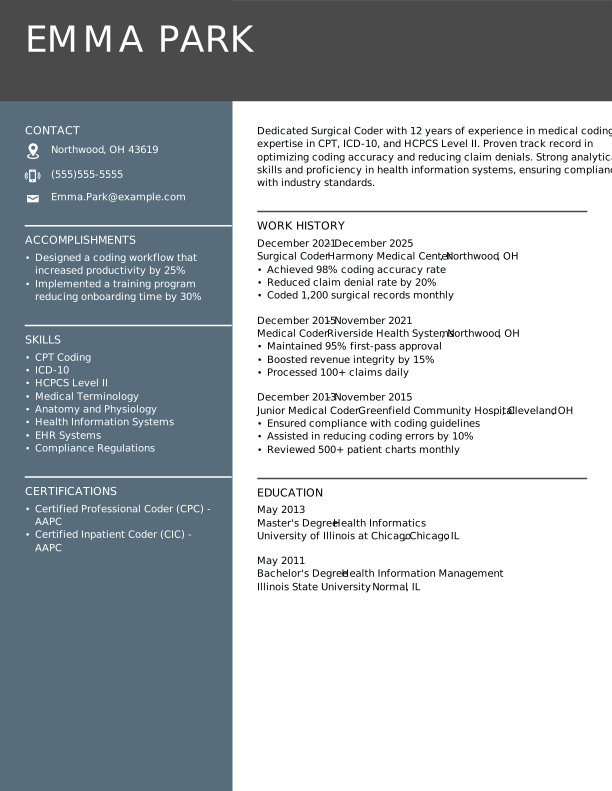
The work experience section showcases the applicant's extensive coding expertise, highlighted by a remarkable 98% coding accuracy rate and a 20% reduction in claim denials. The clear bullet-point format improves readability, making it easy for hiring managers to identify key accomplishments quickly.
Resume Template—Easy to Copy & Paste
Example
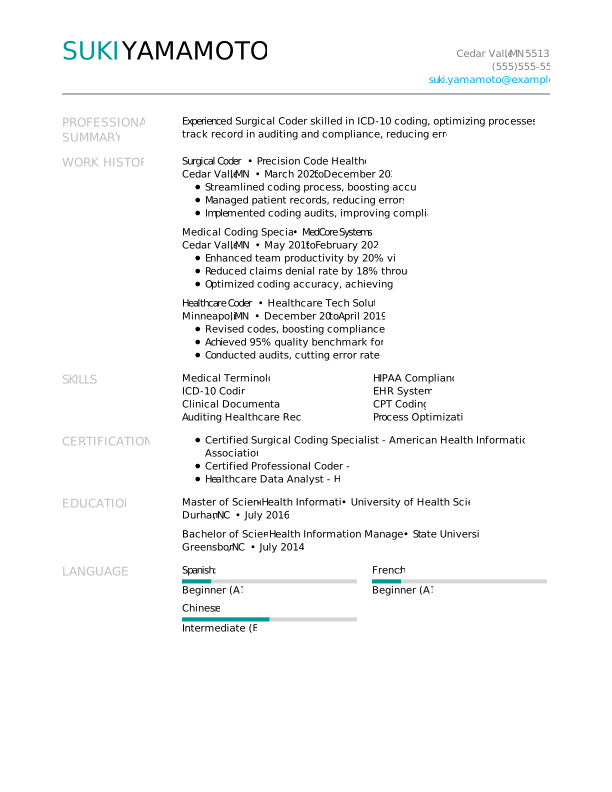
Suki Yamamoto
Cedar Valley, MN 55130
(555)555-5555
Suki.Yamamoto@example.com
Professional Summary
Experienced Surgical Coder skilled in ICD-10 coding, optimizing processes 30%+. Proven track record in auditing and compliance, reducing error rates 15%.
Work History
Surgical Coder
Precision Code Healthcare - Cedar Valley, MN
March 2023 - December 2025
- Streamlined coding process, boosting accuracy 30%
- Managed patient records, reducing errors by 15%
- Implemented coding audits, improving compliance 25%
Medical Coding Specialist
MedCore Systems - Cedar Valley, MN
May 2019 - February 2023
- Enhanced team productivity by 20% via training
- Reduced claims denial rate by 18% through review
- Optimized coding accuracy, achieving 98% rate
Healthcare Coder
Healthcare Tech Solutions - Minneapolis, MN
December 2016 - April 2019
- Revised codes, boosting compliance by 12%
- Achieved 95% quality benchmark for coding
- Conducted audits, cutting error rate by 10%
Skills
- Medical Terminology
- ICD-10 Coding
- Clinical Documentation
- Auditing Healthcare Records
- HIPAA Compliance
- EHR Systems
- CPT Coding
- Process Optimization
Certifications
- Certified Surgical Coding Specialist - American Health Information Management Association
- Certified Professional Coder - AAPC
- Healthcare Data Analyst - HIMSS
Education
Master of Science Health Informatics
University of Health Sciences Durham, NC
July 2016
Bachelor of Science Health Information Management
State University Greensboro, NC
July 2014
Languages
- Spanish - Beginner (A1)
- French - Beginner (A1)
- Chinese - Intermediate (B1)
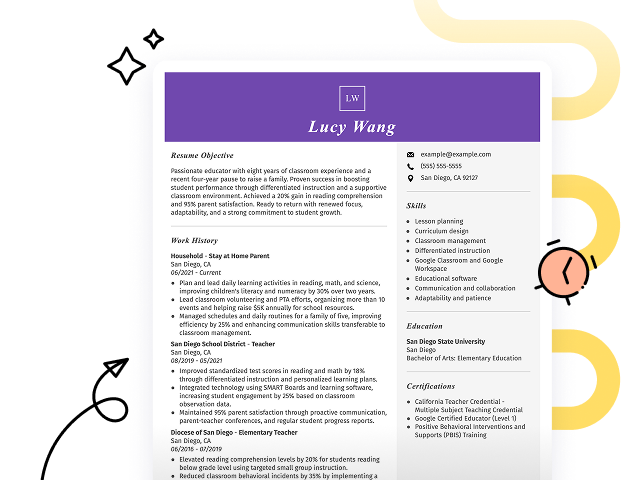
Build Your Resume in Minutes
Creating a custom resume is easier than ever with our Resume Builder!
How to Write a Surgical Coder Resume Summary
Your resume summary is the first impression you make on hiring managers. It’s your opportunity to stand out and showcase how you meet the qualifications of a surgical coder.
As a surgical coder, it’s essential to highlight your attention to detail, coding accuracy, and knowledge of medical terminology. These are important skills that show your ability to navigate complex coding systems effectively.
To illustrate what works in this section, we’ll explore some examples of strong surgical coder resume summaries. These examples will provide insight into effective strategies for crafting your own summary:
Weak Example
I am an experienced surgical coder with a diverse background in medical coding. I seek a position where I can use my skills effectively and contribute to the success of the company. A role that offers flexibility and possibilities for advancement would be great for me. I believe I can be a valuable addition to your team if given the chance.
Why this summary misses the mark:
- Contains vague phrases about experience without detailing specific achievements or certifications relevant to surgical coding
- Overuses personal pronouns, making it sound less professional and focused on self rather than the employer’s needs
- Emphasizes what the job seeker hopes to gain from the job instead of highlighting their unique contributions or skills that benefit the employer
Strong Example
Detail-oriented surgical coder with over 7 years of experience in accurately coding surgical procedures and diagnoses. Achieved a 98% accuracy rate during audits, leading to improved reimbursement processes and reduced claim denials by 20%. Proficient in ICD-10, CPT coding systems, and electronic health record (EHR) management, collaborating effectively with healthcare providers to ensure compliance and optimize patient care documentation.
Why this summary works:
- Clearly states the job seeker's years of experience and specific role within the surgical coding field
- Highlights quantifiable achievements that showcase measurable impact on financial performance and operational efficiency
- Mentions relevant technical skills that align with the requirements of surgical coding positions

Pro Tip
If you’re new to the surgical coding field, consider crafting a strong career objective. This can highlight your skills and aspirations more effectively than a traditional summary. Numerous tailored resume objective examples are available to guide you in showcasing your potential.
Showcasing Your Work Experience
The work experience section is important for your resume as a surgical coder, where you'll provide the bulk of your content. Good resume templates are designed to emphasize this section, ensuring that your relevant experience stands out.
This area should be organized in reverse-chronological order, clearly listing your previous positions. Using bullet points allows you to effectively detail your accomplishments and responsibilities in each role.
Now, let's explore some examples that demonstrate how to craft a strong work history section for surgical coders. These examples will show what works well and what should be avoided:
Weak Example
Surgical Coder
Health First Surgical Center – Orlando, FL
- Reviewed patient records
- Assigned codes for surgeries
- Collaborated with healthcare providers
- Maintained coding databases
Why this work experience section misses the mark:
- Lacks specific employment dates to establish timeline
- Bullet points are overly simplistic and do not highlight key skills
- Does not mention any measurable outcomes or achievements in coding accuracy
Strong Example
Surgical Coder
HealthFirst Surgical Center – Dallas, TX
March 2020 - Current
- Review and analyze surgical documentation to assign accurate CPT and ICD-10 codes, achieving a 98% accuracy rate in coding audits
- Collaborate with surgeons and administrative staff to streamline billing processes, resulting in a 30% reduction in claim rejections over one year
- Train new coders on best practices and coding guidelines, fostering a culture of continuous improvement and compliance
Why this work experience section works:
- Uses strong action verbs to clearly describe the job seeker's impact in the role
- Incorporates specific metrics that highlight performance improvements and efficiencies
- Demonstrates relevant skills through detailed accomplishments related to the profession
While your resume summary and work experience are essential components, don't overlook the other sections that contribute to a strong presentation. Each part of your resume plays an important role in showcasing your qualifications. For more insights on how to write a resume, be sure to explore our detailed guide.
Top Skills to Include on Your Resume
A well-defined skills section is important for a surgical coder's resume. It allows you to immediately showcase your abilities, demonstrating to employers that you possess the necessary qualifications for the role.
Employers value candidates who bring both strong technical abilities and solid interpersonal skills. Showcasing a balance of hard and soft skills on your resume helps demonstrate your full professional strengths.
Soft skills encompass strong communication, analytical thinking, and adaptability, which are essential for collaborating effectively with healthcare teams and ensuring proper documentation for patient care.
When selecting skills for your resume, it's important to align with what employers expect. Many organizations use applicant tracking systems (ATS) that filter out job seekers who don't include essential resume skills.
To tailor your resume effectively, review job postings closely. By doing so, you can pinpoint the specific resume skills that recruiters and ATS systems prioritize, helping your application stand out.
Pro Tip
To improve your chances of getting noticed by employers, you should check your resume with our ATS Resume Checker. It highlights over 30 common mistakes, ensuring your application easily navigates through applicant tracking systems.
10 skills that appear on successful surgical coder resumes
Highlighting essential skills on your resume can significantly attract the attention of recruiters seeking surgical coders. You’ll find these skills exemplified in our resume examples, allowing you to present yourself with the confidence a well-crafted resume provides.
Here are 10 key skills that you should consider including in your resume if they align with your expertise and job expectations:
Attention to detail
Knowledge of ICD-10 coding
Skill in CPT coding
Strong analytical skills
Ability to work independently
Familiarity with medical terminology
Time management
Communication skills
Problem-solving abilities
Ethical judgment
Based on analysis of 5,000+ medical professional resumes from 2023-2024
Resume Format Examples
Selecting the appropriate resume format as a surgical coder is important for effectively showcasing your specialized skills, coding experience, and professional growth.
Entry-Level 0 - 2 years
Functional
Focuses on skills rather than previous jobs
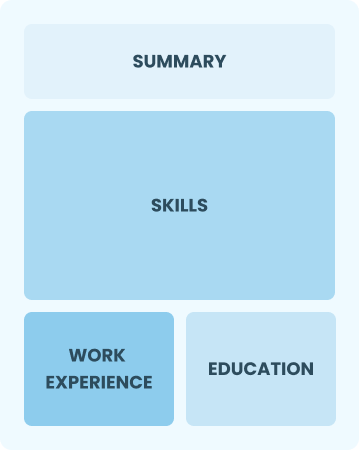
Best for:
Recent graduates and career changers with up to two years of experience
Mid-Career 3 - 7 years
Combination
Balances skills and work history equally
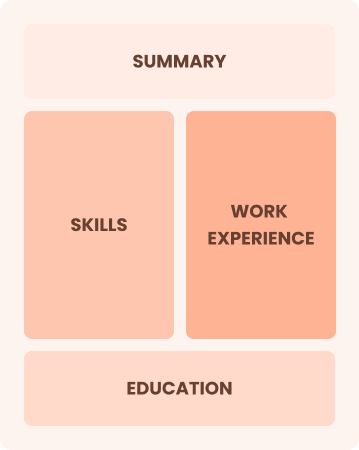
Best for:
Mid-career professionals focused on demonstrating their skills and potential for growth
Experienced 8+ years
Chronological
Emphasizes work history in reverse order
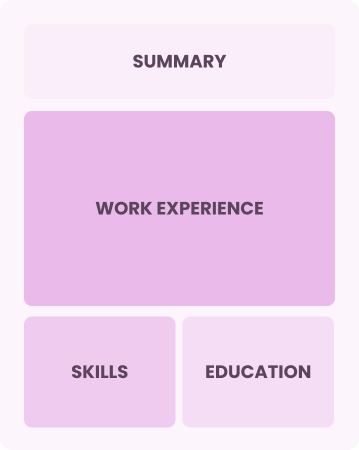
Best for:
Experienced coders specializing in complex surgical procedures and compliance leadership
Frequently Asked Questions
Should I include a cover letter with my surgical coder resume?
Absolutely. Including a cover letter can significantly improve your application by highlighting your relevant skills and showcasing your enthusiasm for the position. It allows you to connect your experiences with the job requirements. If you need assistance, explore our resources on how to write a cover letter or use our easy-to-navigate Cover Letter Generator to get started quickly.
Can I use a resume if I’m applying internationally, or do I need a CV?
As a surgical coder, it's advisable to use a CV instead of a resume when applying for positions in countries with specific formatting preferences. To aid your efforts, explore our comprehensive resources on how to write a CV and review various CV examples to ensure your application stands out globally.
What soft skills are important for surgical coders?
Soft skills like attention to detail, communication, and interpersonal skills are essential for surgical coders. These abilities help ensure accurate coding while encouraging collaboration with healthcare providers, which contributes to precise and comprehensive patient records that support quality patient care.
I’m transitioning from another field. How should I highlight my experience?
Highlight your transferable skills such as attention to detail, analytical thinking, and effective communication. These abilities are important in surgical coding and showcase your potential value, even if you lack direct experience. Use specific instances from your past roles to illustrate how these skills can improve accuracy in coding and improve overall patient care.
How do I write a resume with no experience?
Applying for a surgical coder role without direct experience? Highlight your medical coding coursework, any relevant certifications, volunteer work in healthcare settings, and strong attention to detail. If you need guidance, consider reviewing tips on building a resume with no experience. Focus on your eagerness to learn and contribute to a team. Your passion and skills can stand out even without formal job history.
How do I add my resume to LinkedIn?
To add your resume to LinkedIn and increase its visibility, upload it directly to your profile or highlight key skills and experiences in the "About" and "Experience" sections. This approach allows healthcare recruiters to easily find qualified surgical coders, improving your chances of being noticed by potential employers.




Ready to land the job?
Join 28M+ others who've built a resume that works.