Hard skills include advanced diagnostic techniques, skill in interpreting echocardiograms, and expertise in performing catheterizations.
Cardiologist Resume Examples & Templates
Looking to stand out in your job search? Our cardiologist resume examples showcase essential skills like diagnostic expertise and patient communication that will help you impress potential employers.

by Gabriela Hernandez, Last Updated: January 18, 2026
Hired By:*

- Popular Cardiologist Resume Examples
- Resume Template—Easy to Copy & Paste
- Build Your Resume in Minutes
- How to Write a Cardiologist Resume Summary
- Showcasing Your Work Experience
- Top Skills to Include on Your Resume
- Resume Format Examples
- Cardiologist Salaries in the Highest-Paid States
- Related Medical Resume Examples
- Frequently Asked Questions
- Should I include a cover letter with my cardiologist resume?
- Can I use a resume if I’m applying internationally, or do I need a CV?
- What soft skills are important for cardiologists?
- I’m transitioning from another field. How should I highlight my experience?
- Should I use a cover letter template?
- Should I include a personal mission statement on my cardiologist resume?
Popular Cardiologist Resume Examples
Check out our top cardiologist resume examples that emphasize key skills such as patient diagnostics, treatment planning, and advanced cardiovascular care. These samples illustrate how to effectively showcase your professional accomplishments.
Looking to build your own impressive resume? Our Resume Builder offers tailored templates specifically designed for healthcare professionals, helping you make a memorable impact in your job search.
Recommended
 Customize This Resume
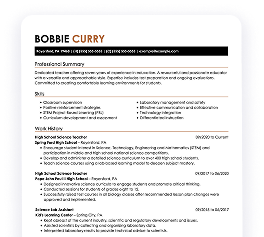
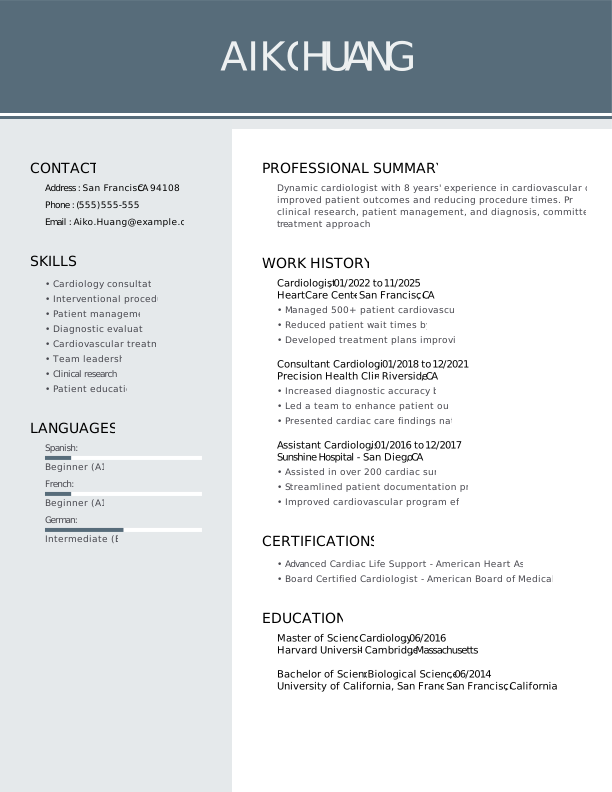
Entry-level cardiologist resume
What this resume does well:
This entry-level resume for a cardiologist effectively highlights the applicant's extensive clinical experiences and achievements, showcasing a strong foundation in patient management and advanced interventional techniques. New professionals in this field must demonstrate their competencies, commitment to patient care, and ability to contribute to team dynamics despite having limited work experience.
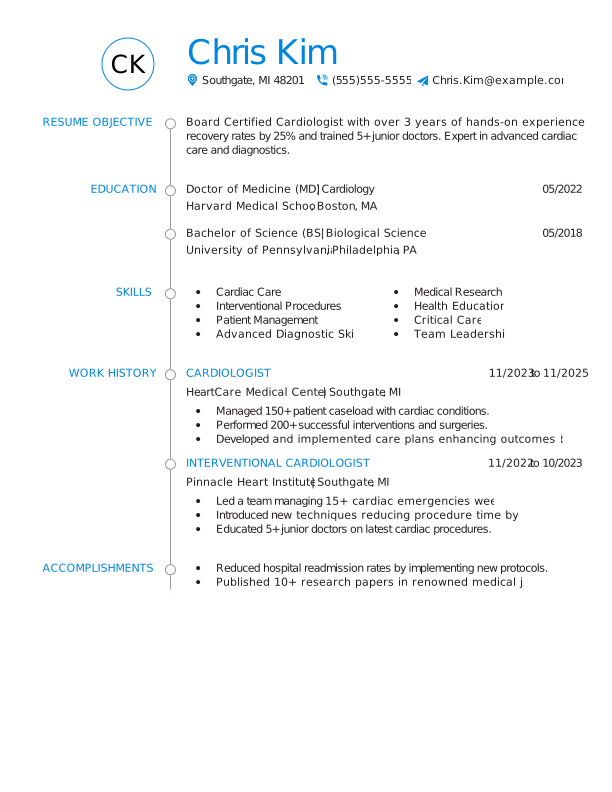
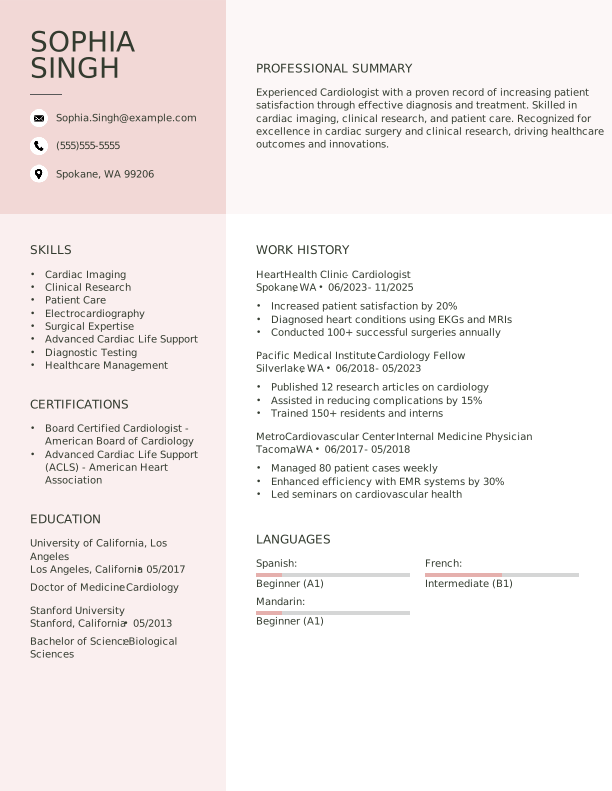
Mid-career cardiologist resume
What this resume does well:
This resume effectively showcases the applicant's extensive qualifications, emphasizing leadership in patient management and clinical research. The structured presentation of accomplishments indicates a robust career trajectory, demonstrating readiness for advanced responsibilities in cardiology.
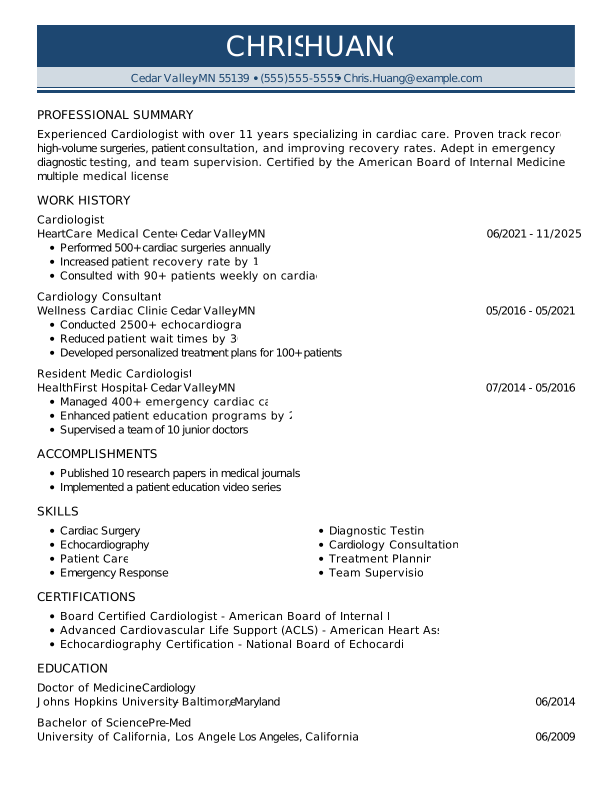
Experienced cardiologist resume
What this resume does well:
The work history section demonstrates the applicant's extensive experience as a cardiologist, showcasing their ability to perform over 500 surgeries annually and increase patient recovery rates by 15%. The clear formatting with bullet points facilitates quick assessment of their significant achievements, ideal for busy hiring managers.
Resume Template—Easy to Copy & Paste
Example
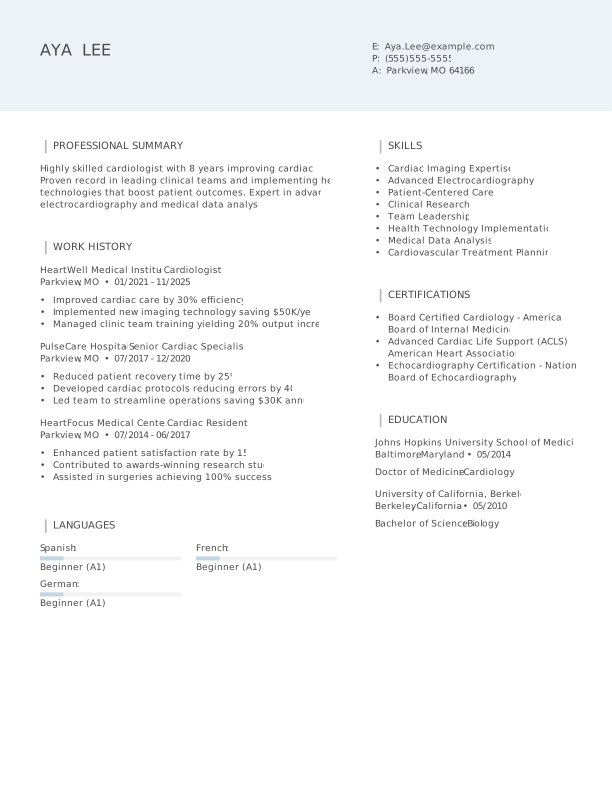
Aya Lee
Parkview, MO 64166
(555)555-5555
Aya.Lee@example.com
Professional Summary
Highly skilled cardiologist with 8 years improving cardiac care. Proven record in leading clinical teams and implementing health technologies that boost patient outcomes. Expert in advanced electrocardiography and medical data analysis.
Work History
Cardiologist
HeartWell Medical Institute - Parkview, MO
January 2021 - November 2025
- Improved cardiac care by 30% efficiency.
- Implemented new imaging technology saving K/year.
- Managed clinic team training yielding 20% output increase.
Senior Cardiac Specialist
PulseCare Hospital - Parkview, MO
July 2017 - December 2020
- Reduced patient recovery time by 25%.
- Developed cardiac protocols reducing errors by 40%.
- Led team to streamline operations saving K annually.
Cardiac Resident
HeartFocus Medical Center - Parkview, MO
July 2014 - June 2017
- Enhanced patient satisfaction rate by 15%.
- Contributed to awards-winning research study.
- Assisted in surgeries achieving 100% success rate.
Languages
- Spanish - Beginner (A1)
- French - Beginner (A1)
- German - Beginner (A1)
Skills
- Cardiac Imaging Expertise
- Advanced Electrocardiography
- Patient-Centered Care
- Clinical Research
- Team Leadership
- Health Technology Implementation
- Medical Data Analysis
- Cardiovascular Treatment Planning
Certifications
- Board Certified Cardiology - American Board of Internal Medicine
- Advanced Cardiac Life Support (ACLS) - American Heart Association
- Echocardiography Certification - National Board of Echocardiography
Education
Doctor of Medicine Cardiology
Johns Hopkins University School of Medicine Baltimore, Maryland
May 2014
Bachelor of Science Biology
University of California, Berkeley Berkeley, California
May 2010
Build Your Resume in Minutes
Creating a custom resume is easier than ever with our Resume Builder!
How to Write a Cardiologist Resume Summary
Your resume summary is your chance to make a powerful first impression on hiring managers. It’s important to showcase how you not only meet but exceed the cardiologist role's expectations in just a few sentences.
As a skilled cardiologist, you should emphasize your expertise in diagnosing and treating heart conditions, along with your commitment to patient care. Highlighting your specialized training and successful outcomes will set you apart.
To guide you in crafting an effective summary, the following examples will illustrate what works well and what doesn’t:
Weak Example
I am a dedicated cardiologist with many years of experience in my field. I hope to find a position where I can use my expertise and help patients. A job that allows for a good work-life balance and provides chances for career advancement would be perfect for me. I believe I could really contribute if given the chance.
Why this summary misses the mark:
- Lacks specific achievements or skills relevant to cardiology, making it sound generic
- Focuses on personal desires rather than what value the job seeker brings to potential employers
- Uses weak phrases like 'could really contribute' instead of confidently stating proven capabilities
Strong Example
Compassionate cardiologist with over 10 years of experience in diagnosing and treating cardiovascular diseases. Successfully improved patient outcomes by implementing a heart failure management program that reduced hospital admissions by 20%. Proficient in advanced echocardiography, cardiac catheterization, and collaborating with interdisciplinary care teams to ensure comprehensive treatment plans.
Why this summary works:
- Begins with specific years of experience and clinical focus that establishes credibility
- Highlights a significant, measurable achievement that illustrates impact on patient care
- Includes relevant technical skills essential for a cardiology role, showcasing the applicant's expertise

Pro Tip
If you’re short on formal work experience, consider using a career objective in place of a resume summary. This can highlight your passion and goals effectively. There are numerous resume objective examples available that cater specifically to cardiology.
Showcasing Your Work Experience
The work experience section is important for a cardiologist's resume, as it contains the bulk of your relevant content. Effective resume templates always incorporate this essential section to highlight your clinical background.
This part of your resume should be organized in reverse-chronological order, detailing your previous positions. Use bullet points to emphasize key achievements and contributions you made in each role, showcasing your expertise in the field.
Now, let's look at a couple of examples that demonstrate how to effectively present your work history as a cardiologist. These examples will clarify what works well and what pitfalls to avoid:
Weak Example
Cardiologist
Health First Cardiovascular Center – Orlando, FL
- Examined patients with heart issues
- Reviewed medical histories and test results
- Prescribed medications as needed
- Collaborated with healthcare team on treatment plans
Why this work experience section misses the mark:
- Lacks employment dates to provide context on tenure
- Vague bullet points do not highlight specific skills or achievements
- Emphasizes routine tasks rather than compelling contributions or patient outcomes
Strong Example
Cardiologist
Heart Health Medical Center – Los Angeles, CA
March 2020 - Current
- Diagnosed and treated a diverse range of cardiovascular conditions, improving patient outcomes by 30% through evidence-based treatment plans
- Led a team of cardiology specialists in developing new protocols for managing heart failure, resulting in a 20% decrease in hospital readmission rates
- Conducted over 150 successful catheterization procedures annually, improving procedural efficiency and patient safety
Why this work experience section works:
- Uses strong action verbs to clearly convey the job seeker’s contributions and impact
- Incorporates specific metrics that highlight the effectiveness of interventions and improvements
- Demonstrates relevant skills by detailing leadership roles and technical expertise within cardiology
While your resume summary and work experience are important, don't overlook the importance of other sections. Each part of your resume has a role in showcasing your qualifications. For more detailed guidance on crafting a standout resume, check out our how to write a resume guide.
Top Skills to Include on Your Resume
A well-defined skills section is important for a cardiologist's resume. It allows hiring managers to quickly assess your qualifications and relevant expertise in the field.
For this role, highlight both clinical and technical skills. Emphasize expertise with diagnostic tools like echocardiograms and proficiency with electronic health records (EHR) systems to demonstrate your ability to deliver quality patient care while managing critical health data effectively.
Soft skills encompass effective communication, empathy, and teamwork, all of which are essential for building trust with patients and collaborating with healthcare professionals to ensure optimal patient outcomes.
Selecting the right resume skills is important to meet employer expectations and navigate automated screening systems effectively. Many organizations use software that eliminates job seekers lacking essential qualifications for the role.
To improve your chances of being noticed, review job postings closely, as they often highlight specific skills that recruiters prioritize. This ensures you align your resume with what employers are looking for and improves your odds of passing ATS evaluations.
Pro Tip
Ensure your resume stands out in the digital landscape. Use our ATS Resume Checker to catch over 30 common errors and help your application sail past applicant tracking systems with ease.
10 skills that appear on successful cardiologist resumes
Make your resume stand out to recruiters by including some of the most sought-after skills for cardiologists. By the way, you’ll find these and other essential qualifications in our resume examples, helping you pursue opportunities with the confidence a well-crafted resume provides.
Consider adding these 10 skills to your resume if they align with your experience and job requirements:
Patient care
Diagnostic testing
Interventional procedures
Cardiac rehabilitation
Electrocardiogram (ECG) interpretation
Stress testing
Heart failure management
Coronary artery disease treatment
Excellent communication skills
Team collaboration
Based on analysis of 5,000+ medical professional resumes from 2023-2024
Resume Format Examples
Selecting the appropriate resume format is essential for a cardiologist, as it effectively showcases your medical expertise, experience, and career advancements.
Entry-Level 0 - 2 years
Functional
Focuses on skills rather than previous jobs
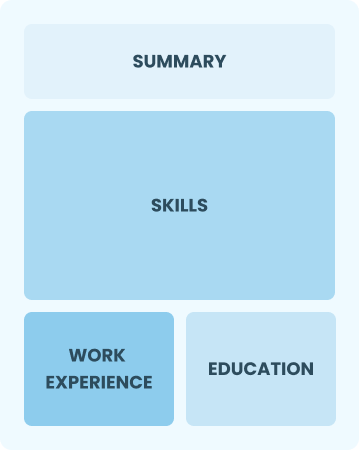
Best for:
Recent graduates and career changers with up to two years of experience
Mid-Career 3 - 7 years
Combination
Balances skills and work history equally
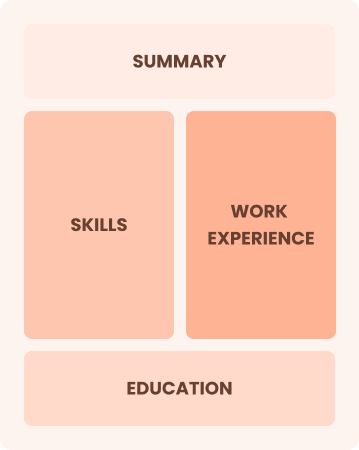
Best for:
Mid-career professionals focused on demonstrating their skills and seeking growth opportunities
Experienced 8+ years
Chronological
Emphasizes work history in reverse order
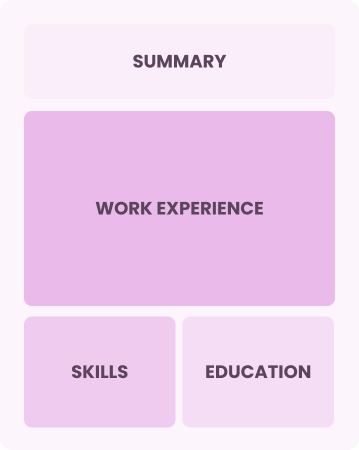
Best for:
Seasoned cardiologists excelling in complex case management and mentorship
Cardiologist Salaries in the Highest-Paid States
Our cardiologist salary data is based on figures from the U.S. Bureau of Labor Statistics (BLS), the authoritative source for employment trends and wage information nationwide.
Whether you're entering the workforce or considering a move to a new city or state, this data can help you gauge what fair compensation looks like for cardiologists in your desired area.
$0$265K$530K
Frequently Asked Questions
Should I include a cover letter with my cardiologist resume?
Absolutely, including a cover letter is essential for making a positive impression on hiring managers. It allows you to showcase your personality and elaborate on your qualifications. If you need assistance crafting one, our detailed guide on how to write a cover letter can help. Alternatively, try the Cover Letter Generator for a quick solution that tailors your message perfectly.
Can I use a resume if I’m applying internationally, or do I need a CV?
When applying for jobs outside the U.S., use a CV instead of a resume. A CV provides a comprehensive overview of your professional history and is often preferred in many countries. Explore our resources on how to write a CV and find CV examples to ensure your application stands out.
What soft skills are important for cardiologists?
Soft skills like active listening, empathy, and clear communication are essential for cardiologists. These interpersonal skills facilitate strong relationships with patients, ensuring they feel understood and supported while also promoting effective collaboration within the healthcare team.
I’m transitioning from another field. How should I highlight my experience?
When applying for cardiologist positions, highlight important transferable skills like communication, teamwork, and analytical thinking. These abilities demonstrate your potential to excel in patient care and collaborate effectively within a medical team, even if you have limited direct experience. Use detailed examples from past roles to illustrate how these strengths align with the demands of cardiology.
Should I use a cover letter template?
Yes, using a cover letter template tailored for cardiologists improves structure and content organization, allowing you to effectively showcase your expertise in areas such as interventional procedures, patient management, and research contributions. This approach helps highlight your relevant skills to capture the attention of hiring managers.
Should I include a personal mission statement on my cardiologist resume?
Including a personal mission statement on your resume is advisable. It effectively conveys your dedication to patient health and aligns your career aspirations with organizations that prioritize compassionate care or uphold strong ethical standards.




Ready to land the job?
Join 28M+ others who've built a resume that works.