How to Write a Resume With No Experience: Guide & Examples
If you lack formal job experience, check out our ultimate guide on how to write a resume with no experience to land your first job by showcasing skills and education.
Venturing into the workforce for the first time can be daunting, especially when you don’t have much experience. But remember that every worker has been in your position, and everyone has to start somewhere.
Even without a formal job history, you can write a strong resume that convinces recruiters you’re right for the job. Play this video for a quick overview of the key steps to writing a resume with no experience, and then read on for guidance to help you get the interview.
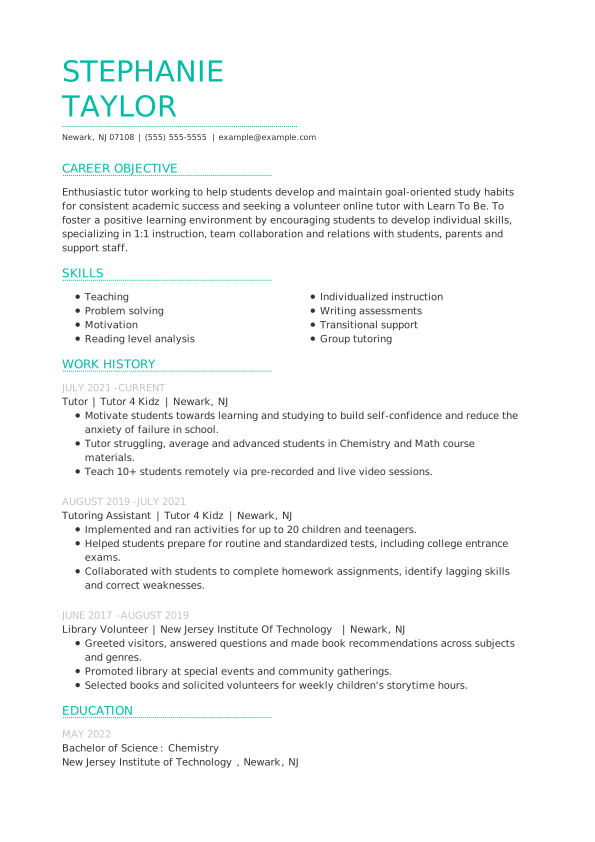
Resume With No Experience: Example
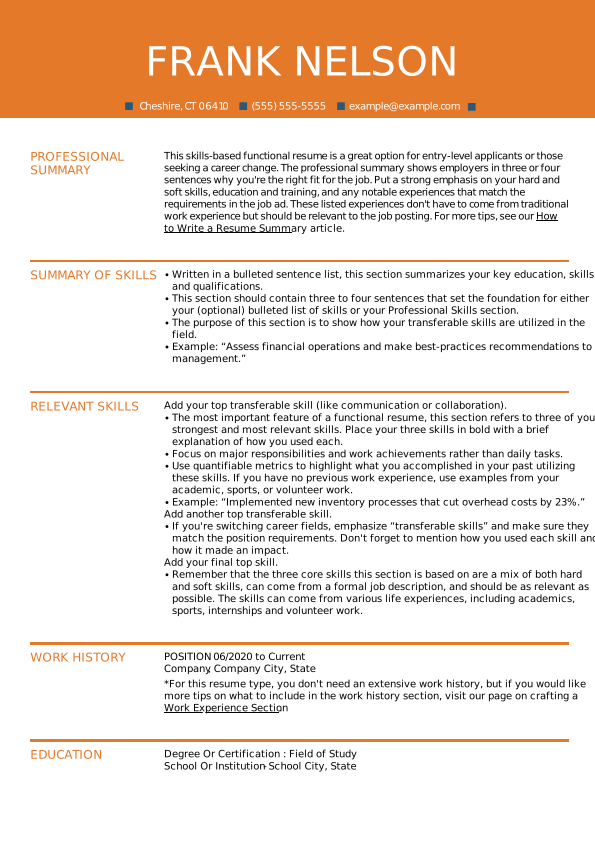
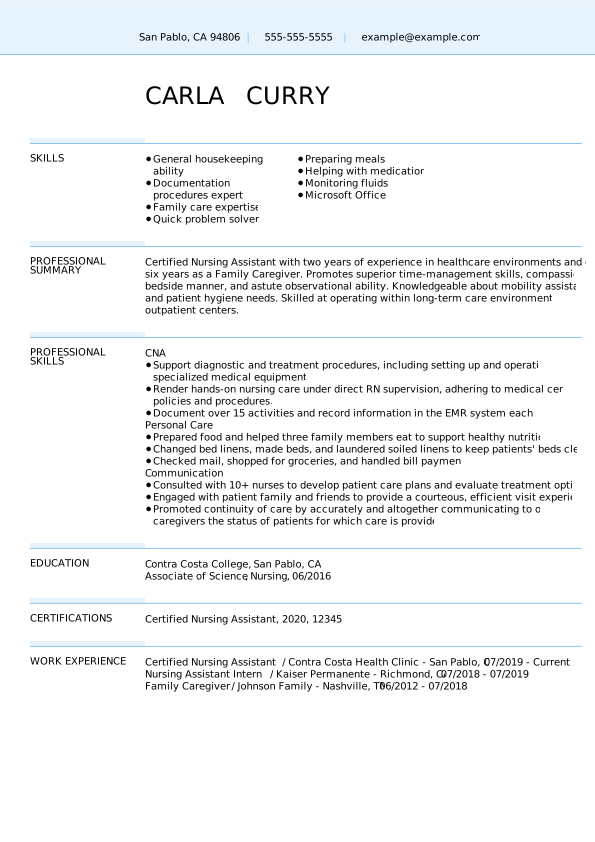
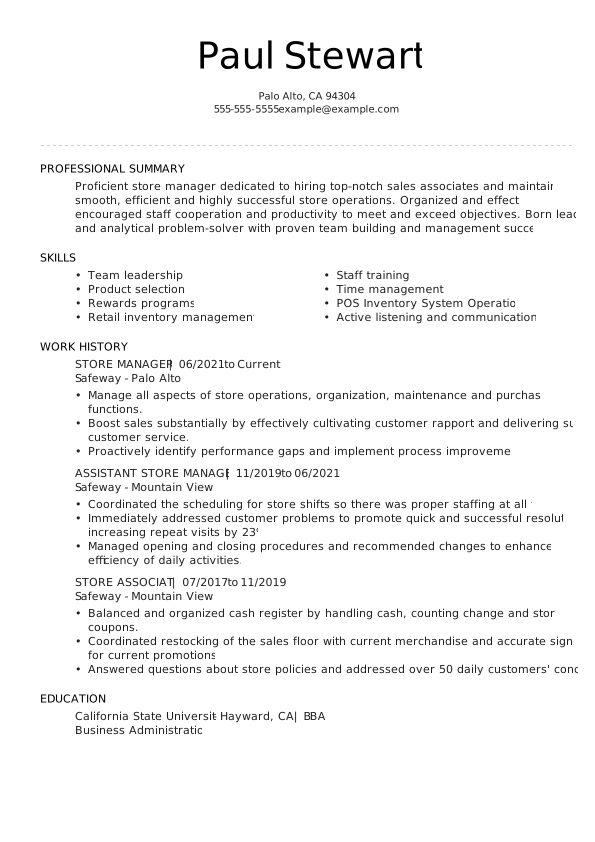
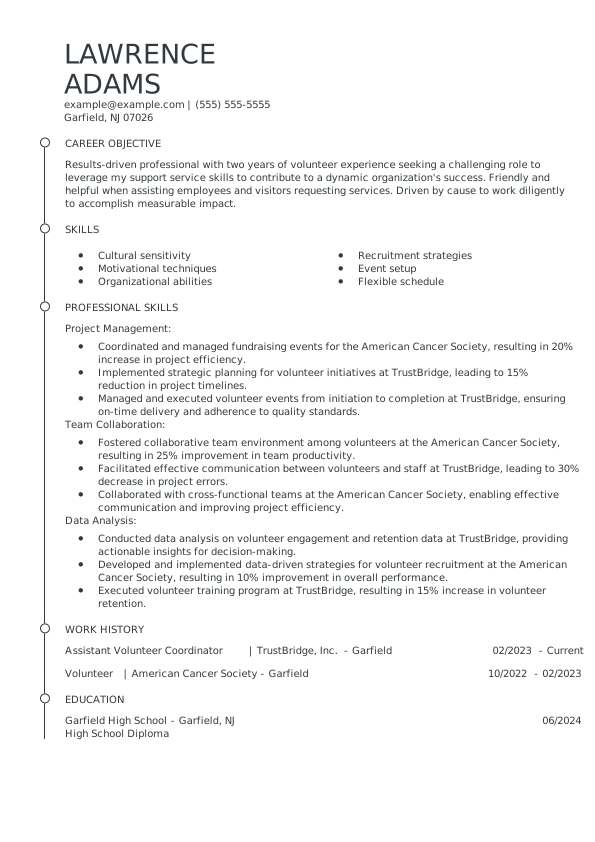
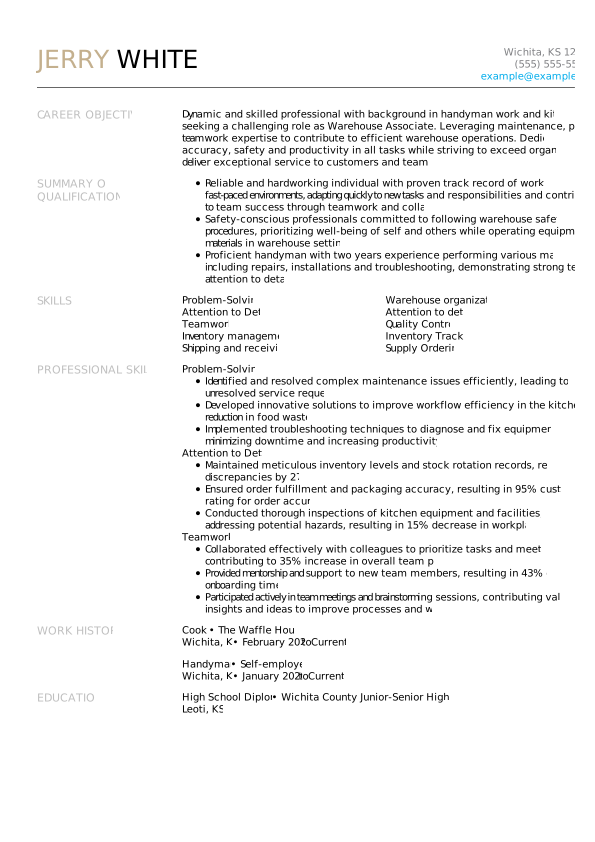
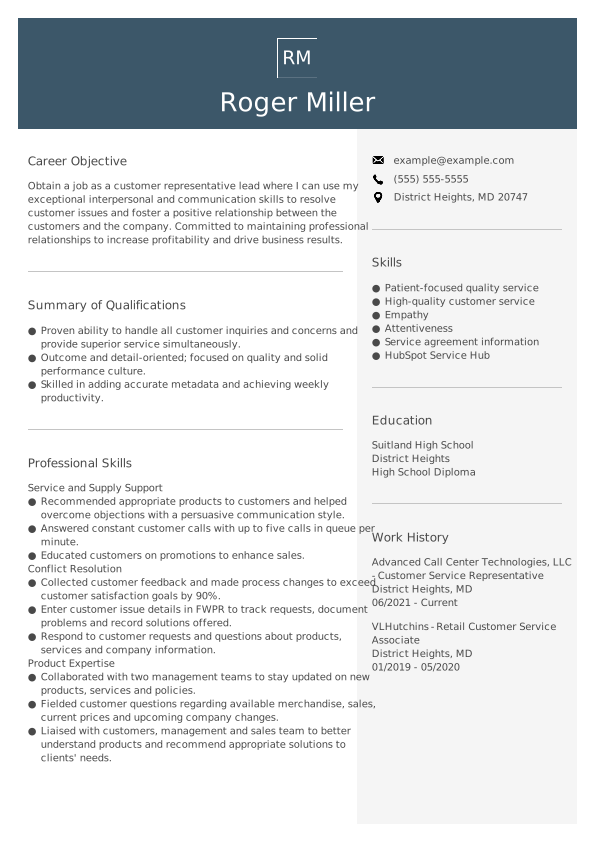
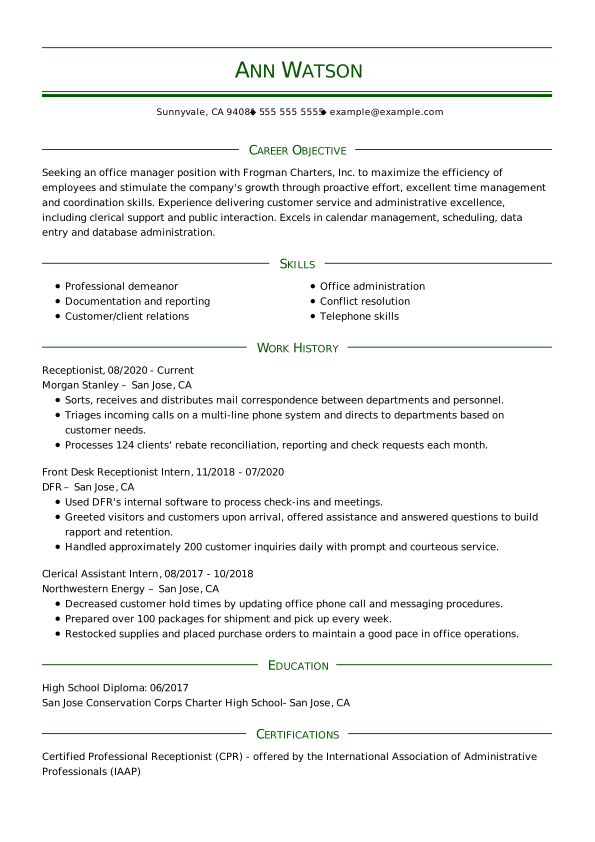
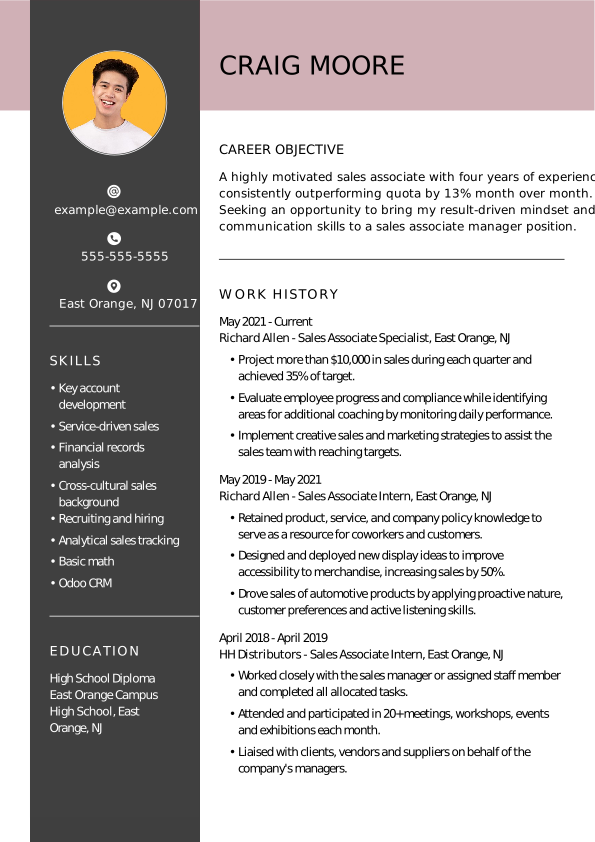
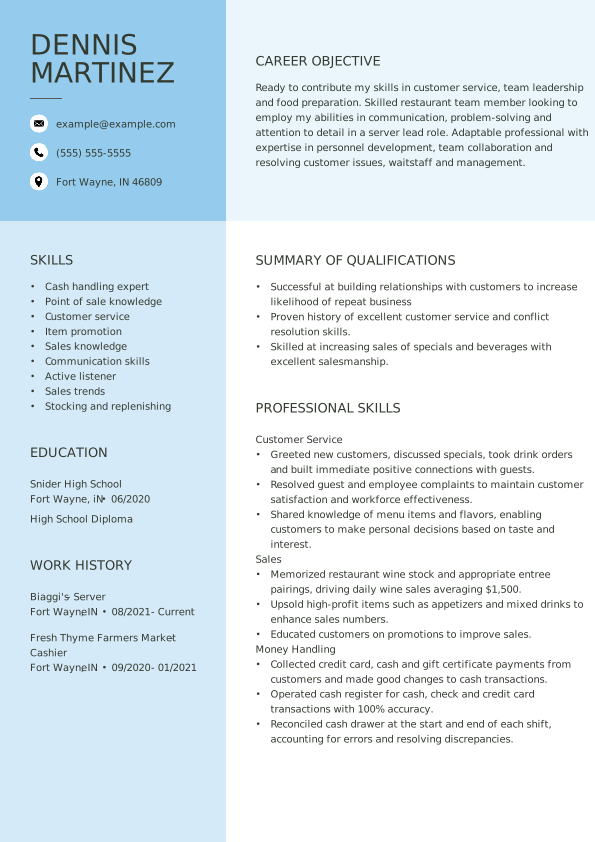
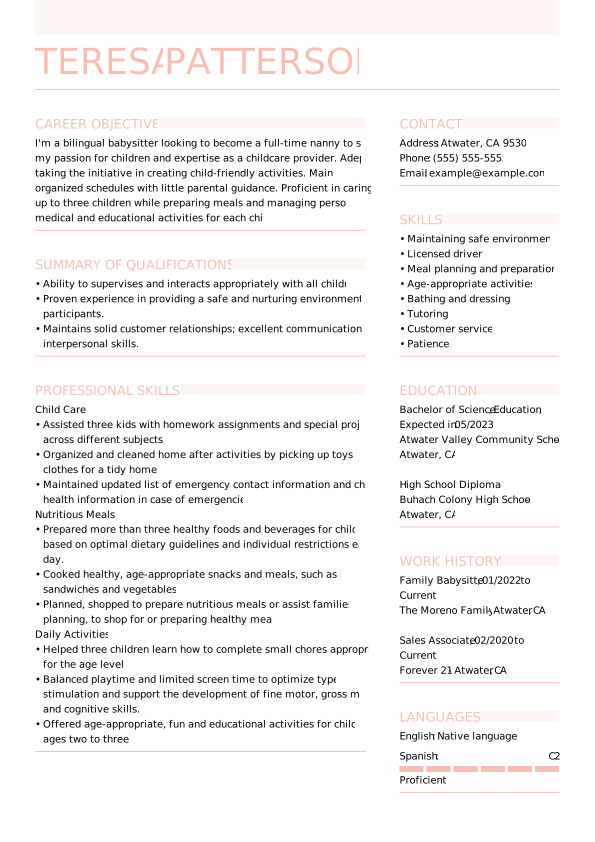
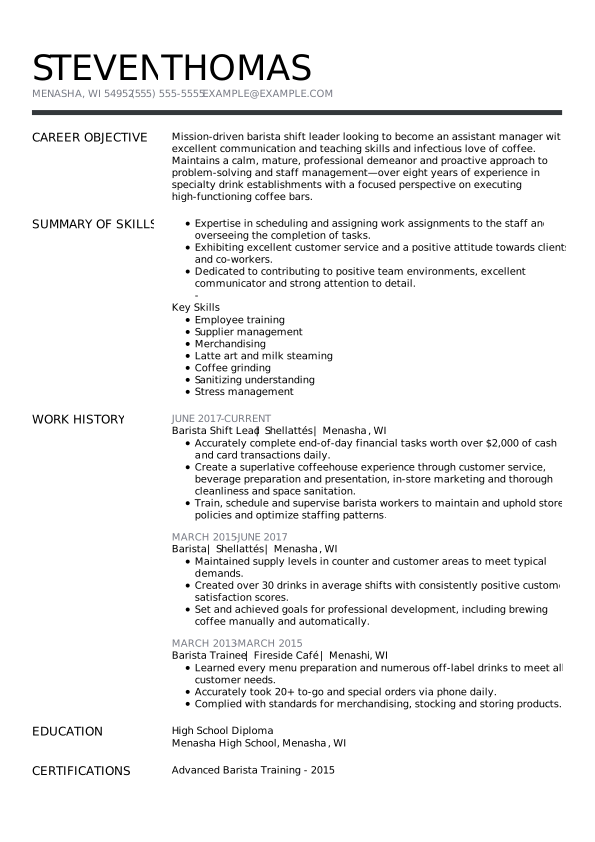
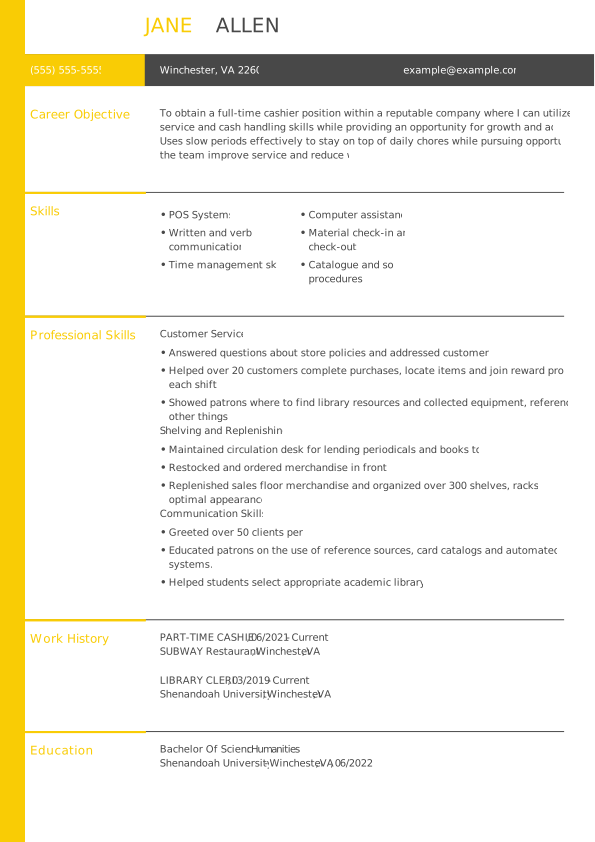
This no-experience resume sample features all the required sections you need to wow recruiters. You can edit this resume sample in our builder by focusing on your unique skills and qualifications. Download and start applying for work opportunities!
You can easily build a resume with no experience with our Resume Builder. In addition to helping you format your resume correctly, our builder suggests personalized content you can copy and paste into each of your resume sections. You’ll have a stellar resume in just a few minutes!
Many new job seekers feel stuck when “entry-level” jobs require experience they don’t have. If you’ve ever wondered, “How can I gain experience if no one will hire me without it?”, you’re not alone.
To help you break through, we’ve gathered expert tips for writing a no-experience resume that stands out to recruiters.
First of all:
There’s no such thing as no experience: You can draw from experiences in your academic or personal life to show recruiters you possess valuable professional skills. For example, school club activities, sports, internships, and personal projects are all valid experiences where you develop key skills and specialized knowledge.
Emphasize your education and skills: If you have to leave your work experience a little bare, double down on the education and skills sections. Mention relevant coursework, GPA scores, and honors or awards to enhance your educational section. Also, consider adding multiple skill sections to show employers you have robust knowledge ready to implement.
Choose a resume template that works for you: Resume templates aren’t just about looks; they also structure your information to highlight your strengths and minimize gaps or lack of experience. There are three types of layouts, or resume formats, you can choose from to organize your resume sections, but for inexperienced job seekers, the functional resume format is the best.
Now that you understand how to make a resume with no experience, let’s get down to the specifics of writing each section of your no-experience resume.
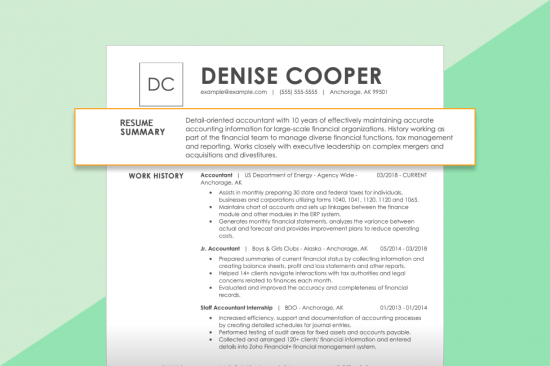
How to write a summary for a resume with no experience
Every resume begins with a resume profile where you introduce yourself to recruiters and mention your most relevant qualifications for the job.
The resume summary is the most common approach for this section and the one you’re likely more familiar with. However, the career objective is the best approach when writing a resume with no experience.
Your resume’s career objective section should have some, if not all, of the following:
Your current or desired job title
Your degree or any certification relevant to the position
“Current high school student specializing in communication studies, eager to bring social media management skills, interviewing, branding, networking, and negotiating skills to Seventeen magazine’s spring internship program. As social media manager of Tulane High School’s Instagram account of 24k followers and TikTok account of 47k, I can revitalize Seventeen’s social media to connect with a Gen Z audience.”
Although the resume objective strategy makes the most sense for applicants with little or no experience, the resume summary is a common approach these days and can work for any type of applicant.
Tips for expanding your skills section
If your work experience is limited, your skills section can do the heavy lifting on your resume. In a functional resume, the focus shifts away from job titles to your professional skill set. The functional skills section is the place where you share valuable accomplishments without having to associate them with a specific role.
To build your resume with no-experience skills section, you will:
Pick three or more hard and soft skills you have mastered that are either a requirement for the job or highly relevant. These skills often appear as resume buzzwords in the job description.
For each skill, you will add a couple of bulleted phrases describing experiences demonstrating that you have mastered the skill.
Draw experiences from volunteer work, schoolwork, or extracurricular activities. Remember that the focus is on what skills you’ve developed, not where you learned them.
Answered phone calls and replied to texts and emails sent to Howard, Gleason & Hanes legal office daily.
Greeted students requesting information and services from college mental health clinic. Treated them with tactfulness and followed established safety procedures.
Coffee-making skills
Awarded as Best Latte Artist in CoffeeLab’s barista graduation showcase among 15 other students.
Completed certification from CoffeeLab’s barista training course with flying colors, excelling in latte art, espresso machine handling, pour-over coffee-making technique, French press, and cold brew preparation.
Leadership
Led volleyball team to back-to-back state championships during my junior and senior years.
Organized a mentorship program for computer science students to teach underserved students from minority backgrounds to learn basic computer skills and the essentials of programming.
How to use your education section to make up for inexperience
When writing a resume with no experience, your education section becomes one of your biggest assets. It’s your chance to show employers that while you may lack hands-on work experience, you’ve gained the knowledge needed to succeed in a professional role.
To make the most of this section, add details that demonstrate your commitment to enhancing your educational experience. A well-stacked resume education section is essential for students and recent grads applying to internships or entry-level jobs.
For more ideas, explore our intern resume examples to see how others have crafted strong education sections to stand out without work experience.
Your education section should, at the very least, include:
Your highest level of education
The name of your degree if you possess higher education
The university or school name
To make the education section more impactful, you may also add:
Your GPA: A strong GPA demonstrates academic discipline and the ability to meet expectations, which can help offset a lack of experience.
Your minor or concentration: Including this shows additional areas of focus that may be relevant to the job you’re applying for.
Valedictorian, salutatorian, summa cum laude distinctions: These honors reflect exceptional academic performance and help your resume stand out.
Relevant coursework: This information is especially useful when applying for a job in a related field, showing that you’ve already studied key concepts or tools.
Honor Roll: Mentioning this illustrates consistent academic excellence over time.
If you’re a high school student, this is how your education section would look:
Education
High School Diploma John Madison High School | Buffalo, NY
Check out this education section sample for a college graduate resume with no experience:
Education
Bachelor of Science in Business Administration Minor in Public Relations and Advertising University of Nashville – Nashville, TN
If you’re a college student applying for a job in academia, you’ll want to learn how to write a CV with no experience. Although these two job application documents are similar, the main difference between a CV and a resume is that the former generally has more sections and more details about your professional and personal experiences.
Before you begin to write, feel free to review academic CV examples to get an idea of what sections you should include and in what order. For more in-depth writing and formatting advice, you can reference our How to Write a CV.
Share informal job experiences in your work history section
If you’re writing a first-job resume or a part-time job resume in a new industry, you don’t need to leave the work experience section blank.
You can use non-work-related experiences that demonstrate you have the skills and knowledge to thrive in a particular job.
Understanding what employers are looking for
Even without formal work experience, you have a lot to offer employers. For entry-level positions, employers want trustworthy employees who are professional, disciplined, organized, and can work well with others and authority figures.
Most school experiences, after-school activities, sports, clubs, and even personal projects teach you how to develop these interpersonal and professional skills.
A few examples of informal work experiences where you can develop these valuable professional skills are
Tutoring
Babysitting
Manual labor (mowing lawns, cleaning pools, etc.)
Lifeguard duty at your community pool
Volunteer camp counseling
Helping out at a family business
Free lessons (arts, crafts, sports)
Internships
These experiences are particularly beneficial if you’re writing your first teen resume. You can list these experiences as you would with any job in a traditional work history section.
Here’s an example of how you could list volunteering experience in your resume:
Work History
Boys & Girls Club of America | New Orleans, LA Tutor Jan 2022 – Current
Supervised homework completion and assisted in clarifying instructions for over 12 children ages 10-15.
Imparted math tutoring every Tuesday and Thursday, arrived on time, prepared material beforehand and graded all worksheets.
Helped all 12 students pass their mathematics class with individual grade point averages of 90 and up.
Do you help out in summer and holiday breaks at your family’s small business? Here’s how you can write an impressive work experience section:
Work History
Durry’s Ice Cream Shop | The Jersey Shore, NJ Ice Cream Server Summers 2021 – 2023
Provided exceptional customer service to over 50 customers daily, enhancing the shop’s reputation for friendly and efficient service.
Managed cash register operations and processed transactions accurately, handling up to $1,000 in daily sales.
Developed extensive product knowledge of 30+ ice cream flavors and related products, effectively upselling items to increase sales by 15%.
Land Your Dream Internship Today!
Ready to gain experience and grow your skill? Create an intern resume with our builder, and get one step closer to launching your career!
Include Custom Sections for Additional Accomplishments
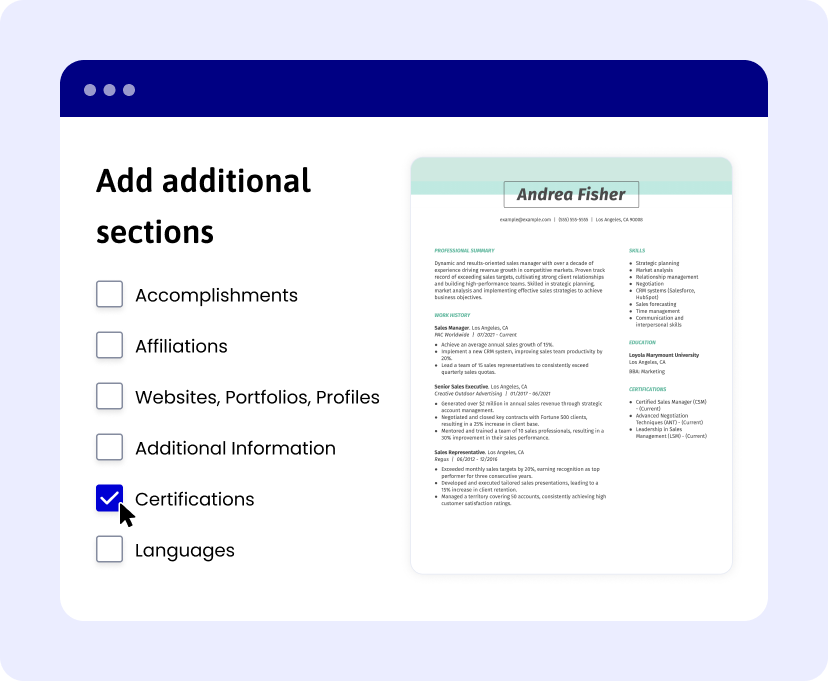
Another way to add value to your job application when you have little or no work experience is by customizing your resume with additional sections that accurately reflect all you have accomplished.
Some common extra sections you can include are:
Volunteer experience
Internships
Extracurricular activities
Languages
Awards
Hobbies and interests
Accomplishments
Certifications
Here’s an example of a certifications section for an administrative assistant resume with no experience:
Certifications
Microsoft Office Specialist Certification Issued by: Microsoft Date Obtained: March 2023 Proficient in Word, Excel, and PowerPoint, essential for document creation, data management, and presentations.
Professional Administrative Certification of Excellence (PACE) Issued by: American Society of Administrative Professionals (ASAP) Date Obtained: July 2023 Recognizes proficiency in office administration, communication, and organization.
In our Resume Builder, you can easily add any custom sections to your resume, and the builder automatically organizes them all into one page. This way, you don’t have to figure out the layout or worry about overlapping sections.
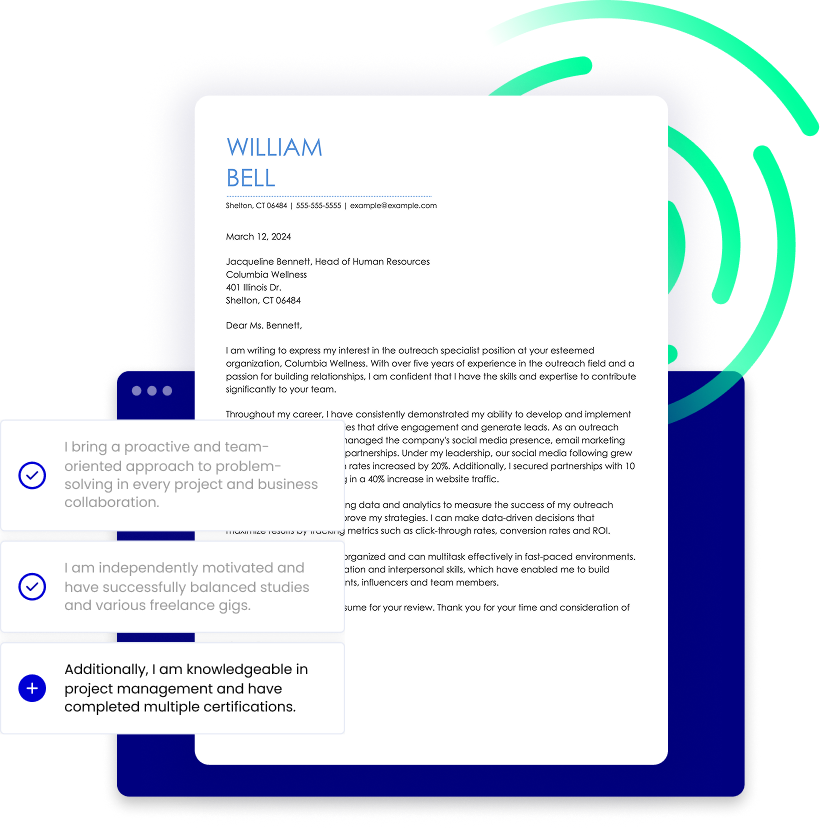
The cover letter is an underused resource when applying for a job without work experience. With a cover letter, you can provide more context for your situation, show more of your personality and work ethic, plus share additional accomplishments.
If you want to learn how to write a cover letter that tells recruiters your lack of experience isn’t an obstacle to success, check out our cover letter writing guide.
If you’re already dreading writing yet another document, don’t worry; we’ve got you covered. Writing a cover letter is easy and quick when you use our Cover Letter Generator.
Draw inspiration from our cover letter examples, and get a fully personalized cover letter in minutes!
Key Takeaways for Writing a Resume With No Experience
Choose a format that highlights your skills and downplays your lack of experience. The functional resume format is your best option.
Open strong with a clear resume objective summarizing your qualifications and career goals.
Keep the work history minimal, and include alternative work experiences like volunteering and internships.
Go all out when showcasing your skills, and mention accomplishments that demonstrate your skill set.
Maximize your education section by listing your GPA, honors, and awards.
Add as many additional sections as possible to compensate for the limited work experience.
FAQ
Should I apply for jobs that require experience if I don’t have any?
Yes! Many entry-level job listings ask for 1-2 years of experience, but employers often treat that as a preference, not a strict requirement. If you meet most of the qualifications and can show you have the right skills, education, or potential, it’s still worth applying. Just tailor your resume and cover letter to show how you’re a great fit despite the lack of formal experience.
Can I use AI to help me write my resume with no experience?
Sure. AI resume builders can help you create a polished resume quickly by suggesting language and formatting that works. Some even tailor content to the job you’re applying for. Just make sure to personalize the suggestions to reflect your actual experiences and skills since employers can tell when a resume is overly generic.
How do I write a no-experience resume if I’m changing careers?
If you’re changing careers, highlight transferable skills such as communication, time management, customer service, and problem-solving. Even if your previous jobs aren’t directly related to your new field, many of your skills and accomplishments can still be relevant. For detailed tips on how to write a resume with no experience when switching careers, see our career change resume writing guide.
How We Reviewed This Article
We follow strict guidelinOver the past 15 years, we’ve helped more than 10 million job seekers build stronger cover letters, discover their career paths, interview confidently, and boost their chances of finding the right job faster. Review our Editorial Policy to learn more about our process.
☆☆☆☆☆
★★★★★
Rate this article
Share this article:
About the Author
Gabriela Hernandez • CPRW, Career Advice Writer
Gabriela is a Certified Professional Resume Writer (CPRW) and member of the Professional Association of Resume Writers & Career Coaches. She focused on helping job seekers improve their professional resumes to highlight their unique skills and experience. Gabriela holds a BA in journalism from the University of Puerto Rico and brought more than four years of specialized experience to helping candidates navigate the complexities of the online job market, with a strong focus on resume optimization and effective self-presentation.