Hard skills, such as skill in diagnostic testing, ventilator management, and the ability to perform life-saving procedures for patients with respiratory conditions, are important in healthcare.
Respiratory Therapist Resume Examples & Templates
Ready to excel in your career? Our respiratory therapist resume examples showcase essential skills like patient assessment and care planning, helping you stand out to employers and secure that job you desire.

by Gabriela Hernandez, Last Updated: January 18, 2026
Hired By:*

- Popular Respiratory Therapist Resume Examples
- Resume Template—Easy to Copy & Paste
- Build Your Resume in Minutes
- How to Write a Respiratory Therapist Resume Summary
- Showcasing Your Work Experience
- Top Skills to Include on Your Resume
- Resume Format Examples
- Respiratory Therapist Salaries in the Highest-Paid States
- Related Medical Resume Examples
- Frequently Asked Questions
- Should I include a cover letter with my respiratory therapist resume?
- Can I use a resume if I’m applying internationally, or do I need a CV?
- What soft skills are important for respiratory therapists?
- I’m transitioning from another field. How should I highlight my experience?
- Should I use a cover letter template?
- How do I add my resume to LinkedIn?
Popular Respiratory Therapist Resume Examples
Check out our top respiratory therapist resume examples that emphasize important skills such as airway management, patient assessment, and collaboration with healthcare teams. These examples will help you showcase your qualifications effectively.
Ready to build your ideal resume? Our Resume Builder offers user-friendly templates specifically designed for healthcare professionals, making your application process smoother than ever.
Recommended
 Customize This Resume
Entry-level respiratory therapist resume
What this resume does well:
This entry-level resume effectively showcases the job seeker's clinical skills and accomplishments from previous roles, highlighting significant improvements made in patient care and operational efficiency. New professionals in this field must demonstrate their ability to deliver quality respiratory care and patient education, as well as their commitment to continuous improvement, even with limited work experience.
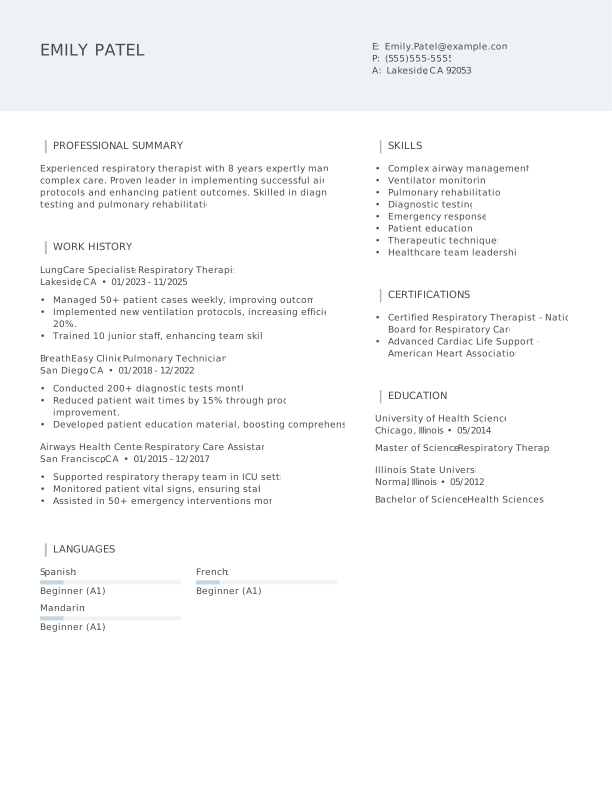
Mid-career respiratory therapist resume
What this resume does well:
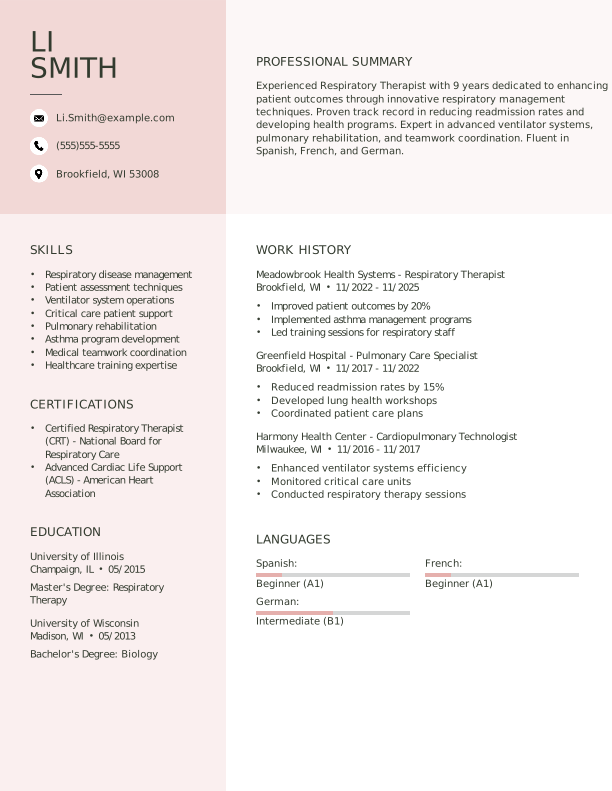
This resume effectively showcases the applicant's qualifications by detailing diverse experiences and leadership roles, indicating strong readiness for advanced responsibilities. The structured presentation of skills and accomplishments reflects a progressive career trajectory in respiratory therapy, demonstrating capability and dedication to patient care.
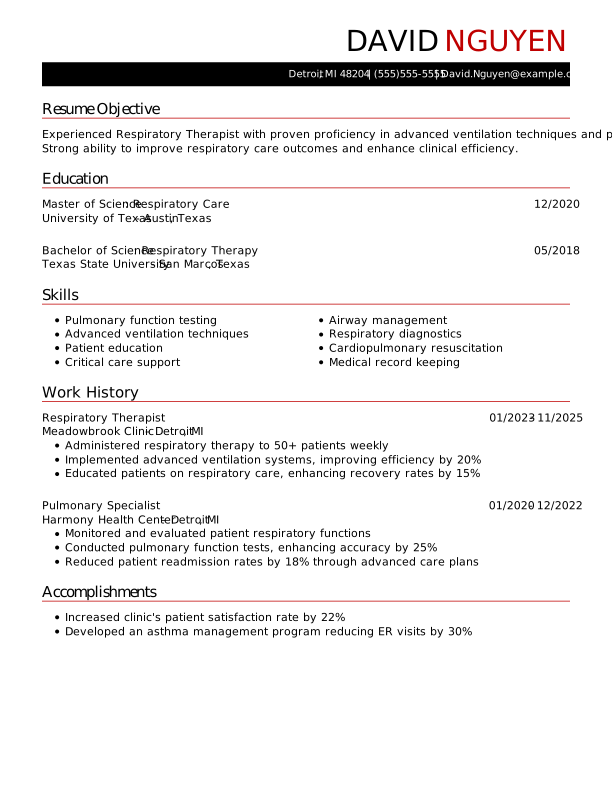
Experienced respiratory therapist resume
What this resume does well:
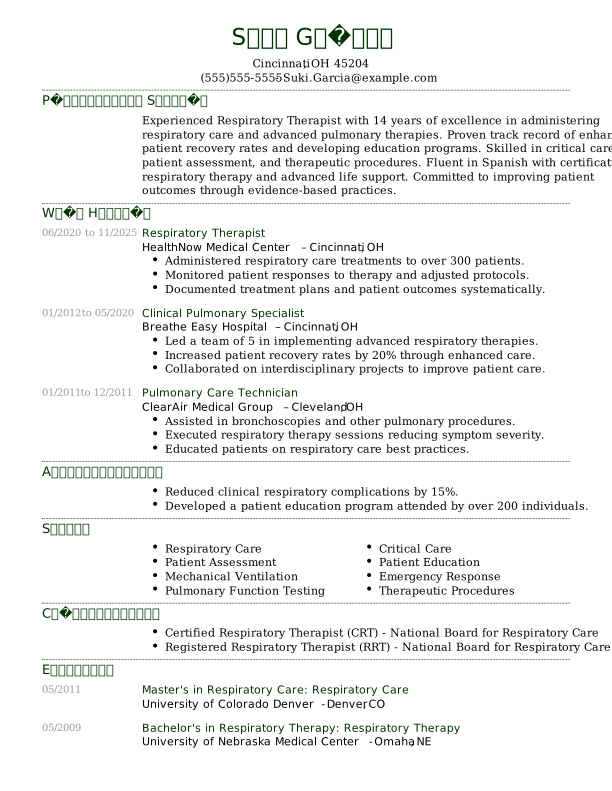
This resume's work history section illustrates the applicant's robust experience as a respiratory therapist, emphasizing their success in administering care to over 300 patients and reducing respiratory complications by 15%. The concise bullet points improve readability, making it easy for hiring managers to assess qualifications quickly.
Resume Template—Easy to Copy & Paste
Example
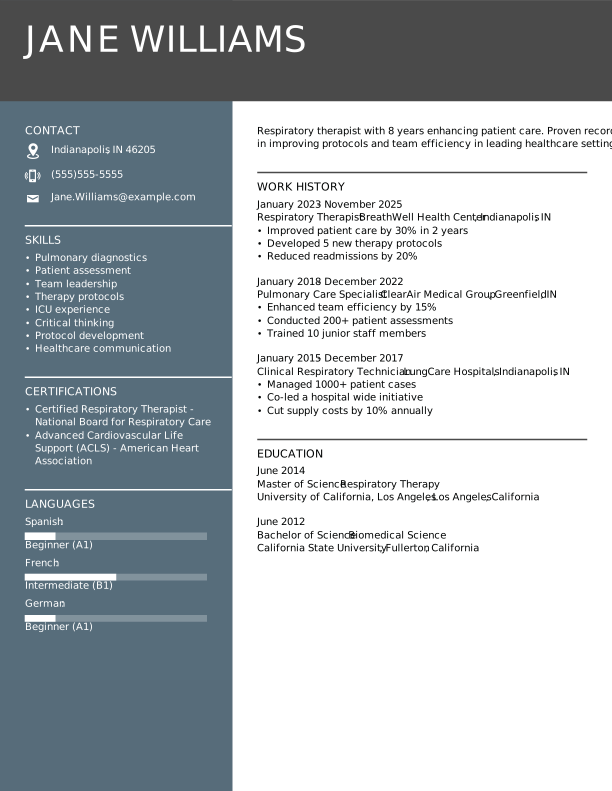
Jane Williams
Indianapolis, IN 46205
(555)555-5555
Jane.Williams@example.com
Skills
- Pulmonary diagnostics
- Patient assessment
- Team leadership
- Therapy protocols
- ICU experience
- Critical thinking
- Protocol development
- Healthcare communication
Certifications
- Certified Respiratory Therapist - National Board for Respiratory Care
- Advanced Cardiovascular Life Support (ACLS) - American Heart Association
Languages
- Spanish - Beginner (A1)
- French - Intermediate (B1)
- German - Beginner (A1)
Professional Summary
Respiratory therapist with 8 years enhancing patient care. Proven record in improving protocols and team efficiency in leading healthcare settings.
Work History
Respiratory Therapist
BreathWell Health Center - Indianapolis, IN
January 2023 - November 2025
- Improved patient care by 30% in 2 years
- Developed 5 new therapy protocols
- Reduced readmissions by 20%
Pulmonary Care Specialist
ClearAir Medical Group - Greenfield, IN
January 2018 - December 2022
- Enhanced team efficiency by 15%
- Conducted 200+ patient assessments
- Trained 10 junior staff members
Clinical Respiratory Technician
LungCare Hospitals - Indianapolis, IN
January 2015 - December 2017
- Managed 1000+ patient cases
- Co-led a hospital wide initiative
- Cut supply costs by 10% annually
Education
Master of Science Respiratory Therapy
University of California, Los Angeles Los Angeles, California
June 2014
Bachelor of Science Biomedical Science
California State University Fullerton, California
June 2012
Build Your Resume in Minutes
Creating a custom resume is easier than ever with our Resume Builder!
How to Write a Respiratory Therapist Resume Summary
Your resume summary is the first thing employers will read, making it important for creating a strong first impression. As a respiratory therapist, it's essential to highlight your clinical skills and patient care experience that set you apart.
This profession should emphasize your expertise in managing respiratory conditions and your ability to work collaboratively with healthcare teams. Your qualifications demonstrate not just what you can do but how well you connect with patients during critical times.
To help you craft an effective summary, consider the following examples that showcase successful approaches and common pitfalls:
Weak Example
I am a dedicated respiratory therapist with extensive experience helping patients. I seek a position where I can use my skills and contribute to the success of the healthcare team. A supportive environment with career advancement opportunities is what I am looking for.
Why this summary misses the mark:
- Lacks specific achievements or details about expertise in respiratory care
- Uses generic language without highlighting unique qualifications or specialties
- Focuses more on personal desires rather than showcasing value to potential employers
Strong Example
Compassionate respiratory therapist with 6+ years of experience in critical care environments, adept at managing ventilator settings and conducting pulmonary rehabilitation. Improved patient recovery times by 20% through tailored therapy plans and regular progress assessments. Proficient in advanced airway management, ABG interpretation, and collaborating with multidisciplinary teams to optimize respiratory health.
Why this summary works:
- Begins with the job seeker's specific experience level and area of expertise
- Highlights a quantifiable achievement that shows the impact on patient recovery
- Showcases relevant technical skills that are important for the role of a respiratory therapist

Pro Tip
If you're just starting out and feel your experience isn't enough, consider crafting a career objective instead of a summary. This approach allows you to highlight your goals and aspirations. For inspiration, explore these tailored resume objective examples for respiratory therapists.
Showcasing Your Work Experience
The work experience section is important for your resume as a respiratory therapist, containing the bulk of your content. Good resume templates will always feature this key section prominently.
Organize this section in reverse-chronological order to clearly present your previous roles. Use bullet points to highlight your achievements and specific contributions in each position you’ve held.
To illustrate what an effective work history looks like, we’ll provide examples that showcase successful entries for respiratory therapists. These examples will clarify what works well and what should be avoided:
Weak Example
Respiratory Therapist
City General Hospital – Newark, NJ
- Assisted patients with breathing issues
- Monitored equipment and patient vitals
- Collaborated with healthcare staff
- Administered treatment plans as instructed
Why this work experience section misses the mark:
- Lacks specific employment dates
- Bullet points do not highlight unique skills or contributions
- Describes basic duties rather than showcasing compelling results
Strong Example
Respiratory Therapist
City Hospital – Los Angeles, CA
March 2020 - Current
- Administer therapeutic treatments and procedures for patients with respiratory issues, achieving a 30% reduction in hospital readmission rates
- Develop and implement patient care plans in collaboration with healthcare teams, improving patient satisfaction scores by 15%
- Educate patients and families on respiratory health management, leading to improved compliance with treatment protocols
Why this work experience section works:
- Uses powerful action verbs to clearly convey the therapist’s contributions
- Incorporates specific metrics to illustrate the impact of the job seeker’s work
- Highlights relevant skills that align with job responsibilities, showcasing expertise
While your resume summary and work experience are important components, don’t overlook the importance of other sections. Each part plays a role in showcasing your qualifications. For more detailed guidance on crafting an effective resume, be sure to explore our how to write a resume comprehensive guide.
Top Skills to Include on Your Resume
A skills section is important for any resume as it immediately showcases your qualifications to potential employers. This quick overview can make the difference in getting noticed.
Employers look for candidates who balance technical proficiency with strong communication and collaboration abilities. Highlighting both hard and soft skills on your resume demonstrates your versatility and effectiveness in any role.
Equally important are soft skills, which include essential interpersonal abilities like active listening, teamwork, and adaptability that improve patient care and foster a supportive healthcare environment.
When crafting your resume skills, it’s essential to align them with what potential employers expect. Many organizations use screening software that filters out applicants lacking the necessary qualifications for the role.
To effectively capture a recruiter’s attention and ensure your application passes ATS checks, review job postings carefully. These listings often highlight key skills that are in demand, helping you tailor your resume accordingly.
Pro Tip
Ensure your resume stands out in the digital crowd by using our ATS Resume Checker. It identifies over 30 common errors, giving you the best chance to bypass applicant tracking software and land that interview.
10 skills that appear on successful respiratory therapist resumes
Highlighting essential skills on your resume is important for attracting the attention of recruiters in the respiratory therapist field. Our resume examples showcase these high-demand abilities, providing you with a competitive edge as you apply for job opportunities.
By the way, consider integrating relevant skills from the following list into your resume if they align with your experience and job requirements:
Patient assessment
Effective communication
Team collaboration
Attention to detail
Technical skill in respiratory equipment
Emergency response skills
Knowledge of pulmonary function testing
Ability to educate patients
Comfort with Electronic Health Records (EHR)
Adaptability in fast-paced environments
Based on analysis of 5,000+ medical professional resumes from 2023-2024
Resume Format Examples
Selecting an appropriate resume format is important for respiratory therapists as it emphasizes relevant skills and experience while showcasing career growth effectively to potential employers.
Entry-Level 0 - 2 years
Functional
Focuses on skills rather than previous jobs
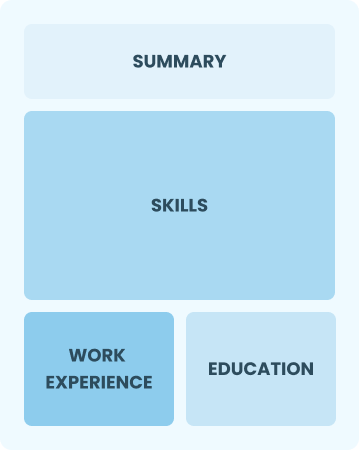
Best for:
Recent graduates and career changers with little to no experience
Mid-Career 3 - 7 years
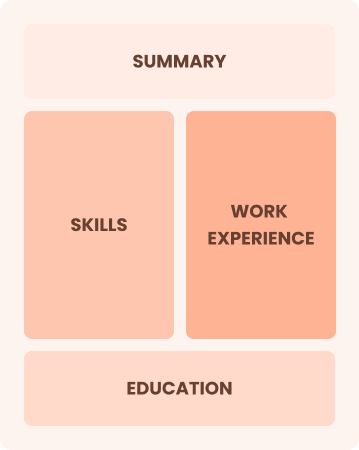
Combination
Balances skills and work history equally
Best for:
Mid-career professionals focused on highlighting their skills and growth potential
Experienced 8+ years
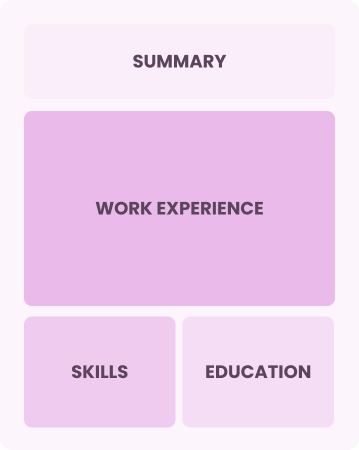
Chronological
Emphasizes work history in reverse order
Best for:
Seasoned practitioners leading innovative respiratory care initiatives
Respiratory Therapist Salaries in the Highest-Paid States
Our respiratory therapist salary data is based on figures from the U.S. Bureau of Labor Statistics (BLS), the authoritative source for employment trends and wage information nationwide.
Whether you're entering the workforce or considering a move to a new city or state, this data can help you gauge what fair compensation looks like for respiratory therapists in your desired area.
$0$55K$110K
Frequently Asked Questions
Should I include a cover letter with my respiratory therapist resume?
Absolutely. A cover letter is a valuable tool that can set you apart from other applicants by highlighting your unique qualifications and enthusiasm for the position. To make the process easier, consider using our Cover Letter Generator or reviewing our comprehensive guide on how to write a cover letter. These resources can help you create a compelling narrative that complements your resume.
Can I use a resume if I’m applying internationally, or do I need a CV?
When applying for jobs abroad, opt for a CV instead of a resume, as many countries prefer this format. To assist you, we offer resources like CV examples that illustrate proper formatting and creation techniques. You can also learn more about how to write a CV to ensure your application meets international expectations.
What soft skills are important for respiratory therapists?
Soft skills like empathy, communication, and teamwork are essential for respiratory therapists. These interpersonal skills foster trust with patients and promote effective collaboration with healthcare teams, ultimately improving patient care and support in critical situations.
I’m transitioning from another field. How should I highlight my experience?
Highlight your transferable skills such as communication, teamwork, and critical thinking when applying for respiratory therapist roles. These abilities showcase your potential to excel in patient care, even if your background isn't in healthcare. Share concrete examples that link your past achievements to the responsibilities of a respiratory therapist, demonstrating your readiness to make an impact.
Should I use a cover letter template?
Yes, using a cover letter template designed for respiratory therapists helps organize your content logically. This ensures you highlight important skills such as patient assessment and ventilator management, making a positive impression on hiring managers.
How do I add my resume to LinkedIn?
To increase your resume's visibility on LinkedIn, you can add your resume to LinkedIn by uploading it directly to your profile. Additionally, highlight essential skills and achievements in the "About" and "Experience" sections. This approach helps healthcare recruiters and hiring managers quickly identify qualified respiratory therapists, improving your chances of being discovered for job opportunities.




Ready to land the job?
Join 28M+ others who've built a resume that works.