Specialized technical abilities, often referred to as hard skills, include pipe installation, welding techniques, and blueprint reading.
Pipe Layer Resume Examples & Templates
Looking to advance your career? Our pipe layer resume examples showcase essential skills like trench safety and pipe installation that help you stand out to potential employers.

by Gabriela Hernandez, Last Updated: January 18, 2026
Hired By:*

- Popular Pipe Layer Resume Examples
- Resume Template—Easy to Copy & Paste
- Build Your Resume in Minutes
- How to Write a Pipe Layer Resume Summary
- Showcasing Your Work Experience
- Top Skills to Include on Your Resume
- Resume Format Examples
- Related Plumbing Resume Examples
- Frequently Asked Questions
- Should I include a cover letter with my pipe layer resume?
- Can I use a resume if I’m applying internationally, or do I need a CV?
- What soft skills are important for pipe layers?
- I’m transitioning from another field. How should I highlight my experience?
- Where can I find inspiration for writing my cover letter as a pipe layer?
- How should I format a cover letter for a pipe layer job?
Popular Pipe Layer Resume Examples
Check out our top pipe layer resume examples that emphasize key skills such as trenching, pipe installation, and safety compliance. These examples will help you highlight your qualifications effectively to potential employers.
Ready to build your ideal resume? Our Resume Builder offers user-friendly templates specifically designed for skilled trades professionals, helping you make a strong impression in the job market.
Recommended
 Customize This Resume
Entry-level pipe layer resume
What this resume does well:
This entry-level resume for a pipe layer effectively highlights the applicant's technical skills and accomplishments in previous roles, demonstrating a strong foundation in construction techniques and safety compliance. New professionals in this field should focus on showcasing relevant skills, certifications, and successful project outcomes to appeal to potential employers despite having limited experience.
Mid-career pipe layer resume
What this resume does well:
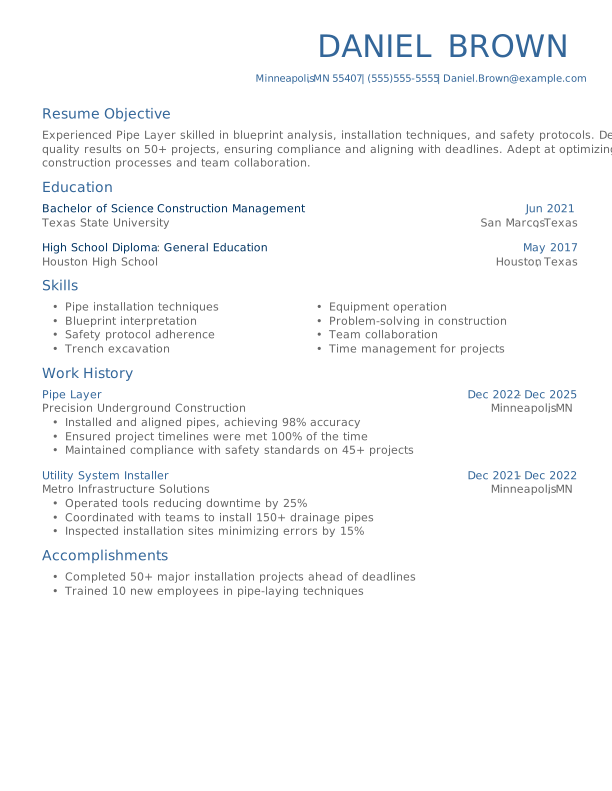
This resume effectively showcases key qualifications by detailing hands-on experience and leadership accomplishments. The structured presentation highlights readiness for advanced roles and complex projects, demonstrating a solid progression in the field of piping and construction management.
Experienced pipe layer resume
What this resume does well:
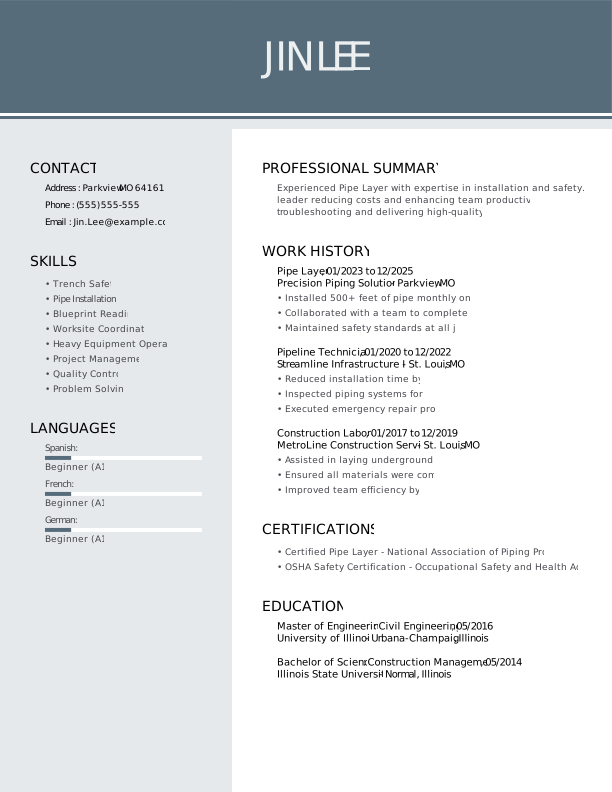
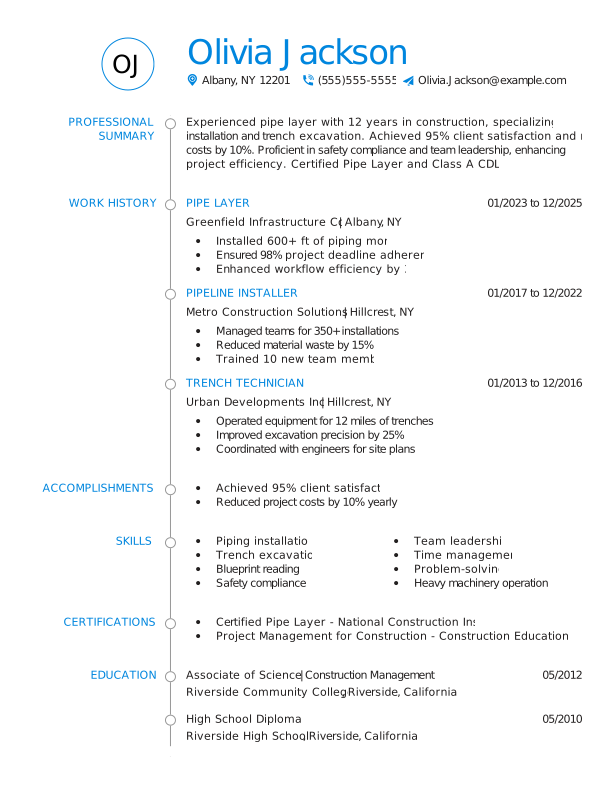
This work experience section highlights the applicant's extensive experience in pipe laying, demonstrating their ability to install over 600 feet of piping monthly while achieving a 98% adherence to project deadlines. The clear formatting allows hiring managers to quickly assess key achievements and competencies.
Resume Template—Easy to Copy & Paste
Example
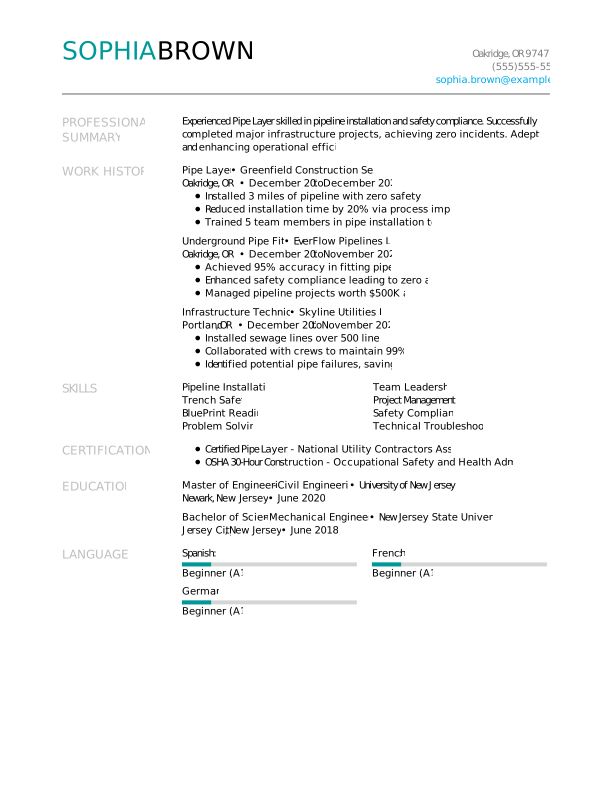
Sophia Brown
Oakridge, OR 97470
(555)555-5555
Sophia.Brown@example.com
Professional Summary
Experienced Pipe Layer skilled in pipeline installation and safety compliance. Successfully completed major infrastructure projects, achieving zero incidents. Adept at leading teams and enhancing operational efficiency.
Work History
Pipe Layer
Greenfield Construction Services - Oakridge, OR
December 2023 - December 2025
- Installed 3 miles of pipeline with zero safety incidents.
- Reduced installation time by 20% via process improvements.
- Trained 5 team members in pipe installation techniques.
Underground Pipe Fitter
EverFlow Pipelines Ltd. - Oakridge, OR
December 2021 - November 2023
- Achieved 95% accuracy in fitting pipe layouts.
- Enhanced safety compliance leading to zero accidents.
- Managed pipeline projects worth 0K annually.
Infrastructure Technician
Skyline Utilities Inc. - Portland, OR
December 2020 - November 2021
- Installed sewage lines over 500 linear feet.
- Collaborated with crews to maintain 99% uptime.
- Identified potential pipe failures, saving K.
Skills
- Pipeline Installation
- Trench Safety
- BluePrint Reading
- Problem Solving
- Team Leadership
- Project Management
- Safety Compliance
- Technical Troubleshooting
Certifications
- Certified Pipe Layer - National Utility Contractors Association
- OSHA 30-Hour Construction - Occupational Safety and Health Administration
Education
Master of Engineering Civil Engineering
University of New Jersey Newark, New Jersey
June 2020
Bachelor of Science Mechanical Engineering
New Jersey State University Jersey City, New Jersey
June 2018
Languages
- Spanish - Beginner (A1)
- French - Beginner (A1)
- German - Beginner (A1)
Build Your Resume in Minutes
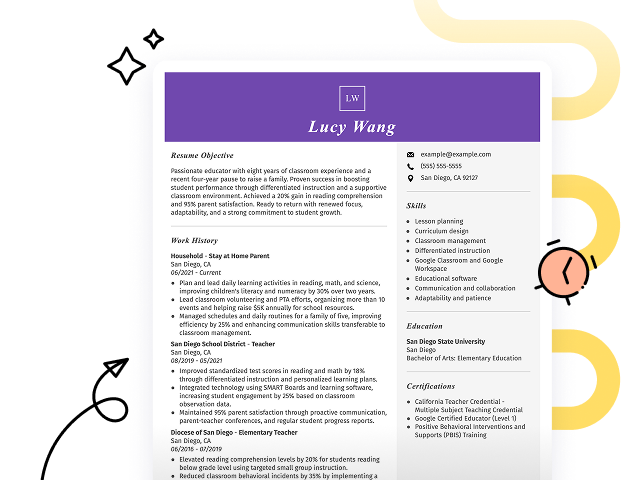
Creating a custom resume is easier than ever with our Resume Builder!
How to Write a Pipe Layer Resume Summary
Your resume summary is the first thing employers will notice, making it important to present your qualifications effectively. As a pipe layer, you should emphasize your technical skills and experience in pipeline installation, repair, and maintenance.
Highlighting your ability to work with various materials and tools will set you apart from other job seekers. Showcasing relevant certifications or safety training can further improve your profile.
To better understand what makes an powerful summary, review the following examples that illustrate both effective and ineffective approaches:
Weak Example
I am an experienced pipe layer with a background in construction and valuable skills. I seek a position where I can use my abilities and contribute to the company’s success. A job that offers good pay and benefits is what I’m looking for, as well as chances for advancement. I believe I can be a great asset if given the chance.
Why this summary misses the mark:
- Uses broad statements about experience without providing specific examples of skills or accomplishments
- Emphasizes personal desires over what value the applicant brings to potential employers
- Lacks clarity and strong language that would highlight the job seeker’s qualifications effectively
Strong Example
Experienced pipe layer with over 6 years in underground utility installation, specializing in trenchless technology and efficient project execution. Successfully completed over 100 projects ahead of schedule, contributing to a 20% reduction in labor costs through streamlined operations and precise material management. Proficient in operating heavy machinery, reading blueprints, and adhering to safety protocols.
Why this summary works:
- Begins with specific experience level and area of expertise in pipe laying
- Highlights quantifiable achievements that showcase cost-saving impacts on projects
- Mentions relevant technical skills that align with industry standards and employer expectations

Pro Tip
If you’re new to the workforce or changing careers, consider using a career objective on your resume. This can effectively highlight your goals and aspirations. Check out resume objective examples tailored to pipe laying to make a strong impression.
Showcasing Your Work Experience
The work experience section is important for your resume as a pipe layer, where you'll showcase the bulk of your expertise. Resume templates consistently feature this section prominently to attract attention.
Organize this part in reverse-chronological order, listing your previous positions. Use bullet points to highlight specific achievements and skills that demonstrate your expertise in pipeline installation and maintenance.
To help you refine this section, we'll present a couple of examples that illustrate effective work history entries for pipe layers. These examples will clarify what makes an impact and what should be avoided:
Weak Example
Pipe Layer
City Construction Co. – San Francisco, CA
- Laid pipes in trenches.
- Used tools for installation.
- Worked with team members.
- Did tasks as required.
Why this work experience section misses the mark:
- Lacks employment dates which are important for context
- Bullet points are overly broad and do not highlight skills or expertise
- Focuses on routine tasks rather than specific accomplishments or improvements made
Strong Example
Pipe Layer
ABC Construction Company – Orlando, FL
March 2020 - Current
- Install and repair underground piping systems for residential and commercial projects, ensuring compliance with safety standards.
- Use heavy machinery to excavate trenches, improving project efficiency by 30% through optimized workflow.
- Train new team members on pipe installation techniques and safety protocols, contributing to a 15% reduction in workplace accidents.
Why this work experience section works:
- Starts each bullet with effective action verbs that clearly articulate the job seeker’s contributions
- Incorporates specific metrics to highlight the effectiveness of the applicant's actions
- Demonstrates relevant skills such as teamwork and safety awareness critical for the role
While your resume summary and work experience are important components, don't overlook the importance of other sections. Each part plays a role in presenting your qualifications effectively. For more insights on structuring your resume, be sure to check out our comprehensive guide on how to write a resume.
Top Skills to Include on Your Resume
A skills section is an important part of your resume, as it allows you to showcase your qualifications at a glance. This section helps potential employers quickly assess if you have the essential abilities needed for the job.
Feature a mix of hard and soft skills to improve your resume.
These skills ensure precise and safe pipeline construction. Essential interpersonal qualities, known as soft skills, encompass teamwork, problem-solving, and communication. They foster collaboration on the job site and improve project efficiency.
When selecting skills for your resume, it's important to align them with what employers expect from their ideal job seekers. Many organizations use automated screening systems that filter out applications lacking the necessary resume skills.
To ensure you stand out, review job postings closely for insight into which skills are most valued by recruiters and ATS systems. This will help you tailor your resume effectively and increase your chances of getting noticed.
Pro Tip
Ensure your resume shines through applicant tracking systems. Use our ATS Resume Checker to spot over 30 common errors and boost your chances of success.
10 skills that appear on successful pipe layer resumes
To draw the attention of recruiters, it's essential to highlight high-demand skills relevant to pipe layer positions. You can see these skills reflected in our resume examples, which help you apply with confidence and professionalism.
Here are 10 skills you should consider including in your resume if they fit your qualifications and role requirements:
Blueprint reading
Pipe installation techniques
Knowledge of safety regulations
Physical endurance
Problem-solving abilities
Team collaboration
Heavy equipment operation
Attention to detail
Adaptability to weather conditions
Quality control practices
Based on analysis of 5,000+ plumbing professional resumes from 2023-2024
Resume Format Examples
Choosing the right resume format is important for a pipe layer, as it showcases your technical skills, relevant experience, and career advancement in an organized and appealing way.
Entry-Level 0 - 2 years
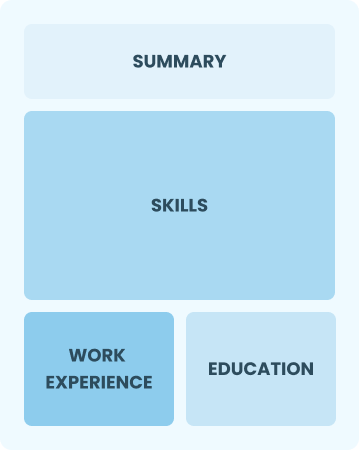
Functional
Focuses on skills rather than previous jobs
Best for:
Recent graduates and career changers with little to no experience
Mid-Career 3 - 7 years
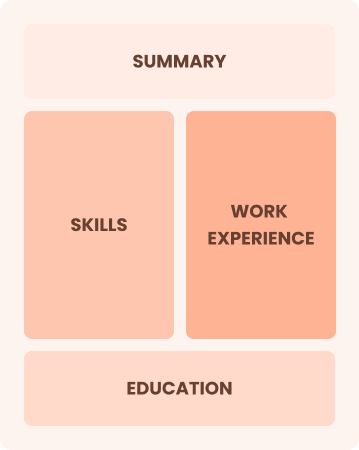
Combination
Balances skills and work history equally
Best for:
Mid-career professionals focused on demonstrating their skills and growth potential
Experienced 8+ years
Chronological
Emphasizes work history in reverse order
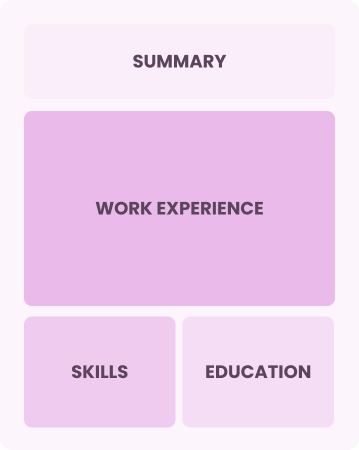
Best for:
Experienced leaders excelling in complex pipe installation projects
Frequently Asked Questions
Should I include a cover letter with my pipe layer resume?
Absolutely, adding a cover letter can significantly improve your application by showcasing your personality and detailing your qualifications. It allows you to connect the dots between your experience and the job requirements. For tips on crafting a compelling cover letter, consider exploring our comprehensive guide on how to write a cover letter or use our Cover Letter Generator for a quick start.
Can I use a resume if I’m applying internationally, or do I need a CV?
When applying for jobs outside the U.S., a CV is often required instead of a resume. This document provides a comprehensive overview of your academic background and work experience. Explore our resources for tips on effective CV examples and writing to ensure your application stands out internationally, including advice on how to write a CV.
What soft skills are important for pipe layers?
Soft skills like communication, teamwork, and problem-solving are essential for pipe layers. These interpersonal skills help in effective collaboration with colleagues and ensure clear understanding on job sites, ultimately leading to safer and more efficient project completion.
I’m transitioning from another field. How should I highlight my experience?
Highlight your strong communication, teamwork, and critical thinking abilities from previous roles. These transferable skills demonstrate your readiness to succeed as a pipe layer, even if your experience is limited. Use concrete instances from your past work to illustrate how you can effectively tackle challenges in this new position.
Where can I find inspiration for writing my cover letter as a pipe layer?
For those pursuing pipe layer positions, exploring professionally crafted cover letter examples can provide valuable insights. These samples offer inspiration for content ideas, guidance on formatting, and effective ways to showcase your qualifications. Use them to improve your application materials and stand out in the hiring process.
How should I format a cover letter for a pipe layer job?
To format a cover letter for pipe layer positions, begin with your contact information, followed by a professional greeting. Next, craft an engaging opening that highlights your relevant experience and skills. Clearly summarize how your qualifications meet the job requirements, ensuring to tailor the content specifically for each application. Finally, conclude with a strong call to action that encourages the employer to reach out.




Ready to land the job?
Join 28M+ others who've built a resume that works.