Expertise in psychological assessment, crisis intervention techniques, and familiarity with mental health diagnosis and treatment protocols are all considered hard skills.
Mental Health Resume Examples & Templates
Looking for a new opportunity in mental health? Our mental health resume examples showcase how to emphasize your counseling skills, empathy, and crisis intervention experience to attract employers' attention.

by Gabriela Hernandez, Last Updated: January 18, 2026
Hired By:*

- Popular Mental Health Resume Examples
- Resume Template—Easy to Copy & Paste
- Build Your Resume in Minutes
- How to Write a Mental Health Resume Summary
- Showcasing Your Work Experience
- Top Skills to Include on Your Resume
- Resume Format Examples
- Mental Health Salaries in the Highest-Paid States
- Related Mental Health Resume Examples
- Frequently Asked Questions
- Should I include a cover letter with my mental health resume?
- Can I use a resume if I’m applying internationally, or do I need a CV?
- What soft skills are important for mental health professionals?
- I’m transitioning from another field. How should I highlight my experience?
- Should I use a cover letter template?
- Should I include a personal mission statement on my mental health resume?
Popular Mental Health Resume Examples
Check out our top mental health resume examples that emphasize critical skills such as empathy, crisis intervention, and therapeutic communication. These samples demonstrate how to effectively showcase your qualifications to potential employers.
Ready to build your ideal resume? Our Resume Builder offers user-friendly templates designed specifically for professionals in the mental health field, helping you make a lasting impression.
Recommended
 Customize This Resume
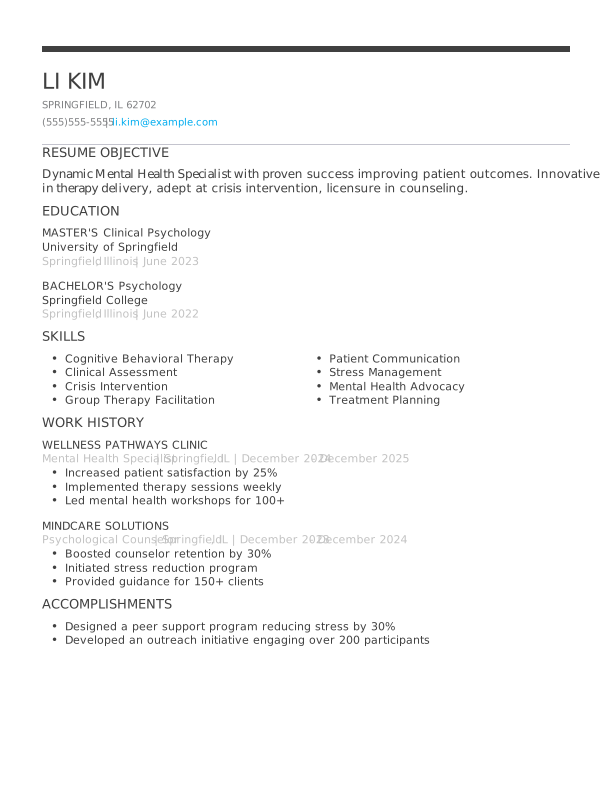
Entry-level mental health resume
What this resume does well:
This entry-level resume highlights the applicant's significant clinical experiences, including successful patient satisfaction improvements and effective therapy implementations. New professionals must effectively convey their clinical competencies, relevant academic achievements, and any strong volunteer work to demonstrate their readiness for a role in mental health care despite limited professional history.
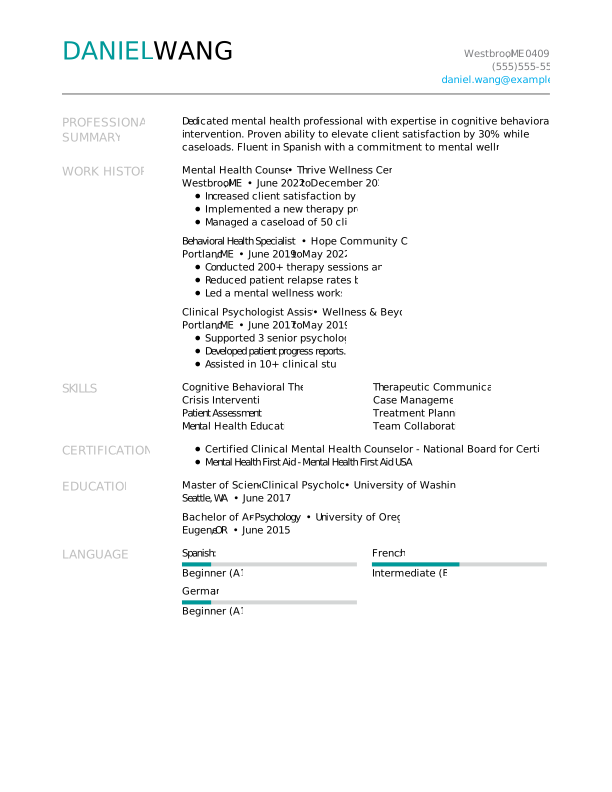
Mid-career mental health resume
What this resume does well:
This resume effectively showcases key qualifications by highlighting measurable achievements and diverse experiences. The structured presentation reflects the applicant's growth, readiness for leadership roles, and ability to manage complex mental health challenges with confidence.
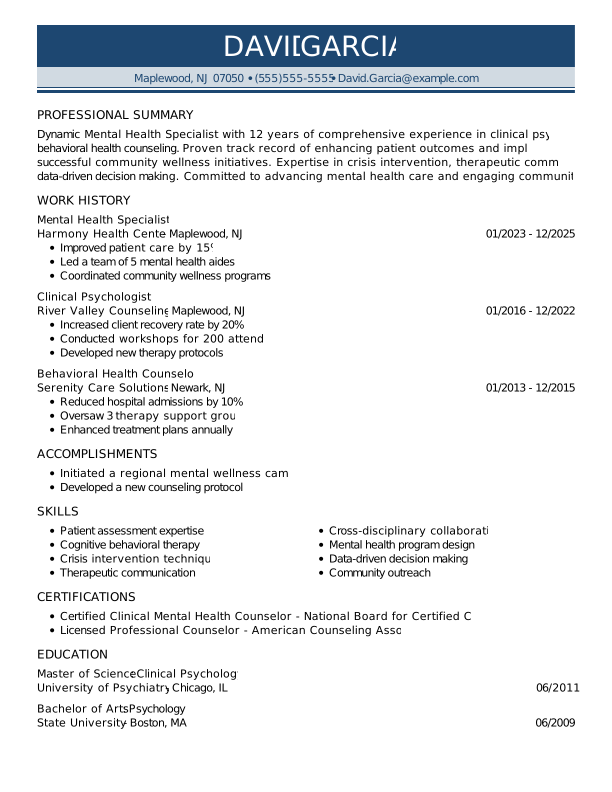
Experienced mental health resume
What this resume does well:
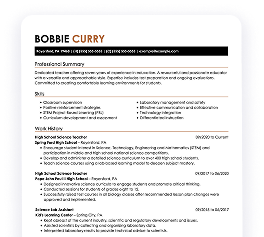
This resume's work history section highlights the applicant's extensive experience in mental health, showcasing their success in improving patient care by 15% and increasing client recovery rates by 20%. The clear formatting allows hiring managers to quickly appreciate these significant achievements.
Resume Template—Easy to Copy & Paste
Example
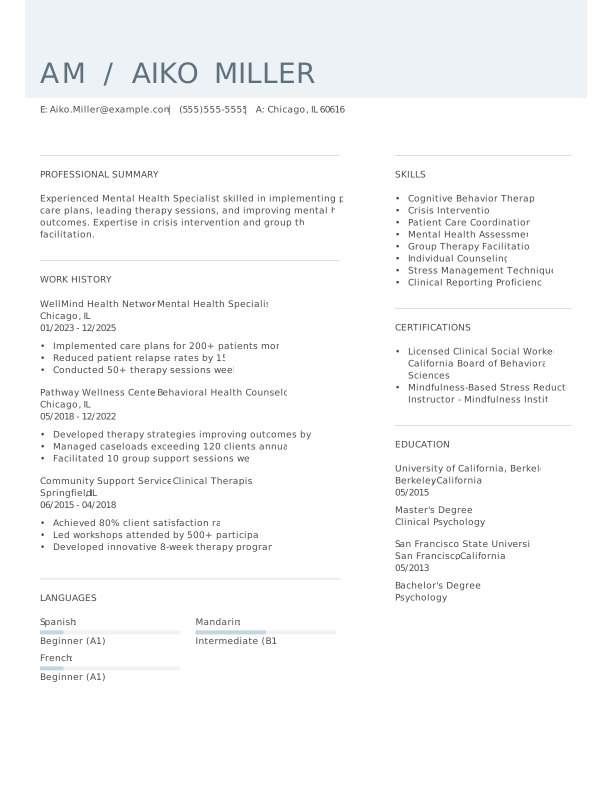
Aiko Miller
Chicago, IL 60616
(555)555-5555
Aiko.Miller@example.com
Professional Summary
Experienced Mental Health Specialist skilled in implementing patient care plans, leading therapy sessions, and improving mental health outcomes. Expertise in crisis intervention and group therapy facilitation.
Work History
Mental Health Specialist
WellMind Health Network - Chicago, IL
January 2023 - December 2025
- Implemented care plans for 200+ patients monthly
- Reduced patient relapse rates by 15%
- Conducted 50+ therapy sessions weekly
Behavioral Health Counselor
Pathway Wellness Center - Chicago, IL
May 2018 - December 2022
- Developed therapy strategies improving outcomes by 25%
- Managed caseloads exceeding 120 clients annually
- Facilitated 10 group support sessions weekly
Clinical Therapist
Community Support Services - Springfield, IL
June 2015 - April 2018
- Achieved 80% client satisfaction rate
- Led workshops attended by 500+ participants
- Developed innovative 8-week therapy programs
Languages
- Spanish - Beginner (A1)
- Mandarin - Intermediate (B1)
- French - Beginner (A1)
Skills
- Cognitive Behavior Therapy
- Crisis Intervention
- Patient Care Coordination
- Mental Health Assessment
- Group Therapy Facilitation
- Individual Counseling
- Stress Management Techniques
- Clinical Reporting Proficiency
Certifications
- Licensed Clinical Social Worker - California Board of Behavioral Sciences
- Mindfulness-Based Stress Reduction Instructor - Mindfulness Institute
Education
Master's Degree Clinical Psychology
University of California, Berkeley Berkeley, California
May 2015
Bachelor's Degree Psychology
San Francisco State University San Francisco, California
May 2013
Build Your Resume in Minutes
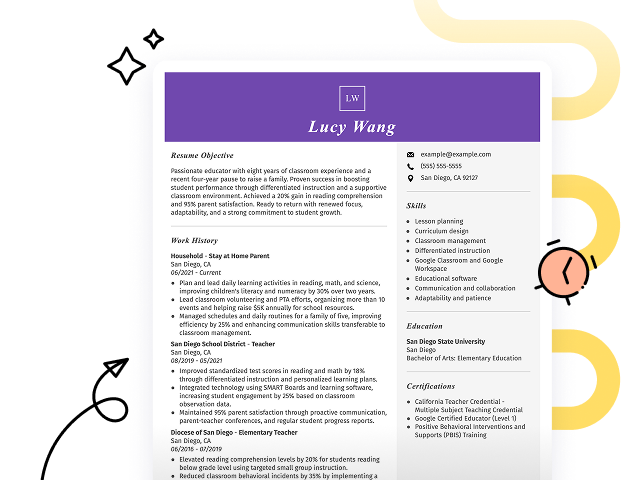
Creating a custom resume is easier than ever with our Resume Builder!
How to Write a Mental Health Resume Summary
Your resume summary is the first opportunity to catch an employer's attention, making it essential to present yourself effectively. As a mental health professional, you should emphasize your compassion, communication skills, and clinical expertise in this section. To guide you in crafting a compelling summary, we will provide examples that illustrate what works well and what doesn't:
Weak Example
I am a mental health professional with years of experience and skills that I think are valuable. I want to find a position where I can help people and also develop myself professionally. A job with good benefits and support for my growth is what I'm looking for. I believe I could be a great addition to your team if given the chance.
Why this summary misses the mark:
- Lacks specific details about the job seeker’s qualifications and achievements in mental health
- Contains excessive personal language which dilutes professionalism, making it feel less impressive
- Emphasizes personal desires over the unique contributions they can make to the organization
Strong Example
Compassionate mental health nurse with over 6 years of experience in psychiatric care, focusing on crisis intervention and therapeutic patient relationships. Successfully improved patient satisfaction scores by 20% through the implementation of evidence-based treatment plans and group therapy sessions. Proficient in conducting mental health assessments, managing medication regimens, and using electronic health records to track patient progress.
Why this summary works:
- Begins with specific years of experience and a clear focus on mental health specialty
- Highlights quantifiable achievements that demonstrate a direct impact on patient satisfaction
- Includes relevant technical skills that are critical for roles in mental health nursing

Pro Tip
If formal experience isn't on your side, consider using a career objective to highlight your aspirations. This can effectively showcase your enthusiasm and goals. Check out tailored resume objective examples in your field to get started with confidence.
Showcasing Your Work Experience
The work experience section is important for your resume in the mental health field, as it contains the bulk of your information. Good resume templates always prioritize this area to help you stand out.
This section should be formatted in reverse-chronological order, listing your previous roles clearly. Use bullet points to highlight your key achievements and contributions in each position.
Now, let’s look at a couple of examples that can illustrate effective entries for mental health professionals. These examples will clarify what works well and what pitfalls to avoid:
Weak Example
Mental Health Counselor
Green Valley Clinic – Springfield, IL
- Helped clients with their issues
- Kept records and made notes
- Worked alongside other therapists
- Led group sessions occasionally
Why this work experience section misses the mark:
- Lacks specific information about client outcomes or success stories
- Bullet points are vague and do not highlight unique skills or strengths
- Focuses on basic responsibilities rather than powerful contributions
Strong Example
Mental Health Counselor
Harmony Mental Health Services – Los Angeles, CA
March 2020 - Current
- Conduct individual and group therapy sessions for clients with anxiety and depression, achieving a 30% reduction in symptoms over six months
- Develop comprehensive treatment plans tailored to client needs, improving client engagement scores by 40%
- Facilitate workshops on coping strategies and stress management techniques, improving community support resources
Why this work experience section works:
- Uses powerful action verbs at the start of each bullet point to convey the job seeker’s contributions
- Incorporates quantifiable metrics that highlight effectiveness and success in therapeutic interventions
- Demonstrates relevant counseling skills while showcasing meaningful outcomes of the applicant’s work
While resume summaries and work experience are important, don't overlook other essential sections. Each part of your resume plays a role in telling your story. For more insights, see our detailed guide on how to write a resume to craft the perfect application.
Top Skills to Include on Your Resume
A strong resume must include a skills section to effectively showcase your qualifications. This section allows potential employers to quickly assess if you possess the necessary competencies for the position.
Organizations look for candidates who pair technical knowledge with strong interpersonal and teamwork skills. Showcasing both hard and soft skills on your resume demonstrates your ability to perform effectively and collaborate successfully.
On the other hand, soft skills like active listening, empathy, and teamwork abilities play a important role in fostering trust and collaboration within patient care settings.
Selecting the right resume skills is important for catching an employer's eye. Many organizations rely on automated systems to filter job seekers, making it essential that your skills align with their expectations.
To ensure you highlight the most relevant abilities, carefully review job postings for specific requirements. This will help you prioritize the skills that matter most to both recruiters and ATS systems, increasing your chances of being noticed.
Pro Tip
Ensure your resume stands out in the digital crowd by using our ATS Resume Checker to spot over 30 common errors and improve your chances of getting noticed by applicant tracking systems.
10 skills that appear on successful mental health resumes
Showcasing essential skills in mental health can significantly capture the attention of potential employers. Our resume examples highlight these high-demand skills, providing you with the confidence to present your qualifications effectively.
By the way, consider adding relevant skills from this list when they align with your background and job specifications:
Empathy
Active listening
Crisis intervention
Cultural competence
Team collaboration
Assessment and evaluation
Therapeutic communication
Conflict resolution
Behavioral management
Self-care strategies
Based on analysis of 5,000+ mental health professional resumes from 2023-2024
Resume Format Examples
Choosing the right resume format is important as it highlights your mental health expertise and experiences, enabling potential employers to quickly recognize your most relevant qualifications and career growth.
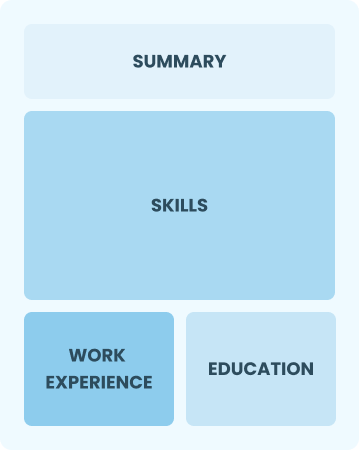
Entry-Level 0 - 2 years
Functional
Focuses on skills rather than previous jobs
Best for:
Recent graduates and career changers with up to two years of experience
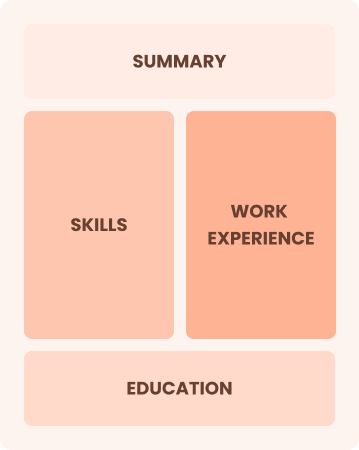
Mid-Career 3 - 7 years
Combination
Balances skills and work history equally
Best for:
Mid-career professionals focused on demonstrating their skills and growth potential
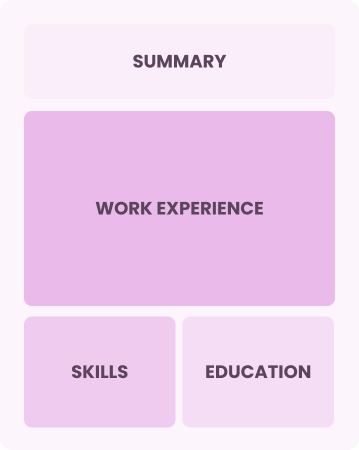
Experienced 8+ years
Chronological
Emphasizes work history in reverse order
Best for:
Leaders in mental health with extensive clinical expertise
Mental Health Salaries in the Highest-Paid States
Our mental health salary data is based on figures from the U.S. Bureau of Labor Statistics (BLS), the authoritative source for employment trends and wage information nationwide.
Whether you're entering the workforce or considering a move to a new city or state, this data can help you gauge what fair compensation looks like for mental healths in your desired area.
$0$50K$100K
Frequently Asked Questions
Should I include a cover letter with my mental health resume?
Absolutely, including a cover letter is important for making a lasting impression on employers. It allows you to highlight your strengths and demonstrate your enthusiasm for the position. If you're not sure how to write a cover letter, consider checking out our comprehensive guide or use our Cover Letter Generator tool for quick assistance.
Can I use a resume if I’m applying internationally, or do I need a CV?
When applying for jobs abroad, it's important to use a CV instead of a resume if the employer specifies it or if you're in fields like academia or research. For guidance, you can explore CV examples to see how others have formatted their documents effectively. Additionally, learn more about how to write a CV tailored to international standards by checking our comprehensive resources.
What soft skills are important for mental health professionals?
Soft skills such as empathy, active listening, and patience are essential in mental health. These interpersonal skills foster trust and understanding between professionals and clients, creating a safe environment for healing and effective communication.
I’m transitioning from another field. How should I highlight my experience?
When transitioning to a mental health role, highlight transferable skills such as communication, empathy, and crisis management from your previous experiences. These abilities showcase your potential value in supporting clients effectively. Use concrete examples to illustrate how these skills have led to positive outcomes in past positions, making clear connections to the responsibilities of the new role.
Should I use a cover letter template?
Yes, using a cover letter template tailored for mental health positions can improve your application by providing a clear structure and ensuring that you effectively highlight essential skills such as crisis intervention experience and strong communication abilities, which help attract the attention of hiring managers.
Should I include a personal mission statement on my mental health resume?
Yes, including a personal mission statement on your resume is advisable. It effectively highlights your values and career aspirations. This approach is especially powerful when you apply to organizations that prioritize a strong mission or have a culture centered around mental health and well-being.




Ready to land the job?
Join 28M+ others who've built a resume that works.