

Hard skills include expertise in behavioral assessments, data analysis for treatment plans, and knowledge of therapeutic techniques to implement effective interventions.
Behavior Specialist Resume Examples & Templates
Looking to stand out as a behavior specialist? Our behavior specialist resume examples will help you showcase your expertise in behavior analysis, intervention strategies, and communication skills to attract employers' attention.

by Gabriela Hernandez, Last Updated: January 18, 2026
Hired By:*

- Popular Behavior Specialist Resume Examples
- Resume Template—Easy to Copy & Paste
- Build Your Resume in Minutes
- How to Write a Behavior Specialist Resume Summary
- Showcasing Your Work Experience
- Top Skills to Include on Your Resume
- Resume Format Examples
- Related Mental Health Resume Examples
- Frequently Asked Questions
- Should I include a cover letter with my behavior specialist resume?
- Can I use a resume if I’m applying internationally, or do I need a CV?
- What soft skills are important for behavior specialists?
- I’m transitioning from another field. How should I highlight my experience?
- How should I format a cover letter for a behavior specialist job?
- How do I write a resume with no experience?
Popular Behavior Specialist Resume Examples
Check out our top behavior specialist resume examples that emphasize key skills such as behavioral assessment, intervention planning, and effective communication. These examples are designed to help you showcase your unique qualifications in the best light.
Ready to build your own winning resume? Our Resume Builder offers user-friendly templates specifically crafted for professionals in the field of behavior analysis.
Recommended
 Customize This Resume
Entry-level behavior specialist resume
What this resume does well:
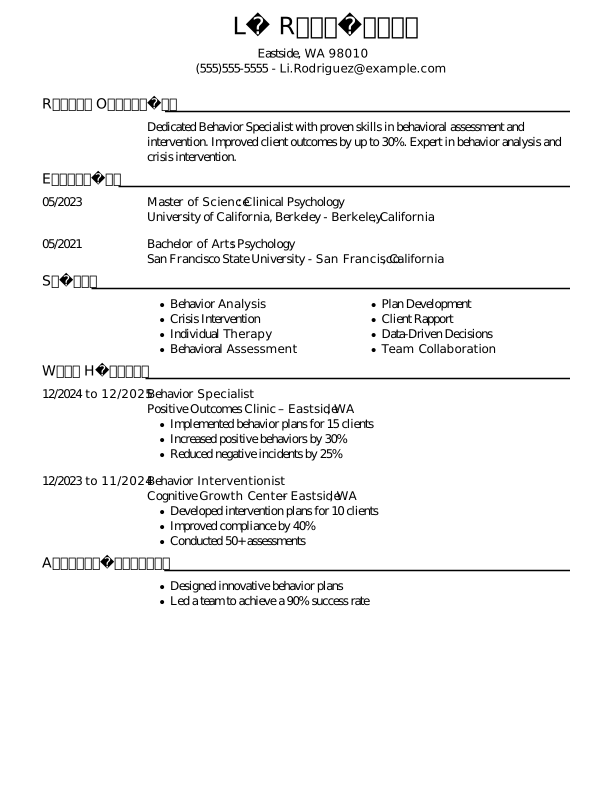
This entry-level resume effectively highlights the applicant's practical experience in implementing successful behavior plans and conducting assessments, showcasing a solid foundation in behavioral analysis and client interaction. New professionals should demonstrate their ability to achieve measurable outcomes and emphasize their commitment to ongoing professional development, even when formal work history is limited.
Mid-career behavior specialist resume
What this resume does well:
This resume effectively showcases the job seeker's qualifications by detailing measurable achievements and leadership experiences. By emphasizing their intervention strategies and client satisfaction improvements, it illustrates a strong readiness for advanced roles in behavior specialization.
Experienced behavior specialist resume
What this resume does well:
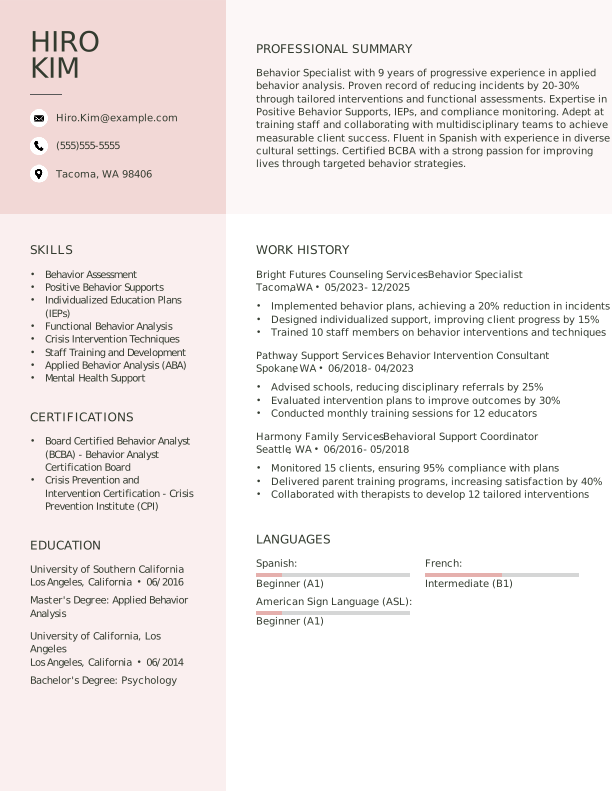
This work history section demonstrates the applicant's extensive experience as a behavior specialist, highlighting their success in improving client behavior outcomes by 20% and raising awareness through workshops by 30%. The clear bullet-point format improves readability, making it easy for hiring managers to identify key accomplishments.
Resume Template—Easy to Copy & Paste
Example
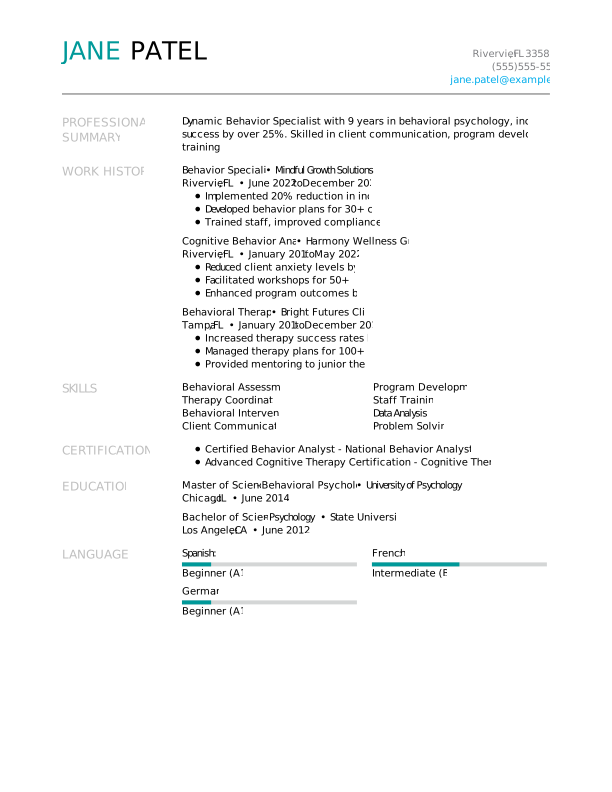
Jane Patel
Riverview, FL 33582
(555)555-5555
Jane.Patel@example.com
Professional Summary
Dynamic Behavior Specialist with 9 years in behavioral psychology, increasing program success by over 25%. Skilled in client communication, program development, and staff training.
Work History
Behavior Specialist
Mindful Growth Solutions - Riverview, FL
June 2022 - December 2025
- Implemented 20% reduction in incidents
- Developed behavior plans for 30+ clients
- Trained staff, improved compliance by 15%
Cognitive Behavior Analyst
Harmony Wellness Group - Riverview, FL
January 2017 - May 2022
- Reduced client anxiety levels by 30%
- Facilitated workshops for 50+ staff
- Enhanced program outcomes by 25%
Behavioral Therapist
Bright Futures Clinic - Tampa, FL
January 2014 - December 2016
- Increased therapy success rates by 25%
- Managed therapy plans for 100+ clients
- Provided mentoring to junior therapists
Skills
- Behavioral Assessment
- Therapy Coordination
- Behavioral Intervention
- Client Communication
- Program Development
- Staff Training
- Data Analysis
- Problem Solving
Certifications
- Certified Behavior Analyst - National Behavior Analyst Association
- Advanced Cognitive Therapy Certification - Cognitive Therapy Academy
Education
Master of Science Behavioral Psychology
University of Psychology Chicago, IL
June 2014
Bachelor of Science Psychology
State University Los Angeles, CA
June 2012
Languages
- Spanish - Beginner (A1)
- French - Intermediate (B1)
- German - Beginner (A1)
Build Your Resume in Minutes
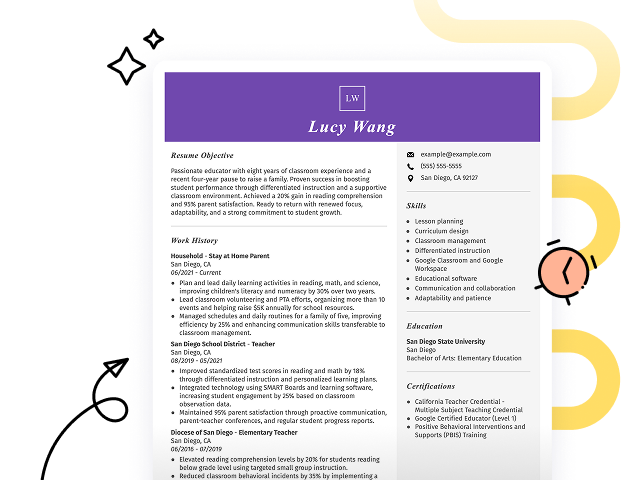
Creating a custom resume is easier than ever with our Resume Builder!
How to Write a Behavior Specialist Resume Summary
Your resume summary is the first thing employers will see, making it important for creating a strong impression. This section serves as your opportunity to highlight your unique skills and experiences that align with the behavior specialist role.
As a behavior specialist, you should emphasize your expertise in developing strategies to support individuals with behavioral challenges. Showcase your ability to analyze behavior patterns and implement effective interventions tailored to each individual's needs.
To guide you in crafting an strong resume summary, consider the following examples that illustrate what captures attention and what might fall short:
Weak Example
I am a dedicated behavior specialist with extensive experience in helping individuals with behavioral challenges. I'm seeking a job where I can use my skills and make a positive impact. A company that values teamwork and personal growth is what I’m looking for, as I believe I can contribute significantly if given the chance.
Why this summary misses the mark:
- Contains broad statements about experience without detailing specific skills or achievements
- Overuses personal pronouns, making it sound less professional and more self-centered
- Emphasizes the job seeker's desires rather than illustrating how they can benefit the employer
Strong Example
Compassionate behavior specialist with 4+ years of experience in supporting individuals with developmental and behavioral challenges. Successfully implemented individualized behavior intervention plans that improved client engagement by 40% and reduced disruptive behaviors by 30%. Proficient in crisis intervention strategies, data analysis for behavior tracking, and collaborating with multidisciplinary teams to improve client outcomes.
Why this summary works:
- Begins with specific experience level and highlights relevant area of expertise
- Includes quantifiable achievements that illustrate significant improvements in client engagement and behavior management
- Showcases essential technical skills relevant to the role, demonstrating value to potential employers

Pro Tip
If you're new to the field of behavior specialization, consider using a career objective on your resume. This can effectively showcase your passion and goals. There are many tailored resume objective examples available to guide you in making a strong impression.
Showcasing Your Work Experience
The work experience section is important for your resume as a behavior specialist. This area will contain the bulk of your content, and good resume templates always emphasize this essential section.
Organize your work history in reverse-chronological order, detailing your previous roles. Use bullet points to highlight key achievements and specific contributions made in each position.
Now, let’s look at a couple of examples that illustrate effective work history entries for behavior specialists. These examples will help clarify what works well and what should be avoided.
Weak Example
Behavior Specialist
Sunnyvale Behavioral Health Center – Sunnyvale, CA
- Worked with children and families
- Helped develop behavior plans
- Conducted assessments and observations
- Collaborated with teachers and caregivers
Why this work experience section misses the mark:
- Lacks specific details about the nature of interactions and outcomes
- Bullet points are overly simplistic and do not highlight unique skills or achievements
- No mention of measurable impacts on children's behavior or progress
Strong Example
Behavior Specialist
Sunnyvale Behavioral Health Center – Sunnyvale, CA
March 2020 - Current
- Develop and implement individualized behavior intervention plans for clients with autism spectrum disorders, improving behavioral outcomes by 30%
- Conduct regular assessments to track client progress, adjusting strategies based on data analysis to ensure effective treatment
- Collaborate with families and educators to provide training on behavior management techniques, improving support systems for clients
Why this work experience section works:
- Uses strong action verbs that clearly highlight the applicant’s contributions
- Incorporates specific metrics to quantify improvements in client outcomes
- Demonstrates collaboration and communication skills essential for supporting clients effectively
While your resume summary and work experience are important, don’t overlook other sections that can improve your candidacy. Each part of your resume plays a key role in showcasing your skills and qualifications. For more detailed insights, refer to our comprehensive guide on how to write a resume.
Top Skills to Include on Your Resume
A strong skills section on your resume is important because it quickly communicates your qualifications to potential employers. This lets them assess your fit for the position at a glance.
Employers value candidates who combine technical expertise with strong people and collaboration skills. Highlighting both hard and soft skills on your resume demonstrates your ability to deliver results while working effectively with others.
Soft skills, such as patience, active listening, and teamwork, are essential for building trust with clients and collaborating effectively with multidisciplinary teams.
Selecting resume skills is important as they must align with what employers seek and ensure your application passes through automated screening systems. By tailoring your skills to match these expectations, you improve your chances of moving forward in the hiring process.
Reviewing job postings can provide insight into which skills are essential for both recruiters and ATS systems. Prioritizing these can help your resume stand out and increase its success rate during the initial screenings.
Pro Tip
Boost your chances of landing an interview by using our ATS Resume Checker. It identifies over 30 common errors, ensuring your resume stands out and successfully navigates applicant tracking systems.
10 skills that appear on successful behavior specialist resumes
Showcasing high-demand skills in behavior specialist roles can significantly improve your resume, making it more appealing to recruiters. You can see these valuable skills illustrated in our resume examples, allowing you to apply with the assurance that a well-crafted resume provides.
Here are 10 skills you should consider including in your resume if they align with your qualifications and job descriptions:
Behavioral assessment
Crisis intervention
Empathy
Behavior modification techniques
Collaboration with multidisciplinary teams
Communication skills
Data analysis
Patience
Problem-solving abilities
Knowledge of special education laws
Based on analysis of 5,000+ mental health professional resumes from 2023-2024
Resume Format Examples
Choosing the right resume format is important for a behavior specialist as it highlights key qualifications, relevant experience, and showcases your professional growth in a clear and organized manner.
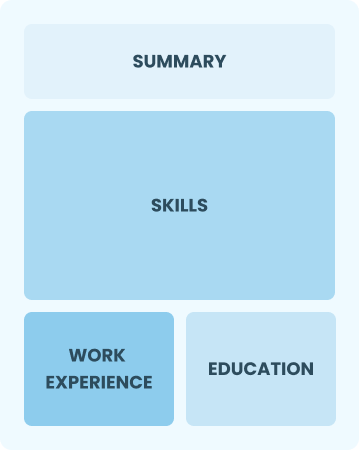
Entry-Level 0 - 2 years
Functional
Focuses on skills rather than previous jobs
Best for:
Recent graduates and career changers with up to two years of experience
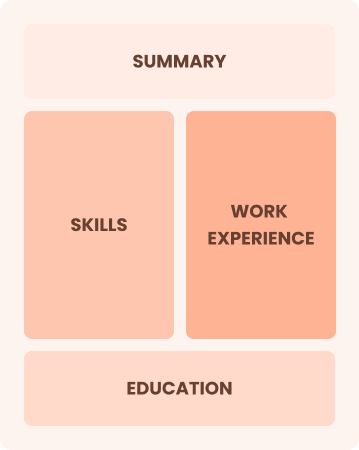
Mid-Career 3 - 7 years
Combination
Balances skills and work history equally
Best for:
Mid-career professionals focused on demonstrating their skills and growth potential
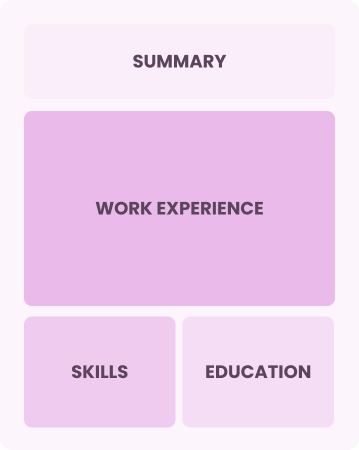
Experienced 8+ years
Chronological
Emphasizes work history in reverse order
Best for:
Experienced leaders in behavior strategies and intervention techniques
Frequently Asked Questions
Should I include a cover letter with my behavior specialist resume?
Absolutely. Including a cover letter can improve your application by highlighting your qualifications and showing your enthusiasm for the position. It’s a great way to provide additional context about your experience. For tips on crafting an effective cover letter, explore our comprehensive guide on how to write a cover letter or use our Cover Letter Generator for quick assistance.
Can I use a resume if I’m applying internationally, or do I need a CV?
When applying for jobs abroad, opt for a CV instead of a resume. A CV provides a comprehensive overview of your academic and professional history, which is often preferred in many countries. Explore our CV examples to learn proper formatting and effective writing techniques tailored for international applications. Additionally, discover tips on how to write a CV that meets the expectations of global employers.
What soft skills are important for behavior specialists?
Soft skills like empathy, patience, and active listening are essential for behavior specialists. These interpersonal skills foster trust and understanding with clients and their families, enabling effective interventions and promoting positive behavioral changes in various settings.
I’m transitioning from another field. How should I highlight my experience?
Highlight your transferable skills such as communication, teamwork, and patience. These qualities are essential in behavior specialist roles and demonstrate your ability to connect with clients, even if you lack direct experience. Share specific examples where you've successfully managed conflict or supported individuals, tying those successes to the responsibilities expected in this field.
How should I format a cover letter for a behavior specialist job?
To format a cover letter effectively, start with your contact details and a professional greeting. Include an engaging introduction that captures attention, and follow it with specific qualifications relevant to behavior specialist roles. Tailor your content to align with the job description, concluding with a strong call to action that encourages the employer to connect with you further.
How do I write a resume with no experience?
If you're applying for a behavior specialist position with limited experience, consider using a resume with no experience to effectively showcase your abilities. Highlight any relevant coursework, internships, or volunteer roles where you've worked with individuals facing behavioral challenges. Emphasize skills like patience, communication, and problem-solving. Your passion for helping others can truly stand out to employers who value dedication over formal experience.




Ready to land the job?
Join 28M+ others who've built a resume that works.