
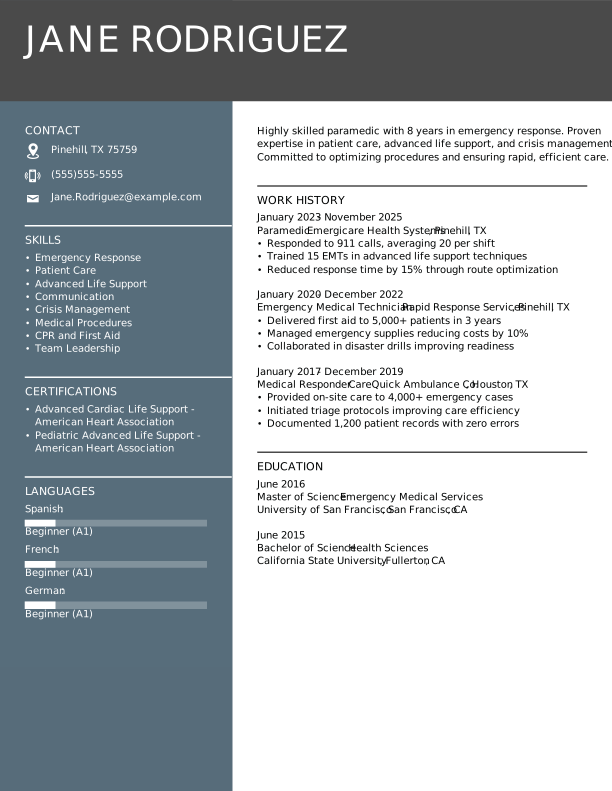

Hard skills for a paramedic include expertise in advanced life support, emergency medical procedures, and the operation of lifesaving equipment.
Paramedic Resume Examples & Templates
Ready to improve your career? Our paramedic resume examples showcase how to highlight critical thinking, emergency response, and teamwork skills that will make you stand out to employers.

by Gabriela Hernandez, Last Updated: February 04, 2026
Hired By:*

- Popular Paramedic Resume Examples
- Resume Template—Easy to Copy & Paste
- Build Your Resume in Minutes
- How to Write a Paramedic Resume Summary
- Showcasing Your Work Experience
- Top Skills to Include on Your Resume
- Resume Format Examples
- Paramedic Salaries in the Highest-Paid States
- Related Medical Resume Examples
- Frequently Asked Questions
- Should I include a cover letter with my paramedic resume?
- Can I use a resume if I’m applying internationally, or do I need a CV?
- What soft skills are important for paramedics?
- I’m transitioning from another field. How should I highlight my experience?
- How should I format a cover letter for a paramedic job?
- How do I add my resume to LinkedIn?
Popular Paramedic Resume Examples
Check out our top paramedic resume examples that demonstrate important skills such as emergency response, patient assessment, and effective communication. These examples will help you showcase your accomplishments in a way that resonates with employers.
Ready to build your ideal resume? Our Resume Builder offers user-friendly templates specifically designed for first responders, making it simple to create a standout application.
Recommended
 Customize This Resume
Entry-level paramedic resume
What this resume does well:
This entry-level resume effectively highlights the job seeker's hands-on emergency response skills and notable achievements, such as reducing patient transport times and training new EMTs. New professionals in this field must showcase their clinical competencies, commitment to patient care, and ability to thrive under pressure, all of which are essential despite limited work experience.
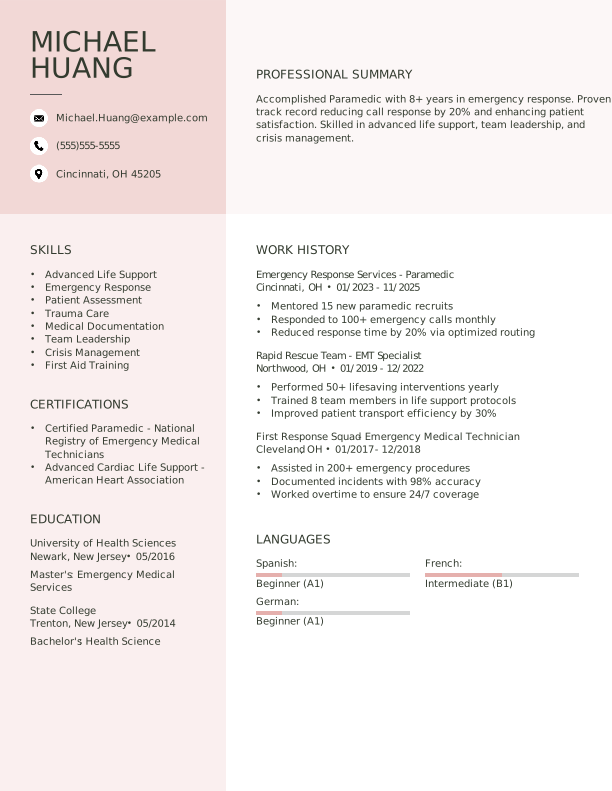
Mid-career paramedic resume
What this resume does well:
This resume clearly outlines key qualifications, showcasing the job seeker's extensive experience in emergency response and training. The emphasis on leadership roles and effective achievements demonstrates their readiness for increased responsibilities in high-pressure situations.
Experienced paramedic resume
What this resume does well:
This resume's work history section illustrates the applicant's strong background as a paramedic, emphasizing their impressive achievements like a 30% reduction in response times and 95% accuracy in life-saving interventions. The bullet-point format improves clarity, making it easy for hiring managers to assess key accomplishments quickly.
Resume Template—Easy to Copy & Paste
Example
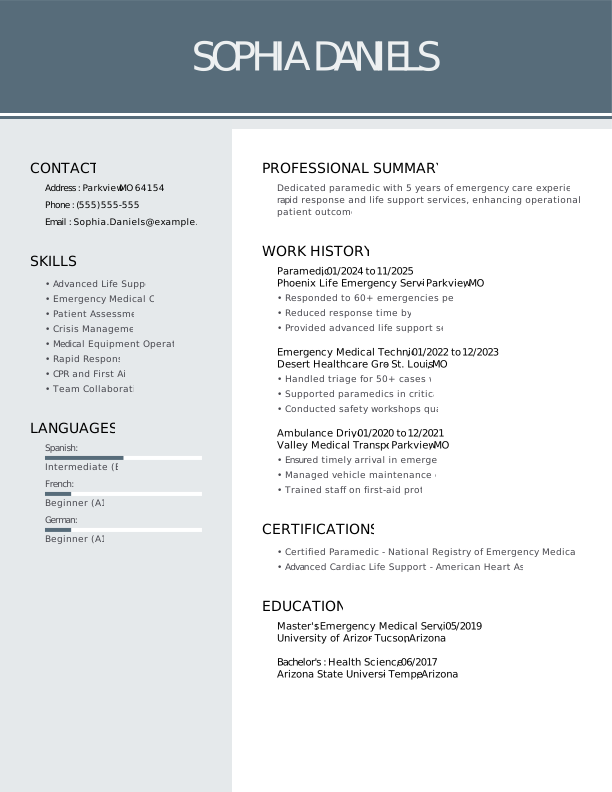
Sophia Daniels
Parkview, MO 64154
(555)555-5555
Sophia.Daniels@example.com
Skills
- Advanced Life Support
- Emergency Medical Care
- Patient Assessment
- Crisis Management
- Medical Equipment Operation
- Rapid Response
- CPR and First Aid
- Team Collaboration
Languages
- Spanish - Intermediate (B1)
- French - Beginner (A1)
- German - Beginner (A1)
Professional Summary
Dedicated paramedic with 5 years of emergency care experience. Expert in rapid response and life support services, enhancing operational efficiency and patient outcomes.
Work History
Paramedic
Phoenix Life Emergency Services - Parkview, MO
January 2024 - November 2025
- Responded to 60+ emergencies per month
- Reduced response time by 15%
- Provided advanced life support services
Emergency Medical Technician
Desert Healthcare Group - St. Louis, MO
January 2022 - December 2023
- Handled triage for 50+ cases weekly
- Supported paramedics in critical care
- Conducted safety workshops quarterly
Ambulance Driver
Valley Medical Transport - Parkview, MO
January 2020 - December 2021
- Ensured timely arrival in emergencies
- Managed vehicle maintenance checks
- Trained staff on first-aid protocols
Certifications
- Certified Paramedic - National Registry of Emergency Medical Technicians
- Advanced Cardiac Life Support - American Heart Association
Education
Master's Emergency Medical Services
University of Arizona Tucson, Arizona
May 2019
Bachelor's Health Sciences
Arizona State University Tempe, Arizona
June 2017
Build Your Resume in Minutes
Creating a custom resume is easier than ever with our Resume Builder!
How to Write a Paramedic Resume Summary
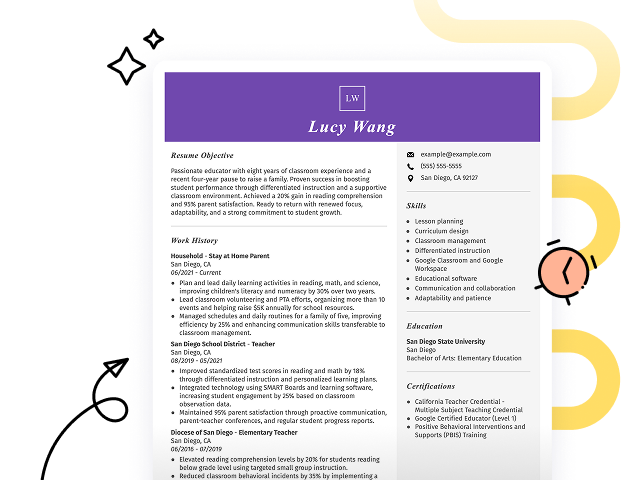
Your resume summary is the first opportunity to capture an employer's attention, making it important for showcasing your suitability for the paramedic role. This section should highlight your emergency response skills, patient care experience, and ability to work under pressure.
As a paramedic, you possess specialized training and life-saving expertise that needs to shine in this introduction. Emphasize your quick decision-making abilities and teamwork skills to demonstrate your readiness for dynamic environments.
To illustrate what makes an effective resume summary, we’ll review examples that show both strong and weak approaches:
Weak Example
I am an experienced paramedic with a lengthy career in emergency services. I hope to find a position where I can use my skills effectively and contribute positively to the team. A job that allows for personal growth and a good work-life balance is what I am looking for.
Why this summary misses the mark:
- Lacks specific details about the applicant’s accomplishments or certifications in emergency care
- Overuses personal pronouns, making it sound less professional and more like filler content
- Emphasizes the applicant’s desires rather than highlighting the value they bring to potential employers
Strong Example
Compassionate paramedic with over 7 years of experience in emergency medical services and critical care situations. Successfully improved response times by 20% through efficient team coordination and streamlined protocols during high-pressure incidents. Proficient in advanced life support, trauma assessment, and patient stabilization techniques while maintaining compliance with state regulations.
Why this summary works:
- Begins with clear indication of experience level and area of expertise
- Highlights a quantifiable achievement that illustrates a positive impact on emergency response
- Showcases relevant technical skills that are essential for paramedic roles

Pro Tip
If you're short on formal experience, consider using a career objective instead of a summary to highlight your passion and goals. You can find many resume objective examples to help you craft one that fits the paramedic field perfectly.
Showcasing Your Work Experience
The work experience section is important for your resume as a paramedic, as it will contain the bulk of your content. Good resume templates always emphasize this important area.
This section should be organized in reverse-chronological order, detailing your past jobs. Use bullet points to highlight three to four key achievements or responsibilities from each role you’ve held.
To help you understand what works and what doesn't in crafting effective work history entries, we’ll present two examples that illustrate best practices:
Weak Example
Paramedic
City Ambulance Service – Austin, TX
- Responded to emergency calls
- Provided basic care to patients
- Worked with a team during transport
- Documented patient information
Why this work experience section misses the mark:
- Lacks specific employment dates
- Bullet points are overly general and do not highlight unique skills or achievements
- Emphasizes routine tasks instead of powerful contributions or outcomes
Strong Example
Paramedic
City Emergency Services – Los Angeles, CA
March 2020 - Present
- Respond to emergency calls and provide immediate medical care to patients in critical condition, stabilizing them for transport
- Work closely with firefighters and police officers on scene to ensure a coordinated response, leading to a 30% reduction in response time
- Train and mentor new paramedics, improving their clinical skills and knowledge of protocols, which improved team efficiency by 20%
Why this work experience section works:
- Uses strong action verbs at the beginning of each bullet point to highlight key achievements
- Incorporates specific metrics that demonstrate the impact of the job seeker's actions on patient care and team performance
- Showcases relevant skills such as teamwork and mentorship that are essential in emergency medical services
While your resume summary and work experience are important components, remember that other sections also play a significant role in showcasing your skills. For detailed guidance on crafting an effective resume, explore our comprehensive guide on how to write a resume.
Top Skills to Include on Your Resume
A strong resume always includes a skills section, as it allows you to showcase your qualifications at a glance. This is important for grabbing the attention of hiring managers and demonstrating that you meet the job requirements.
Employers increasingly expect candidates to bring together strong technical expertise and the interpersonal abilities that keep teams moving. As you craft your resume, highlight both hard and soft skills to show you’re versatile and ready to contribute on multiple levels.
Soft skills like teamwork, empathy, and effective communication play a key role in building patient trust and fostering seamless collaboration with healthcare teams.
Selecting the right resume skills is important for aligning with employer expectations and ensuring your application passes through automated screening systems. By showcasing relevant abilities, you improve your chances of being noticed by recruiters.
To determine which skills to highlight, carefully review job postings related to the role you're pursuing. These listings often provide valuable insights into what employers prioritize, helping you tailor your resume effectively for both human readers and ATS software.
Pro Tip
Ensure your resume stands out to hiring managers by using our ATS Resume Checker. This tool identifies over 30 common mistakes, making it easier for you to navigate applicant tracking systems.
10 skills that appear on successful paramedic resumes
Showcasing essential skills on your resume can significantly boost your chances of catching the eye of recruiters. These high-demand abilities are often showcased in our resume examples, giving you a competitive edge as you apply for paramedic positions.
If you possess any of these skills that align with your experience and job requirements, consider adding them to your resume:
Emergency response
Patient assessment
Team collaboration
Stress management
Medical terminology knowledge
CPR certification
First aid training
Communication with patients and families
Time management
Problem-solving skills
Based on analysis of 5,000+ medical professional resumes from 2023-2024
Resume Format Examples
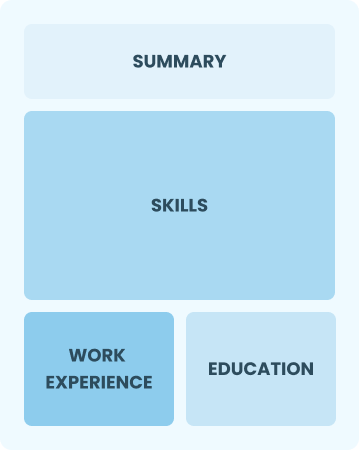
Choosing the right resume format is important for a paramedic because it effectively showcases your emergency response skills, relevant experience, and career growth in a clear and strong manner.
Entry-Level 0 - 2 years
Functional
Focuses on skills rather than previous jobs
Best for:
Recent graduates and career changers with less than two years of experience
Mid-Career 3 - 7 years
Combination
Balances skills and work history equally
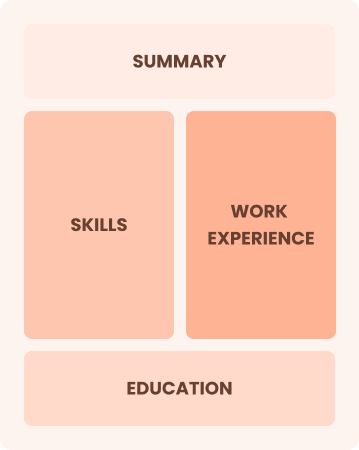
Best for:
Mid-career professionals focused on demonstrating their skills and pursuing growth opportunities
Experienced 8+ years
Chronological
Emphasizes work history in reverse order
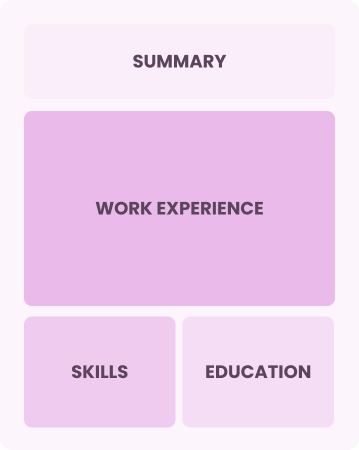
Best for:
Seasoned paramedics excelling in emergency response and team leadership
Paramedic Salaries in the Highest-Paid States
Our paramedic salary data is based on figures from the U.S. Bureau of Labor Statistics (BLS), the authoritative source for employment trends and wage information nationwide.
Whether you're entering the workforce or considering a move to a new city or state, this data can help you gauge what fair compensation looks like for paramedics in your desired area.
$0$50K$100K
Frequently Asked Questions
Should I include a cover letter with my paramedic resume?
Absolutely. Including a cover letter can significantly improve your application by showcasing your personality and explaining how your skills align with the position. To get started, we recommend exploring how to write a cover letter, which provides a comprehensive guide on crafting an effective one, or using our Cover Letter Generator for quick assistance.
Can I use a resume if I’m applying internationally, or do I need a CV?
When applying for jobs abroad, use a CV instead of a resume, especially in Europe and Asia. A CV provides comprehensive details about your experience and qualifications. Access our CV examples to ensure your document meets international standards and effectively showcases your skills. Additionally, learn how to write a CV that highlights your strengths.
What soft skills are important for paramedics?
Soft skills like communication, empathy, and teamwork are essential for paramedics. These interpersonal skills foster trust with patients and enable effective collaboration with emergency response teams, ultimately improving the quality of care provided in critical situations.
I’m transitioning from another field. How should I highlight my experience?
Highlight your transferable skills such as teamwork, crisis management, and communication when applying for paramedic roles. These qualities illustrate your readiness to excel in high-pressure situations, even if you lack direct experience. Share specific achievements from previous positions that relate to emergency response and patient interaction to strengthen your application.
How should I format a cover letter for a paramedic job?
To format a cover letter, start with your contact details and follow with a respectful greeting. The opening paragraph should grab attention, and the body should clearly outline your relevant skills and experiences. Conclude with a strong closing statement that encourages further discussion. Always customize your content to reflect the specific job requirements for paramedic positions.
How do I add my resume to LinkedIn?
To increase your resume's visibility on LinkedIn, it's a good idea to add your resume to LinkedIn by uploading it to your profile. Additionally, highlight significant achievements in the "About" and "Experience" sections. This approach helps healthcare recruiters easily identify qualified paramedics, improving your chances of being discovered for exciting job opportunities.




Ready to land the job?
Join 28M+ others who've built a resume that works.