Expertise in hard skills such as injury assessment, rehabilitation techniques, and knowledge of anatomy and physiology is essential for effective treatment.
Athletic Trainer Resume Examples & Templates
Looking to elevate your career? Our athletic trainer resume examples showcase how to emphasize injury prevention skills and rehabilitation expertise, helping you stand out to potential employers.

by Gabriela Hernandez, Last Updated: January 18, 2026
Hired By:*

- Popular Athletic Trainer Resume Examples
- Resume Template—Easy to Copy & Paste
- Build Your Resume in Minutes
- How to Write an Athletic Trainer Resume Summary
- Showcasing Your Work Experience
- Top Skills to Include on Your Resume
- Resume Format Examples
- Athletic Trainer Salaries in the Highest-Paid States
- Related Sports Resume Examples
- Frequently Asked Questions
- Should I include a cover letter with my athletic trainer resume?
- Can I use a resume if I’m applying internationally, or do I need a CV?
- What soft skills are important for athletic trainers?
- I’m transitioning from another field. How should I highlight my experience?
- Should I include a personal mission statement on my athletic trainer resume?
- How do I add my resume to LinkedIn?
Popular Athletic Trainer Resume Examples
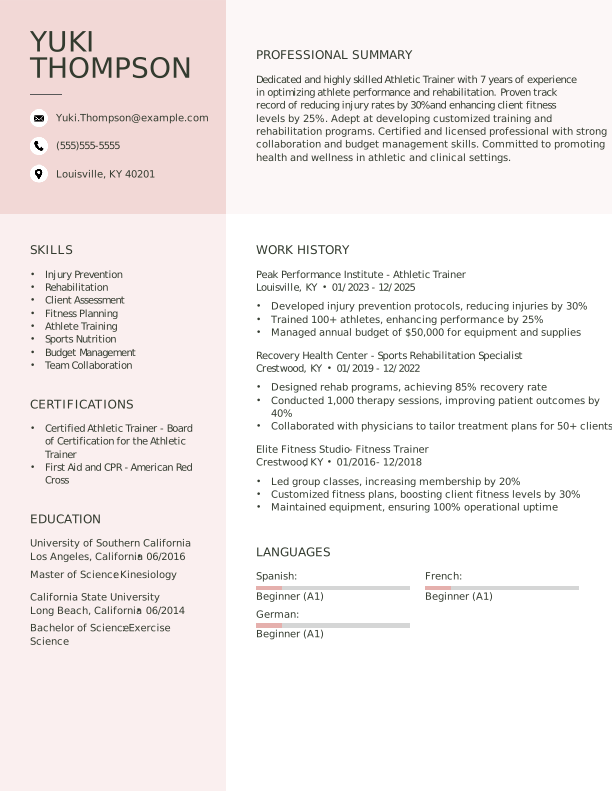
Check out our top athletic trainer resume examples that highlight critical skills such as injury prevention, rehabilitation, and performance enhancement. These samples will help you effectively showcase your qualifications to potential employers.
Ready to build your own impressive resume? Our Resume Builder offers simple templates specifically designed for athletic trainers, making the process straightforward and effective.
Recommended
 Customize This Resume
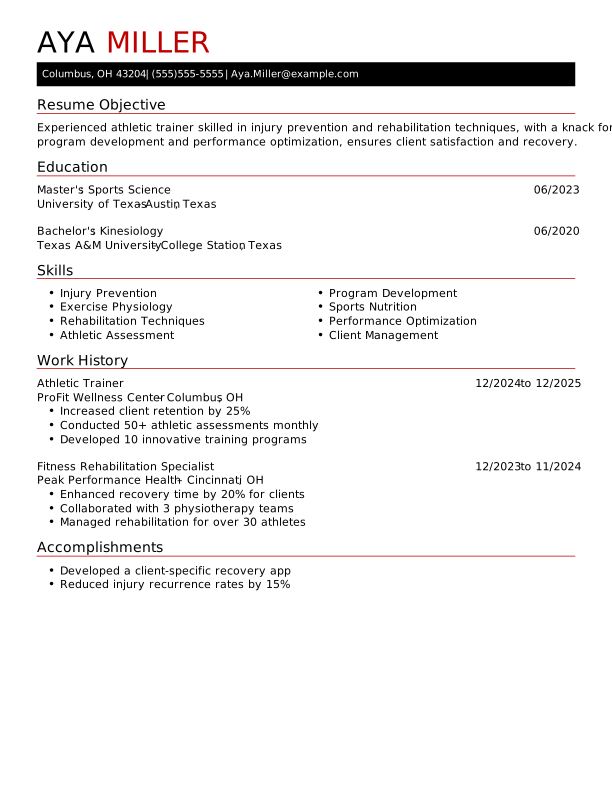
Entry-level athletic trainer resume
What this resume does well:
This entry-level resume effectively highlights the job seeker's competencies in injury prevention, rehabilitation techniques, and program development through quantifiable achievements and relevant certifications.
New professionals in this field must demonstrate their ability to apply academic knowledge in practical settings and showcase their commitment to client recovery and performance optimization despite limited work experience.
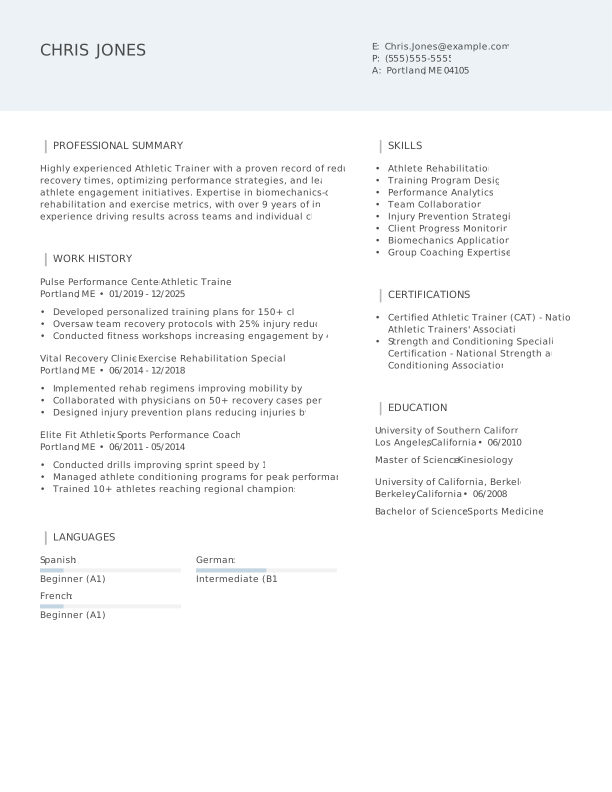
Mid-career athletic trainer resume
What this resume does well:
This resume showcases a well-rounded athletic trainer ready for advanced roles. The strategic presentation of achievements and skills illustrates the job seeker's expertise in performance enhancement and injury prevention, highlighting their leadership and commitment to client success.
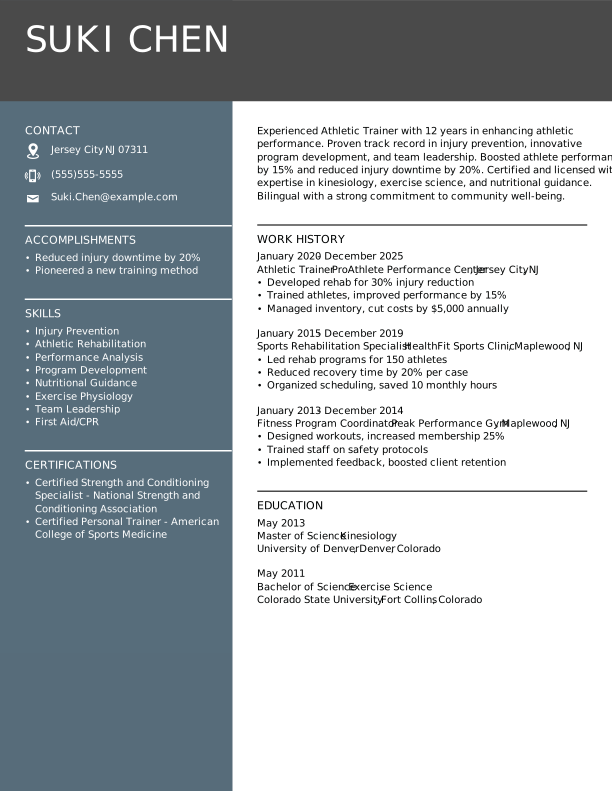
Experienced athletic trainer resume
What this resume does well:
The work experience section demonstrates the applicant's strong expertise in athletic training, highlighting their success in reducing injuries by 20% and improving athlete performance by 15%. The clear formatting allows hiring managers to quickly grasp key achievements, making it ideal for a competitive job market.
Resume Template—Easy to Copy & Paste
Example
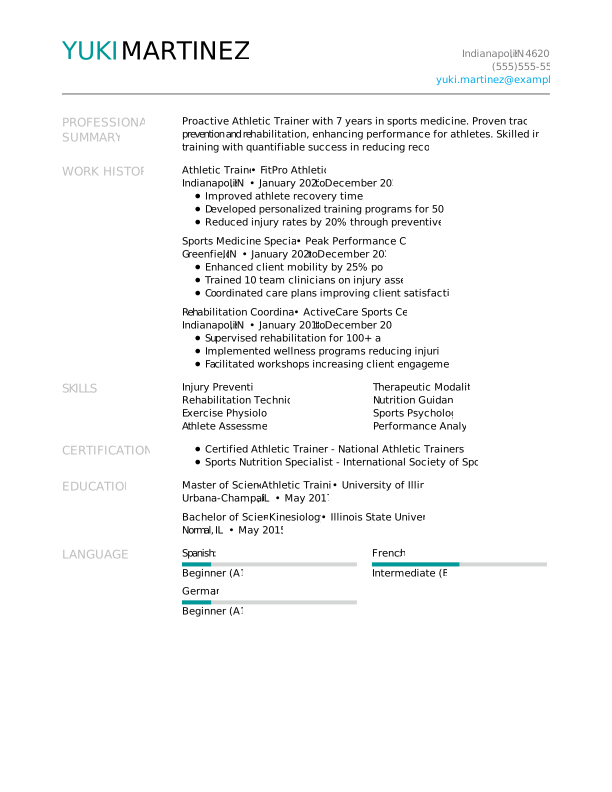
Yuki Martinez
Indianapolis, IN 46209
(555)555-5555
Yuki.Martinez@example.com
Professional Summary
Proactive Athletic Trainer with 7 years in sports medicine. Proven track record in injury prevention and rehabilitation, enhancing performance for athletes. Skilled in personalized training with quantifiable success in reducing recovery times.
Work History
Athletic Trainer
FitPro Athletics - Indianapolis, IN
January 2023 - December 2025
- Improved athlete recovery time by 30%.
- Developed personalized training programs for 50+ athletes.
- Reduced injury rates by 20% through preventive strategies.
Sports Medicine Specialist
Peak Performance Clinic - Greenfield, IN
January 2020 - December 2022
- Enhanced client mobility by 25% post-injury.
- Trained 10 team clinicians on injury assessment.
- Coordinated care plans improving client satisfaction by 15%.
Rehabilitation Coordinator
ActiveCare Sports Center - Indianapolis, IN
January 2018 - December 2019
- Supervised rehabilitation for 100+ athletes.
- Implemented wellness programs reducing injuries by 10%.
- Facilitated workshops increasing client engagement by 40%.
Skills
- Injury Prevention
- Rehabilitation Techniques
- Exercise Physiology
- Athlete Assessment
- Therapeutic Modalities
- Nutrition Guidance
- Sports Psychology
- Performance Analysis
Certifications
- Certified Athletic Trainer - National Athletic Trainers' Association
- Sports Nutrition Specialist - International Society of Sports Nutrition
Education
Master of Science Athletic Training
University of Illinois Urbana-Champaign, IL
May 2017
Bachelor of Science Kinesiology
Illinois State University Normal, IL
May 2015
Languages
- Spanish - Beginner (A1)
- French - Intermediate (B1)
- German - Beginner (A1)
Build Your Resume in Minutes
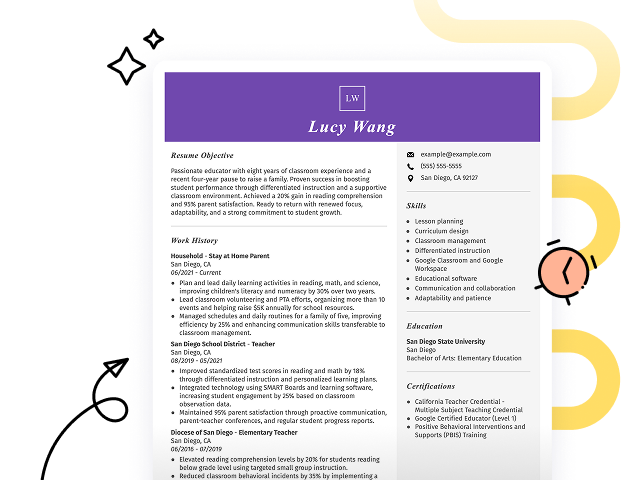
Creating a custom resume is easier than ever with our Resume Builder!
How to Write an Athletic Trainer Resume Summary
Your resume summary is the first thing employers will notice, making it critical to present yourself effectively. As an athletic trainer, you should highlight your expertise in injury prevention, rehabilitation techniques, and your ability to work collaboratively with athletes and coaches.
To assist you in crafting a compelling summary, we’ll share examples that illustrate effective strategies and common pitfalls:
Weak Example
I am an athletic trainer with several years of experience and a strong commitment to helping athletes. I want a position where I can use my skills effectively and contribute to the team's success. A supportive environment that promotes professional development is what I'm looking for.
Why this summary misses the mark:
- Lacks specific examples of skills or achievements relevant to athletic training
- Overly focuses on the job seeker's desires rather than demonstrating how they can benefit the employer
- Uses generic language that does not highlight unique qualifications or experiences
Strong Example
Goal-oriented athletic trainer with 6+ years of experience in injury prevention and rehabilitation for collegiate athletes. Achieved a 20% reduction in injury rates through targeted strength and conditioning programs, while improving athlete performance metrics by an average of 15%. Proficient in using advanced therapeutic techniques and sports science technology to optimize recovery times and improve overall team health.
Why this summary works:
- Starts with clear experience level and specific focus on athletic training
- Includes quantifiable achievements that highlight impact on athlete safety and performance
- Demonstrates relevant technical skills essential for the role, appealing to potential employers

Pro Tip
If you’re new to the field of athletic training, consider using a career objective to highlight your passion and goals. There are numerous tailored resume objective examples available that can help you stand out even without extensive experience.
Showcasing Your Work Experience
The work experience section is important for your resume as an athletic trainer, serving as the main focus of your content. Good resume templates always prioritize this section to highlight your professional background.
This part should be organized in reverse-chronological order, listing your previous positions clearly. Use bullet points to detail your accomplishments and responsibilities in each role effectively.
To assist you further, we will present a couple of examples that demonstrate what a strong work history section looks like for athletic trainers. These will clarify what works well and what pitfalls to avoid:
Weak Example
Athletic Trainer
Elite Sports Academy – Los Angeles, CA
- Provided injury prevention advice.
- Led warm-up and cool-down exercises.
- Assisted athletes during practice.
- Conducted basic rehabilitation activities.
Why this work experience section misses the mark:
- Lacks specific employment dates to establish a timeline
- Bullet points are overly general and do not highlight unique skills or contributions
- Emphasizes routine duties rather than measurable impacts on athlete performance or recovery
Strong Example
Athletic Trainer
Elite Sports Medicine Center – Los Angeles, CA
March 2020 - Current
- Develop and implement injury prevention programs for a diverse range of athletes, reducing injury rates by 30% in one year.
- Provide immediate care and rehabilitation for sports-related injuries, facilitating a 40% faster return-to-play rate for high school athletes.
- Educate coaches and parents on athlete health and safety protocols, resulting in improved compliance with training guidelines.
Why this work experience section works:
- Starts each bullet with action verbs that clearly demonstrate the applicant’s contributions
- Includes specific metrics to illustrate the effectiveness of accomplishments
- Highlights relevant skills such as program development and educational outreach, important for an athletic trainer
While the resume summary and work experience are critical components of your resume, don't overlook other important sections that deserve your attention. To craft an impressive resume, be sure to explore our comprehensive guide on how to write a resume.
Top Skills to Include on Your Resume
A well-defined skills section is important for any resume, as it allows you to showcase the specific abilities that make you an ideal applicant. This section helps employers quickly identify if you possess the key qualifications they seek.
Every resume should have a mix of hard skills and soft skills. Including a diverse range of relevant skills will make your application much stronger.
Additionally, soft skills like communication, teamwork, and adaptability are important for establishing trust with athletes and ensuring a collaborative approach to injury prevention and recovery.
When selecting skills for your resume, it's important to align them with what employers expect from applicants. Many organizations use automated screening systems that filter out applicants lacking essential resume skills.
To improve your chances of standing out, review job postings carefully. They provide valuable insights into which skills are most important to recruiters and will help ensure your resume passes through the ATS successfully.
Pro Tip
Ensure your resume shines in the digital landscape! Use our ATS Resume Checker to uncover over 30 common errors and improve your chances of getting noticed by hiring managers.
10 skills that appear on successful athletic trainer resumes
Highlighting essential skills in your resume can significantly capture the attention of recruiters looking for athletic trainers. These high-demand skills are showcased in our resume examples, giving you the assurance to apply for positions with a professional edge.
Here are 10 skills you should consider including in your resume if they align with your experience and job requirements:
Injury assessment
Rehabilitation techniques
Strong interpersonal skills
Knowledge of sports science
First aid certification
Emergency response planning
Fitness assessment
Team collaboration
Time management
Preventative care strategies
Based on analysis of 5,000+ sports professional resumes from 2023-2024
Resume Format Examples
Choosing the right resume format is important for athletic trainers, as it emphasizes key skills and experiences while clearly showcasing your professional growth in the field.
Entry-Level 0 - 2 years
Functional
Focuses on skills rather than previous jobs
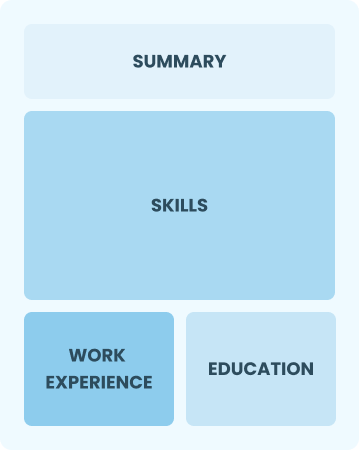
Best for:
Recent graduates and career changers with up to two years of experience
Mid-Career 3 - 7 years
Combination
Balances skills and work history equally
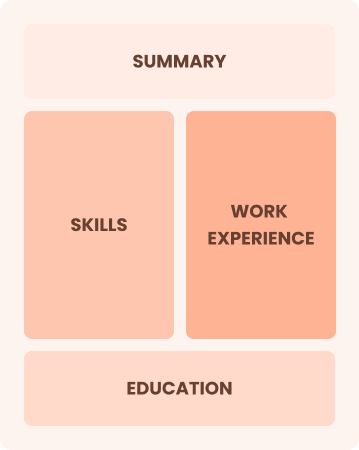
Best for:
Mid-career professionals focused on demonstrating their skills and potential
Experienced 8+ years
Chronological
Emphasizes work history in reverse order
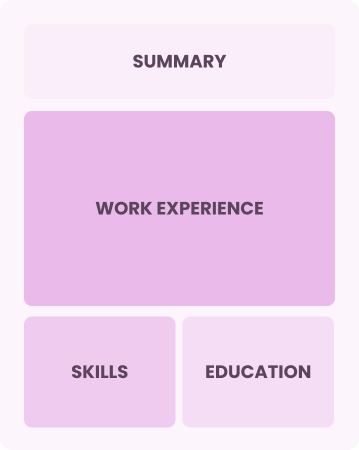
Best for:
Experienced leaders in injury prevention and performance enhancement
Athletic Trainer Salaries in the Highest-Paid States
Our athletic trainer salary data is based on figures from the U.S. Bureau of Labor Statistics (BLS), the authoritative source for employment trends and wage information nationwide.
Whether you're entering the workforce or considering a move to a new city or state, this data can help you gauge what fair compensation looks like for athletic trainers in your desired area.
$0$45K$90K
Frequently Asked Questions
Should I include a cover letter with my athletic trainer resume?
Absolutely, including a cover letter is a great way to highlight your qualifications and show your enthusiasm for the athletic trainer position. A well-crafted cover letter can make your application stand out by providing insights into your personality and skills.
If you need assistance, explore our guide on how to write a cover letter or use our Cover Letter Generator to craft one quickly.
Can I use a resume if I’m applying internationally, or do I need a CV?
When applying for jobs abroad, a CV is often preferred over a resume, especially in Europe and Asia. To ensure your CV meets international standards, explore our comprehensive resources that provide CV examples and guidance on how to write a CV with proper formatting and content creation.
What soft skills are important for athletic trainers?
Soft skills like communication, empathy, and teamwork are essential for athletic trainers. These interpersonal skills foster strong connections with athletes and coaches, enabling effective collaboration in injury prevention and rehabilitation, ultimately improving performance and well-being.
I’m transitioning from another field. How should I highlight my experience?
Highlight your transferable skills such as communication, teamwork, and adaptability, especially from previous roles. These abilities illustrate your potential value to athletic training, even if you lack direct experience.
Share concrete examples that relate your past achievements to the demands of athletic training to demonstrate your readiness for this exciting career.
Should I include a personal mission statement on my athletic trainer resume?
Including a personal mission statement on your resume is recommended. This effectively conveys your values and career aspirations, making it especially powerful for organizations that prioritize health and wellness or have a strong commitment to community engagement.
How do I add my resume to LinkedIn?
To increase your resume's visibility on LinkedIn, add your resume to LinkedIn by uploading it to your profile and highlighting important achievements in the "About" and "Experience" sections. This approach helps athletic trainers stand out and makes it easier for recruiters to find qualified applicants in the industry.




Ready to land the job?
Join 28M+ others who've built a resume that works.