Technical abilities, such as evidence collection, forensic analysis, and skill in crime scene photography, are considered hard skills essential for accurately investigating crimes.
Crime Scene Investigator Resume Examples & Templates
Looking to stand out in the competitive field of forensics? Our crime scene investigator resume examples can help you showcase your analytical skills and attention to detail that employers value.

by Gabriela Hernandez, Last Updated: January 18, 2026
Hired By:*

- Popular Crime Scene Investigator Resume Examples
- Resume Template—Easy to Copy & Paste
- Build Your Resume in Minutes
- How to Write a Crime Scene Investigator Resume Summary
- Showcasing Your Work Experience
- Top Skills to Include on Your Resume
- Resume Format Examples
- Related Law Enforcement Resume Examples
- Frequently Asked Questions
- Should I include a cover letter with my crime scene investigator resume?
- Can I use a resume if I’m applying internationally, or do I need a CV?
- What soft skills are important for crime scene investigators?
- I’m transitioning from another field. How should I highlight my experience?
- How do I write a resume with no experience?
- Should I include a personal mission statement on my crime scene investigator resume?
Popular Crime Scene Investigator Resume Examples
Discover our top crime scene investigator resume examples that emphasize important skills such as evidence collection, analytical thinking, and attention to detail. These examples demonstrate how Resume Builder can help you effectively highlight your accomplishments in this field.
Looking to create an impressive resume? Explore the user-friendly templates provided by Resume Builder, specifically tailored for professionals in forensic science, ensuring you make a strong impression.
Recommended
 Customize This Resume
Entry-level crime scene investigator resume
What this resume does well:
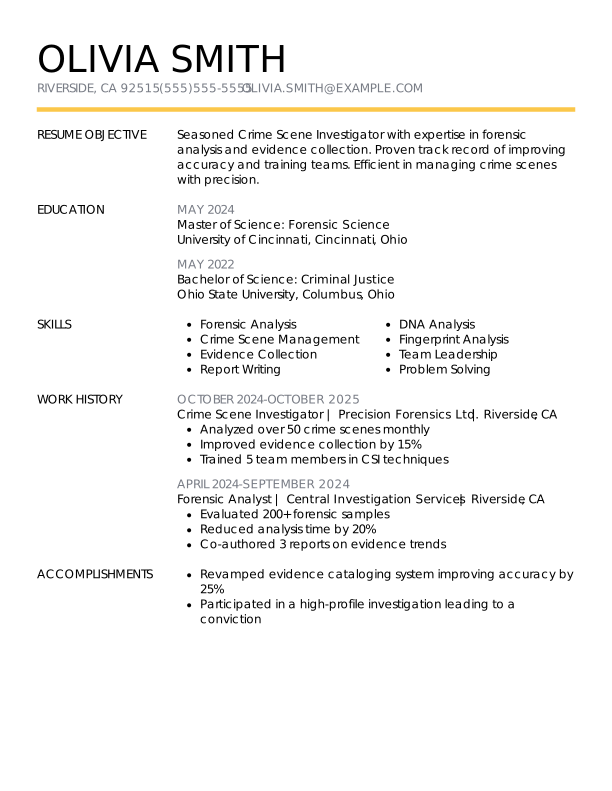
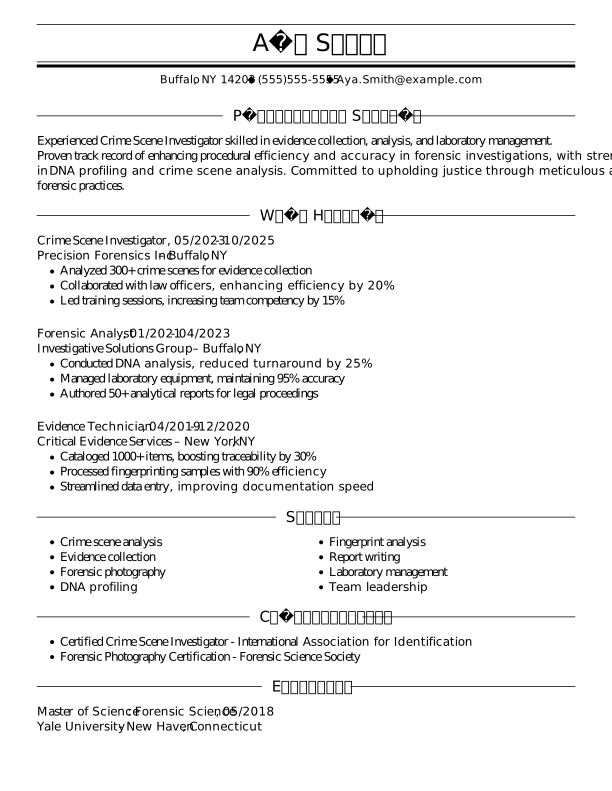
This entry-level resume effectively highlights the job seeker's analytical skills and accomplishments in forensic science, showcasing their experience as a crime scene investigator and forensic analyst. New professionals in this field must convey their practical competencies and commitment to continuous improvement, even with limited direct work history.
Mid-career crime scene investigator resume
What this resume does well:
This resume effectively showcases the job seeker's qualifications by detailing their extensive experience in evidence collection and analysis. The clear presentation of achievements and skills demonstrates readiness for advanced responsibilities, highlighting a strong career trajectory in forensic science.
Experienced crime scene investigator resume
What this resume does well:
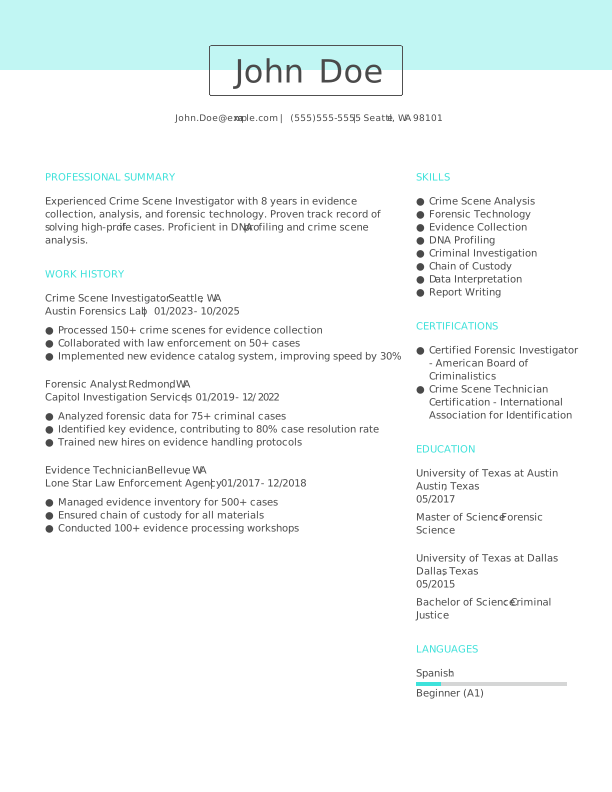
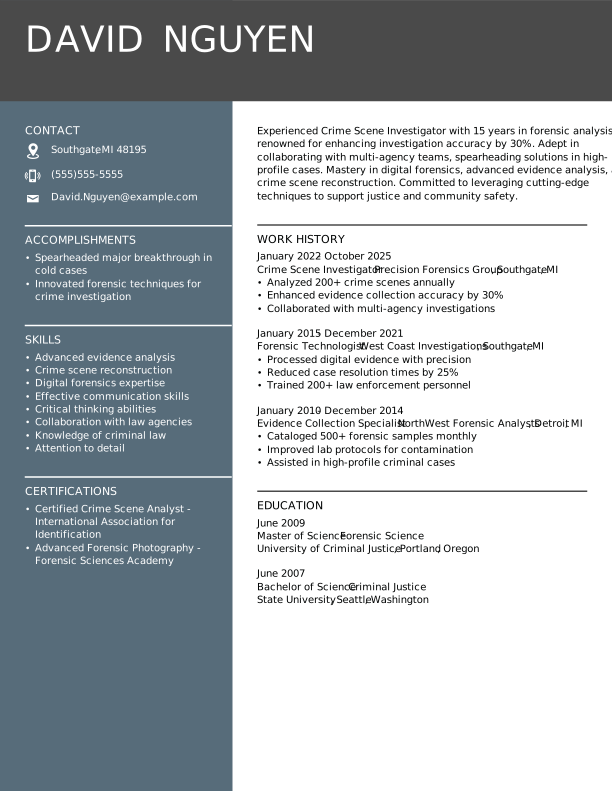
This work experience section exemplifies the applicant's extensive expertise as a crime scene investigator, highlighting their analysis of over 200 crime scenes annually and a 30% improvement in evidence collection accuracy. The clear formatting allows hiring managers to quickly identify key accomplishments and qualifications.
Resume Template—Easy to Copy & Paste
Example
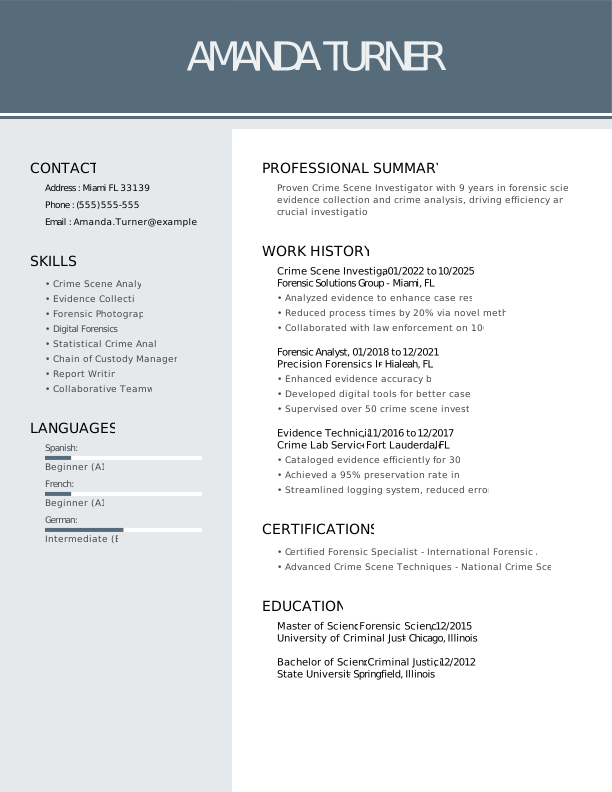
Amanda Turner
Miami, FL 33139
(555)555-5555
Amanda.Turner@example.com
Skills
- Crime Scene Analysis
- Evidence Collection
- Forensic Photography
- Digital Forensics
- Statistical Crime Analysis
- Chain of Custody Management
- Report Writing
- Collaborative Teamwork
Languages
- Spanish - Beginner (A1)
- French - Beginner (A1)
- German - Intermediate (B1)
Professional Summary
Proven Crime Scene Investigator with 9 years in forensic science. Expert in evidence collection and crime analysis, driving efficiency and accuracy in crucial investigations.
Work History
Crime Scene Investigator
Forensic Solutions Group - Miami, FL
January 2022 - October 2025
- Analyzed evidence to enhance case resolutions
- Reduced process times by 20% via novel methodologies
- Collaborated with law enforcement on 100+ cases
Forensic Analyst
Precision Forensics Inc. - Hialeah, FL
January 2018 - December 2021
- Enhanced evidence accuracy by 15%
- Developed digital tools for better case analysis
- Supervised over 50 crime scene investigations
Evidence Technician
Crime Lab Services - Fort Lauderdale, FL
November 2016 - December 2017
- Cataloged evidence efficiently for 30+ cases
- Achieved a 95% preservation rate in storage
- Streamlined logging system, reduced errors by 25%
Certifications
- Certified Forensic Specialist - International Forensic Association
- Advanced Crime Scene Techniques - National Crime Scene Academy
Education
Master of Science Forensic Science
University of Criminal Justice Chicago, Illinois
December 2015
Bachelor of Science Criminal Justice
State University Springfield, Illinois
December 2012
Build Your Resume in Minutes
Creating a custom resume is easier than ever with our Resume Builder!
How to Write a Crime Scene Investigator Resume Summary
Your resume summary is the first impression hiring managers will have of you as a crime scene investigator, so it’s important to make it strong. This section should highlight your analytical skills, attention to detail, and ability to work under pressure in high-stakes environments.
As a crime scene investigator, you need to showcase your expertise in evidence collection, forensic analysis, and report writing. Emphasizing these qualifications helps establish your suitability for the role right from the start.
To illustrate what makes an effective summary, here are some examples that demonstrate both strong and weak approaches:
Weak Example
I am a crime scene investigator with several years of experience and a strong desire to contribute to solving cases. I hope to find a job that allows me to use my skills in a positive environment. I believe I can make a difference if given the chance.
Why this summary misses the mark:
- Lacks specific details about the job seeker's skills, experiences, or notable achievements
- Focuses on personal aspirations rather than showcasing how their skills can benefit the employer
- Uses generic language that fails to highlight unique qualifications relevant to crime scene investigation
Strong Example
Detail-oriented crime scene investigator with 7+ years of experience in forensic analysis and evidence collection. Successfully solved over 150 cases by implementing advanced investigative techniques, leading to a 30% increase in conviction rates. Proficient in crime scene reconstruction, digital forensics, and using various forensic technologies to ensure thorough investigations.
Why this summary works:
- Begins with a clear statement of experience level and area of expertise
- Highlights quantifiable achievements that showcase effectiveness and impact on case resolutions
- Mentions specific technical skills relevant to the role of a crime scene investigator

Pro Tip
If you're new to the field of crime scene investigation, consider using a career objective in your resume instead of a summary. This approach highlights your enthusiasm and goals. There are many resume objective examples available tailored specifically for aspiring investigators like you.
Showcasing Your Work Experience
The work experience section plays a key role in your resume as a crime scene investigator, acting as the main focus of your content. Well-structured resume templates always prioritize this section to ensure it stands out.
Make sure this section is arranged in reverse-chronological order, clearly outlining your previous roles and the responsibilities you handled. Consider using bullet points to emphasize specific achievements and the contributions you made during each position.
To give you insight into what works effectively, we’ve compiled examples that showcase strong work history entries for crime scene investigators. These examples can help illustrate how to best present your experiences.
Weak Example
Crime Scene Investigator
Metro Police Department – Los Angeles, CA
- Collected evidence from crime scenes.
- Took photos of the scene.
- Worked with police officers and detectives.
- Wrote reports about findings.
Why this work experience section misses the mark:
- Lacks specific employment dates for context
- Bullet points are too vague and do not highlight unique skills or achievements
- Focuses on routine tasks rather than powerful contributions to investigations
Strong Example
Crime Scene Investigator
Metro Police Department – Los Angeles, CA
March 2020 - Present
- Conduct thorough crime scene examinations to collect and preserve evidence, resulting in a 30% increase in case solvability.
- Use advanced forensic techniques to analyze DNA samples, contributing to the successful prosecution of over 50 violent crimes.
- Collaborate with law enforcement and legal teams to prepare comprehensive reports, ensuring clarity and accuracy that support court proceedings.
Why this work experience section works:
- Starts each bullet point with dynamic action verbs that highlight the investigator's contributions
- Incorporates specific metrics demonstrating the impact of the investigator's work on case outcomes
- Showcases essential skills relevant to crime scene investigation through clear examples
While your resume summary and work experience are important, don't overlook the importance of other sections that can improve your application. Each part plays a role in showcasing your qualifications. For more detailed guidance, explore our comprehensive guide on how to write a resume.
Top Skills to Include on Your Resume
A well-defined skills section on your resume is important for capturing the attention of hiring managers. It provides a quick overview of your qualifications and demonstrates that you meet the essential requirements for the crime scene investigator role.
Create a more powerful application by balancing your resume with both hard and soft skills.
Skills like attention to detail, critical thinking, and strong communication abilities fall under soft skills, which foster effective collaboration with law enforcement and ensure thorough case resolution.
When selecting skills for your resume, it's important to align with what employers expect from applicants. Many organizations use automated screening systems that filter out applicants lacking essential resume skills.
To improve your chances of getting noticed, carefully examine job postings for insights on which resume skills are most valued. This will help you tailor your resume to meet the needs of both recruiters and ATS systems effectively.
Pro Tip
Elevate your chances of landing an interview by using our ATS Resume Checker. It identifies over 30 common mistakes, ensuring your resume is optimized to glide past applicant tracking software.
10 skills that appear on successful crime scene investigator resumes
Make your resume grab the attention of recruiters by highlighting essential skills relevant to crime scene investigator roles. You can see these skills effectively illustrated in our resume examples, giving you the confidence to apply for jobs with a well-crafted professional profile.
Here are 10 skills you should consider incorporating into your resume if they align with your experience and job specifications:
Attention to detail
Analytical thinking
Effective communication
Team collaboration
Problem-solving
Physical endurance
Technical skill in forensic tools
Evidence collection and preservation
Report writing
Knowledge of legal protocols
Based on analysis of 5,000+ law enforcement professional resumes from 2023-2024
Resume Format Examples
Choosing the right resume format is important for crime scene investigators, as it highlights essential skills and experiences that demonstrate your investigative journey and depth in the field.
Entry-Level 0 - 2 years
Functional
Focuses on skills rather than previous jobs

Best for:
Recent graduates and career changers with limited experience in forensics
Mid-Career 3 - 7 years
Combination
Balances skills and work history equally

Best for:
Mid-career professionals focused on improving their skills and pursuing growth opportunities
Experienced 8+ years
Chronological
Emphasizes work history in reverse order

Best for:
Experienced investigators excelling in complex cases and mentorship roles
Frequently Asked Questions
Should I include a cover letter with my crime scene investigator resume?
Absolutely, including a cover letter is important for making a strong impression on employers. It allows you to showcase your unique qualifications and enthusiasm for the position. If you're not sure how to write a cover letter, consider using our Cover Letter Generator for guidance and examples. These resources can help you craft a compelling narrative that complements your resume.
Can I use a resume if I’m applying internationally, or do I need a CV?
When applying for jobs outside the U.S., use a CV instead of a resume to share comprehensive details about your academic and professional background. To learn how to write a CV, check out our tips and formatting guidelines. For inspiration, browse through our CV examples tailored for international job seekers.
What soft skills are important for crime scene investigators?
Soft skills such as interpersonal skills, attention to detail, communication, and critical thinking are essential for crime scene investigators. These abilities foster collaboration with law enforcement and forensic teams while ensuring accurate evidence collection and analysis, ultimately contributing to the pursuit of justice.
I’m transitioning from another field. How should I highlight my experience?
Highlight transferable skills like analytical thinking, attention to detail, and effective communication when transitioning to a crime scene investigator role. Demonstrating these abilities is important in gathering evidence and reporting findings. Use concrete examples from your past experiences to illustrate how these competencies can improve your contributions in this new field.
How do I write a resume with no experience?
If you're aiming for a crime scene investigator position but lack formal experience, you can find guidance on creating a resume with no experience by highlighting relevant coursework, internships, and skills like attention to detail and critical thinking. Volunteer work in forensic labs or participation in related projects can also showcase your dedication. Employers value enthusiasm and a passion for justice, so let that shine through.
Should I include a personal mission statement on my crime scene investigator resume?
Yes, including a personal mission statement on your resume is recommended. It effectively showcases your values and passion for justice, which can resonate with employers in sectors like law enforcement or forensic science that prioritize integrity and community safety.




Ready to land the job?
Join 28M+ others who've built a resume that works.