In a clinical scientist role, hard skills include laboratory techniques, data analysis, and understanding complex scientific protocols to ensure accurate test results.
Clinical Scientist Resume Examples & Templates
Searching for your next opportunity? Our clinical scientist resume examples help you showcase your research skills and analytical expertise, ensuring you stand out to potential employers.

by Gabriela Hernandez, Last Updated: January 18, 2026
Hired By:*

- Popular Clinical Scientist Resume Examples
- Resume Template—Easy to Copy & Paste
- Build Your Resume in Minutes
- How to Write a Clinical Scientist Resume Summary
- Showcasing Your Work Experience
- Top Skills to Include on Your Resume
- Resume Format Examples
- Related Medical Resume Examples
- Frequently Asked Questions
- Should I include a cover letter with my clinical scientist resume?
- Can I use a resume if I’m applying internationally, or do I need a CV?
- What soft skills are important for clinical scientists?
- I’m transitioning from another field. How should I highlight my experience?
- Should I use a cover letter template?
- How do I add my resume to LinkedIn?
Popular Clinical Scientist Resume Examples
Discover our top clinical scientist resume examples that emphasize key skills such as data analysis, research methodology, and collaboration in innovative projects. These examples will guide you in showcasing your expertise effectively to potential employers.
Ready to build your ideal resume? Our Resume Builder offers an array of user-friendly templates designed specifically for professionals in the scientific field.
Recommended
 Customize This Resume
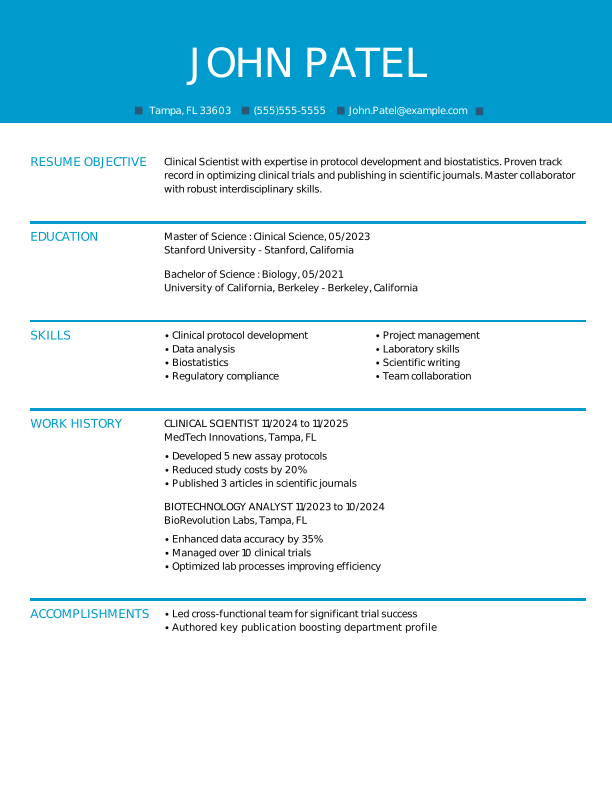
Entry-level clinical scientist resume
What this resume does well:
This entry-level resume for a clinical scientist highlights the job seeker's significant achievements in clinical protocol development and data analysis, showcasing their ability to improve efficiency and contribute to scientific literature. New professionals need to effectively communicate their technical skills and any relevant project experiences to demonstrate readiness for roles in a competitive field, even with limited direct work history.
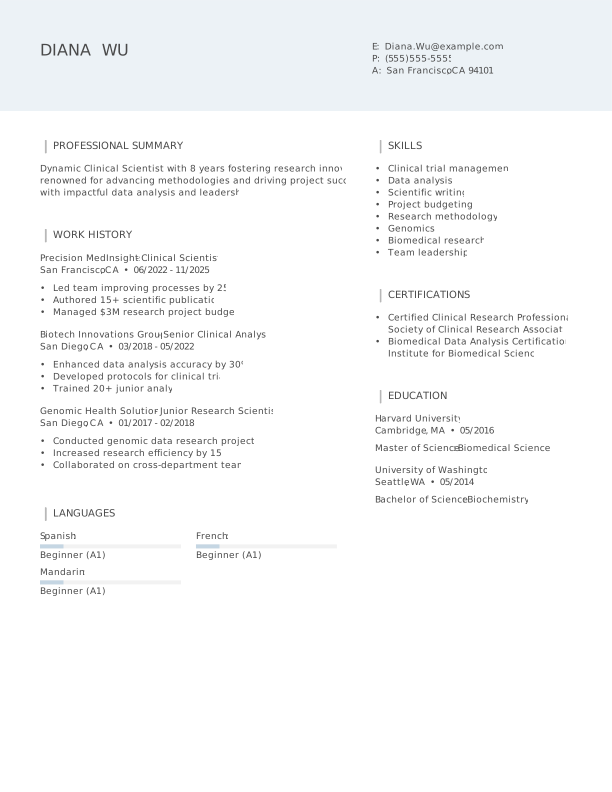
Mid-career clinical scientist resume
What this resume does well:
This resume effectively showcases qualifications by detailing significant achievements and leadership roles. The structured presentation of responsibilities demonstrates the job seeker's progression in research and project management, indicating readiness for advanced scientific challenges.
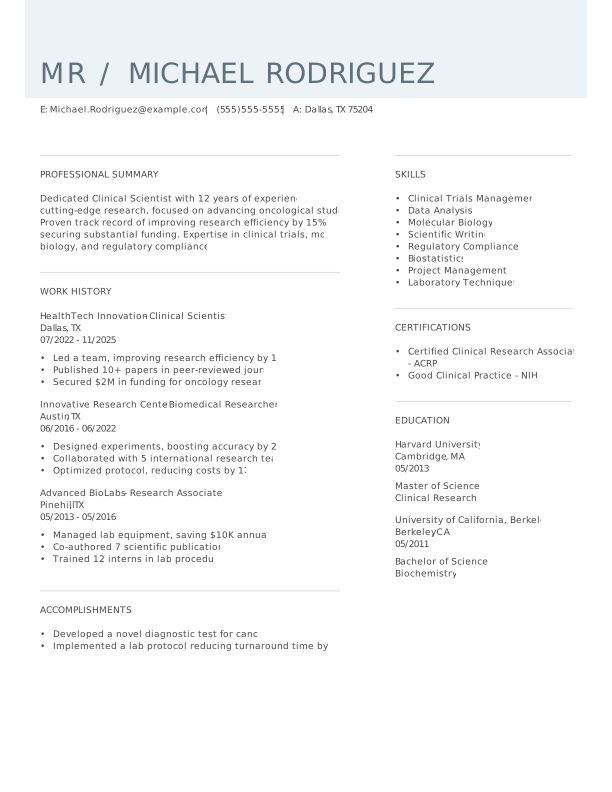
Experienced clinical scientist resume
What this resume does well:
This work experience section demonstrates the applicant's strong background as a clinical scientist, highlighting their leadership in research efficiency improvements by 15% and securing $2M in funding. The bullet-point format improves readability, making it ideal for review by hiring managers seeking quantifiable accomplishments.
Resume Template—Easy to Copy & Paste
Example
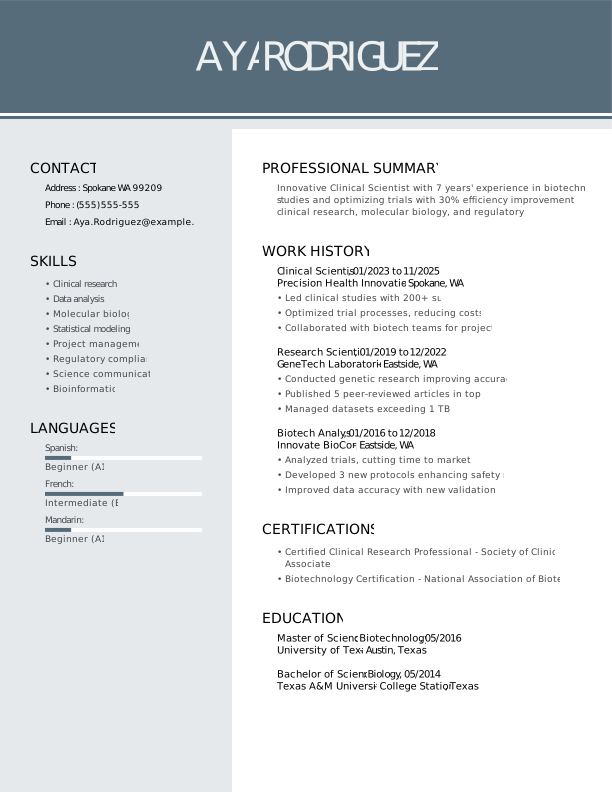
Aya Rodriguez
Spokane, WA 99209
(555)555-5555
Aya.Rodriguez@example.com
Skills
- Clinical research
- Data analysis
- Molecular biology
- Statistical modeling
- Project management
- Regulatory compliance
- Science communication
- Bioinformatics
Languages
- Spanish - Beginner (A1)
- French - Intermediate (B1)
- Mandarin - Beginner (A1)
Professional Summary
Innovative Clinical Scientist with 7 years' experience in biotechnology, leading studies and optimizing trials with 30% efficiency improvement. Expertise in clinical research, molecular biology, and regulatory compliance.
Work History
Clinical Scientist
Precision Health Innovations - Spokane, WA
January 2023 - November 2025
- Led clinical studies with 200+ subjects.
- Optimized trial processes, reducing costs by 15%.
- Collaborated with biotech teams for project synergy.
Research Scientist
GeneTech Laboratories - Eastside, WA
January 2019 - December 2022
- Conducted genetic research improving accuracy by 25%.
- Published 5 peer-reviewed articles in top journals.
- Managed datasets exceeding 1 TB in size.
Biotech Analyst
Innovate BioCorp - Eastside, WA
January 2016 - December 2018
- Analyzed trials, cutting time to market by 20%.
- Developed 3 new protocols enhancing safety measures.
- Improved data accuracy with new validation methods.
Certifications
- Certified Clinical Research Professional - Society of Clinical Research Associates
- Biotechnology Certification - National Association of Biotechnologists
Education
Master of Science Biotechnology
University of Texas Austin, Texas
May 2016
Bachelor of Science Biology
Texas A&M University College Station, Texas
May 2014
Build Your Resume in Minutes
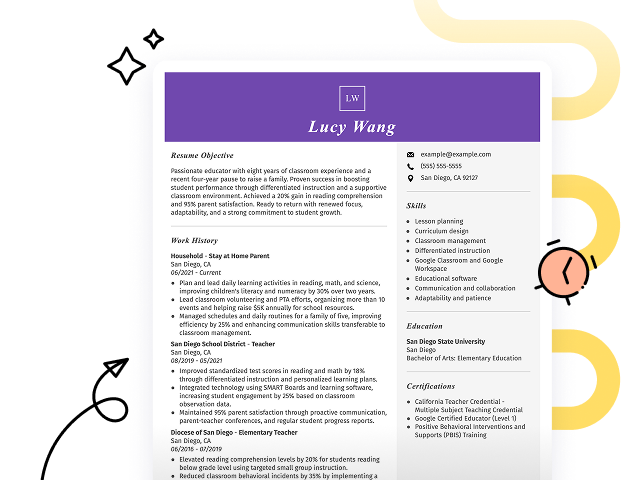
Creating a custom resume is easier than ever with our Resume Builder!
How to Write a Clinical Scientist Resume Summary
Your resume summary is the first impression you give to potential employers, making it essential to craft a compelling introduction that highlights your qualifications. As a clinical scientist, your expertise in research methodologies and analytical skills should take center stage in this section.
This profession requires you to showcase your technical abilities and experience with laboratory techniques, as well as any contributions to innovative projects or studies. To assist you in framing an effective summary, here are some examples that illustrate what resonates well with hiring managers and what might fall short:
Weak Example
I am a dedicated clinical scientist with many years of experience in the field. I seek a position where I can apply my knowledge and contribute to the success of your team. A job that offers room for advancement and work-life balance is what I desire, as I believe this will help me perform better.
Why this summary misses the mark:
- Contains vague references to experience without specifying areas of expertise or achievements
- Overuses personal pronouns, making it sound less professional and more self-centered
- Emphasizes personal desires rather than illustrating how the applicant can add value to the employer's organization
Strong Example
Results-driven clinical scientist with over 7 years of experience in biomedical research and laboratory management, focusing on drug development and clinical trials. Spearheaded a project that accelerated the drug testing process by 30%, leading to faster patient access to critical therapies. Proficient in data analysis software, regulatory compliance, and collaborating with cross-functional teams to improve the efficacy of research projects.
Why this summary works:
- Begins with clear experience duration and specific focus areas relevant to clinical science
- Highlights a quantifiable achievement that showcases direct impact on research timelines and patient benefits
- Mentions essential technical skills and collaboration abilities valued in scientific roles

Pro Tip
Lacking formal work experience? No worries! Opt for a career objective on your resume. Check out resume objective examples tailored for clinical scientist roles to boost your chances.
Showcasing Your Work Experience
The work experience section is critical for your resume as a clinical scientist, where you’ll find the majority of your content. Good resume templates prominently feature this section to highlight your professional background.
This part should be organized in reverse-chronological order, detailing each position you've held. Use bullet points to succinctly describe your key achievements and contributions in those roles.
To help you refine this section, we’ve prepared a couple of examples that illustrate effective work history entries for clinical scientists. These examples will clarify what works well and what might need improvement:
Weak Example
Clinical Scientist
MedTech Labs – Boston, MA
- Conducted experiments.
- Recorded data and maintained files.
- Collaborated with colleagues on projects.
- Reviewed reports and made recommendations.
Why this work experience section misses the mark:
- Lacks employment dates for context
- Bullet points are vague and do not highlight specific skills or achievements
- Focuses on routine duties rather than innovative contributions or measurable outcomes
Strong Example
Clinical Scientist
City Hospital Research Institute – San Francisco, CA
March 2020 - Present
- Conduct advanced research on biomarker discovery, leading to the identification of three novel biomarkers linked to lung disease.
- Collaborate with cross-functional teams to develop and validate diagnostic assays, resulting in a 30% increase in test accuracy.
- Mentor junior scientists and interns, fostering a collaborative environment that promotes scientific innovation and professional growth.
Why this work experience section works:
- Begins each statement with powerful action verbs that clearly define the applicant's achievements
- Incorporates quantifiable results to illustrate the impact of their work
- Highlights relevant skills and teamwork essential for success in clinical science
While your resume summary and work experience are important, don't overlook the significance of other sections. Each part plays a role in showcasing your qualifications. For detailed guidance on crafting a standout resume, refer to our comprehensive how to write a resume guide.
Top Skills to Include on Your Resume
A skills section is important for any powerful resume as it allows you to showcase your qualifications at a glance. This section helps potential employers quickly identify your fit for the clinical scientist role based on your relevant capabilities.
Help your resume stand out to employers by combining hard and soft skills.
Soft skills are also essential as they encompass effective communication, teamwork, and problem-solving abilities that foster collaboration and improve patient care outcomes.
Selecting the right resume skills is important to meet employer expectations and navigate automated screening systems effectively. Many organizations use software that filters out job seekers lacking essential skills for the role, so it's important to showcase what they seek.
Thoroughly reviewing job postings can improve your chances of getting noticed by providing insights into which skills are most valued. Highlighting these in your resume will not only attract recruiters' attention but also help you pass through ATS scans seamlessly.
Pro Tip
Ensure your resume stands out in the digital crowd by using our ATS Resume Checker to pinpoint over 30 common errors, helping you navigate applicant tracking systems confidently.
10 skills that appear on successful clinical scientist resumes
Elevate your resume by highlighting the most sought-after skills for clinical scientists. These in-demand skills will help you capture the attention of recruiters, and you can see these qualifications effectively showcased in our resume examples.
Here are 10 essential skills you should consider including in your resume if they align with your expertise and job needs:
Analytical thinking
Attention to detail
Laboratory skill
Data analysis
Communication skills
Problem-solving abilities
Knowledge of regulatory standards
Team collaboration
Project management
Research methodologies
Based on analysis of 5,000+ medical professional resumes from 2023-2024
Resume Format Examples
Selecting the appropriate resume format is important for a clinical scientist because it highlights your essential skills, relevant experience, and professional growth in a clear and compelling way.
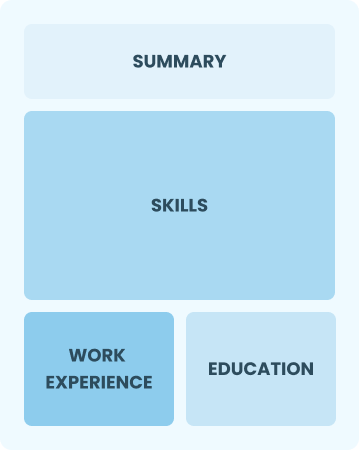
Entry-Level 0 - 2 years
Functional
Focuses on skills rather than previous jobs
Best for:
Recent graduates and career changers with limited experience in clinical science
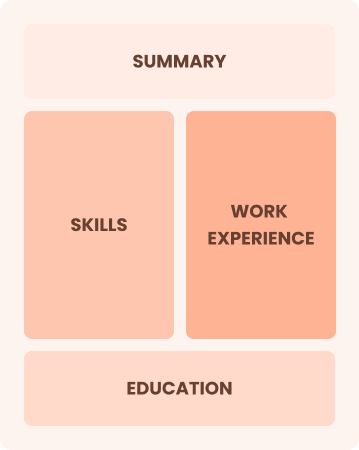
Mid-Career 3 - 7 years
Combination
Balances skills and work history equally
Best for:
Mid-career professionals focused on demonstrating their skills and growth potential
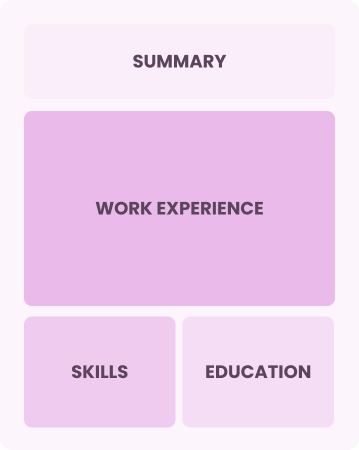
Experienced 8+ years
Chronological
Emphasizes work history in reverse order
Best for:
Experts leading innovative research and clinical advancements
Frequently Asked Questions
Should I include a cover letter with my clinical scientist resume?
Absolutely, including a cover letter can significantly improve your application by showcasing your passion and qualifications for the clinical scientist position. It provides an opportunity to highlight how your skills align with the role. If you need assistance crafting one, explore our comprehensive guide on how to write a cover letter, or use our Cover Letter Generator for quick and easy creation.
Can I use a resume if I’m applying internationally, or do I need a CV?
When applying for jobs abroad, use a CV instead of a resume as it's often the preferred format. To get guidance on crafting your CV, explore our resources that offer CV examples and tips on how to write a CV with proper formatting to ensure your application stands out globally.
What soft skills are important for clinical scientists?
Soft skills like critical thinking, collaboration, and effective communication are essential for clinical scientists. These interpersonal skills foster teamwork and ensure clear information exchange, which is important for successful research outcomes and maintaining strong relationships within multidisciplinary teams.
I’m transitioning from another field. How should I highlight my experience?
Highlight your transferable skills, such as communication, teamwork, and analytical thinking, when applying for clinical scientist roles. These abilities showcase your potential to excel in the field, even if your background is not directly related. Provide concrete examples that link your previous accomplishments to key responsibilities in clinical science to demonstrate your readiness and value.
Should I use a cover letter template?
Certainly! Here's the rewritten content with the markdown link:
Yes, using a cover letter template tailored for clinical scientists improves your ability to present complex data analysis skills and research accomplishments in a clear, organized manner, making it easier for hiring managers to recognize your qualifications.
How do I add my resume to LinkedIn?
To elevate your resume's visibility on LinkedIn, add your resume to LinkedIn directly to your profile or highlight relevant achievements in the "About" and "Experience" sections. This approach ensures that recruiters and hiring managers can easily discover skilled clinical scientists like you, improving your chances of being noticed for job opportunities.




Ready to land the job?
Join 28M+ others who've built a resume that works.