

Hard skills include expertise in therapeutic techniques, psychological assessment, and treatment planning, which are essential for effective patient care.
Clinical Therapist Resume Examples & Templates
Looking to elevate your career? Our clinical therapist resume examples showcase essential skills like empathy, assessment, and intervention strategies to help you stand out to potential employers.

by Gabriela Hernandez, Last Updated: February 23, 2026
Hired By:*

- Popular Clinical Therapist Resume Examples
- Resume Template—Easy to Copy & Paste
- Build Your Resume in Minutes
- How to Write a Clinical Therapist Resume Summary
- Showcasing Your Work Experience
- Top Skills to Include on Your Resume
- Resume Format Examples
- Related Mental Health Resume Examples
- Frequently Asked Questions
- Should I include a cover letter with my clinical therapist resume?
- Can I use a resume if I’m applying internationally, or do I need a CV?
- What soft skills are important for clinical therapists?
- I’m transitioning from another field. How should I highlight my experience?
- Should I include a personal mission statement on my clinical therapist resume?
- How do I add my resume to LinkedIn?
Popular Clinical Therapist Resume Examples
Check out our top clinical therapist resume examples that showcase key skills such as effective communication, empathy, and treatment planning. These examples will help you highlight your accomplishments to catch the attention of potential employers.
Ready to put your best foot forward? Our Resume Builder offers user-friendly templates specifically designed for mental health professionals, making it simple to create a standout resume.
Recommended
 Customize This Resume
Entry-level clinical therapist resume
What this resume does well:
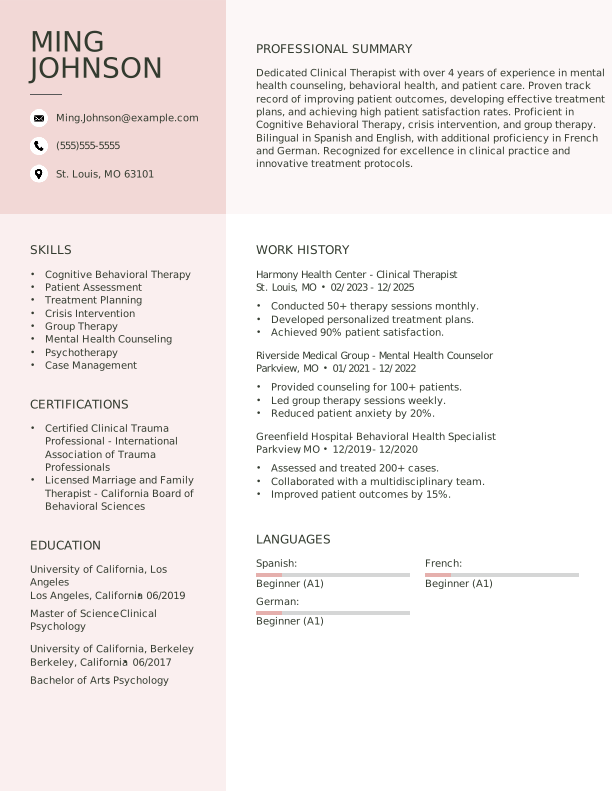
This entry-level resume for a clinical therapist highlights the applicant's ability to implement effective therapy plans and improve client progress rates, showcasing strong clinical skills. New professionals in this field need to demonstrate their abilities in patient assessment and therapeutic communication while also emphasizing their dedication to continuous learning and professional growth, even with limited work experience.
Mid-career clinical therapist resume
What this resume does well:
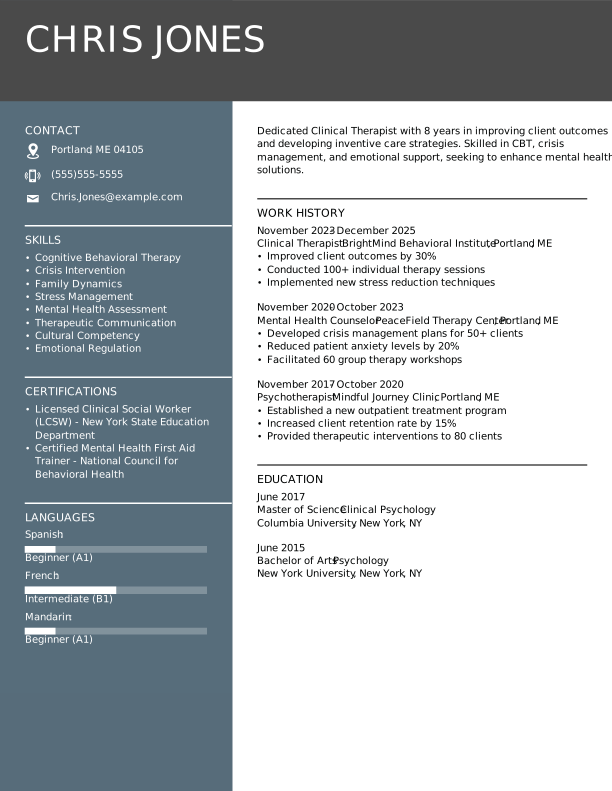
This resume effectively highlights the job seeker's qualifications by detailing compelling achievements and diverse experiences. The structured presentation of responsibilities illustrates a strong trajectory in clinical roles, showcasing readiness for leadership and advanced therapeutic challenges.
Experienced clinical therapist resume
What this resume does well:
This work history section illustrates the applicant's extensive experience as a clinical therapist, demonstrating their ability to improve client progress by 30% annually while managing over 25 clients weekly. The clear formatting improves readability, making it easy for hiring managers to quickly assess qualifications and achievements.
Resume Template—Easy to Copy & Paste
Example
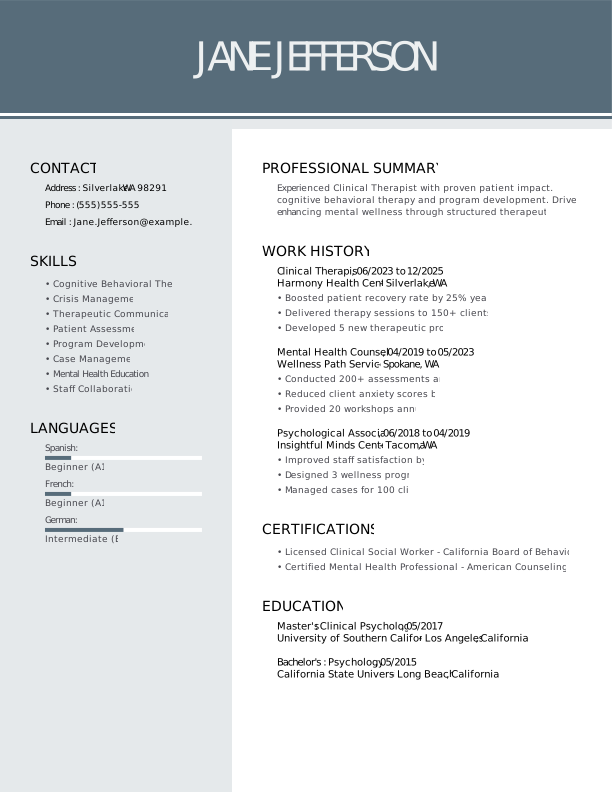
Jane Jefferson
Silverlake, WA 98291
(555)555-5555
Jane.Jefferson@example.com
Skills
- Cognitive Behavioral Therapy
- Crisis Management
- Therapeutic Communication
- Patient Assessment
- Program Development
- Case Management
- Mental Health Education
- Staff Collaboration
Languages
- Spanish - Beginner (A1)
- French - Beginner (A1)
- German - Intermediate (B1)
Professional Summary
Experienced Clinical Therapist with proven patient impact. Expertise in cognitive behavioral therapy and program development. Driven professional enhancing mental wellness through structured therapeutic sessions.
Work History
Clinical Therapist
Harmony Health Center - Silverlake, WA
June 2023 - December 2025
- Boosted patient recovery rate by 25% year-on-year
- Delivered therapy sessions to 150+ clients monthly
- Developed 5 new therapeutic programs
Mental Health Counselor
Wellness Path Services - Spokane, WA
April 2019 - May 2023
- Conducted 200+ assessments annually
- Reduced client anxiety scores by 30%
- Provided 20 workshops annually
Psychological Associate
Insightful Minds Center - Tacoma, WA
June 2018 - April 2019
- Improved staff satisfaction by 40%
- Designed 3 wellness programs
- Managed cases for 100 clients
Certifications
- Licensed Clinical Social Worker - California Board of Behavioral Sciences
- Certified Mental Health Professional - American Counseling Association
Education
Master's Clinical Psychology
University of Southern California Los Angeles, California
May 2017
Bachelor's Psychology
California State University Long Beach, California
May 2015
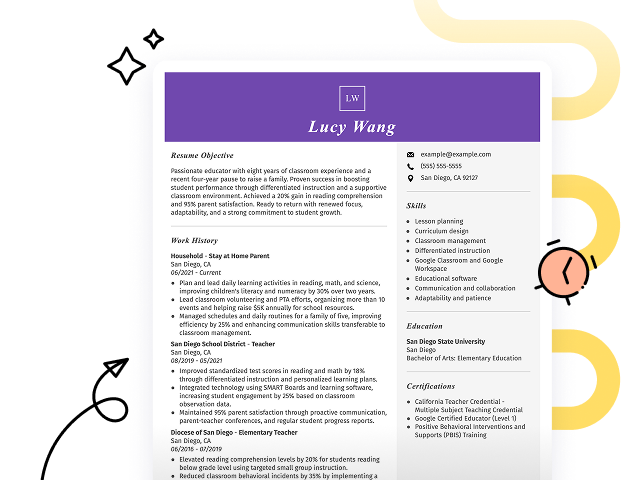
Build Your Resume in Minutes
Creating a custom resume is easier than ever with our Resume Builder!
How to Write a Clinical Therapist Resume Summary
Your resume summary is the first impression hiring managers have of you, so it's important to make it compelling. As a clinical therapist, you should emphasize your therapeutic skills and experience in mental health to capture their attention right away.
The following summary examples will illustrate effective strategies for showcasing your qualifications and help you identify what resonates with employers:
Weak Example
I am a dedicated clinical therapist with many years of experience helping clients. I want to find a job where I can support patients and use my skills effectively. A position offering good work-life balance and professional development is what I seek. I believe my background could benefit the team if given the chance.
Why this summary misses the mark:
- Presents broad claims about experience without detailing specific skills or accomplishments
- Relies heavily on personal desires rather than highlighting how the applicant can meet the needs of potential employers
- Contains generic language that fails to convey unique qualifications or value offered to clients or organizations
Strong Example
Compassionate clinical therapist with over 7 years of experience in providing mental health services to diverse populations. Successfully increased patient engagement by 20% through the implementation of innovative therapy techniques and individualized treatment plans. Proficient in cognitive-behavioral therapy (CBT), motivational interviewing, and electronic health record management.
Why this summary works:
- Begins with a clear statement of experience level and area of expertise
- Highlights a quantifiable achievement that showcases a direct impact on patient involvement and care effectiveness
- Mentions specific therapeutic skills relevant to the position, improving credibility and appeal to potential employers

Pro Tip
If you’re new to the field of clinical therapy, consider using a career objective to showcase your passion and goals. This approach can effectively highlight your aspirations. Look for tailored resume objective examples that fit your niche to strengthen your application.
Showcasing Your Work Experience
The work experience section is the centerpiece of your resume as a clinical therapist, where you will provide the majority of your content. Good resume templates prioritize this important section to highlight your professional journey.
This section should be structured in reverse-chronological order, detailing your previous positions. Use bullet points to effectively communicate your achievements and the impact you've made in each role.
Now, let’s look at some examples that showcase effective work history entries for clinical therapists. These examples help illustrate what stands out and what to avoid.
Weak Example
Clinical Therapist
Wellness Center – Atlanta, GA
- Provided therapy to clients.
- Documented sessions and maintained records.
- Collaborated with other health professionals.
- Assisted in developing treatment plans.
Why this work experience section misses the mark:
- Lacks specific employment dates for context
- Bullet points are vague and do not highlight unique skills or achievements
- Emphasizes routine tasks rather than powerful outcomes or measurable success
Strong Example
Clinical Therapist
Health First Therapy Center – Orlando, FL
March 2020 - Current
- Conduct individual and group therapy sessions for diverse populations, focusing on cognitive-behavioral techniques, resulting in a 30% increase in client engagement.
- Develop tailored treatment plans based on comprehensive assessments, leading to improved patient satisfaction scores by 15%.
- Collaborate with healthcare providers to ensure integrated care for clients, improving communication and support across disciplines.
Why this work experience section works:
- Starts each bullet point with dynamic action verbs that highlight the applicant's contributions
- Incorporates metrics and percentages to quantify the impact of the job seeker’s efforts
- Showcases relevant skills essential for clinical therapy while demonstrating successful outcomes
While your resume summary and work experience are important elements, don't overlook the importance of other sections. Each part plays a role in presenting your qualifications. For more detailed guidance, visit our comprehensive guide on how to write a resume.
Top Skills to Include on Your Resume
A well-defined skills section is important for a standout resume. It allows you to showcase your technical skills and qualifications clearly and quickly, making it easier for employers to see your fit for the role.
As a clinical therapist, highlight both hard and soft skills. Focus on areas such as therapeutic techniques, client management software like MyTherapyApp, and familiarity with assessment tools such as the Beck Depression Inventory.
Soft skills such as active listening, empathy, and collaboration foster trust and communication between therapists and patients, ultimately improving the therapeutic relationship and treatment outcomes.
When selecting skills for your resume, it's important to align them with what employers expect. Many organizations use automated systems that filter out job seekers lacking essential resume skills, so ensuring a match increases your chances of being noticed.
To effectively prioritize your skills, take the time to review job postings relevant to your field. These listings often highlight specific competencies that recruiters and ATS systems seek, allowing you to tailor your resume skills accordingly.
Pro Tip
Ensure your resume stands out to hiring managers by leveraging our ATS Resume Checker. It pinpoints over 30 common mistakes, allowing you to create a document that easily navigates applicant tracking systems.
10 skills that appear on successful clinical therapist resumes
Highlighting essential skills on your resume is key to capturing the attention of hiring managers in clinical therapy. Our resume examples showcase these important skills, giving you the confidence you need to apply for your desired role.
Here are 10 skills that can improve your resume if they align with your qualifications and the job description:
Active listening
Empathy
Crisis intervention
Cultural competence
Interpersonal communication
Assessment and diagnosis
Therapeutic techniques
Group therapy facilitation
Client advocacy
Record-keeping and documentation
Based on analysis of 5,000+ mental health professional resumes from 2023-2024
Resume Format Examples
Selecting the proper resume format is important for clinical therapists as it emphasizes relevant skills, experience, and career growth, making your qualifications stand out to potential employers.
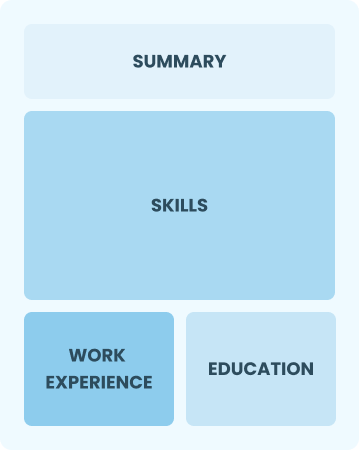
Entry-Level 0 - 2 years
Functional
Focuses on skills rather than previous jobs
Best for:
Recent graduates and career changers with limited experience in therapy
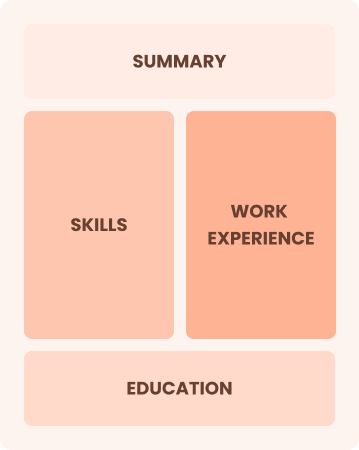
Mid-Career 3 - 7 years
Combination
Balances skills and work history equally
Best for:
Mid-career professionals focused on demonstrating their skills and potential for growth
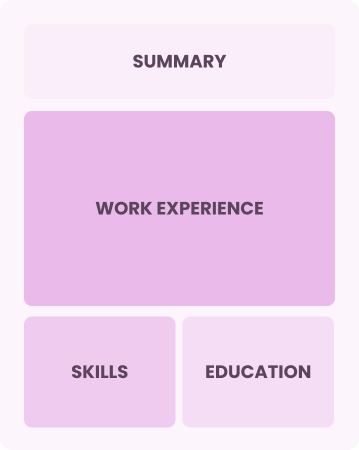
Experienced 8+ years
Chronological
Emphasizes work history in reverse order
Best for:
Seasoned clinical therapists excelling in specialized treatments
Frequently Asked Questions
Should I include a cover letter with my clinical therapist resume?
Absolutely. Including a cover letter is essential for making a memorable impression on hiring managers. It allows you to personalize your application and highlight experiences that may not be fully captured in your resume. For tips on how to write a cover letter, explore our resources or use our Cover Letter Generator to simplify the process and create one quickly.
Can I use a resume if I’m applying internationally, or do I need a CV?
When applying for jobs abroad, a CV is often favored over a resume due to its comprehensive nature. To assist in crafting an effective CV, explore our detailed guidelines on how to write a CV and review CV examples that illustrate proper formatting and essential components to include.
What soft skills are important for clinical therapists?
Soft skills such as empathy, active listening, and communication are essential for clinical therapists. These interpersonal skills foster trust and rapport with clients, enabling effective therapy sessions and ultimately leading to better mental health outcomes.
I’m transitioning from another field. How should I highlight my experience?
When applying for clinical therapist positions, highlight your transferable skills like communication, empathy, and critical thinking. These abilities illustrate your potential to excel in patient interactions and therapeutic settings, even if your background isn't directly in therapy. Use concrete examples from past roles to show how you've successfully navigated challenges similar to those in this field.
Should I include a personal mission statement on my clinical therapist resume?
Yes, including a personal mission statement on your resume is recommended. It effectively communicates your core values and aspirations. This approach shines particularly in organizations that prioritize empathy and holistic care, aligning with their mission-driven culture.
How do I add my resume to LinkedIn?
To add your resume to LinkedIn, upload it directly to your profile. Additionally, highlight key skills and experiences in the "About" and "Experience" sections. This approach allows recruiters to easily identify qualified clinical therapists, improving your chances of being discovered for relevant opportunities.




Ready to land the job?
Join 28M+ others who've built a resume that works.