

Skills important for monitoring research studies effectively include hard skills such as skill in clinical trial protocols, data management, and regulatory compliance.
Clinical Research Monitor Resume Examples & Templates
Looking to elevate your career? Our clinical research monitor resume examples showcase essential skills like data analysis and regulatory compliance, helping you stand out to potential employers.

by Gabriela Hernandez, Last Updated: February 03, 2026
Hired By:*

- Popular Clinical Research Monitor Resume Examples
- Resume Template—Easy to Copy & Paste
- Build Your Resume in Minutes
- How to Write a Clinical Research Monitor Resume Summary
- Showcasing Your Work Experience
- Top Skills to Include on Your Resume
- Resume Format Examples
- Related Medical Resume Examples
- Frequently Asked Questions
- Should I include a cover letter with my clinical research monitor resume?
- Can I use a resume if I’m applying internationally, or do I need a CV?
- What soft skills are important for clinical research monitors?
- I’m transitioning from another field. How should I highlight my experience?
- Should I use a cover letter template?
- Should I include a personal mission statement on my clinical research monitor resume?
Popular Clinical Research Monitor Resume Examples
Check out our top clinical research monitor resume examples that highlight key skills like study management, regulatory compliance, and data analysis. These examples will help you showcase your qualifications effectively to potential employers.
Looking to build your ideal resume? Our Resume Builder offers straightforward templates designed specifically for professionals in clinical research, making the process simple and efficient.
Recommended
 Customize This Resume
Entry-level clinical research monitor resume
What this resume does well:
This entry-level resume for a clinical research monitor effectively showcases the job seeker's robust experience in clinical trial management, emphasizing compliance with FDA regulations and improvements in reporting efficiency. New professionals must convey their analytical skills, attention to detail, and ability to collaborate across teams to demonstrate their readiness for roles in this competitive field.
Mid-career clinical research monitor resume
What this resume does well:
This resume effectively showcases the applicant's extensive experience and leadership in clinical research. Key accomplishments and skills demonstrate a strong capability for managing complex trials, indicating readiness for advanced roles in research management and oversight.
Experienced clinical research monitor resume
What this resume does well:
This work experience section demonstrates the applicant's robust experience as a clinical research monitor, highlighting a 20% reduction in trial errors and supervision of over 15 studies. The bullet points effectively improve readability, making it easy for hiring managers to identify key achievements at a glance.
Resume Template—Easy to Copy & Paste
Example
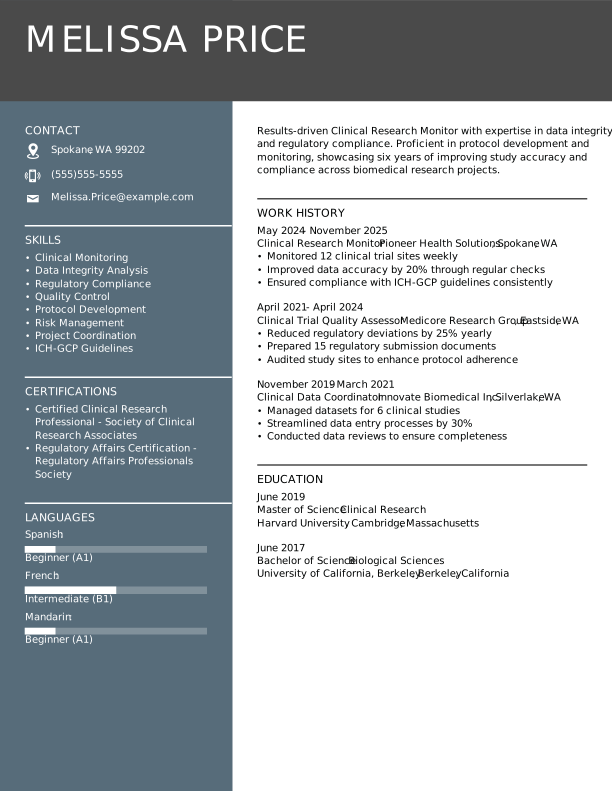
Melissa Price
Spokane, WA 99202
(555)555-5555
Melissa.Price@example.com
Skills
- Clinical Monitoring
- Data Integrity Analysis
- Regulatory Compliance
- Quality Control
- Protocol Development
- Risk Management
- Project Coordination
- ICH-GCP Guidelines
Certifications
- Certified Clinical Research Professional - Society of Clinical Research Associates
- Regulatory Affairs Certification - Regulatory Affairs Professionals Society
Languages
- Spanish - Beginner (A1)
- French - Intermediate (B1)
- Mandarin - Beginner (A1)
Professional Summary
Results-driven Clinical Research Monitor with expertise in data integrity and regulatory compliance. Proficient in protocol development and monitoring, showcasing six years of improving study accuracy and compliance across biomedical research projects.
Work History
Clinical Research Monitor
Pioneer Health Solutions - Spokane, WA
May 2024 - November 2025
- Monitored 12 clinical trial sites weekly
- Improved data accuracy by 20% through regular checks
- Ensured compliance with ICH-GCP guidelines consistently
Clinical Trial Quality Assessor
Medicore Research Group - Eastside, WA
April 2021 - April 2024
- Reduced regulatory deviations by 25% yearly
- Prepared 15 regulatory submission documents
- Audited study sites to enhance protocol adherence
Clinical Data Coordinator
Innovate Biomedical Inc. - Silverlake, WA
November 2019 - March 2021
- Managed datasets for 6 clinical studies
- Streamlined data entry processes by 30%
- Conducted data reviews to ensure completeness
Education
Master of Science Clinical Research
Harvard University Cambridge, Massachusetts
June 2019
Bachelor of Science Biological Sciences
University of California, Berkeley Berkeley, California
June 2017
Build Your Resume in Minutes
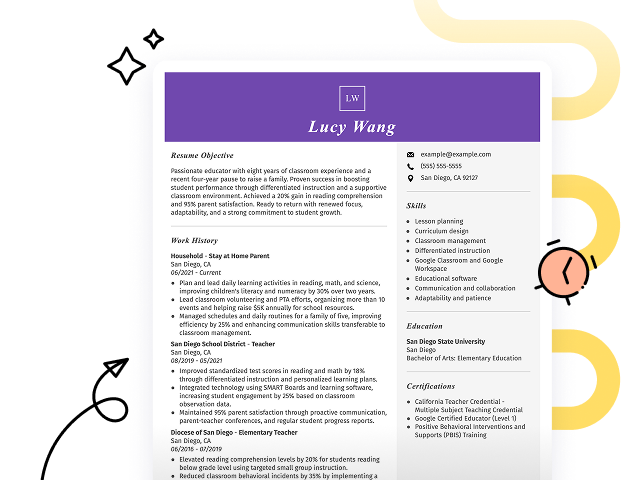
Creating a custom resume is easier than ever with our Resume Builder!
How to Write a Clinical Research Monitor Resume Summary
Your resume summary is the first thing employers will see, making it important for creating a positive impression. As a clinical research monitor, you should emphasize your attention to detail and knowledge of regulatory standards.
This profession demands showcasing your experience in managing clinical trials and ensuring compliance with protocols. Highlighting your ability to coordinate with various stakeholders can set you apart.
To illustrate what makes an effective summary, we’ve included examples that demonstrate both successful strategies and common pitfalls:
Weak Example
I am a dedicated clinical research monitor with experience in various projects. I seek a position that allows me to use my skills and contribute positively to the organization. Ideally, I want a collaborative environment where I can learn and grow.
Why this summary misses the mark:
- Lacks specific details about relevant experience and accomplishments in clinical research
- Overuses personal pronouns and vague language, which makes it less compelling
- Emphasizes what the applicant desires from their job rather than highlighting the value they can bring to potential employers
Strong Example
Detail-oriented clinical research monitor with over 6 years of experience in managing multi-phase clinical trials and ensuring compliance with regulatory standards. Successfully improved trial efficiency by 20% through streamlined monitoring processes and proactive site management. Proficient in data analysis, patient recruitment strategies, and cross-functional team collaboration to drive study success.
Why this summary works:
- Starts with clear articulation of experience level and specific role focus
- Highlights a quantifiable achievement that illustrates the applicant's impact on trial efficiency
- Includes relevant technical skills that are essential for success in clinical research monitoring

Pro Tip
If you’re new to the field of clinical research, consider using a career objective on your resume. This can effectively highlight your goals and motivation. There are many resume objective examples available specifically designed for aspiring clinical research monitors that can guide you.
Showcasing Your Work Experience
The work experience section is important for your resume as a clinical research monitor, containing the bulk of your content. Good resume templates always include this important section to showcase your professional journey.
This area should be organized in reverse-chronological order, clearly reflecting your previous roles. Use bullet points to detail the achievements and responsibilities you had in each position.
To illustrate effective strategies, we’ll provide examples that highlight what works well versus what doesn't in this field. These examples will guide you in crafting a compelling work history section.
Weak Example
Clinical Research Monitor
Global Clinical Trials Inc. – San Diego, CA
- Monitored clinical trials.
- Reviewed documents and reports.
- Communicated with study sites.
- Ensured compliance with regulations.
Why this work experience section misses the mark:
- No specifics regarding the nature of trials monitored
- Bullet points lack measurable outcomes or achievements
- Focuses on routine tasks rather than highlighting impact or contributions
Strong Example
Clinical Research Monitor
CureTech Solutions – San Diego, CA
March 2020 - Present
- Oversee clinical trial protocols, ensuring compliance with regulatory standards and safeguarding participant welfare.
- Conduct site visits and audits that led to a 30% reduction in protocol deviations over one year.
- Train site staff on study procedures, improving data collection quality and improving overall project timelines.
Why this work experience section works:
- Starts each bullet point with powerful action verbs that clearly convey achievements
- Incorporates specific metrics to illustrate the impact of the job seeker's contributions
- Highlights relevant skills such as compliance monitoring and training within the context of clinical research
While your resume summary and work experience are important components, it's essential not to overlook other sections that contribute to a well-rounded presentation. For more insights on how to effectively structure all parts of your resume, be sure to check out our comprehensive guide on how to write a resume.
Top Skills to Include on Your Resume
A well-defined skills section is important for any resume, as it allows you to showcase your qualifications at a glance. This approach makes it easier for employers to quickly see that you possess the necessary competencies for the clinical research monitor role.
Help your resume stand out to employers by combining hard and soft skills.
Additionally, soft skills like critical thinking, attention to detail, and strong communication abilities are key for fostering collaboration among research teams and ensuring participant safety throughout the trial process.
When selecting skills for your resume, it’s important to align them with what potential employers expect. Many organizations use automated screening tools that filter out job seekers lacking essential resume skills.
To improve your chances of getting noticed, carefully examine job postings for insights on which skills are in demand. This approach helps you tailor your resume to attract both recruiters and ATS systems effectively.
Pro Tip
Ensure your resume stands out to employers by using our ATS Resume Checker. It identifies over 30 common mistakes, helping you refine your application for better chances of getting noticed.
10 skills that appear on successful clinical research monitor resumes
To attract recruiters' attention, it's essential to highlight the most sought-after skills for clinical research monitors. These competencies are showcased in our resume examples, enabling you to apply with confidence knowing you've demonstrated what employers seek.
By the way, consider incorporating relevant skills from this list into your resume if they align with your qualifications and job requirements:
Attention to detail
Regulatory knowledge
Data analysis
Effective communication
Problem-solving
Project management
Team collaboration
Time management
Clinical trial design understanding
Patient safety awareness
Based on analysis of 5,000+ medical professional resumes from 2023-2024
Resume Format Examples
Selecting the appropriate resume format is important for a clinical research monitor, as it effectively showcases your key skills, relevant experiences, and professional growth in this specialized field.
Entry-Level 0 - 2 years
Functional
Focuses on skills rather than previous jobs
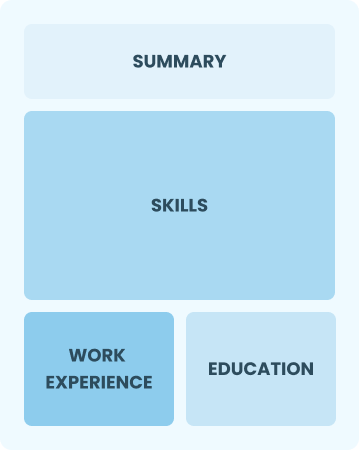
Best for:
Recent graduates and career changers with up to two years of experience
Mid-Career 3 - 7 years
Combination
Balances skills and work history equally
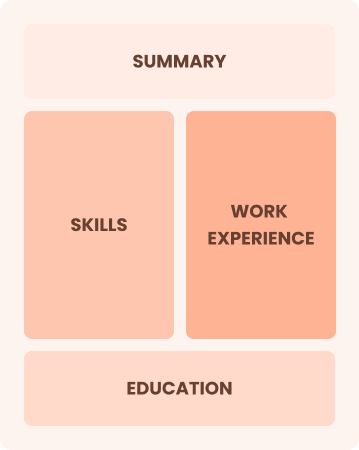
Best for:
Mid-career professionals focused on demonstrating their skills and seeking growth opportunities
Experienced 8+ years
Chronological
Emphasizes work history in reverse order
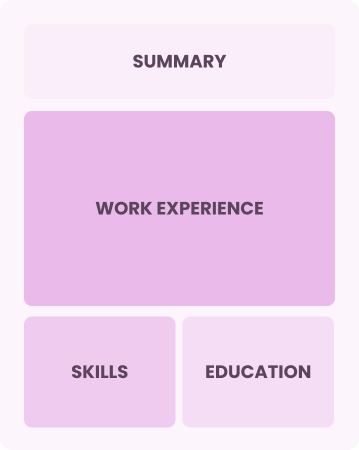
Best for:
Experienced leaders in clinical trial oversight and protocol development
Frequently Asked Questions
Should I include a cover letter with my clinical research monitor resume?
Absolutely. Including a cover letter can significantly improve your application by highlighting your skills and motivations for the position. It provides an opportunity to personalize your story and connect with hiring managers. If you're looking for guidance, our resources on how to write a cover letter are designed to help you craft one that makes an impact. Additionally, you can use our Cover Letter Generator to streamline the process and create a compelling cover letter efficiently.
Can I use a resume if I’m applying internationally, or do I need a CV?
When applying for clinical research monitor positions abroad, a CV is often required instead of a resume. This is particularly true in Europe and other regions where detailed academic and professional histories are valued. Explore our resources for comprehensive CV examples and guidelines to ensure your application meets international standards. Additionally, learn how to write a CV that aligns with these expectations.
What soft skills are important for clinical research monitors?
Soft skills such as communication, attention to detail, and problem-solving are essential for clinical research monitors. These interpersonal skills help in fostering strong relationships with study teams and participants, ensuring effective collaboration and trust throughout the research process.
I’m transitioning from another field. How should I highlight my experience?
Highlight your transferable skills such as attention to detail, communication, and project management from previous roles. These strengths can illustrate your capability to excel in clinical research monitoring. Provide concrete examples that relate to data accuracy and team collaboration, showcasing how your past achievements align with the responsibilities of this role.
Should I use a cover letter template?
Using a cover letter template for a clinical research monitor can improve your document's structure and organization. This approach allows you to effectively highlight relevant skills, such as data analysis, compliance knowledge, and project management experience that appeal to hiring managers.
Should I include a personal mission statement on my clinical research monitor resume?
Yes, including a personal mission statement on your resume is highly recommended. It effectively conveys your core values and career aspirations, especially when applying to organizations that prioritize patient care and maintain a strong mission-driven culture.




Ready to land the job?
Join 28M+ others who've built a resume that works.