Hard skills involve technical abilities such as personal care assistance, understanding of disability rights, and crisis intervention techniques.
Disability Support Worker Resume Examples & Templates
Ready to shine in your career? Our disability support worker resume examples will help you showcase your empathy, communication, and problem-solving skills to catch the attention of potential employers.

by Gabriela Hernandez, Last Updated: January 18, 2026
Hired By:*

- Popular Disability Support Worker Resume Examples
- Resume Template—Easy to Copy & Paste
- Build Your Resume in Minutes
- How to Write a Disability Support Worker Resume Summary
- Showcasing Your Work Experience
- Top Skills to Include on Your Resume
- Resume Format Examples
- Related Health Care Support Resume Examples
- Frequently Asked Questions
- Should I include a cover letter with my disability support worker resume?
- Can I use a resume if I’m applying internationally, or do I need a CV?
- What soft skills are important for disability support workers?
- I’m transitioning from another field. How should I highlight my experience?
- Should I include a personal mission statement on my disability support worker resume?
- How do I add my resume to LinkedIn?
Popular Disability Support Worker Resume Examples
Check out our disability support worker resume examples below to see how to highlight key skills like empathy, communication, and personalized care in your applications. These examples provide insights into crafting resumes that catch the eye of employers.
Want an easier way to build your resume? Our Resume Builder offers user-friendly templates specifically designed for support workers, helping you stand out confidently.
Recommended
 Customize This Resume
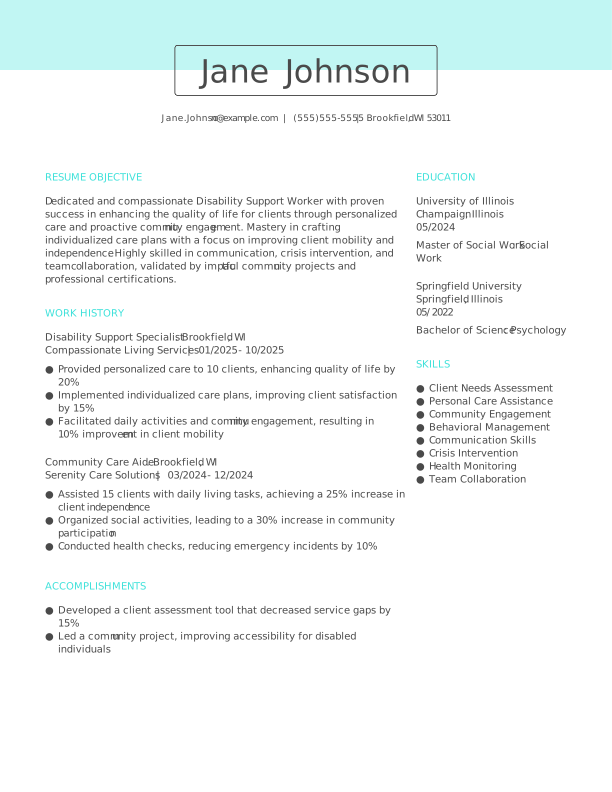
Entry-level disability support worker resume
What this resume does well:
This entry-level resume for a disability support worker highlights the job seeker's commitment to improving client well-being through personalized care and effective community engagement strategies. New professionals in this field must demonstrate their ability to create individualized care plans and show measurable impacts on client independence, even with limited direct experience.
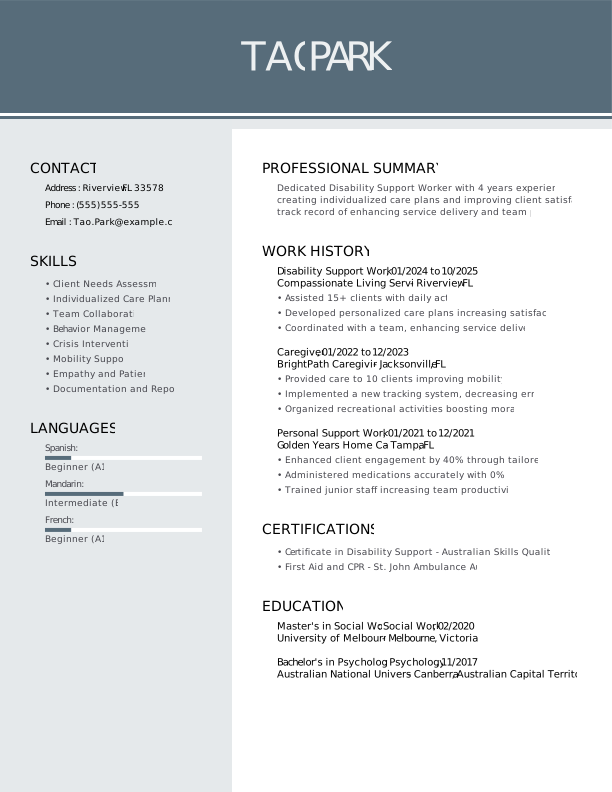
Mid-career disability support worker resume
What this resume does well:
This resume effectively outlines qualifications, showcasing the job seeker's expertise in personalized care and team collaboration. The clear demonstration of achievements and skills indicates readiness for increased responsibilities and leadership within the disability support sector.
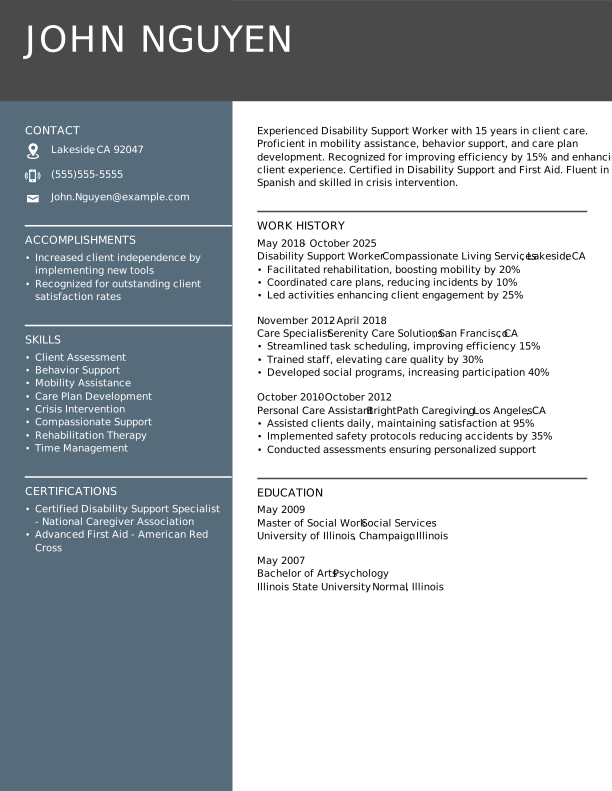
Experienced disability support worker resume
What this resume does well:
The work history section illustrates the applicant's extensive experience as a disability support worker, demonstrating their success in improving client mobility by 20% and reducing incidents by 10%. The bullet points improve readability, making it easy for hiring managers to identify key achievements quickly.
Resume Template—Easy to Copy & Paste
Example
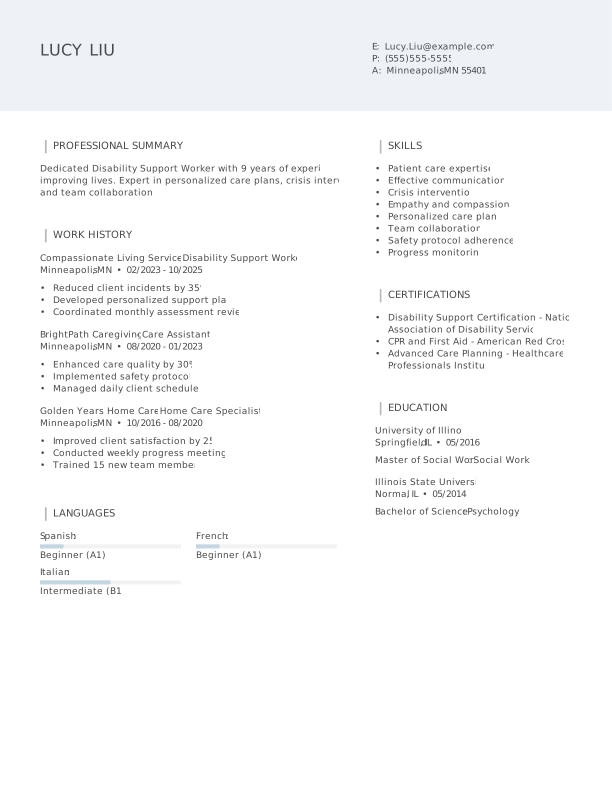
Lucy Liu
Minneapolis, MN 55401
(555)555-5555
Lucy.Liu@example.com
Professional Summary
Dedicated Disability Support Worker with 9 years of experience improving lives. Expert in personalized care plans, crisis intervention, and team collaboration.
Work History
Disability Support Worker
Compassionate Living Services - Minneapolis, MN
February 2023 - October 2025
- Reduced client incidents by 35%
- Developed personalized support plans
- Coordinated monthly assessment reviews
Care Assistant
BrightPath Caregiving - Minneapolis, MN
August 2020 - January 2023
- Enhanced care quality by 30%
- Implemented safety protocols
- Managed daily client schedules
Home Care Specialist
Golden Years Home Care - Minneapolis, MN
October 2016 - August 2020
- Improved client satisfaction by 25%
- Conducted weekly progress meetings
- Trained 15 new team members
Languages
- Spanish - Beginner (A1)
- French - Beginner (A1)
- Italian - Intermediate (B1)
Skills
- Patient care expertise
- Effective communication
- Crisis intervention
- Empathy and compassion
- Personalized care plans
- Team collaboration
- Safety protocol adherence
- Progress monitoring
Certifications
- Disability Support Certification - National Association of Disability Services
- CPR and First Aid - American Red Cross
- Advanced Care Planning - Healthcare Professionals Institute
Education
Master of Social Work Social Work
University of Illinois Springfield, IL
May 2016
Bachelor of Science Psychology
Illinois State University Normal, IL
May 2014
Build Your Resume in Minutes
Creating a custom resume is easier than ever with our Resume Builder!
How to Write a Disability Support Worker Resume Summary
Your resume summary is the first thing employers will see, making it important for creating a positive impression. As a disability support worker, you should highlight your compassion, communication skills, and ability to assist individuals with diverse needs.
This role requires showcasing not only your relevant experience but also your commitment to improving the lives of those you support. Emphasize qualities like patience and adaptability to stand out in your application.
To help you grasp what makes an effective summary, we will provide examples that illustrate both strong and weak approaches:
Weak Example
I am a compassionate disability support worker with extensive experience and a desire to help others. I seek a position where I can use my skills and make a positive impact on clients" lives. I believe a supportive workplace that values teamwork is essential for success.
Why this summary misses the mark:
- Uses vague language that does not specify the job seeker’s actual skills or achievements
- Emphasizes personal desires rather than highlighting what unique contributions the job seeker can bring to an employer
- Lacks concrete examples of previous work or specific outcomes related to supporting individuals with disabilities
Strong Example
Compassionate disability support worker with over 4 years of experience in providing personalized care and assistance to individuals with disabilities. Improved clients' daily living skills by implementing tailored activity programs, leading to a 20% improvement in their independence levels. Proficient in communication strategies, mobility assistance, and fostering supportive environments that promote emotional well-being.
Why this summary works:
- Highlights specific years of experience and the role's focus on personalized care
- Includes a quantifiable achievement that showcases a measurable positive impact on clients" independence
- Demonstrates relevant technical skills essential for effective disability support work

Pro Tip
If you’re new to the field and don’t have formal experience, consider using a career objective on your resume. This approach allows you to highlight your passion for supporting others. There are plenty of tailored resume objective examples out there to guide you.
Showcasing Your Work Experience
The work experience section is important on your resume as a disability support worker, where you’ll present the bulk of your content. Good resume templates always emphasize this key area to attract attention.
You should organize this section in reverse-chronological order, detailing your previous positions. Use bullet points to succinctly highlight your achievements and the impact you've made in each role.
Now, let's look at some examples that effectively illustrate what a strong work history looks like for disability support workers. These examples will clarify what stands out and what to avoid:
Weak Example
Disability Support Worker
Helping Hands Inc. – Austin, TX
- Assisted clients with daily activities
- Documented client progress and needs
- Collaborated with healthcare professionals
- Provided companionship and emotional support
Why this work experience section misses the mark:
- No specific details about employment dates or duration
- Bullet points lack depth and do not highlight unique contributions or skills
- Emphasis on routine tasks rather than strong results or achievements
Strong Example
Disability Support Worker
Helping Hands Care Services – Austin, TX
March 2020 - Current
- Assist clients with daily living activities, improving independence and quality of life through personalized support plans
- Develop and implement engaging recreational programs that increased client participation by 40% over one year
- Provide emotional support and advocacy for clients, successfully navigating their access to essential community resources
Why this work experience section works:
- Starts each bullet with strong action verbs to convey the applicant's specific contributions
- Incorporates measurable outcomes to demonstrate the effectiveness of initiatives undertaken
- Highlights relevant skills such as advocacy and program development that are important in the disability support field
While your resume summary and work experience are important, don't overlook other important sections that contribute to a strong application. Each part deserves careful attention. For more insights on crafting an effective resume, explore our detailed guide on how to write a resume.
Top Skills to Include on Your Resume
A skills section is important for your resume as it allows you to showcase your qualifications at a glance. This highlights your strengths and helps potential employers quickly assess your fit for the disability support worker position.
In this role, it’s important to emphasize empathy, teamwork, and attention to detail. Showcasing a balance of technical proficiency with care management tools and strong interpersonal skills will demonstrate your ability to deliver high-quality patient support and collaborate effectively with healthcare teams.
Soft skills include compassion, patience, and effective communication, which are essential for building trust with clients and ensuring collaborative support in their daily lives.
When selecting skills for your resume, it's important to align with what employers expect. Many organizations use automated systems to filter job seekers who lack essential resume skills, making it important to showcase relevant qualifications.
To effectively capture the attention of recruiters and pass ATS scans, review job postings closely. These postings often highlight the skills that are most valued for the position, guiding you on what to emphasize in your application.
Pro Tip
Optimize your resume to beat the bots! Use our ATS Resume Checker to catch more than 30 common mistakes and ensure your application stands out in the hiring process.
10 skills that appear on successful disability support worker resumes
Elevate your resume to attract recruiters by highlighting key skills that are essential for disability support worker roles. You can find these skills in our resume examples, allowing you to approach job applications with newfound confidence.
Here are 10 valuable skills to consider adding to your resume if they align with your experiences and the job requirements:
Empathy
Problem-solving
Active listening
Patience
Adaptability
Team collaboration
Crisis intervention
Personal care assistance
Advocacy skills
Knowledge of disabilities and resources
Based on analysis of 5,000+ health care support professional resumes from 2023-2024
Resume Format Examples
Selecting the appropriate resume format is important for a disability support worker as it effectively showcases your compassionate skills and relevant experience, improving your career advancement opportunities.
Entry-Level 0 - 2 years
Functional
Focuses on skills rather than previous jobs
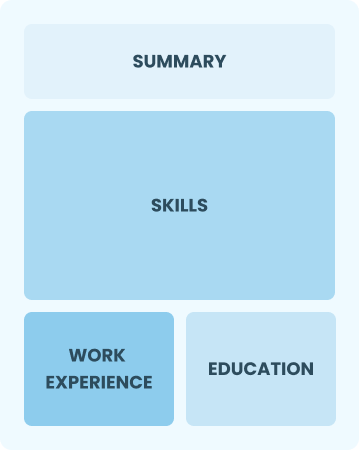
Best for:
Recent graduates and career changers with little to no experience
Mid-Career 3 - 7 years
Combination
Balances skills and work history equally
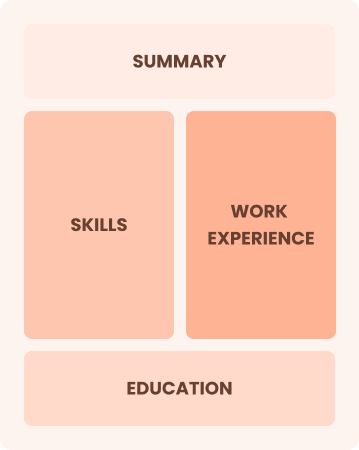
Best for:
Mid-career professionals focused on demonstrating their skills and seeking growth opportunities
Experienced 8+ years
Chronological
Emphasizes work history in reverse order
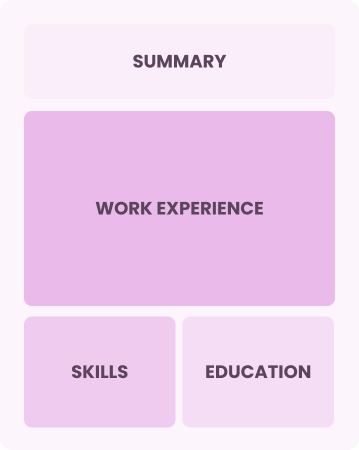
Best for:
Seasoned experts improving client care through innovative support strategies
Frequently Asked Questions
Should I include a cover letter with my disability support worker resume?
Absolutely. A cover letter is a fantastic way to showcase your passion and qualifications to potential employers. It adds a personal touch that can differentiate you from other job seekers. If you need assistance, check out our comprehensive guide on how to write a cover letter, or use the Cover Letter Generator for quick help in crafting your own.
Can I use a resume if I’m applying internationally, or do I need a CV?
When applying for jobs abroad, you may need a CV instead of a resume. A CV is often required in fields like academia and research. To help you create an effective CV, explore CV examples and guides on how to write a CV, which include proper formatting and essential content to incorporate.
What soft skills are important for disability support workers?
Soft skills such as empathy, patience, and effective communication are essential for disability support workers. These interpersonal skills build trust and understanding with clients, ensuring they feel valued and supported while encouraging collaboration with colleagues to provide the best care possible.
I’m transitioning from another field. How should I highlight my experience?
Highlight skills like empathy, communication, and teamwork from your previous roles. These transferable skills are important in disability support work and showcase your ability to connect with clients. Share specific instances where you made a difference, even outside the field. This approach illustrates your readiness to excel in your new career while demonstrating the value you bring.
Should I include a personal mission statement on my disability support worker resume?
Yes, adding a personal mission statement to your resume is advisable. It effectively conveys your core values and dedication to supporting individuals with disabilities. This strategy is especially beneficial when applying to organizations focused on compassionate care or those that prioritize a strong community-oriented culture.
How do I add my resume to LinkedIn?
To boost your resume’s visibility on LinkedIn, add your resume to LinkedIn directly to your profile. Highlight key skills in the "About" and "Experience" sections to help recruiters find qualified disability support workers. This approach showcases your expertise and makes you more appealing to potential employers.




Ready to land the job?
Join 28M+ others who've built a resume that works.