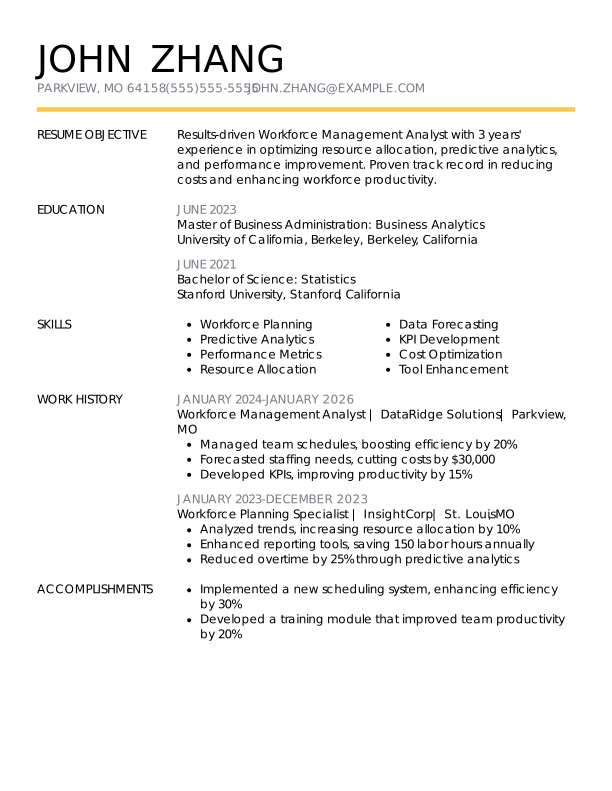


Hard skills include data analysis, forecasting, and scheduling to optimize workforce efficiency and ensure effective resource allocation.
Workforce Management Analyst Resume Examples & Templates
Looking to advance your career? Our workforce management analyst resume examples showcase skills in data analysis, forecasting, and resource optimization to help you stand out to employers.

by Gabriela Hernandez, Last Updated: January 23, 2026
Hired By:*

- Popular Workforce Management Analyst Resume Examples
- Resume Template—Easy to Copy & Paste
- Build Your Resume in Minutes
- How to Write a Workforce Management Analyst Resume Summary
- Showcasing Your Work Experience
- Top Skills to Include on Your Resume
- Resume Format Examples
- Related Human Resources Resume Examples
- Frequently Asked Questions
- Should I include a cover letter with my workforce management analyst resume?
- Can I use a resume if I’m applying internationally, or do I need a CV?
- What soft skills are important for workforce management analysts?
- I’m transitioning from another field. How should I highlight my experience?
- How should I format a cover letter for a workforce management analyst job?
- How do I add my resume to LinkedIn?
Popular Workforce Management Analyst Resume Examples
Check out our top workforce management analyst resume examples, showcasing skills such as data analysis, forecasting, and strategic planning that are important in this field.
Need a professional resume quickly? Our Resume Builder offers user-friendly templates designed to effectively highlight your expertise and achievements.
Recommended
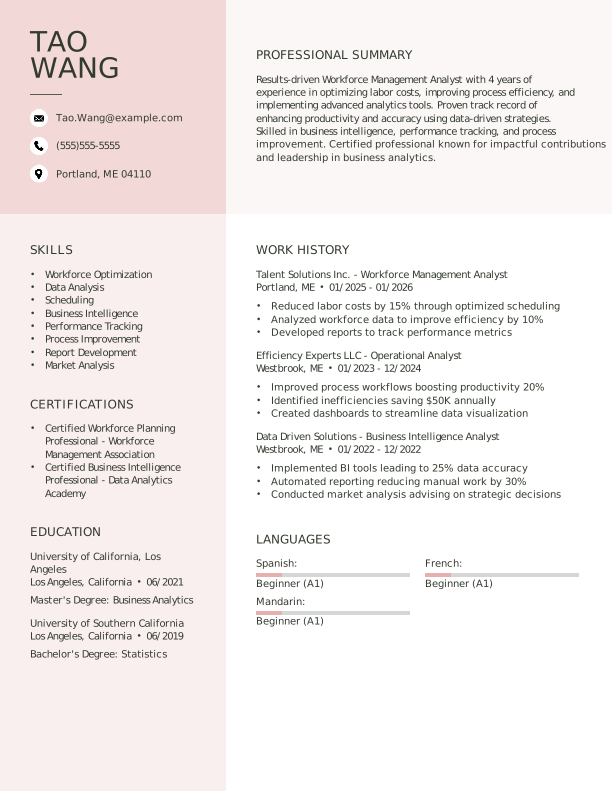 Customize This Resume
Entry-level workforce management analyst resume
What this resume does well:
This entry-level resume effectively highlights the job seeker's analytical skills and quantifiable achievements in workforce management, showcasing their ability to optimize processes and improve productivity. New professionals in this field must demonstrate their skill in data analysis and resource optimization through relevant projects and certifications, even with limited professional experience.
Mid-career workforce management analyst resume
What this resume does well:
This resume clearly outlines the applicant’s robust analytical skills and significant achievements, demonstrating readiness for leadership roles. The progression from scheduling coordinator to workforce management analyst showcases a strong capacity for optimizing operations and solving complex challenges in workforce planning.
Experienced workforce management analyst resume
What this resume does well:
The work history section highlights the applicant's strong expertise in workforce management, demonstrating a significant 20% productivity increase and a 15% reduction in labor costs. This clear, bullet-point format allows for quick recognition of compelling achievements, making it ideal for hiring managers seeking proven results.
Resume Template—Easy to Copy & Paste
Example
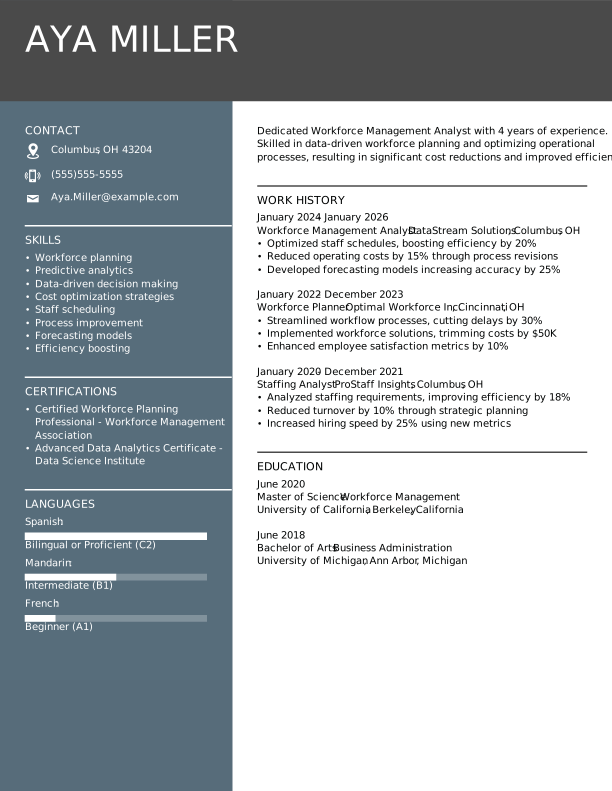
Aya Miller
Columbus, OH 43204
(555)555-5555
Aya.Miller@example.com
Skills
- Workforce planning
- Predictive analytics
- Data-driven decision making
- Cost optimization strategies
- Staff scheduling
- Process improvement
- Forecasting models
- Efficiency boosting
Certifications
- Certified Workforce Planning Professional - Workforce Management Association
- Advanced Data Analytics Certificate - Data Science Institute
Languages
- Spanish - Bilingual or Proficient (C2)
- Mandarin - Intermediate (B1)
- French - Beginner (A1)
Professional Summary
Dedicated workforce management analyst with 4 years of experience. Skilled in data-driven workforce planning and optimizing operational processes, resulting in significant cost reductions and improved efficiency.
Work History
Workforce Management Analyst
DataStream Solutions - Columbus, OH
January 2024 - January 2026
- Optimized staff schedules, boosting efficiency by 20%
- Reduced operating costs by 15% through process revisions
- Developed forecasting models increasing accuracy by 25%
Workforce Planner
Optimal Workforce Inc. - Cincinnati, OH
January 2022 - December 2023
- Streamlined workflow processes, cutting delays by 30%
- Implemented workforce solutions, trimming costs by K
- Enhanced employee satisfaction metrics by 10%
Staffing Analyst
ProStaff Insights - Columbus, OH
January 2020 - December 2021
- Analyzed staffing requirements, improving efficiency by 18%
- Reduced turnover by 10% through strategic planning
- Increased hiring speed by 25% using new metrics
Education
Master of Science Workforce Management
University of California Berkeley, California
June 2020
Bachelor of Arts Business Administration
University of Michigan Ann Arbor, Michigan
June 2018
Build Your Resume in Minutes
Creating a custom resume is easier than ever with our Resume Builder!
How to Write a Workforce Management Analyst Resume Summary
Your resume summary is the first thing employers will notice, making it important to capture their attention quickly. As a workforce management analyst, you should highlight your analytical skills and ability to optimize resources effectively.
In this role, focus on showcasing your experience with data analysis, forecasting, and scheduling. These are key areas that demonstrate your capability to improve operational efficiency.
To illustrate what makes an powerful summary, we’ll look at some examples that highlight effective strategies and common pitfalls in crafting your introduction:
Weak Example
I am an experienced workforce management analyst looking for a new position where I can use my skills to help the company grow. I have a strong background in data analysis and forecasting, and I want to work in a team that values collaboration and flexibility. My goal is to find a role that supports my career development.
Why this summary misses the mark:
- Lacks specific examples of skills or achievements relevant to workforce management analysis
- Focuses more on what the job seeker seeks from the job rather than demonstrating how they will contribute to the organization
- Uses generic language like 'experienced' without providing concrete evidence of capabilities or results
Strong Example
Analytical workforce management analyst with over 7 years of experience in optimizing staffing and scheduling processes for healthcare organizations. Improved labor efficiency by 20% through data-driven forecasting and strategic scheduling initiatives, resulting in a 30% reduction in overtime costs. Proficient in workforce analytics software, Excel, and providing actionable insights to senior management for informed decision-making.
Why this summary works:
- Begins with clear experience level and area of expertise
- Highlights measurable achievements that quantify impact on organizational efficiency and cost savings
- Mentions relevant technical skills that are important for the role of a workforce management analyst

Pro Tip
If you don’t have extensive experience yet, consider writing a career objective instead of a summary. This approach highlights your goals and enthusiasm. You can find plenty of tailored resume objective examples to guide you in showcasing your potential.
Showcasing Your Work Experience
The work experience section is important to your resume as a workforce management analyst, serving as the primary area where you’ll showcase your expertise. Quality resume templates always emphasize this section, ensuring it stands out.
This part should be arranged in reverse-chronological order, detailing your previous positions. Include three to four bullet points for each role that highlight your key accomplishments and contributions to workforce efficiency.
To further clarify what makes an effective work history section, we’ve prepared a couple of examples that illustrate best practices and common pitfalls:
Weak Example
Workforce Management Analyst
XYZ Corp – Los Angeles, CA
- Analyzed workforce data.
- Generated reports for management.
- Assisted in scheduling staff.
- Collaborated with teams on projects.
Why this work experience section misses the mark:
- Lacks specific employment dates and duration
- Bullet points are too vague and do not highlight achievements
- Focuses on routine tasks rather than measurable impacts or results
Strong Example
Workforce Management Analyst
Tech Solutions Inc. – San Francisco, CA
March 2020 - Present
- Analyze workforce data to identify trends and optimize staffing levels, achieving a 15% reduction in labor costs over one year.
- Develop forecasting models that improved scheduling accuracy by 30%, ensuring adequate coverage during peak hours.
- Collaborate with department heads to create strategic initiatives that improved employee productivity by 20%.
Why this work experience section works:
- Employs strong action verbs to highlight the job seeker's contributions and impact
- Incorporates metrics to demonstrate effectiveness and improvements achieved through their efforts
- Showcases relevant skills such as data analysis and collaboration which are important for the role
While your resume summary and work experience are important components, don’t overlook the importance of other sections that need careful formatting. For thorough guidance, be sure to explore our complete guide on how to write a resume.
Top Skills to Include on Your Resume
A well-crafted skills section is a vital component of any resume, offering immediate clarity on your qualifications. It serves as a practical tool for both job seekers and employers, facilitating quick evaluations of suitability for the role.
This section enables hiring managers to swiftly gauge whether job seekers meet essential requirements while allowing applicants to specifically highlight their relevant abilities. Workforce management analysts should emphasize both technical and interpersonal skills, which will be detailed further below.
Soft skills are critical for a workforce management analyst, as abilities like teamwork, problem-solving, and effective communication foster collaboration and drive organizational success.
When selecting your resume skills, it's important to align them with what employers expect. Many organizations use automated systems to filter out job seekers lacking essential skills for the position.
To improve your chances of being noticed, take time to review job postings carefully. They provide valuable insights into which skills you should emphasize on your resume to catch the attention of both recruiters and ATS systems.
Pro Tip
Ensure your resume stands out by using our ATS Resume Checker to spot over 30 common mistakes, which will help you navigate applicant tracking systems with ease.
10 skills that appear on successful workforce management analyst resumes
To attract recruiters, it's essential to highlight in-demand skills relevant to workforce management analyst roles. By showcasing these competencies on your resume, you demonstrate your value and readiness for the position. You can see examples of these skills effectively illustrated in our resume samples.
Consider incorporating the following 10 skills into your resume if they align with your experience and job specifications:
Data analysis
Problem-solving
Time management
Attention to detail
Communication
Project management
Statistical skill
Adaptability
Team collaboration
Technical expertise in workforce software
Based on analysis of 5,000+ human resources professional resumes from 2023-2024
Resume Format Examples
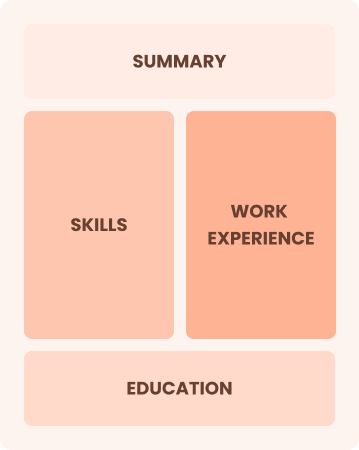
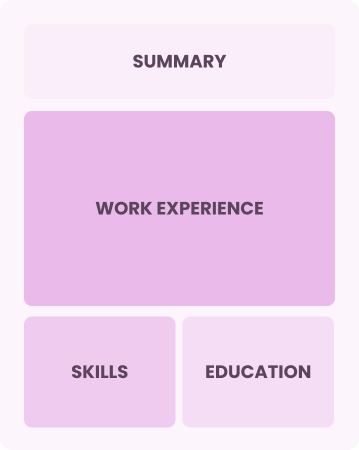
Choosing the resume format that best highlights your abilities is important for a workforce management analyst, as it effectively showcases key competencies, relevant experience, and career growth to potential employers.
Entry-Level 0 - 2 years
Functional
Focuses on skills rather than previous jobs
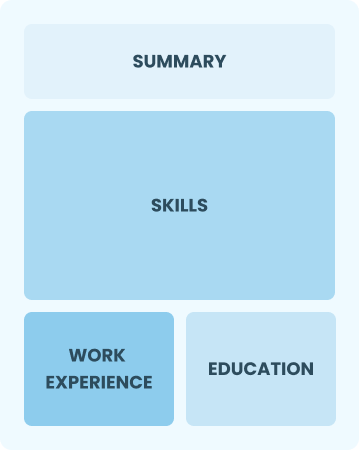
Best for:
Recent graduates and career changers with little to no experience
Mid-Career 3 - 7 years
Combination
Balances skills and work history equally
Best for:
Mid-career analysts focused on demonstrating their skills and pursuing growth opportunities
Experienced 8+ years
Chronological
Emphasizes work history in reverse order
Best for:
Seasoned analysts leading strategic workforce initiatives and optimizing resource allocation
Frequently Asked Questions
Should I include a cover letter with my workforce management analyst resume?
Absolutely, including a cover letter is essential for showcasing your unique qualities to potential employers. It allows you to elaborate on your resume and convey your enthusiasm for the position. If you're not sure how to write a cover letter, our guide can provide valuable tips. Alternatively, you can use our Cover Letter Generator for a quick and easy solution.
Can I use a resume if I’m applying internationally, or do I need a CV?
When applying for jobs outside the U.S., use a CV instead of a resume, as many countries prefer this format. Explore our how to write a CV resources to learn about proper formatting and best practices to ensure your application stands out internationally. You can also review various CV examples to better understand how to structure your document effectively.
What soft skills are important for workforce management analysts?
Soft skills like analytical thinking, adaptability, and effective communication are important for a workforce management analyst. These interpersonal skills improve collaboration with teams and foster relationships with stakeholders, enabling smoother operations and better decision-making processes.
I’m transitioning from another field. How should I highlight my experience?
When transitioning to a workforce management analyst role, highlight your transferable skills such as data analysis, communication, and team coordination. These abilities illustrate your capability to thrive in this position, even if your experience is limited. Share specific instances where you've successfully applied these skills to demonstrate their relevance to workforce management tasks.
How should I format a cover letter for a workforce management analyst job?
To format a cover letter for workforce management analyst positions, start with your contact information followed by a professional greeting. Next, include an engaging opening paragraph that highlights your passion for the role. Add a concise summary of skills and experiences relevant to the job description. Finally, close with a strong call to action encouraging further discussion.
How do I add my resume to LinkedIn?
To improve your professional visibility, consider add your resume to LinkedIn. You can upload it directly to your profile or highlight key achievements in the "About" and "Experience" sections. This approach helps recruiters and hiring managers in workforce management easily find qualified job seekers who stand out.




Ready to land the job?
Join 28M+ others who've built a resume that works.