Hard skills are technical abilities such as knowledge of labor laws, recruitment strategies, and employee performance management systems that a human resources specialist should highlight.
Human Resources Specialist Resume Examples & Templates
Looking to advance your HR career? Our human resources specialist resume examples showcase skills in talent acquisition, employee relations, and conflict resolution to help you stand out to potential employers.

by Gabriela Hernandez, Last Updated: January 18, 2026
Hired By:*

- Popular Human Resources Specialist Resume Examples
- Resume Template—Easy to Copy & Paste
- Build Your Resume in Minutes
- How to Write a Human Resources Specialist Resume Summary
- Showcasing Your Work Experience
- Top Skills to Include on Your Resume
- Resume Format Examples
- Human Resources Specialist Salaries in the Highest-Paid States
- Related Human Resources Resume Examples
- Frequently Asked Questions
- Should I include a cover letter with my human resources specialist resume?
- Can I use a resume if I’m applying internationally, or do I need a CV?
- What soft skills are important for human resources specialists?
- I’m transitioning from another field. How should I highlight my experience?
- Where can I find inspiration for writing my cover letter as a human resources specialist?
- How do I add my resume to LinkedIn?
Popular Human Resources Specialist Resume Examples
Check out our top human resources specialist resume examples that emphasize key skills such as talent acquisition, employee relations, and organizational development. These examples will help you effectively showcase your expertise and achievements to potential employers.
Ready to build your standout resume? Our Resume Builder offers user-friendly templates designed specifically for HR professionals, making it simple to create an impressive application.
Recommended
 Customize This Resume
Entry-level human resources specialist resume
What this resume does well:
This entry-level resume for a human resources specialist effectively highlights the applicant's achievements in improving employee engagement and streamlining recruitment processes, showcasing their proactive approach to HR challenges. New professionals in this field must clearly demonstrate relevant skills and measurable accomplishments from internships or academic projects to appeal to potential employers despite limited work experience.
Mid-career human resources specialist resume
What this resume does well:
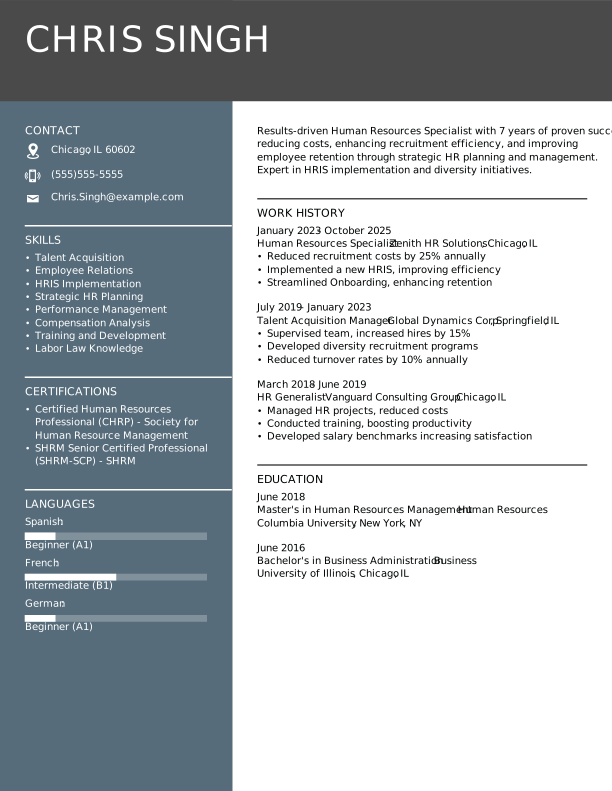
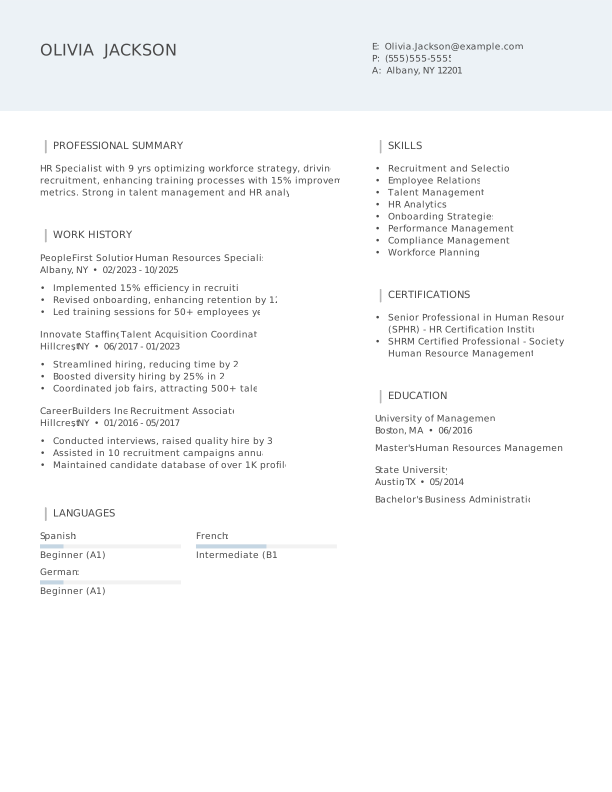
This resume effectively showcases qualifications by detailing strong achievements and responsibilities. The organized presentation of skills and certifications highlights the applicant's readiness for senior HR roles, demonstrating a strong progression in workforce optimization and talent management.
Experienced human resources specialist resume
What this resume does well:
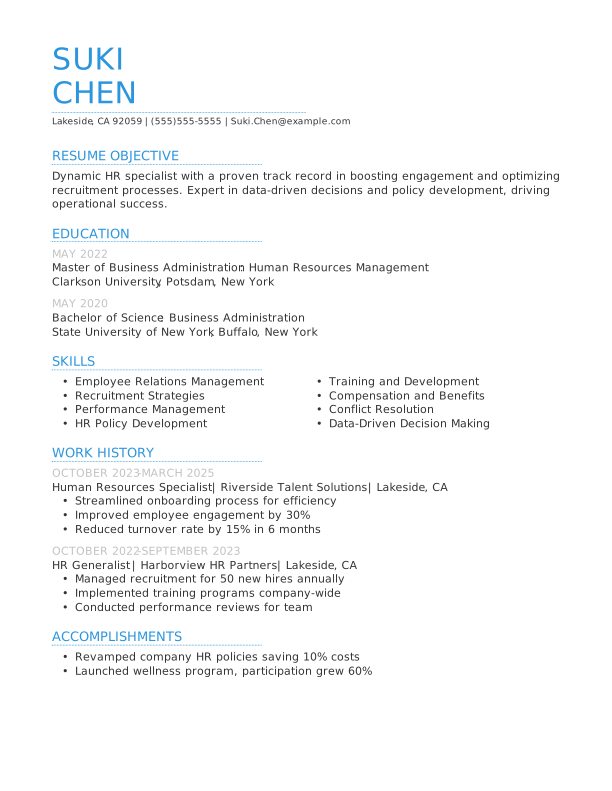
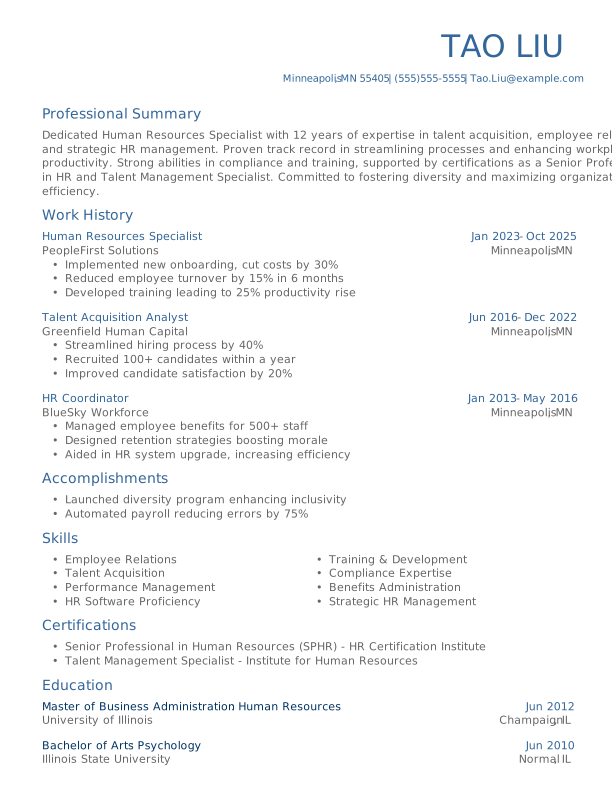
The work history section showcases the applicant's extensive experience as a human resources specialist, demonstrating their ability to implement effective onboarding processes and reduce employee turnover. The quantifiable achievements, along with the bullet point format, improve readability and effectively highlight their contributions to potential employers.
Resume Template—Easy to Copy & Paste
Example
Chris Singh
Chicago, IL 60602
(555)555-5555
Chris.Singh@example.com
Skills
- Talent Acquisition
- Employee Relations
- HRIS Implementation
- Strategic HR Planning
- Performance Management
- Compensation Analysis
- Training and Development
- Labor Law Knowledge
Certifications
- Certified Human Resources Professional (CHRP) - Society for Human Resource Management
- SHRM Senior Certified Professional (SHRM-SCP) - SHRM
Languages
- Spanish - Beginner (A1)
- French - Intermediate (B1)
- German - Beginner (A1)
Professional Summary
Results-driven Human Resources Specialist with 7 years of proven success reducing costs, enhancing recruitment efficiency, and improving employee retention through strategic HR planning and management. Expert in HRIS implementation and diversity initiatives.
Work History
Human Resources Specialist
Zenith HR Solutions - Chicago, IL
January 2023 - October 2025
- Reduced recruitment costs by 25% annually
- Implemented a new HRIS, improving efficiency
- Streamlined Onboarding, enhancing retention
Talent Acquisition Manager
Global Dynamics Corp - Springfield, IL
July 2019 - January 2023
- Supervised team, increased hires by 15%
- Developed diversity recruitment programs
- Reduced turnover rates by 10% annually
HR Generalist
Vanguard Consulting Group - Chicago, IL
March 2018 - June 2019
- Managed HR projects, reduced costs
- Conducted training, boosting productivity
- Developed salary benchmarks increasing satisfaction
Education
Master's in Human Resources Management Human Resources
Columbia University New York, NY
June 2018
Bachelor's in Business Administration Business
University of Illinois Chicago, IL
June 2016
Build Your Resume in Minutes
Creating a custom resume is easier than ever with our Resume Builder!
How to Write a Human Resources Specialist Resume Summary
Your resume summary is the first thing employers will notice, making it important for creating a strong impression. As a human resources specialist, you should emphasize your expertise in recruitment, employee relations, and compliance to showcase your value.
In this role, it's important to highlight your ability to improve workplace culture and drive employee engagement. You want to demonstrate how your skills can lead to improved organizational success.
To guide you in crafting an effective summary, consider these examples that illustrate what resonates with hiring managers and what doesn’t:
Weak Example
I am a dedicated human resources specialist with many years of experience. I hope to find a job where I can use my skills effectively and help the company succeed. A supportive workplace that values employee development is what I’m looking for. I believe I can be a great asset to your team if given the chance.
Why this summary misses the mark:
- Lacks specific details about relevant HR skills and experiences, making it hard to assess qualifications
- Contains excessive personal language and vague statements that do not add value
- Emphasizes what the job seeker desires from a job instead of highlighting how they can benefit the organization
Strong Example
Results-driven human resources specialist with 7+ years of experience in talent acquisition and employee relations. Successfully improved recruitment efficiency by 30% through the implementation of an applicant tracking system and streamlined onboarding processes. Proficient in HRIS, performance management systems, and conflict resolution strategies to improve workplace culture.
Why this summary works:
- Starts with clear experience level and specific HR focus areas
- Highlights quantifiable achievement that showcases impact on recruitment efficiency
- Demonstrates relevant technical skills that are critical for human resources roles

Pro Tip
If formal work experience isn’t on your side, consider highlighting a resume objective examples section instead of a summary. This approach lets you showcase your enthusiasm and goals while providing tailored examples to guide you in the human resources field.
Showcasing Your Work Experience
As a human resources specialist, the work experience section is the cornerstone of your resume. It’s where you’ll showcase your capabilities, and resume templates prominently feature this section.
Your work history should be displayed in reverse-chronological order with bullet points detailing your achievements and key contributions in each role.
To illustrate what an effective work experience section looks like for a human resources specialist, here are examples showing both strong and weak entries:
Weak Example
Human Resources Specialist
XYZ Corp – New York, NY
- Handled employee onboarding
- Managed files and documents
- Assisted with training sessions
- Answered employee questions
Why this work experience section misses the mark:
- Lacks specific employment dates to provide context
- Bullet points do not highlight any achievements or unique skills
- Describes routine tasks without measurable outcomes or impacts
Strong Example
Human Resources Specialist
Tech Innovations Inc. – Austin, TX
March 2020 - Present
- Streamlined the recruitment process, reducing time-to-hire by 30% through the implementation of new ATS software
- Conducted employee engagement surveys, leading to a 15% increase in overall job satisfaction within one year
- Facilitated training sessions for managers on effective performance evaluations, improving feedback quality and consistency
Why this work experience section works:
- Starts each bullet point with dynamic action verbs that highlight the job seeker’s achievements
- Incorporates specific metrics to quantify success and impact on the organization
- Demonstrates essential HR skills while showcasing results-driven accomplishments
While your resume summary and work experience are important components, remember that other sections also deserve careful attention. Each part plays a role in showcasing your qualifications. For additional insights, be sure to check out our complete guide on how to write a resume.
Top Skills to Include on Your Resume
A skills section is important on your resume as it provides an immediate snapshot of your qualifications to potential employers. It helps you stand out by showcasing the specific abilities that align with the job requirements.
For a human resources specialist, emphasize both technical and interpersonal skills. Highlight proficiency with HRIS systems, ATS software, and Microsoft Office Suite, along with strong communication and conflict resolution abilities that support effective employee relations.
Soft skills include strong communication, conflict resolution, and emotional intelligence, which are important for fostering a positive work environment and effective collaboration among team members.
Selecting the right resume skills is important for standing out to potential employers. Many organizations rely on automated systems that filter job seekers based on these essential skills, making it necessary to align your qualifications with their expectations.
To effectively prioritize your skills, review job postings closely in your field. These listings often highlight the specific abilities recruiters look for and can help you tailor your resume to succeed in both human and automated review processes.
Pro Tip
Ensure your resume stands out in the digital crowd. Use our ATS Resume Checker to spot more than 30 common errors, helping you navigate applicant tracking software with ease and confidence.
10 skills that appear on successful human resources specialist resumes
Improve your resume to attract recruiters by highlighting the top skills that are important for human resources specialists. You can see these valuable skills showcased in our resume examples, giving you the confidence to apply effectively.
Here are 10 key skills you should consider incorporating into your resume if they align with your experience and job needs:
Talent acquisition
Conflict resolution
Employee engagement
Performance management
HR analytics
Regulatory compliance
Training and development
Diversity and inclusion strategies
Compensation and benefits administration
Organizational development
Based on analysis of 5,000+ human resources professional resumes from 2023-2024
Resume Format Examples
Choosing the appropriate resume format is important for a human resources specialist to effectively showcase their expertise, experience, and career growth.
Entry-Level 0 - 2 years
Functional
Focuses on skills rather than previous jobs
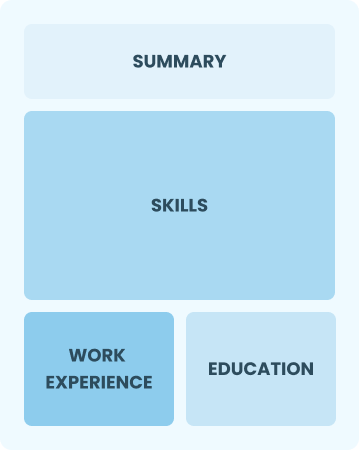
Best for:
Recent graduates and career changers with little to no experience
Mid-Career 3 - 7 years
Combination
Balances skills and work history equally
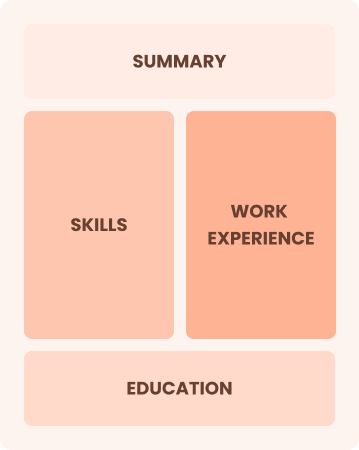
Best for:
Mid-career professionals focused on demonstrating their skills and seeking growth opportunities
Experienced 8+ years
Chronological
Emphasizes work history in reverse order
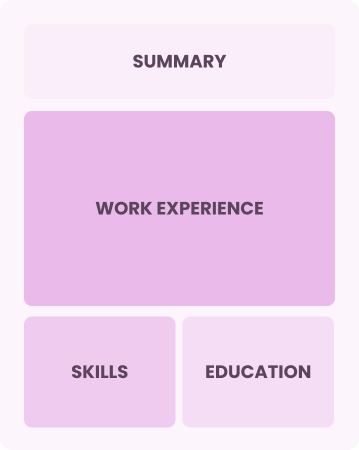
Best for:
Seasoned experts leading strategic HR initiatives and talent development
Human Resources Specialist Salaries in the Highest-Paid States
Our human resources specialist salary data is based on figures from the U.S. Bureau of Labor Statistics (BLS), the authoritative source for employment trends and wage information nationwide.
Whether you're entering the workforce or considering a move to a new city or state, this data can help you gauge what fair compensation looks like for human resources specialists in your desired area.
$0$60K$120K
Frequently Asked Questions
Should I include a cover letter with my human resources specialist resume?
Absolutely, including a cover letter can significantly improve your application by showcasing your personality and passion for the job. It offers an opportunity to elaborate on your skills and experiences that align with the position. For tips on crafting a compelling cover letter, explore our comprehensive guide on how to write a cover letter or use our Cover Letter Generator for quick assistance.
Can I use a resume if I’m applying internationally, or do I need a CV?
When applying for jobs outside the U.S., use a CV instead of a resume, as many countries prefer this format. To assist you in crafting an effective CV, explore our resources that provide CV examples and guidance on how to write a CV, focusing on proper formatting and writing techniques.
What soft skills are important for human resources specialists?
Soft skills like communication, empathy, and conflict resolution are essential for human resources specialists. These interpersonal skills help build strong relationships with employees and management, fostering a positive workplace culture and improving collaboration across the organization.
I’m transitioning from another field. How should I highlight my experience?
Highlight transferable skills such as communication, organization, and conflict resolution when applying for human resources specialist roles. These abilities demonstrate your readiness to add value, even if you lack direct experience in HR. Provide concrete examples from previous positions to connect your achievements with essential responsibilities like employee relations and recruitment.
Where can I find inspiration for writing my cover letter as a human resources specialist?
For those seeking human resources specialist roles, exploring professional cover letter examples can be incredibly beneficial. These samples provide valuable content ideas and formatting guidance while showcasing how to effectively highlight your qualifications and experiences in a compelling way.
How do I add my resume to LinkedIn?
To add your resume to LinkedIn and increase its visibility, upload it to your profile or highlight key skills and experiences in the "About" and "Experience" sections. This approach helps recruiters easily find qualified applicants like you, improving your chances of landing opportunities in human resources.




Ready to land the job?
Join 28M+ others who've built a resume that works.