
Hard skills include clinical expertise in rehabilitation techniques, skill in patient evaluation methods, and knowledge of therapeutic modalities essential for effective treatment plans.
Director of Rehabilitation Resume Examples & Templates
Looking to advance your career? Our director of rehabilitation resume examples will guide you in showcasing leadership, patient assessment, and therapeutic skills that capture employers' attention.

by Gabriela Hernandez, Last Updated: February 23, 2026
Hired By:*

- Popular Director of Rehabilitation Resume Examples
- Resume Template—Easy to Copy & Paste
- Build Your Resume in Minutes
- How to Write a Director of Rehabilitation Resume Summary
- Showcasing Your Work Experience
- Top Skills to Include on Your Resume
- Resume Format Examples
- Related Physical Therapy Resume Examples
- Frequently Asked Questions
- Should I include a cover letter with my director of rehabilitation resume?
- Can I use a resume if I’m applying internationally, or do I need a CV?
- What soft skills are important for directors of rehabilitation?
- I’m transitioning from another field. How should I highlight my experience?
- How should I format a cover letter for a director of rehabilitation job?
- How do I add my resume to LinkedIn?
Popular Director of Rehabilitation Resume Examples
Check out our director of rehabilitation resume examples that demonstrate key skills like program management, patient recovery strategies, and team leadership. These samples reveal how to effectively showcase your professional achievements.
Want to build a compelling resume? Use our Resume Builder for specialized templates designed specifically for healthcare leaders, streamlining your job application process for better results.
Recommended
 Customize This Resume
Entry-level director of rehabilitation resume
What this resume does well:
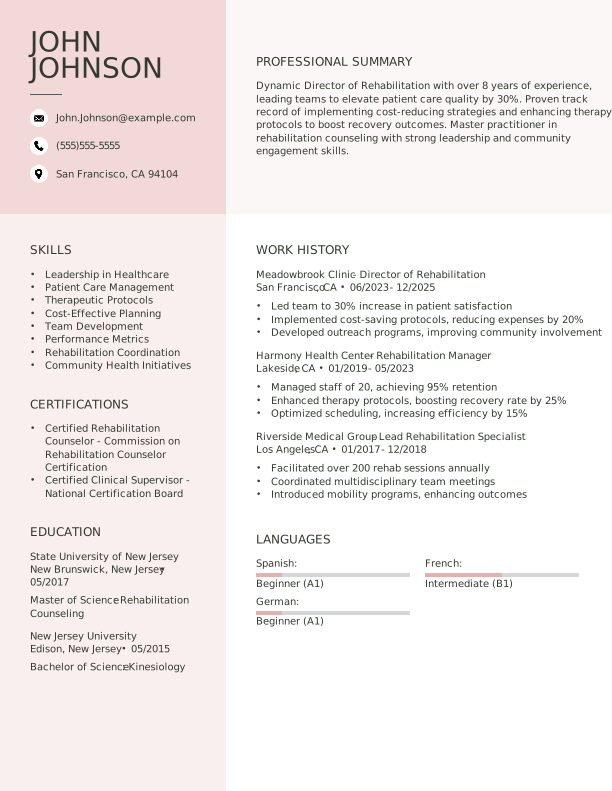
This entry-level resume effectively highlights the job seeker's extensive leadership experience and proven metrics in improving rehabilitation programs, showcasing their ability to drive results in patient care and team management. New professionals in this field must illustrate their competencies in program development and patient engagement strategies, even with limited direct work experience.
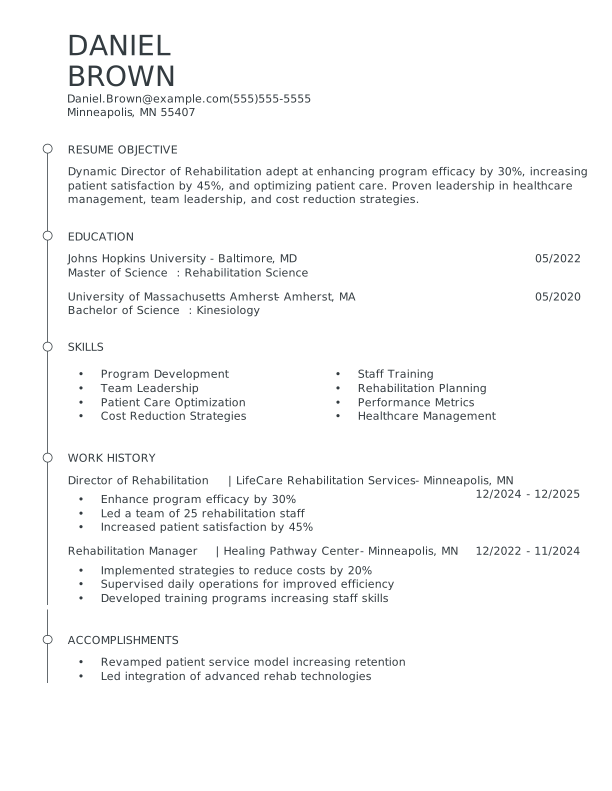
Mid-career director of rehabilitation resume
What this resume does well:
This resume effectively showcases qualifications by highlighting leadership roles and measurable achievements, demonstrating the applicant's capability to manage complex rehabilitation programs. The strategic presentation of their experience and skills reflects a strong trajectory toward advanced responsibilities in healthcare.
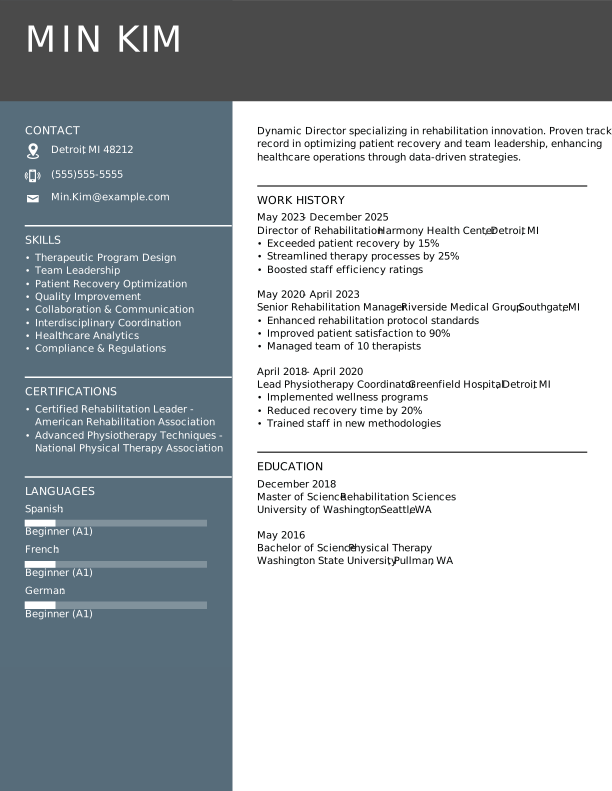
Experienced director of rehabilitation resume
What this resume does well:
This work history section illustrates the applicant's leadership as a director of rehabilitation, evidenced by increasing patient satisfaction by 20% and reducing recovery time by 15%. The clear formatting allows hiring managers to quickly identify key achievements and assess the job seeker's fit for their organization.
Resume Template—Easy to Copy & Paste
Example
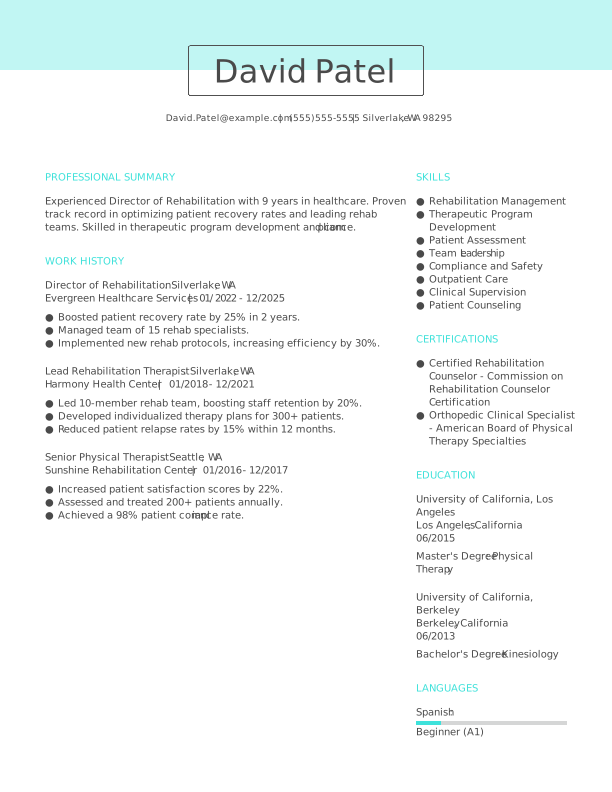
David Patel
Silverlake, WA 98295
(555)555-5555
David.Patel@example.com
Professional Summary
Experienced Director of Rehabilitation with 9 years in healthcare. Proven track record in optimizing patient recovery rates and leading rehab teams. Skilled in therapeutic program development and compliance.
Work History
Director of Rehabilitation
Evergreen Healthcare Services - Silverlake, WA
January 2022 - December 2025
- Boosted patient recovery rate by 25% in 2 years.
- Managed team of 15 rehab specialists.
- Implemented new rehab protocols, increasing efficiency by 30%.
Lead Rehabilitation Therapist
Harmony Health Center - Silverlake, WA
January 2018 - December 2021
- Led 10-member rehab team, boosting staff retention by 20%.
- Developed individualized therapy plans for 300+ patients.
- Reduced patient relapse rates by 15% within 12 months.
Senior Physical Therapist
Sunshine Rehabilitation Center - Seattle, WA
January 2016 - December 2017
- Increased patient satisfaction scores by 22%.
- Assessed and treated 200+ patients annually.
- Achieved a 98% patient compliance rate.
Skills
- Rehabilitation Management
- Therapeutic Program Development
- Patient Assessment
- Team Leadership
- Compliance and Safety
- Outpatient Care
- Clinical Supervision
- Patient Counseling
Certifications
- Certified Rehabilitation Counselor - Commission on Rehabilitation Counselor Certification
- Orthopedic Clinical Specialist - American Board of Physical Therapy Specialties
Education
Master's Degree Physical Therapy
University of California, Los Angeles Los Angeles, California
June 2015
Bachelor's Degree Kinesiology
University of California, Berkeley Berkeley, California
June 2013
Languages
- Spanish - Beginner (A1)
- French - Beginner (A1)
- German - Intermediate (B1)
Build Your Resume in Minutes
Creating a custom resume is easier than ever with our Resume Builder!
How to Write a Director of Rehabilitation Resume Summary
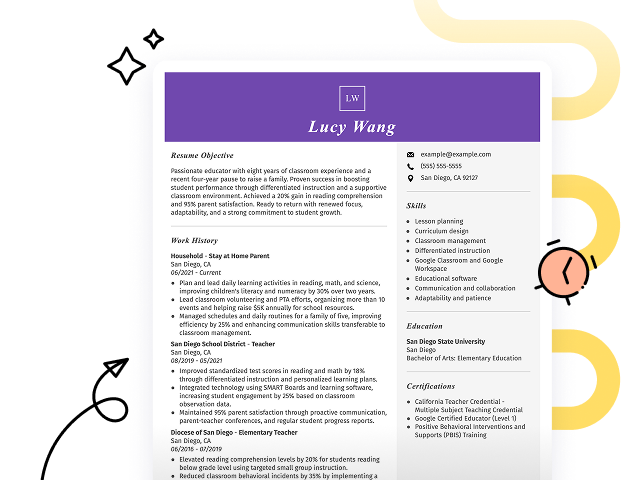
Your resume summary is the first opportunity to grab an employer's attention, making it important for showcasing your qualifications as a director of rehabilitation. In this section, you should highlight your leadership skills and extensive experience in rehabilitative therapies and patient care.
This profession requires you to emphasize your ability to manage teams effectively while delivering exceptional patient outcomes. Relevant achievements in program development and interdisciplinary collaboration should also be front and center.
To illustrate what makes a strong resume summary, we'll provide examples that demonstrate effective techniques and common pitfalls:
Weak Example
I am an experienced director of rehabilitation with a solid background in various settings. I seek a position that allows me to use my skills effectively and contribute positively to the team. I value work-life balance and look forward to opportunities for advancement in my career.
Why this summary misses the mark:
- Lacks specific examples of achievements or expertise in rehabilitation, making it less compelling
- Overuses personal pronouns, which detracts from professionalism and can feel self-serving
- Emphasizes what the job seeker desires instead of showcasing how they can benefit the organization
Strong Example
Dynamic rehabilitation director with over 10 years of experience leading multidisciplinary teams in acute rehabilitation facilities. Improved patient functional outcomes by 20% through the implementation of evidence-based practice models and improved therapy protocols. Proficient in patient assessment, staff training, and using advanced rehabilitation technologies to optimize recovery processes.
Why this summary works:
- Starts with a clear indication of experience level and leadership role
- Highlights a significant quantifiable achievement that shows impact on patient care outcomes
- Mentions specific skills relevant to the rehabilitation field, showcasing expertise and value to potential employers

Pro Tip
If you're new to the field of rehabilitation, consider using a career objective in your resume. This can highlight your passion and goals more effectively than a summary. Many resume objective examples are available to help you craft the perfect statement tailored to your aspirations.
Showcasing Your Work Experience
The work experience section is important for your resume as a director of rehabilitation, serving as the primary focus where you'll present most of your content. Good resume templates are designed to emphasize this key area effectively.
This section should be organized in reverse-chronological order, detailing your previous roles. Use bullet points to highlight specific achievements and contributions you made in each position to make them stand out.
To illustrate effective work history entries for directors of rehabilitation, we’ll share a couple of examples that showcase what works and what doesn’t work.
Weak Example
Director of Rehabilitation
HealthCare Solutions Inc. – Orlando, FL
- Oversaw rehabilitation programs.
- Managed staff and schedules.
- Handled patients' records and documentation.
- Coordinated with healthcare professionals.
Why this work experience section misses the mark:
- Lacks specific achievements or outcomes from programs managed
- Bullet points are generic and do not highlight leadership skills
- No mention of duration in role or impact on patient recovery rates
Strong Example
Director of Rehabilitation
HealthFirst Medical Center – Orlando, FL
March 2020 - Present
- Develop and oversee rehabilitation programs for diverse patient populations, achieving a 30% increase in patient satisfaction scores within the first year.
- Lead a team of therapists to implement evidence-based practices, resulting in a 20% improvement in functional outcomes across all therapy disciplines.
- Facilitate interdisciplinary collaborations that improve care coordination, decreasing average patient length of stay by 15%.
Why this work experience section works:
- Uses dynamic action verbs to clearly convey the job seeker’s leadership and impact
- Incorporates specific metrics that demonstrate tangible results and improvements in patient care
- Highlights essential skills relevant to rehabilitation management through concrete examples
While your resume summary and work experience are important, don’t overlook other important sections. Each part plays a role in effectively showcasing your qualifications. For more detailed guidance, be sure to explore our comprehensive guide on how to write a resume.
Top Skills to Include on Your Resume
A well-defined skills section is important for any powerful resume. It allows you to present your qualifications in a clear manner, making it easier for hiring managers to assess your fit for the role.
For a director of rehabilitation, include blend of hard and soft skills alongside technical skills such as skill in electronic health records (EHR) systems and knowledge of relevant rehabilitation software. Highlighting experience with patient management tools can also set you apart from other job seekers.
Soft skills encompass strong communication, active listening, and teamwork abilities that foster trust and collaboration among healthcare professionals, ultimately improving patient recovery outcomes.
Selecting the right resume skills is important to align with what employers expect from potential job seekers. Many organizations use automated systems that filter out applicants lacking essential skills, so it's important for your resume to reflect these competencies.
To ensure your application stands out, carefully review job postings related to your desired role. They often reveal the specific skills recruiters prioritize, which can help you tailor your resume and improve its chances of passing through the ATS filters.
Pro Tip
Make sure your resume is optimized for success by using our ATS Resume Checker to spot over 30 common mistakes. This tool helps your application smoothly navigate through applicant tracking systems.
10 skills that appear on successful director of rehabilitation resumes
Highlighting high-demand skills on your resume is essential for catching the eye of recruiters in the rehabilitation field. These skills demonstrate your qualifications and fit for the role.
Consider incorporating these relevant skills into your resume when they align with your experience and job requirements:
Clinical assessment
Patient advocacy
Team collaboration
Adaptability
Therapeutic communication
Goal setting
Rehabilitation planning
Education and training
Progress tracking
Empathy
Based on analysis of 5,000+ physical therapy professional resumes from 2023-2024
Resume Format Examples
Choosing the right resume format is important because it highlights your key rehabilitation skills, relevant experience, and career growth in a clear and compelling way.
Entry-Level 0 - 2 years
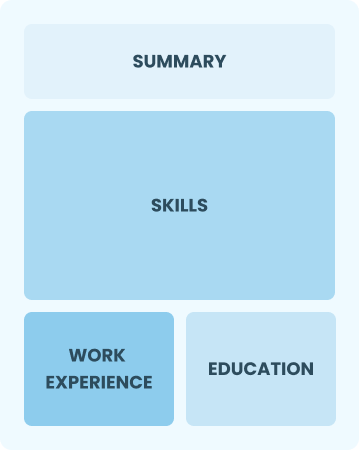
Functional
Focuses on skills rather than previous jobs
Best for:
Recent graduates and career changers with little to no experience in rehabilitation
Mid-Career 3 - 7 years
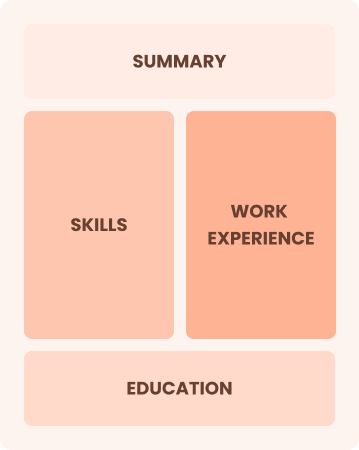
Combination
Balances skills and work history equally
Best for:
Mid-career professionals focused on demonstrating their skills and potential for growth
Experienced 8+ years
Chronological
Emphasizes work history in reverse order
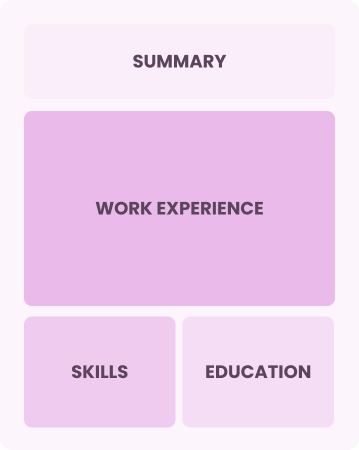
Best for:
Experienced leaders improving rehabilitation practices and team performance
Frequently Asked Questions
Should I include a cover letter with my director of rehabilitation resume?
Absolutely, including a cover letter is essential for showcasing your unique qualifications and enthusiasm for the director of rehabilitation position. A well-crafted cover letter allows you to elaborate on your experience and connect with the hiring team. To get started, explore our resources on how to write a cover letter or use our Cover Letter Generator for personalized assistance.
Can I use a resume if I’m applying internationally, or do I need a CV?
When applying for jobs outside the U.S., you often need a CV instead of a resume. A CV provides a comprehensive overview of your academic and professional history. To see well-crafted CV examples, or to learn more about how to write a CV, check out our resources specifically designed for international job seekers.
What soft skills are important for directors of rehabilitation?
Soft skills such as active listening, empathy, and effective communication are essential for a director of rehabilitation. These interpersonal skills foster strong relationships with patients and staff, ensuring collaborative care and promoting a positive recovery environment.
I’m transitioning from another field. How should I highlight my experience?
Highlight your transferable skills such as communication, teamwork, and adaptability when applying for director of rehabilitation roles. These abilities showcase your potential to thrive in a new environment even if you lack direct experience. Use specific examples from your previous positions to illustrate how you’ve successfully managed projects or led teams, aligning your accomplishments with the demands of rehabilitation management.
How should I format a cover letter for a director of rehabilitation job?
To format a cover letter for director of rehabilitation positions, begin with your contact details, followed by a respectful greeting. Your opening should grab attention, leading into a concise summary of your relevant experience and skills. Remember to customize the content based on the job requirements, highlighting how you meet them. Conclude with a strong closing statement that encourages further discussion.
How do I add my resume to LinkedIn?
To add your resume to LinkedIn, upload it directly to your profile or highlight essential achievements in the "About" and "Experience" sections. This approach improves your discoverability for healthcare recruiters seeking qualified job seekers for director of rehabilitation roles.




Ready to land the job?
Join 28M+ others who've built a resume that works.