Hard skills are technical abilities such as audio editing, broadcast technology skill, and knowledge of radio programming that ensure high-quality content delivery and compliance with regulations.
Radio Program Director Resume Examples & Templates
Looking to stand out as a radio program director? Our radio program director resume examples showcase skills like creative content development and audience engagement that will grab employers' attention.

by Gabriela Hernandez, Last Updated: January 18, 2026
Hired By:*

- Popular Radio Program Director Resume Examples
- Resume Template—Easy to Copy & Paste
- Build Your Resume in Minutes
- How to Write a Radio Program Director Resume Summary
- Showcasing Your Work Experience
- Top Skills to Include on Your Resume
- Resume Format Examples
- Related Music Resume Examples
- Frequently Asked Questions
- Should I include a cover letter with my radio program director resume?
- Can I use a resume if I’m applying internationally, or do I need a CV?
- What soft skills are important for radio program directors?
- I’m transitioning from another field. How should I highlight my experience?
- How should I format a cover letter for a radio program director job?
- Should I use a cover letter template?
Popular Radio Program Director Resume Examples
Check out our top radio program director resume examples that emphasize key skills such as programming, audience engagement, and team leadership. These examples will guide you in showcasing your unique achievements effectively.
Ready to build your standout resume? Our Resume Builder offers user-friendly templates specifically designed for broadcasting professionals, making your application shine.
Recommended
 Customize This Resume
Entry-level radio program director resume
What this resume does well:
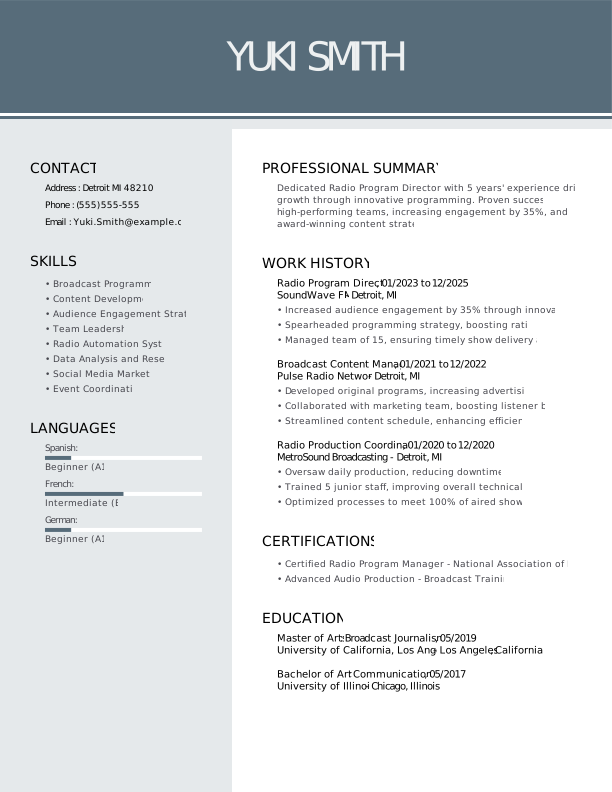
This entry-level resume for a Radio Program Director effectively highlights the applicant's accomplishments in audience engagement and team management, showcasing a strong foundation for success in broadcasting. New professionals should emphasize their innovative contributions and leadership experiences to attract employers, even with limited industry tenure.
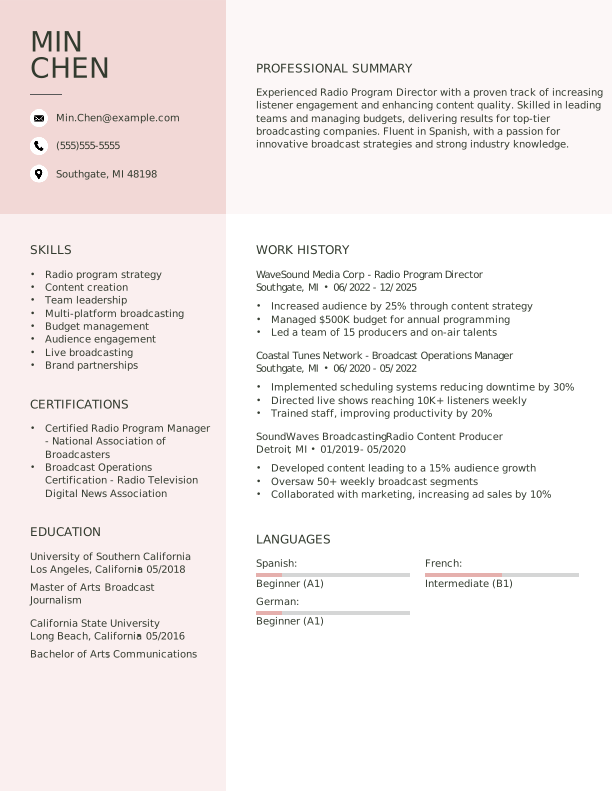
Mid-career radio program director resume
What this resume does well:
This resume effectively showcases key qualifications, highlighting significant achievements and leadership experience. The clear presentation of metrics illustrates the job seeker's capability to elevate programming and engage audiences, reflecting a strong readiness for advanced roles in broadcasting.
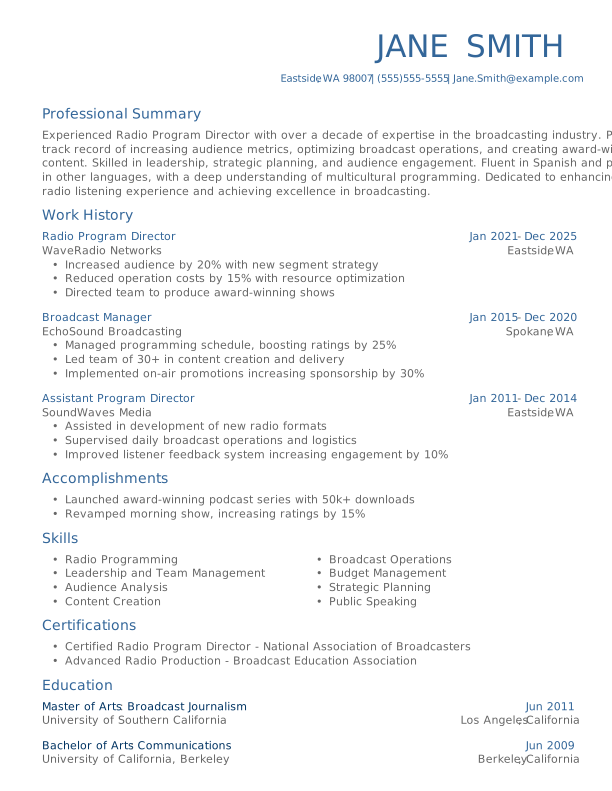
Experienced radio program director resume
What this resume does well:
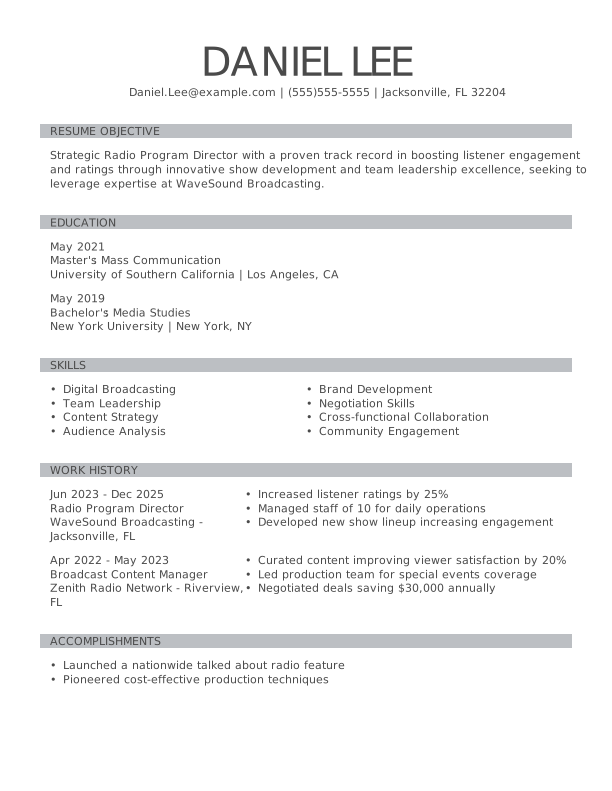
This work experience section illustrates the applicant's robust leadership in radio programming, marked by significant achievements such as increasing audience metrics by 20% and reducing costs by 15%. The clear formatting improves readability, allowing hiring managers to quickly grasp key accomplishments.
Resume Template—Easy to Copy & Paste
Example
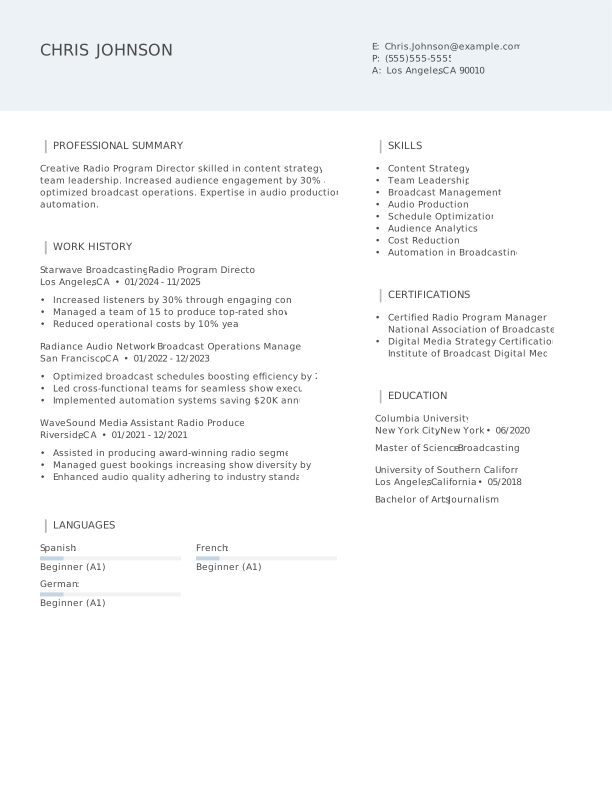
Chris Johnson
Los Angeles, CA 90010
(555)555-5555
Chris.Johnson@example.com
Professional Summary
Creative Radio Program Director skilled in content strategy and team leadership. Increased audience engagement by 30% and optimized broadcast operations. Expertise in audio production and automation.
Work History
Radio Program Director
Starwave Broadcasting - Los Angeles, CA
January 2024 - November 2025
- Increased listeners by 30% through engaging content
- Managed a team of 15 to produce top-rated shows
- Reduced operational costs by 10% yearly
Broadcast Operations Manager
Radiance Audio Network - San Francisco, CA
January 2022 - December 2023
- Optimized broadcast schedules boosting efficiency by 25%
- Led cross-functional teams for seamless show execution
- Implemented automation systems saving 20K annually
Assistant Radio Producer
WaveSound Media - Riverside, CA
January 2021 - December 2021
- Assisted in producing award-winning radio segments
- Managed guest bookings increasing show diversity by 40%
- Enhanced audio quality adhering to industry standards
Languages
- Spanish - Beginner (A1)
- French - Beginner (A1)
- German - Beginner (A1)
Skills
- Content Strategy
- Team Leadership
- Broadcast Management
- Audio Production
- Schedule Optimization
- Audience Analytics
- Cost Reduction
- Automation in Broadcasting
Certifications
- Certified Radio Program Manager - National Association of Broadcasters
- Digital Media Strategy Certification - Institute of Broadcast Digital Media
Education
Master of Science Broadcasting
Columbia University New York City, New York
June 2020
Bachelor of Arts Journalism
University of Southern California Los Angeles, California
May 2018
Build Your Resume in Minutes
Creating a custom resume is easier than ever with our Resume Builder!
How to Write a Radio Program Director Resume Summary
Your resume summary is the first thing employers notice, making it important for creating a memorable impression. As a radio program director, you should emphasize your leadership skills and experience in managing broadcast content. The following examples will clarify effective strategies for crafting your summary:
Weak Example
I am a dedicated radio program director with experience in managing shows and overseeing teams. I want to find a position where I can use my skills to create engaging content and lead a successful team. A supportive environment that values creativity and innovation would be perfect for me.
Why this summary misses the mark:
- Lacks concrete examples of specific skills or achievements relevant to radio programming
- Overly focuses on personal desires rather than highlighting what the applicant brings to the employer
- Uses general terms like 'dedicated' and 'successful' without providing measurable accomplishments or unique contributions
Strong Example
Dynamic radio program director with over 8 years of experience in broadcasting and media production, adept at curating engaging content that increased listener ratings by 25% in the last two years. Successfully launched three new shows, achieving a 30% growth in audience engagement through innovative marketing strategies and social media outreach. Proficient in audio editing software, program scheduling, and talent management to ensure high-quality broadcasts.
Why this summary works:
- Begins with clear experience level and industry focus
- Highlights quantifiable achievements that showcase significant impact on audience growth
- Mentions relevant technical skills and competencies that align with the role of a radio program director

Pro Tip
If you’re new to the radio industry and feel short on experience, a career objective can be your best friend. This focused statement can help highlight your passion and goals. To get started, explore resume objective examples tailored for aspiring program directors.
Showcasing Your Work Experience
The work experience section is the centerpiece of your resume as a radio program director. This is where you’ll provide the bulk of your content, and effective resume templates always feature this critical section.
Organize this part in reverse-chronological order to showcase your career progression. Include bullet points that highlight your achievements and contributions in each role to make them stand out.
To further assist you, we'll present a couple of examples that illustrate what makes a strong work history. These examples will clarify what works well and what should be avoided.
Weak Example
Radio Program Director
Sunny Radio Station – Los Angeles, CA
- Managed daily radio shows.
- Coordinated with staff and guests.
- Oversaw programming schedules.
- Handled listener feedback and requests.
Why this work experience section misses the mark:
- Lacks specific employment dates for context
- Bullet points are overly simplistic and lack detail on achievements
- Does not highlight any measurable impact or success within the role
Strong Example
Radio Program Director
WXYZ Radio Station – Los Angeles, CA
March 2020 - Current
- Oversee daily programming schedules and content creation, improving listener engagement by 30% through innovative segments.
- Lead a team of producers and hosts in developing award-winning shows, resulting in two industry accolades in the past year.
- Implement audience feedback mechanisms that increased listener satisfaction ratings by 20% within six months.
Why this work experience section works:
- Starts each bullet with dynamic action verbs to clearly convey achievements
- Includes quantifiable metrics that highlight the impact of the job seeker's initiatives
- Demonstrates relevant skills and contributions to the success of the station
While your resume summary and work experience are important components, remember that other sections also play an important role. Each section deserves careful formatting to make a strong impression. For more in-depth guidance, be sure to explore our comprehensive guide on how to write a resume.
Top Skills to Include on Your Resume
A skills section is essential for any resume, providing a quick way to showcase your qualifications. This targeted approach helps employers quickly determine if you have the necessary competencies for the radio program director role.
Strengthen your resume by including a balanced mix of hard and soft skills.
Soft skills are interpersonal qualities like leadership, creativity, and effective communication that foster collaboration among team members and engage listeners in meaningful ways.
Choosing the right resume skills is important for meeting employer expectations and navigating automated screening systems. Many companies use software to filter out applicants lacking key skills, so showcasing your strengths effectively can make a significant difference.
To boost your chances, thoroughly review job postings for insights into the qualifications they seek. This approach helps identify which skills to highlight in your application to appeal both to recruiters and ATS systems alike.
Pro Tip
To ensure your resume stands out to employers, use our ATS Resume Checker. It highlights over 30 common mistakes and helps you craft a document that easily navigates applicant tracking systems.
10 skills that appear on successful radio program director resumes
Highlighting sought-after skills on your resume can significantly attract the attention of recruiters in the radio industry. Our resume examples showcase these skills, providing you with inspiration to create a standout application.
Here are 10 essential skills you should consider including in your resume if they align with your background and job expectations:
Creativity
Strong communication
Technical skill
Project management
Team collaboration
Audience engagement
Problem-solving
Content curation
Broadcasting knowledge
Social media savvy
Based on analysis of 5,000+ music professional resumes from 2023-2024
Resume Format Examples
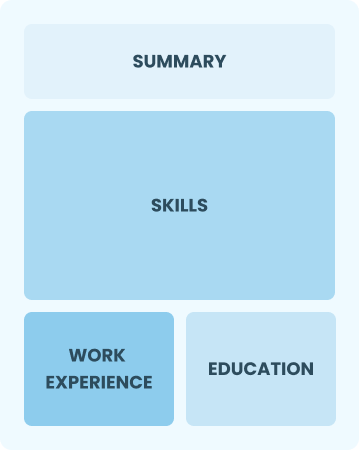
Choosing the right resume format is important for a radio program director because it effectively showcases your relevant experience, technical skills, and creative achievements in broadcasting.
Entry-Level 0 - 2 years
Functional
Focuses on skills rather than previous jobs
Best for:
Recent graduates and career changers with up to two years of experience.
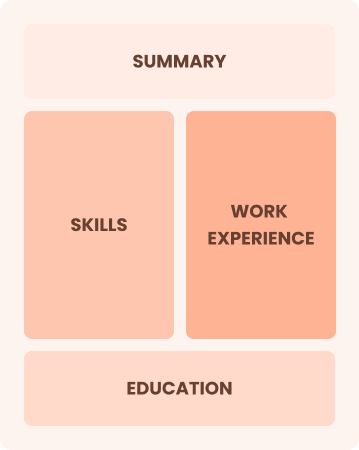
Mid-Career 3 - 7 years
Combination
Balances skills and work history equally
Best for:
Mid-career professionals eager to demonstrate their skills and growth potential.
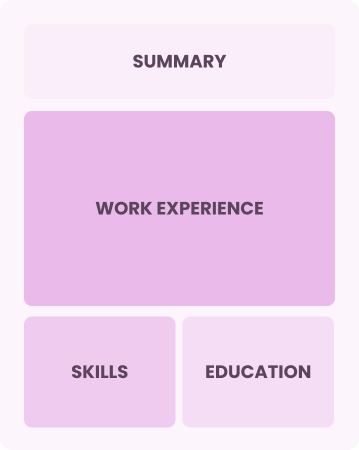
Experienced 8+ years
Chronological
Emphasizes work history in reverse order
Best for:
Seasoned leaders driving innovative programming and audience engagement.
Frequently Asked Questions
Should I include a cover letter with my radio program director resume?
Absolutely! Including a cover letter can significantly improve your application by highlighting your unique qualifications and demonstrating your enthusiasm for the position. If you’re looking for assistance, explore our resources on how to write a cover letter or use our handy Cover Letter Generator to get started quickly.
Can I use a resume if I’m applying internationally, or do I need a CV?
When applying for jobs outside the U.S., use a CV instead of a resume, as many countries prefer this format. To craft an effective CV that aligns with international standards, explore CV examples to ensure you present your qualifications clearly and professionally. Additionally, learn how to write a CV by using our comprehensive resources.
What soft skills are important for radio program directors?
Soft skills like interpersonal skills, communication, creativity, and leadership are essential for a radio program director. They foster collaboration with team members and help build strong connections with the audience, ensuring engaging content that resonates and keeps listeners coming back.
I’m transitioning from another field. How should I highlight my experience?
Highlight your transferable skills, such as creativity, project management, and communication, when applying for radio program director roles. These abilities can showcase your potential to lead teams and develop engaging content, even if you lack direct experience in broadcasting. Use concrete examples from your past to illustrate how these strengths translate into effective programming and audience engagement.
How should I format a cover letter for a radio program director job?
To format a cover letter effectively, begin with your name and contact details. Follow this with a warm greeting and an engaging introduction that captures the reader's attention. Highlight your relevant skills and experience in the body, ensuring you address the specific requirements of the radio program director role. Conclude with a strong closing statement inviting further discussion about your application.
Should I use a cover letter template?
Yes, using a cover letter template tailored for a radio program director can improve your application by providing a clear structure. This allows you to effectively organize content and showcase specific skills like programming expertise and audience engagement strategies that resonate with hiring managers.




Ready to land the job?
Join 28M+ others who've built a resume that works.