Hired By:*

 Color
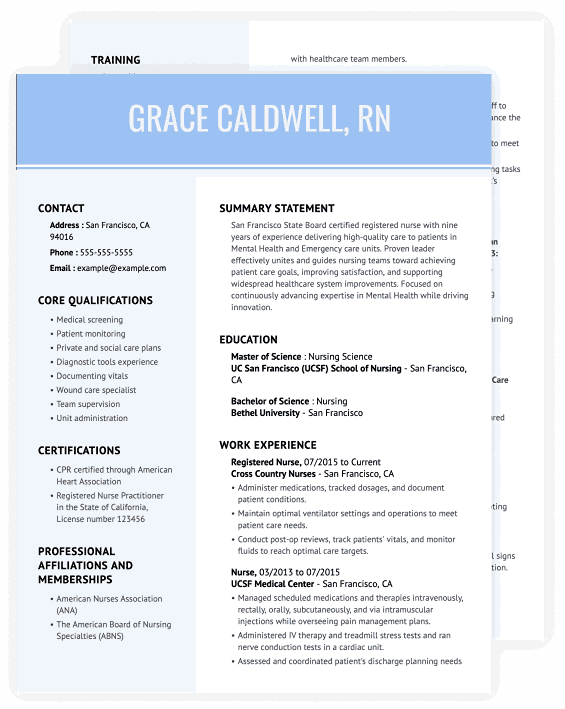
ColorChoose from 80 ATS friendly templates
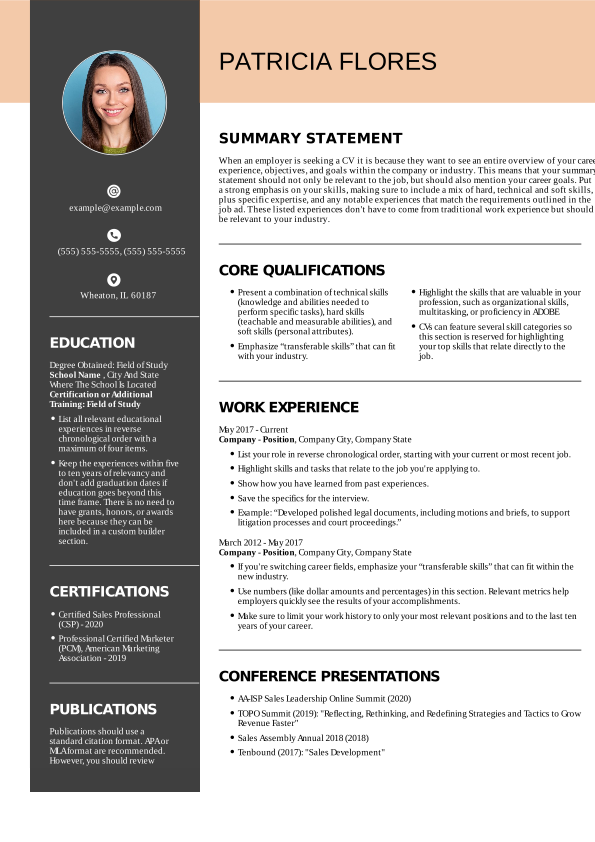
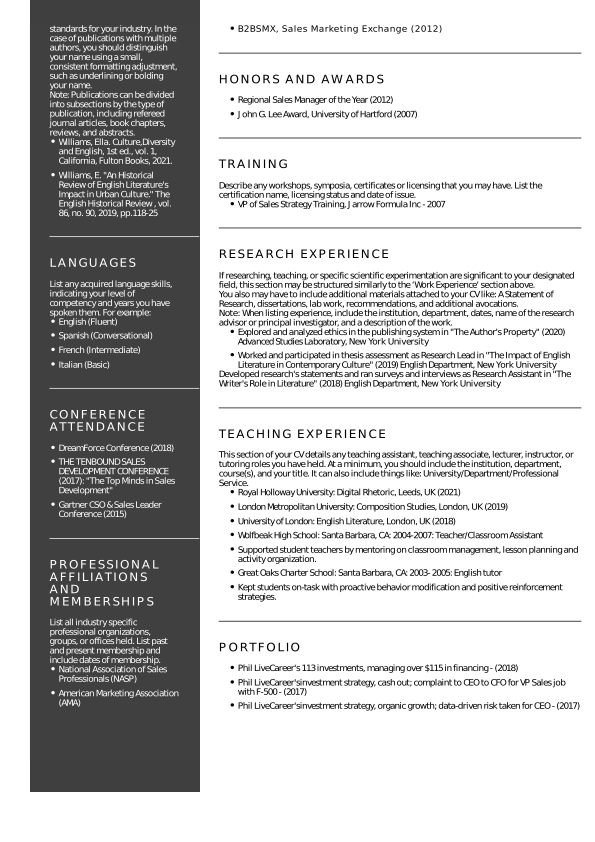
Notable Orange
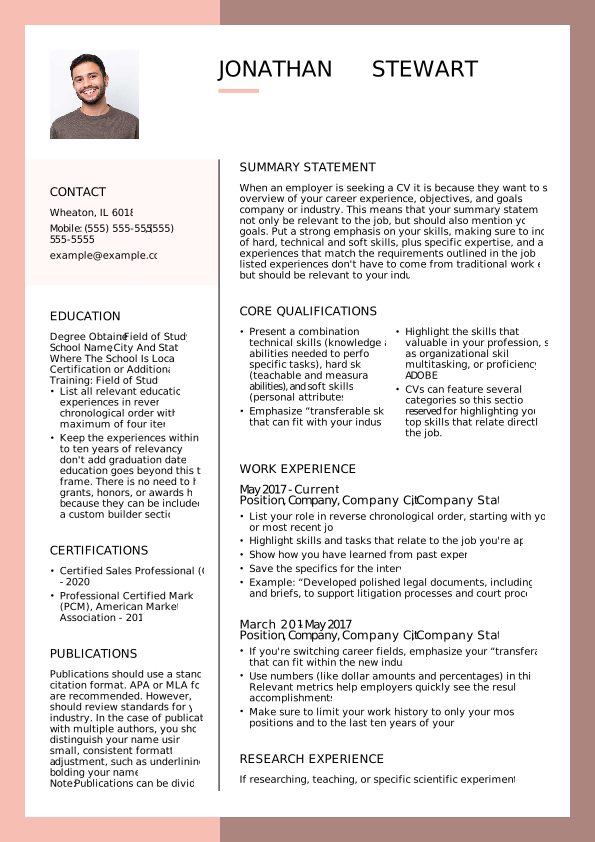
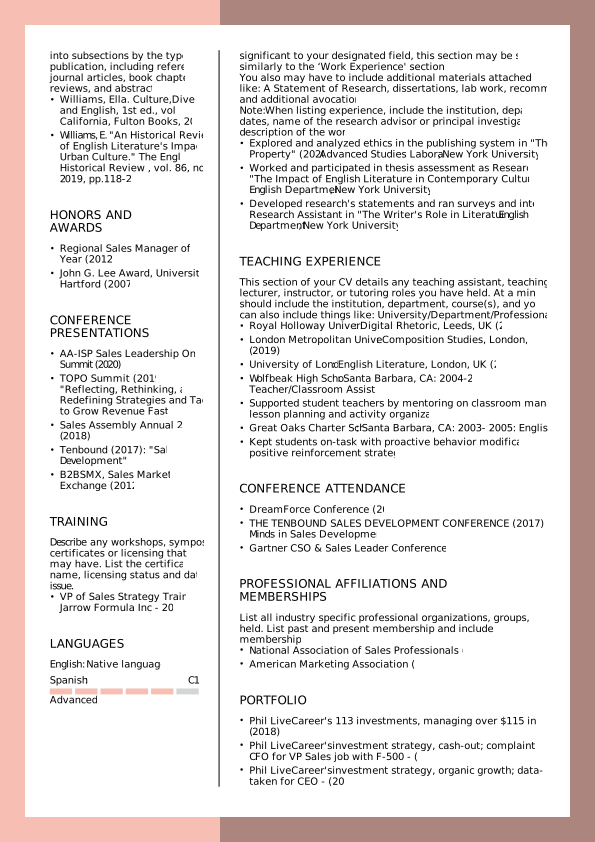
Trendy Blush
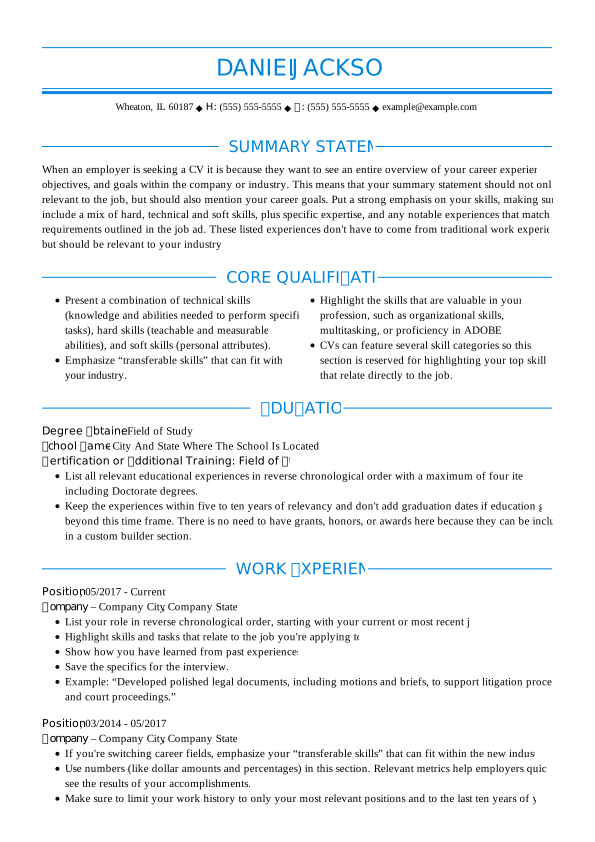
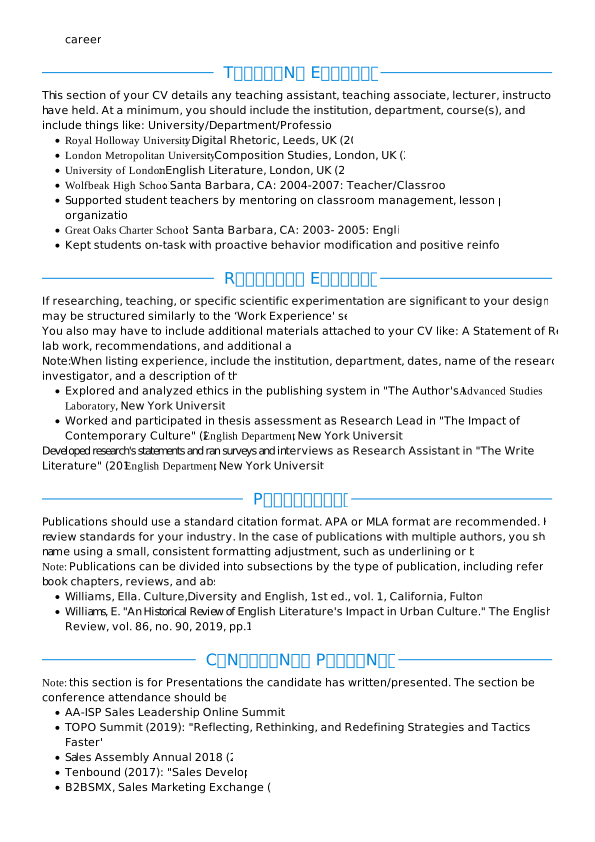
Refined Azure
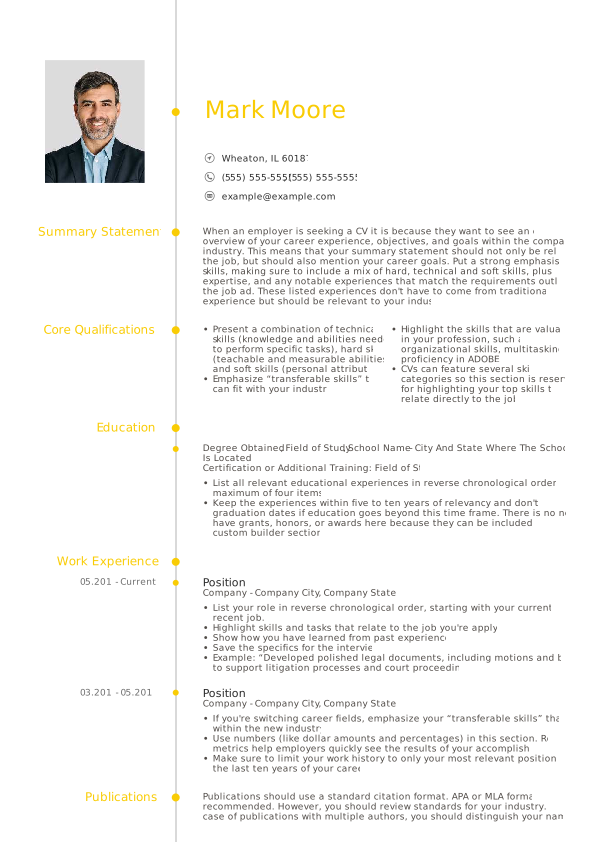
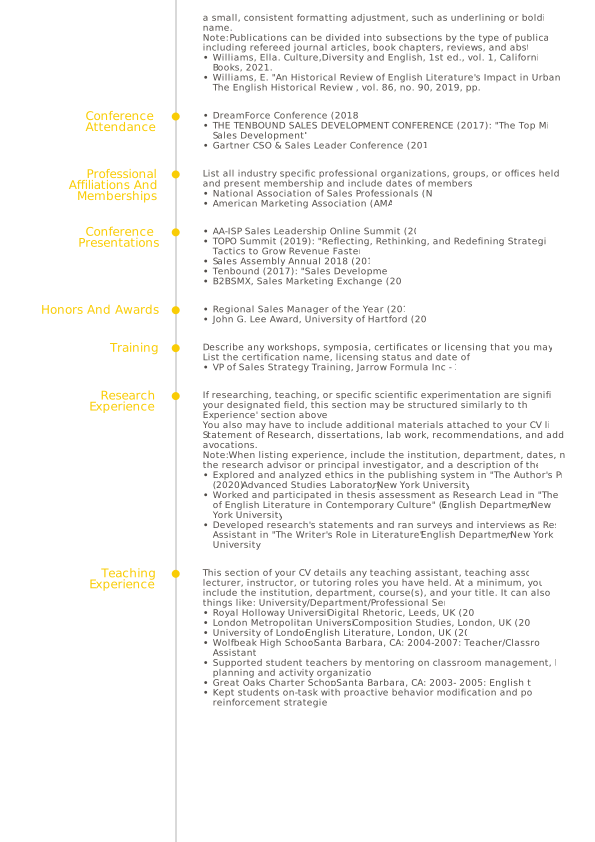
Smart Gold
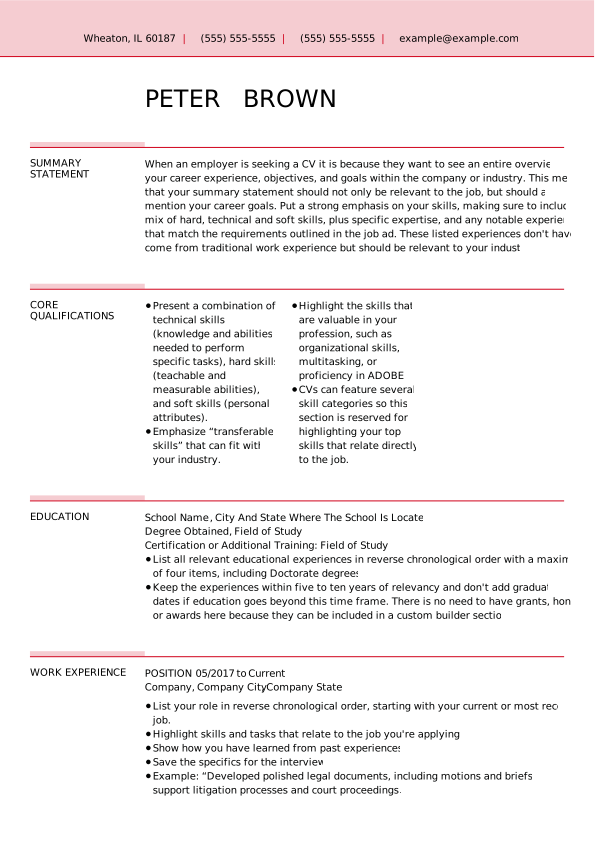
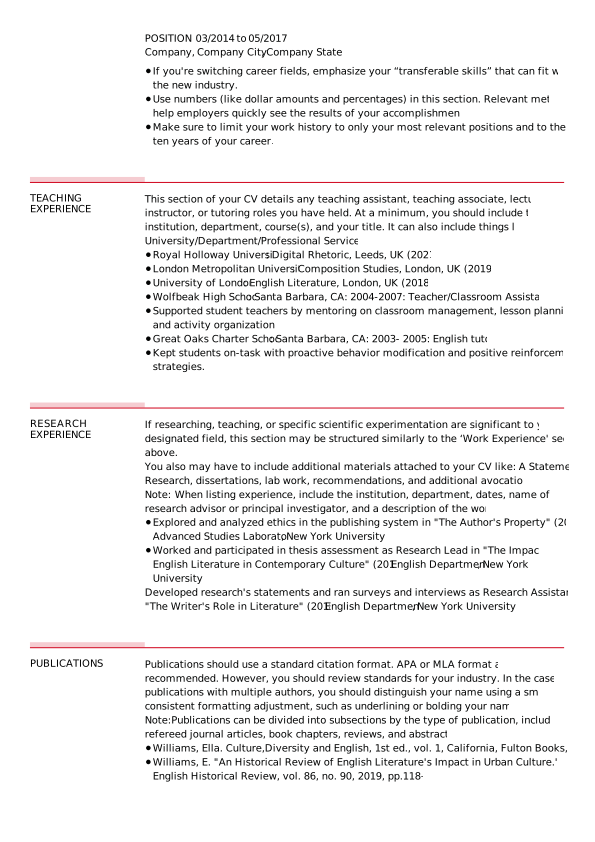
Structured Crimson
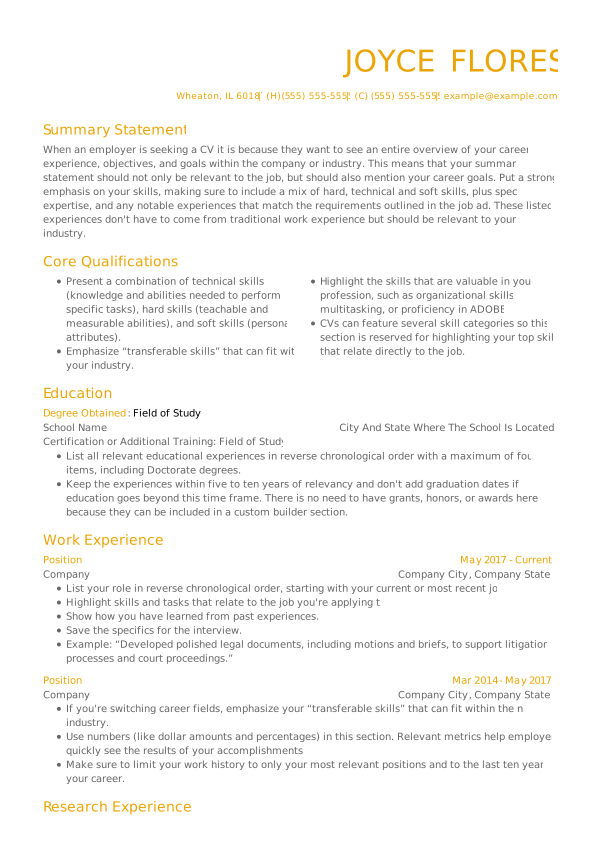

Contempo Mustard
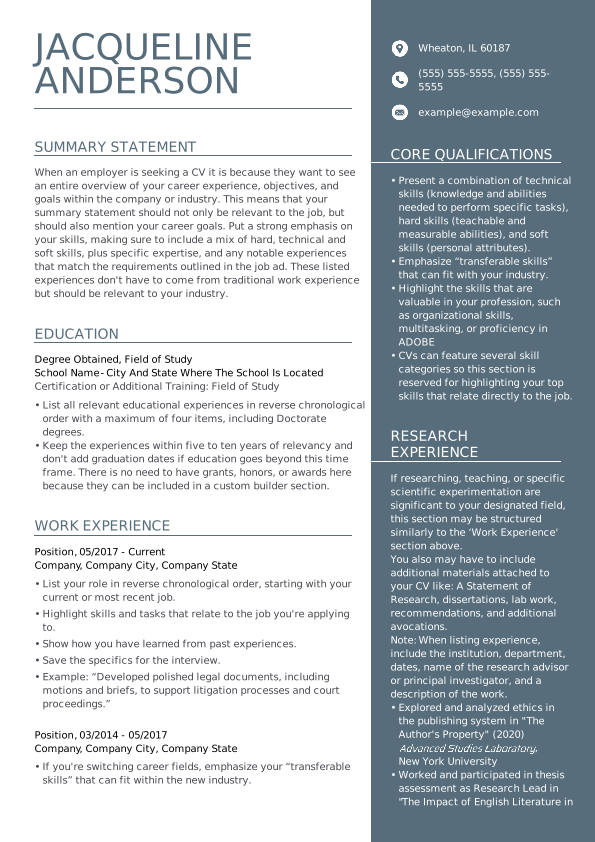

Impactful Steel
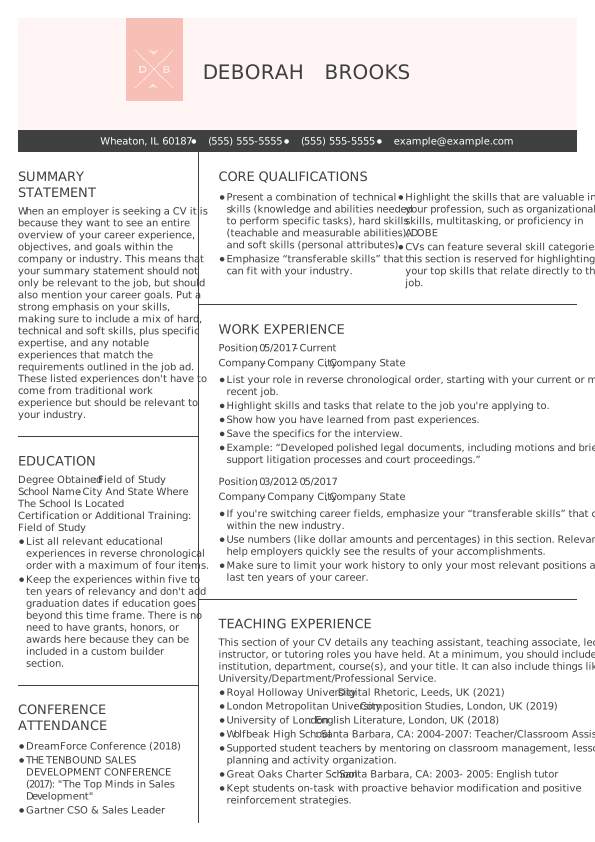

Polished Blush
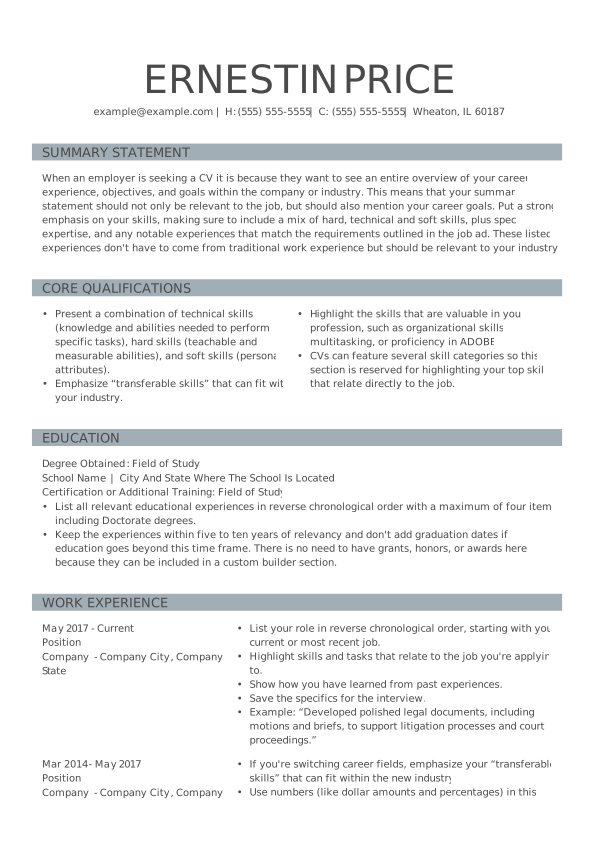

Knowledgeable Steel
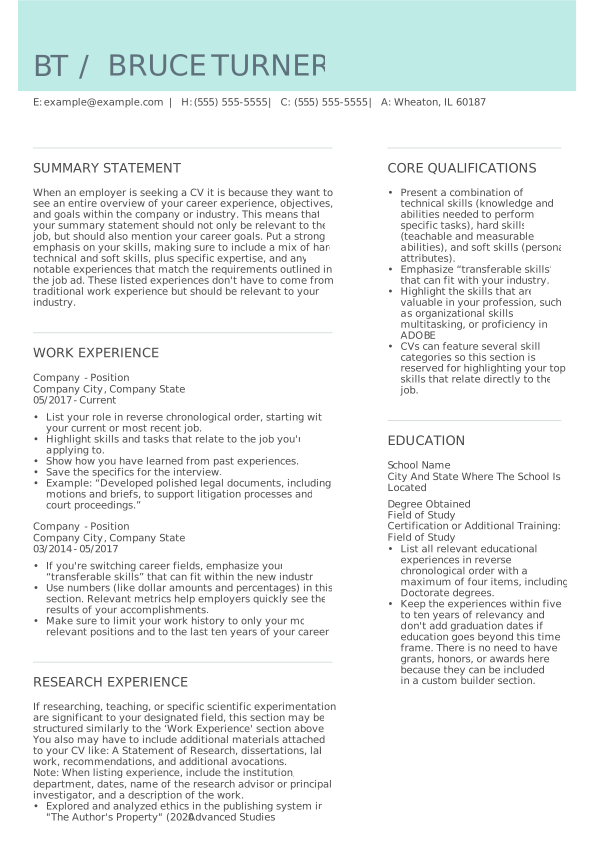

Accentuate Teal
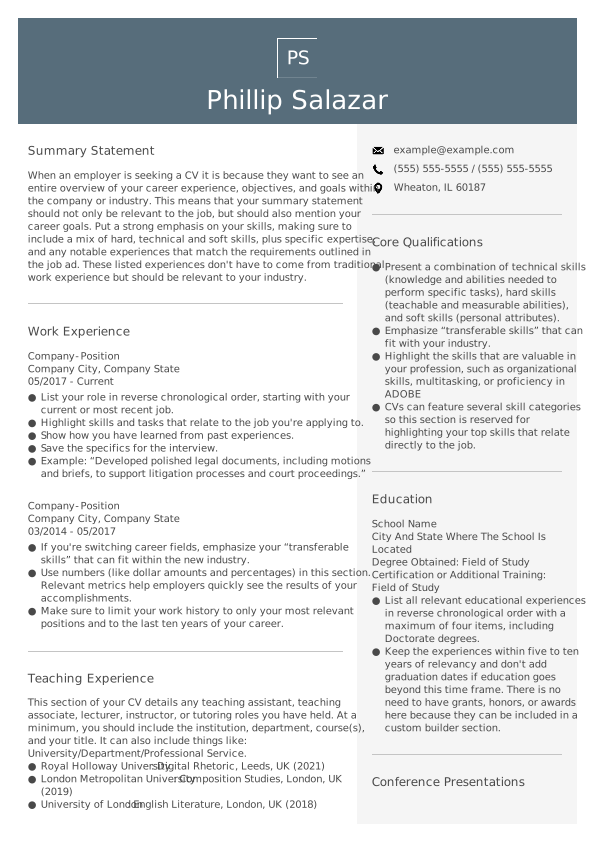

Managerial Steel
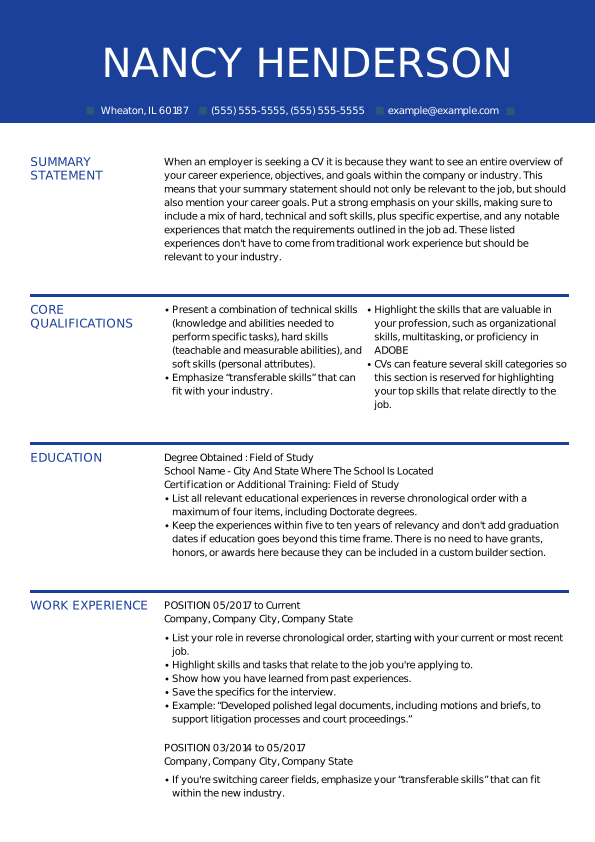

Fresh Cobalt
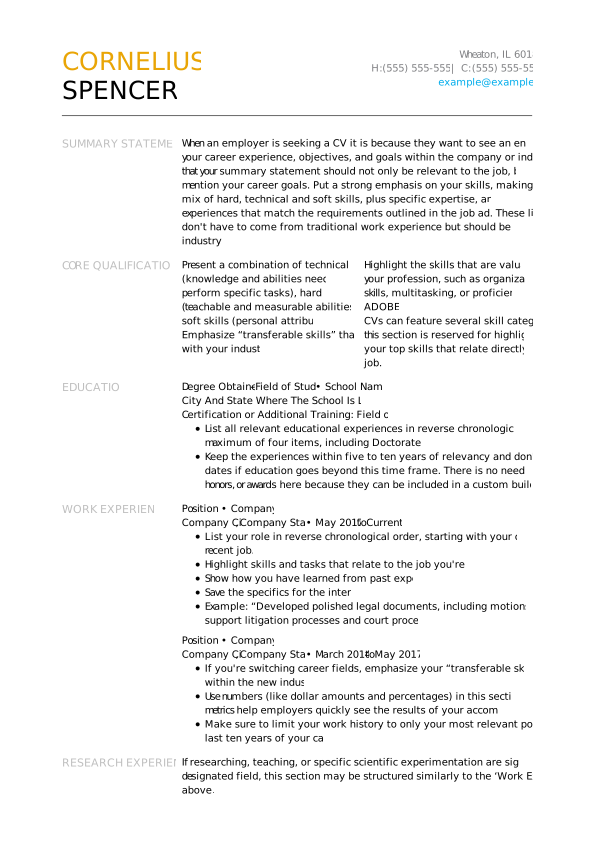

Bold Mustard
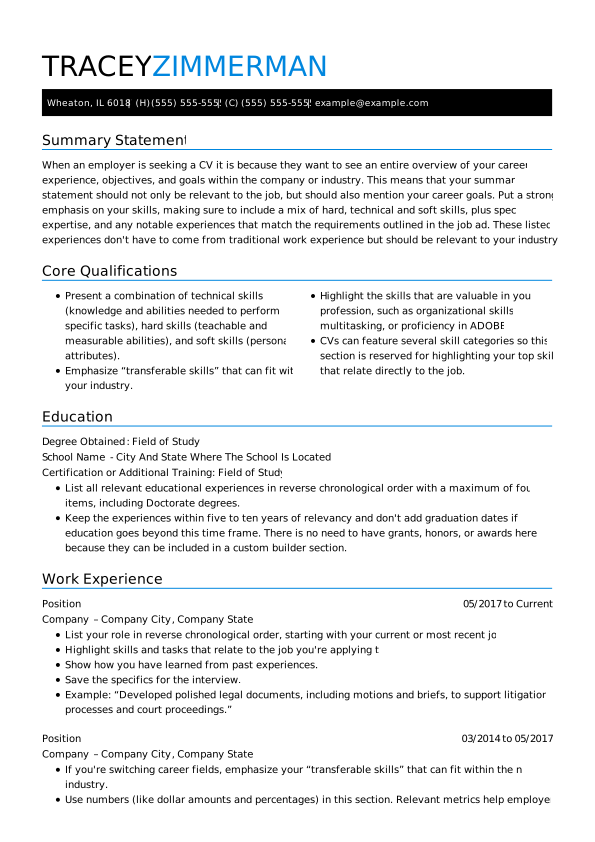

Charismatic Azure
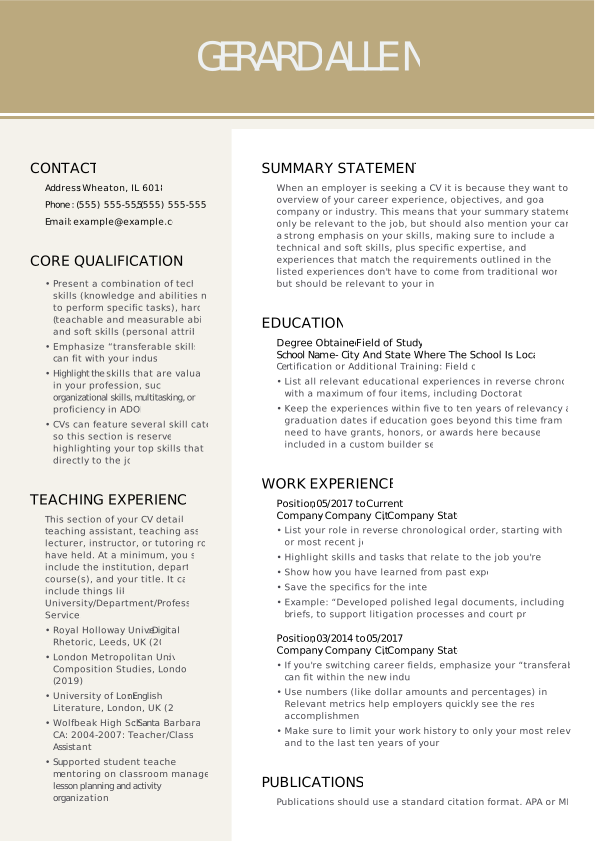

Cool Sand
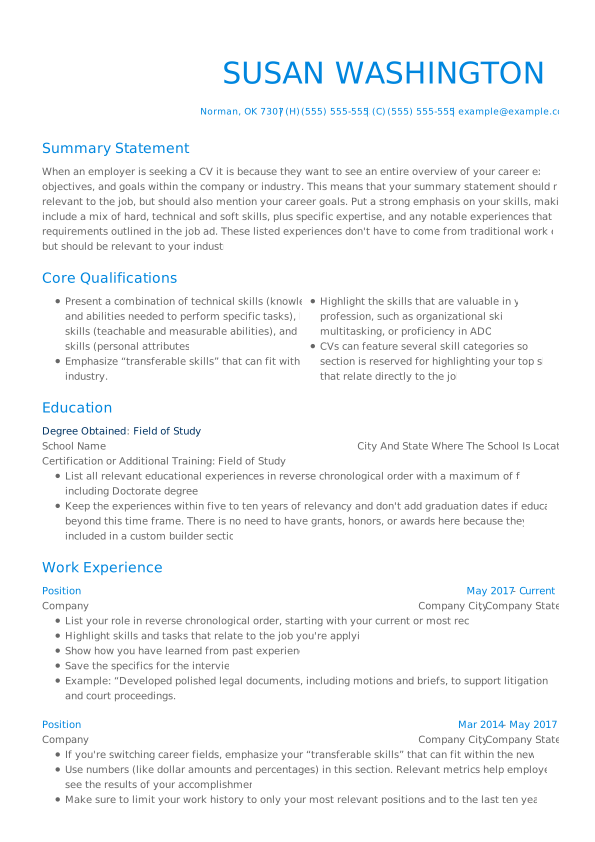

Modern Azure
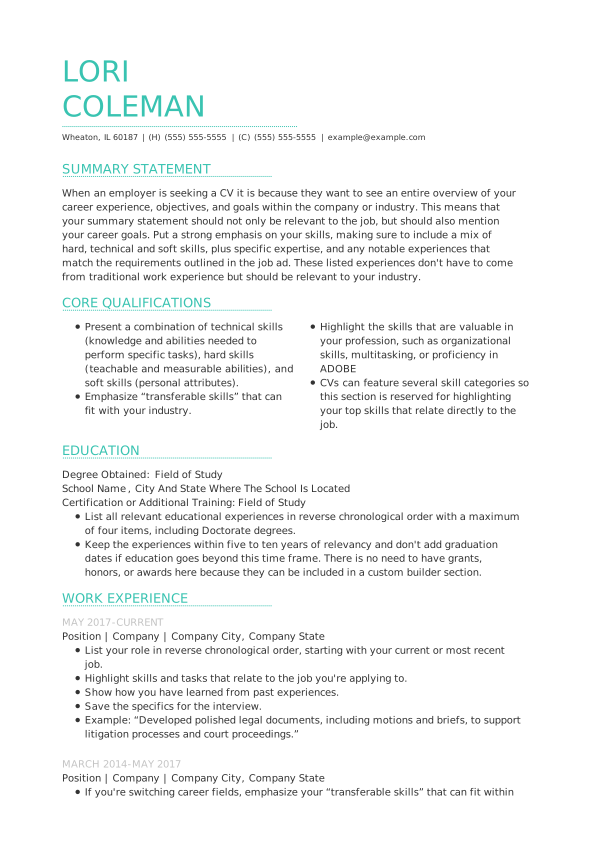

Blueprint Teal
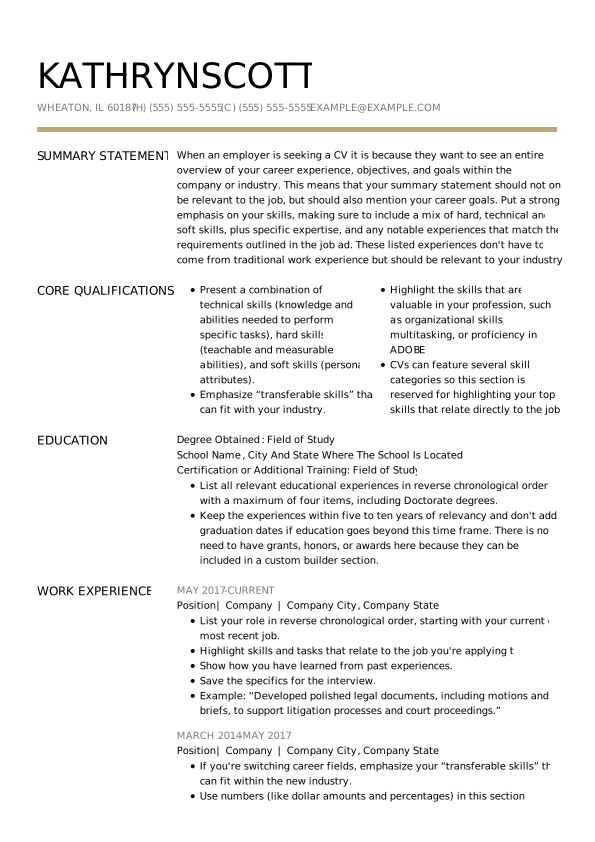

Insightful Sand
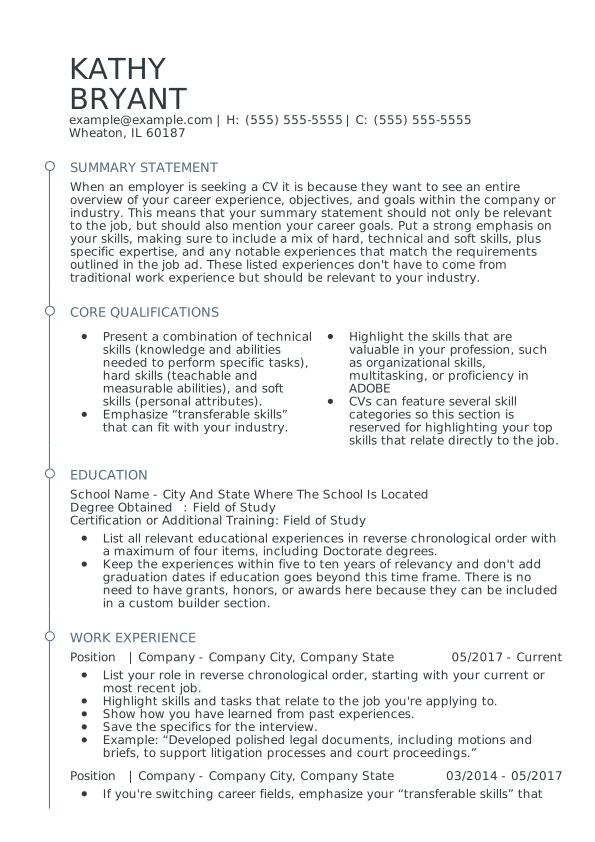

Esteemed Steel
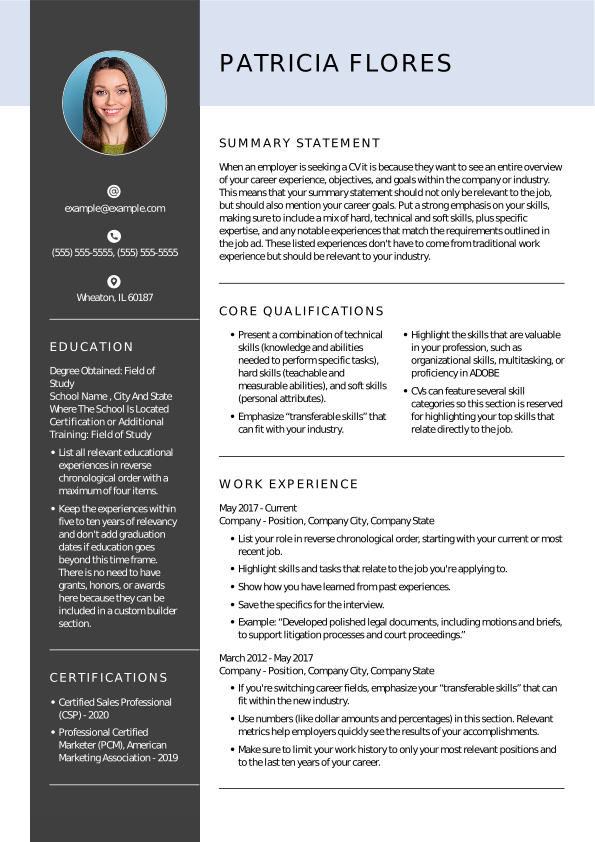

Notable Light Blue
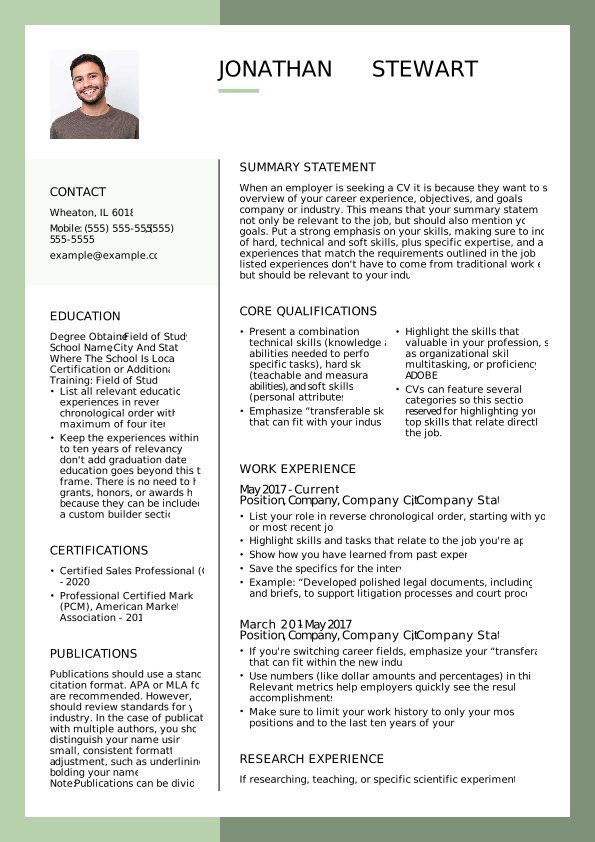
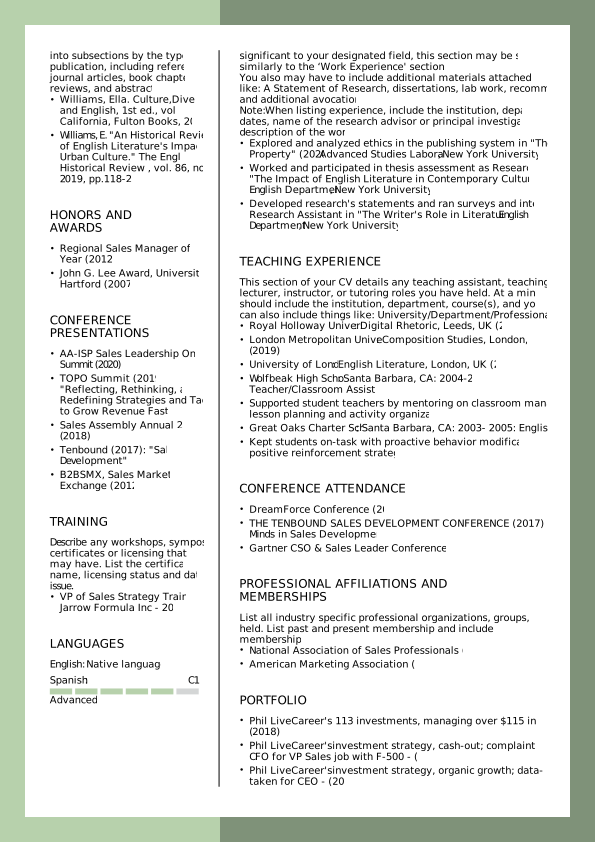
Trendy Sage
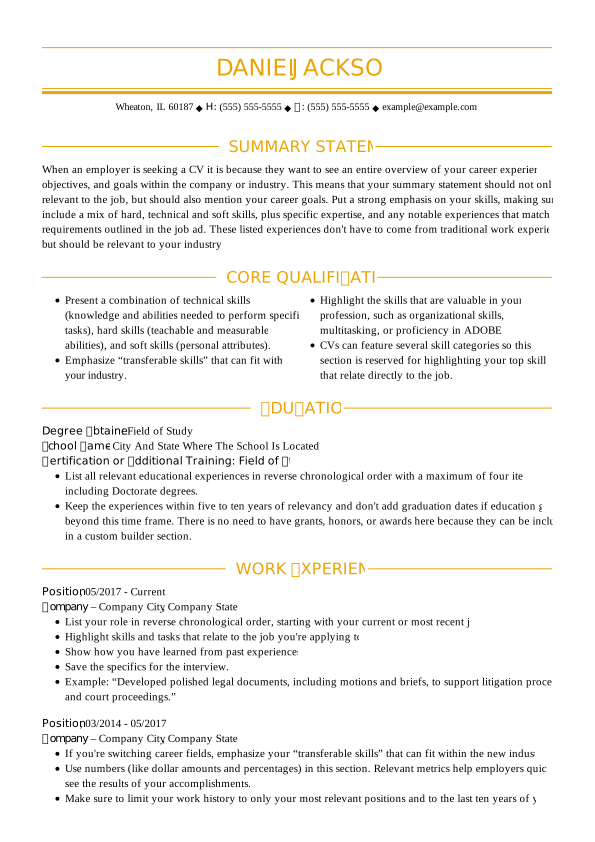

Refined Mustard
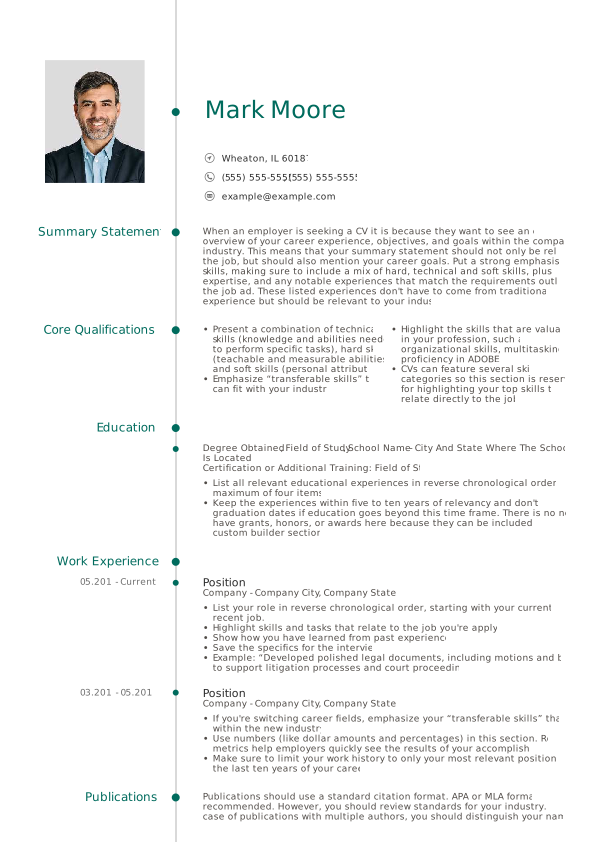

Smart Forest
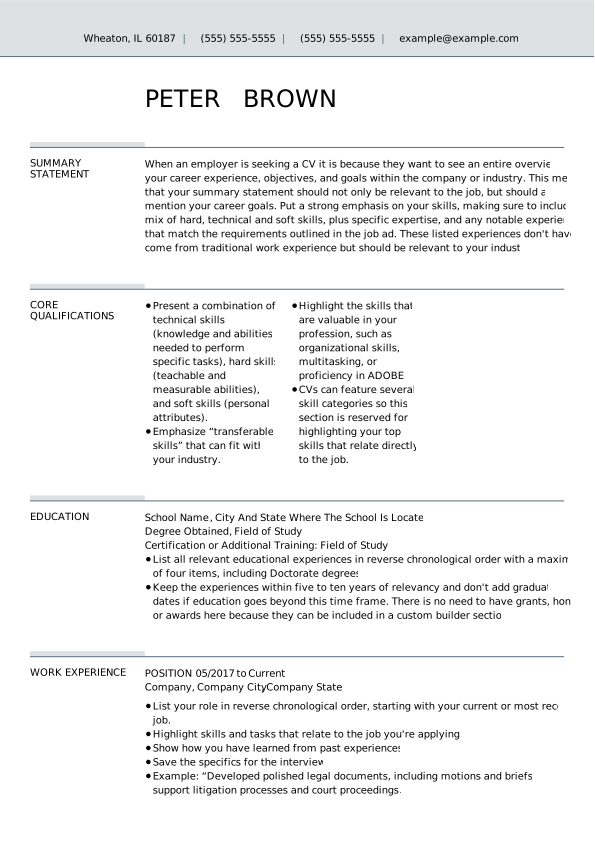

Structured Steel
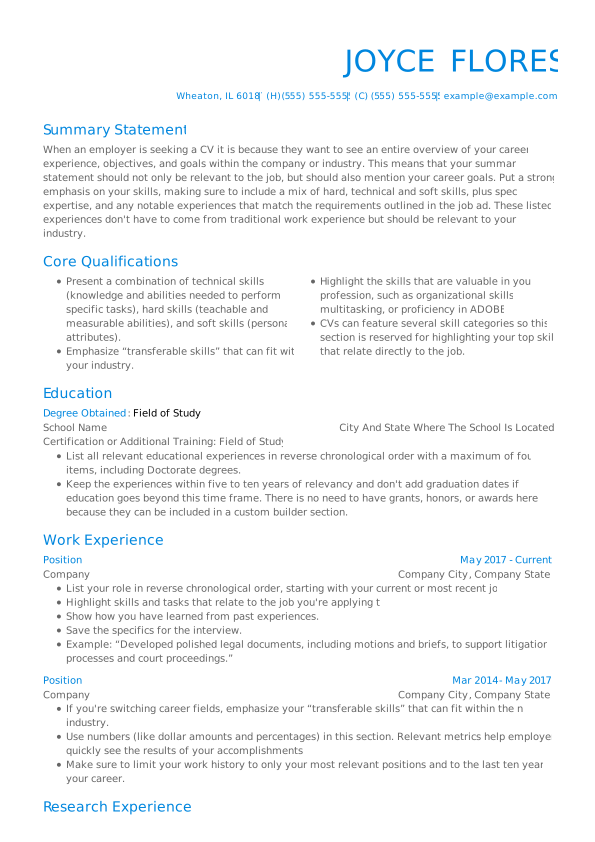

Contempo Azure
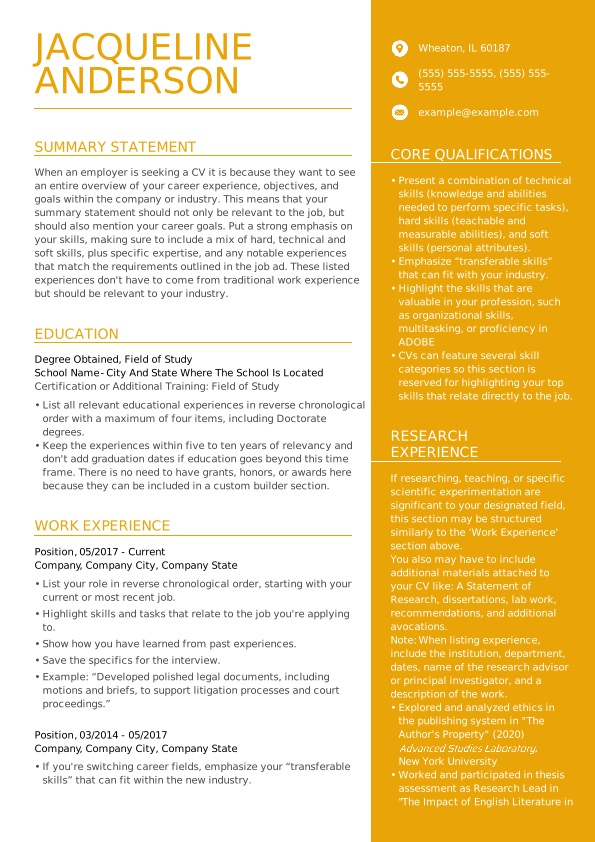

Impactful Mustard
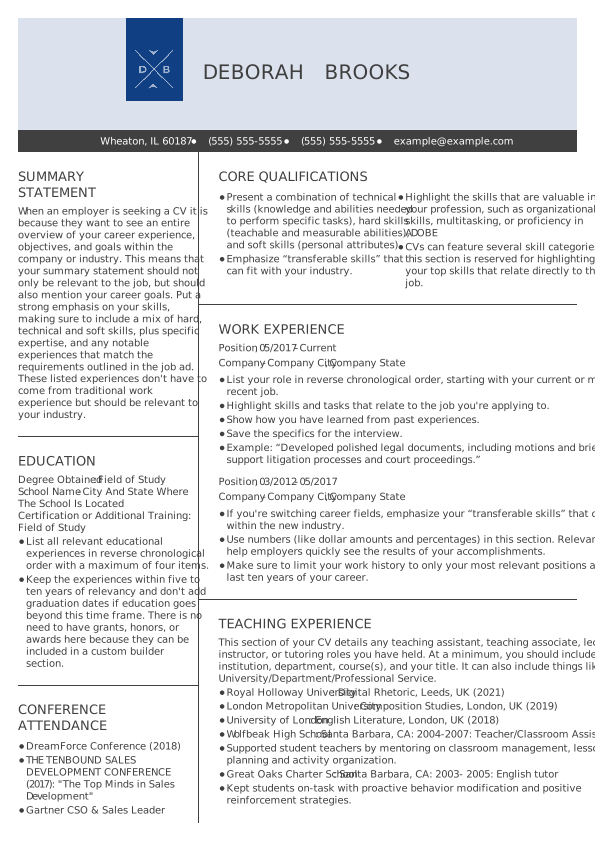

Polished Navy
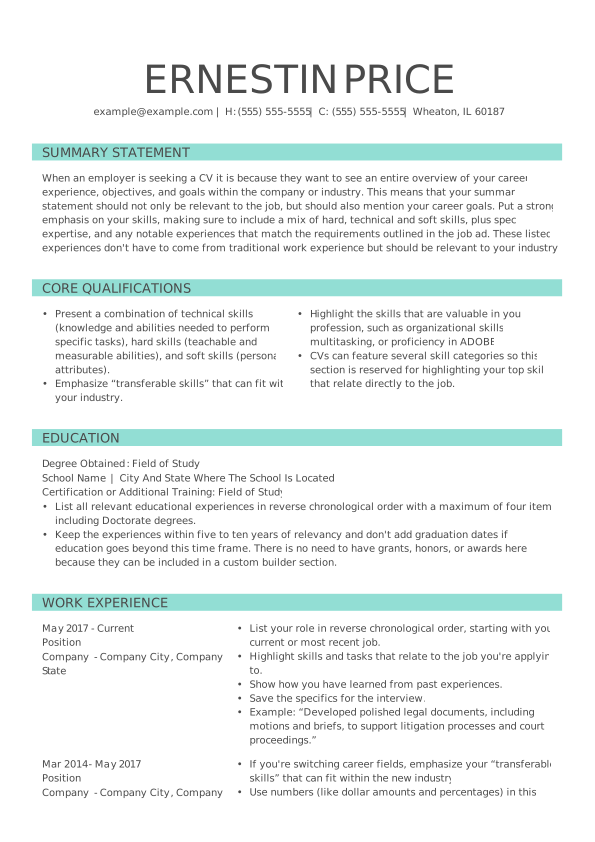
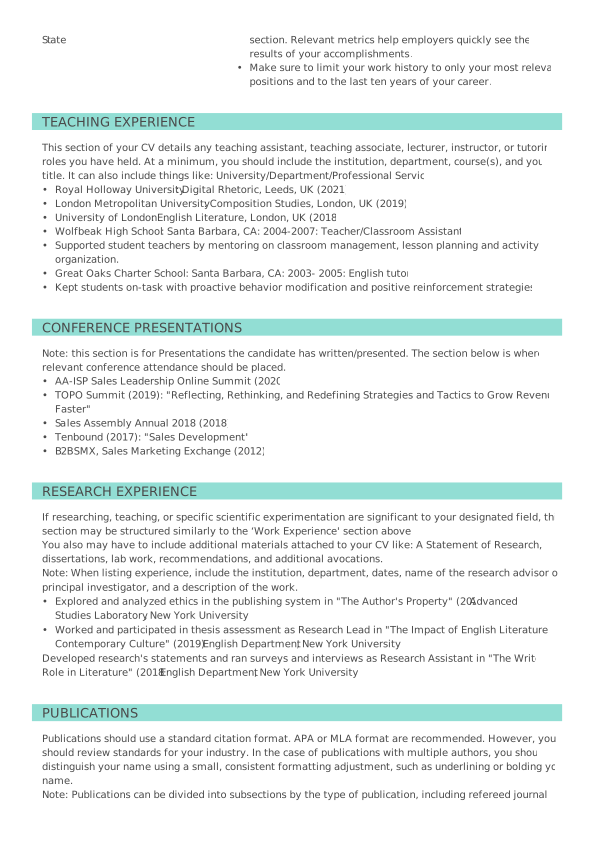
Knowledgeable Teal
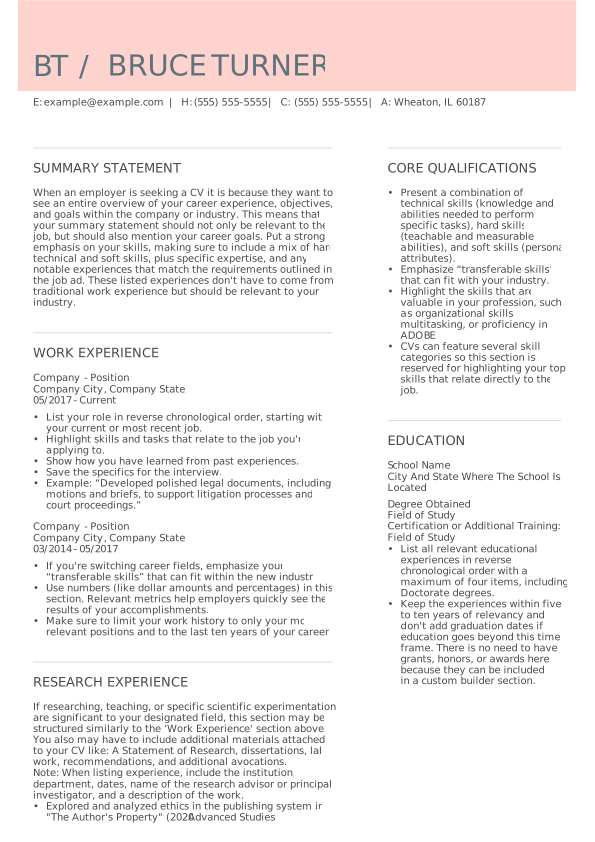

Accentuate Coral
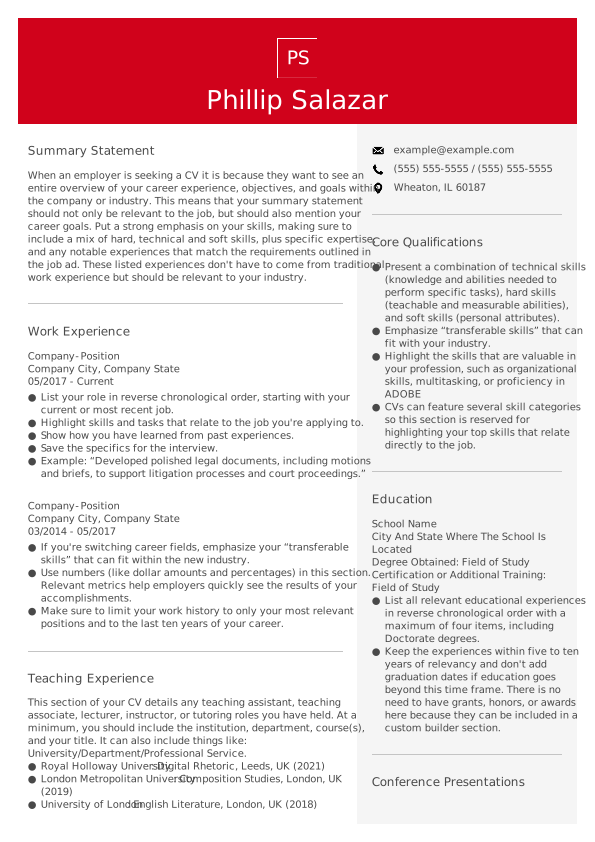

Managerial Crimson
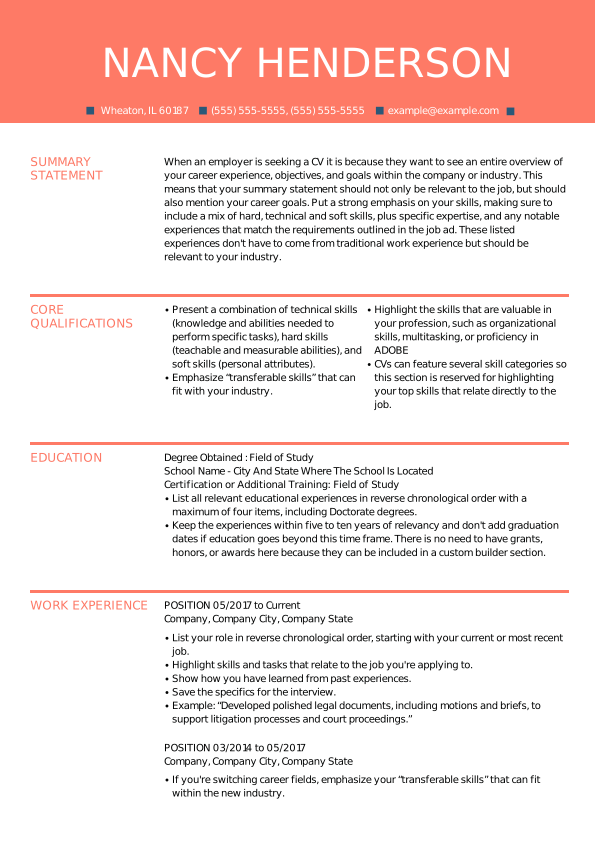

Fresh Coral
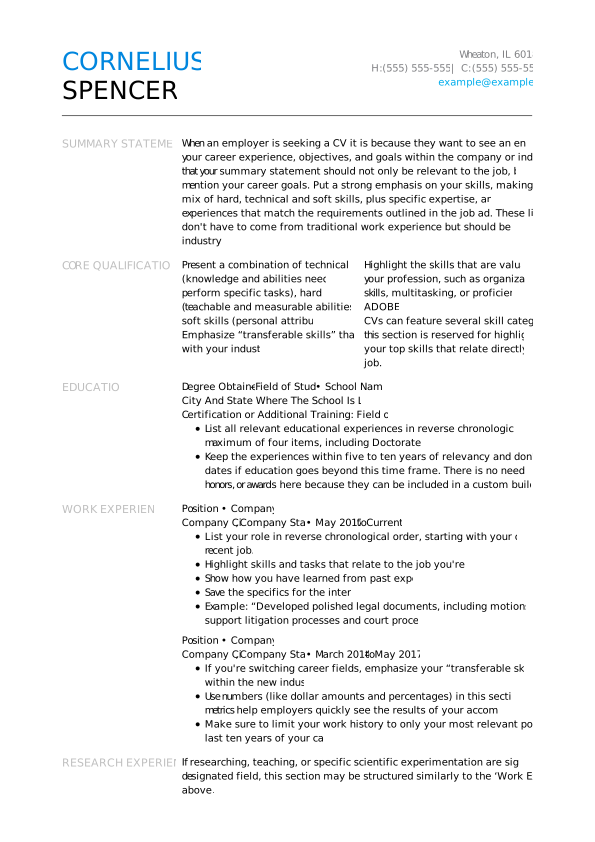

Bold Azure
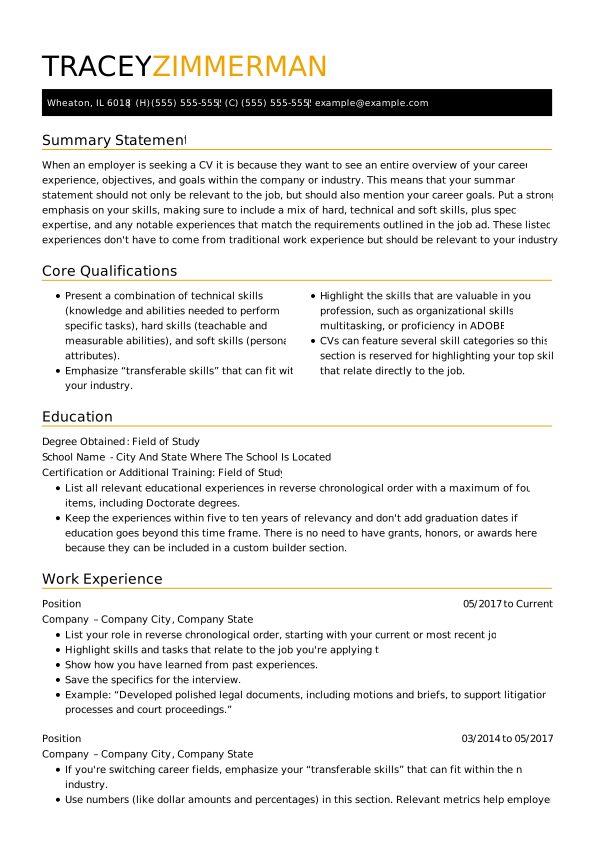

Charismatic Mustard
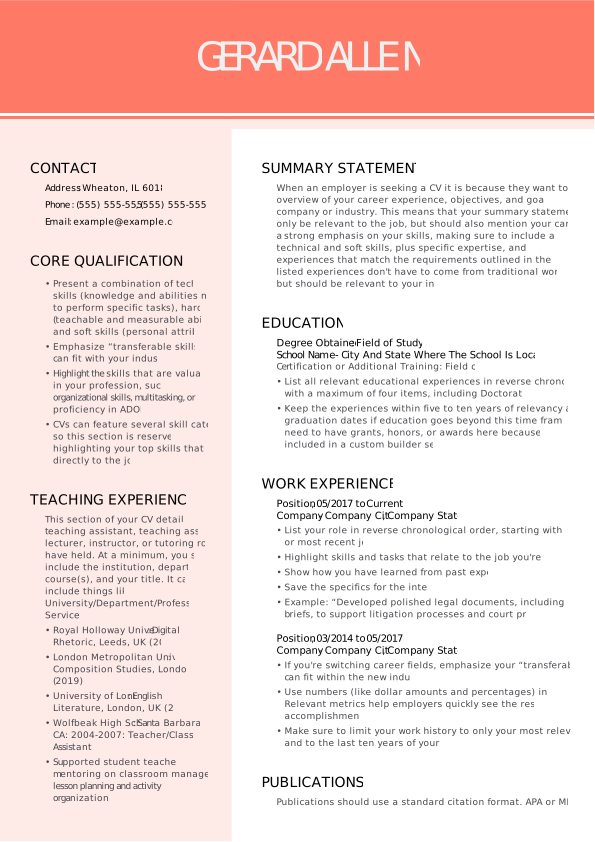

Cool Coral
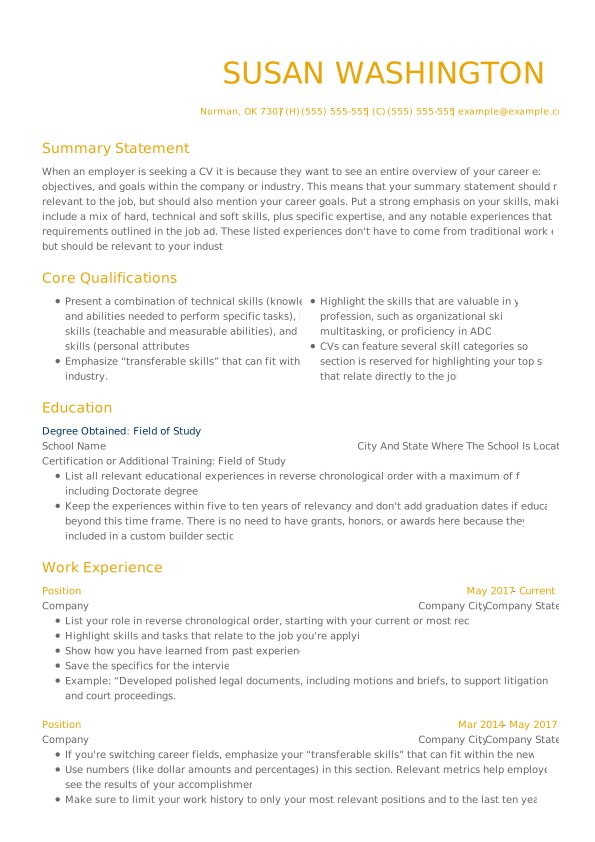

Modern Mustard
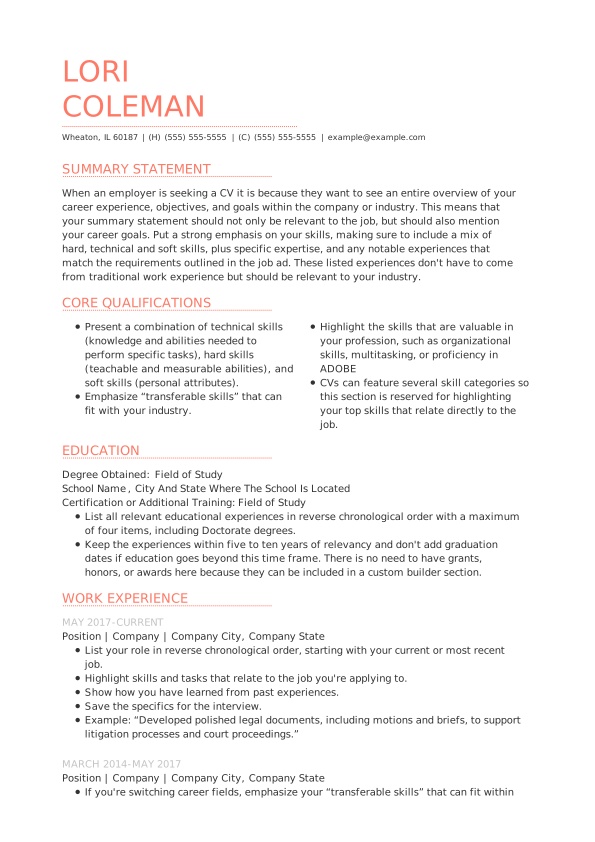

Blueprint Coral
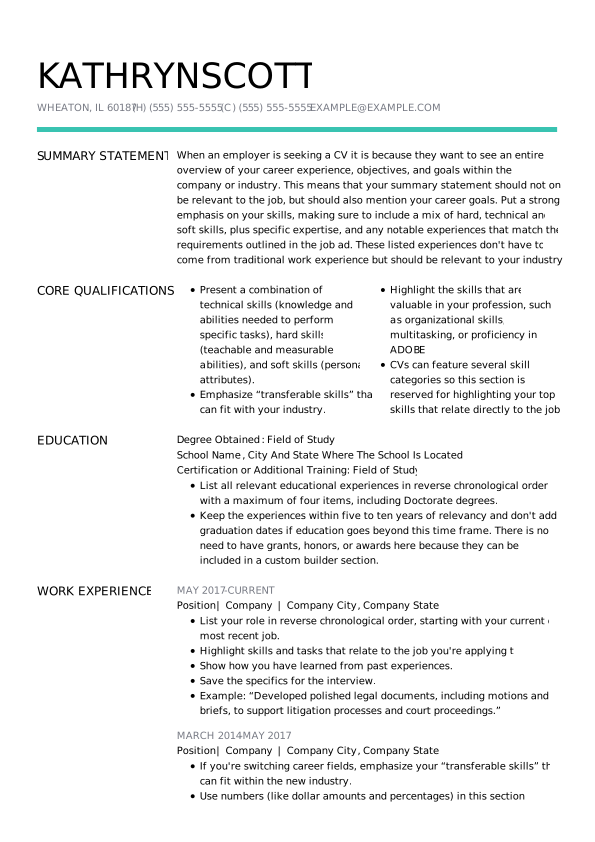

Insightful Mint
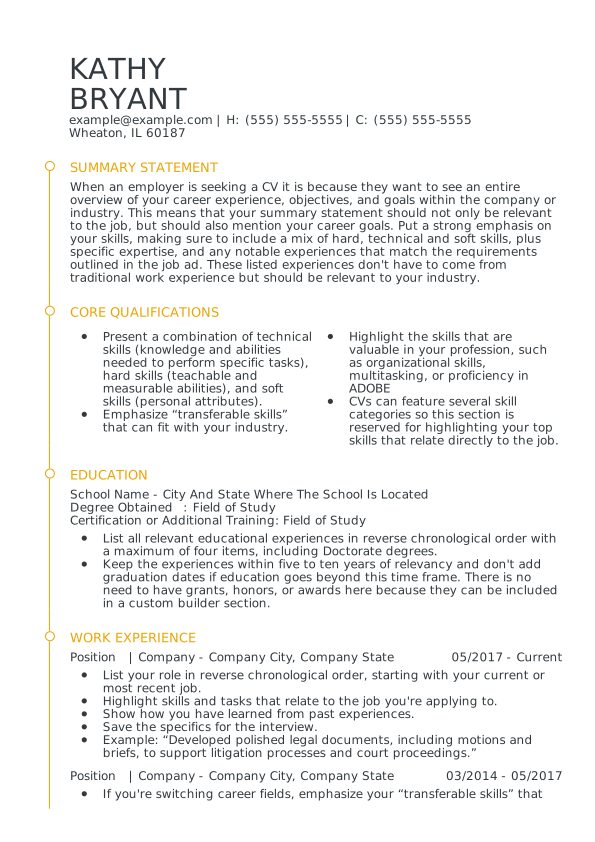

Esteemed Mustard
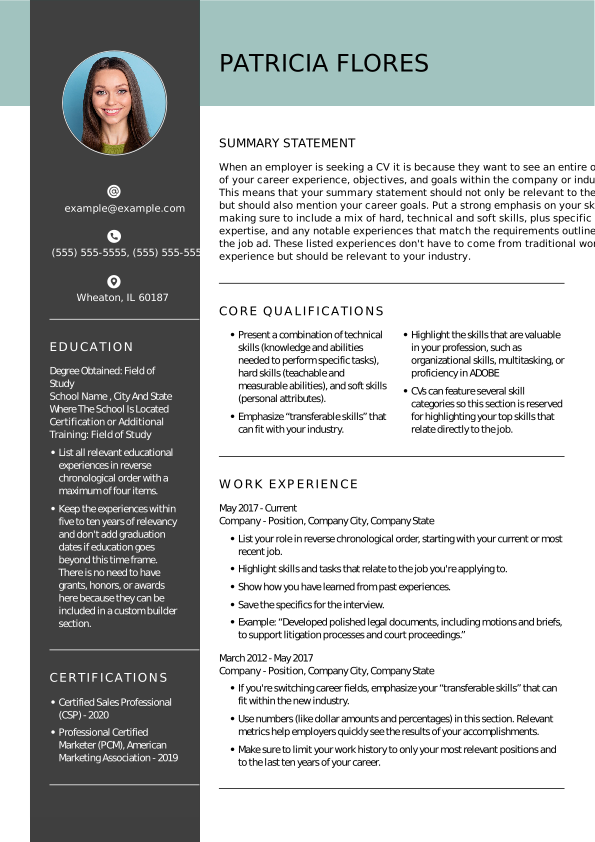

Notable Green
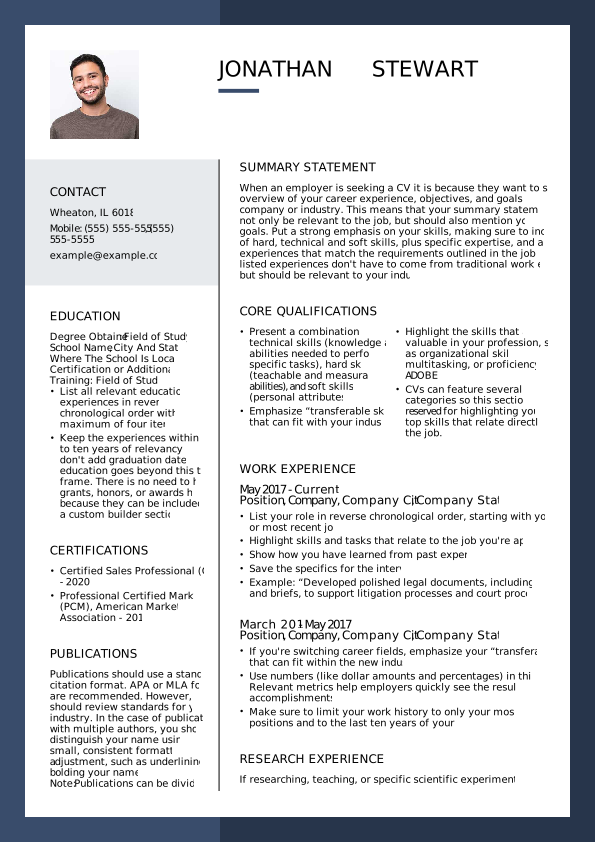

Trendy Navy
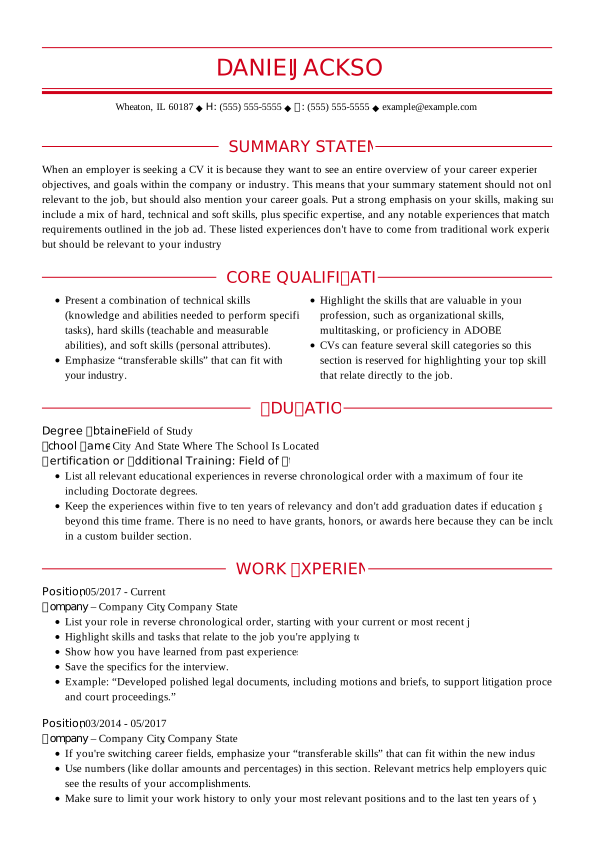

Refined Crimson
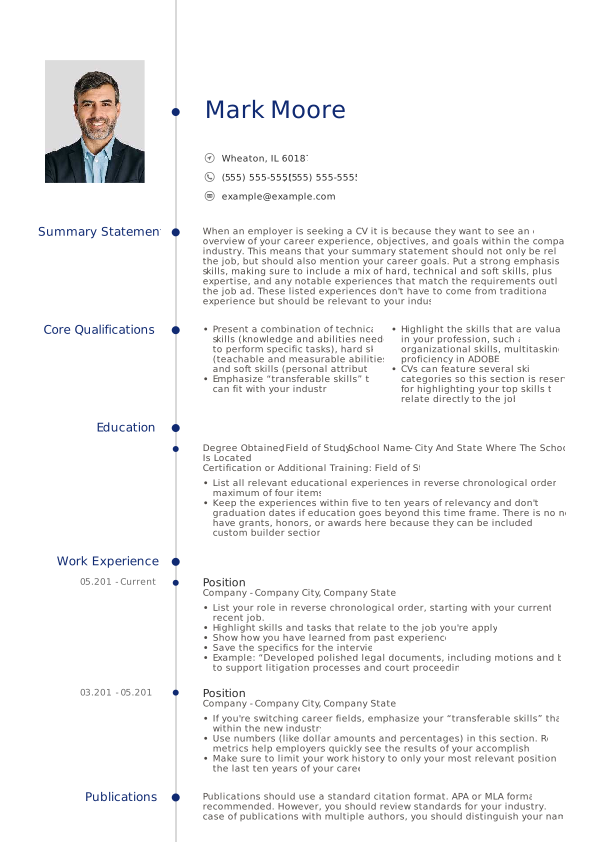
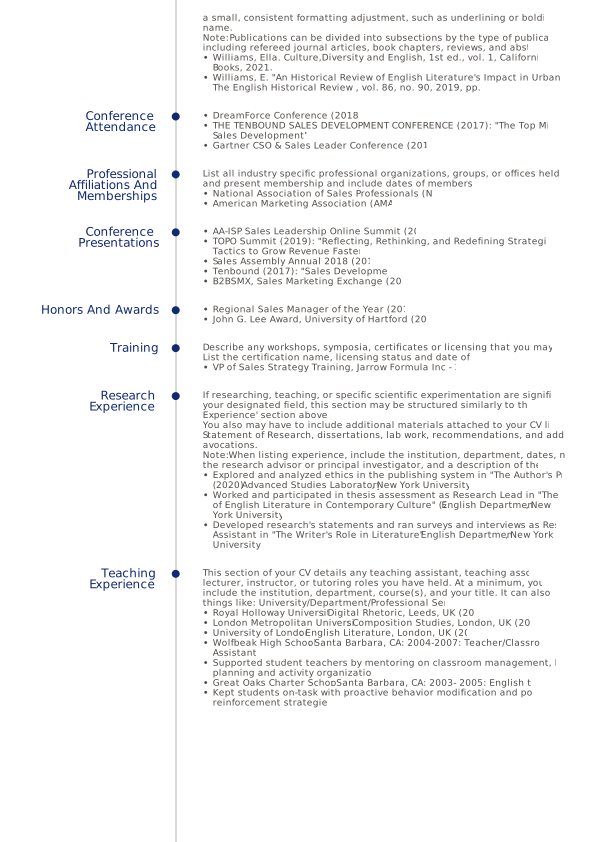
Smart Navy
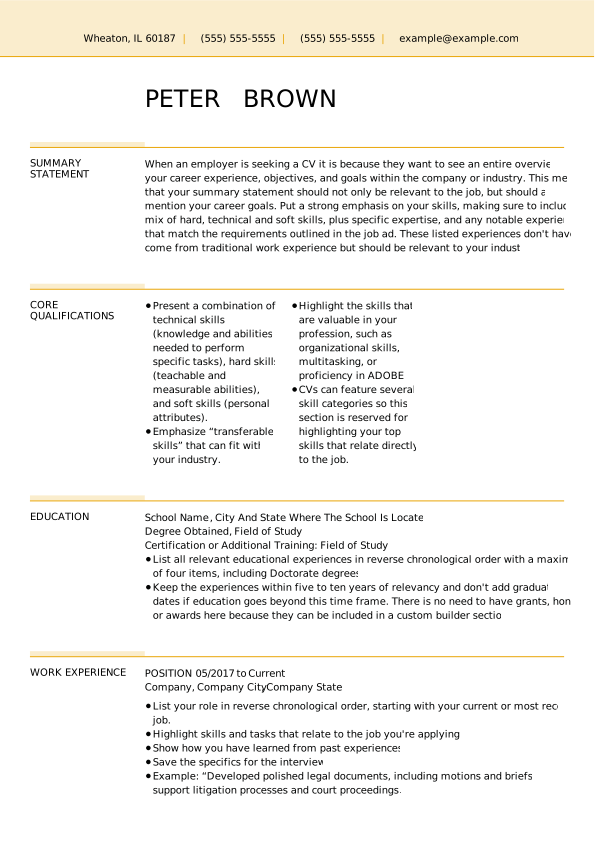

Structured Mustard
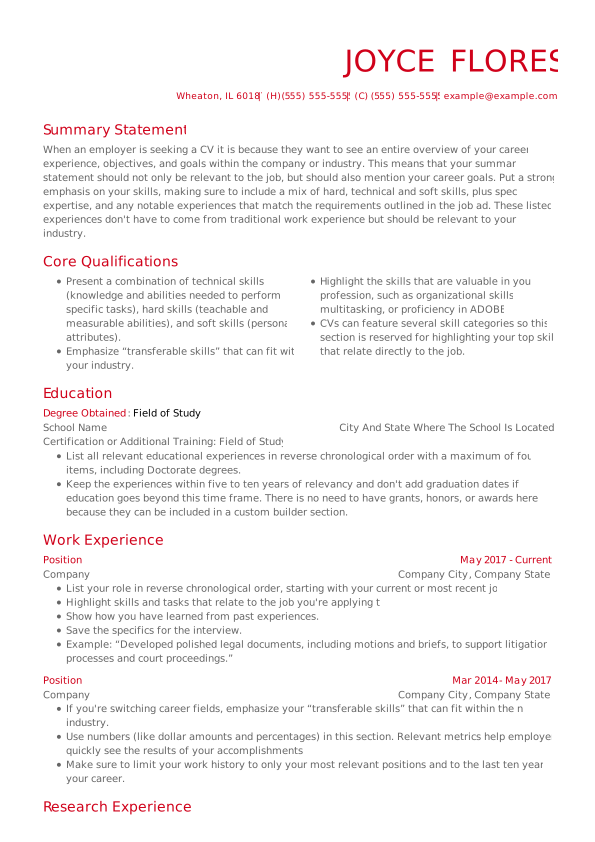

Contempo Crimson
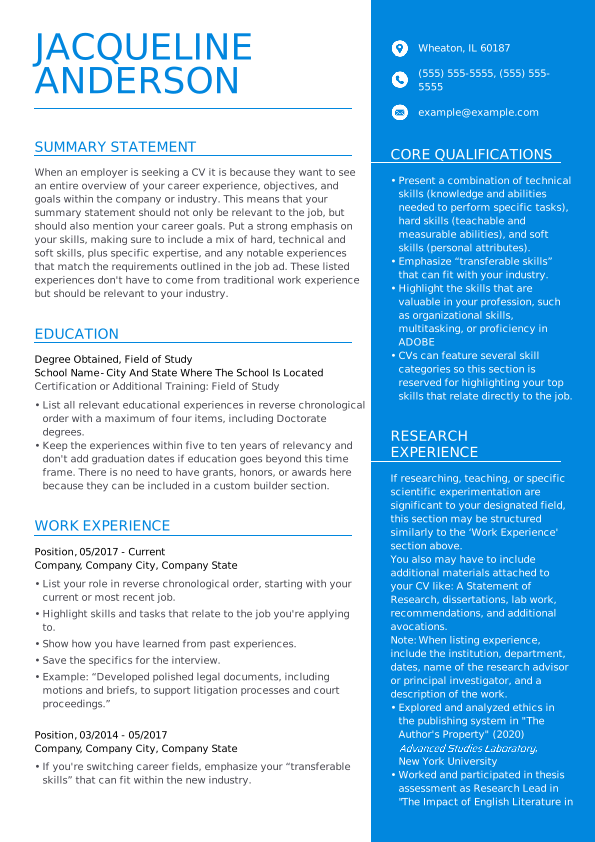

Impactful Azure
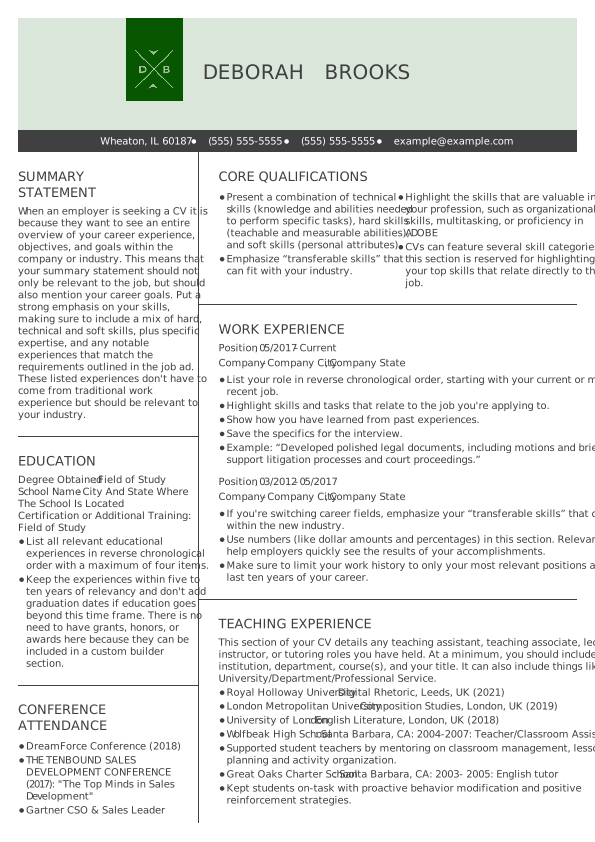
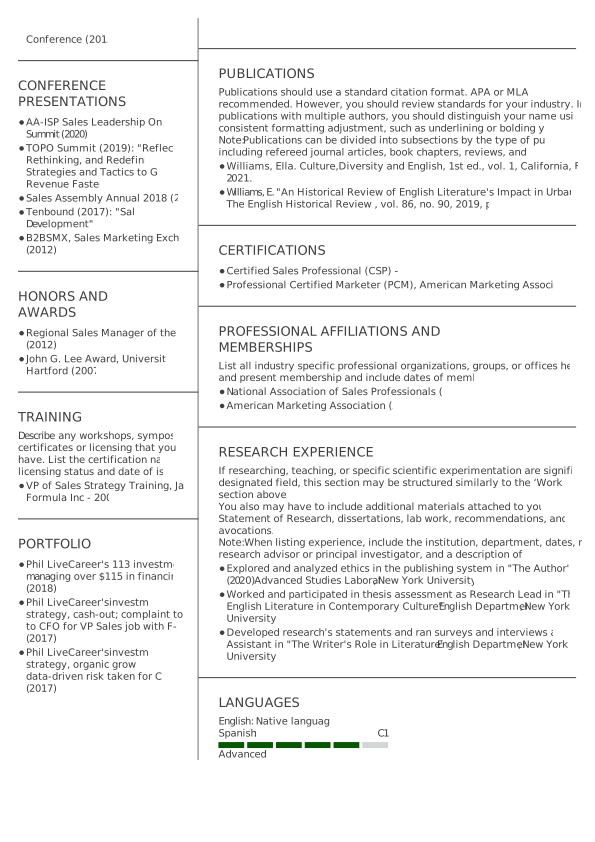
Polished Emerald
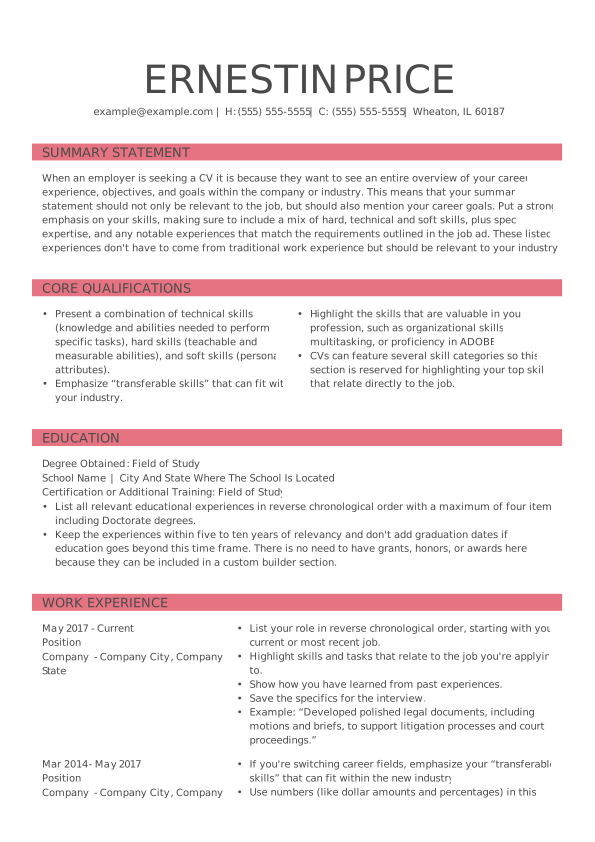

Knowledgeable Crimson
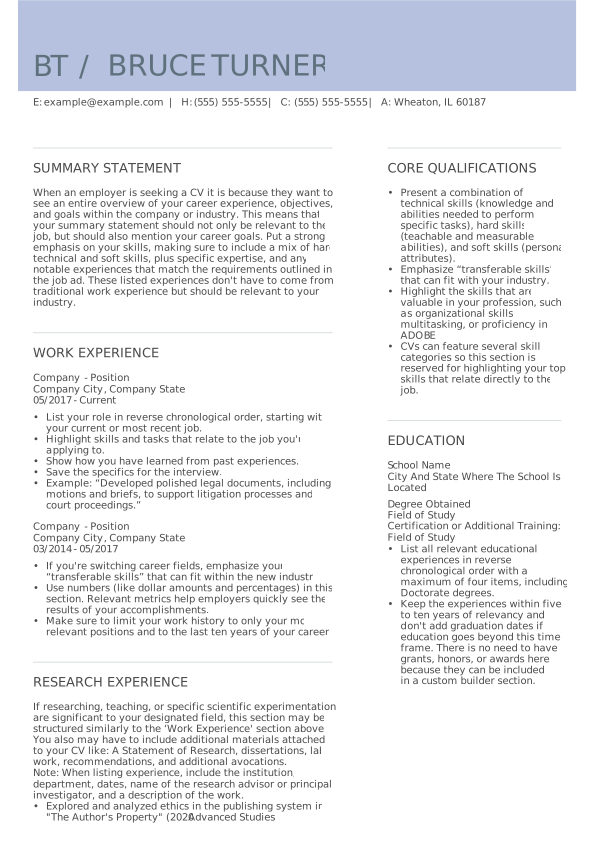

Accentuate Cobalt
Join 41 million users who trust us.
Create New ResumeSee What Job Seekers Say About Us
Pick the Perfect CV Template
The best CV template is one that highlights your strengths and fits your career goals. Learn how to choose the right one.
Expert Reviews



Frequently Asked Questions
Last updated on September 21, 2026
Where can I download free CV templates?
You can download free CV templates from this page by choosing a template that catches your eye, clicking “Use This Template,” editing it with our builder, then downloading it in TXT format. You can edit and download unlimited TXT-format CVs with our builder to create a customized document for every job you apply for.
What is the most popular CV template?
The most popular CV template is a clean, professional layout with clear section headings and minimal design elements. Recruiters and ATS prefer CV templates that are easy to read and logically organize your skills, experience, education, and qualifications. The best template for you ultimately depends on your industry, career level, and the role you're applying for.
Are Google Docs CV templates good?
Google Docs CV templates are good for creating a basic CV, but they offer fewer customization options than dedicated CV builders. If you want more professional designs, expert content suggestions, and ATS-friendly formatting, a CV builder provides greater flexibility and guidance.
How do I choose an ATS-friendly CV template?
To choose an ATS-friendly CV template, look for a simple layout, clear section headings, and easy-to-read fonts. Avoid templates with excessive graphics, tables, columns, or decorative elements that can make it harder for ATS to read your information. Tailoring your CV with relevant keywords from the job description can also improve ATS compatibility.
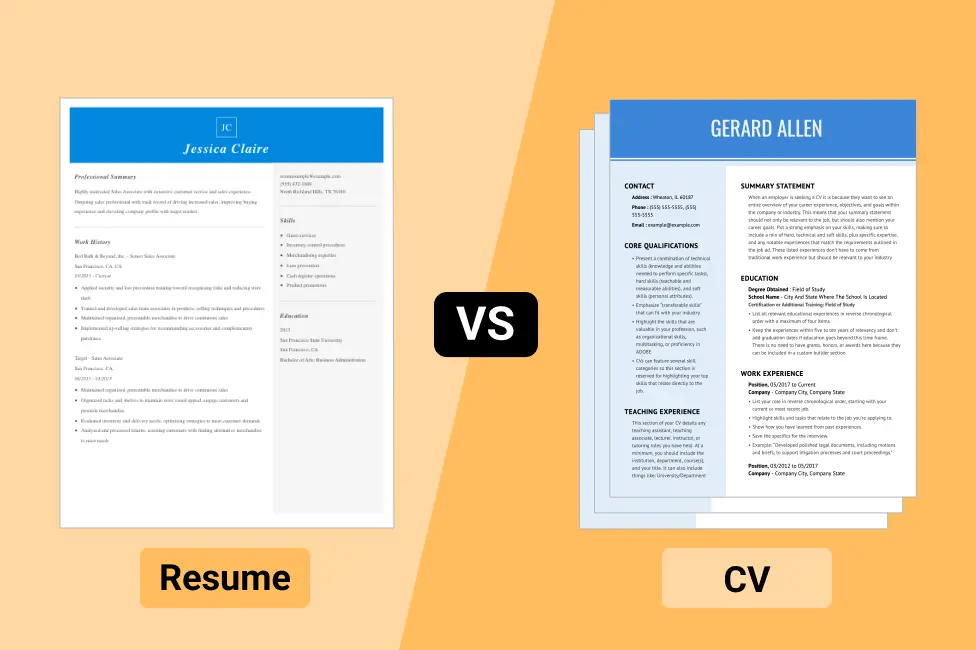
What is the difference between a resume and a CV?
A resume is a concise summary of your skills, work experience, and education, typically one to two pages long and tailored to a specific job. A CV (curriculum vitae) is a more comprehensive document that includes your full academic and professional history, such as publications, research, certifications, presentations, and awards. CVs are commonly used for academic, research, medical, and international roles.
How long should a CV typically be?
A CV should be as long as necessary to accurately present your qualifications, experience, and achievements. Unlike a resume, which is typically one to two pages, a CV often spans two or more pages, especially for academic, research, medical, or senior-level roles. Focus on including relevant information rather than limiting your CV to a specific length.
What are common CV mistakes to avoid?
Common CV mistakes include using an unprofessional or cluttered layout, submitting generic content instead of tailoring your CV to the job, including spelling or grammar errors, and omitting relevant skills or achievements. You should also avoid outdated information, inaccurate details, and formatting that makes your CV difficult for recruiters or ATS to read.
Related Articles




Ready to Land the Job?
Join 28M+ others who’ve built a professional CV.

Get your free CV template
Fill in the below fields to download your template and start building your best CV.
Downloading...


Ready to try one of our premium CV template?
With our AI CV Builder, you can:
 Choose from dozens of eye-catching, ATS-friendly designs
- Add ready-made content suggestions, customizable for your target role
- Automatically check your CV for mistakes
- Get a final file in less than 15 minutes