
For a quantitative analyst, hard skills like statistical analysis, data modeling, and skill in programming languages such as Python or R are essential.
Quantitative Analyst Resume Examples & Templates
Looking to showcase your analytical expertise? Our quantitative analyst resume examples will help you emphasize your data analysis, statistical modeling, and problem-solving skills to catch the attention of employers.

by Gabriela Hernandez, Last Updated: January 18, 2026
Hired By:*

- Popular Quantitative Analyst Resume Examples
- Resume Template—Easy to Copy & Paste
- Build Your Resume in Minutes
- How to Write a Quantitative Analyst Resume Summary
- Showcasing Your Work Experience
- Top Skills to Include on Your Resume
- Resume Format Examples
- Related Statistics Resume Examples
- Frequently Asked Questions
- Should I include a cover letter with my quantitative analyst resume?
- Can I use a resume if I’m applying internationally, or do I need a CV?
- What soft skills are important for quantitative analysts?
- I’m transitioning from another field. How should I highlight my experience?
- Where can I find inspiration for writing my cover letter as a quantitative analyst?
- How do I add my resume to LinkedIn?
Popular Quantitative Analyst Resume Examples
Discover our top quantitative analyst resume examples that emphasize key skills like data analysis, statistical modeling, and financial forecasting. These examples will help you effectively showcase your qualifications to potential employers.
Looking to build your own impressive resume? Our Resume Builder offers user-friendly templates specifically designed for professionals in the finance and analytics sectors.
Recommended
 Customize This Resume
Entry-level quantitative analyst resume
What this resume does well:
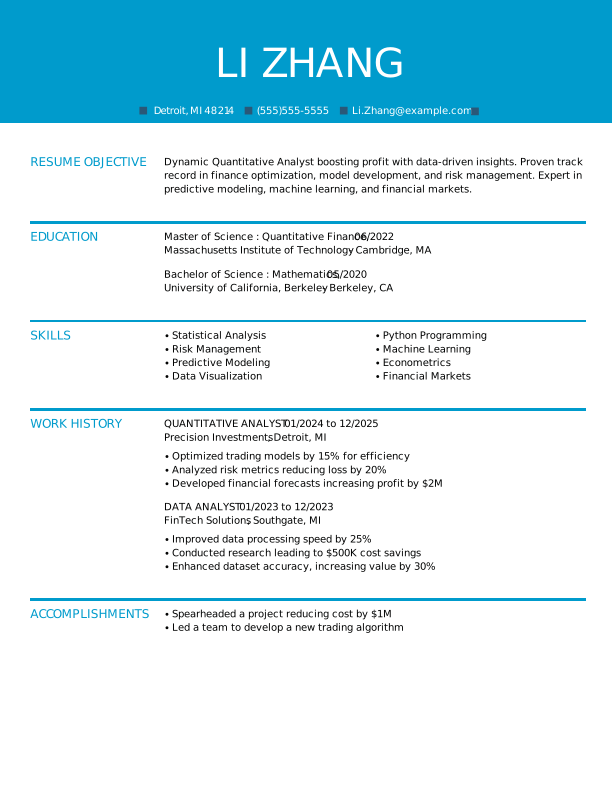
This entry-level resume highlights the job seeker's expertise in optimizing trading models and their significant achievements in risk management and financial forecasting.
New professionals should demonstrate strong analytical skills, skill in relevant technologies, and the ability to drive data-driven insights despite limited industry experience.
Mid-career quantitative analyst resume
What this resume does well:
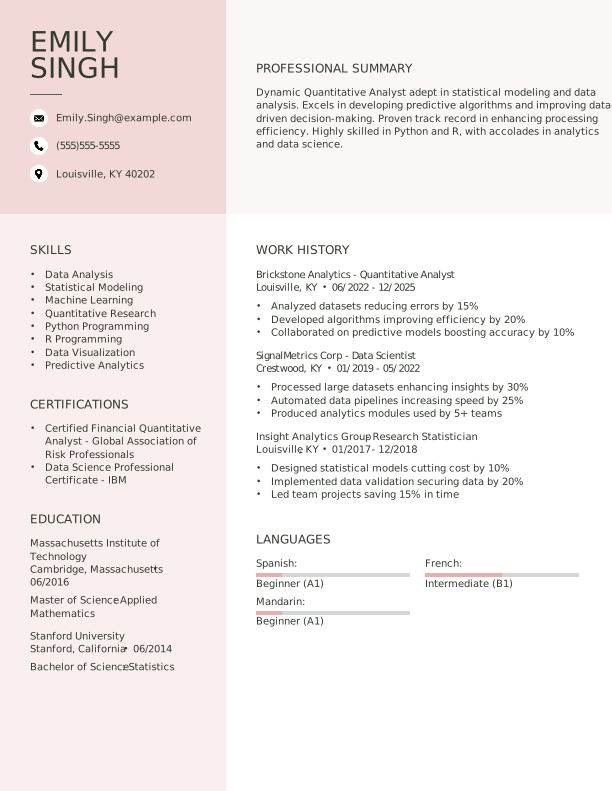
This resume adeptly showcases the applicant's qualifications, emphasizing achievements in financial modeling and risk analysis. The strategic layout reflects a strong career trajectory, positioning them as a capable quantitative analyst ready for more complex challenges and leadership roles.
Experienced quantitative analyst resume
What this resume does well:
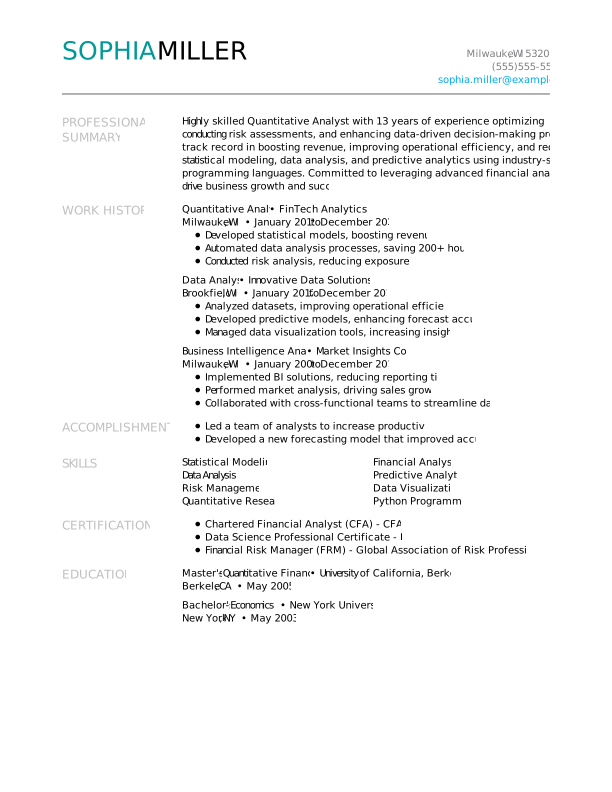
This resume demonstrates the applicant's expertise as a quantitative analyst, highlighting significant achievements like boosting revenue by 15% and saving over 200 hours annually through automation. The clear formatting improves readability, making it easy for employers to identify key accomplishments at a glance.
Resume Template—Easy to Copy & Paste
Example
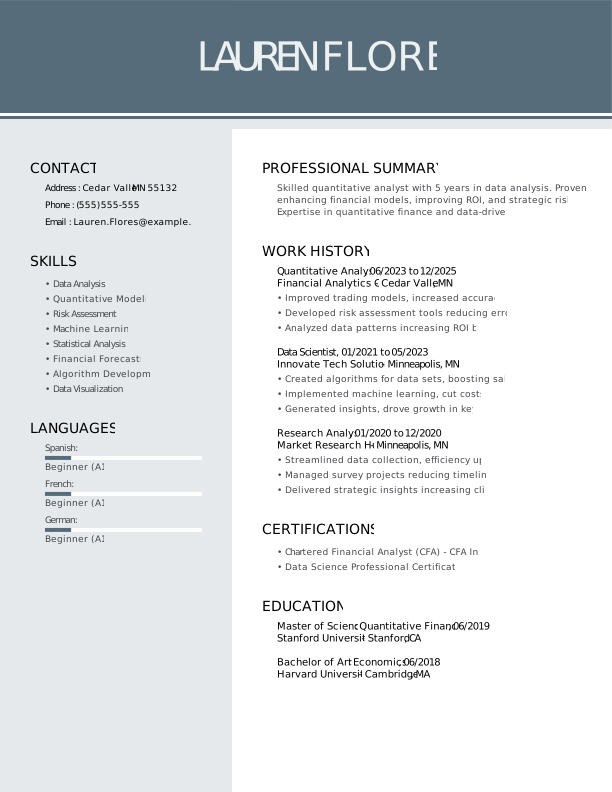
Lauren Flores
Cedar Valley, MN 55132
(555)555-5555
Lauren.Flores@example.com
Skills
- Data Analysis
- Quantitative Modeling
- Risk Assessment
- Machine Learning
- Statistical Analysis
- Financial Forecasting
- Algorithm Development
- Data Visualization
Languages
- Spanish - Beginner (A1)
- French - Beginner (A1)
- German - Beginner (A1)
Professional Summary
Skilled quantitative analyst with 5 years in data analysis. Proven track record in enhancing financial models, improving ROI, and strategic risk assessment. Expertise in quantitative finance and data-driven insights.
Work History
Quantitative Analyst
Financial Analytics Co. - Cedar Valley, MN
June 2023 - December 2025
- Improved trading models, increased accuracy by 20%
- Developed risk assessment tools reducing errors by 15%
- Analyzed data patterns increasing ROI by 200K
Data Scientist
Innovate Tech Solutions - Minneapolis, MN
January 2021 - May 2023
- Created algorithms for data sets, boosting sales by 25%
- Implemented machine learning, cut costs by 30%
- Generated insights, drove growth in key sectors
Research Analyst
Market Research Hub - Minneapolis, MN
January 2020 - December 2020
- Streamlined data collection, efficiency up by 40%
- Managed survey projects reducing timeline by 20%
- Delivered strategic insights increasing client value
Certifications
- Chartered Financial Analyst (CFA) - CFA Institute
- Data Science Professional Certificate - IBM
Education
Master of Science Quantitative Finance
Stanford University Stanford, CA
June 2019
Bachelor of Arts Economics
Harvard University Cambridge, MA
June 2018
Build Your Resume in Minutes
Creating a custom resume is easier than ever with our Resume Builder!
How to Write a Quantitative Analyst Resume Summary
Your resume summary is the first thing employers will notice, making it important for creating a positive impression. As a quantitative analyst, you should showcase your analytical skills, skill in statistical tools, and experience with data modeling to stand out.
In this field, it's important to highlight your problem-solving abilities and experience working with large datasets. Your summary should reflect your technical expertise and how it can contribute to the company's success.
To help you craft an effective summary, consider the following examples that illustrate what works well and what pitfalls to avoid:
Weak Example
I am a quantitative analyst with extensive experience and strong analytical skills. I seek a position where I can use my knowledge to contribute to the company’s success while enjoying a good work-life balance. I believe I can be a valuable member of your team if given the chance.
Why this summary misses the mark:
- Lacks specific examples of skills or achievements relevant to quantitative analysis
- Focuses more on what the applicant desires from a job rather than showcasing their unique value to potential employers
- Uses generic phrases that do not differentiate the applicant from others in similar roles
Strong Example
Results-driven quantitative analyst with 6+ years of experience in financial modeling and risk assessment within investment banking. Improved portfolio performance by 20% through advanced algorithm development and data analysis, while improving reporting efficiency by 30% via automation tools. Proficient in statistical software such as R and Python, with a strong foundation in machine learning techniques to drive data-informed decision-making.
Why this summary works:
- Begins with clear experience level and area of expertise in finance
- Highlights quantifiable achievements that reflect significant contributions to the organization
- Mentions relevant technical skills that align with industry expectations for quantitative analysts

Pro Tip
If you’re new to the field of quantitative analysis, consider using a career objective instead of a resume summary. It can highlight your goals and skills effectively. Look for tailored resume objective examples to make your application stand out.
Showcasing Your Work Experience
The work experience section is important for your resume as a quantitative analyst, containing the bulk of your content. Good resume templates always emphasize this area to help you stand out.
This section should be organized in reverse-chronological order, detailing your previous roles and responsibilities. Use bullet points to highlight specific achievements and contributions that showcase your analytical skills and impact.
Next, we’ll present a couple of examples that illustrate effective work history entries for quantitative analysts. These examples will clarify what makes an entry compelling and what pitfalls to avoid:
Weak Example
Quantitative Analyst
Data Solutions Inc. – New York, NY
- Analyzed data sets.
- Worked with team members on projects.
- Created reports and presentations.
- Assisted in decision-making processes.
Why this work experience section misses the mark:
- Lacks specific information about the job seeker's contributions or impact
- Bullet points are overly general and do not highlight unique skills or achievements
- Does not include any measurable outcomes or results from the analyses performed
Strong Example
Quantitative Analyst
Data Insights Inc. – New York, NY
March 2020 - Present
- Develop predictive models that increased forecasting accuracy by 30%, improving decision-making processes within the finance team.
- Conduct in-depth data analysis leading to a 15% reduction in operational costs through optimized resource allocation.
- Collaborate with cross-functional teams to implement data-driven strategies that boosted revenue by $2 million over one fiscal year.
Why this work experience section works:
- Each bullet starts with an action verb, clearly outlining the applicant’s achievements and contributions
- Specific metrics highlight the impact of the applicant’s work, making it quantifiable and compelling
- Demonstrates relevant skills such as data analysis and collaboration essential for a quantitative analyst
While your resume summary and work experience are important components, don’t overlook the significance of other sections. Each part contributes to a comprehensive picture of your qualifications. For detailed guidance on crafting an effective resume, be sure to check out our how to write a resume guide.
Top Skills to Include on Your Resume
A skills section is important for a quantitative analyst's resume, as it highlights your competencies and aligns them with the job requirements. This targeted approach makes it easier for employers to see how you can add value to their team.
Every resume should have a mix of hard skills and soft skills. Including a diverse range of relevant skills will make your application much stronger.
Meanwhile, soft skills, including analytical thinking, problem-solving, and effective communication, play a key role in interpreting complex data and collaborating with team members to drive informed decision-making.
Selecting the right resume skills is important for aligning with what employers expect from applicants. Many organizations use automated systems to filter out applicants who lack essential skills for the position.
To improve your chances, carefully review job postings for specific requirements and desired qualifications. This strategy will help you prioritize the most relevant skills that capture both recruiters' attention and the attention of any ATS technology used in the hiring process.
Pro Tip
Optimize your resume for success by using our ATS Resume Checker. It highlights over 30 common errors, giving you the edge to navigate applicant tracking software with confidence.
10 skills that appear on successful quantitative analyst resumes
Make your resume stand out to recruiters by highlighting the essential skills that quantitative analysts need. You'll see these skills illustrated in our resume examples, helping you apply with confidence and a professional edge.
Here are 10 skills you should consider including in your resume if they align with your experience and job requirements:
Statistical analysis
Data visualization
Financial modeling
Programming (Python, R)
Machine learning
Risk assessment
Critical thinking
Problem-solving
Attention to detail
Communication skills
Based on analysis of 5,000+ statistics professional resumes from 2023-2024
Resume Format Examples
Selecting the right resume format is important for effectively showcasing a quantitative analyst's analytical skills, experience, and career growth.
Entry-Level 0 - 2 years
Functional
Focuses on skills rather than previous jobs
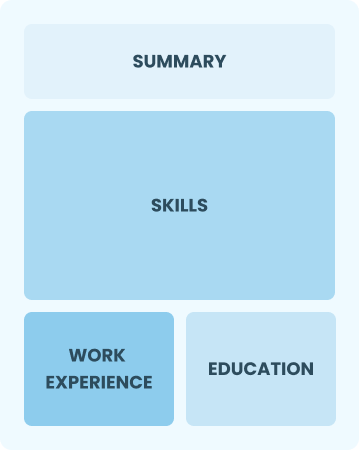
Best for:
Recent graduates and career changers with up to two years of experience
Mid-Career 3 - 7 years
Combination
Balances skills and work history equally
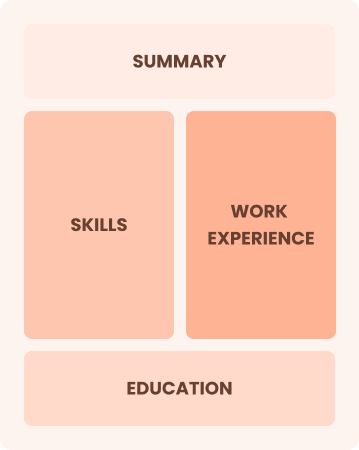
Best for:
Mid-career professionals focused on demonstrating their skills and potential
Experienced 8+ years
Chronological
Emphasizes work history in reverse order
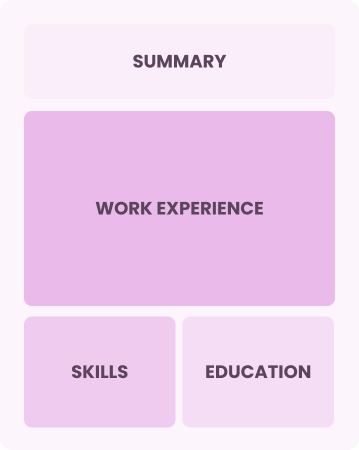
Best for:
Seasoned analysts leading data-driven strategies and complex financial modeling
Frequently Asked Questions
Should I include a cover letter with my quantitative analyst resume?
Absolutely. Including a cover letter can significantly improve your application by highlighting your unique qualifications and demonstrating your enthusiasm for the position. It creates an opportunity to elaborate on your resume and connect with the employer personally.
For assistance, explore our comprehensive guide on how to write a cover letter or use our Cover Letter Generator for a quick start.
Can I use a resume if I’m applying internationally, or do I need a CV?
Use a CV for international roles, especially in Europe or Asia. Our guides can help you craft a CV that meets global expectations and showcases your skills effectively. For inspiration, explore various CV examples. Additionally, learn how to write a CV to ensure it aligns with international standards.
What soft skills are important for quantitative analysts?
Soft skills like interpersonal skills, critical thinking, collaboration, and effective communication are essential for quantitative analysts. These abilities help team dynamics, enable clear explanations of complex data insights, and foster strong relationships with stakeholders, ultimately improving decision-making processes.
I’m transitioning from another field. How should I highlight my experience?
Highlight your analytical skills, attention to detail, and teamwork experience from previous roles. These transferable skills show you can thrive as a quantitative analyst, even without direct industry experience.
Provide concrete examples of how you've applied these skills in past projects, linking them to the data analysis and problem-solving tasks expected in this role.
Where can I find inspiration for writing my cover letter as a quantitative analyst?
If you're pursuing a career as a quantitative analyst, consider exploring professionally crafted cover letter examples. These samples can inspire your content, guide your formatting choices, and help you showcase your skills effectively. They are an excellent resource for presenting your qualifications in the best light.
How do I add my resume to LinkedIn?
To increase your resume's visibility on LinkedIn, add your resume to LinkedIn by uploading it to your profile or highlighting key achievements in the "About" and "Experience" sections.
This approach helps recruiters and hiring managers easily identify qualified quantitative analysts like you, improving your chances of landing opportunities.




Ready to land the job?
Join 28M+ others who've built a resume that works.