Soft skills are massively underrated for how important they are in helping you land a great job. Often overlooked in favor of more technical abilities, soft skills are the secret weapon of successful professionals and the “bread and butter” of senior-level or executive positions. Basically, if you want to grow in your career, you’re going to need to develop a solid set of soft skills.
In this article, we’ll delve into what exactly soft skills entail, share examples of in-demand soft skills, and show where to include them in your resume.
What Are Soft Skills?
Soft skills, such as communication, teamwork, and motivation, are the personal abilities necessary to do a job.
Often called “people skills” or “interpersonal skills,” they set you apart by influencing how you interact, collaborate, and solve problems.
Unlike hard skills like data analysis or coding, soft skills are harder to quantify but just as essential.
While hard skills show what you can do, soft skills reveal how you do it—creating the perfect balance for you to succeed in any role.
Check out these examples of each to better understand the difference:
- Machine operation
- Programming
- Database management
- Computer skills
- Language competency
- Sales and marketing
- Bookkeeping
- Project management
Soft Skills
Interpersonal or people-centric traits
- Leadership
- Resilience
- Time management
- Organization
- Compassion
- Creativity
- Problem-solving
- Adaptability
Why soft skills are important
Whether you’re a CEO or a cashier at a coffee shop, you use soft skills in your daily work to interact with customers, colleagues, and business partners. Even in highly technical roles, soft skills are necessary to write a good resume.
Top 10 Soft Skills
Here are the 10 most sought-after soft skills across all industries:
Communication
Employers seek effective communicators because they make workplaces more efficient and friendly. Both oral and written communication are highly valued.
Communication skills examples:
- Following directions
- Active listening
Leadership/management
Thoughtful decision-making and the ability to guide and inspire others during stressful times are always in high demand. Good leaders create better workplaces.
Leadership skills examples:
- Vision
- Conflict resolution
Writing
Clear written communication is a must for some jobs. Especially for remote work, it’s crucial to get messages across clearly and in a timely manner.
Writing skills examples:
Organization
Good organization can increase productivity and decrease confusion in the workplace. People with a knack for creating systems for better workflow are highly prized.
Organization skills examples:
- Calendar management
- Preparedness
Adaptability
Adapting to unexpected circumstances and new challenges on the job is one of the best and most sought-after soft skills.
Adaptability skills examples:
- Stress management
- Fast learning
- Protocol adherence
- Facing challenges
Positivity
Hiring managers want team members with a positive attitude because they work harder, get along better, and overcome challenges.
Positivity skills examples:
- Friendly demeanor
- Customer service
- Can-do attitude
- Determination
Efficiency
Your ability to get work done on time and make the most of your resources can save employers a lot of time. If the role demands fast-paced work, mention your efficiency.
Efficiency skills examples:
- Timeliness
- Self-management
- Motivation
- Meeting deadlines
Strategic thinking
Thorough planning and strategy execution are essential for business success and help you deal with unexpected problems that may arise.
Strategic thinking skills examples:
- Problem-solving
- Creative solutions
Collaboration/teamwork
Working with others professionally and productively is part of every industry. Being a great communicator who knows how to deal with stress is a huge asset.
Collaboration skills examples:
- Teamwork
- Meeting suggestions
- Brainstorming
- Rapport building
Responsibility
Displaying honesty, compassion, and respect to customers, peers, and management is how effective solutions form and workplace conflicts decrease.
Responsibility skills examples:
- Trustworthiness
- Punctuality
Now, if you’ve got a handle on which soft skills you possess, skip straight to the writing process. You can use LiveCareer’s fastest tool, our Resume Builder. It will help you produce a resume in just 15 minutes!
That’s because our Resume Builder is automated. It walks you through writing a resume step-by-step, like having an expert look over your shoulder.
It even suggests soft skills options that you can include on your resume. All you have to do is pick the ones that best apply to you.
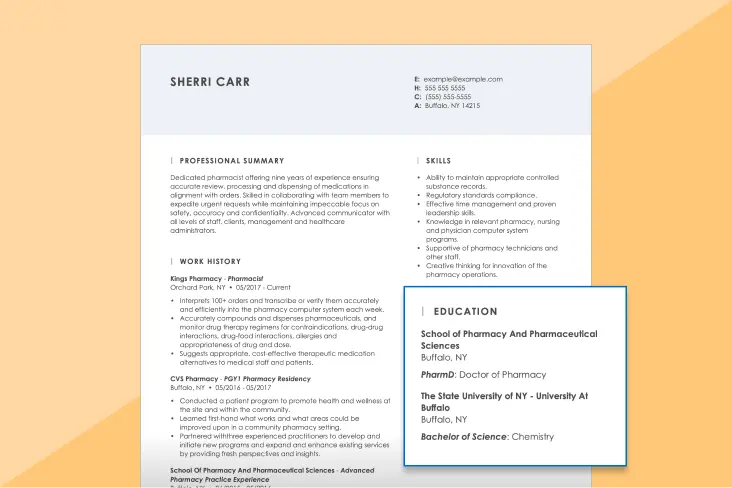
While every resume should have a dedicated skills section, soft skills should also appear in other parts of the resume.
How to Put Soft Skills in Your Resume
While every resume should have a dedicated skills section, soft skills should also appear in other parts of the resume.
Here are some ideas about where and how to write soft skills into your resume:
- 1
Professional summary
The summary is the first section a recruiter will see on your resume, and it will benefit you to mention the top two or three skills you bring. Make sure one of them is your top soft skill.
- 2
Summary of qualifications
Adding this section is sometimes helpful if you’re short on work experience. It’s a standard feature on functional resumes and sometimes appears in combination formats.
- 3
Skills section
It’s critical to have a solid mix of hard and soft skills here. It’s accepted practice to list six to eight skills in total. Bullet points are easier to read, but you can separate your skills by commas if you need to save space.
- 4
Work experience
Highlighting soft skills in your work history explanations is very impactful. Pepper your bullet points with soft skills or use active verbs like “led,” “oversaw,” or “guided” to reinforce the fact that you have the leadership qualities the company wants.
- 5
Technical Skills
If the role you’re applying to is in a highly specialized field such as tech or construction, it’s good to mention the tools and programs you’ve mastered for your career.
Soft Skills Examples by Career Type
Here are some examples of soft skills suited for each industry and career field:
Accounting
- Accuracy
- Clear communication
- Responsibility
- Prudent judgment
- Organization
- Continuous learning
- Strategic planning
- Efficiency
- Deductive reasoning
- Recordkeeping
- Foresight
- Honesty
Administration
- Organization
- Scheduling
- Taking initiative
- Attention to detail
- Executing commands
- Meeting contribution
- Assisting management
- Error proofing
- Cross-functional
collaboration - Privacy
- Project enhancement
Customer service
- Focused listening
- Empathy
- Problem-solving
- Calming personality
- Sticking to script
- Friendly demeanor
- Depersonalization
- Professionalism
- Taking responsibility
- Relatability
- Telephone etiquette
Design
- Imagination
- Vision
- Decision making
- Accepting criticism
- Sharpening ideas
- Sense of harmony
- Intuition
- Timing
- Balance
- Anticipating reaction
- Client communication
Digital marketing
- Creativity
- Collaboration
- Empathy
- Trend awareness
- Positive suggestions
- Incorporating criticism
- Eagerness to improve
- Passion
- Multitasking
- Connecting
- Straightforwardness
Education
- Patience
- Clear speaking
- Holding presence
- Social justice awareness
- Judgment
- Thought leadership
- Inspiring performance
- Compassion
- Conflict resolution
- Clear explanation
- Student engagement
Health care
- Integrity
- Work ethic
- Teamwork
- Patient empathy
- Calm under pressure
- Confidence
- Following protocol
- Precision
- Time management
- Patient instruction
- Stress prevention
Management roles
- Vision
- Executing ideas
- Determination
- Charisma
- Warmth
- Motivation
- Emotional intelligence
- Innovation
- Leadership
- Team growth
- Project direction
Sales
- Dedication
- Tenacity
- Sociability
- Time management
- Identifying needs
- Persuasion
- Networking
- Self-motivation
- Following up
- Respectability
- Perseverance
Web development
- Puzzle-solving
- Creative solutions
- Enthusiasm
- Team spirit
- Troubleshooting
- Storytelling
- User understanding
- Visualizing
- Narrative flow
- Following instructions
- Mindfulness
Soft Skills Examples by Experience Level
The soft skills you choose can vary greatly based on your experience level. While most employers are seeking strong communicators at every level, here are some examples of how your soft skills on a resume might develop over time:
No experience
- Adaptability
- Attention to detail
- Organization skills
Executive-level
- Culture building
- Project management
- Excellent presentation skills
Career change
- Critical thinking
- Adaptive learning
- Active listening
Soft Skills Examples by Resume Format
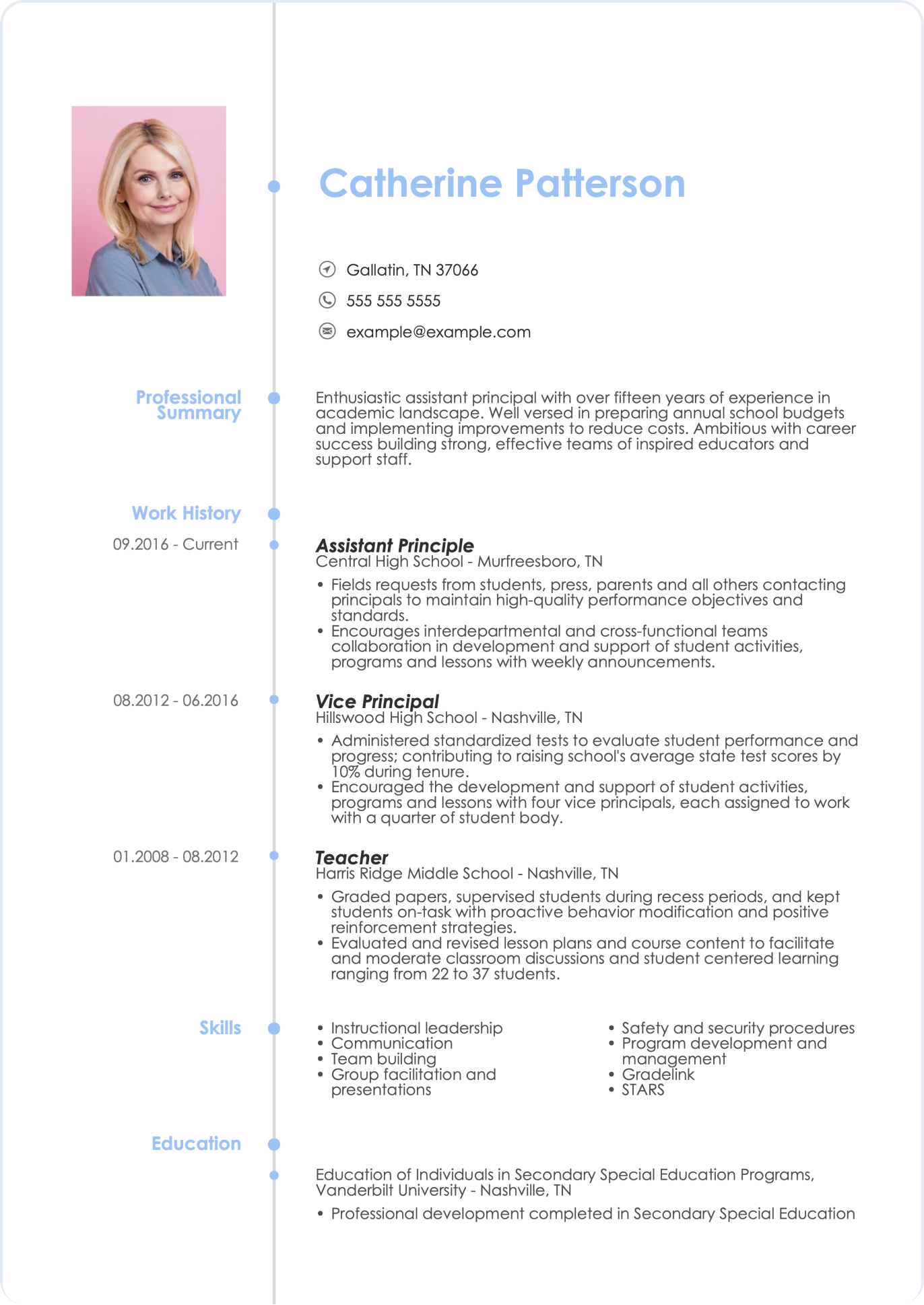
When adding soft skills to your resume, it’s helpful to know where they fit best in each format. Check out each resume format sample below and get tips on where to showcase your soft skills for maximum impact.
Chronological format
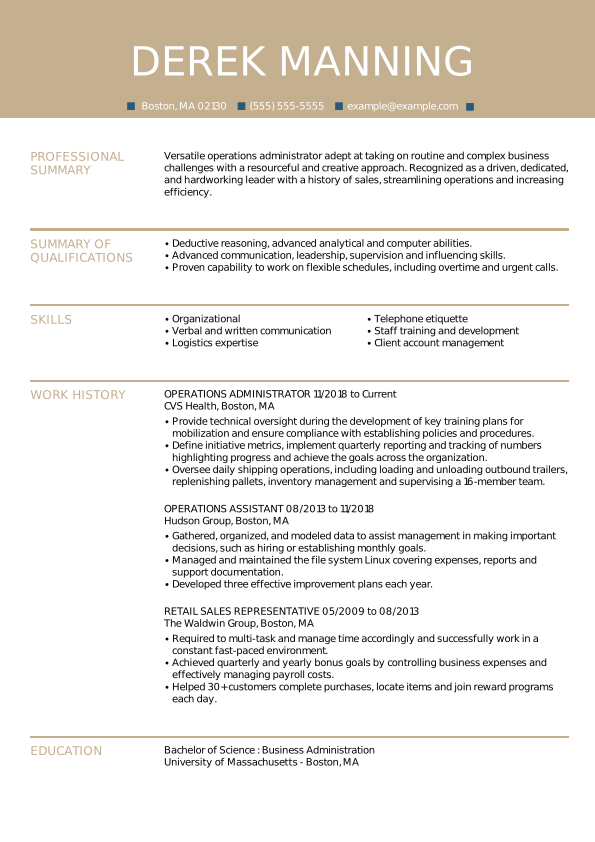
The chronological resume has a shorter dedicated skills section, but it remains the resume standard for a reason. It highlights an employee’s significant accomplishments, as illustrated through brief narratives in both the summary and work experience sections.
Who should use this resume format:
Experienced professionals and executive-level job seekers benefit from the chronological format. It provides the perfect layout for a long work history and helps you showcase significant career progression.
How soft skills should appear on this resume format:
The work history section is a great place to show the results of your soft skills. You can write a few sentences detailing an event or action that required outstanding leadership, efficiency, or teamwork and then explain the outcome through a numerical metric. For example: “Increased productivity 30% through active involvement in more direct communication programs.”
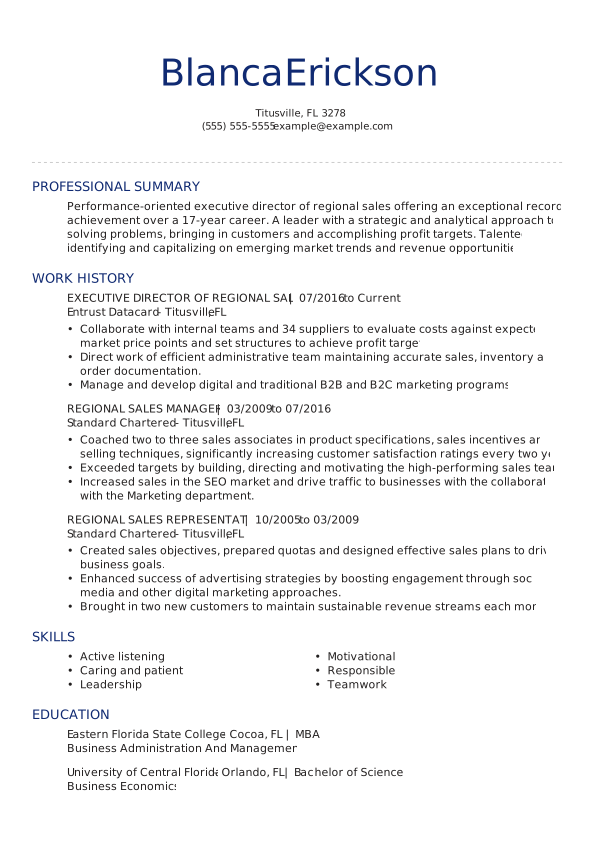
Combination format
A combination resume is a good choice for job seekers, as it balances your skills with your work history, giving them equal weight.
Who should use this resume format:
Professionals who want to highlight both their skills and experience should choose a combination resume. This format works well for entry-level candidates with relevant volunteer or freelance work, mid-career professionals with transferable skills, executives showcasing certifications and extensive work histories, and career changers who want to emphasize their impact across different fields.
How soft skills should appear in this resume format:
Soft skills can be showcased in different ways in a combination resume. For example, you can list strong communication and organizational skills in a bulleted skills section. You may also describe your team management abilities in your professional summary or work experience section. Highlighting these qualities helps draw attention to moments of leadership, collaboration, or innovative thinking throughout your resume.
Functional format
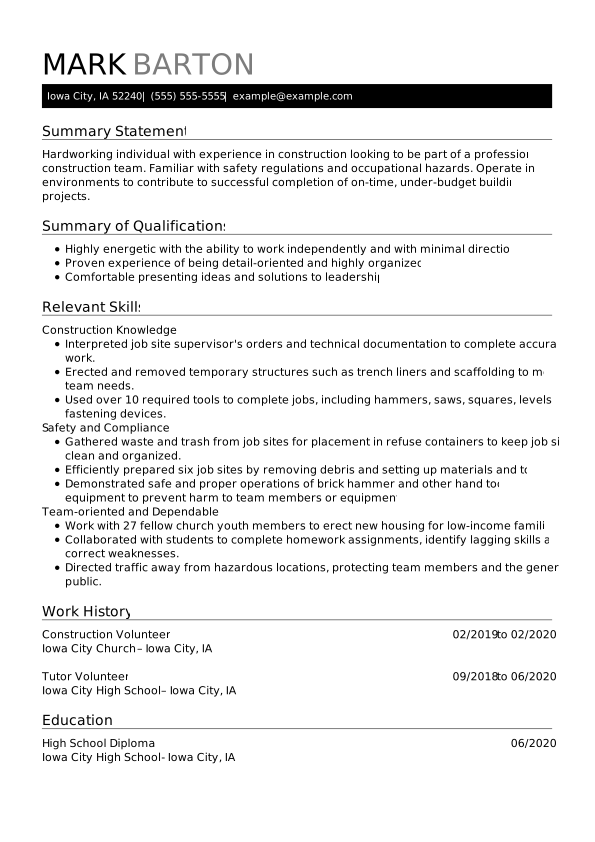
The functional resume is the best option for those new to an industry or entering the workforce for the first time, as it highlights your skills section above your work experience.
Who should use this format:
Individuals with no direct work experience or those transitioning into a new career can utilize this format to showcase their industry-relevant skills and education. It’s an effective way to demonstrate to employers that you possess the qualifications they’re seeking.ls and educational background at the forefront of their resume in this format. It’s an excellent way to show employers you have the qualifications they seek.
How soft skills should appear in this resume format:
The “Professional Skills” section of this resume is where soft skills shine. By choosing your top soft skill, this section provides three or more instances where you can explain how you used “leadership” or “collaboration” and the positive results you achieved.
4 Tips for Writing Your Skills Section
Even if you are new to the workforce, you can write a resume that provides examples of the soft skills you’ve developed in other areas of your life, such as school, sports, or volunteering.
Take some time to think about it and ask your friends and family for their thoughts. Group interactions also provide a good source for figuring out what soft skills you already possess. Are you usually the group leader on projects? The one that reads the rules before starting a board game?
Here are four tips for writing soft skills into your skills section:
Target the right skills
Your skills list should reflect the job ad. These are the resume buzzwords employers want to see! Read the job post or ad closely. Echo back every skill that you possess in your resume. This will help you pass through an applicant tracking system, or ATS. Companies use ATS software to weed out applicants who aren’t a good fit for their needs.
Tell a story
Bring your skills to life in your professional summary or cover letter. For example, if you have sales experience, your summary could include something like: “Friendly sales associate brings 3+ years of experience at following instruction, rapport building, and closing deals.”
Self-interview
To see which skills describe you best, think about how you would answer questions like: “How did you solve a problem at work?”, “What do you do when you disagree with a client or manager?”, or “What’s the best way for you to give or receive feedback?” It’ll clarify your work style and prepare your mind for an interview.
Create special sections
If you use a combination or functional resume format, you should add separate sections that provide samples of your skills in action. A summary of qualifications is a great way to include accomplishments that show the use of a particular skill and the positive results achieved.
5 Ways a Resume Builder Can Help You Write Your Soft Skills
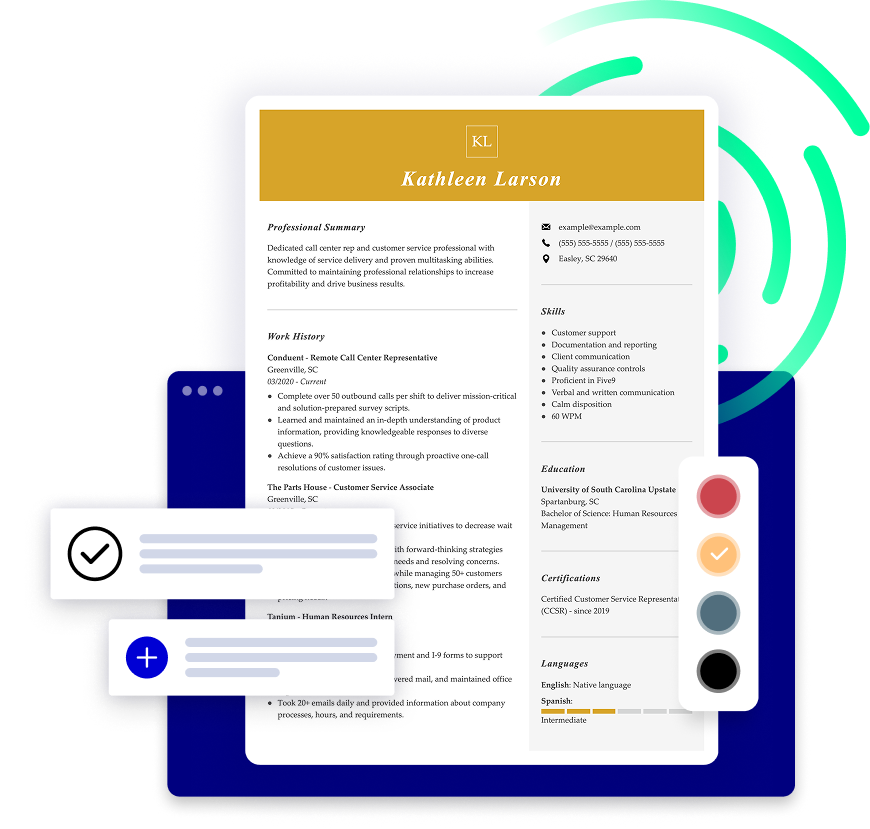
Our professional Resume Builder is a tool that can help you create the strongest resume possible.
That’s because it suggests the most sought-after soft skills for your role.
It is an excellent way to ensure your skills section matches the examples of how you used soft skills in your experience section.
Here’s how a resume builder can help:
- Content suggestions
The builder provides ready-made text you can select from to add the correct phrases to your resume. - Job-specific skills
After answering a prompt about the job you’re applying to, our builder targets its suggestions for this role! - Keyword recommendations
Based on our internal research, our builder suggests keywords that will help you land the job. - ATS-friendly resume templates
ATS filter out candidates from the job hunt. Use an ATS-approved design to beat the bots! - Customizable sections
You can add custom sections or change the layout of your resume with just a single click.












![Top Skills for Grads and College Students [50+ Examples]](/lcapp/uploads/2023/02/College_student.webp)