How to Write a Transferable Skills Cover Letter (Examples & Tips)


Hired By:*

 Add LiveCareer as a preferred source on Google
What to Know
- Transferable skills are abilities you can apply across different jobs, industries, and situations, including communication, leadership, problem-solving, and adaptability.
- A transferable skills cover letter should connect your previous experience to the skills and qualifications required for the new role rather than simply listing your strengths.
- The strongest examples show how you applied a transferable skill in a specific situation and what the experience demonstrates about your qualifications, ideally with a measurable result when one is available.
- Your transferable skills can come from many experiences, including previous jobs, education, internships, volunteer work, extracurricular activities, and personal projects.
Transferable skills can help you show employers why you’re qualified for a job, even if your previous experience comes from a different industry or career path.
When your background doesn’t directly match the role, your transferable skills cover letter can connect the abilities you’ve developed in past roles to the employer’s needs and show how your existing experience can translate to success in the position.
In this guide, you’ll learn how to identify your most relevant transferable skills, explain how you’ve used them, and connect your accomplishments to the job you want.
What Are Transferable Skills?
Transferable skills are abilities you can apply across different jobs, industries, and situations. They can come from previous jobs, education, volunteer work, internships, or other experiences, making them especially valuable when you’re changing careers, entering a new field, or applying for a role with a nontraditional background.
Transferable skills generally fall into two categories:
- Hard skills are specific, teachable abilities or technical knowledge you can develop and demonstrate. Examples include foreign language fluency, data analysis, project management, and industry-specific technical expertise.
- Soft skills are interpersonal and professional abilities that influence how you work and interact with others. Examples include written and verbal communication, teamwork, leadership, adaptability, and problem-solving.
Why Are Transferable Skills Important?
Transferable skills are important because they help employers see the value of experience that may not directly match the job title or industry they’re hiring for.
By connecting your existing abilities to the requirements of a new role, you can show that you already have relevant strengths and a foundation for succeeding in the position.
For job seekers, transferable skills can be particularly useful when changing careers, returning to the workforce, or applying for an entry-level position. A strong cover letter explains not only what skills you have, but also how you’ve used them and why they make you a strong fit.
How Do You Show Transferable Skills in a Cover Letter?
Show transferable skills in a cover letter by connecting abilities you developed in previous roles or experiences to the needs of the job you want. Instead of simply listing skills, use specific examples that demonstrate how you applied them and the results you achieved. This helps employers understand how your background can translate to success in a new role.
Here’s a step-by-step guide to integrating transferable skills into your cover letter:
1. Identify Your Transferable Skills
Start by identifying skills you developed through previous jobs, education, volunteer work, internships, or extracurricular activities. Focus on abilities that can apply to the position you want, even if you developed them in a different industry or role.
Common transferable skills for a cover letter include:
- Adaptability: Adjusting to new responsibilities, environments, technologies, or priorities
- Communication: Conveying ideas through writing, presentations, or conversations
- Data analysis: Collecting, organizing, interpreting, and communicating insights from data
- Interpersonal skills: Building relationships and working effectively with different people
- Leadership: Guiding, motivating, or supporting others to achieve a shared goal
- Problem-solving: Identifying challenges and developing practical solutions
- Project management: Planning projects, coordinating people and resources, tracking progress, and meeting deadlines
- Teamwork: Collaborating with colleagues or contributing to group projects
- Time management: Prioritizing tasks and consistently meeting deadlines
2. Consider Your Experience Level
Your transferable skills can come from different places depending on your career stage. Experienced professionals can draw from previous roles, while students and recent graduates may need to emphasize internships, coursework, volunteer work, or extracurricular activities.
Here are a few transferable cover letter skills examples for different experience levels:
Example of Transferable Skills in an Entry-Level Cover Letter
As a student volunteer for our campus fundraising committee, I strengthened my communication and organizational skills by coordinating outreach to more than 100 students and helping plan three fundraising events. This experience taught me how to manage competing priorities, collaborate with a team, and communicate with diverse audiences—skills I’m excited to bring to an entry-level marketing position.
Example of Transferable Skills in a Mid-Career Cover Letter
As a retail manager, I led a team of 15 employees, managed staffing schedules, and implemented a new inventory process that reduced stock discrepancies by 20%. These experiences strengthened my leadership, organization, and process-improvement skills, which I’m prepared to apply to an operations coordinator role.
Example of Transferable Skills in an Experienced Cover Letter
Throughout my career in journalism, I’ve led complex research projects, managed relationships with diverse sources, and translated technical information into clear content for broad audiences. These experiences have strengthened my research, communication, and project management skills, which I’m eager to apply to this content strategy role.
3. Match Your Transferable Skills to the Job
Once you’ve identified your transferable skills, compare them with the requirements in the job description. Look for skills, qualifications, and responsibilities that overlap with your experience, then use the employer’s terminology naturally when it accurately describes your abilities.
The goal isn’t to include every transferable skill you have. Choose the two or three skills that best connect your experience to the position, then demonstrate them with examples.
For example, if a job requires soft skills like customer service, organization, and communication, a former restaurant server could write:
In my role as a restaurant server, I strengthened my communication and customer service skills by assisting dozens of customers per shift, resolving concerns promptly, and coordinating with kitchen staff to ensure orders were accurate and on schedule. Working in a fast-paced environment also taught me to prioritize competing tasks and stay organized under pressure—skills I’m eager to bring to this customer-facing position.
The same approach applies to hard skills. For example, an administrative assistant applying for a data analyst role might highlight experience using spreadsheets to organize, analyze, and report on business information.
4. Prove Your Transferable Skills With Examples
Show employers how you’ve used your transferable skills rather than simply claiming you have them. Describe a specific situation, explain what you did, and highlight the result. This gives employers evidence that you can apply your existing abilities successfully in a new role.
A useful formula is:
Transferable skill + example of how you used it + result or relevance to the new job
Here are examples for different career stages and career changes:
Student to Entry-Level Marketing
As a student restaurant server, I developed strong communication and multitasking skills by serving customers in a fast-paced environment while managing multiple orders and priorities. These experiences taught me how to communicate with diverse audiences, stay organized under pressure, and adapt quickly—skills I’m eager to apply to your entry-level marketing team.
Educator to Data Entry
As an educator, I developed exceptional attention to detail while maintaining student records, grading assignments, and tracking academic progress. I also became comfortable learning new technologies and accurately managing large amounts of information. These skills would allow me to contribute to your data entry team by maintaining accurate records and processing information efficiently.
Sales to Project Management
In my sales role, I managed multiple client accounts simultaneously, coordinated deliverables across internal teams, and consistently met time-sensitive deadlines. This experience strengthened my organization and project coordination skills, which I’m excited to apply to a project management position.
Administrative Assistant to Human Resources
In my administrative role, I regularly handled confidential employee information, coordinated schedules, and communicated with employees across departments. These responsibilities strengthened my organization, communication, and confidentiality skills, providing a strong foundation for transitioning into an HR coordinator role.
Cover Letter Examples With Transferable Skills
The examples below show how candidates at different career stages can highlight relevant skills, explain how they used them, and demonstrate why their experience prepares them to succeed in a new position.
Career Change Cover Letter
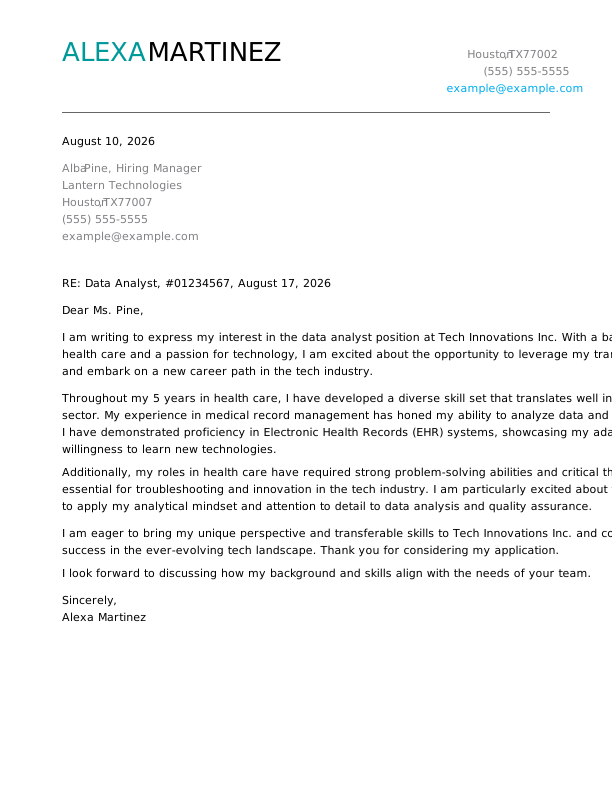
Focus your career change cover letter on two or three skills that connect your previous profession to your target field. Emphasize relevant accomplishments and explain how your existing experience has prepared you to succeed in the new role.
Here’s an example:
Why This Cover Letter Works
- Connects previous experience to the target role: The opening establishes the career change from healthcare to technology, while the body paragraphs explain how the candidate’s experience with medical records, data accuracy, and technology translates to the data analyst position.
- Highlights relevant transferable skills: The body paragraphs identify specific skills, including data analysis, adaptability, problem-solving, critical thinking, and attention to detail, and connect them to responsibilities in data analysis and quality assurance.
- Ends with confidence: The closing reinforces the candidate’s enthusiasm for the opportunity and their ability to contribute, leaving the hiring manager with a clear sense of their motivation and potential.
Recent Graduate Cover Letter
A recent graduate can highlight transferable skills gained through internships, part-time jobs, coursework, volunteer work, and extracurricular activities. Focus on skills such as communication, teamwork, and problem-solving, and show how you applied them.
Here’s an example:
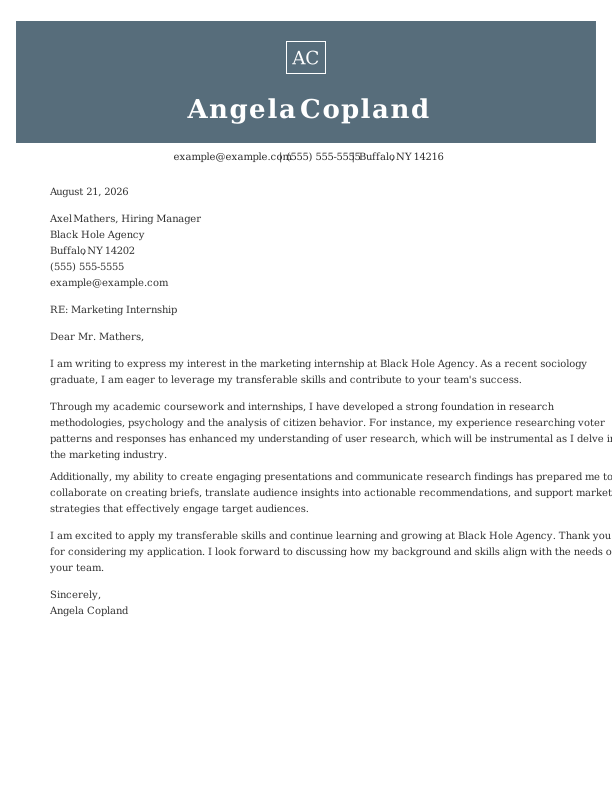
Why This Cover Letter Works
- Connects academic experience to the target role: The opening establishes the candidate’s interest in the marketing internship, while the first body paragraph connects their sociology coursework and internship experience researching voter patterns to user research and understanding audience behavior.
- Provides specific evidence: The body paragraphs give concrete examples of how the candidate applied research, presentation, and communication skills, showing how those abilities could support marketing briefs, audience insights, and marketing strategies.
- Ends on a positive note: The closing reinforces the candidate’s enthusiasm for the opportunity and continued growth while inviting further conversation about how their background aligns with the team’s needs.
Tips for Highlighting Your Transferable Skills Effectively
To effectively highlight transferable skills in your cover letter, focus on the qualifications that matter most, support your claims with evidence, and make each paragraph contribute something new. Follow these tips to ensure your skills stand out to employers:
- Turn skills into proof. Rather than writing that you have “strong leadership skills,” describe a situation where you led a team, project, or initiative and explain the result. Specific examples make your transferable skills more credible.
- Explain the connection when it isn’t obvious. Employers may not immediately recognize how experience from another industry applies to their position. Briefly explain how a skill from your previous career translates to the responsibilities of the new role.
- Prioritize accomplishments over duties. Focus on what you achieved rather than providing a list of tasks you performed. Whenever possible, include measurable results such as revenue increased, time saved, customers served, or projects completed.
- Include skills from outside the workplace. If you’re a student, recent graduate, or career changer, valuable transferable skills may come from coursework, volunteer work, community involvement, internships, or personal projects.
- Keep the focus on what you can contribute. A career change is about more than explaining why you’re leaving your previous field. Use your cover letter to show what your existing experience enables you to bring to the new position.
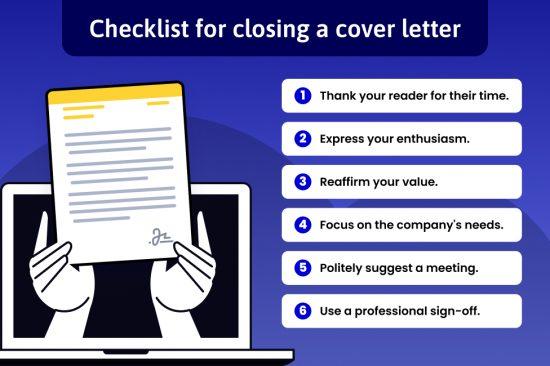
- End by reinforcing your value. Your cover letter closing should leave the reader with a clear sense of what you bring to the position and why you’re interested in the opportunity. Keep it confident, specific, and forward-looking.
Key Takeaways
- Choose two or three transferable skills that closely match the requirements of the job you want.
- Show, don’t just tell by explaining how you applied each skill and what the experience demonstrates about your ability to succeed.
- Make connections clear when your previous industry or role differs from the position you’re pursuing.
- Use measurable accomplishments whenever possible to provide concrete evidence of your skills and impact.
- Tailor your cover letter to each position by focusing on the skills, experiences, and qualifications most relevant to that employer.
Frequently Asked Questions
Which skills are best to highlight in a cover letter?
The best skills to highlight in a cover letter are those that directly match the job description and demonstrate your ability to succeed in the role. Common transferable cover letter skills examples include communication, teamwork, leadership, problem-solving, adaptability, and time management. Choose two or three relevant skills, then support them with specific examples that show how you’ve applied them and the results you achieved.
What are the top 10 transferable skills?
The top 10 transferable skills are communication, teamwork, problem-solving, leadership, adaptability, time management, organization, critical thinking, customer service, and project management. These skills are valuable across many jobs and industries because they demonstrate how you work, solve problems, and collaborate with others.
What is an example of a cover letter focusing on transferable skills?
An example of a cover letter focusing on transferable skills might come from a teacher applying for a corporate training position. The candidate could highlight communication and leadership skills developed through teaching, then explain how those abilities apply to employee training.
For example: “As a high school teacher, I developed engaging training materials, presented complex information to diverse audiences, and adapted lessons to different learning styles—skills I’m eager to bring to your corporate training team.”
How do you write a cover letter for a career change with no experience?
To write a cover letter for a career change with no direct experience, focus on transferable skills, relevant accomplishments, and experiences that demonstrate your potential in the new field. Explain why you’re making the career change, connect your existing skills to the job requirements, and provide specific examples from previous work, education, volunteer activities, or projects that show how you can contribute.





Ace your
job search!
We’ve helped job seekers create strong applications for 15+ years.