Learning how to decline a job offer is an important career skill. Whether you accepted another role, changed your mind, or decided the position isn’t the right fit, declining professionally protects your reputation and keeps future opportunities open.
Recruiters and hiring managers remember candidates who communicate clearly and respectfully, and in a hiring landscape where candidate ghosting is increasingly common, a thoughtful response immediately sets you apart.
In this guide, we’ll walk you through exactly how to reject a job offer, with email templates and expert advice for a variety of situations to help you move forward confidently and professionally.
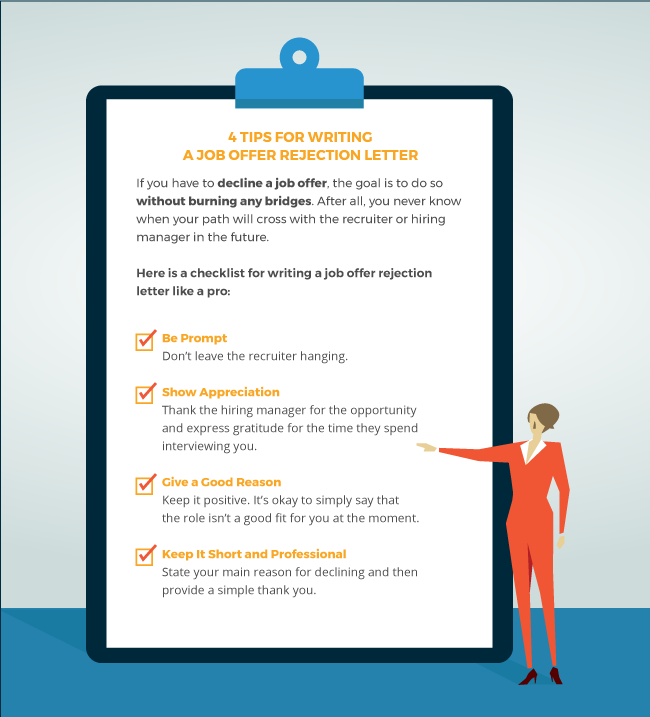
How to Decline a Job Offer Step by Step
Respond promptly, express gratitude, and state your decision clearly to decline a job offer professionally while preserving the relationship.
Step 1: Respond Promptly
The first step is to notify the employer as soon as you’ve made your decision. Delaying your response can disrupt their hiring timeline by creating unnecessary uncertainty for the team.
Prompt communication demonstrates professionalism and shows that you respect their time. These are qualities that leave a positive impression, even when you’re declining the offer.
Step 2: Express Genuine Gratitude
Start your email to decline a job offer by sincerely thanking the hiring manager for:
- The work opportunity
- Their time during interviews
- The job offer itself
Here’s an example of how to express gratitude when declining a job offer:
“Thank you so much for offering me the marketing manager position. I truly appreciate the time you and your team spent meeting with me and sharing more about the role and your company’s goals.”
Acknowledging the effort they invested in reviewing your application, scheduling interviews, and advocating for your candidacy is crucial for leaving a positive impression. It reinforces that your decision is about fit, not a reflection on their team or organization.
Step 3: Clearly State Your Decision
State your decision directly and politely. Avoid vague language like “I’m not sure this is the right fit,” which can leave the employer guessing or create unnecessary back-and-forth. A simple, clear statement prevents confusion and allows the hiring team to move forward efficiently.
Here’s an example of how to decline a job offer:
“After careful consideration, I’ve decided to decline the software engineer position. I sincerely appreciate the opportunity you’ve given me and the team’s attention during the hiring process.”
Step 4: Provide a Brief Reason (Optional)
You don’t need to overexplain when declining a job offer, but providing a reason helps the employer understand your choice without turning the email into a lengthy justification. Keep your explanation neutral and concise, focusing on the fit rather than any negatives about the company or team.
Common ways to phrase your reason include:
- Accepted another opportunity: “I’ve decided to pursue another role that aligns more closely with my current career goals.”
- Role not aligned with long-term goals: “After careful consideration, I’ve realized this position isn’t the right fit for my professional direction at this time.”
- Compensation, location, or personal circumstances: “Due to personal considerations, I will not be able to accept the offer at this time.”
A brief, polite reason signals professionalism and leaves the door open for future opportunities.
Step 5: Keep the Door Open If Appropriate
Even when declining a job offer, it’s often wise to maintain a positive relationship with the employer. You never know when you might cross paths again—whether through a future role at the same company, professional networking, or industry connections.
Including a short, polite line expressing your desire to stay in touch demonstrates professionalism, gratitude, and forward thinking.
For example:
“I hope we can stay in touch and that our paths may cross again in the future.”
“I truly appreciate the opportunity and look forward to staying connected.”
Email Template for Declining a Job Offer (Copy & Customize)
If you’re unsure what to write, here’s a simple and effective template demonstrating how to turn down a job offer via email:
ExampleSubject: Job Offer – [Your Name]
Dear [Hiring Manager’s Name],
Thank you very much for offering me the [Job Title] position at [Company Name]. I truly appreciate the time and effort you and your team invested throughout the interview process.
After careful consideration, I’ve decided to decline the offer at this time, as I’ve chosen to pursue another opportunity that better aligns with my career goals.
I sincerely appreciate the opportunity and hope our paths cross again in the future.
Best regards,
[Your Name]
Examples of How to Decline a Job Offer by Email
The following examples show how to adapt the template above to turn down a job offer by email in different situations, including newly received offers and withdrawing after accepting. Feel free to copy, customize, and adapt them to your situation.
Example 1: Declining a Job Offer You Just Received
If you've decided not to move forward with a job offer you've recently received, respond as soon as possible. Thank the employer for the opportunity, clearly state that you're declining the offer, and keep your explanation brief.
There's no need to provide extensive details—being prompt, courteous, and professional is enough to leave a positive impression.
Subject: Thank You for the Opportunity – Sarah Lee
Dear Ms. Johnson,
Thank you for offering me the Marketing Coordinator position at BrightWave Media. I appreciate the time you and the hiring team spent meeting with me and discussing the role.
After careful consideration, I have decided to decline the offer. While I was impressed by your team and organization, I have determined that this position is not the right fit for my current goals and circumstances.
Thank you again for your consideration and for the opportunity to learn more about BrightWave Media. I wish you and your team continued success and hope our paths may cross again in the future.
Best regards,
Sarah Lee
Example 2: Declining a Job Offer After Accepting Another Role
If you've received multiple offers and decided to accept a different position, it's important to let the employer know as soon as you've made your decision. Thank them for the offer, clearly state that you've chosen another opportunity, and keep your explanation professional and concise.
There's no need to compare employers or justify your choice in detail. A respectful, timely response helps maintain a positive relationship and leaves the door open for future opportunities.
Subject: Thank You for the Offer
Dear Mr. Rodriguez,
Thank you for offering me the Project Coordinator position at Apex Solutions. I sincerely appreciate the time you and the team invested throughout the interview process and the confidence you've shown in my abilities.
After careful consideration, I have decided to accept another position and will therefore be declining your offer. This was not an easy decision, as I was impressed by both the role and the organization.
Thank you again for the opportunity and for the professionalism and kindness shown throughout the hiring process. I wish you and the team all the best and hope our paths may cross again in the future.
Best regards,
Daniel Carter
Example 3: Declining a Job Offer While Keeping the Door Open
Sometimes a job offer isn't the right fit right now, but you'd still like to maintain a positive relationship with the employer. In this situation, emphasize your appreciation for the opportunity and express a genuine interest in staying connected.
A thoughtful message can help preserve your professional network and may even lead to future opportunities with the company.
Subject: Thank You for the Opportunity
Dear Ms. Williams,
Thank you for offering me the Customer Success Manager position at Horizon Tech Group. I sincerely appreciate the time and effort you and the team invested throughout the interview process.
After careful consideration, I have decided to decline the offer at this time. While I was impressed by the organization and enjoyed learning more about the role, I have determined that it is not the right fit for my current professional goals.
I greatly appreciate the opportunity to meet with your team and learn more about Horizon Tech Group. I hope we can stay in touch, as I would welcome the opportunity to connect again should a suitable role arise in the future.
Thank you again for your time, consideration, and understanding. I wish you and your team continued success.
Best regards,
Michael Torres
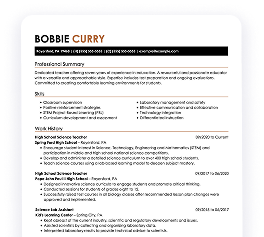
Continue preparing for future opportunities by writing a resume that’s better suited for the job opportunities you really want. LiveCareer’s Resume Builder can help you quickly create a polished, tailored resume so you’re prepared when the right role comes along.
How to Decline a Job Offer After Accepting It
If you've already accepted a job offer but can no longer move forward, it's important to notify the employer as soon as possible. Be direct and respectful, acknowledge that you're changing your decision, and apologize for any inconvenience your withdrawal may cause.
While this can be uncomfortable, handling it professionally protects your reputation and shows respect for the employer’s time.
If you find yourself in this situation, follow these tips for backing out of a job offer:
- Notify the employer immediately. Don’t wait; as soon as your decision is final, reach out. Prompt communication shows respect for their time and allows them to adjust their plans.
- Apologize sincerely. Acknowledge the inconvenience your change may cause. A simple, heartfelt apology goes a long way toward preserving goodwill.
- Keep your explanation brief and professional. You don’t need to justify your decision in detail. Focus on neutral, factual reasons rather than criticisms or complaints.
- Maintain a respectful tone. Even if circumstances are complicated, avoid negativity. You want to leave the conversation as professional and positive as possible.
Here’s an example of how to rescind an accepted job offer by email:
Subject: Update Regarding My Acceptance of the Job Offer
Dear Mr. Patel,
I hope you are doing well. I am writing regarding my acceptance of the Human Resources Specialist position at NorthStar Consulting.
After careful consideration, I have made the difficult decision to withdraw my acceptance of the offer. Due to a change in my circumstances, I am no longer able to move forward with the position.
I sincerely apologize for any inconvenience this may cause and understand the impact this decision may have on your hiring plans. I am grateful for the opportunity you extended to me and for the time and support you and your team provided throughout the hiring process.
Thank you for your understanding. I wish you and the team at NorthStar Consulting continued success.
Best regards,
Emily Chen
While rejecting an accepted offer can temporarily affect your relationship with that employer, being honest, prompt, and courteous helps reduce reputational risk and keeps the door open for future opportunities. Many hiring managers appreciate transparency, and handling it well demonstrates professionalism that can follow you throughout your career.
Good Reasons for Declining a Job Offer
Not every job offer is the right opportunity, and it’s reasonable to turn down a position that doesn’t align with your needs, priorities, or long-term goals.
Accepting a role simply because it’s been offered can lead to dissatisfaction and a shorter tenure, so it's important to evaluate whether the opportunity is truly the right fit before saying yes.
Some common and valid reasons for declining a job offer include:
- Accepting another opportunity that better aligns with your career goals, interests, or preferred industry
- Compensation concerns, such as salary, bonuses, or benefits that don't meet your expectations
- Poor work-life balance, including long hours, extensive travel requirements, or inflexible scheduling
- Company culture concerns that surfaced during the interview process
- Limited growth opportunities or a lack of clear advancement paths within the organization
- Job responsibilities that differ from expectations based on the original job description or interview discussions
- Location or commute challenges, including relocation requirements or an impractical daily commute
- Personal or family circumstances that affect your ability to accept the role
- A change in career direction that makes the position less aligned with your long-term plans
- Remote work or flexibility considerations when the employer's policies don't match your needs
Remember that you're not obligated to provide a detailed explanation when declining an offer. A brief, professional response is typically sufficient, and focusing on your own goals rather than criticizing the employer helps keep the conversation positive.
Tips for How to Politely Decline a Job Offer
Declining a job offer gracefully is about being respectful, clear, and forward-looking, so you leave a positive impression while protecting future opportunities.
Here are some tips to help you make your response polite:
Dos: Handle It Professionally
- Personalize your message. Mention something specific from your interviews or the company that you appreciated.
- Use the right communication channel. For senior roles, a brief phone call followed by an email can feel more respectful than an email alone.
- Be mindful of timing. Avoid declining on weekends or late at night; midday or early mornings on weekdays are ideal.
- Consider internal referrals or connections. If someone referred you, let them know you won’t be taking the role and thank them for the referral.
- Write a positive closing line. Even if you’re declining, end with a note that leaves a warm impression.
Don’ts: Avoid Common Mistakes
- Don’t ghost the employer. Failing to respond harms your reputation and disrupts the company’s hiring process.
- Don’t use generic templates without tweaking. A copy-paste response can feel impersonal and damage future rapport. Always tailor it to the role and your experience.
- Don’t make it about money only. Framing your decline solely around compensation may come off as transactional and leave a bad impression.
- Don’t burn networking bridges. Avoid harsh language or criticism that could impact future industry relationships.
Even if your experience with an employer wasn’t ideal, it’s important to take the time to decline a job offer professionally. About 40% of HR professionals report encountering candidate ghosting frequently—a practice that can harm your reputation in your local industry.

Pro Tip
Sending a brief, polite email to let an employer know you’re no longer pursuing the role protects your professional relationships, avoids future awkwardness, and keeps doors open for opportunities down the line.
What Happens After You Decline a Job Offer?
After you send an email declining a job offer, the employer will usually either acknowledge it, try to respond in some way, or simply close out the process internally. Knowing what to expect can help you feel more confident in your decision.
Here’s what can happen after you decline an offer:
- The employer responds with appreciation. Many hiring managers respect professionalism and prompt communication. A simple “thank you for letting us know” is common and helps keep your relationship positive in the future.
- They offer the role to another candidate. Often, the most immediate next step is to simply extend the offer to another candidate—no big deal. Employers are prepared for this scenario, but a timely response allows the company to move forward without unnecessary delays.
- In some cases, they might present a counteroffer. If compensation, benefits, or role responsibilities were your main concerns, some employers may try to negotiate to keep you. Consider carefully whether a counteroffer aligns with your long-term goals before making a decision.
Pro Tip
If an employer makes a counteroffer after you decline, pause and consider whether it truly aligns with your long-term goals. If you still decide to say no, thank them sincerely and explain your decision politely.
How to Stay Productive After Declining a Job Offer
Turning down a job offer doesn’t mean your job search ends. You have the opportunity to refocus and strengthen your path toward the right role. Here’s how to stay proactive:
- Reflect on Your Priorities
Revisit your career goals and define the roles you really want and the criteria they must meet before you apply. Consider why you declined the previous job offer and write a mission statement about what you’re looking for next. - Update Your Application Documents
Update your resume to showcase your most recent achievements, and tailor your skills and qualifications to fit the specific role and industry you’re targeting. If you’re writing a cover letter, ensure it stands out by demonstrating your unique value, which in turn increases your chances of landing the right opportunity. - Keep Networking
Stay in touch with the contacts, mentors, and recruiters you connected with during the hiring process. Even if you decline an offer, maintaining these professional relationships can lead to future opportunities and valuable connections down the line. - Apply Strategically
Focus on roles that truly match your skills, experience, and long-term career goals. Keep track of your applications and follow up promptly to maintain momentum and ensure you’re positioning yourself for the right opportunities.
Fine-tune your job application strategy with LiveCareer’s Resume Builder to create a personalized resume in minutes. Type in your target job title and years of experience, and choose from dozens of ready-made content suggestions to build your resume. With preformatted resume templates that are easy to edit, you’ll have the most seamless and quick resume-writing experience.