How to Write a Resignation Letter (Template & Examples)
A professional resignation letter clearly states that you're leaving your job and confirms your final working day. Use our resignation letter template and examples to write a concise, courteous notice for your situation.
A resignation letter formally tells your employer you're leaving your job and states your intended last day.
Two weeks' notice is common, but it isn't always required. Check your employment agreement and company policy for applicable notice requirements.
A strong resignation letter is brief, clear, and courteous. You generally don't need to explain personal circumstances or workplace complaints.
Your letter should include your resignation, final working date, and brief thanks, plus an offer to help with the transition when appropriate.
You can submit a resignation letter in person, by email, or through another method required by your employer.
Leaving a job can feel awkward, but your resignation letter doesn't need to be complicated. A strong letter clearly states that you're resigning, gives your final working day, and keeps the tone courteous.
Below, we'll show you how to write a resignation letter step by step, then provide a copy-and-paste template and examples for common situations, including two weeks' notice, immediate resignation, career changes, relocation, and further education.
How to Write a Resignation Letter
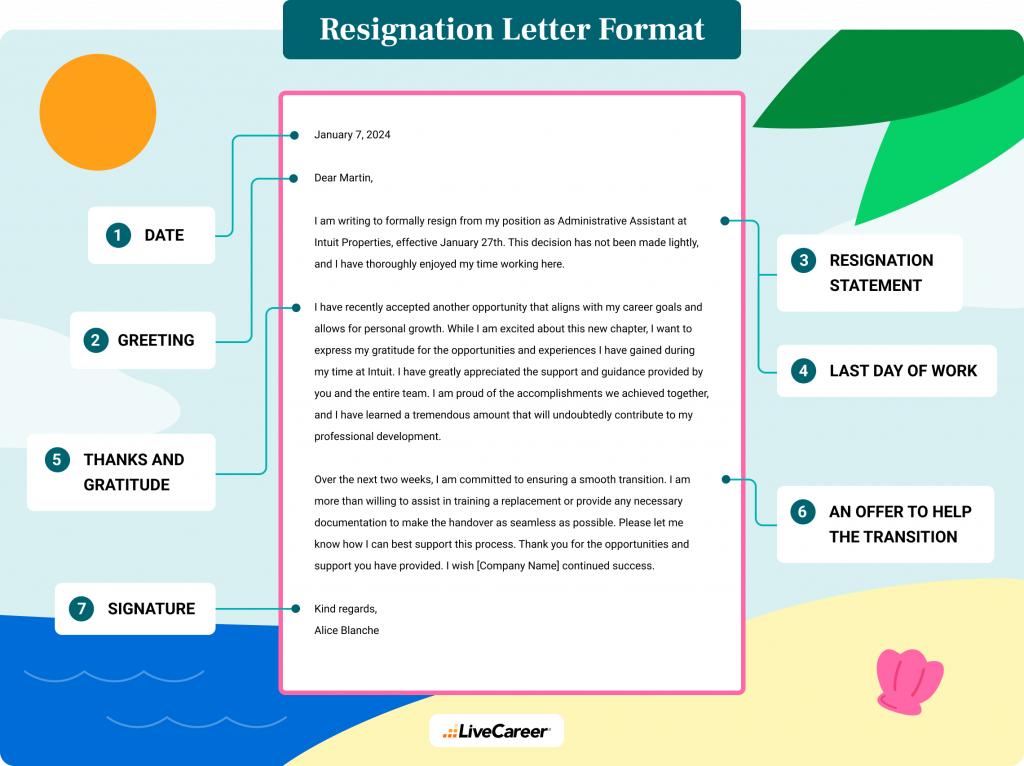
To write a resignation letter, clearly state that you're resigning, give your final working day, briefly thank your employer, and offer reasonable transition help if appropriate. A standard letter also includes the date, greeting, and professional closing.
Keep the letter concise and professional, using standard contact information for a printed business letter and a simpler format for email.
Add the Date & Contact Information
For a formal printed resignation letter, include the date and the contact information needed for a standard business letter. An emailed resignation doesn't need a full mailing address because the sender and recipient information already appear in the email. In either format, make sure the date you're giving notice is clear.
The date on the letter or email shows when you're giving notice; your final working day is the separate date on which your employment ends. Make sure both dates are clear.
Address Your Manager or Employer
Address your resignation letter to the manager, supervisor, or HR representative who should receive your formal notice. In most cases, that's your direct manager unless company policy says otherwise.
Use the name you normally use when communicating with that person and a professional greeting, such as “Dear [Manager’s Name].” If you're unsure how formal the greeting should be, follow the same principles you'd use to address a professional cover letter.
State Your Resignation Clearly
State that you're resigning in the first paragraph so there's no ambiguity about the purpose of your letter. Use direct wording, such as “I'm writing to formally resign,” and include your position and company name when useful. You can give a brief reason for leaving, but you don't have to explain your decision.
For example:
I’m writing to formally resign from my position as [Job Title] at [Company Name].
Include Your Last Day
Give the exact date you intend to work your final day so your employer can plan for staffing, hand-offs, and other transition needs. Two weeks' notice is common in many U.S. workplaces, but it isn't appropriate or required in every situation. Check your employment agreement and company policies before deciding how much notice to provide.
Thank Your Employer
Include a short, genuine expression of appreciation when appropriate. You might mention an opportunity, skill, experience, or professional relationship you valued without turning your resignation letter into a lengthy farewell. A sentence or two is usually enough.
For example:
I’m grateful for the opportunities I’ve had to develop my customer service skills and work with such a supportive team.
Offer to Help With the Transition
If you're able to help with the transition, make a brief and realistic offer. This could include documenting current projects, handing off responsibilities, or helping train another employee during your remaining time. Keep the offer manageable, and don't promise more than you can reasonably complete before leaving.
For example:
I’m happy to help document my current projects and transition my responsibilities before my last day.
Close Professionally
End your resignation letter with a professional closing, such as “Sincerely,” “Best regards,” or “Kind regards,” followed by your name.
For a printed letter, leave space for your signature above your typed name. In an email, your typed name is generally sufficient. You can also add personal contact information if useful.
Resignation Letter Template & Examples
A resignation letter template gives you a professional structure you can customize with your job title, employer, and final working date. Start with the simple template below, then choose from eight full examples for common situations.
Simple Resignation Letter Template
This versatile template works for most situations and can be adapted for email or a basic printed letter. Replace each bracketed placeholder with your information and remove any wording that doesn't fit. If you're submitting a formal printed business letter, you can also add the contact information described above.
[Date]
Dear [Manager's Name],
Please accept this letter as formal notice of my resignation from my position as [Job Title] at [Company Name]. My final working day will be [Month Day, Year].
Thank you for the opportunities and experience I've gained during my time at [Company Name]. I've especially appreciated [brief example of an opportunity, experience, or skill].
I'm happy to help with [transition task, project hand-offs, documentation, or training] before my departure. Please let me know how I can best support the transition.
Sincerely,
[Your Name]
Below are resignation letter examples you can copy and customize for common situations.
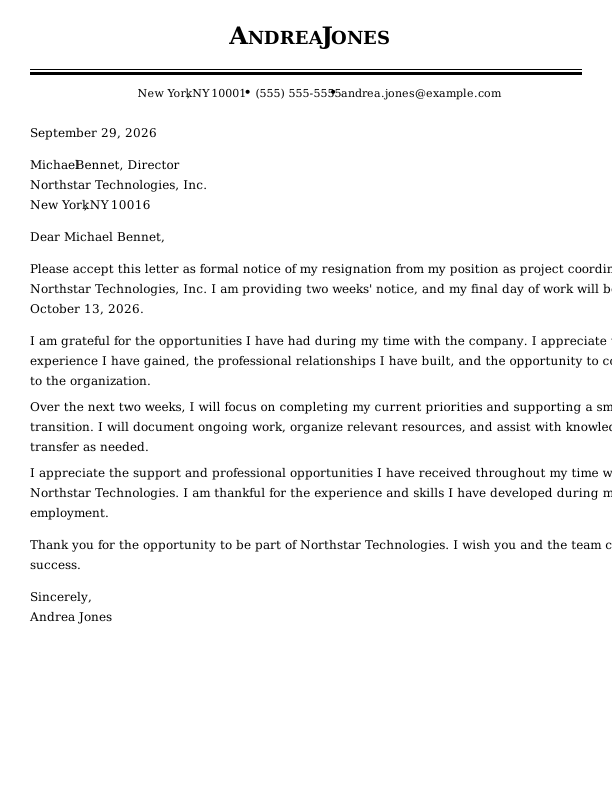
2-Week Notice Resignation Letter
Use a two-week notice letter when you're giving approximately two weeks between your resignation notice and your final working day. State both your resignation and exact last day clearly so your employer doesn't have to calculate it.
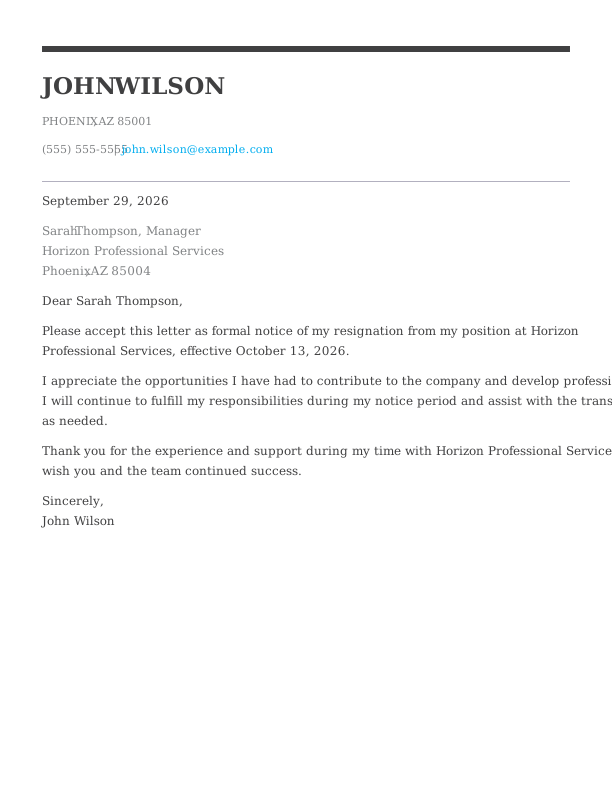
A short resignation letter works when you want to keep your notice simple or don't have additional details to share. Even a brief letter should clearly state that you're resigning and give your final working date.
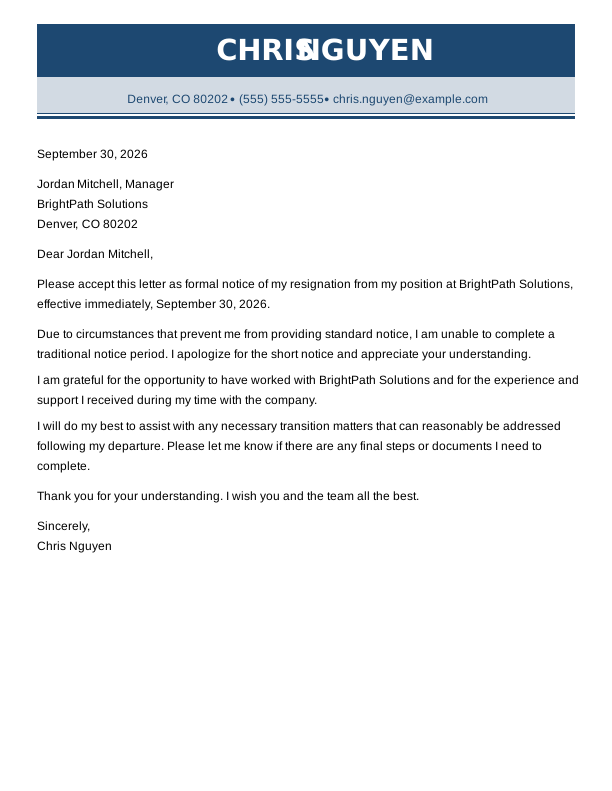
An immediate resignation letter clearly states that your resignation takes effect right away or on a very near date. Keep your explanation brief, acknowledge the short notice when appropriate, and avoid sharing personal information that isn't necessary to explain your departure.
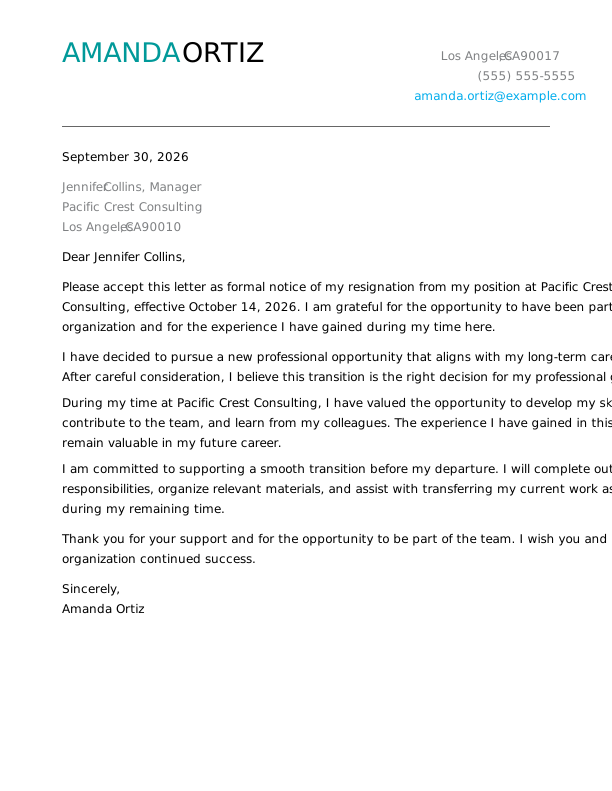
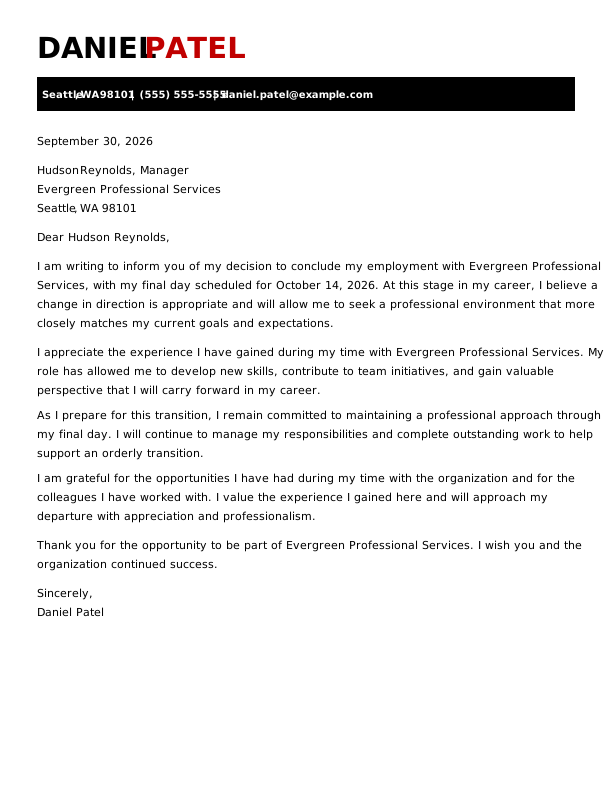
If you're leaving for a new job or changing careers, you can mention the transition without naming your next employer or explaining the new position in detail. Focus on appreciation for your current experience and your decision to move forward.
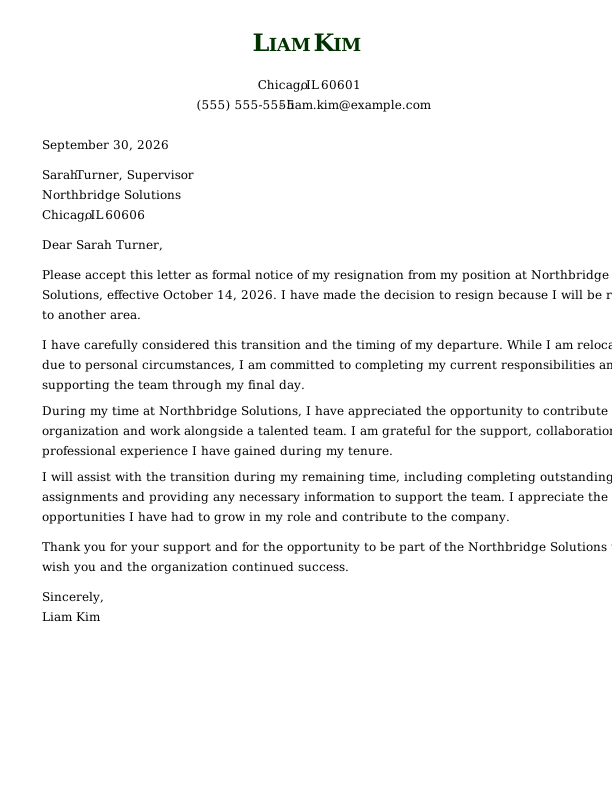
A relocation letter can briefly explain that a move prevents you from continuing in your role. You don't need to provide your new address, detailed moving plans, or other personal information.
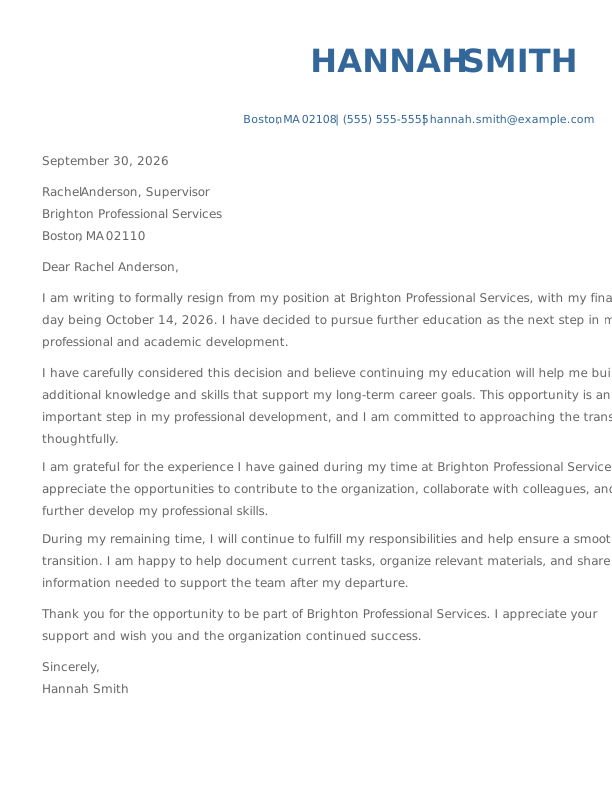
If you're leaving to return to school or pursue additional training, you can state that reason in one sentence. Focus on your resignation, final date, and appreciation rather than explaining your education plans in detail.
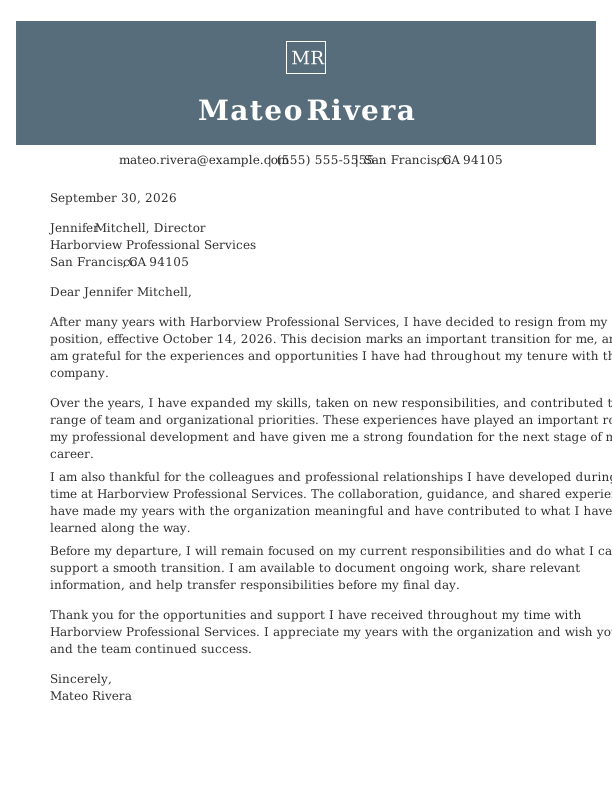
After many years with an employer, it's reasonable for your resignation letter to be slightly warmer and more personal. You can acknowledge meaningful relationships or experiences while still keeping the formal notice concise.
Resignation Letter When You're Unhappy With Your Job
If you're resigning because you're unhappy at work, your formal resignation letter usually isn't the place to document every grievance. Keep the wording neutral, state your decision clearly, and save detailed feedback for another appropriate channel if you choose to provide it.
How & When Should You Submit a Resignation Letter?
Submit your resignation using the method your employer requires, ideally after you've told your manager directly when that's practical. A printed letter or attached document may suit formal workplaces, while an email may be appropriate when your employer routinely handles employment communication digitally.
Before sending anything, check your employee handbook, employment agreement, or human resources guidance for notice and submission procedures.
Should You Resign in Person or by Email?
When possible, tell your manager about your resignation in a conversation before sending written notice. Email may be more practical if you work remotely, can't reasonably meet with your manager, or your employer uses email for formal notices. In either case, the written resignation should clearly document your resignation and intended last day.
A resignation email can serve as your written notice unless your employer requires a separate document. A resignation email should include:
A clear resignation statement: Say directly that you're resigning.
Your final working date: Give the exact date rather than “two weeks from now.”
A brief professional message: Add thanks or transition details if appropriate.
A professional closing: Include your name and personal contact information if useful.
If company policy calls for a formal signed document, attach your resignation letter to the email.
Resignation Email Subject Line Examples
A resignation email subject line should make the message's purpose immediately clear. Keep it short and include your name or job title if that helps the recipient identify the notice.
For example:
Resignation Notice – [Your Name]
Notice of Resignation – [Your Name]
Resignation – [Job Title], [Your Name]
Is It Better to Resign on a Friday or Monday?
There isn't a universally better weekday for resigning. Choose a time that lets you speak with the appropriate manager, follow your employer's procedures, and provide the intended amount of notice. If possible, avoid giving notice immediately before an important deadline or when your manager is unavailable.
Your final working day and notice period matter more than whether you resign on a Monday or Friday.
What Should You Not Put in a Resignation Letter?
Don't use a resignation letter to document lengthy grievances, criticize coworkers, or share unnecessary personal or confidential information. A reason for leaving is generally optional. If you choose to include one, keep it brief and neutral so the letter stays focused on your resignation and final working date.
Leave out:
Long complaints or grievances: Address workplace concerns separately rather than turning your resignation notice into a list of problems.
Insults or personal criticism: Don't criticize your manager, coworkers, or other employees.
Excessive personal information: You don't have to disclose private circumstances to justify your decision.
Confidential company information: Don't include proprietary, client, financial, or other protected information.
Unnecessary details about your next job: You generally don't need to identify your new employer, title, or salary.
A vague departure date: Give an exact intended final working day.
Threats or emotionally charged language: Keep the message factual and professional, even when you're leaving after a difficult experience.
If you're leaving before securing another position, you may also want to update your resume and prepare for your next job search.
State your resignation clearly. Make sure the reader immediately understands that you're leaving your position.
Confirm your final working date. Check that the date is accurate and aligns with any applicable employment agreement or company policy.
Keep personal details limited. A reason for leaving is optional, and you don't need to include grievances or sensitive information.
Customize the template. Replace every placeholder and adjust the tone and transition details to fit your situation.
Check the submission requirements. Follow your employer's notice requirements, then proofread the letter before sending it.
Frequently Asked Questions
How do I write a simple resignation letter?
To write a simple resignation letter, state that you're resigning, give your exact final working day, briefly thank your employer, and sign off professionally. You can also offer to help with the transition if appropriate. You don't need to explain your decision in detail. For most situations, a short letter of three or four brief paragraphs is enough to communicate the essential information professionally.
How do I professionally say I quit my job?
Professionally say you're quitting by clearly telling your manager you've decided to resign and giving your intended final working date. You might say, “I'm writing to formally resign from my position as [Job Title] at [Company Name]. My final working day will be [Date].” Keep the conversation and written notice courteous, direct, and focused on your departure, not unnecessary explanations.
How do I write a two-week notice letter?
To write a two-week notice letter, state that you're resigning and provide the exact date of your final working day, about two weeks after you give notice. Add a brief expression of thanks and an offer to help with the transition if appropriate. Before choosing your last day, check your employment agreement and company policy for any notice requirements for your role.
Can I resign via email?
Yes, you can resign by email when email is an appropriate or accepted method of giving notice at your workplace. State your resignation and final working date clearly, keep the message brief and professional, and use a subject line such as “Resignation Notice – [Your Name].” Check your employer's procedures first, since some organizations may require a signed letter, HR form, or another submission method.
Should I explain why I'm resigning?
You generally don't need to explain why you're resigning in your resignation letter. If you'd like to give a reason, keep it brief and neutral, such as pursuing a new opportunity, relocating, or returning to school. Avoid using the formal letter to detail workplace grievances, interpersonal conflicts, or sensitive personal circumstances. You can discuss additional context separately if you decide it's appropriate.
How We Reviewed This Article
Over the past 15 years, we’ve helped more than 10 million job seekers build stronger cover letters, discover their career paths, interview confidently, and boost their chances of finding the right job faster. Review our Editorial Policy to learn more about our process.
About the Author
Emily March • Career Advice Writer
Emily is a career advice writer and content creator. She focuses on helping job seekers improve their professional resumes to highlight their unique skills and experience. Emily holds a bachelor's degree from Rutgers University and brings seven years of specialized experience to helping candidates navigate the complexities of the online job market, with a strong focus on resume optimization and effective self-presentation.




 Add LiveCareer as a preferred source on Google