
 Use This Template
Free Resume Templates
Stop struggling with formatting headaches. Simply choose one of our free resume templates, edit it in our builder, and download a professional resume in minutes.
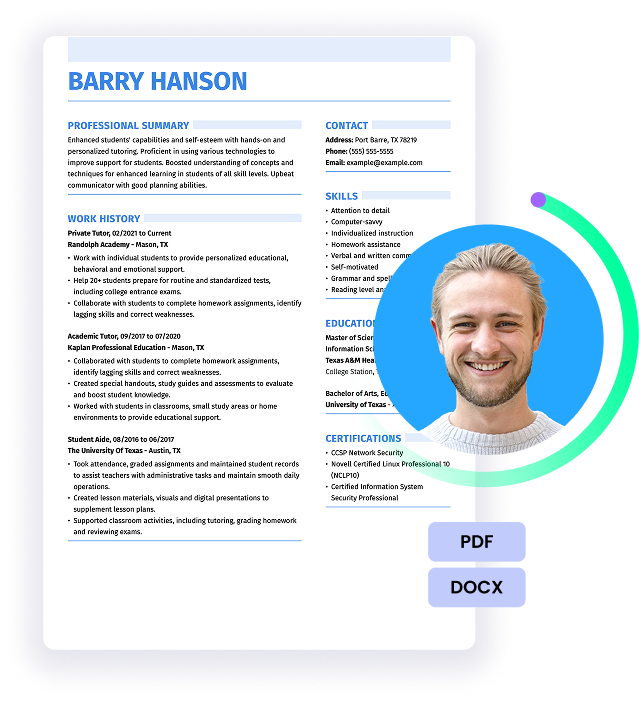
Hired By:*

 Featured
 Industry
 Experience
 Style
Style Layout
 Price
Price Color
ColorChoose from 345 ATS friendly templates
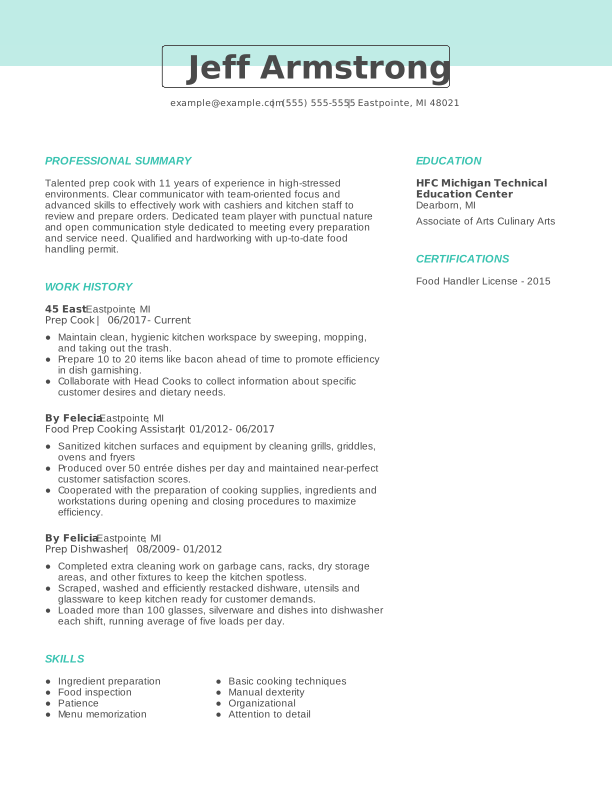
Creative Prep Cook Experienced Resume: Turquoise
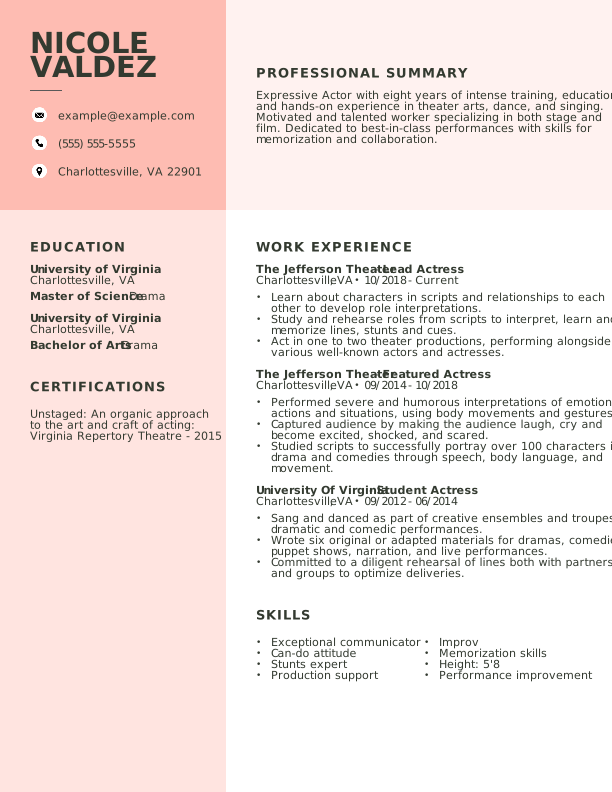
Creative Actor Experienced Resume: Contessa Rose
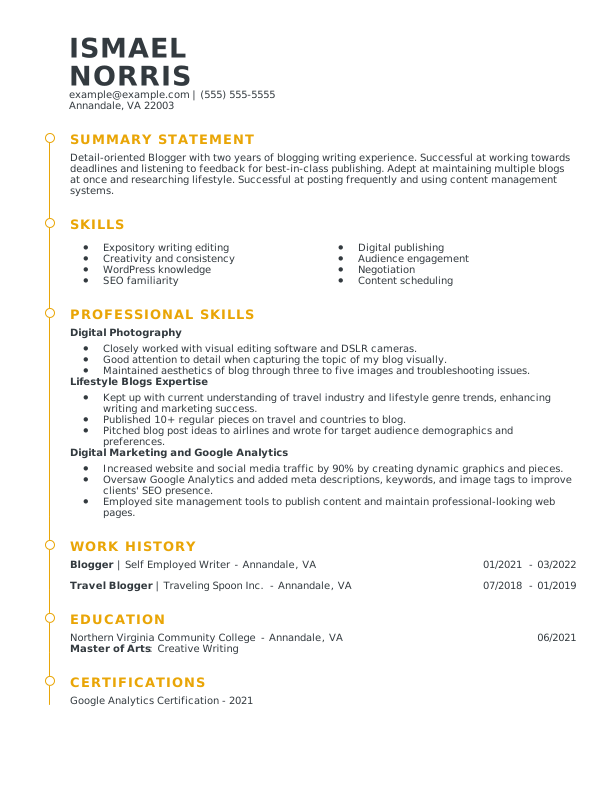
Modern Blogger Mid Level Resume: Medallion
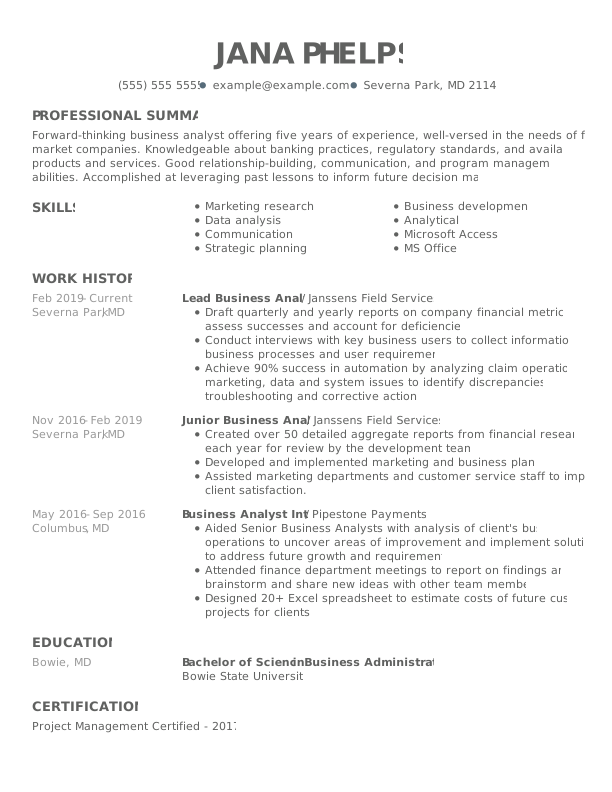
Creative Lead Business Analyst Experienced Resume: Nobel Grey
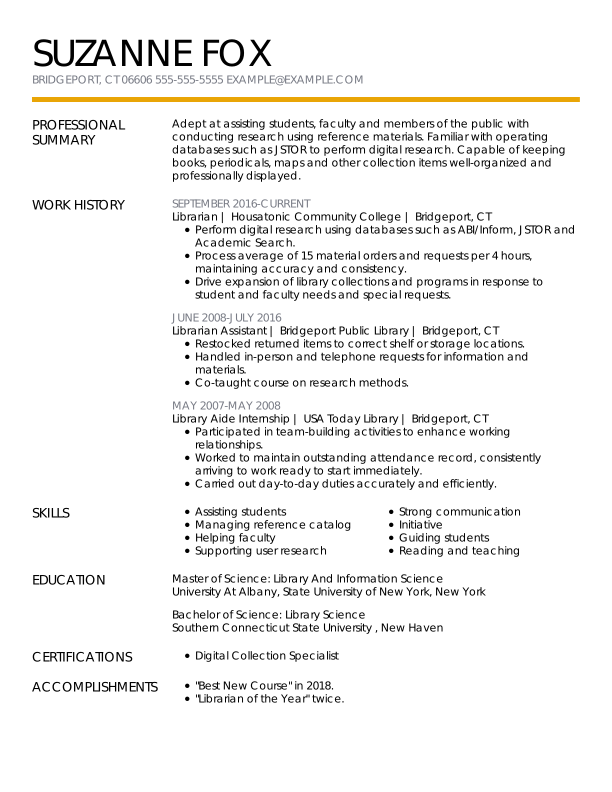
Modern Librarian Experienced Resume: Medallion
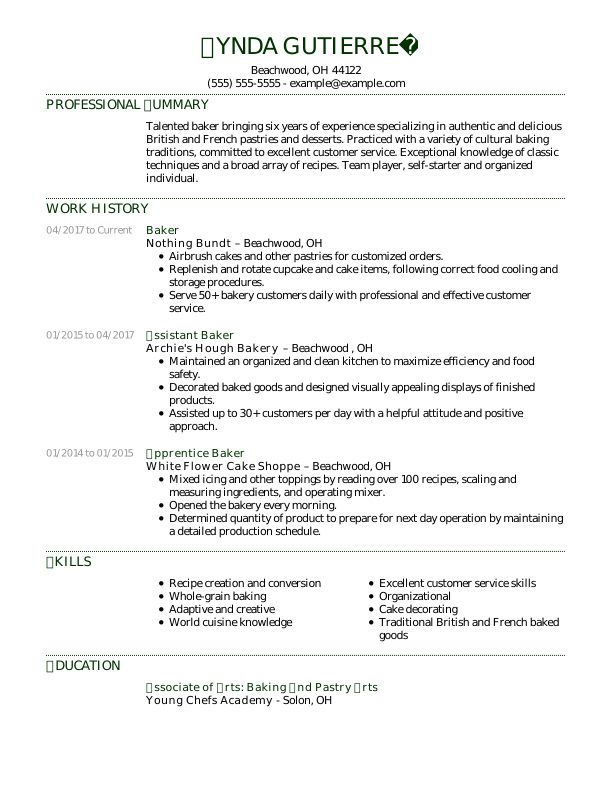
Traditional Baker Experienced Resume: Jungle Green
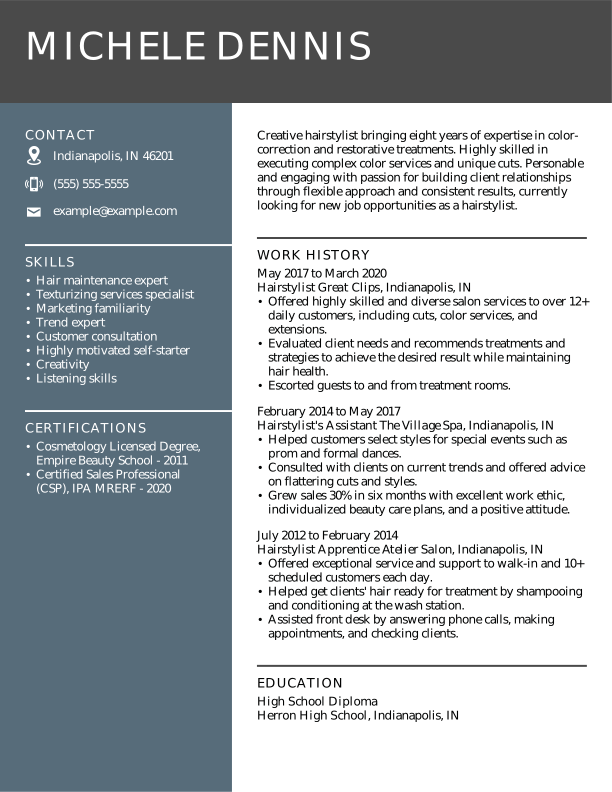
Modern Hairstylist Experienced Resume: Nobel Grey
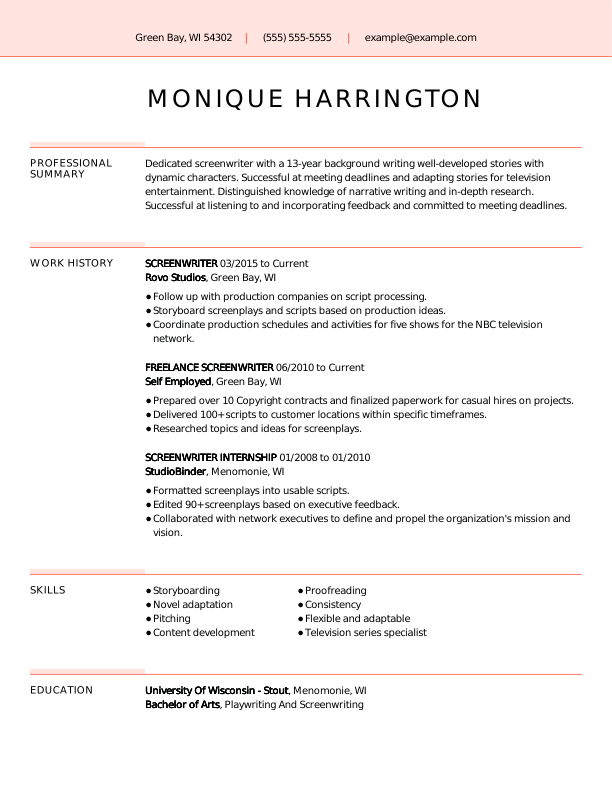
Creative Screenwriter Experienced Resume: Contessa Rose
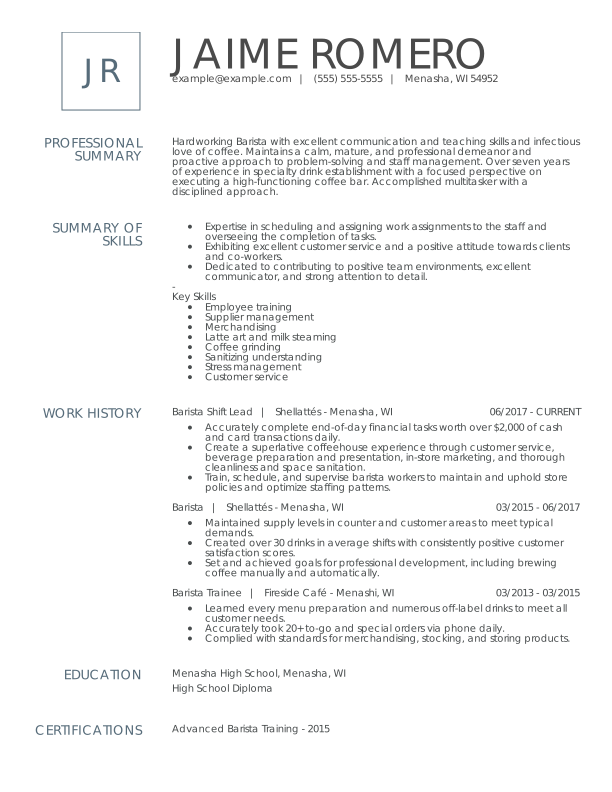
Modern Barista Experienced Resume: Nobel Grey
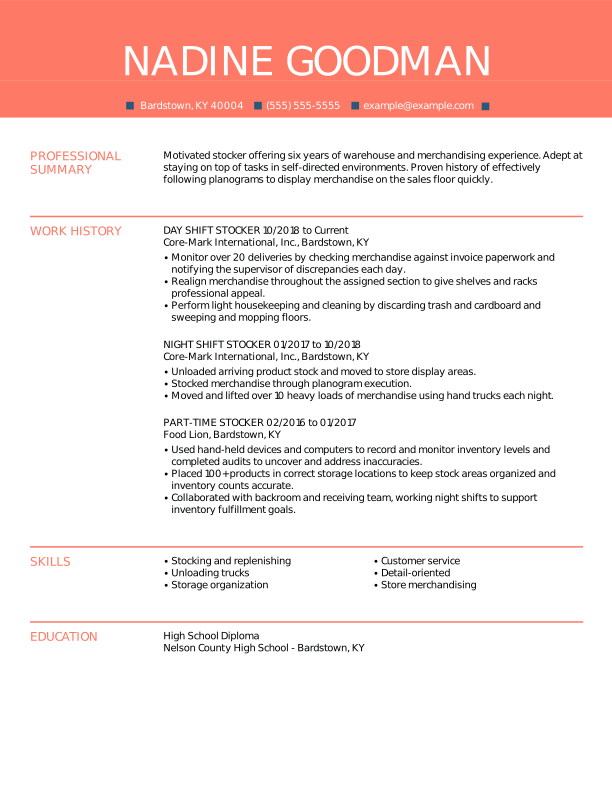
Creative Stocker Experienced Resume: Contessa Rose
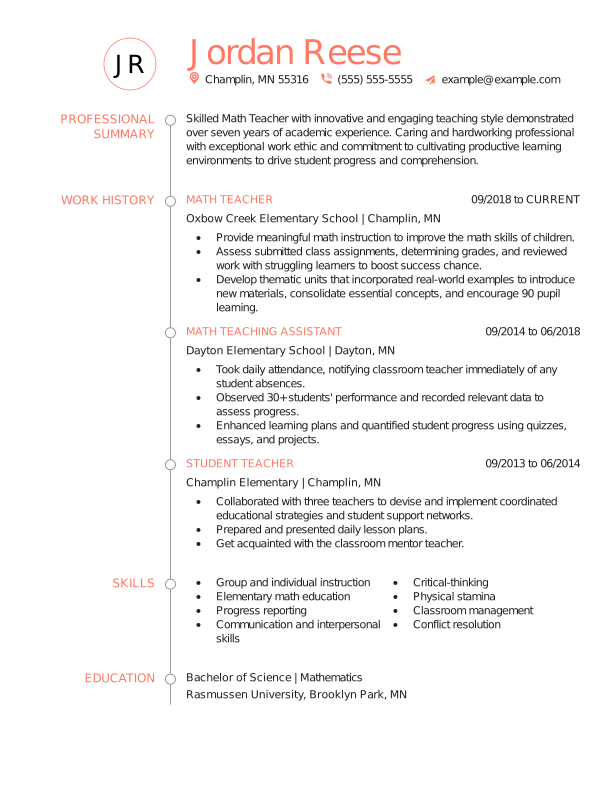
Creative Math Teacher Experienced Resume: Contessa Rose
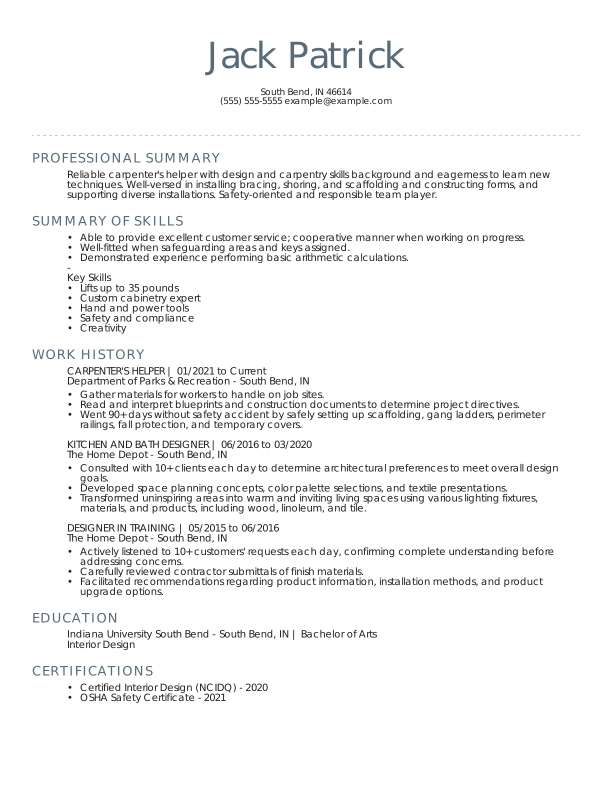
Traditional Carpenter's Helper Experienced Resume: Nobel Grey
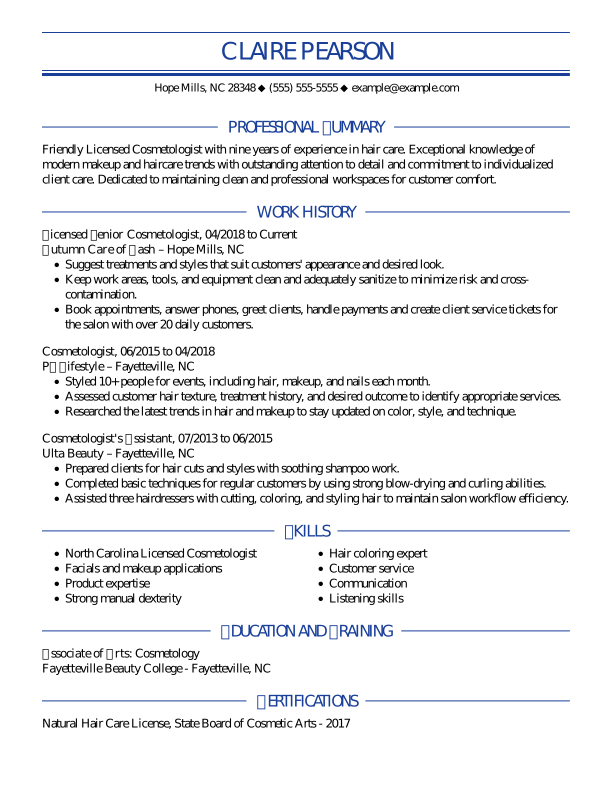
Traditional Cosmetologist Experienced Resume: Oxford Blue
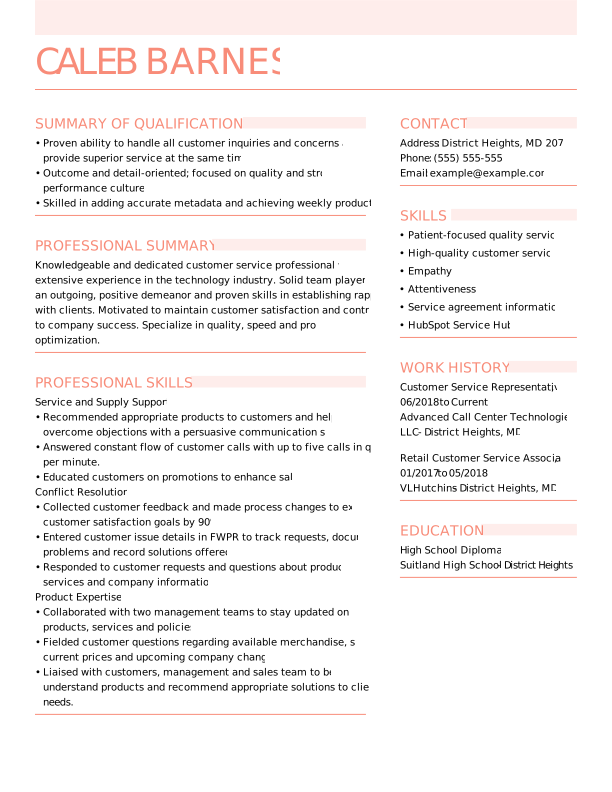
Modern Customer Service Rep Mid Level Resume: Contessa Rose
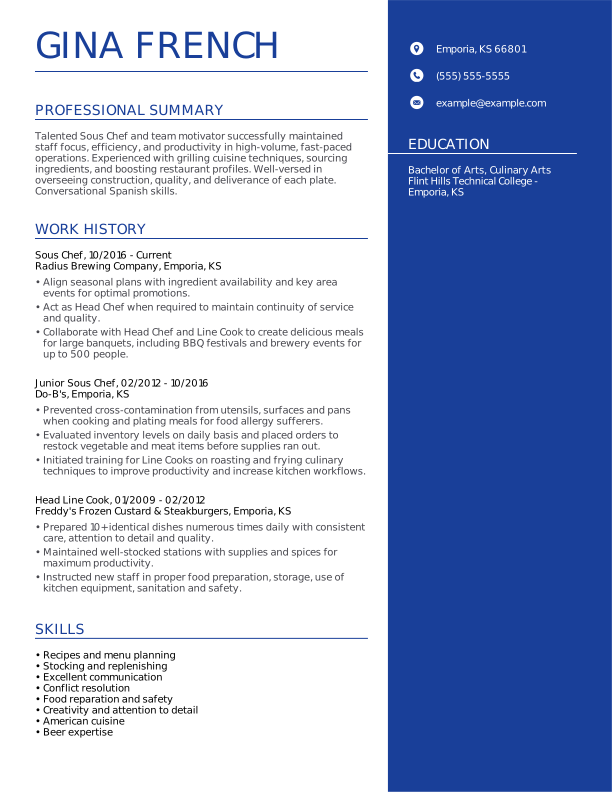
Modern Sous Chef Experienced Resume: Oxford Blue
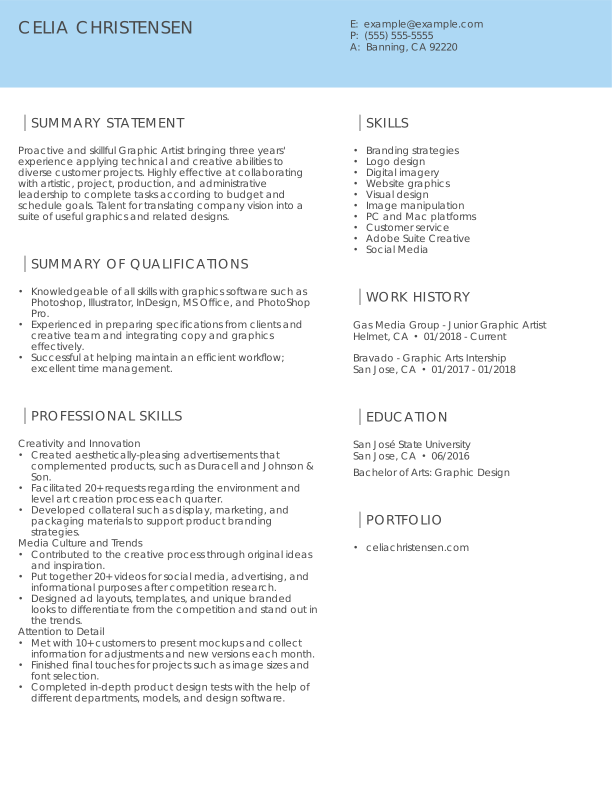
Modern Graphic Designer Mid Level Resume: Olympic Blue
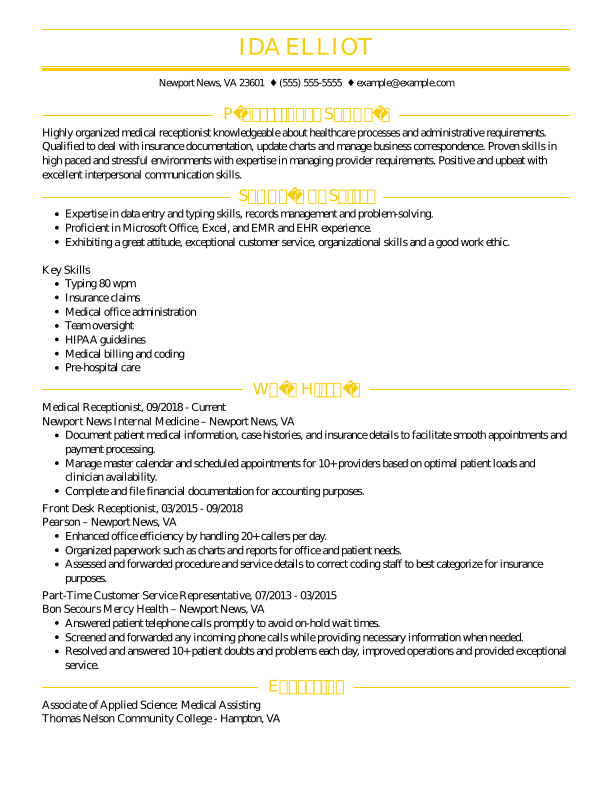
Traditional Medical Receptionist Experienced Resume: Tuscan Yellow
Traditional Information Technology Assistant Experienced Resume: Contessa Rose
Modern Medical Receptionist Experienced Resume: Olympic Blue
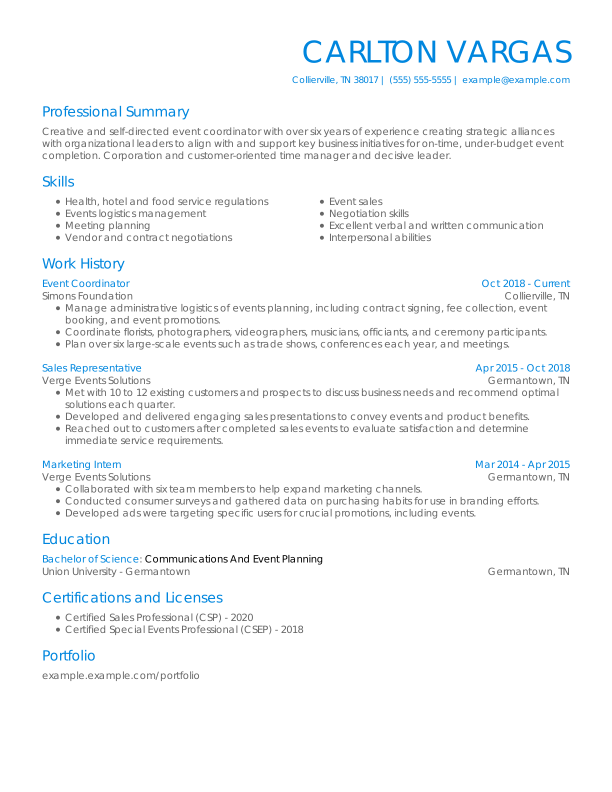
Traditional Event Coordinator Experienced Resume: Olympic Blue
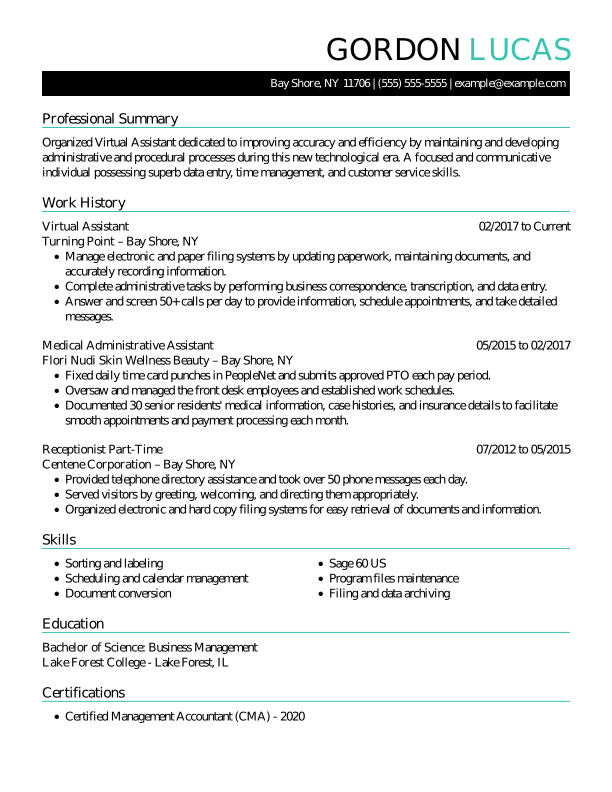
Traditional Virtual Assistant Experienced Resume: Turquoise
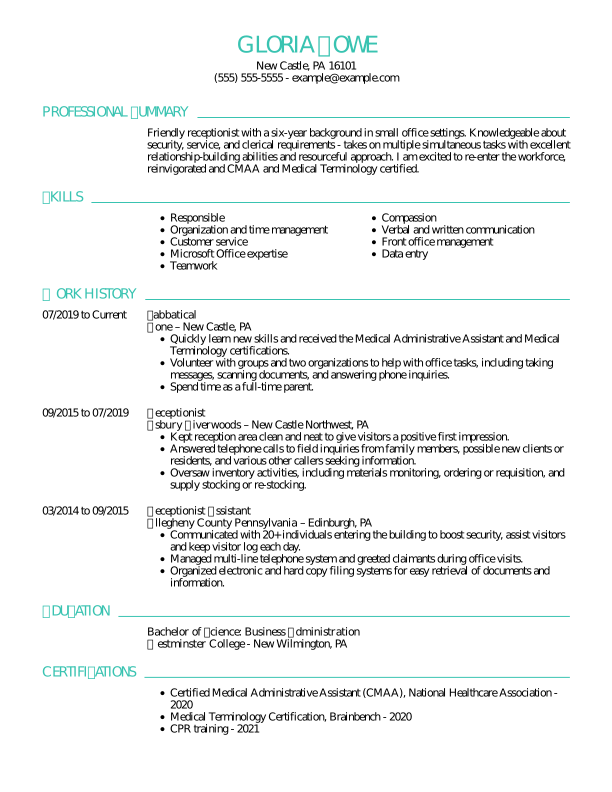
Traditional Receptionist Experienced Resume: Turquoise
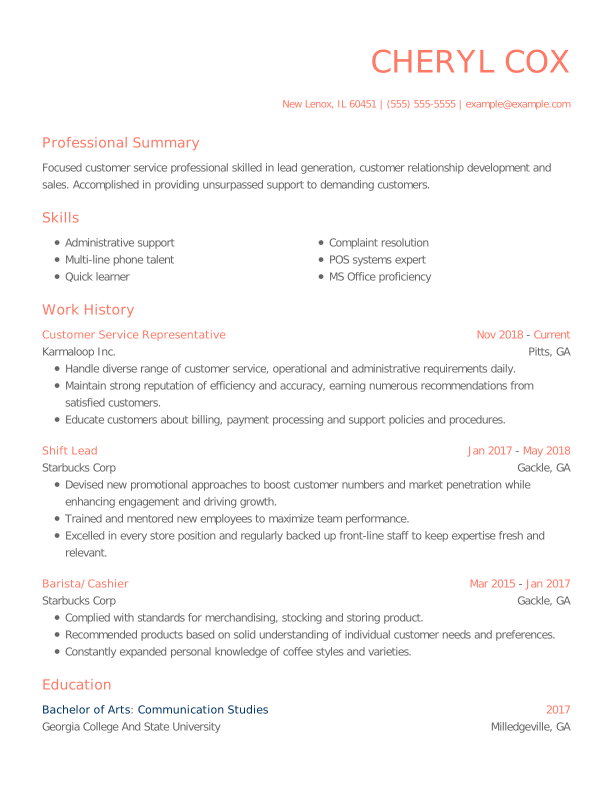
Modern Customer Service Rep Experienced Resume: Contessa Rose
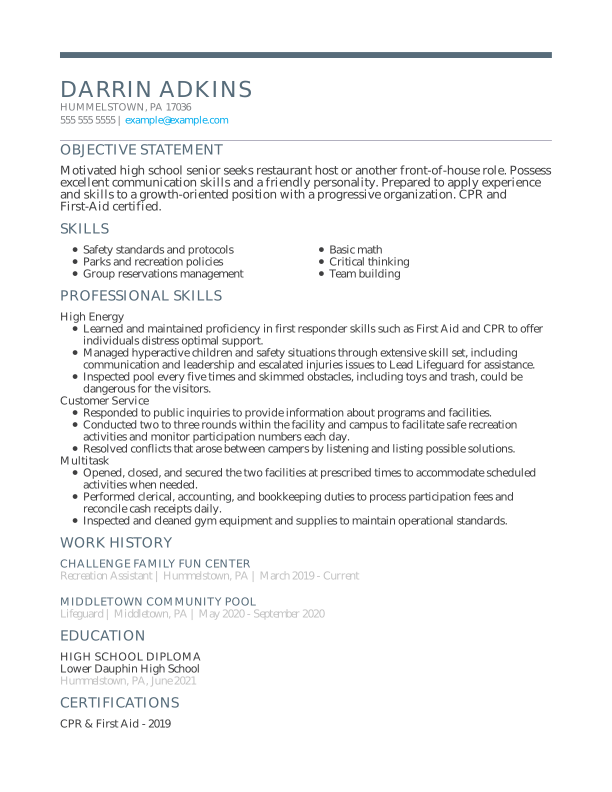
Modern Student Student Resume: Nobel Grey
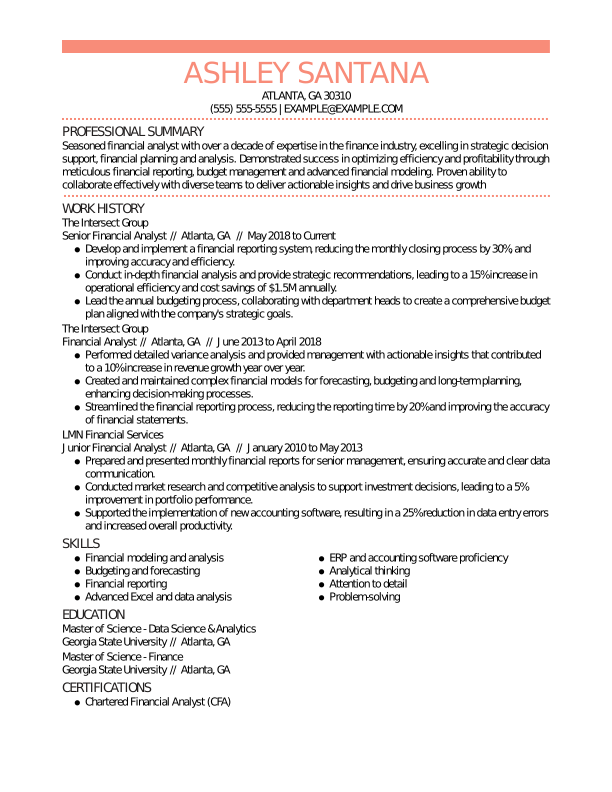
Traditional Financial Analyst Experienced Resume: Contessa Rose
Creative Sales Associate Experienced Resume: Olympic Blue
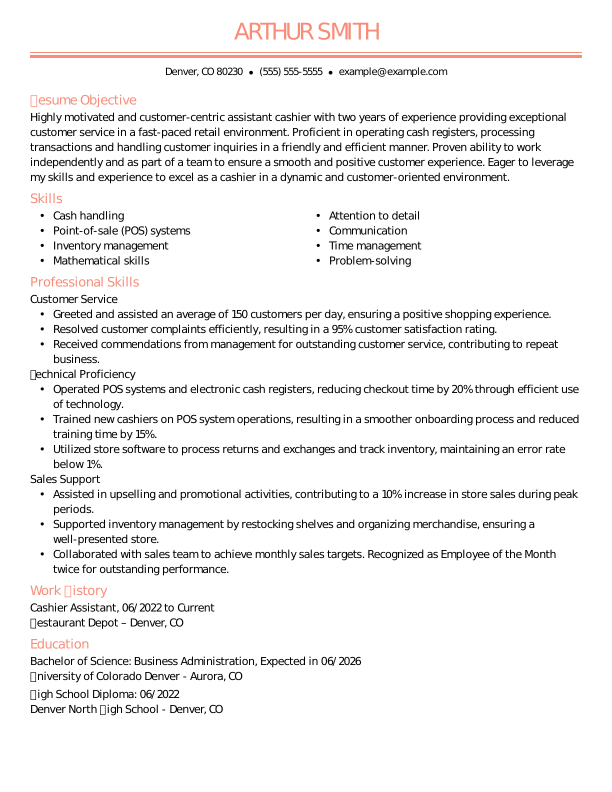
Traditional Cashier Mid Level Resume: Contessa Rose
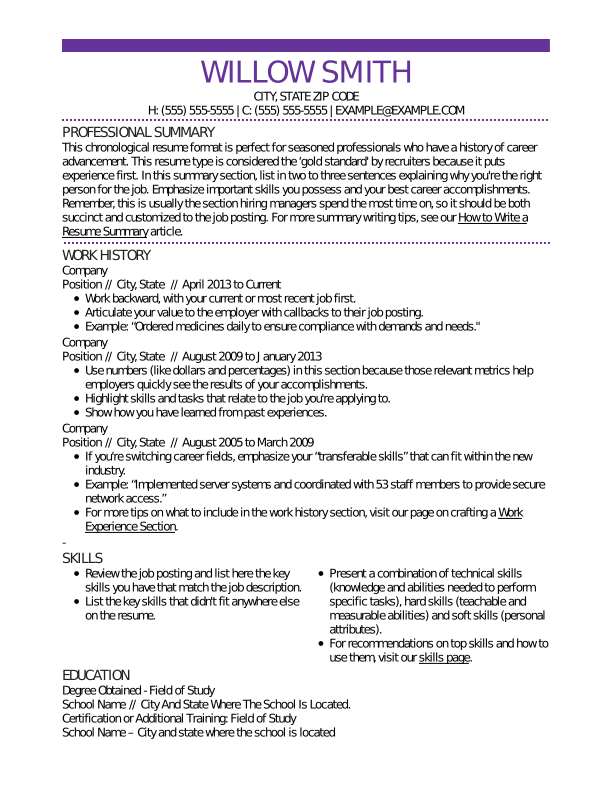
Traditional Experienced Resume: Electric Lilac
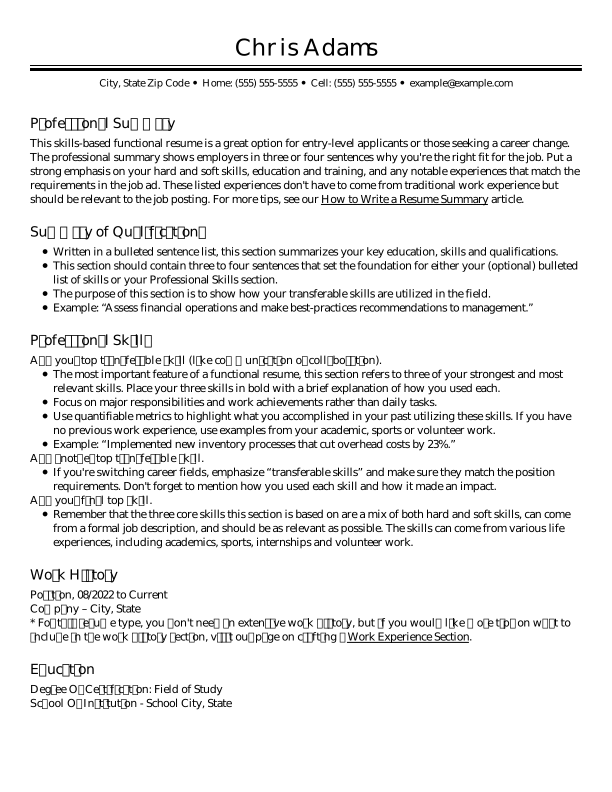
Traditional Mid Level Resume: Full Black
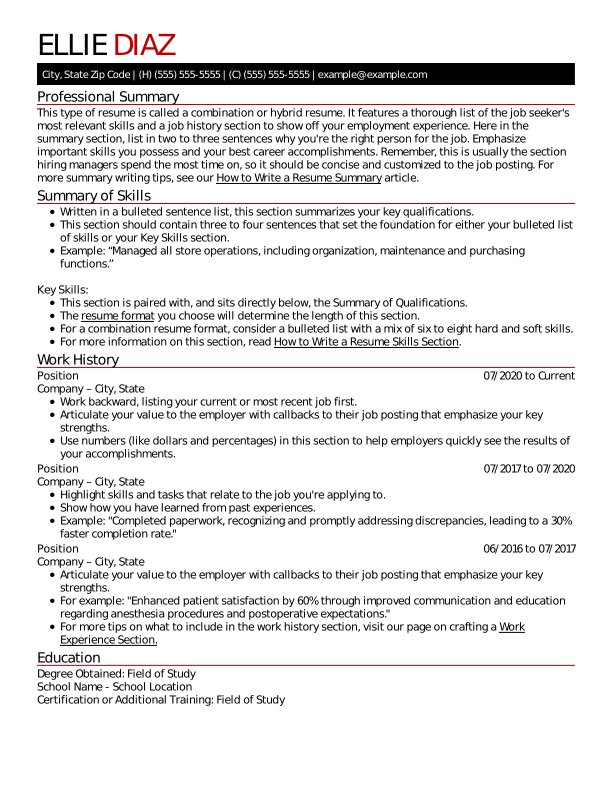
Creative Experienced Resume: Chili Red
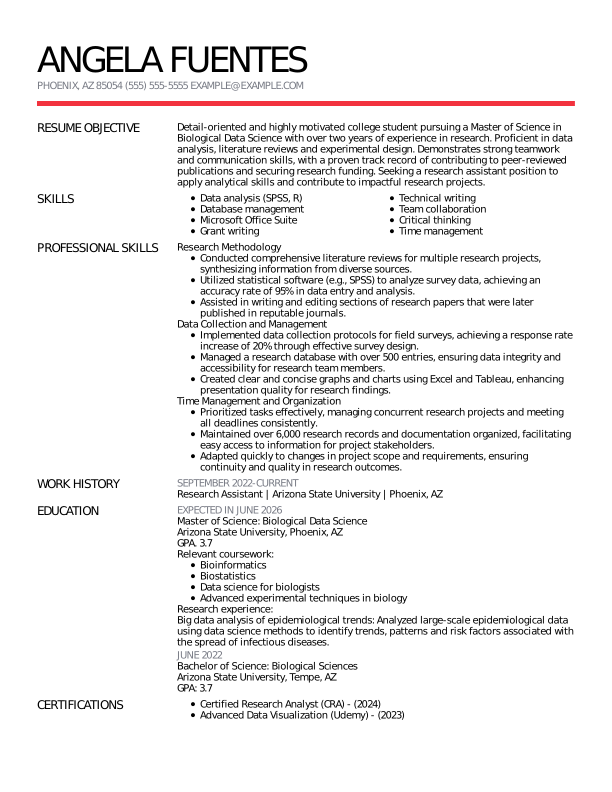
Modern Research Assistant Mid Level Resume: Chili Red
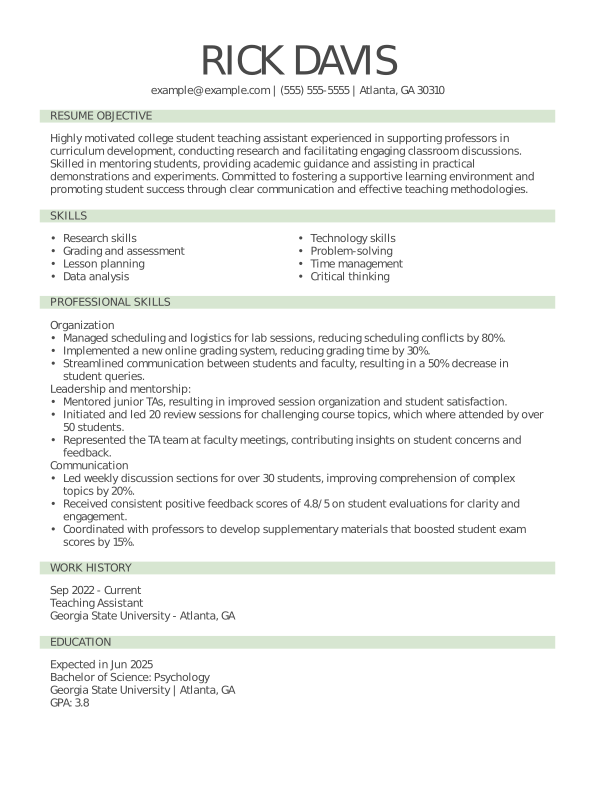
Traditional Teaching Assistant Mid Level Resume: Pixie Green
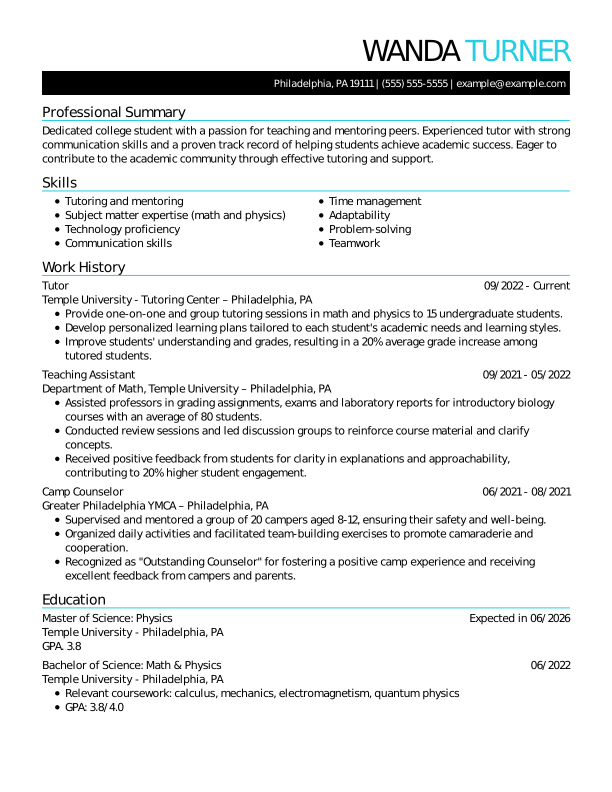
Traditional Tutor Mid Level Resume: Flourescence
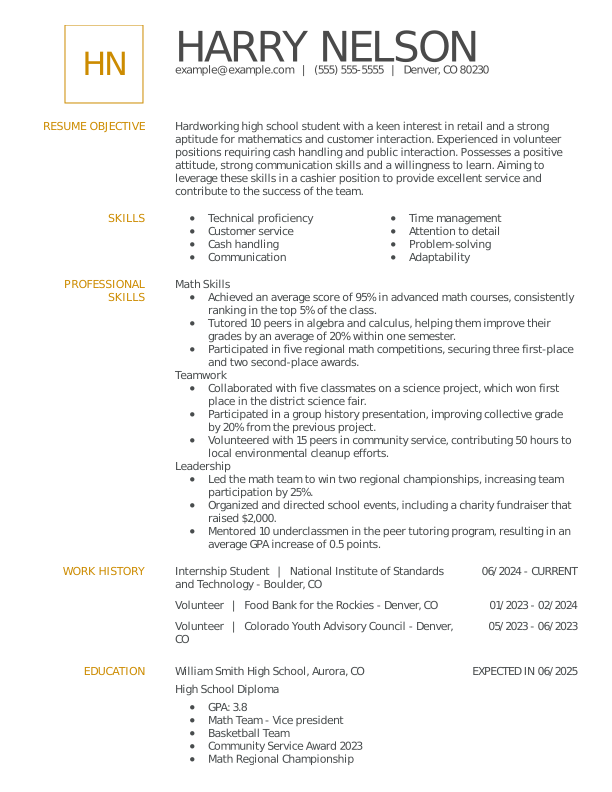
Modern Student Student Resume: Medallion
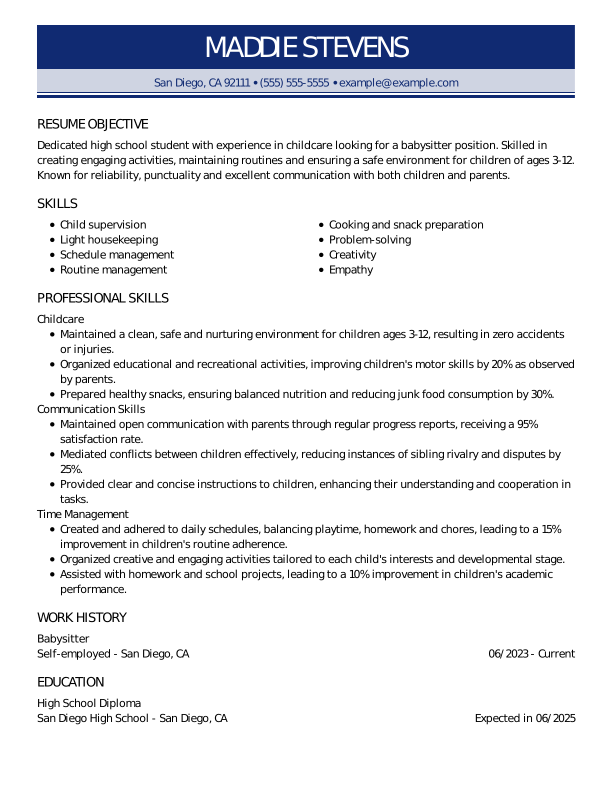
Traditional Babysitter Entry Level Resume: Oxford Blue
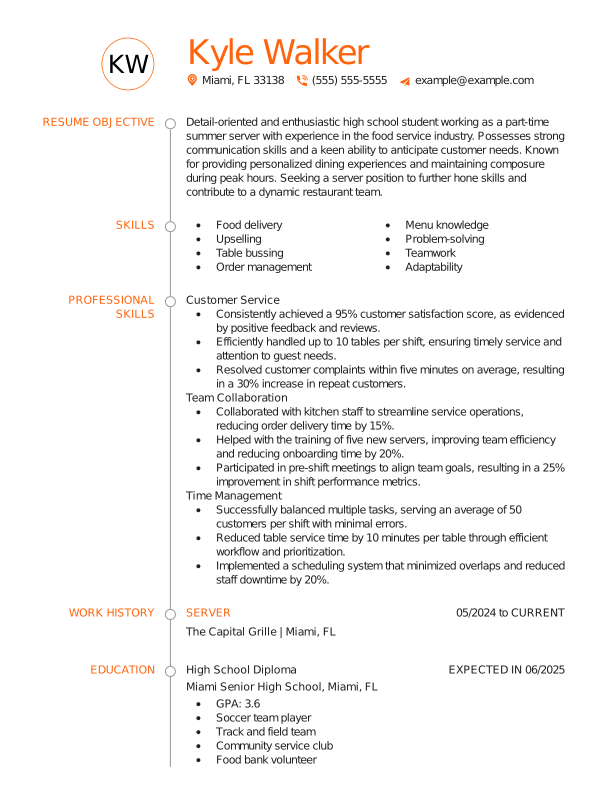
Creative Server Entry Level Resume: Flaming Orange
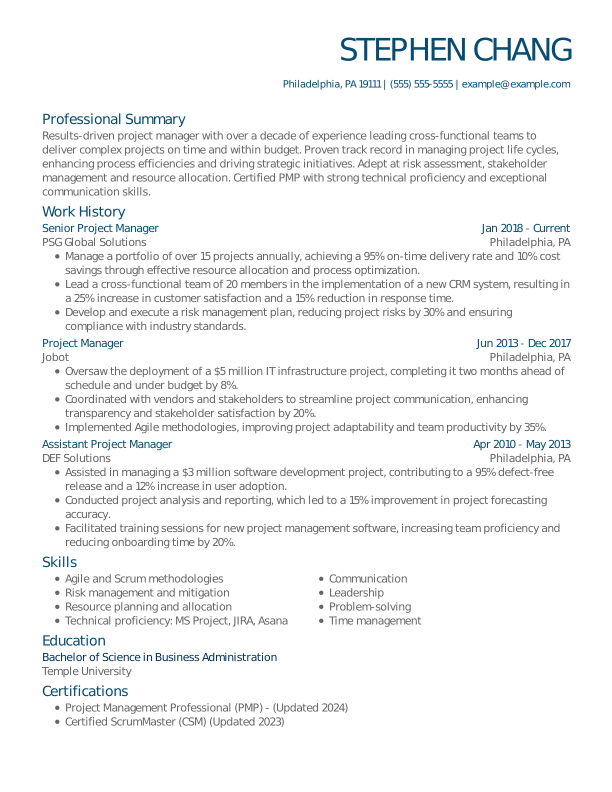
Modern Project Manager Experienced Resume: Slate Blue
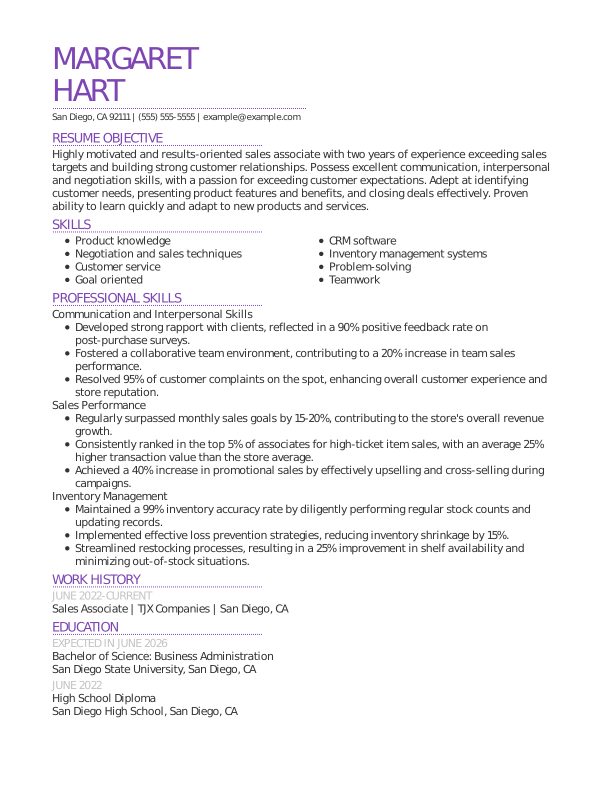
Modern Sales Associate Mid Level Resume: Electric Lilac
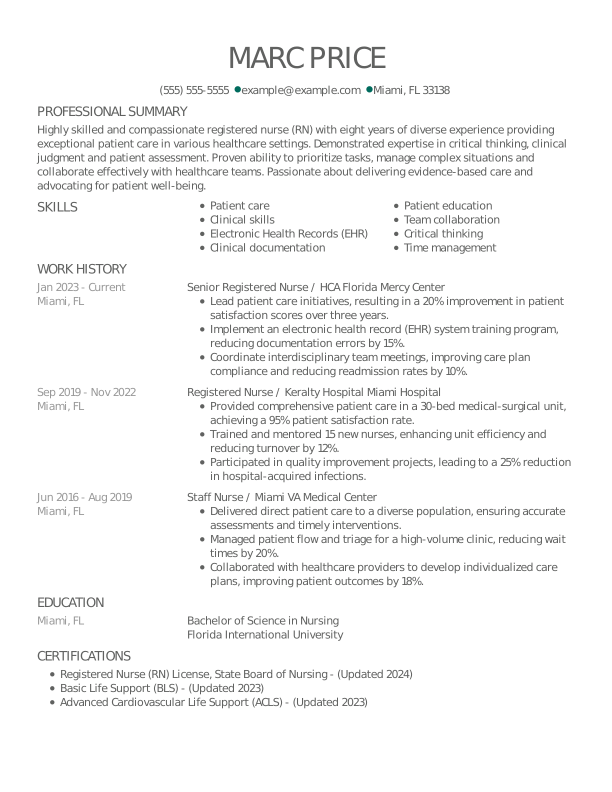
Creative Registered Nurse Experienced Resume: Empress Teal
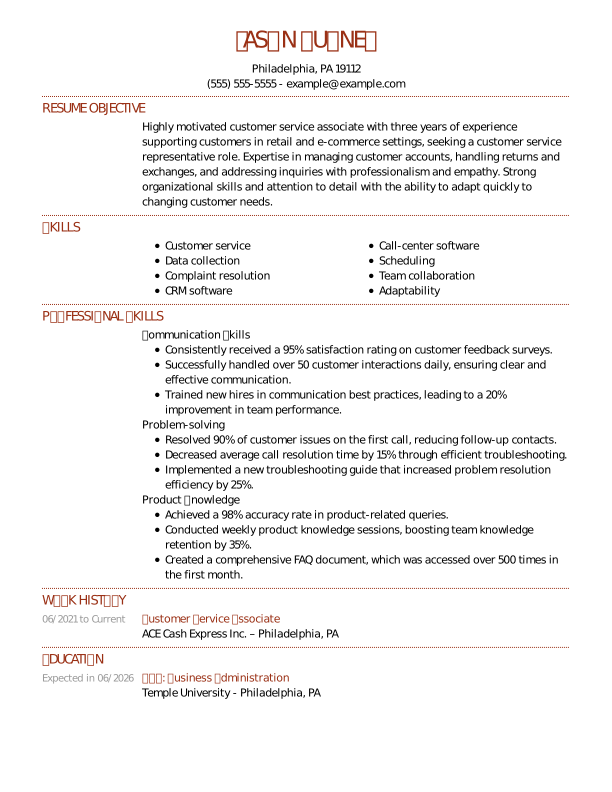
Traditional Customer Service Associate Mid Level Resume: Indian Red
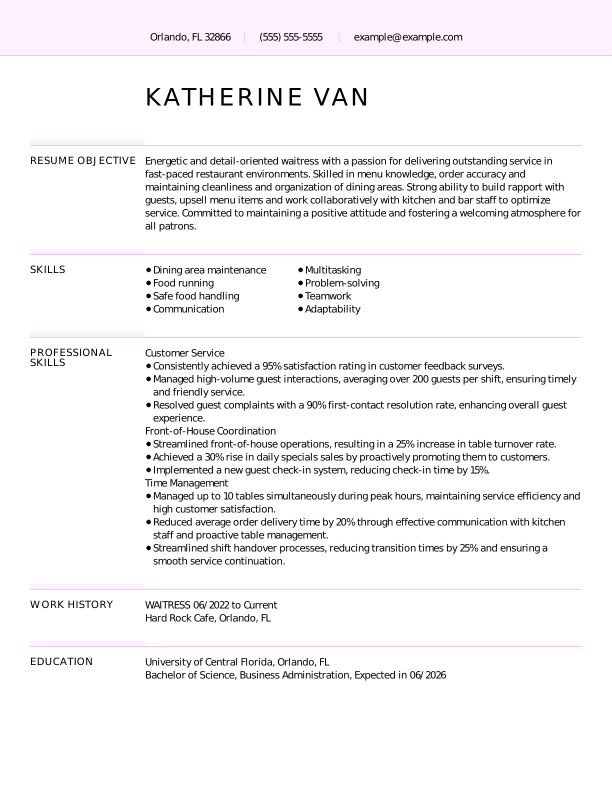
Creative Waitress Mid Level Resume: Light Wisteria
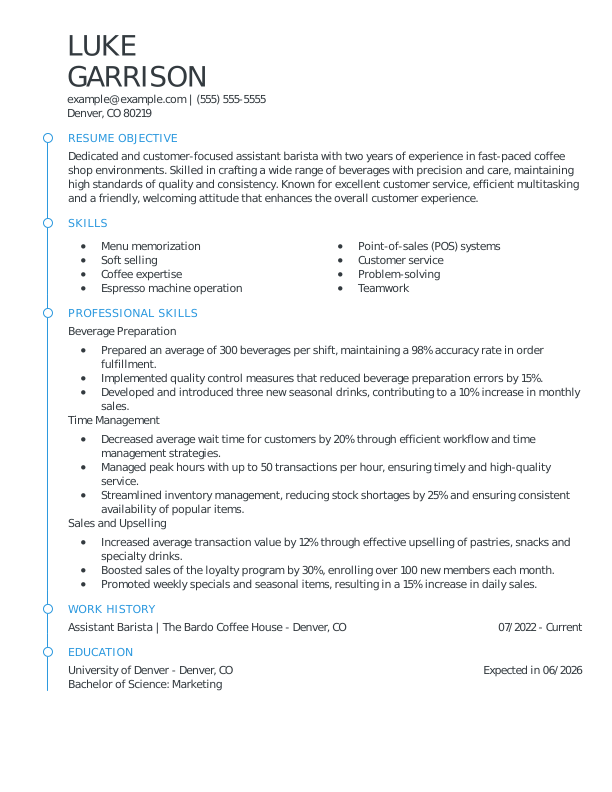
Modern Barista Mid Level Resume: Olympic Blue
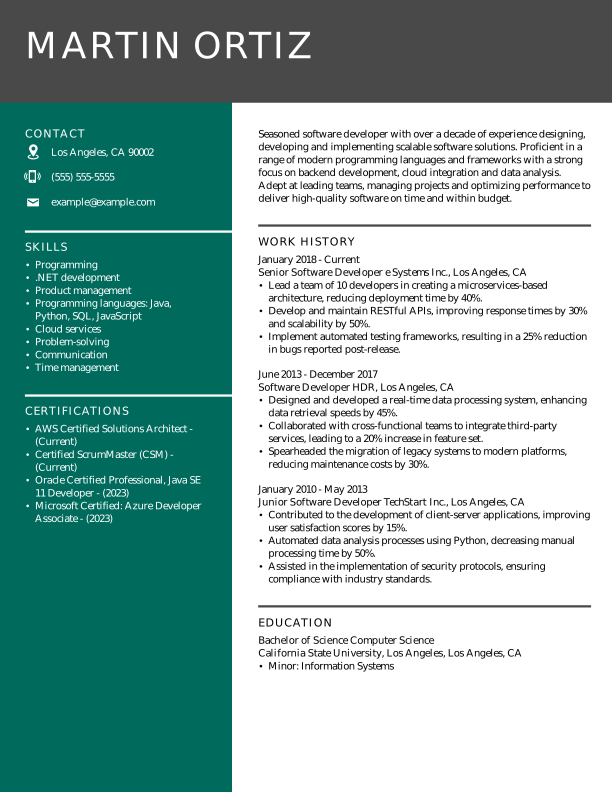
Modern Software Developer Experienced Resume: Empress Teal
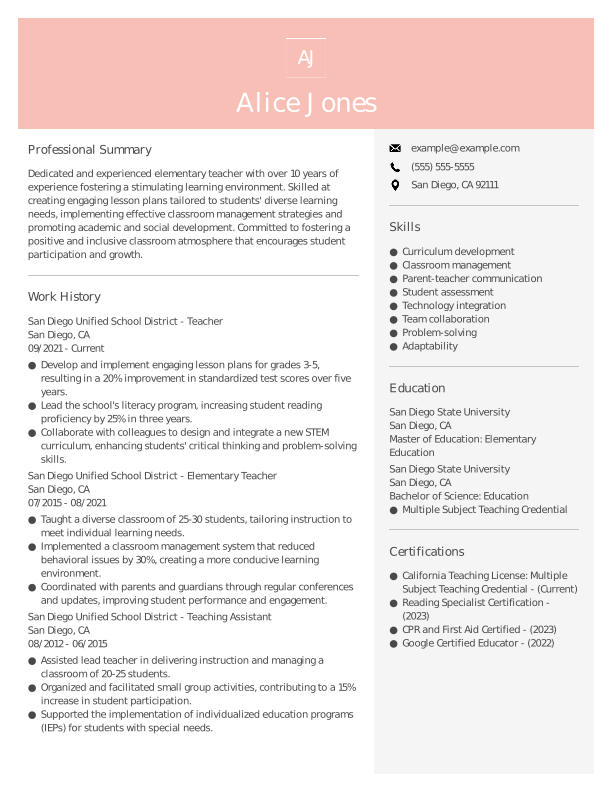
Modern Teacher Experienced Resume: Azalea Pink
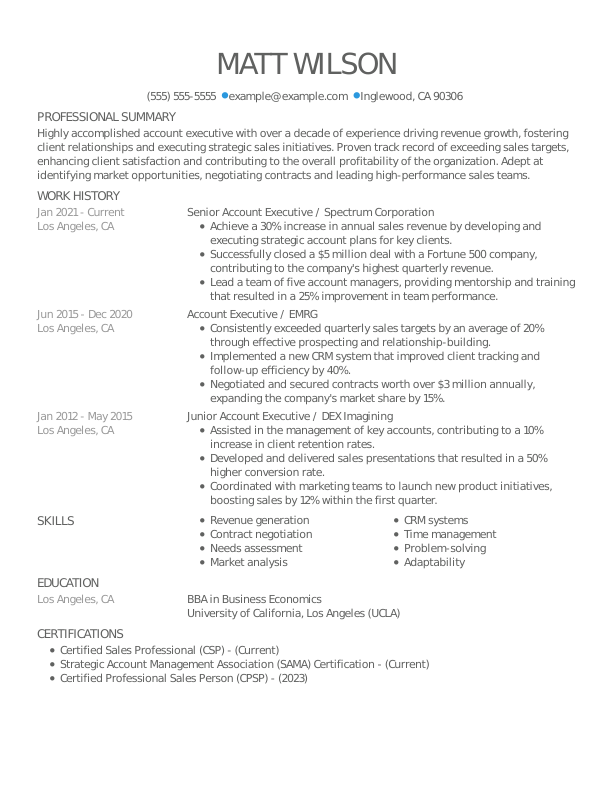
Creative Senior Account Executive Mid Level Resume: Olympic Blue
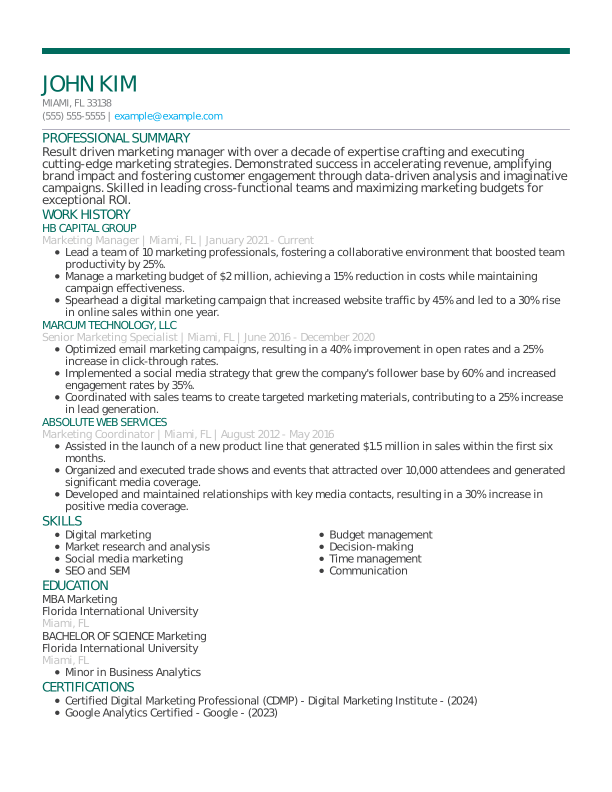
Modern Marketing Manager Experienced Resume: Empress Teal
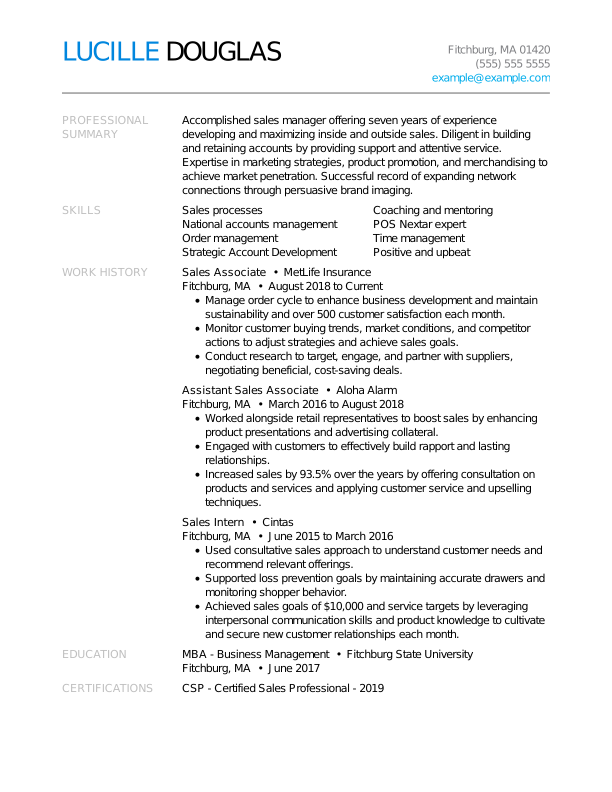
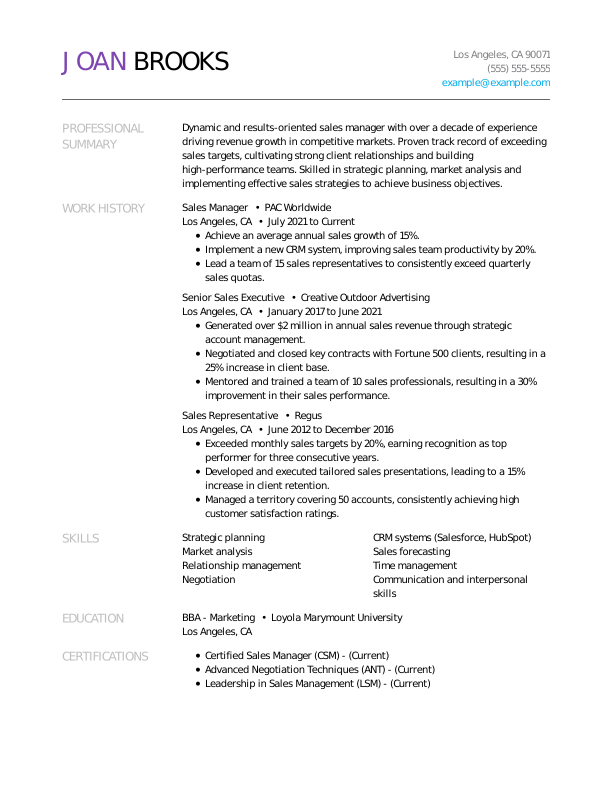
Creative Sales Manager Experienced Resume: Electric Lilac
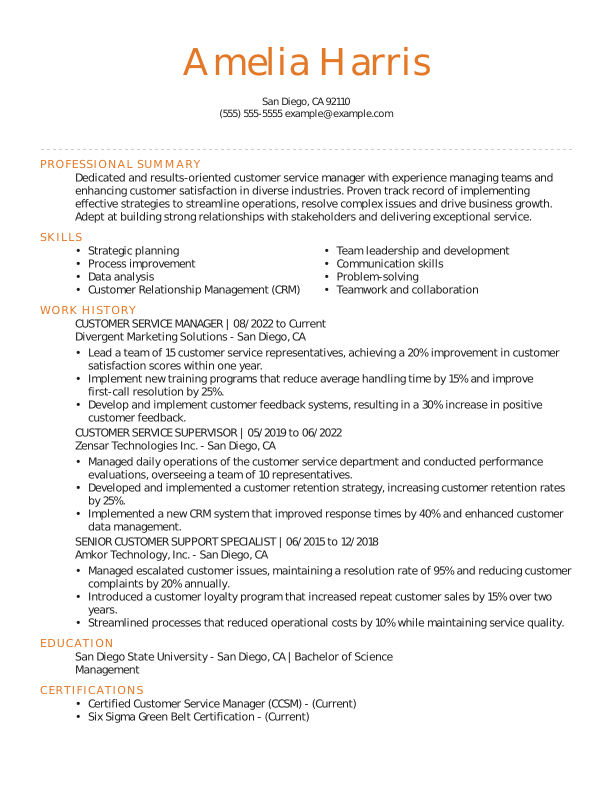
Traditional Customer Service Manager Experienced Resume: Orange Sunrise
See What Our Users Are Saying
Why Choose LiveCareer Resume Templates
Our expert-designed resume templates come with many benefits, including:

Designs for all industries
Find professional resume templates that help you showcase your unique style and personal brand for any role.

Premium template features
Our resume templates offer premium tools like a color picker and simple drag-and-drop section rearrangement.

Job-specific content suggestions
Templates include job-tailored content for every role and experience level, saving you time and boosting impact.

ATS Resume Check tool
Optimize your resume with tips from our ATS Resume Checker to ensure you pass the first round of reviews.

ATS-friendly layouts
Our templates are designed to pass applicant tracking systems, getting your resume in front of real hiring managers.

Easy customization
Quickly personalize your resume by easily adding extra sections and using integrated AI to write your content.
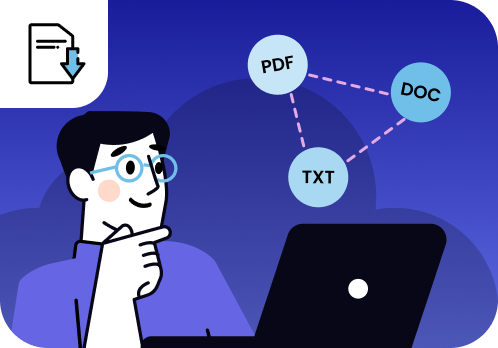
Multiple download options
Take your pick! Download any of our templates as a PDF or DOC—or, for a free download, opt for a TXT file.

A high-powered resume builder
Our builder combines automatic layout formatting and user-friendly design tools to create professional, custom resumes.
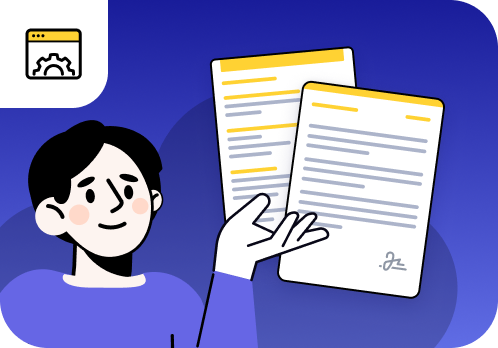
Matching cover letter templates
Pair your resume with a cohesive, professional cover letter template for a polished, complete application.
Resume Examples for Top Jobs
Discover more resume samples featuring standout designs and content tailored to today’s fastest-growing careers.


Make the Most of Our Resume Templates

Use free templates with built-in guidance.
Take advantage of our free templates, which you can find higher up on this page under “Free resume templates.” Each template comes with clear instructions for filling out each resume section with your qualifications. If you need more guidance on what to write in your resume, our Resume Builder will suggest skills and credentials tailored to your job title.

Choose the right template for you.
If you’re questioning which resume template to choose, consider your industry, career level, and personal style. Use traditional designs for law or academia, and modern templates for creative and innovative roles. Choose templates with a resume format that highlights your strengths and minimizes potential red flags.

Use ATS-friendly templates.
Our templates’ design and content are optimized for applicant tracking systems (ATS). Choose clean, simple templates with one-column layouts and minimal design to pass ATS, or upload your current resume to our ATS Checker to catch formatting and content issues.

Customize your resume.
Make your resume unique by adjusting fonts, colors, and layouts. Use our Resume Builder to easily modify margins, spacing, and sections for a polished, professional look.

Tailor your resume to the job.
Customize each resume by focusing on the skills, achievements, and keywords that match the job description. This helps your application stand out to both recruiters and ATS.

Create a cohesive application.
Use our matching resume and cover letter templates to present a polished, unified look. With a free LiveCareer account, you can manage all your documents in one place and switch designs whenever you like.

Fill out your template the right way.
Fill out your resume template with your complete contact information, a skills-focused summary, your top achievements in the work experience, six to eight key skills, and your education details. Aim to keep your resume to one page (two max).
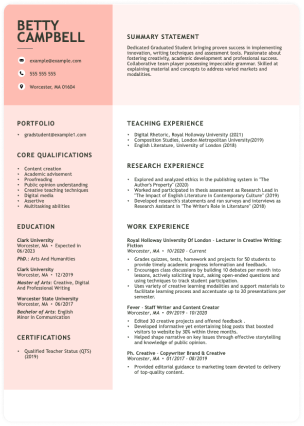
Create a Perfect Resume With Our Builder
Build My Resume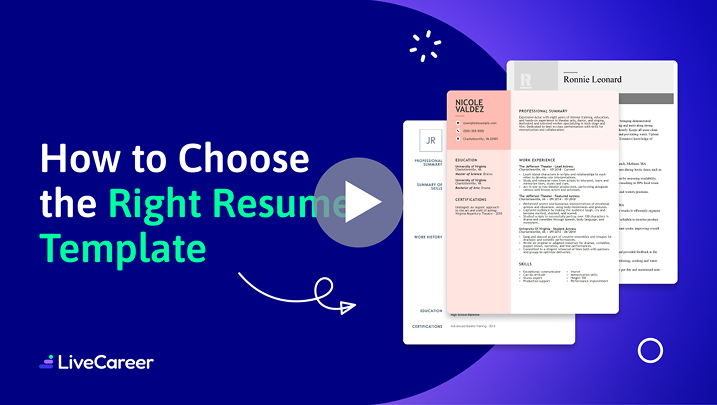
Make your resume stand out
Click play to get five pro tips for choosing the right resume template and customizing it so your job application stands out to employers.
Expert Reviews



Frequently Asked Questions
Last updated on April 13, 2026
How can I make a resume with LiveCareer?
Click on any of the templates on this page to open our Resume Builder and make a custom resume. Answer a few questions about your target job title and years of experience, and choose a template. Follow the builder’s prompts to fill in each resume section one by one.
Take advantage of ready-made content tailored to your job and simply copy and paste it into the template. Adjust your template’s design and review formatting changes live before saving and downloading in your preferred file format.
What is an applicant tracking system?
An applicant tracking system (ATS) is software that companies use to scan resumes for potential candidates before they reach a human recruiter. Employers program their ATS to look for resumes that meet specific criteria, skills, years of experience, and other qualifications. ATS also looks for formatting inconsistencies and grammatical errors.
To help you make an ATS-friendly resume, LiveCareer’s resume templates, designed for job seekers of all experience levels, have neat formatting that meets every ATS standard.
You can verify if your resume is ATS-compliant by uploading it to our ATS Resume Checker. We’ll let you know what details to change to make it ATS-friendly.
Who created these resume samples?
Our resume samples are written with our builder and reviewed and edited by our team to ensure you get accurate examples of content that can help you land job interviews.
Do you have one-page resume templates?
All our resume templates are one page long. By editing our resume templates in our builder, you get built-in formatting tools that ensure all your information fits neatly into one page. These user-friendly adjusting tools also allow you to easily extend your resume beyond one page, all while sticking to recruiter-approved formatting criteria. If you want more tips for fitting all your content into a one-page document, check out our one-page resume templates guide.
Related Articles


![Best Resume Font and Size in 2025 [14+ Examples]](/lcapp/uploads/2023/05/best-resume-font-size-banner.webp)





Ready to land the job?
Join 28M+ others who've built a resume that works.

×
Get your free resume template
Fill in the below fields to download your template and start building your best resume.
Downloading...

Ready to try one of our premium resume template?
With our AI resume Builder, you can:
 Choose from dozens of eye-catching, ATS-friendly designs
- Add ready-made content suggestions, customizable for your target role
- Automatically check your resume for mistakes
- Get a final file in less than 15 minutes
No thanks, download anyway.